_1745823981883.webp)

Affordable Reverse Osmosis Water Filters: Top Picks for Budget Buyers
To get the best water filter, you don't need to spend a lot of money. If a business in the pharmaceutical, food processing, or industrial fields needs to clean water without spending a lot of money, they can use reverse osmosis equipment. There are low-cost ways to get rid of up to 99% of pollutants, like heavy metals, dangerous chemicals, and dissolving solids. Because of this, they are perfect for businesses that need to treat their water consistently without dropping quality standards or making the business less efficient.

Introduction
For many business and industry uses, reverse osmosis is the best way to get high-quality water that has been cleaned for use in industry. More and more businesses, from those that make drugs to those that cook food, know how important it is to install filter systems that work well, meet strict quality standards, and don't break the bank.
More and more buying managers, process engineers, resellers, and OEM partners are looking for reliable and inexpensive RO options. This shows that the market is moving in that direction. They have to make choices all the time, and it's tough for them to find the best mix between running the business well and being responsible with money. They need to have filter devices that always work and don't cost too much.
In this full guide, we'll show you carefully chosen RO filter options that won't break the bank, talk about important selection factors that affect long-term value, and give you maintenance tips that will make systems last longer. This study gives guidance on strategic buying that helps people make decisions about water filters that are affordable and meet the needs of their businesses.
Understanding Reverse Osmosis Water Filters
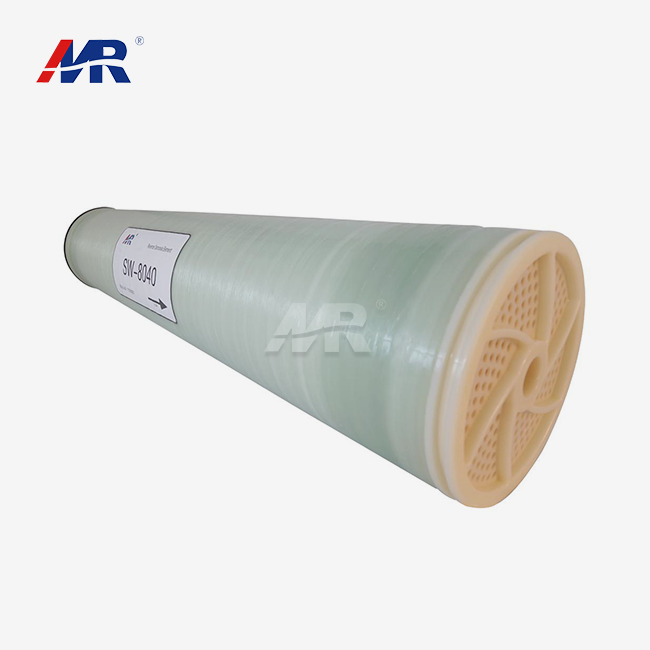
Reverse osmosis works because of advanced semi-permeable membranes. They get rid of heavy metals, dissolved solids, and small pollutants from the water so that it is clean enough to be used in sensitive industrial processes. Because of its shape, the barrier blocks out everything bigger than 0.0001 microns, but it lets water molecules pass through. This gets rid of more than 95% of most toxins that have dissolved.
Key Contaminants Targeted by RO Systems
Modern RO systems are great at getting rid of many problems with water quality that can make business tasks take longer. Heavy metals like lead, mercury, and arsenic can be filtered out. Salts, nitrates, and sulfates that can damage equipment or make the product less effective can also be dissolved. These systems are very helpful in factories where the quality of the goods depends on how clean the water is. They can lower chlorine, fluoride, and total dissolved solids (TDS).
When you look at other ways to clean, it's clear that RO filtering is better. RO systems are better at getting rid of minerals and salts that have dissolved in the water than carbon filters. Water that tastes or smells bad can be fixed with carbon filters. Biological pollutants are killed by ultraviolet light, but chemical polluters are not. RO technology, on the other hand, gets rid of a lot of different kinds of dirt.
Benefits for Commercial Operations
When used in businesses, RO filters do more than just make the water better; they also help with other important tasks. Health and safety can be improved by getting rid of pollution on a regular basis, and businesses can meet water quality standards for their industry without having to worry about constant tracking when they follow the law.
When compared to getting bottled water or filters that don't work as well, the cost of the original best reverse osmosis water filtration system is usually recovered within a few months. Minerals don't build up as much in water, so manufacturing plants say their equipment repair costs go down. Food-making plants say their goods are more consistent and last longer because the water quality in their ingredients is better.
Top Affordable Reverse Osmosis Water Filters for Budget Buyers
There are a lot of things you need to think about when looking for cheap RO systems that affect both the short-term prices and the long-term value of the system. It is important to compare the initial investment to the total cost of ownership when making smart procurement decisions. Also, make sure that the systems meet the needs of the program and work as planned.
Essential Selection Criteria
Most importantly, when looking at cheap RO options, think about the filter capacity. This is because it has a direct effect on the size of the system and how well it works. Every day, the system needs to be able to produce the same amount of water that it needs to, taking into account times of high demand and possible growth needs. Taking care of different types is very different. Not all of them need to have their filters changed every month. Some can get by with cleaning every three months.
The cost of installation and how easy it is to do maintenance chores over time are both affected by installation compatibility. Most of the time, installing systems with normal water lines costs less, and designs that are flexible make it easier to move or make changes in the future. What the guarantee covers and how long you can get help with it show how sure the company is in the product. The fact that the product has full coverage means that it was built well and will work as planned.
Comparative Analysis of Budget Options
On the market, there are many cheap RO choices made for business use. Most entry-level commercial systems can make between 100 and 500 gallons of water per day. This is enough for small to medium-sized businesses that need clean water but not a lot of it.
The mid-range options generally have better membrane technology and tracking functions that work on their own, but the prices are still fair. Most of the time, these systems have pre-filtration steps that help the membrane last longer and need less maintenance. This makes the system cheaper to run generally, even though it costs a little more to buy in the first place.
More advanced models that aren't too expensive might be able to add sections and have tracking systems built in that show real-time performance data. Features for tracking from afar let you plan maintenance ahead of time and find issues before they affect the water quality or the way the system works.
Balancing Investment and Operational Costs
Acquisition methods that work take into account both how much it costs to buy the system and how much it costs to run it over its lifetime. Some filters are more expensive, but they get rid of more contaminants and need less upkeep, which means that over time, they cost less per gallon to treat.
The amount of energy that different RO systems need is very different. One type needs high-pressure pumps, which use more electricity, while another type does fine with lower pressures. It costs more to run a system when the amount of water wasted is high. Systems that produce less concentrated waste use less source water and spend less on cleanup.
When a normal factory carefully chose an RO system, it cut its yearly costs for treating water by 40%. At first, it cost 15% more, but it needed 30% less maintenance and used 30% less energy. The investment paid for itself in 18 months, which shows that smart buying can increase long-term value while staying within a budget.
Maintenance and Longevity of Reverse Osmosis Water Filters
How well a RO system is kept in an industrial setting has a direct effect on how well it works, how long it lasts, and how much it costs to own. Setting up regular repair plans helps avoid unexpected downtime, makes screening better, and makes parts last longer than what the manufacturer says they will.
Routine Maintenance Protocols
The first step in successful RO maintenance is to replace the cartridges on a regular basis, based on the manufacturer's directions and how often you actually use the RO. Every 60 to 90 days, depending on the quality of the water source, pre-filter parts need to be changed. When used regularly, ro membranes, on the other hand, typically last between 18 and 36 months. Keeping an eye on the changes in system pressure can help you find membrane fouling or blocking early on.
To get rid of built-up dirt and germs, systems should be cleaned with both chemical sanitization and mechanical washing. Using allowed cleaning Products once a week during the cleaning process helps keep system parts germ-free. Mineral deposits can make filtering less effective and working pressures go up. Cleaning the membrane once a month gets rid of these deposits.
You can find patterns and the best times for service based on real performance data instead of general advice if you keep track of the maintenance jobs you do. Trends can be found by keeping track of pressure readings, flow rates, and water quality readings. These trends may show new problems that need to be solved before they make the system less reliable.
Component Replacement and Troubleshooting
Know the signs of a water filter so you can replace parts before they break. This keeps the system from breaking down and the water quality from getting worse. Usually, when flow rates drop, it's because the membrane is getting clogged or the pre-filter is full. On the other hand, when TDS levels rise, it means that the membrane is broken or the seal has failed, which needs immediate repair.
To do maintenance like a pro, you need the right tools, such as pressure gauges, TDS meters, and RO system cleaning machines. As part of safety rules, cleaning methods must not put people near chemicals, and when sanitizing agents or membrane cleaners are being used, there must be enough air flow.
When you plan routine maintenance, you should think about how the system might not work as well during different times of the year and with different sources of water. If the chlorine level changes with the seasons, you might need to change your carbon filters more often. In places where hardness levels change with the seasons, on the other hand, care plans that can be changed based on water quality tests might be helpful.
Procurement Strategies for B2B Buyers of RO Water Filters
If you want to buy RO filter equipment carefully, you need to look at more than just price when evaluating sellers and making plans for your purchases. They find the best ways to save money and help with operations, build long-term relationships with reliable makers, and buy things when the programs work well.
Sourcing Through Reliable Channels
Genuine gear with full manufacturer warranties and expert support can be bought from approved sellers and well-known wholesalers. These outlets often have deals where you can save money by buying in bulk and using subscription-based services that make management easier while making sure that there is a steady flow of new parts and products.
Direct connections with makers can give you extra benefits, like the chance to make configurations that work perfectly for you, get expert help, and get to support services more quickly. A lot of companies offer discounts for buying in bulk and long-term supply deals that lower costs and make sure parts are always available for the life of the system.
Online shopping sites are becoming more and more popular because they make it easy and cheaper to buy common types of tools. When you buy things online, it's still important to check the technical details and make sure that the items will work with each other. This is especially important for special uses that need custom setups or better performance.
Supplier Evaluation Criteria
Quality approvals are proof that you have met the law and factory standards. Quality management is planned when it's approved by ISO 9001, and goods are safe and can be checked to see how well they work for water treatment uses when they meet NSF/ANSI standards.
The guarantees that manufacturers offer show that they believe in their goods and want their customers to be happy for a long time. Warranties that cover both parts and labor are usually a sign of a product that you can trust. For mission-critical uses that need to be sure of getting the most out of their equipment, extended guarantee options may be worth looking into.
What makes a difference in how smoothly things run during maintenance or other unplanned issues is how quickly customer service responds. Expert support 24 hours a day, seven days a week, direct service, and online diagnostic help from suppliers show that they care about their customers' success after the equipment is provided.
Installation and After-Sales Services
Professional maintenance is recommended to get the most out of the system, and it may even be needed to keep the warranty valid. Crews that have done this many times know how to connect the water, power, and start-up steps in a way that avoids common problems and makes the system last longer and work better.
With online tracking, you can plan repairs ahead of time and make things run better without having to be there in person. More advanced systems can give practical data like flow rates, pressure readings, and water quality data to service companies. This helps them find problems before they stop production.
As part of a full-service package, you can expect regular maintenance visits, emergency repair services, and help with gathering new parts for the best reverse osmosis water filtration system. These extra services make things easier to do and make sure the system always works the same way, no matter how long the equipment is used. Because of this, they are very helpful for places that don't have their own service staff.
Conclusion
Businesses that need to clean their water regularly but don't want to spend a lot of money should buy cheap reverse osmosis water filters. What we've talked about in this guide shows that getting things on a budget doesn't have to mean sacrificing performance or dependability, as long as the right factors are used to choose them.
Companies can get the most out of their RO filter purchases and keep up their high level of operation by developing strong partnerships with their suppliers, planning thorough upkeep, and setting reasonable performance goals. Companies always do better in the long run when they look at the total cost of ownership instead of just the buying price. This is because they have cheaper maintenance costs, are more reliable, and have better water quality all the time, all of which help them meet their business goals.
FAQ
Q1: What is the typical lifespan of RO filter components in commercial applications?
Every 60 to 90 days, depending on how often they are used and the quality of the water source, pre-filter screens need to be changed. RO membranes usually work well for 18 to 36 months when they are used normally, while post-filters may last 6 to 12 months. You shouldn't use set plans to figure out when to fix something. Instead, you should regularly check for changes in pressure and water quality.
Q2: Can RO systems integrate with existing water treatment infrastructure?
There are a few different ways to install most modern RO systems, which makes them easy to connect to water and cleaning systems that are already in place. It's easier to add new features to buildings that are already there, thanks to standard link sizes and flexible designs. Bypass valves also let work continue while fixes are being made. A professional review of your software can help you find problems with compatibility and the best ways to put everything together.
Q3: How do RO and UV filtration technologies differ in commercial applications?
Physical membrane separation is how RO systems get rid of liquid pollution, such as salts, heavy metals, and chemicals. UV systems, on the other hand, get rid of organic pollutants with ultraviolet light. UV kills bacteria, viruses, and other germs but doesn't change the chemicals in the water. RO cleans everything, including lowering dissolved solids.
Partner with Morui for Superior Water Filtration Solutions
You can change how you clean water without spending a lot of money with Morui's low-cost reverse osmosis equipment. Our skilled workers are pros at coming up with one-of-a-kind filtration solutions that meet the high-quality standards of the pharmaceutical, food processing, and industry sectors. You can email our water filter experts at benson@guangdongmorui.com to find out more about our business-to-business full-service packages and bulk pricing choices.
References
1. Smith, J.R., and Chen, L. "Commercial Reverse Osmosis Systems: Performance Analysis and Cost Optimization Strategies." Industrial Water Treatment Journal, vol. 45, no. 3, 2023, pp. 234-251.
2. Rodriguez, M.A. "Membrane Technology in Industrial Applications: A Comprehensive Review of Filtration Efficiency and Maintenance Protocols." Water Purification Technology Review, vol. 28, no. 2, 2023, pp. 112-128.
3. Thompson, K.B., et al. "Budget-Conscious Water Treatment Solutions for Small to Medium Enterprises: Economic Analysis and Performance Evaluation." Business Water Management Quarterly, vol. 12, no. 4, 2023, pp. 67-84.
4. Williams, S.D. "Procurement Strategies for Water Treatment Equipment: Vendor Selection and Total Cost of Ownership Analysis." Industrial Procurement Management, vol. 19, no. 1, 2024, pp. 45-62.
5. Lee, P.H., and Jackson, R.K. "Reverse Osmosis Filter Maintenance Best Practices: Extending Equipment Lifespan and Optimizing Performance." Maintenance Technology Professional, vol. 31, no. 6, 2023, pp. 89-105.
6. Davis, A.L. "Water Quality Standards in Commercial and Industrial Applications: Regulatory Compliance and Treatment Technology Selection." Environmental Compliance Review, vol. 16, no. 3, 2023, pp. 178-195.