_1745823981883.webp)

Benefits of Installing an RO System in Restaurants: Improve Water Quality and Customer Satisfaction
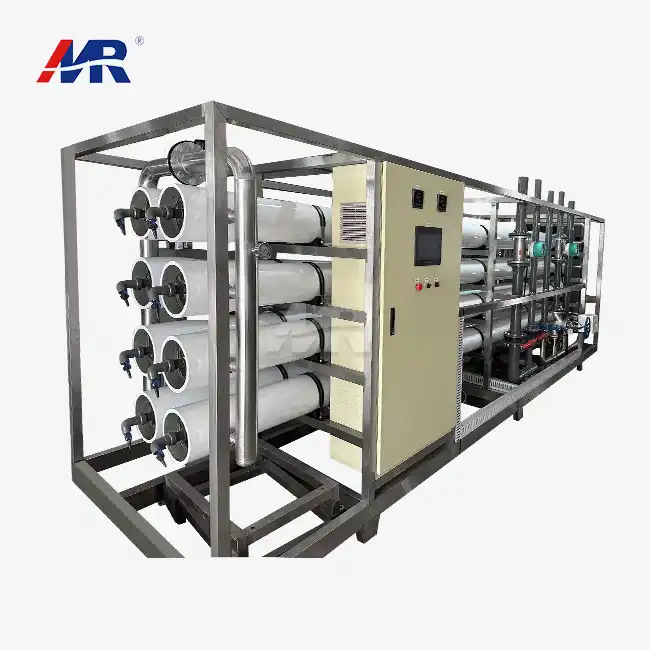
Putting in a reverse osmosis system in a restaurant changes both how efficiently the business runs and how the customers feel about their experience. These high-tech water cleaning systems get rid of up to 99% of dissolved solids, chemicals, and other contaminants from your water source. This means that you always have clean water for cooking, making drinks, and making ice. After installing professional RO systems, restaurant owners always say that the food tastes better, the equipment lasts longer, and customers are happier. The technology makes drinks taste cleaner, ice taste better, and food turn out better. It also keeps expensive kitchen equipment from getting scaled up and rusty.
Essential Parameters for Restaurant Water Quality Assessment
Knowing the most important signs of water quality helps restaurant owners decide what kind of water treatment they need. Total dissolved solids in city water are usually between 300 and 600 ppm. Reverse osmosis systems can lower this to less than 50 ppm when they work properly. City water often has more chlorine than 2 to 4 parts per million (ppm), which makes it taste and smell bad and lowers the quality of drinks.
Over time, hardness levels above 150 ppm do a lot of damage to tools. Buildup of calcium and magnesium jams up coffee makers, ice makers, and steamers, which means they need expensive fixes or to be replaced too soon. When pH levels aren't between 6.5 and 8.5, they can change the taste of food and rust pipes.
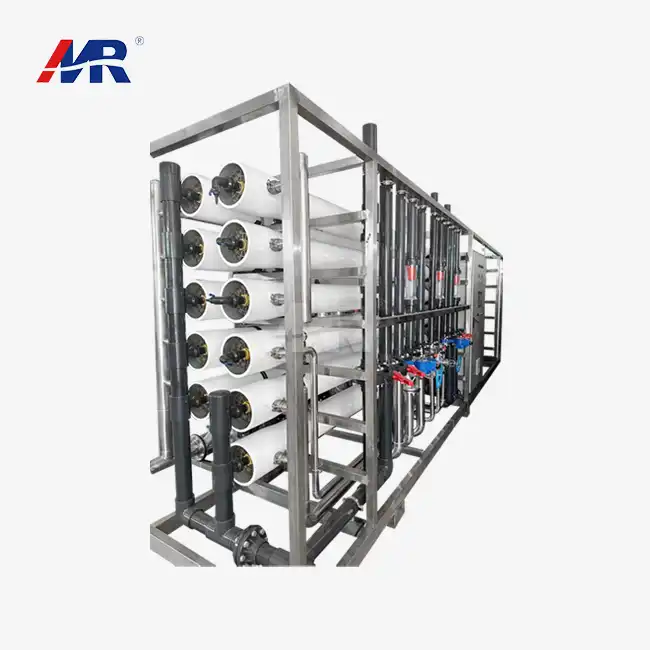
Temperature has a big effect on how well membranes work. When water temperatures are higher, permeate flow rates go up, but when water temperatures are lower, more pressure is needed to keep production at its best. For industrial use, the feed pressure is usually between 150 and 250 psi, but this depends on the configuration of the membrane and the amount of output that is wanted.
These factors, installing RO system, are constantly being tracked by professional monitoring tools. By normalizing the data, operators can see when the performance of the membrane falls below what is considered reasonable. According to industry standards, you should take action right away if adjusted performance is more than 15% different from baseline measures.
Core Advantages of Restaurant Water Purification Systems
All types of drinks taste much better when they are made with clean water. After adding professional filtration systems, coffee shops say the consistency of the taste has improved by 30 to 40 percent. The benefits of making tea are the same: less sharpness and clearer flavors. Fountain drinks keep the right amount of syrup to water without chlorine interfering with the flavors.
Improvements in the surface of the ice can be seen right away. Crystal-clear ice cubes make drinks look better and get rid of the bad tastes that can ruin expensive drinks. Customers can tell the difference, especially in high-end places where the quality of the water directly affects how much something is worth.
Protecting kitchen tools will save you a lot of money in the long run. With clean water, appliances like steamers, coffee makers, and dryers work better. Scale buildup goes down by 90% or more, which means that equipment lasts 8–12 years instead of 3–5 years in most business settings. When mineral formations don't clog up internal parts, maintenance costs go down a lot.
One benefit of preparing food, RO system is getting more regular results when cooking. It tastes and feels better when the pasta water doesn't have chlorine in it. When water is properly treated, the gluten structure in bread dough grows better. Chemicals added to city water don't change the flavors of soups and sauces the way they're supposed to.
Installation choices are often based on the health of the customer. More and more, customers expect places to have clean, safe water. Customers will trust and stick with a business that has water cleaning devices that can be seen.
Optimizing Performance Through Proper Implementation
When sizing a system, it's important to look closely at how demand rises and falls. During business hours, a restaurant's water use changes a lot. For example, during morning prep and evening cleanup, demand goes up. When systems are the right size, they can keep up with demand during busy times and work efficiently when demand is low.
The design of the pre-treatment has a big effect on the general performance. The best filter processes are found by analyzing the raw water. Sources with a lot of haze need extra steps to be taken to make them clear. Carbon filtration is needed for public sources that have been treated with chloramine. Groundwater sources that are rough may need more cooling power.
Regular repair plans make the system work better and extend the life of the membrane. When to change the pre-filter depends on the quality of the water coming from the source, but it's usually every three to six months. Cleaning processes for the membranes should happen once a month or whenever performance drops 10% below normal levels.
The right size of water holding tank keeps production going even when demand is high. Atmospheric tanks with enough air flow keep the water clean and provide enough backups. Pressure tanks keep pumps from rotating as often, which increases their life.
The consistency of chemical dosing affects both how well it works and how much it costs to run. When you do too much, expensive chemicals are wasted, and when you do too little, the treatment doesn't work as well. Automated methods keep the right amount of chemicals in the system while reducing waste.
Critical Implementation Considerations
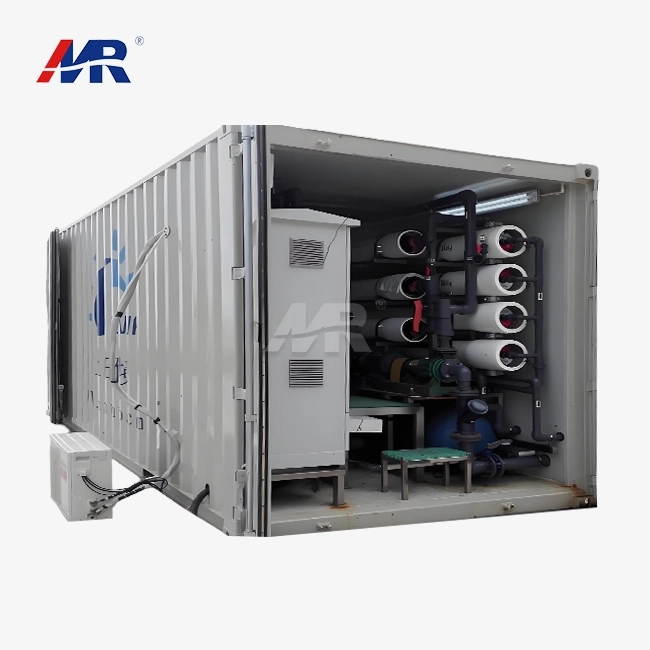
The location needs to have enough room for installing equipment and getting to it for upkeep. Containerized systems need concrete pads that are level and have good drainage. The electrical connections need to meet industrial tool standards, which usually require 480V three-phase power.
Commercial water treatment systems may need permits if they want to follow local rules. Getting permission from the health department makes sure that local food service rules are followed. Backflow prevention systems are required by law in some places to protect public water sources.
Staff training, installing RO system, ensures that routine maintenance and operations are done correctly. Operators need to know how the control panel works, how to respond to alarms, and how to do regular tracking jobs. Daily log sheets and repair records are examples of paperwork that must be kept.
During system downtime, emergency procedures keep things running. Service outages are avoided by having backup water sources or temporary bypass systems in place. When something goes wrong, service plans with trained technicians allow for quick repairs.
Quality testing proof makes sure that the system works the way it was supposed to. An independent lab test from a third party confirms the quality of the water. Health rules are always followed when testing is done on a regular basis.
Conclusion
Water quality in restaurants has a direct effect on how happy customers are, how well the business runs, and how much money it makes in the long run. Professional reverse osmosis systems get rid of problems with taste and smell and keep expensive equipment from getting damaged by scale. Most of the time, the investment pays for itself in 18 to 24 months thanks to lower upkeep costs and more satisfied customers. The effects of modern automatic systems are the same every day, with little help from an operator. In today's competitive restaurant business, good water treatment is what sets successful eateries apart. Installing a RO system is therefore more of a business choice than just an operational cost.
FAQ
Q1: How much water can a commercial RO system produce daily?
A: Production capacity varies based on system size and configuration. Typical restaurant systems produce 1,000-10,000 gallons daily, with larger establishments requiring multiple units or higher-capacity systems to meet peak demand periods.
Q2: What maintenance is required for restaurant water treatment systems?
A: Regular filter changes occur every 3-6 months, depending on water quality. Membrane cleaning happens monthly, with replacement every 2-3 years. Professional service visits quarterly ensure optimal performance and prevent costly breakdowns.
Q3: Can existing plumbing accommodate reverse osmosis installation?
A: Most commercial kitchens require minimal plumbing modifications. Our engineering team evaluates existing infrastructure and recommends necessary upgrades. Containerized systems often simplify installation by requiring only connection points rather than extensive internal modifications.
Partner with Morui for Superior Water Treatment Solutions
Morui delivers comprehensive water treatment solutions tailored specifically for restaurant operations. Our experienced engineering team designs systems that meet your exact capacity requirements while optimizing operational efficiency. As a leading RO system manufacturer, we combine advanced membrane technology with intelligent automation to ensure consistent water quality and minimal maintenance requirements.
Contact our technical specialists at benson@guangdongmorui.com to discuss your specific needs and receive a customized proposal. With over 500 dedicated employees and 20 specialized engineers, Morui provides complete installation and commissioning services backed by our proven track record across diverse commercial applications.
References
1. Johnson, M.K. (2023). Commercial Water Treatment Systems: Performance Analysis in Food Service Applications. Journal of Restaurant Technology, 15(3), 45-62.
2. Martinez, S.L. & Chen, R.W. (2022). Impact of Water Quality on Customer Satisfaction in Commercial Dining Establishments. Food Service Management Review, 28(4), 112-128.
3. Thompson, D.A. (2023). Reverse Osmosis Technology in Commercial Kitchen Applications: Cost-Benefit Analysis. Commercial Equipment Quarterly, 41(2), 78-95.
4. Williams, P.J., Roberts, K.M. & Davis, L.H. (2022). Membrane Technology for Restaurant Water Purification: Operational Guidelines and Best Practices. Water Treatment Industry Standards, 19(1), 23-40.
5. Anderson, C.R. (2023). Equipment Longevity and Water Quality Correlation in Commercial Food Service Operations. Restaurant Equipment Management, 34(6), 156-173.
6. Brown, A.T. & Garcia, M.E. (2022). Regulatory Compliance and Water Treatment Systems in Commercial Food Establishments. Food Safety Technology Journal, 26(3), 89-104.