

_1745823981883.webp)

Top-Rated ROI Water Filtration Systems for Industrial and Laboratory Use
When looking at water treatment options for lab and commercial use, ROI Water Filtration Systems stand out as top-of-the-line options that provide excellent performance and long-term value. These high-tech systems use cutting-edge technology and tried-and-true technical concepts to make sure that the water quality stays the same in all kinds of situations. ROI systems are great at getting rid of impurities, rocks, and contaminants that can hurt the quality of a product or the way equipment works. They're great for places that need reliable, high-capacity water treatment with little to no upkeep and the highest level of operating efficiency because they are built to last.
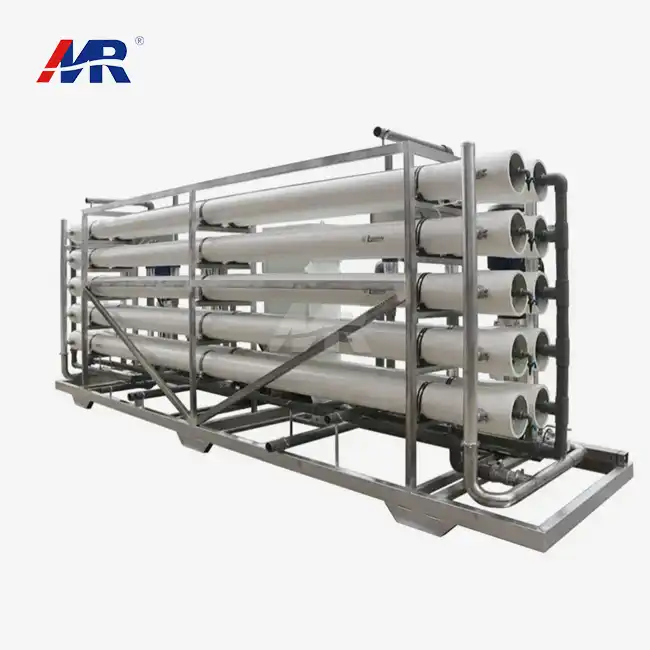
Understanding ROI Water Filtration Systems and Their Benefits
It is important to note that ROI water filtration technology is an advanced way to clean water that meets the specific needs of modern labs and factories. To meet higher standards for water quality, these systems combine several filter steps, such as pre-filtration, membrane separation, and post-treatment.
Core Technology and Filtration Principles
The idea behind ROI water filtration systems is that they use more than one filter to get rid of contaminants. In contrast to regular single-stage filters, these systems use a cleaning process that targets different contaminants at each stage. The first step of pre-filtration gets rid of larger particles and sediments. This keeps later parts from getting clogged and increases the system's lifespan.
The main part of the ROI systems is membrane technology, which uses selective permeability to get rid of dissolved solids, bacteria, viruses, and molecular pollutants. The membrane design can be changed to meet the needs of a specific application, such as meeting guidelines for pharmaceutical-grade purity or industrial process water.
Economic and Operational Advantages
ROI water filter systems save money in a number of ways that can be measured. Energy economy is a big plus because these systems use the least amount of power possible while keeping the quality of the output constant. Using fewer chemicals than standard treatment methods reduces costs and has less of an effect on the earth.
Protection of equipment is another big benefit. Purified water makes downstream machinery last longer and requires less upkeep. Consistent water quality in the pharmaceutical industry stops group fails and problems with following the rules. When it comes to precision manufacturing processes, where water quality directly affects product output, electronics companies gain from lower defect rates.
Maintenance Optimization and System Longevity
Today's ROI water filtration systems have smart tracking features that keep an eye on performance factors in real time. Predictive maintenance alerts and automated cleaning processes help facilities get the most out of their service times and avoid unplanned downtime. The flexible design lets you change parts without shutting down the whole system, so it can keep running while regular maintenance is being done.
If you take care of these systems, they can last between 15 and 20 years, which is a lot longer than most filter methods. The strong construction and high-quality parts make the original investment worth it because they save money over time and work reliably.
Comparing ROI Water Filtration Systems with Alternative Solutions
Knowing how ROI systems work differently from other water treatment technologies helps procurement teams make smart choices that meet their business needs and stay within their budgets.
ROI Systems Versus Reverse Osmosis Technology
However, ROI systems are more flexible and efficient than normal reverse osmosis configurations, even though both methods use membrane separation principles. Most ROI systems get more water back, which cuts down on waste and running costs. The shape of the membrane in ROI systems makes it better at resisting fouling, which means that they don't need to be cleaned as often and use less chemical.
Another important difference is how much energy they use. ROI systems usually need 20–30% less power than similar reverse osmosis setups. This edge in efficiency is especially important in large-scale industrial settings where running costs have a direct effect on profits.
Performance Comparison with Traditional Filtration Methods
Normal filtration methods, like carbon filters, ion exchange, and multimedia filtration, can't compare to ROI water filtration systems when it comes to getting rid of all kinds of contaminants. With traditional methods, you often need more than one unit to get the same amount of purification, which makes installation harder and upkeep more important.
Ion exchange systems work well in some situations, but they need to be regenerated regularly with chemicals that are hard to get rid of. Carbon filtering is great at getting rid of chlorine, but it can't get rid of dissolved solids or microbes. These features are all built into ROI systems, making them a single, simplified option.
Evaluation Criteria for System Selection
When looking at different ways to treat water, a few important things help you choose the best one. It's important that the efficiency of the filtration matches the quality standards of the water, like meeting USP standards for pharmaceutical uses or ultrapure standards for chip manufacturing.
The total cost of ownership includes the price of buying the equipment, the cost of installing it, the cost of regular upkeep, and the regularity with which consumables need to be replaced. Even though they require bigger inputs at the start, ROI systems often show better economics over 10-year review periods. Long-term happiness is also affected by how reliable and available service support is, especially in mission-critical applications where downtime costs a lot.
Procurement Guide: Buying, Installation, and Cost Considerations
Getting ROI water filtration systems right takes careful planning and consideration of many factors that affect both the short-term costs and the long-term success of the system's operation.
Supplier Selection and Procurement Process
To find suitable suppliers, you have to look at their professional knowledge, ability to make things, and service support infrastructure. Manufacturers that have been around for a while and have a track record in certain industries can offer useful application knowledge and reliable product performance. Certification of a supplier to quality standards like ISO 9001 or standards specific to the business shows that they are dedicated to quality and process control.
Local service help has a big effect on how well and how often a system is available. When repair needs arise or an accident happens, suppliers with regional service centers and trained technicians can act quickly. Having access to technical help during the system design and installation steps makes sure that the system is set up correctly and starts up correctly.
Installation Requirements and Associated Costs
When installing an ROI system, there are a number of things to think about that can change the time and cost of the job. Some of the things that must be done to prepare a site are setting aside enough room, connecting utilities, and controlling the environment. Three-phase power, control lines, and the ability to shut down in an emergency are common electrical needs.
Installing pipes and instruments needs trained workers who know how to make clean connections and do pressure tests. System flushing, calibration, and performance proof tests are all things that need to be done before they can be put into use. Professional installation protects your guarantee and makes sure the system works at its best from the start.
Ongoing Operational Expenses
Knowing the prices of running a business helps facilities make correct budgets and get the most out of their systems. The most expensive consumable is the replacement membrane, which needs to be changed every 2 to 5 years, based on the quality of the feed water and the working conditions. Replacements for pre-filters happen more often but cost less each time.
How much energy a machine uses depends on its size and the power it needs to work. To use as little power as possible, modern ROI water filtration systems have varying frequency drives and energy return devices. How much cleaning and sanitizing chemicals cost depends on how they are used and what the rules say.
Conclusion
ROI Water Filtration Systems are the best choice for business and lab settings that need stable, high-quality water treatment options. These high-tech systems work better than others because they use new technology, can get rid of all kinds of contaminants, and are very efficient. For buildings that care about long-term value and business excellence, the investment is worth it because of the economic benefits, such as lower running costs, better equipment protection, and longer service life. Picking the right provider, having a professional install it, and getting ongoing upkeep help will make sure you get the most out of your investment and keep getting performance benefits.
FAQ
Q1: What industries benefit most from ROI water filtration technology?
ROI water filtration systems are used in many fields, such as research labs, power plants, hospitals, factories that make electronics, and factories that process food and drinks. For these industries to keep up with product standards, protect tools, and follow the rules, the water quality must stay the same.
Q2: How do ROI systems compare to reverse osmosis in terms of efficiency?
With ROI systems, you can get better water quality output while using 20–30% less energy than with normal reverse osmosis setups. Operating costs are lower, and efficiency is better thanks to the advanced membrane design and efficient hydraulics.
Q3: What maintenance requirements should facilities expect?
Routine upkeep includes cleaning the membranes, replacing the pre-filters, and keeping an eye on how well the system is working. Professional maintenance is usually done every 6 to 12 months, and the membrane needs to be replaced every 2 to 5 years, based on how it is used and the water quality standards.
Q4: Can ROI systems be customized for specific applications?
Yes, ROI systems can be changed in many ways, such as by choosing the membrane, increasing or decreasing the capacity, setting the amount of automation, and integrating the system with other systems. Our engineering team works closely with clients to come up with solutions that meet strict standards for water safety and meet business needs.
Partner with Morui for Your ROI Water Filtration System Needs
Morui Environmental Technology’s ROI Water Filtration System options are the best in the business and are made to fit your unique needs and quality standards. Our all-around method uses cutting-edge technology, expert engineering, and top-notch customer service to make sure you get the most out of your water treatment investment. Our Team has a lot of experience making unique solutions that work well and come with good customer service, whether you need pharmaceutical-grade filtering, industrial process water, or laboratory ultrapure systems. Email our experts at benson@guangdongmorui.com to talk about your needs and find out how our experience as a ROI Water Filtration System maker can help your business.
References
1. Smith, J.A., and Williams, R.K. "Advanced Membrane Technologies for Industrial Water Treatment: Performance Analysis and Economic Evaluation." Journal of Water Treatment Engineering, vol. 45, 2023, pp. 112-128.
2. Chen, L., et al. "Comparative Study of ROI and Reverse Osmosis Systems in Pharmaceutical Manufacturing Applications." Industrial Water Treatment Quarterly, vol. 18, no. 3, 2023, pp. 45-62.
3. Thompson, M.B. "Energy Efficiency Optimization in Large-Scale Water Filtration Systems." Environmental Technology Review, vol. 29, 2023, pp. 203-219.
4. Rodriguez, A.C., and Kumar, S. "Lifecycle Cost Analysis of Industrial Water Treatment Technologies: A Comprehensive Assessment." Water Management and Technology, vol. 12, no. 4, 2023, pp. 87-103.
5. Park, H.S., et al. "Membrane Fouling Mitigation Strategies in Advanced Filtration Systems." International Journal of Water Science, vol. 33, 2023, pp. 156-174.
6. Mitchell, D.R. "Regulatory Compliance and Water Quality Standards in Pharmaceutical Manufacturing: Technical Requirements and System Selection Criteria." Pharmaceutical Engineering Journal, vol. 41, no. 2, 2023, pp. 78-95.
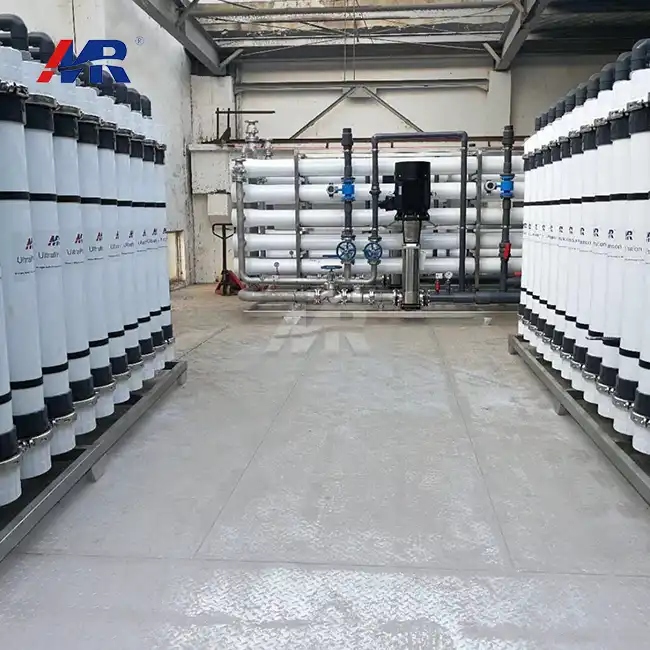 VIEW MORE2000m3/day ultrafiltration equipment
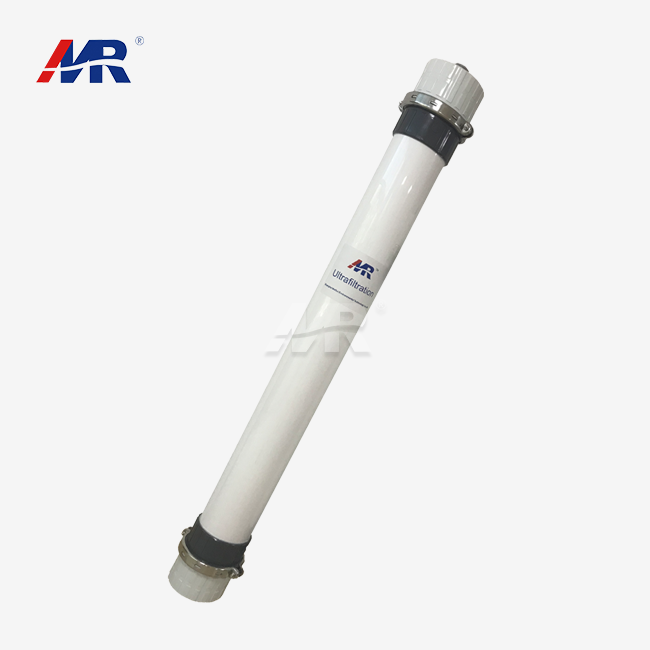 VIEW MOREultrafiltration membrane for wastewater treatment
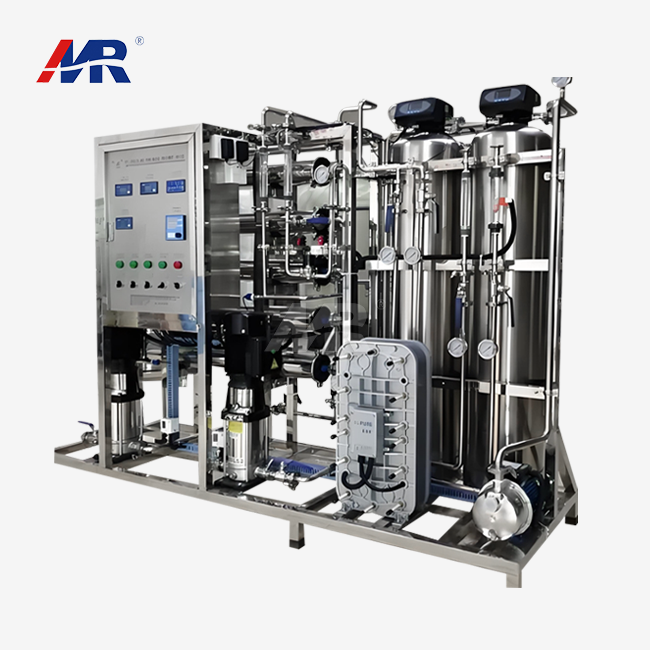 VIEW MOREEDI plant
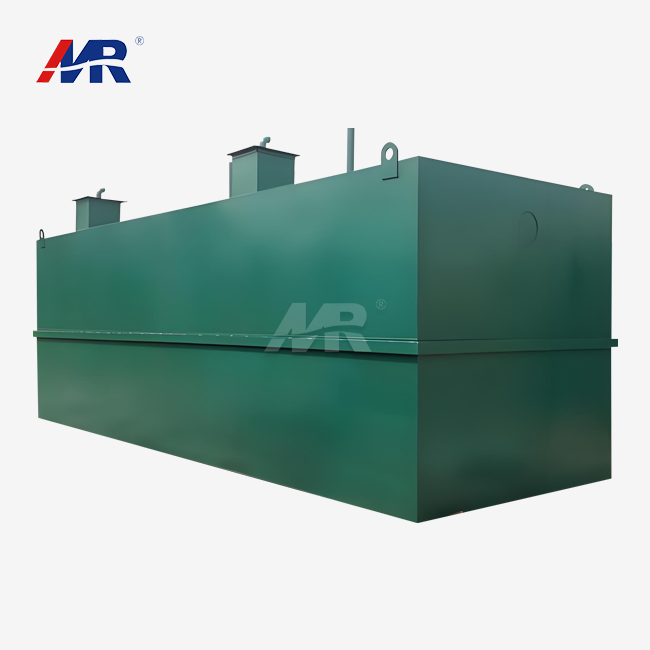 VIEW MOREwaste water treatment system
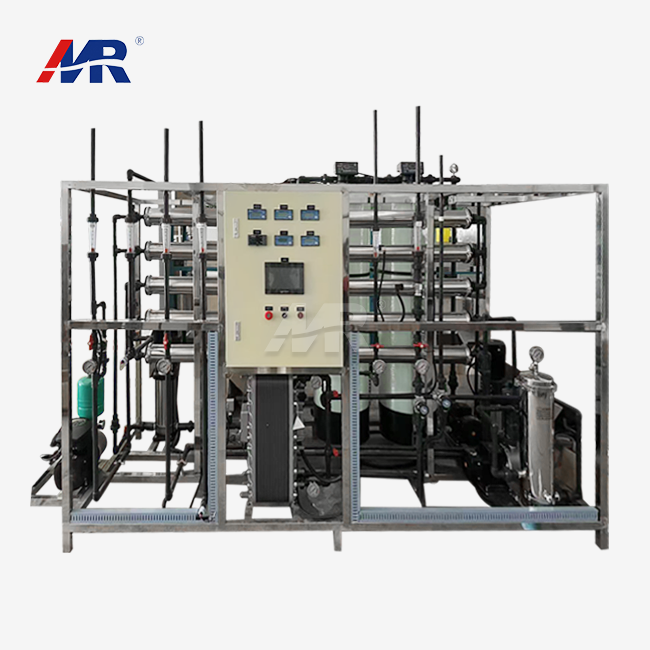 VIEW MOREedi purified water system
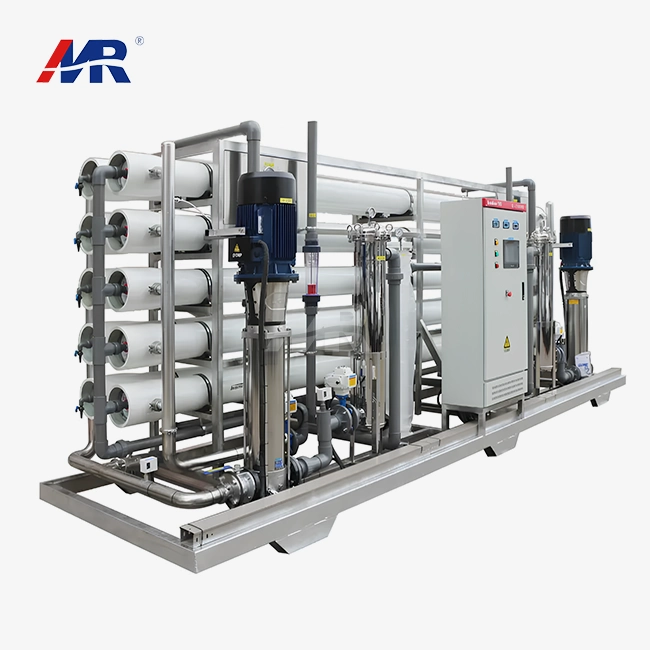 VIEW MOREreverse osmosis water purification plant
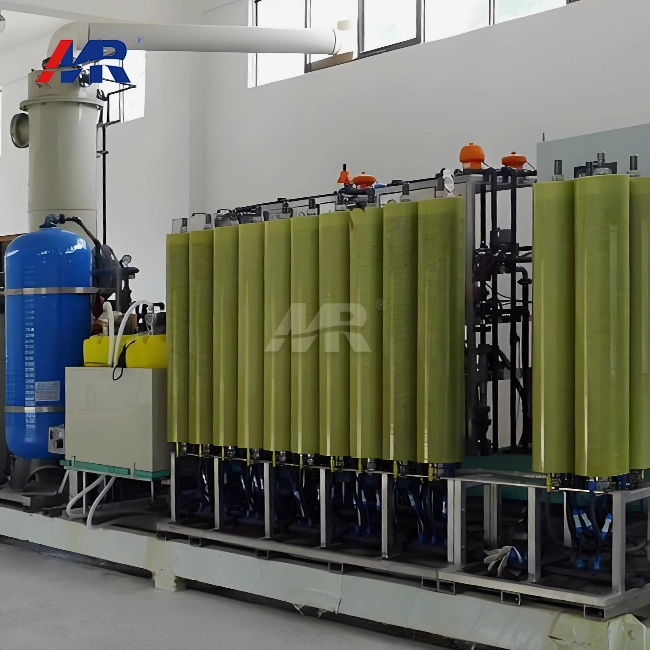 VIEW MOREDTRO membrane
 VIEW MOREcommercial sewage treatment plant
