_1745823981883.webp)

Maintenance Tips for Reverse Osmosis Water Filters to Ensure Long-Term Efficiency
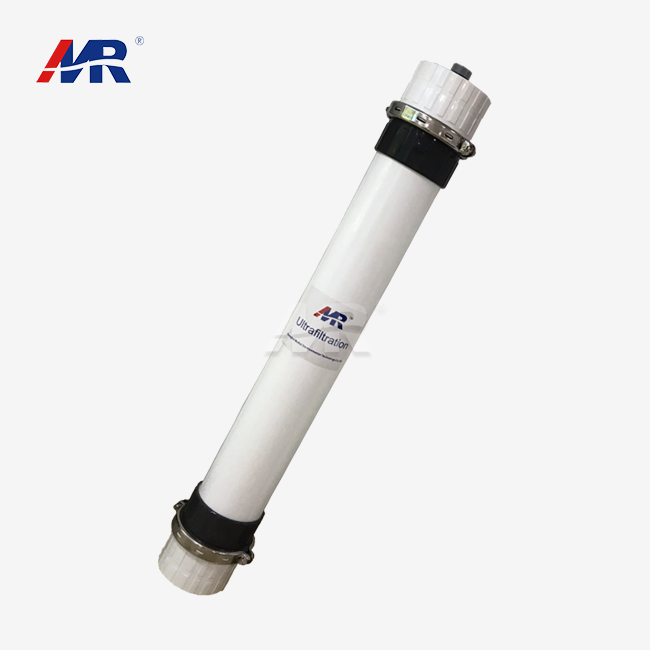
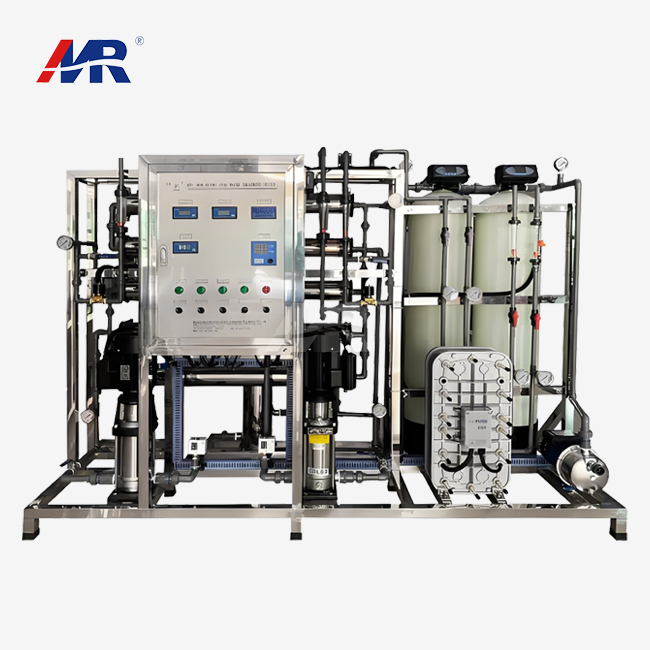
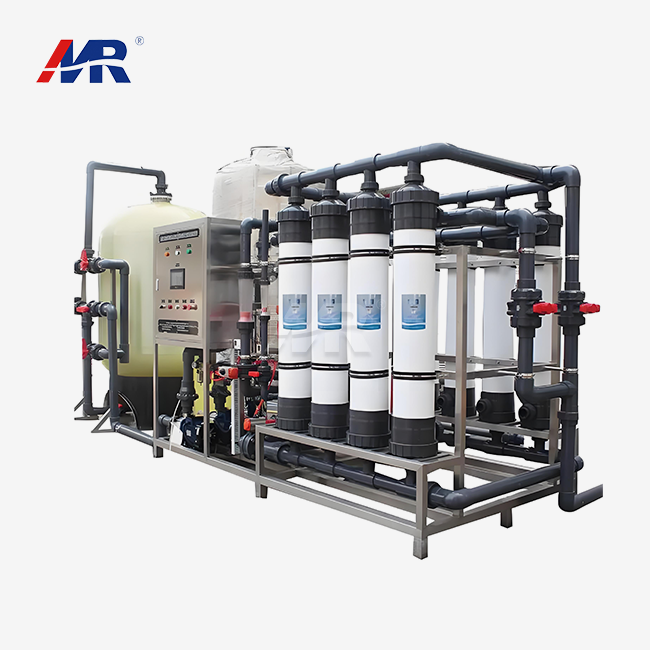
Reverse osmosis systems need to be maintained regularly to keep working at their best and extend the life of the equipment. Professional water filter care plans include cleaning the membrane regularly, replacing parts on time, and keeping an eye on system factors like pressure differences, rejection rates, and permeate quality all the time. Comprehensive maintenance strategies usually lead to 15-20% longer membrane life in industrial sites compared to reactive maintenance strategies. When you plan your maintenance well, you can avoid expensive fixes in an accident, keep your production running as smoothly as possible, and make sure that the water quality standards are always met in uses like pharmaceuticals, food processing, electronics manufacturing, and municipal water treatment.
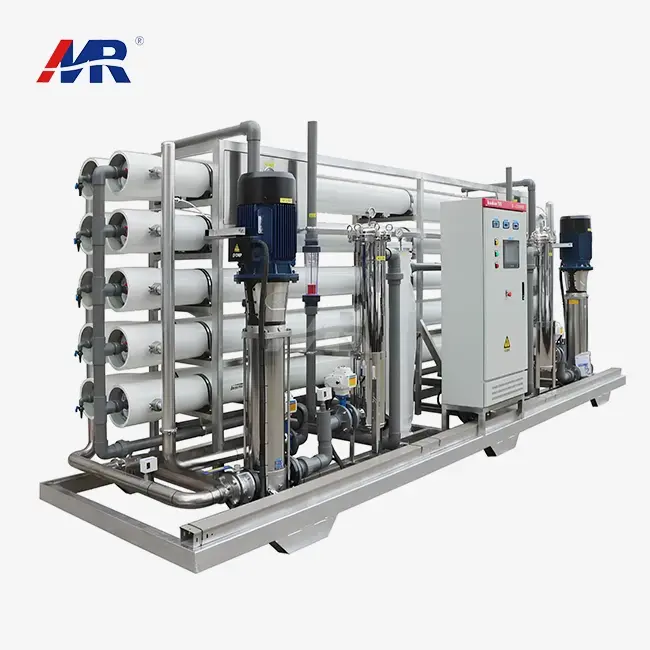
Understanding Common Performance Bottlenecks in Reverse Osmosis Water Filters
For reverse osmosis systems to work well, performance signs that show when repair might be needed must be carefully watched. System degradation usually shows up as changes that can be measured in operational parameters. If these changes are fixed quickly, they can stop breakdowns from spreading and avoid expensive emergency actions.
Identifying Early Warning Signs of System Decline
When reverse osmosis systems reach performance bottlenecks, they show clear signs that experienced workers learn to spot. The most common sign is a drop in the permeate flow, which usually happens slowly after starting at a standard rate during startup. When membrane systems work at less than 85% of their stated capacity, they need to be looked into right away to avoid damage that can't be fixed.
Water quality gets worse when the flow slows down. This can show up as higher total dissolved solids readings, strange tastes, or cloudiness in treated water. These problems with quality signal membrane integrity need to be fixed right away to keep up with output standards.
Root Causes Behind Membrane Fouling and Scaling
When contaminants build up on membrane surfaces, they create hurdles that make it harder for water to pass through and lower the membrane's rejection efficiency. There are three main types of fouling that happen in industrial RO systems: organic fouling from living matter, colloidal fouling from suspended particles, and inorganic scaling from mineral precipitation.
Scaling usually happens when there are a lot of calcium carbonate, calcium sulfate, or silica chemicals in the feed water. When concentrations of these minerals are higher than what they can dissolve, they settle on membrane surfaces and form crystalline layers that damage the structure of the membrane forever if they are not removed using the right pretreatment and cleaning methods.
These problems are made worse by pre-filter breakdown, which lets bigger contaminants get to the ro membranes that are sensitive to them. When sediment filters and saturated carbon filters get clogged, they stop protecting against chlorine, which can break down polyamide membranes chemically within hours of contact.
Key Maintenance Procedures to Optimize RO Filter Performance
Systematic maintenance procedures, including those for the water filter, are the basis for reliable reverse osmosis operation. These procedures must be followed exactly as written by the maker while also being able to adapt to different operating conditions and the chemical challenges that come up in industrial settings.
Scheduled Filter and Membrane Replacement Protocols
When to replace a component relies on how much it is being used, the quality of the feed water, and the needs of the individual application. In city water systems, sediment pre-filters need to be replaced every three to six months. However, in industrial settings that deal with difficult feed water, they may need to be replaced every month.
In normal situations, carbon pre-filters need to be replaced every 6 to 12 months. Chlorine breakthrough testing is a good way to tell when they need to be replaced. For testing, chlorine levels are found after carbon filters using DPD colorimetric methods or electrical chlorine monitors that are set up to find levels below 0.1 ppm.
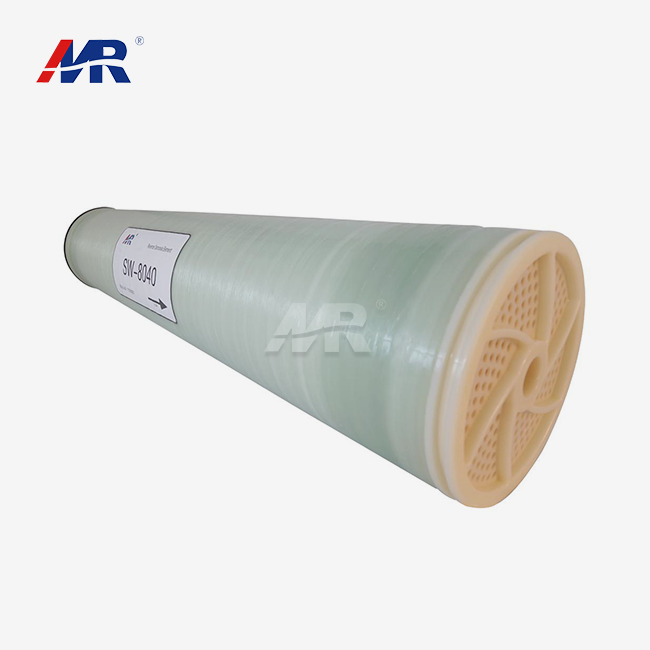
Replacement times for RO membranes range from 2 to 5 years, based on how well they are maintained and how they are used. Manufacturers offer "membrane autopsy" services that look at fouling patterns in great detail. This helps improve pretreatment and cleaning methods so that membranes last longer.
Membrane Cleaning and Sanitization Techniques
Chemical cleaning methods get membranes working again by breaking down the foulants and bacterial contaminants that have built up. Inorganic scales can be removed by low-pH cleaners that contain citric acid or hydrochloric acid. On the other hand, organic and bacterial fouling can be removed by high-pH cleaners that contain sodium hydroxide and detergents.
How often you clean depends on the results of performance tracking. Usually, you clean every one to three months. Systems that lose flux quickly might need to be cleaned every two weeks until the problems are fixed by better preparation or changes to how they work.
Using hydrogen peroxide, peracetic acid, or sodium hypochlorite for sanitation stops biofilm from forming and gets rid of bacterial infection. To keep barrier materials from getting damaged by chemicals, these steps need to be done with great care, paying close attention to contact time, concentration, and thorough cleaning. Protocols for water filter sanitization must take into account the sensitivity of equipment further down the line and the quality standards of the finished product.
Comparative Analysis of Maintenance Approaches and Technologies
Modern repair plans use new technologies to make systems more reliable while also cutting down on costs, including in the reverse osmosis water treatment system. The change from reactive to predictive maintenance is a big change in how manufacturing facilities take care of their water treatment assets.
Traditional Manual Maintenance versus Automated Monitoring
Approaches to manual care depend on regular checks, planned replacements of parts, and quick reactions to problems with performance. Manual methods are cheaper for smaller setups, but they often miss early warning signs that could keep big system problems from happening.
Continuous performance data is provided by automated tracking systems that are equipped with flow meters, conductivity analyzers, turbidity sensors, and pressure receivers. These systems can spot changes in performance that point to problems weeks before a person could find them by inspecting the system by hand.
Smart sensor technologies let repair teams keep an eye on many systems from one central control room by allowing remote tracking. Real-time data logging makes it easier to keep track of compliance and shows past trends that help with improvement.
Advanced Filter Technologies and Maintenance Optimization
High-performance membrane technologies, such as ultra-low energy membranes and surface changes that make them less likely to foul, make cleaning intervals longer while keeping rejection performance high. These new materials usually cost 20 to 30 percent more than regular membranes, but they save money in the long run because they last longer and use fewer cleaning chemicals.
Automated cleaning systems that are set with the best cleaning routines cut down on the cost of staff while still cleaning effectively every time. These systems keep an eye on the temperatures, movement rates, and contact times of the cleaning solution to get rid of as much foulant as possible while keeping membrane stress to a minimum.
Predictive maintenance algorithms look at trends in operating data to figure out when to replace parts and when to do maintenance work during planned downtime. This method lowers the cost of emergency repair while improving the management of extra parts inventory.
Practical Tips for Procurement Managers: Optimizing Ownership Costs and System Longevity
Buying things has a big effect on how much they cost and how reliable the system is in the long run. By looking at the total cost of ownership instead of just the purchase price, you can make smart investment choices that get the most value over the duration of the equipment.
Evaluating Total Cost of Ownership
A full cost study looks at the starting costs of the equipment, the costs of installation, the ongoing costs of consumables, the work needed for upkeep, the amount of energy used, and the availability of replacement parts. Water filter systems with higher starting costs typically have lower total ownership costs because they require less upkeep and last longer.
When used on a big scale and pumping power costs a lot, energy economy becomes even more important. Low-pressure systems that work at high efficiency save money on energy costs and make membranes last longer by reducing mechanical stress.
Expected long-term costs are affected by warranty terms and repair covers. Longer warranty periods that cover wearable parts keep costs stable and make sure that customers can get real replacement parts and expert help during the warranty term.
Supplier Partnership and Technical Support Considerations
During the system setup, troubleshooting, and optimization phases, it's very important to have reliable expert help. Suppliers who give Technical support 24 hours a day, seven days a week, on-site service, and full training programs add value that goes beyond the cost of the tools.
System performance and the ability to plan for repair are both affected by how easily and quickly spare parts can be delivered. Longer periods of downtime due to broken parts are less likely to happen if suppliers keep local stock and offer fast delivery services.
Training programs for maintenance staff make sure that systems work right and that equipment lasts longer by using the right repair methods. Comprehensive training that covers system operation, fixing steps, and safety rules lowers the risk of breakdowns caused by operators and raises the overall performance of the system.
Environmental and Operational Best Practices for Sustainable RO Water Filtering
Sustainable operation practices, such as the installation of a reverse osmosis water treatment system, improve business efficiency and cost-effectiveness while lowering their impact on the environment. These actions are in line with companies' goals for sustainability and meet the requirements of stricter environmental laws.
Water Recovery Optimization and Waste Minimization
To find the best recovery rate, you have to carefully look at the chemical and scaling potential of the feed water and find a mix between protecting the membrane and saving water. Advanced process control systems change the working settings automatically to get the most recovery while keeping the membrane's integrity.
Some choices for managing concentrate streams are treating them even more to get more water back, reusing the water in useful ways, or getting rid of them in an environmentally friendly way. Zero liquid discharge systems are the best way to save water, but they might not be possible because of the cost of water and the rules about release.
In high-pressure situations, energy recovery devices like pressure exchangers and turbochargers lower the amount of energy needed for pumps. In seawater desalination and industrial wastewater treatment, these devices take energy from the concentrate stream and use it to power the whole system less. This cuts energy use by 20–40%.
Responsible Component Disposal and Recycling
Local environmental laws say how to properly get rid of used membrane parts. A lot of companies make membrane recycling programs that get valuable materials back and make sure that contaminated parts are thrown away in an environmentally friendly way.
Recycling programs for filter cartridges make it possible to get back plastic housings and metal parts while getting rid of dirty filter media in the right way. By lowering dumping fees, these programs cut down on the amount of trash that ends up in landfills and save money for taxpayers.
Chemical container management includes the right way to rinse containers, programs for returning containers, and following local rules for reusing plastic and metal containers. Bulk chemical transport systems cut down on wasteful packaging and save money by cutting down on the amount of handling and storing that needs to be done.
Chemical safety training makes sure that cleaning and disinfecting chemicals are handled, stored, and disposed of in the right way. Chemical accidents are less likely to happen when people are properly trained, and they also follow safety and environmental rules. Staff education on maintenance protocols directly impacts water filter performance and system longevity.
Conclusion
Effective upkeep plans for reverse osmosis water filter systems include regularly checking on their performance, replacing parts when they break, and fixing problems before they get worse. By knowing about common speed bottlenecks, you can act quickly to stop expensive system problems and keep water quality standards consistent. For the system to work reliably, it's important to follow certain maintenance steps, like cleaning the membranes the right way and sanitizing them regularly. It's good for procurement managers to look at the total costs of ownership and build strong relationships with suppliers that offer full expert help throughout the lifecycle of an item. Sustainable practices, like improving water collection and properly getting rid of parts, balance operating efficiency with environmental responsibility while lowering long-term costs.
FAQ
1. How often should reverse osmosis membranes be replaced in industrial applications?
Replacement times for membranes are usually between 2 and 5 years, but this depends on the quality of the feed water, how well the preparation works, and how often the membranes are maintained. If the system is properly prepared and cleaned on a regular basis, the membrane may last for 5 to 7 years. However, in tough situations, it may need to be replaced every 18 to 24 months. Monitoring performance, such as flow rates, salt rejection, and pressure differences, gives accurate indications of when to replace parts.
2. What are the key indicators that an RO system needs immediate maintenance attention?
Important danger signs include a drop in flux of more than 10% from the starting point, an increase in salt passage of more than 15% from the starting point, and pressure differences across membrane housings that are higher than what the maker recommends. Other signs are strange tastes or smells in the product water, pollution that can be seen, and sounds of the high-pressure pump cycle or cavitation that show system stress.
3. How can routine maintenance effectively reduce total ownership costs?
Preventive maintenance lowers the cost of emergency repairs, increases the life of parts, and keeps energy economy at its best. Regular cleaning stops membrane fouling that cannot be fixed and needs to be replaced too soon. Pretreatment care that is done right keeps expensive RO membranes from getting damaged. Water filter performance optimization through systematic maintenance typically reduces total ownership costs by 15-25% compared to reactive maintenance approaches.
Partner with Morui for Advanced Water Filter Solutions
Morui Environmental Technology offers complete reverse osmosis systems that are backed by top-notch technical support and expert upkeep. Our engineering team can make Water Filter systems that are exactly what you need for your purpose, whether it's making pharmaceutical-grade water, processing water in industry, or water for city treatment plants. We guarantee that your system will work reliably for as long as it's in use because we have over 20 certified engineers, multiple production sites, and partnerships with top component sellers like Shimge Water Pumps and Runxin Valves. As a water filter provider, we can build and install the whole system, make sure it works, and provide ongoing technical support services that are tailored to your specific needs. Contact benson@guangdongmorui.com right away to talk about your water treatment needs and find out how our tried-and-true repair procedures can make your system work better and last longer.
References
1. American Water Works Association. "Reverse Osmosis and Nanofiltration Manual of Practice." 2nd Edition, 2018.
2. Membrane Technology Research Institute. "Industrial RO System Maintenance Best Practices." Journal of Membrane Science Applications, Vol. 45, 2019.
3. Water Quality Association. "Performance Standards for Reverse Osmosis Systems." Technical Guidelines WQA-S-300, 2020.
4. International Desalination Association. "Membrane Cleaning and Maintenance Protocols for Industrial Applications." IDA Technical Report, 2021.
5. National Association of Water Companies. "Cost-Effective Maintenance Strategies for Commercial Water Treatment Systems." Industry White Paper, 2019.
6. Environmental Protection Agency. "Best Management Practices for Water Treatment System Maintenance." EPA Technical Bulletin 832-R-20-002, 2020.