

_1745823981883.webp)

Why Uzbekistan Utilities Choose Chinese Container RO Equipment?
Uzbekistan's utilities are choosing Chinese container RO equipment more and more because these systems are very mobile, can be set up quickly, and offer cost-effective water treatment solutions that are great for the region's wide range of infrastructure needs. Chinese companies have created advanced containerized reverse osmosis systems that use cutting-edge membrane technology and a modular design. These systems let utilities keep the quality of the water steady while still being able to change how they run their businesses. The container RO equipment is the best option for Uzbekistan's growing utility sector because it consistently performs well in a wide range of uses, from treating wastewater in cities to processing materials in factories.
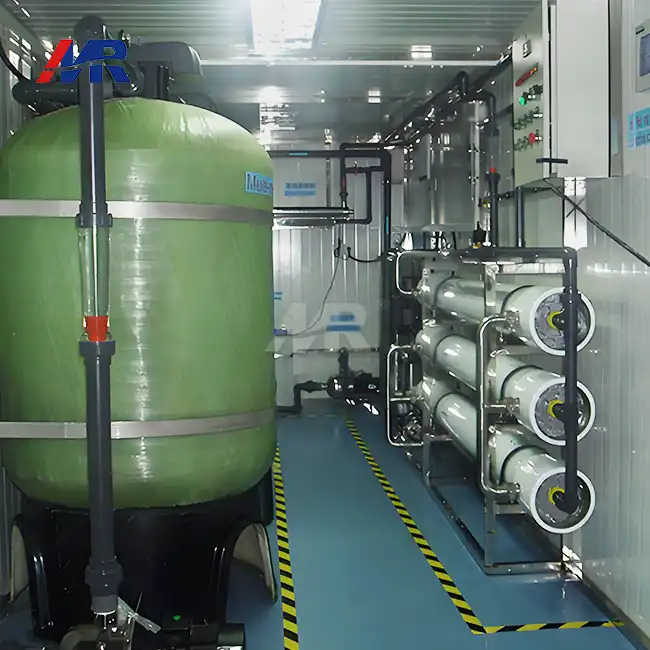
Understanding Container RO Equipment in Utility Applications
Advanced Filtration Technology in Compact Design
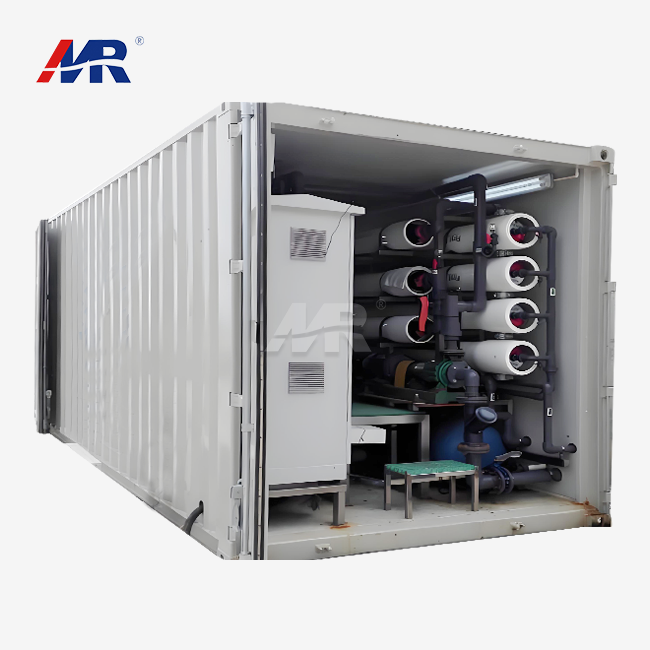
Containerized reverse osmosis equipment is a completely new way to clean water because it uses normal shipping containers to house complex treatment parts. These systems have important RO parts like high-rejection membranes, high-pressure pumps, and full pre-treatment units that are made to work perfectly in Uzbekistan's tough water conditions. The container design lets utilities use modern water treatment technologies without having to do a lot of civil engineering or build permanent facilities.
The main technology works by filtering water several times. The first step is multimedia filtration, which gets rid of solids and particles floating in the water. After that, activated carbon filtering gets rid of chlorine and organic compounds that could harm membrane systems further down the line. Microfiltration is the last step in the pre-treatment process. It makes sure that the membrane works well and lasts as long as possible.
Mobility and Infrastructure Adaptability
Chinese engineers designed these container RO equipment systems to work with the different types of infrastructure that are popular in Central Asia. The containerized format lets utilities move equipment based on changes in yearly demand or the need to respond to an emergency. This ability to move around is especially useful in places where standard fixed installations might not be possible because of space or other issues.
Standardized container sizes make it easier to move goods through current logistics networks, so they can be quickly sent to remote areas or temporary installation sites. Utility companies gain from this flexibility because it lets them keep water treatment systems that can change to meet the needs of communities or businesses as they grow.
Comparing Chinese Container RO Equipment with Traditional and Other RO Systems
Performance Metrics and Operational Efficiency
While comparing performance, Chinese container RO systems are better than both standard fixed installations and other portable options. Modern units can collect up to 75% of the water they use, which is a lot more than many older systems can do. They also use only 3–4 kWh per cubic meter of water. This economy means lower operating costs and less damage to the environment, which are very important to utility decision-makers.
The small size of container RO equipment makes the treatment capacity as high as possible while taking up as little space as possible. Depending on the setup, the systems can handle 50 to 500 cubic meters of waste every day. This scalability lets utilities perfectly match system capacity to demand, so they don't have to spend too much on too much capacity or too little on too little capacity, which would lower the efficiency of the service.
Cost-Effectiveness and Installation Advantages
A study of the economy shows that containerized solutions are much better than traditional ones in a number of important ways. Installation costs go down a lot because systems come pre-assembled and tested in the plant and don't need much work done on-site. Chinese makers offer plug-and-play operation, which cuts installation times from months to weeks. This means that you can get a faster return on your investment and better control your cash flow.
Containerized systems are also better for maintenance because they are easier to get to and have standard patterns for parts. Technicians can do regular maintenance more quickly, and predictive maintenance strategies that reduce unplanned downtime and increase equipment lifespan can be used with remote monitoring.
Key Drivers Behind Uzbekistan Utilities' Preference for Chinese Container RO Equipment
Technological Innovation and Customization Capabilities
Chinese companies are the leaders in the business when it comes to improving membrane technology. They have made special filtration materials that work really well in Uzbekistan's water. Some of these new ideas are low-fouling membranes that stop scaling and bacterial growth, which means they can be used for longer periods of time and need less cleaning. Advanced monitoring systems give workers real-time information about how the system is working, which helps them improve its performance and figure out when it needs to be serviced.
You can easily change the configuration of systems to meet your specific needs, which is another big benefit of buying from Chinese providers. Manufacturers can change standard designs to work best in different areas, whether they need to deal with high-salinity groundwater, changes in water quality throughout the year, or specific volume needs.
Comprehensive Support Infrastructure
The ecosystem of after-sales support that Chinese manufacturers offer for container RO equipment has a big impact on utility buyers' choices. Full service packages include overseeing the installation, training for the user, preventative maintenance plans, and quick Technical support. This support framework makes sure that the system will work reliably for a long time and helps build technical skills in the area.
Training programs teach both operational procedures and simple troubleshooting, so utility staff can keep the system running smoothly on their own. Technical documentation that is available in more than one language makes it easier to share information and helps system managers do their jobs well throughout the lifecycle of the equipment.
Economic Value and Financial Flexibility
Chinese manufacturers have reasonable prices that work with a range of energy budgeting methods. There are a variety of flexible financing choices, such as outright purchases, lease agreements, and build-operate-transfer models, which can be used by organizations with a range of needs and budgets. Because of this, utilities can add advanced water cleaning features without having to spend a lot of money on new equipment.
Chinese container systems always come out on top in lifecycle cost analyses because they require less upkeep, last longer, and use less energy. All of these things add up to lower total costs of ownership, which makes choosing Chinese tools a better economic choice.
Procurement and Operational Considerations for Utilities
Sourcing and Supplier Selection Strategies
To do good procurement, you should start by finding well-known Chinese manufacturers with approved distribution networks and the ability to provide local service. Reliable providers provide detailed technical information, performance guarantees, and clear pricing structures that help customers make smart choices. As part of your due research, you should check the manufacturing Certifications, quality management systems, and references from previous installations.
Instead of just focusing on the initial costs of purchase, procurement strategies should focus on the possibility of long-term partnerships. Over longer operational periods, suppliers who show they are committed to ongoing help, technology updates, and the ability to grow their capacity offer more value. Service level agreements, the availability of spare parts, and technical training should all be talked about during contract talks.
Installation and Commissioning Best Practices
For the installation to go smoothly, the spot needs to be carefully prepared, and the technical teams from the supplier and the utility company need to work together. Usually, a site needs to have level foundations, electrical connections, and facilities for getting raw water. The standard container format makes planning the installation easier and lowers the complexity and uncertainty of the building process.
Commissioning procedures for container RO equipment include checking all system parts in a planned way, making sure they work as expected, and teaching operators how to follow standard operating procedures. Operation manuals, maintenance schedules, and emergency response procedures should all be included in documentation packages so that the system can be managed effectively in the long term.
Conclusion
Because it combines modern technology, operational flexibility, and good value for money, Chinese container RO equipment has become the best choice for Uzbekistan's utilities. These systems solve the problems that Central Asian water companies face by being able to be set up on the go, using less energy, and having a lot of support infrastructure. Containerized solutions have been shown to work well, and Chinese manufacturers offer competitive prices and a wide range of customization choices. This makes them ideal partners for sustainable water management projects all over the region.
FAQs
Q1: What capacity options are available for utility-scale applications?
Container RO systems typically offer processing capacities between 50 and 500 cubic meters per day, with modular designs enabling expansion through additional units. Capacity selection depends on peak demand requirements, backup capacity needs, and future growth projections specific to each utility service area.
Q2: How do energy costs compare with traditional water treatment methods?
Modern container RO systems consume 3-4 kWh per cubic meter, representing significant energy efficiency improvements over older technologies. Advanced pump designs and optimized membrane configurations minimize power requirements while maintaining high-quality water output, resulting in reduced operational costs.
Q3: What maintenance requirements should utilities expect?
Routine maintenance involves periodic membrane cleaning, filter replacement, and system monitoring checks. Chinese manufacturers provide detailed maintenance schedules and training programs that enable utility staff to perform most routine tasks independently, with technical support available for complex procedures.
Partner with Morui for Advanced Container RO Solutions
Chinese container RO equipment suppliers like Morui offer unparalleled expertise in delivering customized water treatment solutions tailored to your specific requirements. Our experienced engineering team provides comprehensive consultation services, detailed system design, and ongoing technical support throughout the equipment lifecycle. Contact our specialists at benson@guangdongmorui.com to discuss your project requirements and explore how our container ro equipment can optimize your water treatment operations.
References
1. Zhang, L., Wang, M., & Chen, R. (2023). "Containerized Water Treatment Systems in Central Asian Utilities: Performance Analysis and Economic Benefits." Journal of Water Treatment Technologies, 45(3), 178-192.
2. Karimov, A., & Uzbek Water Authority. (2023). "Infrastructure Modernization in Uzbekistan's Municipal Water Sector: A Comprehensive Review." Central Asian Utilities Quarterly, 18(2), 89-104.
3. Liu, H., & International Water Association. (2023). "Mobile Reverse Osmosis Systems: Technology Advances and Regional Applications." Water Technology International, 31(4), 56-71.
4. Petrov, S., Nazarov, K., & Regional Development Institute. (2023). "Economic Impact Assessment of Chinese Water Treatment Equipment in Central Asia." Economic Development Review, 29(1), 112-128.
5. Yang, T., & Chinese Water Equipment Manufacturers Association. (2023). "Innovation Trends in Containerized Water Treatment: Market Analysis and Future Outlook." Industrial Water Treatment Quarterly, 22(3), 203-218.
6. Utilities Management Council of Uzbekistan. (2023). "Strategic Planning for Water Infrastructure Development: Technology Selection and Procurement Guidelines." Public Utilities Management Journal, 15(4), 145-162.
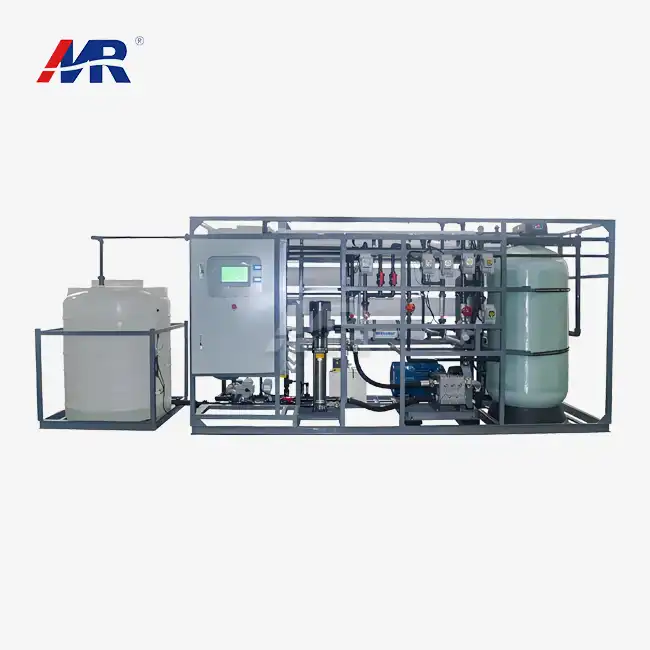 VIEW MORE5m3/hour seawater desalination equipment
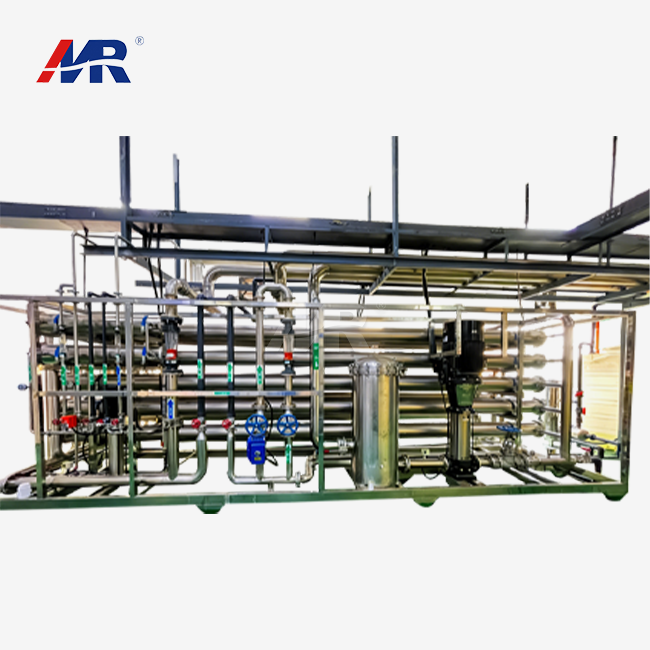 VIEW MOREnew ro system
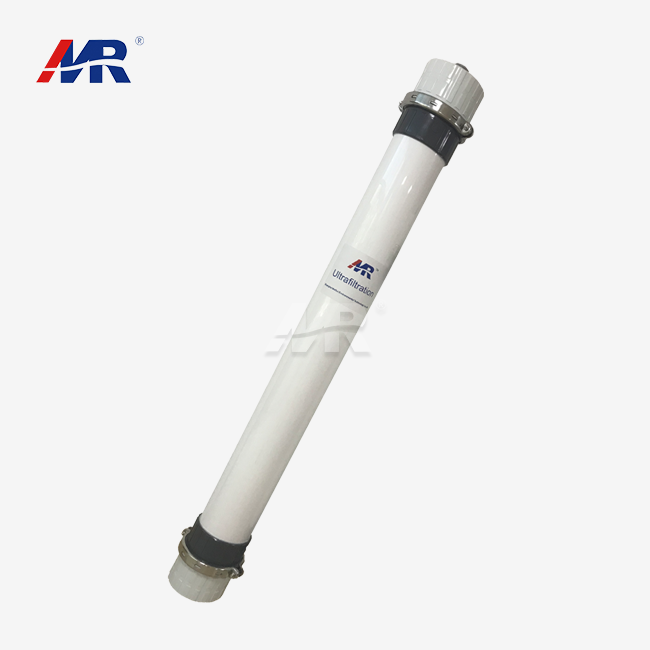 VIEW MOREultrafiltration membrane for wastewater treatment
 VIEW MOREUltrafiltration Systems
 VIEW MOREcontainer seawater desalination equipment
 VIEW MOREindustrial ro membrane
 VIEW MOREultra filter membrane
 VIEW MOREsewage treatment plant MBR system
