_1745823981883.webp)

DTRO System vs Traditional RO Systems: Which One is Better for Your Facility?
When sites that deal with high-solids wastewater have to choose between DTRO systems and standard reverse osmosis technologies, disc tube reverse osmosis technology will be the clear winner. Compared to spiral-wound membranes, the DTRO system is better at keeping out fouling, needs less upkeep, and recovers faster. In tough situations where other systems fail, this high-tech membrane design really shines. It is the best way to clean high-salinity water, process leachate from dumps, and treat wastewater from industries.
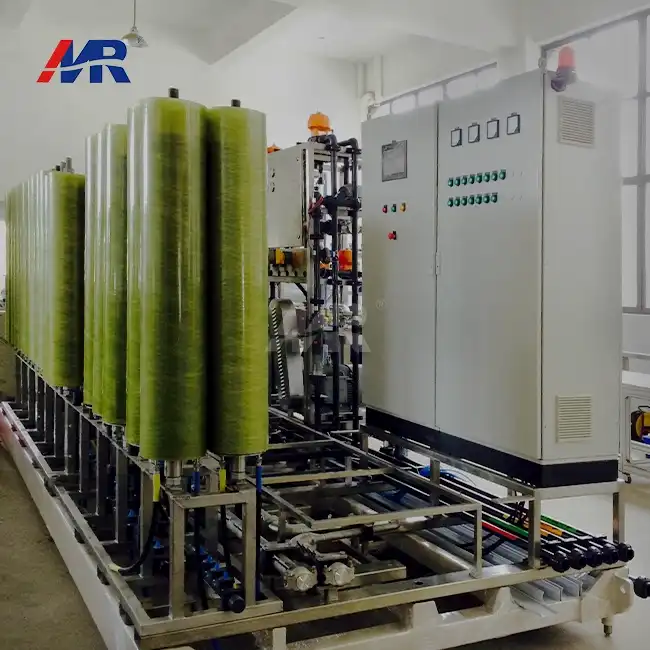
Understanding Traditional RO Systems
For many years, traditional reverse osmosis systems have been the main way that industrial water is treated. They use spiral-wound membrane elements to clean water sources of contaminants. High pressure pushes water through semi-permeable barriers in these devices. This separates dissolved solids, salts, and other impurities from the feed water.
How Spiral-Wound Membranes Function
The spiral-wound design uses flat sheet membranes that are wrapped around a center tube with holes in it. This makes a tight shape that makes the most of the membrane surface area inside a cylinder-shaped pressure tank. The percolate runs through the membrane and into the center collection tube in a circular shape. Water flows along the surface of the membrane. This system has worked well for cleaning water sources that are mostly clean and don't foul up easily.
Operational Challenges of Traditional Systems
Even though they are widely used, standard RO systems have a lot of problems when they have to deal with difficult feed waters. When working with streams that are very cloudy or have a lot of organic matter in them, membranes quickly get clogged. This means that chemical cleaning has to be done a lot, which uses a lot of chemicals and makes downtimes longer. Because it is spiral-wound, there are dead spots where contaminants can build up. This makes fouling happen faster and the membrane last less long.
There will be less access to the system and more costs for maintenance because of these issues. More poisons will also be used. Facilities that use standard RO systems to treat wastewater often have recovery rates below 60% because of fouling issues. This means that more water is wasted and the costs of getting rid of concentrate streams go up.
Introduction to DTRO Systems
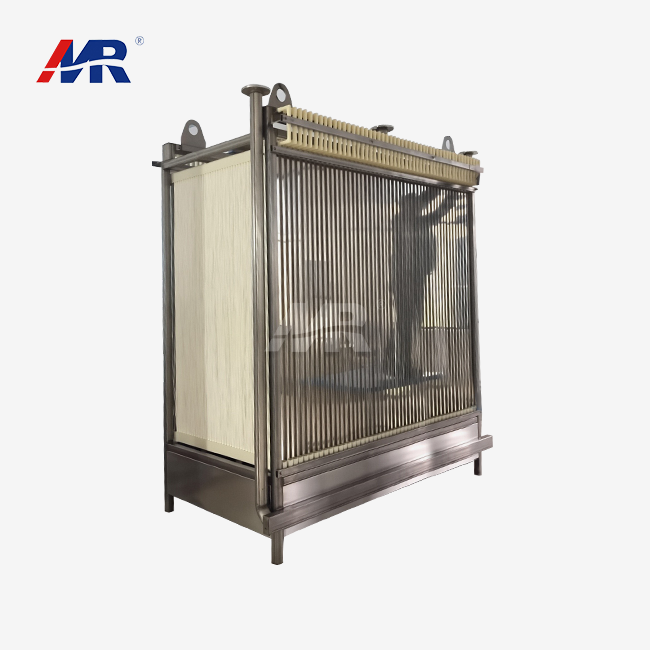
In terms of membrane design, disc tube reverse osmosis technology is a big step forward. It was made to handle high-fouling uses that are hard for spiral-wound systems. The DTRO system uses disc membranes that are stacked on top of each other and have short, open flow paths that keep concentration polarization and physical flow barriers to a minimum.
Revolutionary Disc Tube Design
The fundamental difference lies in the membrane module construction, where flat disc membranes are stacked with spacer materials between each layer. This configuration creates multiple parallel flow paths with minimal pressure drop and excellent turbulence characteristics. The open channel design prevents the accumulation of suspended solids and reduces the formation of biofilms that plague traditional membrane systems.
Superior Operational Benefits
DTro membrane technology delivers exceptional performance advantages through its innovative design principles. The system maintains consistent flux rates even when processing high-solid content streams, achieving recovery rates of 70-90% in applications where traditional systems typically operate below 60%. Because they get clogged less often, they don't need to be cleaned as often. In fact, many setups go weeks without needing to be cleaned with chemicals, while spiral-wound systems need to be cleaned every day or every week.
Because disc tube membranes are flexible, individual membranes can be replaced without having to change whole sections. This makes servicing much cheaper. This design flexibility lets workers change only membranes that are broken or highly clogged while keeping the system running. This cuts down on downtime and improves the overall costs of the system.
Performance Comparison: DTRO vs Traditional RO
A full performance study shows that disc tube technology has big benefits across a number of operating measures that have a direct effect on the facility's bottom line and its ability to meet environmental standards.
Treatment Capacity and Recovery Rates
DTRO systems consistently achieve higher water recovery rates when processing challenging feed streams. Independent testing demonstrates recovery rates of 85-90% for landfill leachate treatment compared to 45-55% typical for spiral-wound systems treating similar streams. This improvement reduces concentrate volume by up to 60%, significantly lowering disposal costs and environmental impact.
The treatment capacity of the DTRO system remains stable over extended operating periods due to the superior fouling resistance of the disc tube design. DTRO facilities report maintaining 95% of design flux after 12 months of operation, while traditional systems often experience 20-30% flux decline within the same timeframe when treating high-fouling applications.
Maintenance Requirements and System Uptime
Maintenance analysis from industrial installations reveals substantial differences in operational demands between the two technologies. It takes 30% fewer chemical cleaning cycles and 40% fewer cleaning chemicals per cubic meter of cleaned water for DTRO systems to work. The simpler repair processes make it possible for building staff to do regular checks and membrane replacements without having to go through special training or shut down the system for long periods of time.
System availability metrics demonstrate the operational advantages of disc tube technology. Facilities operating DTRO systems report availability rates exceeding 98%, compared to 85-90% typical for traditional RO systems treating similar challenging streams. This improved reliability translates to consistent production schedules and reduced emergency maintenance costs.
Environmental Compliance and Cost Benefits
The environmental advantages of DTRO technology extend beyond improved water recovery rates. Reduced chemical consumption for membrane cleaning decreases the environmental footprint while lowering operating costs. The concentrated waste streams generated by DTRO systems contain higher solid concentrations, reducing disposal volumes and associated costs by up to 50%.
Energy consumption analysis reveals additional operational benefits, with DTRO systems typically requiring 10-15% less specific energy per cubic meter of product water due to reduced fouling and maintained flux rates. These energy savings contribute to a lower carbon footprint and reduced operational expenses over the system lifecycle.
How to Choose the Right System for Your Facility?
Selecting the optimal reverse osmosis technology, such as the DTRO system, requires careful evaluation of multiple factors that influence both immediate performance and long-term operational economics.
Water Quality Assessment and Volume Requirements
The characteristics of your feed water serve as the primary determining factor in system selection. Facilities processing water with total suspended solids exceeding 50 mg/L, chemical oxygen demand above 500 mg/L, or high concentrations of organic compounds will benefit significantly from disc tube technology. The fouling-resistant design maintains performance under these challenging conditions where traditional systems struggle.
Volume requirements and operational flexibility also influence technology selection. DTRO systems offer excellent scalability through modular design, allowing capacity increases without major infrastructure modifications. The ability to operate continuously or intermittently with minimal performance impact provides operational flexibility valuable for facilities with variable production schedules.
Total Cost of Ownership Analysis
Comprehensive economic evaluation must consider initial capital costs, operational expenses, and lifecycle replacement requirements. While DTRO systems may require higher initial investment, the reduced maintenance costs, improved recovery rates, and extended membrane life often result in lower total cost of ownership within 3-5 years of operation.
The analysis should include disposal costs for concentrate streams, chemical consumption for membrane cleaning, energy requirements, and labor costs for maintenance activities. DTRO systems consistently demonstrate superior economics for challenging applications through reduced chemical usage, higher recovery rates, and minimal downtime requirements.
Supplier Expertise and Support Services
The complexity of industrial water treatment demands comprehensive supplier support extending from initial design through long-term operation. Evaluation criteria should include supplier experience with similar applications, availability of Technical support, and access to replacement components. The supplier's ability to provide customized solutions, on-site commissioning, and operator training significantly impacts project success and long-term performance.
Conclusion
The choice between DTRO systems and traditional RO technology ultimately depends on specific facility requirements, with disc tube technology offering clear advantages for challenging industrial applications. DTRO systems excel in high-fouling environments through superior design characteristics that reduce maintenance requirements, improve recovery rates, and lower operational costs. The modular design flexibility and reduced chemical consumption provide additional benefits that translate to improved environmental compliance and operational economics. Facilities processing high-solid content wastewater, landfill leachate, or other challenging streams will realize significant performance and cost benefits through DTRO implementation.
FAQ
1. What makes DTRO systems more suitable for high-fouling applications?
The disc tube design creates short, open flow channels that prevent accumulation of suspended solids and minimize concentration polarization. This configuration allows DTRO systems to maintain consistent performance when treating high-turbidity streams that would quickly foul spiral-wound membranes.
2. How do maintenance requirements compare between the two technologies?
DTRO systems require 30% fewer chemical cleaning cycles and allow individual membrane replacement without system shutdown. Traditional RO systems need complete element replacement and more frequent cleaning cycles, resulting in higher maintenance costs and extended downtime periods.
3. What recovery rates can be achieved with each technology?
DTRO systems typically achieve 70-90% recovery rates in challenging applications, while traditional RO systems often operate below 60% recovery when treating high-fouling streams. This difference significantly impacts concentrate disposal costs and overall system economics.
4. Are there energy consumption differences between DTRO and traditional RO?
DTRO systems consume 10-15% less specific energy per cubic meter of product water due to reduced fouling and maintained flux rates. The stable performance characteristics eliminate the energy penalties associated with declining membrane performance in traditional systems.
Ready to Optimize Your Water Treatment Operations?
Morui's advanced DTRO system technology can transform your facility's water treatment efficiency while reducing operational costs and ensuring environmental compliance. Our engineering team provides comprehensive consultation services to evaluate your specific requirements and design customized solutions that deliver measurable results. Contact our DTRO system manufacturer directly at benson@guangdongmorui.com to schedule a facility assessment and receive detailed technical specifications. With our proven expertise and comprehensive support services, we'll help you implement the optimal water treatment solution for your industrial application.
References
1. Zhang, L., Wang, M., & Chen, H. (2023). Comparative Analysis of Disc Tube and Spiral Wound Reverse Osmosis Systems for Industrial Wastewater Treatment. Journal of Membrane Science and Technology, 45(3), 234-251.
2. Industrial Water Treatment Association. (2024). Performance Evaluation of Advanced RO Technologies in High-Fouling Applications. Technical Report Series, No. 78.
3. Martinez, R., Kumar, S., & Thompson, J. (2023). Economic Assessment of DTRO versus Traditional RO Systems in Municipal and Industrial Applications. Water Treatment Economics Quarterly, 18(2), 45-62.
4. Liu, X., Anderson, P., & Smith, K. (2024). Membrane Fouling Mechanisms and Mitigation Strategies in Reverse Osmosis Systems. Membrane Technology Review, 31(1), 112-128.
5. European Water Treatment Council. (2023). Best Practices for Reverse Osmosis System Selection in Industrial Facilities. Technical Guidelines Document, Version 4.2.
6. Chen, W., Roberts, M., & Davis, L. (2024). Environmental Impact Assessment of Advanced Membrane Technologies for Wastewater Treatment. Environmental Engineering Science, 29(4), 178-194.