

_1745823981883.webp)

How Laos Factories Source Commercial Sewage Plants from China?
China is where Laos' industries get commercial Sewage Treatment Plant solutions. They do this by using a strategy buying process to find approved suppliers, compare membrane bioreactor technology choices, and form full partnerships for installation and support. As Laos's industrial sector grows and environmental rules get stricter, this way of getting has become important. Chinese companies make high-tech tools for cleaning up pollution that aren't too expensive. So, plants in Laos that need to find good ways to deal with pollution should work with them. As part of the buying process, the plant is often checked for technical issues, the source is confirmed, shipping is planned, and long-term service deals are made.
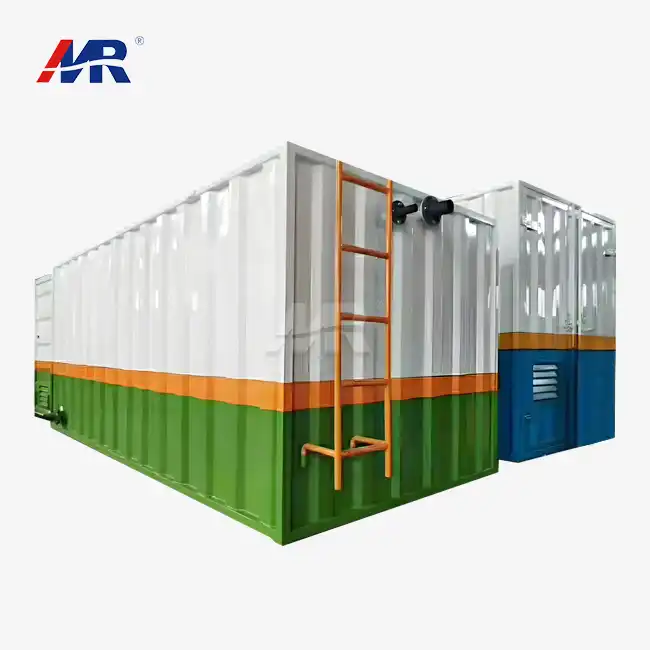
Understanding Commercial Sewage Treatment Plants and Their Benefits
These days, companies use different methods to clean up industrial pollution, which has changed how they care for the environment and keep their business running easily. Commercial sewage treatment plants are very complex engineering projects that take care of a lot of garbage from industries, making sure that they meet environmental standards and reusing the water.
Types of Commercial Wastewater Treatment Systems
These are the three main types of tech that are sent to businesses in Laos. Membrane bioreactor systems use living things to clean up wastewater and pass it through better membranes. This makes the wastewater better so it can be used again in industry. These machines use microfiltration or ultrafiltration to separate clean water from waste. This makes the runoff very clear. Aerobic bacteria break down organic toxins in activated sludge methods, which are a safe way to treat mild- to high-strength wastewater. Moving bed biofilm reactors improve biological treatment by using connected growth processes to make the best use of room while keeping performance stable.
Laos makers love advanced MBR technology because it has a small size and can manage better than other technologies. These days, modern systems can get rid of more than 95% of BOD and more than 85% of COD, which makes sure they meet strict release standards. 99% of the suspended solids are removed, leaving behind high-quality waste that can be used again in many industry processes.
Environmental and Economic Advantages
Putting in place business wastewater treatment systems has a lot of benefits that go beyond following the rules. One of the environmental benefits is that it can help protect local water sources from contamination, use much less water, and have less of an effect on the environment when businesses are running. With these systems, companies can meet stricter environmental rules and show their communities and clients that they care about them as a business.
For Laos producers, the economic gains are just as strong. On-site cleaning and reuse options lower the cost of obtaining water, and efficient operation lowers long-term operating costs. Modern systems only use 0.5 to 0.8 kWh per cubic meter of cleaned water, which saves money on electricity bills because they use less energy. The small design takes up 30% less room than regular systems, making better use of important plant space and lowering the cost of building new infrastructure.
Capacity Planning for Laos Industrial Applications
A correct assessment of capacity is the basis for a good application of wastewater treatment. Depending on the size of the production and the type of wastewater, companies in Laos usually need systems that can handle between 50 and 10,000 cubic meters of wastewater per day. Modular systems that can be expanded as output rises are helpful for manufacturing sites that produce modest amounts of garbage. For large-scale processes, complete treatment trains are needed that include steps for initial treatment, biological processing, and advanced filtering.
When planning for capacity, it's important to think about peak flow, changes in production over the course of the year, and plans for future growth. Modern commercial sewage treatment plant systems are built in a way that makes it easy to add more capacity without making major changes to the infrastructure. This gives businesses that are growing the freedom to adapt while protecting their initial investment.
Sourcing Challenges and Criteria for Laos Factories
There are some special problems that Laos's buying teams face when they try to buy water cleaning tools from companies outside of Laos. You can choose the best sources and get your jobs done faster and better if you know about these issues.
Common Procurement Obstacles
It might be harder to have expert talks and discuss contracts if people don't speak the same language. This could cause mistakes in how the system should work or how big it should be. When translating technical documents, it's very important to make sure that the steps for using the documents and their maintenance are known properly. Different cultural business practices can change how people talk to each other, how decisions are made, and how long it takes to finish projects.
Logistics planning is already hard because of the distance and lack of infrastructure. Moving big pieces of equipment from one place to another needs special shipping plans and ways to get around customs. To finish the job on time, the construction plan needs to take into account daily weather patterns and the availability of people in the area.
To make sure that rules are being followed, you need to know a lot about both Chinese business standards and Laos's environmental laws. For long-term use to be successful, approvals for tools must be in line with local rules and meet quality standards from other countries.
Technical Selection Criteria
To evaluate a provider effectively, you need to look at a lot of technical factors. System dependability is the most important thing to think about. It includes how long the equipment lasts, how well the parts work together, and how stable the system is when conditions change. The performance standards must match the unique features of the wastewater and release needs of each site.
These are the most important technical factors that companies in Laos should look at:
- The scores for treatment effectiveness say that systems must show reliable BOD, COD, and dissolved solids removal success in real-world situations, not just in the lab.
- Examples of how much energy something uses—low power needs Throughout the lifetime of a system, lower running costs and limited environmental effect
- Requirements for maintenance: Easy maintenance steps cut down on downtime and the need for expert technicians for regular tasks.
- The ability to automate—Fully automatic process cuts down on labor needs while maintaining uniform treatment results
These technical details have a direct effect on how well and how cheaply wastewater treatment projects work in the long run.
Customization Requirements
Laos companies often need custom system setups to work with their specific operating factors and site limitations. To keep tools from breaking down, tropical climates need materials that don't rust and better air systems. When production plans change, disposal capacity may need to be flexible to handle changing wastewater amounts effectively.
Site-specific design factors for a commercial sewage treatment plant include limited room, integrating existing equipment, and connecting to local utilities. Successful sellers offer full site assessments and unique engineering solutions that make the system work better while still meeting the needs of the project.
Overview of the China-to-Laos Supply Chain for Commercial Sewage Treatment Plants
From Chinese suppliers to companies in Laos, the supply chain includes a lot of different people and needs to be carefully organized. Knowing about this supply line helps you choose vendors and handle projects better.
Supplier Identification and Evaluation
Trustable Chinese sellers stand out because they have a lot of licenses, have been in the market for a long time, and have shown they know how to work with Southeast Asian markets. An ISO 9001 quality management certification shows that you have a method for controlling quality, and an environmental management certification shows that you are committed to making your business more environmentally friendly. Certifications that are special to the water treatment industry give you even more confidence in their professional skills.
To figure out a market's image, you have to look at things like customer reviews, project case studies, and awards for excellence in the business. Established providers keep up-to-date websites that look professional and include a lot of technical information, reference projects, and clear ways to communicate. Joining trade associations and taking part in foreign shows shows a strong dedication to professional standards and constant growth.
Distribution Channels and Partnerships
Chinese companies that make goods usually sell them in Laos through a number of different outlets, all of which are meant to improve customer service and Technical support. You can get access to full product lines and special engineering services through direct maker sales, but the minimum orders may be higher and the lead times may be longer. Authorized wholesalers have a physical location in the area and can respond more quickly. They also have the manufacturer's help for insurance and technical issues.
Regional partners that focus on Southeast Asian markets bring useful local knowledge about rules and regulations, how to put things, and cultural issues to think about. A lot of the time, these companies offer full project management services, such as help with permits, control of installations, and training programs for operators.
Logistics and Installation Support
Getting from China to Laos involves careful planning of several types of ships and border passes. Ocean freight is the most cost-effective way to ship big pieces of equipment, while air freight speeds up the arrival of important extra parts and instruments. Final transfer to plant sites is done by road, which requires planning ahead for large parts and getting the site ready for entry.
Installation help varies a lot from one provider to the next, ranging from simple technical paperwork to full turnkey installation services. Full installation packages come with instructions on how to prepare the spot, set up the equipment, test its performance, and teach operators how to use it. Ongoing technical help includes services for emergency reaction, online tracking, and planning for preventative repair.
Cost, Leasing, and Financial Considerations
Financial planning for commercial wastewater treatment systems, including commercial sewage treatment plants, requires comprehensive evaluation of initial investment, operational expenses, and long-term value creation. Understanding cost structures enables more effective budgeting and supplier negotiations.
Pricing Framework and Options
Commercial sewage treatment plant pricing depends on multiple variables, including treatment capacity, technology complexity, and customization requirements. Basic activated sludge systems typically cost less initially but may require higher long-term maintenance expenses. Advanced MBR technology commands premium pricing but delivers superior effluent quality and reduced operational complexity.
Pricing models include direct purchase agreements, leasing arrangements, and build-operate-transfer contracts. Direct purchase provides immediate ownership and maximum long-term value but requires substantial upfront capital investment. Leasing options spread costs over multiple years while including maintenance and technical support services, though total lifecycle costs may exceed direct purchase alternatives.
Lifecycle Cost Analysis
Comprehensive financial evaluation must encompass all expenses throughout system operational life, typically spanning 15-20 years. Initial capital costs include equipment purchase, transportation, installation, and commissioning expenses. Operating costs encompass energy consumption, consumable materials, routine maintenance, and periodic component replacement.
Modern MBR systems demonstrate favorable lifecycle economics through reduced energy consumption, minimal chemical requirements, and extended membrane life. Advanced automation reduces labor requirements while ensuring consistent performance and minimizing operator error risks. Modular construction facilitates cost-effective capacity expansion without complete system replacement.
Negotiation Strategies
Effective supplier negotiations require thorough preparation and a clear understanding of project requirements and market alternatives. Volume commitments may secure preferential pricing and enhanced service terms, particularly for multi-phase projects or factory groups. Payment terms significantly impact cash flow, with staged payments tied to delivery milestones providing risk mitigation for both parties.
Service package negotiations should address technical support availability, spare parts pricing, and performance guarantees. Comprehensive warranties covering both equipment and performance provide additional protection for significant capital investments while demonstrating supplier confidence in their technology.
Case Studies—Successful Examples of Laos Factories Sourcing from China
Real-world implementation examples of commercial sewage treatment plants demonstrate proven strategies for successful wastewater treatment procurement and installation. These Cases highlight best practices while illustrating common challenges and effective solutions.
Medium-Scale Textile Manufacturing Success
A prominent textile manufacturer in Vientiane faced increasing pressure to upgrade wastewater treatment capabilities due to expanding production and tightening environmental regulations. The facility generated approximately 500 cubic meters of wastewater daily with high color content and moderate organic loading, requiring specialized treatment approaches.
The procurement team evaluated multiple Chinese suppliers over six months, focusing on proven textile industry experience and comprehensive service capabilities. They selected an MBR system specifically designed for textile wastewater, featuring enhanced biological treatment and advanced membrane filtration to achieve stringent discharge standards.
Project implementation proceeded smoothly through careful planning and regular communication with the supplier's technical team. Installation required three weeks with concurrent operator training programs, ensuring a smooth transition to operational status. The system achieved design performance immediately upon startup, delivering consistent effluent quality while reducing water consumption through recycling capabilities. Annual operational savings exceeded initial projections through reduced water procurement costs and minimized environmental compliance expenses.
Large Manufacturing Facility Upgrade
A major electronics manufacturing complex required a comprehensive wastewater treatment upgrade to support facility expansion and meet evolving discharge standards. The project involved replacing aging treatment infrastructure while maintaining continuous production operations throughout the installation period.
Technical requirements included ultrapure water production capabilities alongside conventional wastewater treatment, demanding integrated system design and precise coordination between multiple treatment processes. The selected Chinese supplier provided comprehensive engineering services, including detailed site assessment, custom system design, and phased installation planning to minimize production disruptions.
Implementation success resulted from extensive pre-project planning and clear communication protocols between factory management, supplier technical teams, and local installation contractors. Regular progress monitoring and proactive problem-solving prevented delays while ensuring quality standards throughout installation. The completed system exceeded performance expectations while providing a foundation for future facility expansions through modular design principles.
Conclusion
Sourcing commercial sewage treatment plants from China offers Laos factories access to advanced technology, competitive pricing, and comprehensive service support essential for modern manufacturing operations. Success depends on careful supplier evaluation, thorough technical assessment, and clear communication throughout procurement and implementation processes. Chinese manufacturers like Morui provide proven solutions that enable environmental compliance while optimizing operational efficiency through innovative membrane bioreactor technology. Strategic partnerships with experienced suppliers deliver long-term value through reliable equipment, professional installation, and ongoing technical support that ensures sustained performance throughout the system lifecycle.
FAQ
1. What are typical lead times for commercial wastewater treatment systems from China to Laos?
Standard lead times range from 8 to 12 weeks for conventional systems, depending on customization requirements and current production schedules. Advanced MBR systems may require additional time for custom membrane configuration and performance testing. Rush orders can often be accommodated with expedited manufacturing and air freight delivery, though premium pricing typically applies.
2. Do Chinese sewage treatment plants comply with Laos environmental standards?
Reputable Chinese manufacturers design systems to meet or exceed international discharge standards, including specific Laos regulatory requirements. Our systems undergo comprehensive performance testing and certification to ensure compliance with local environmental regulations. We provide detailed documentation and performance guarantees to verify regulatory compliance throughout system operation.
3. What after-sales support is available for Chinese-manufactured systems?
Comprehensive after-sales support includes remote monitoring capabilities, preventive maintenance programs, and emergency technical assistance. Our regional service network provides rapid response to maintenance needs while maintaining an extensive spare parts inventory for immediate availability. Annual service contracts encompass routine maintenance, performance optimization, and technology upgrades to ensure continued peak operation.
Partner with Morui for Your Commercial Sewage Treatment Plant Needs
Morui stands ready to transform your wastewater management challenges into operational advantages through our proven commercial sewage treatment plant solutions. Our advanced MBR technology, comprehensive service network, and deep Southeast Asian market expertise position us as your ideal supplier for reliable, efficient wastewater treatment systems. Contact our technical team at benson@guangdongmorui.com to discuss your specific requirements and discover how our commercial sewage treatment plant manufacturer capabilities can optimize your facility's environmental performance.
References
1. Southeast Asian Industrial Wastewater Treatment Market Analysis 2024, Water Technology Research Institute
2. Cross-Border Equipment Procurement Guidelines for Laos Manufacturing Sector, Association of Southeast Asian Nations Industrial Development Committee
3. Membrane Bioreactor Technology Applications in Tropical Manufacturing Environments, International Water Association Technical Publications
4. China-Laos Trade Relations and Industrial Equipment Supply Chain Analysis, Asian Development Bank Economic Research Division
5. Environmental Compliance Standards for Industrial Wastewater Treatment in Laos, Ministry of Natural Resources and Environment Policy Documentation
6. Cost-Benefit Analysis of Advanced Wastewater Treatment Technologies in Developing Markets, World Bank Infrastructure Development Reports
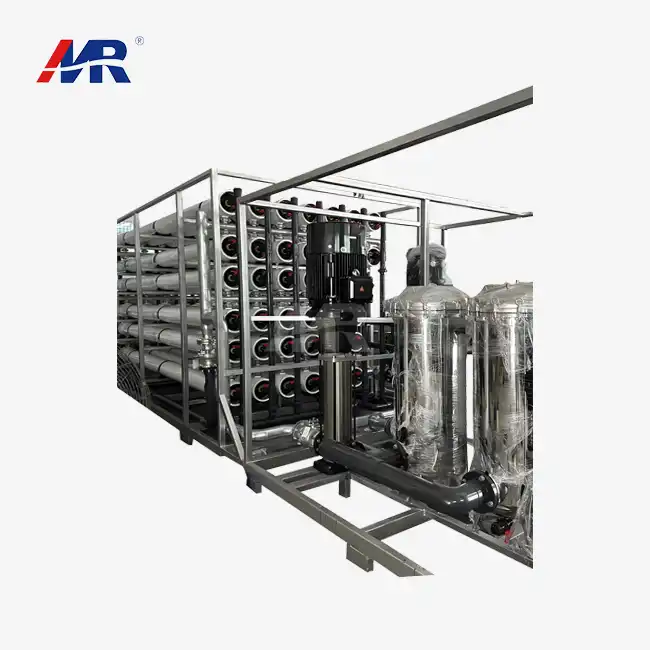 VIEW MORE150m3/hour reverse osmosis plant
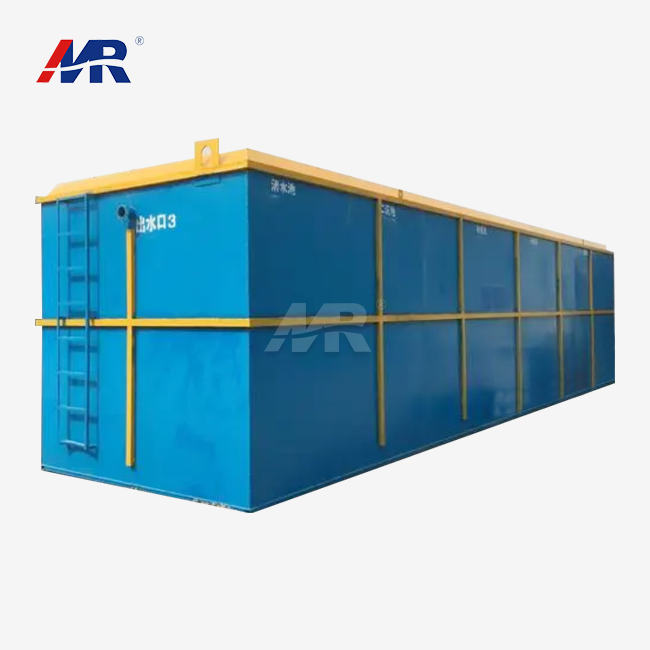 VIEW MOREwaste water treatment plant
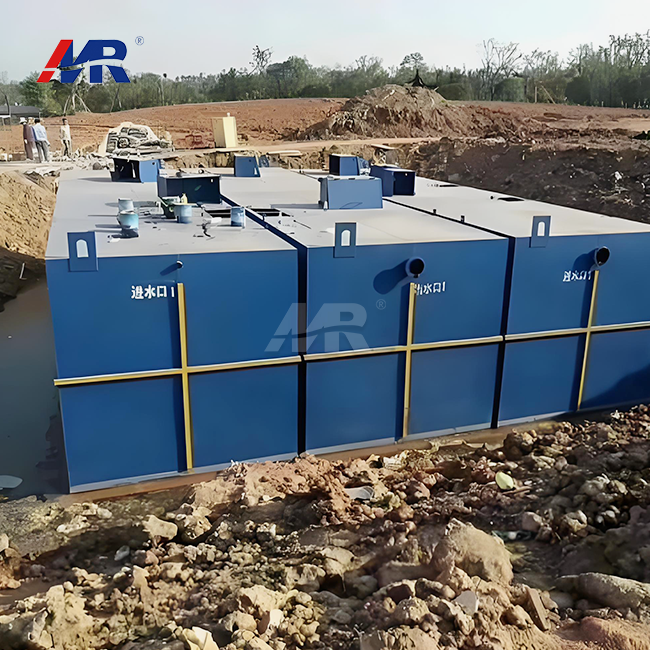 VIEW MOREwastewater treatment plant units
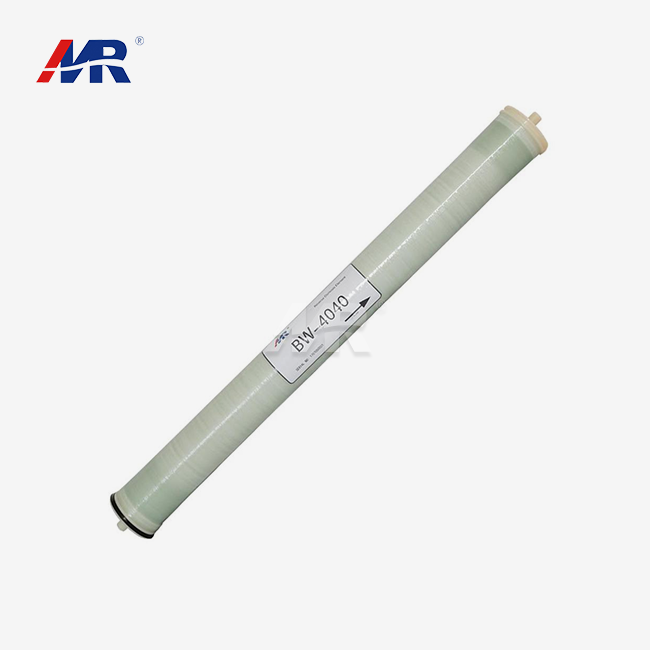 VIEW MOREindustrial ro membrane
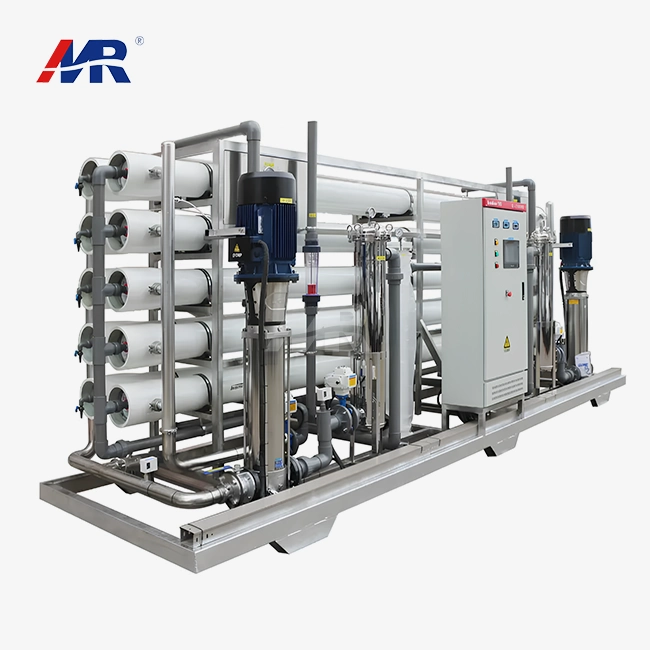 VIEW MOREreverse osmosis water purification plant
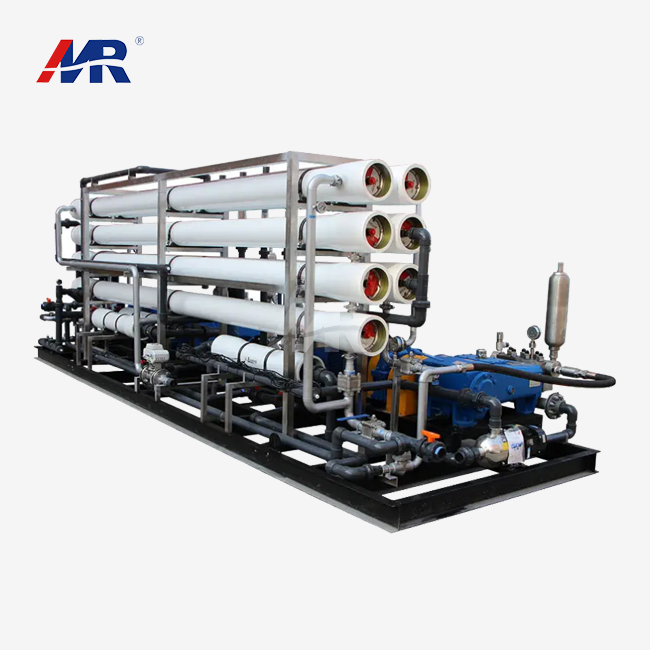 VIEW MOREseawater desalination machine
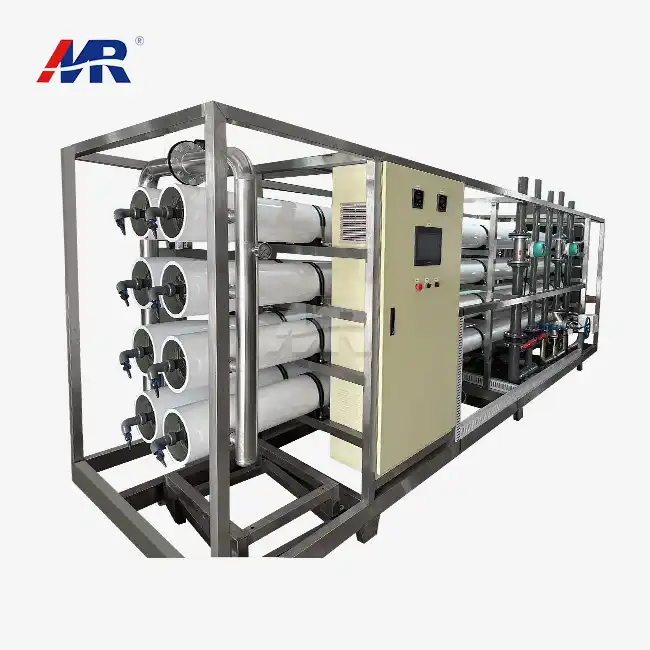 VIEW MORE8m3/hour two pass reverse osmosis system
 VIEW MOREreverse osmosis membranes
