

_1745823981883.webp)

How to treat sewage at home?
In order to treat sewage at home, specialized sewage waste treatment equipment must be used to clean up household wastewater in several steps. Modern ways of treating water at home use biological processes, membrane filters, and disinfectant technologies to clean dirty water so that it can be safely dumped or used for watering again. These small systems are good for getting rid of organic matter, floating solids, and harmful bacteria in the home. They use little energy and don't need much maintenance.
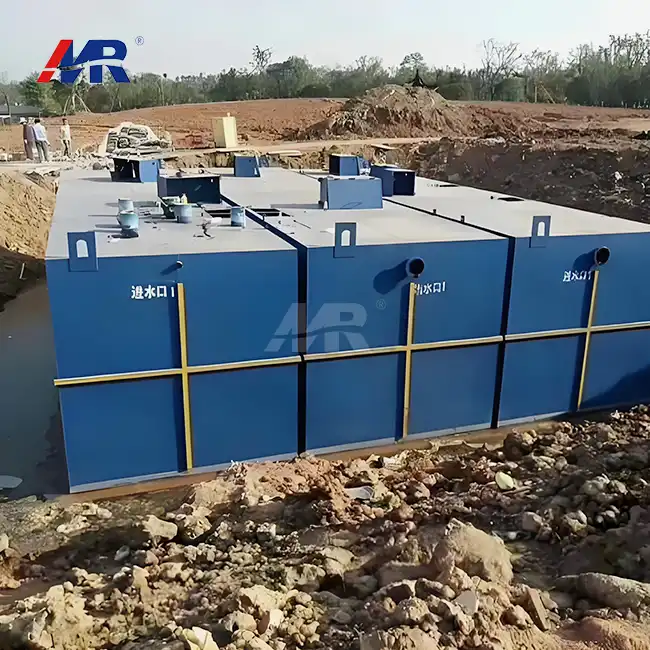
Understanding Sewage Treatment at Home
What Constitutes Domestic Sewage
This is the wastewater from toilets, sinks, showers, washing machines, and food that comes from different parts of a home. There are many things in this trash, such as organic matter, floating solids, nutrients like nitrogen and phosphorus, and germs that could be harmful. These parts help people who buy things and people who work in procurement understand why it's important to have good cleaning methods to protect people's health and the environment.
What's in household drainage depends on how big the family is, how much water they use, and the nearby facilities. Most of the time, toilet flush water has the most germs and organic toxins in it. Greywater from kitchen and bathroom sinks, on the other hand, has bits of food, soap, and cleaning Products in it. If these toxins are not handled properly, they can do a lot of damage to the groundwater and the wildlife in the area.
Health and Environmental Risks of Untreated Sewage
Sewage that hasn't been cleaned up offers many risks that affect not only homes but also whole towns. Bacteria, viruses, and parasites that are pathogenic and can be found in raw waste can make people sick with cholera, hepatitis, and diarrhea. Things like trash getting into groundwater or bodies of water on the surface make drinking water less safe and cause health problems that cost a lot to fix.
A damage to the environment is the eutrophication of bodies of water. When sewage adds too many chemicals to the water, algae blooms happen. These blooms lower oxygen levels in the water, which hurts sea life. Garbage that hasn't been cleaned up has a high organic oxygen demand, which can kill fish and mess up the natural flow of water. Poor sewage disposal pollutes the soil, which in turn lowers the yield of crops and leads to long-term cleanup issues that bring down property values and slow down community growth.
Regulatory Requirements for Home Treatment Systems
In some places, environmental laws set specific rules for how to treat wastewater from houses. These rules are meant to protect water sources and people's health. The rules usually say how successful treatment must be, how to keep track of patients, and what quality standards home treatment methods must meet before they can be used. When you follow rules like the US's Clean Water Act, you can be sure that cleaned trash passes environmental standards before it is released.
Regulations for modern sewage waste treatment also stress resource recovery and sustainability. This helps systems that reuse water and have less of an effect on the environment. Building owners and purchasing managers can choose treatment methods that will keep them in line for a long time without having to pay for costly fines or system changes if they know these rules.
Sewage Waste Treatment Methods Suitable for Home Use
Traditional Septic Systems and Modern Alternatives
Traditional septic systems have been the main way for homes to deal with wastewater for a long time. They use drains and settling tanks to let living things break down the wastewater naturally. These days, though, there are more advanced choices that use complicated biological and membrane technologies to treat more effectively and more environmentally friendly. The old septic systems have problems, especially in places with bad dirt or high groundwater levels. These new systems don't have those problems.
In modern treatment units, biological processes that use oxygen break down organic waste and get rid of germs faster than in anaerobic septic systems. There are usually more than one treatment room, air pumping systems, and clarification zones in these units. These make better trash that can be dumped into the environment or used to water plants. These systems are great for places that care about the environment and might not meet government standards for normal septic systems because they treat wastewater better.
Biological Treatment Processes for Residential Applications
Plant-based bacteria are used in biological treatment to break down organic pollution and get rid of nutrients. It is what all successful home sewage waste treatment methods are based on. With aerobic treatment methods, air is added to help good bacteria break down organic matter quickly, with few smells and a high success rate for getting rid of it. Of these gadgets, more than 90% of the time they remove BOD, and more than 85% of the time they remove COD.
Biological cleaning usually starts with a simple screen to get rid of large particles. Once this is done, the solids that can settle are separated from the liquid phase by primary cleaning. After that, the biological reactor carefully manages groups of microbes that break down the organic matter that has been dissolved or suspended and mix it with other things in the reactor. Membrane bioreactor technology is used in more advanced systems. This technology blends ultrafiltration with biological treatment to make very clean wastewater that meets strict standards for release.
Membrane Filtration and Advanced Treatment Technologies
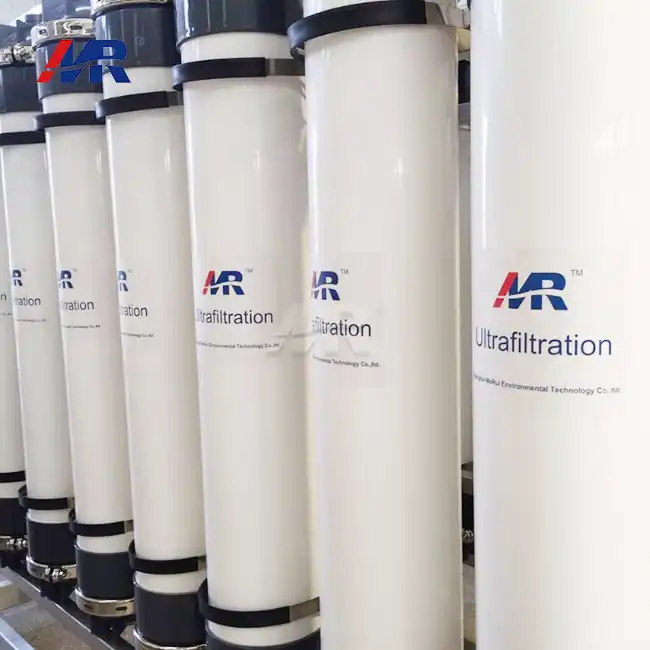
The most cutting-edge way for houses to clean up wastewater is with membrane bioreactor systems. To make treatment better, they use both molecular processes and physical barrier separation. There are hollow fiber or flat sheet membranes with holes that are between 0.1 and 0.4 microns in size that get rid of dissolved solids, bacteria, and viruses from wastewater that has been cleaned. The membrane barrier keeps the quality of the waste the same, even if the biological processes or sources change.
One of the best things about membrane filtration is that it can be used in small systems and is very good at getting rid of diseases, which means that chemical cleaning is often not needed. Not only do modern membrane systems have automatic cleaning methods and fouling avoidance systems that make maintenance easier, but they also make the membrane last longer. As technology gets better, membrane-based treatment systems become more appealing for use at home, where space is limited, and treatment needs to be very effective. Small, high-efficiency systems are more desirable in these situations.
How to Implement and Maintain a Home Sewage Treatment System
Equipment Selection and Procurement Considerations
When picking the correct sewage waste treatment equipment, it is important to carefully think about the specifics of the place, the treatment performance standards, and the capacity needs. There should be enough space in the system to handle peak flow conditions and extra room in case the system grows or more people start using it. To make sure long-term compliance, guidelines for treatment efficiency must fit local rules for waste disposal and the need to protect the environment.
Some things that determine quality are how long the equipment lasts, how stable its parts are, and how well-known the company is for expert support and having parts on hand. A procurement manager should look at the Certifications of the sellers, the warranties on the goods, and the installation support services when they are thinking about different treatment methods. The total cost of ownership estimates that buyers use to make decisions are also affected by how energy efficient a product is rated and how much it is expected to cost to run.
Installation Best Practices and Common Pitfalls
Setting something up right makes it possible for it to work reliably and be successful in the long run. As you get a spot ready, you need to make sure there is enough space for people to get to the equipment, connect the power, and do any maintenance that needs to be done in the future. The type of earth, the amount of groundwater, and how well it drains all have a big effect on how it needs to be installed. You may need to do special digging or base work.
Not having enough power, connecting pipes incorrectly, and not having enough room for maintenance chores are all common mistakes made by builders. For electrical systems to work, they need to meet local codes and make sure that fans, pumps, and control systems always have power. When making a hydraulic system, it's important to keep head losses to a minimum and avoid flow limits that could slow down the process or cause the system to back up.
Maintenance Strategies and Troubleshooting
System maintenance keeps them going at their best, saves you money on repairs, and makes gadgets last longer. In order to keep track, control screens, warning systems, and wastewater quality signs should all be looked at every day. As part of weekly maintenance, the amount of sludge buildup in clearing tanks, the air flow rates, and the way the pumps work are generally all checked.
The steps for troubleshooting deal with common issues that happen during operation, such as making too much foam, not settling properly, or smelling funny, which could mean that the process isn't balanced. When workers know what the normal working conditions are, they can spot problems before they affect how well the treatment works. Professional service support makes sure that manufacturer warranties are followed and that government rules are followed. They can also help with tough problems by using their specialized knowledge.
Benefits and Environmental Impact of Home Sewage Treatment
Environmental Protection and Ecosystem Preservation
Getting rid of harmful chemicals in sewage before it enters natural waterways or land systems is a big part of good home sewage waste treatment. More modern cleaning systems can get rid of more than 95% of the solids that are floating in the water. This keeps the water that comes in from becoming cloudy and full of sediment. This safety keeps water areas in good shape and safeguards the variety of life in the area's ecosystems.
Currently used treatment methods can get rid of nutrients, which lowers the amounts of nitrogen and phosphorus in cleaned wastewater and helps stop eutrophication. There are times when these chemicals can make a lot of algae grow, which lowers the oxygen level and hurts fish populations. Biological and chemical treatments that get rid of nutrients help keep the ecosystems safe and the water chemistry in balance.
Economic Advantages and Cost Savings
Putting money into good cleaning systems pays off in the long run because they lower energy costs, keep people from getting fined, and raise the value of homes. Clean drainage can be used to water gardens and parks. This helps towns use less water and save money on the costs that come with it. This is a great way to save water in places where it is hard to get or where people pay different amounts for using water at home.
By following environmental rules, you can avoid fines and civil trouble that can come from throwing trash in the wrong place. Modern cleaning systems also make it less likely that dirt and groundwater will pollute the water, which could cost a lot to clean up and cause property damage claims. Most of the time, these long-term economic benefits more than make up for the high cost of the initial investment and save money and reduce risk.
Social Benefits and Community Health
Getting rid of germs and making it less likely for diseases to spread is what effective trash treatment does for public health. The right treatment gets rid of the bugs, germs, and viruses that make it more likely that you will get sick from water. Families and businesses will be safer because of this. This protective measure for health is very important in small towns and rural places where there might not be a lot of healthcare services.
Taking care of the environment and using long-lasting methods can also improve the picture of your town. People who care about the environment and want to buy homes that will last and be good stewards of the environment often look for homes with advanced cleaning systems. These social benefits affect more than just one property; they also make the town as a whole better and help it grow.
Future Trends and Innovations in Home Sewage Treatment
Smart Monitoring and IoT Integration
This is possible because of the Internet of Things. It lets us keep track of how well treatments are working, how much energy they use, and what repairs they need in real time. This changes how people in their homes handle wastewater. Things like pH levels, flow rates, and the amount of dissolved oxygen in the water are always being checked by smart monitors. They send this data to systems in the cloud so that it can be looked at, and reports can be sent. With this link, fixes can be planned ahead of time, and the system can be run more efficiently while costs are kept low.
The service providers can figure out what's wrong and make changes to the way things work without having to visit the site. It saves money on repairs and makes things happen faster. Users can get maintenance notes, performance reports, and information about the state of their systems through mobile apps. These apps urge users to take an active role in controlling their systems. It is now easier for homes to get and use modern sewage waste treatment systems thanks to these big steps forward in technology.
Modular and Scalable Treatment Solutions
When you make a modular treatment system, you can adapt it to different site conditions and capacity needs while still meeting high standards for treatment performance. These systems have standard parts that can be put together in various ways to achieve various cleaning and flow rates. Because of this, they are cheap enough to be used for many things. These ways also make it easy to change or add to a system as time goes on.
Installing prefabricated modular pieces is faster and easier, and they still meet high standards of quality control and performance. Before the system is shipped, it is tested and set up in the factory to make sure it works. This cuts down on problems with starting up and delays in setting up. Regulators set standards for dependability and performance, and this way of standardization makes it easier for people to use modern treatment technology in their own homes while still meeting those standards.
Resource Recovery and Circular Economy Principles
Resource recovery features are being added to more and more advanced treatment systems. These features get useful things from wastewater streams while also being better for the environment. Phosphorus and nitrogen can be used as fertilizers after being taken in by nutrient recycling devices. This helps with supply problems and makes money at the same time. To get energy back, anaerobic digestion or biogas production can be used. This can lower the system's power needs and costs to run.
Reused water can be used for more than just watering plants. It can also be used to flush toilets, cool systems, and industrial processes where cleaned wastewater can be used instead of drinking water. There are goals for sustainability, and these cycle economy ideas help reach those goals. They also use less water and make less trash. It's possible that these ways of getting resources back will be supported by new rules and reward programs as environmental problems and resource shortages get worse.
Conclusion
Home sewer treatment is a useful way to keep people healthy, protect the environment, and use water in a way that doesn't hurt it. The cleaning tools we have now are reliable and good at turning trash from homes into clean waste that can be thrown away safely or used again. People can protect their homes and the community's resources as a whole by making smart decisions when they know about the different treatment options, what needs to be done to use them, and the long-term benefits.
More and better options for managing garbage at home are becoming available thanks to smart tracking, flexible designs, and the ability to recover resources. These changes in technology have made it easier to get high-tech treatment devices. They are also easier to use and need less maintenance. Getting help from a professional and picking high-quality tools will make sure that the system always works well and follows the rules.
FAQ
Q1: What is the typical cost range for a home sewage treatment system?
Home sewage treatment systems cost between $10,000 and $50,000, depending on how much room is needed, the type of treatment technology used, and the site's state. Normal oxygen treatment units that can be put in single-family homes cost around $15,000 to $25,000, which includes the cost of setting them up. High-tech membrane bioreactors that treat things better and take up less room might cost $30,000 to $50,000, but they work better and need less maintenance.
Q2: How often does a home treatment system require maintenance?
Routine maintenance for modern sewage waste treatment systems typically involves monthly visual inspections, quarterly service visits, and annual comprehensive system evaluations. Daily monitoring through automated control systems tracks key performance indicators without requiring manual intervention. Sludge removal, membrane cleaning, and component inspections that ensure optimal performance and regulatory compliance during professional service calls.
Q3: Can treated wastewater be safely used for irrigation?
As long as the treatment meets the right quality standards, current home treatment systems can easily use wastewater to water fields, gardens, and crops. Most membrane bioreactor systems make wastewater that can be used to water plants over and over again because it constantly gets rid of germs very well. Some local laws may have extra rules, like needing to be cleaned or stored for a certain amount of time before being used for watering.
Transform Your Wastewater Management with Morui's Advanced Treatment Solutions
Morui specializes in comprehensive sewage waste treatment solutions designed for residential, commercial, and industrial applications across diverse market sectors. Our compact biological treatment systems deliver exceptional performance with BOD removal efficiency exceeding 90% and minimal energy consumption of 0.5-1.5 kWh/m³. With customizable capacity ranging from 1-10 m³/day, our systems accommodate various residential requirements while maintaining consistent treatment quality and regulatory compliance.
As an experienced sewage waste treatment manufacturer, we provide complete project support, including system design, installation supervision, and ongoing maintenance services. Our engineering team brings deep expertise in membrane technology, biological processes, and automated control systems that ensure optimal performance and long-term reliability. Contact our technical specialists at benson@guangdongmorui.com to discuss your specific wastewater treatment needs and discover how our proven solutions can enhance your environmental compliance and operational efficiency.
References
1. Chen, M., & Johnson, R. (2023). Advanced Biological Treatment Systems for Residential Applications. Journal of Water and Environmental Engineering, 45(3), 78-92.
2. Environmental Protection Agency. (2022). Guidelines for Home Wastewater Treatment System Design and Operation. EPA Technical Publication Series, Volume 12.
3. Rodriguez, P., Kim, S., & Thompson, L. (2023). Membrane Bioreactor Technology in Decentralized Wastewater Treatment. Water Technology International, 18(4), 34-48.
4. Smith, A., & Williams, J. (2022). Economic Analysis of Residential Sewage Treatment Technologies. Environmental Economics Quarterly, 29(2), 156-171.
5. National Association of Wastewater Technicians. (2023). Best Practices for Small-Scale Wastewater Treatment Installation and Maintenance. Technical Manual Series, Edition 8.
6. Baker, K., Davis, M., & Lee, C. (2022). Smart Monitoring Systems for Residential Water Treatment Applications. Advanced Environmental Technology Review, 31(5), 112-128.
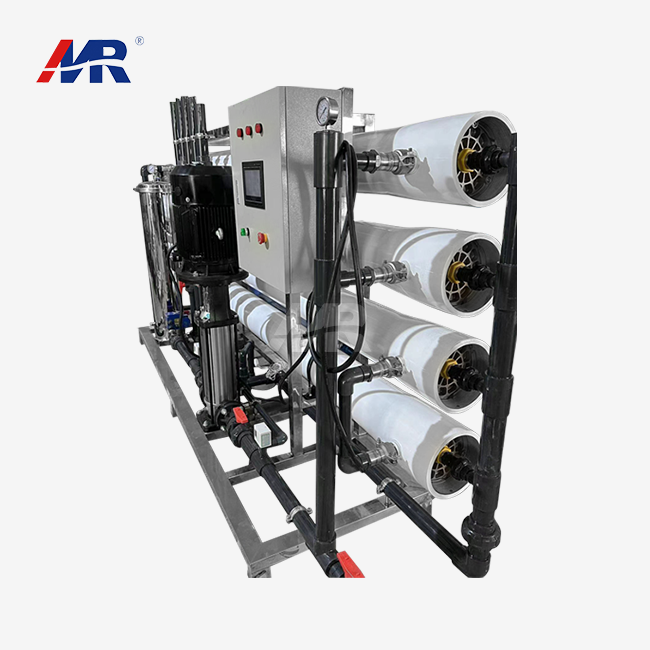 VIEW MOREunder counter reverse osmosis water system
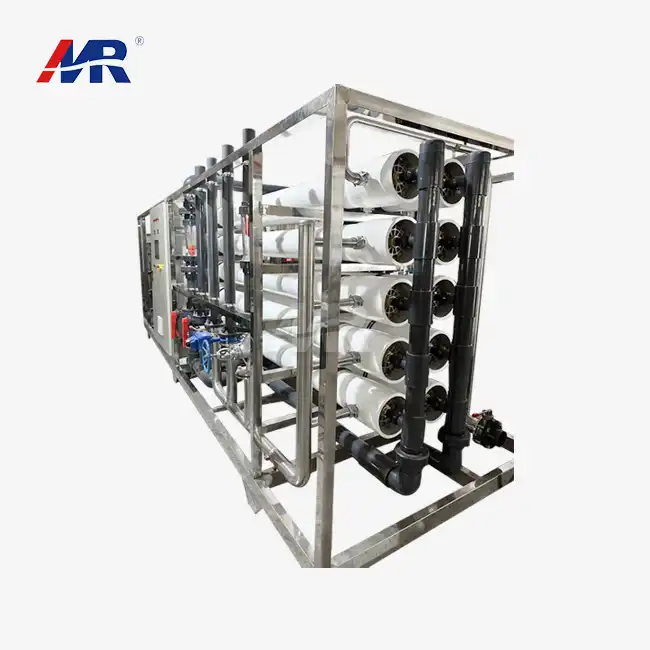 VIEW MORE50m3/hour reverse osmosis equipment
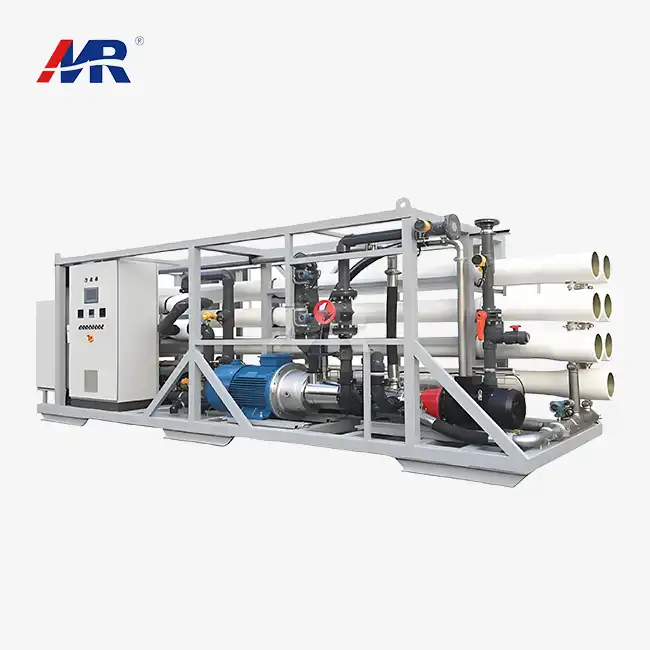 VIEW MORE20m3/hour seawater desalination equipment
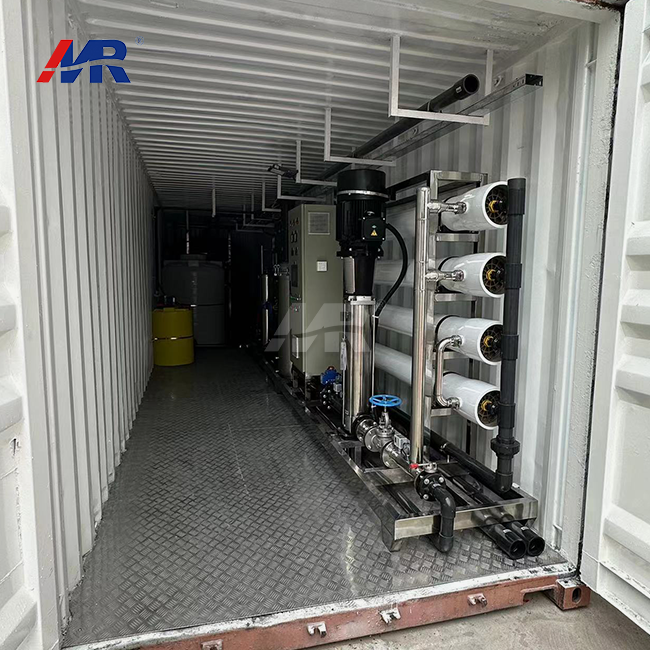 VIEW MOREcontainerized ro system
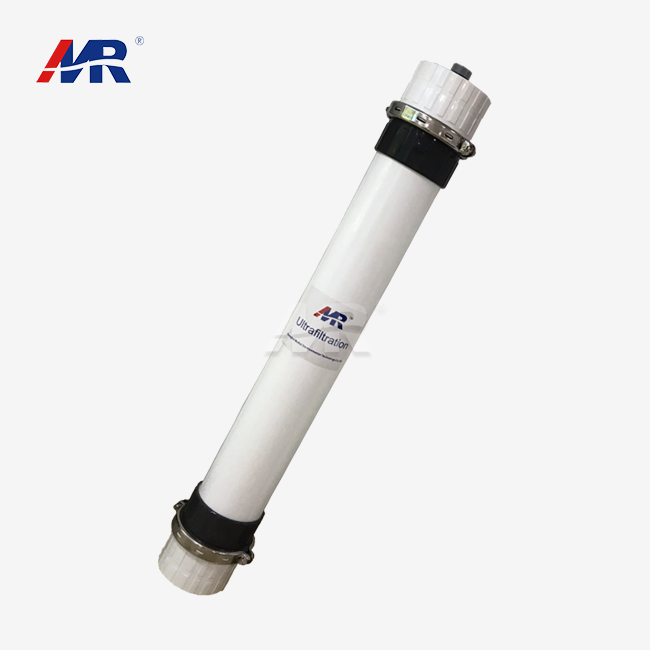 VIEW MOREultrafiltration membrane system
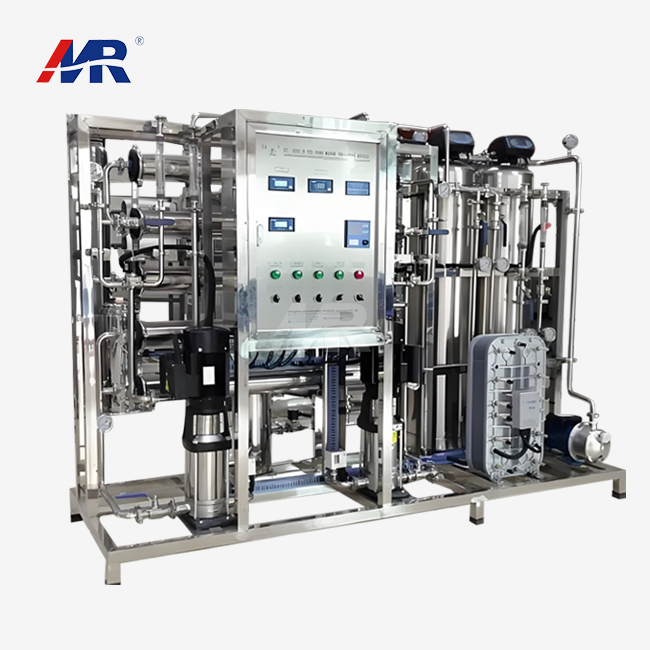 VIEW MORE1000LPH EDI system
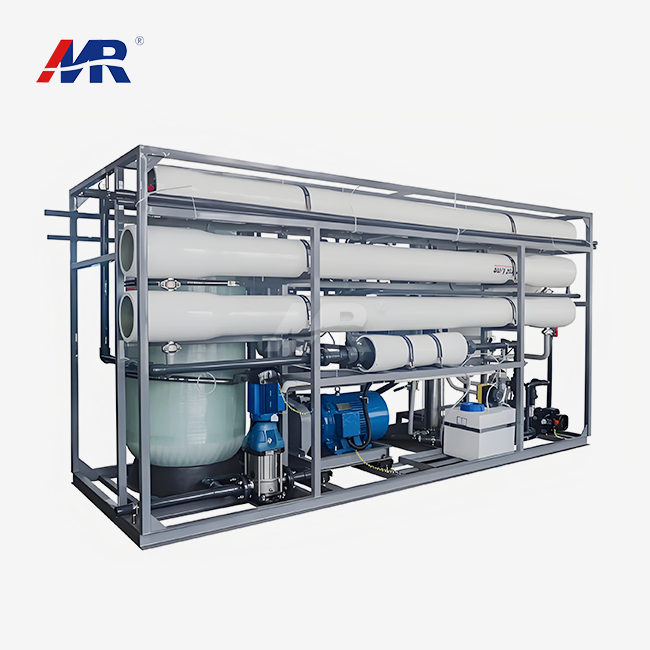 VIEW MOREseawater treatment plant
 VIEW MORE90T/H ultrafiltration equipment
