_1745823981883.webp)

What is the best way to treat sewage?
The most efficient way to treat sewage waste treatment uses a full, multi-stage process that combines chemical, biological, and physical means. Usually, there are four main steps: the first is to remove any trash, the second is to separate the solids, the third is to break down the organic matter, and the final step is to clean the waste. The best method relies on your business needs, local rules, and environmental goals. For most uses, modern membrane bioreactor (MBR) systems are the most efficient and have the smallest footprint.
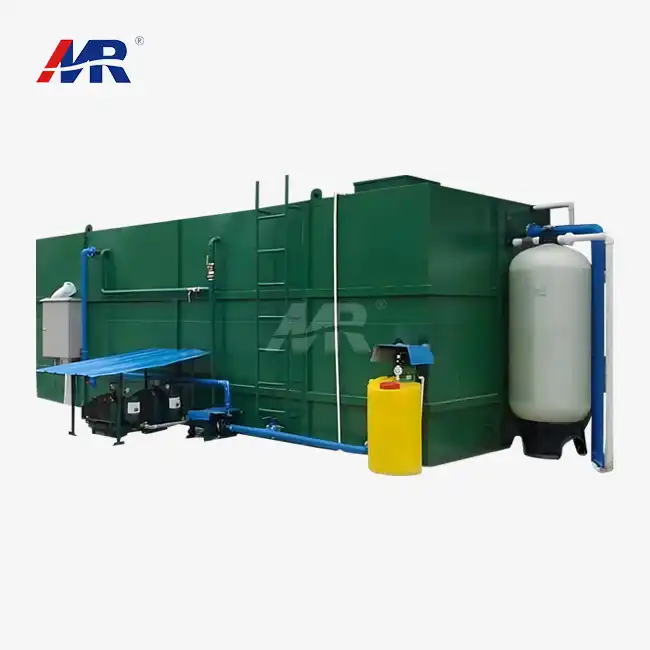
Understanding Sewage Waste Treatment: Processes and Principles
Modern wastewater management relies on complex cleaning methods that turn dirty water into clean sewage that can be released into the environment or used again. These systems help companies stay in line with regulations while also protecting public health and natural resources.
The Four Stages of Treatment
Screening and sedimentation are used to get rid of big pieces of trash, grit, and floating materials during preliminary cleaning. This step keeps equipment further down the line from getting damaged and improves the efficiency of the next process.
Gravity-based separation is the main method used in primary treatment. It lets heavy solids settle in clearing tanks while lighter materials like oils and grease rise to the surface and are removed. About 25–30% of biological oxygen demand (BOD) and 50–60% of total suspended solids (TSS) are usually taken out by this process.
The molecular heart of the system is secondary care. Through aerobic and anaerobic processes, good bacteria break down organic pollution. Activated sludge systems and trickling screens are two popular methods that get rid of 85 to 95% of BOD.
Advanced filtering, disinfection, and nutrient removal are used in tertiary treatment to give the water its finishing shine. This step makes sure that strict disposal standards are met and allows the water to be used again.
Microbial Action in Biological Treatment
Aerobic bacteria do best in places with lots of air. They break down organic matter quickly and release carbon dioxide and water as waste. These processes need to be aerated all the time, but they are treated very well.
Anaerobic methods don't need air to work, so they are energy-efficient ways to treat high-strength wastewater. As a useful byproduct, these systems make biogas while successfully lowering organic loads.
The treatment's success depends on how well the bacterial groups are balanced. Biological function is affected by pH, temperature, the abundance of nutrients, and the time it takes for water to stay in the system.
Exploring the Best Sewage Treatment Methods for Different Industries
Different businesses produce wastewater with different properties that need to be treated in different ways. Knowing about these differences helps buying teams choose the best options for each application.
Aerobic vs. Anaerobic Treatment Comparison
Aerobic systems in sewage waste treatment work best when high-quality waste needs to be treated quickly. These methods work well with changing loads and give stable, expected results. In contrast, they use more electricity and produce more sludge as trash.
Anaerobic treatment saves a lot of energy and makes biogas that can be used to make energy on-site. These systems work best with strong industrial wastewaters, but they need more time to set up and more specialist knowledge to run.
Here are the core advantages of each approach:
- Aerobic Treatment: starts up faster, gets rid of pathogens better, takes shock loads better, makes effluent that is clearer, and needs less warmth in mild areas.
- Anaerobic Treatment: lower running costs, the ability to make biogas, less sludge, a smaller carbon footprint, and great for strong trash
These treatment methods can help with different operational problems, based on the needs and limitations of your location.
Industry-Specific Treatment Solutions
Wastewater from food and drink plants usually has a lot of organic matter in it, and the pH level changes a lot. For these uses, sewage waste treatment systems often include dissolved air flotation to get rid of grease and specific biological treatment to lower the organic load.
Pharmaceutical and biotechnology businesses need treatment systems that can handle complicated chemicals and keep high standards for effluent quality. To meet government standards, a lot of the time, advanced oxidation methods and membrane technologies are used.
When textiles are made, wastewater is produced that has colors, chemicals, and different amounts of salt in it. Textile cleaning systems often include methods for getting rid of colors and biological treatments that are specifically designed to deal with chemical residues.
Chemical factories need strong cleaning systems that can deal with heavy metals and dangerous chemicals. Usually, these uses need more than one step of treatment using advanced filters and chemical precipitation methods.
How to Choose the Right Sewage Waste Treatment System for Your Business?
It's important to carefully consider a lot of things that affect both performance and cost when choosing the right treatment method. When making smart buying choices, you should think about both short-term and long-term business needs.
Defining Your Treatment Requirements
The most important design element is the treatment capacity. Systems have to be able to handle high flow rates while keeping cleaning efficiency high during normal operations. Capacity ranges from 50 to 10,000 m³/day to suit a wide range of building sizes and uses.
The quality standards for effluent change a lot depending on where it is discharged and the rules in that area. Some sites need simple secondary treatment, while others need more advanced third treatment to reuse water or put it into sensitive discharge areas.
Space limitations often affect the choice of technology, especially in industrial places that are close to cities. Traditional activated sludge plants take up 30% more room than compact membrane bioreactor systems, but they work better.
Key Performance Indicators to Evaluate
Measures of treatment success make it possible to compare different methods in an unbiased way. BOD removal efficiency of up to 95%, COD removal efficiency of up to 90%, and TSS removal efficiency of up to 95% are the best in the business.
The amount of energy used has a direct effect on both running costs and the health of the world. Modern, energy-efficient systems only use 0.3 to 0.5 kWh/m³, which means they are much cheaper to run than older methods.
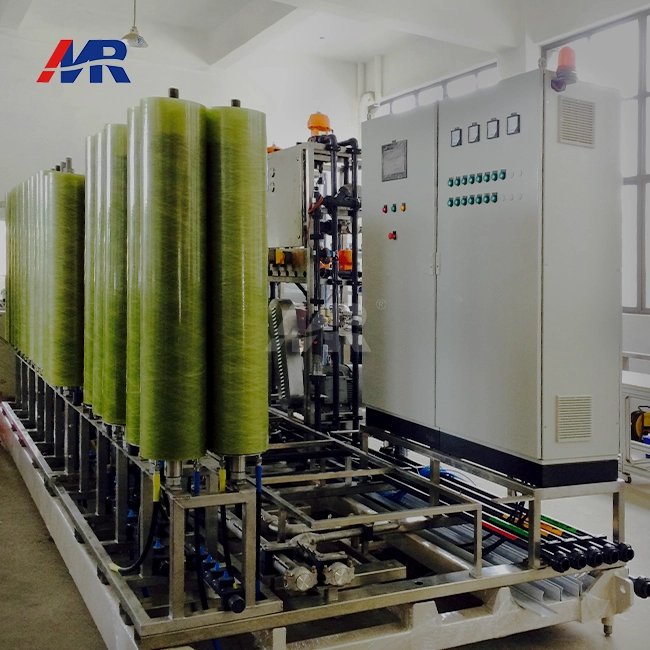
The amount of automation there is affects both how easy it is to run and how much work needs to be done. Advanced control systems that can be monitored from afar cut down on the need for staff while making processes more reliable and efficient.
Making the Investment Decision
When looking at capital costs, you need to weigh the initial investment against the long-term benefits for operations. Modular system designs let you set them up in stages and add to them in the future without having to make big changes to the infrastructure.
Different technologies used in sewage waste treatment have very different maintenance needs. Low-maintenance systems make operations simpler and cut down on unintended downtime, which is especially important for industrial uses that need to work well.
Service and support access guarantees long-term running that works well. Maintenance, troubleshooting, and system improvement are easier to do when the maker is well-known and has a large service network.
Innovations and Advanced Techniques in Sewage Waste Treatment
As technology keeps getting better, it changes how garbage is treated by making it more efficient, less harmful to the environment, and better at what it does. These new ideas help companies stay ahead of changing rules while also lowering their costs.
Membrane Bioreactor Technology
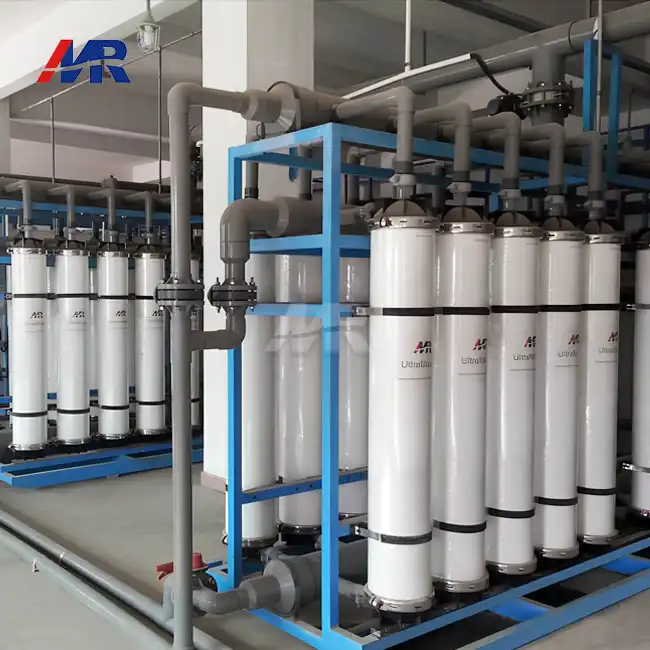
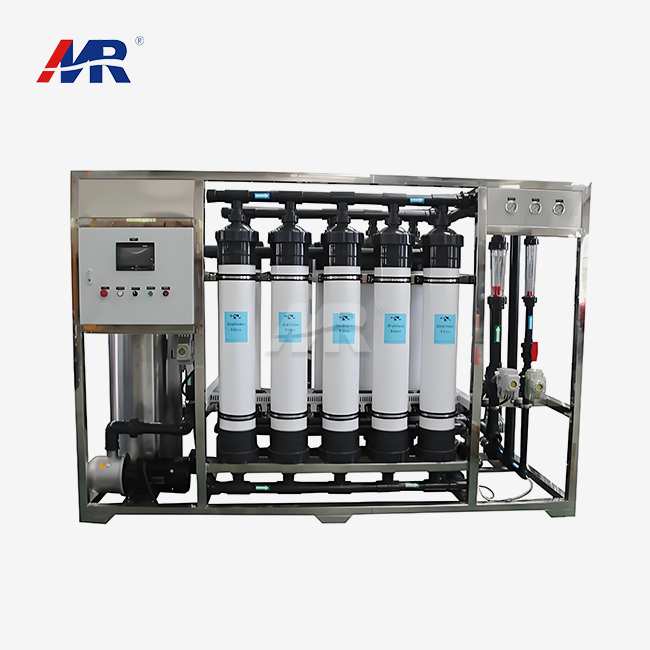
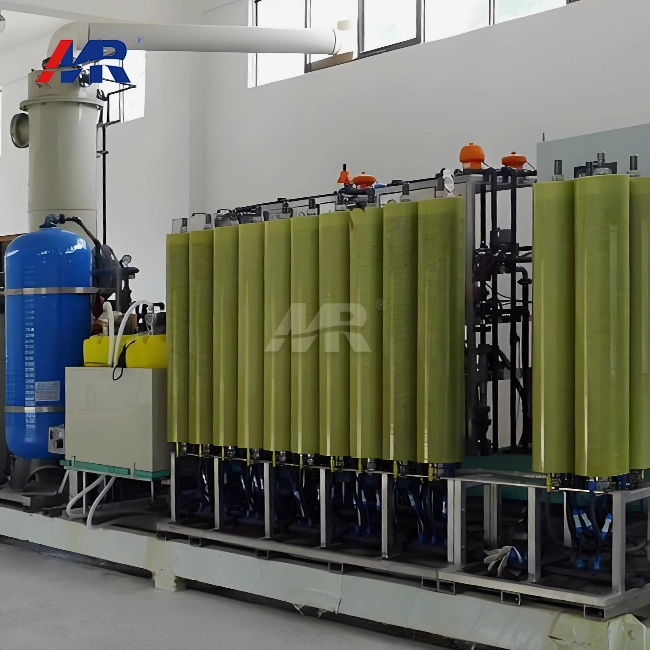
MBR systems are small units that treat water biologically and filter it through membranes. This combination gets rid of the need for extra clarifiers and makes regularly high-quality effluent that can be used again directly.
The technology has many benefits for operations, such as a smaller size, higher biomass amounts, and great solids separation. These advantages mean that the treatment works better and takes up less space than with traditional methods.
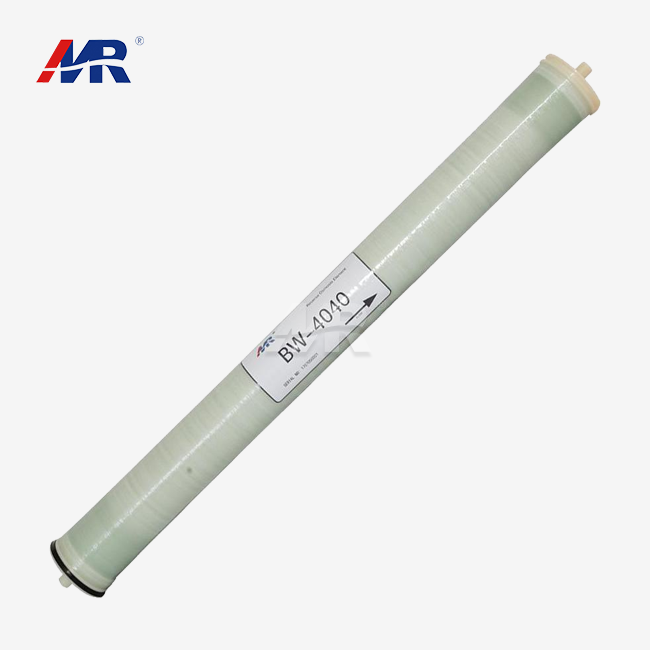
Membrane technology keeps getting better, with new materials and shapes that make it easier to clean and last longer. To get the most out of membrane efficiency, modern systems use advanced tracking and automated cleaning processes.
Smart Monitoring and Control Systems
Integration of the Internet of Things (IoT) lets you keep an eye on important process factors in real time from afar. This connection lets operators improve performance and act quickly when things change.
Using artificial intelligence (AI) to help figure out what maintenance is needed and how much of a chemical to use based on the traits of the wastewater going in. These systems keep getting better at treating people by learning from the data they collect during use.
Advanced sensors constantly check the factors of the water quality, which allows for exact process control and early discovery of problems that might happen. This tracking feature helps keep the quality of the waste stable while reducing the amount of chemicals that are used.
Biogas Recovery and Energy Generation
Anaerobic digestion processes make biogas that is high in methane and can help a facility's energy needs. Biogas can be turned into electricity and heat for use on-site by combined heat and power systems.
Energy recovery systems in sewage waste treatment can cut a building's running costs by a large amount while also lowering its carbon footprint. Some high-tech facilities can run without using any energy at all by using biogas effectively.
More ways to save energy are available through heat capture from cleaned effluent. Heat exchangers move heat from one place to another to heat a room or do a process. This makes the whole system even more efficient.
Maximizing ROI: How Professional Sewage Treatment Partnerships Benefit Your Business
Strategic relationships with treatment system providers with a lot of knowledge provide value that goes beyond just providing tools. Full-service partnerships make sure that systems work at their best throughout their entire lifetime while reducing business risks.
Selecting Qualified Treatment System Providers
Proven track records in your industry show that you have the right knowledge and specialized skills. Suppliers of sewage waste treatment should show proof of their skills by giving case studies and examples from similar projects.
Technical support includes help with design, starting services, user training, and continued help with optimization. Full service offers lower risks of adoption and speeds up the process of running a successful business.
Manufacturing skills and quality processes make sure that equipment works well and that the standard of the Products is always the same. Long-term help and availability of parts are better from manufacturers that have been around for a while and have their own production centers.
Comprehensive Maintenance and Support Services
Preventive repair programs keep machines running smoothly and extend their lives. Regular service checks find problems before they affect operations, which lowers the cost of emergency repairs.
Remote tracking lets you help people before problems happen and fix them quickly when they do. Modern systems send alerts and diagnostic data in real time to support teams so they can help right away.
Operator training in sewage waste treatment makes sure that yOur Team can run and keep treatment systems running correctly. Comprehensive training programs teach regular chores, how to fix problems, and preventative upkeep.
Value-Added Services and Optimization
Process improvement services help make treatments more effective while keeping costs low. Service teams with a lot of experience look at system performance data to find ways to make things better and then make the changes happen.
Upgrade and growth services let facilities meet changing needs without having to update whole systems. As a business's needs change, modular designs make it easy to add more space and new technology.
Support for regulatory compliance helps people keep up with changing environmental rules and keep their discharge permits. Service providers who are knowledgeable about legal trends can suggest changes that need to be made to the system.
Conclusion
For sewage waste treatment to work well, treatment technology, operating needs, and long-term business goals must all be carefully thought through. Modern membrane bioreactor systems have a lot of benefits, such as being small, more effective at treating the problem, and easier to use. To be successful, you need to choose the right technology for the job and work with expert providers who can provide full help throughout the system's lifecycle. Investing in modern treatment technology protects the environment, improves operating efficiency, and saves money in the long run, which more than covers the initial capital spending.
FAQ
Q1: What factors determine the best sewage treatment method for my facility?
The best way to treat wastewater relies on the type of wastewater, the rules for discharge, the amount of room that is available, and the budget. Activated sludge devices may be used in urban settings, but biological treatment and improved filtration are usually needed for high-strength industrial wastewater. Flow rate, standards for effluent quality, and local environmental laws all have a big impact on the choice of technology.
Q2: How do membrane bioreactor systems compare to conventional treatment?
With membrane bioreactor technology, biological treatment and membrane filters work together to make better effluent in 30% less space than other systems. MBR systems are more effective at treating wastewater because they don't need extra clarifiers and produce wastewater that can be used again right away. Initial costs are higher, but daily benefits include a smaller footprint, more consistent performance, and less need for upkeep.
Q3: What ongoing maintenance do modern sewage treatment systems require?
Modern systems need to be checked on a regular basis, the membranes need to be cleaned or replaced, and the equipment needs to be inspected regularly. With automated systems, operators don't have to do as much work every day, and repairs can be done before they break down. As part of regular maintenance, pumps and fans are checked, biological processes are watched, and chemical doses are made correctly. Professional service teams can take care of complicated system optimization and upkeep jobs.
Partner with Morui for Advanced Sewage Treatment Solutions
Guangdong Morui Environmental Technology has cutting-edge technology and full-service support ready to help you with your wastewater cleaning problems. Our modular systems remove up to 95% of BOD while using only 0.3 to 0.5 kWh/m³. This makes us a top provider of sewage waste treatment for a wide range of commercial uses. We offer full installation, setup, and optimization services to clients in a wide range of businesses. Our 14 offices, over 500 workers, and 20 experts help us serve our clients. Visit moruiwater.com or email our technical team at benson@guangdongmorui.com to talk about your unique needs and find out how our advanced treatment options can improve the environmental performance of your facility.
References
1. Water Environment Federation. "Design of Municipal Wastewater Treatment Plants." 6th Edition. McGraw-Hill Professional, 2018.
2. Tchobanoglous, George, et al. "Wastewater Engineering: Treatment and Resource Recovery." 5th Edition. McGraw-Hill Education, 2014.
3. Metcalf & Eddy, Inc. "Water Reuse: Issues, Technologies, and Applications." McGraw-Hill Professional, 2007.
4. Environmental Protection Agency. "Wastewater Treatment Plant Operator Certification Training Manual." Office of Water Programs, 2017.
5. Judd, Simon J. "The MBR Book: Principles and Applications of Membrane Bioreactors for Water and Wastewater Treatment." 2nd Edition. Butterworth-Heinemann, 2011.
6. Von Sperling, Marcos. "Wastewater Characteristics, Treatment and Disposal." IWA Publishing, 2015.