

_1745823981883.webp)

Landfill Leachate Water Treatment: Effective Solutions & Innovations
Because it needs to be handled with high-tech tools, waste leachate is one of the hardest types of trash to deal with because it can harm underground and public water sources. Biological treatment, chemical oxidation, and advanced membrane methods are all used in modern Landfill Leachate Treatment Plant systems to deal with complex mixes of toxins. These two together help waste management facilities meet strict release standards and get valuable resources out of dirty streams by using new engineering methods. In this way, environmental risks become useful assets.
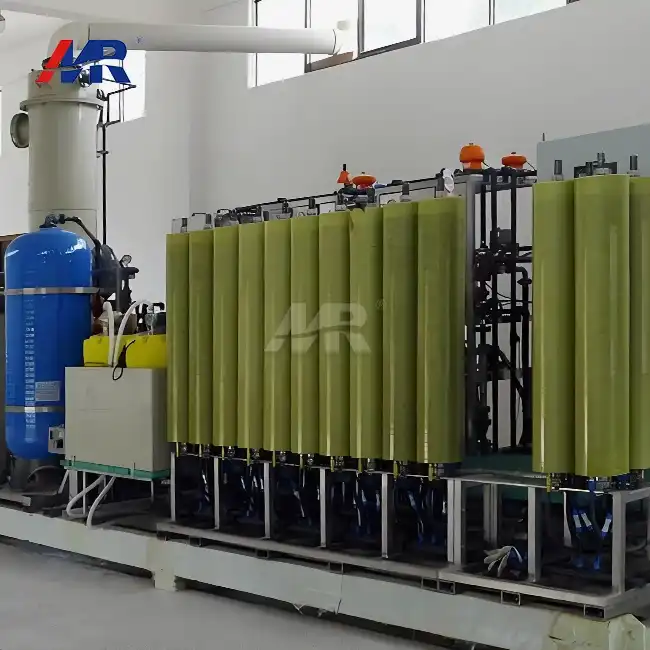
Understanding Landfill Leachate and Its Environmental Impact
Leachate from landfills is a very dirty liquid that is made when precipitation soaks into trash. It contains dissolved organic molecules, heavy metals, ammonia, and other dangerous chemicals. This complicated mix is very bad for the environment and people's health if it gets into ecosystems around it without being cleaned up first.
Chemical Composition and Contamination Characteristics
The level of pollution in garbage leachate changes a lot depending on the type of waste, the age of the dump, and the weather in the area. Biochemical oxygen demand (BOD) levels in leachate from new landfills are usually high, hitting 20,000 to 40,000 mg/L. On the other hand, compounds that are harder to break down are made at older sites, with ammonia levels topping 1,000 mg/L. Heavy metals like lead, cadmium, and mercury are often found in amounts that are 100 times or more higher than what is considered safe for drinking.
Regulatory Framework and Compliance Requirements
Environmental groups all over the world have set strict rules on how much leachate cleanup systems can release. The US Environmental Protection Agency has strict rules about how much COD (usually less than 100 mg/L), ammonia nitrogen (less than 25 mg/L), and heavy metals can be in cleaned wastewater. The Landfill Directive in the European Union sets similar standards and stresses the need for effective cleaning methods. Fines for not following the rules can be as high as $10,000 to $50,000 per violation. Because of this, effective treatment systems are not just nice-to-have updates; they are necessary expenses.
Groundwater and Surface Water Protection
Leachate that isn't handled can pollute groundwater for decades, causing long-term environmental problems that last long after a landfill is no longer in use. Studies show that leachate clouds can spread many kilometers from their sources, affecting the drinking water of towns nearby. Pollution of surface water causes eutrophication, fish deaths, and ecosystem damage. To fix this, we need complete treatment methods that meet both short-term flow needs and long-term environmental protection goals.
Comprehensive Overview of Landfill Leachate Treatment Processes
Modern methods for treating leachate, such as those used in a Landfill Leachate Treatment Plant, use multiple steps that mix chemical, biological, and physical methods to completely get rid of contaminants. Each step of cleaning focuses on a different type of pollution, and when they work together, they make the whole system work better.
Physical Treatment Technologies
Physical treatment is the first step in handling leachate properly. It gets rid of the solids that are stuck in the liquid and gets the waste stream ready for the next steps of biological and chemical treatment. Screening systems get rid of big pieces of trash and things that don't break down, and settling tanks separate dense particles by gravity. Flotation units get rid of oil and grease by attaching air bubbles to them. This keeps later processes from having to deal with too much organic material.
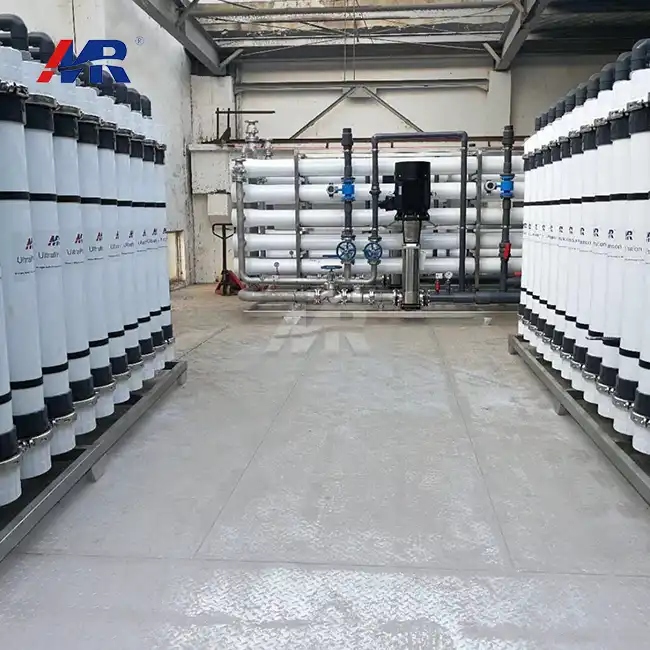
Some advanced physical treatments, like ultrafiltration (UF) and microfiltration (MF), use membrane filtration technologies to separate particles, germs, and some dissolved organics. These systems work the same way, no matter what changes happen in the biological treatment, so the quality of the waste stays fixed even when the conditions of the influent change.
Biological Treatment Approaches
Biological treatment uses groups of microbes to break down organic pollution using their own natural biochemical processes. Activated sludge systems keep biomass levels high in aerated reactors, and when they work at their best, they can remove more than 95% of the biological oxygen demand (BOD). Membrane bioreactor (MBR) technology blends biological treatment with membrane separation to produce better effluent quality while lowering the size of the device that needs to be installed.
Biogas production is one way that anaerobic treatment can be used to recover energy and effectively handle high-strength organic loads. Sequential batch reactors (SBR) can work with a range of input conditions because they can change cycle times and air patterns automatically based on tracking data that is collected in real time. These biological methods greatly lower the amount of organic matter that gets into the system before it goes through advanced treatment steps. This makes the system work better overall and uses fewer chemicals.
Advanced Chemical and Membrane Treatment
Heavy metals, hard organics, and ammonia compounds are some of the toxins that chemical treatment is aimed at because they don't break down biologically. Coagulation and flocculation processes bring together dissolved and liquid particles to make sorting better. Advanced oxidation processes (AOP) use hydroxyl radicals to break down complex organic molecules.
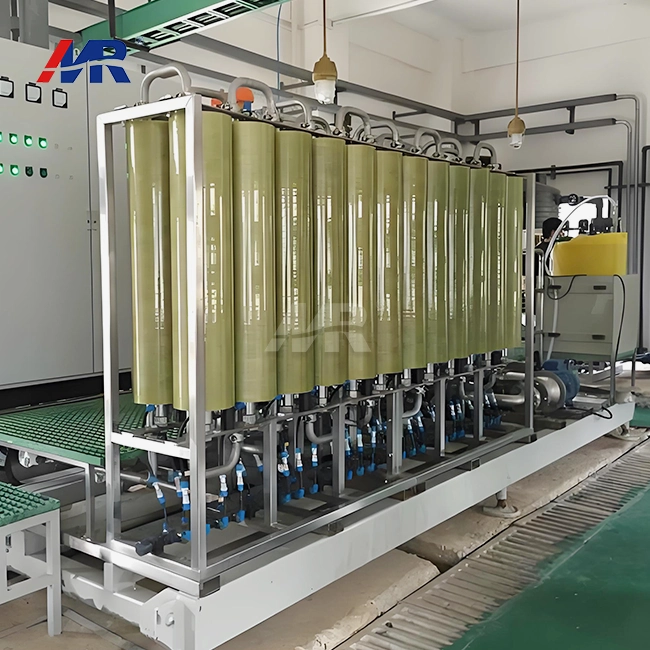
Reverse osmosis (RO) and nanofiltration (NF) filters get rid of the most contaminants, recovering 50–70% of the water they process while concentrating the pollutants for separate treatment or dumping. These technologies can be used in landfill leachate treatment plant systems to constantly meet the strictest disposal standards while having the least amount of impact on the environment.
Comparing Leading Landfill Leachate Treatment Technologies for Procurement Decisions
People who work in procurement have to look at a lot of factors when choosing treatment technologies. These include the initial cost, ongoing costs, how well the technology works, and how reliable it is in the long run. Each type of technology has its own pros and cons that affect how well it works in different situations.
Conventional vs. Advanced Treatment Systems
Usually, conventional treatment systems that use both activated sludge and chemical precipitation cost between $15 and $25 per cubic meter treated and need capital investments of $2 to $4 million per 100 m³/day. These systems aren't very good at getting rid of contaminants, but they're good enough for less strict discharge standards. However, they might have trouble with changing influent conditions and new pollutants.
Advanced membrane-based systems need bigger expenses at the start, between $4 and $7 million per 100 m³/day, but they treat water better and more consistently. Operating costs are between $25 and $40 per cubic meter, which is reasonable because the system is more reliable, uses fewer chemicals, and recovers more water. Membrane systems are useful in situations where space is limited because they take up little room.
Energy Consumption and Operational Efficiency
The amount of energy used is a high cost of doing business; standard systems need between 3 and 6 kWh per cubic meter cleaned. Advanced Landfill Leachate Treatment Plant designs can cut energy use to 2 to 4 kWh per cubic meter while still providing excellent treatment. Intelligent process optimization, which changes aeration rates, pump speeds, and chemical doses based on real-time influent traits, is what automated control systems do to keep energy waste to a minimum. These systems have short payback periods because they lower energy costs and make operations more efficient. This makes them good investments for owners who are thinking ahead.
Scalability and Modular Design Considerations
Modular cleaning systems are very helpful for businesses that are growing or don't know how much capability they will need in the future. Standardized treatment units can be added gradually as the amount of waste grows, so the whole system doesn't have to be replaced, or big changes to the infrastructure have to be made. This method lowers the financial risk while making sure that the treatment works the same way in all parts of the process.
Pre-engineered skid-mounted systems make installation easier and faster, cutting project times from 12 to 18 months to 6 to 9 months for most setups. These systems come factory-tested and ready to connect, so there are no risks of putting them together in the field, and you can be sure they will work as expected when they first turn on.
Practical Guide to Selecting and Procuring a Landfill Leachate Treatment Plant
For buying to go well, technical skills, seller qualifications, and long-term support infrastructure must all be carefully looked over. Strategic planning during the selection process makes sure that the system works well and costs as little as possible over its lifetime.
Technical Specification Development
Accurately describing the makeup of leachate is necessary for designing a good system and judging the performance of vendors. Standard factors like BOD, COD, TSS, and ammonia should be included in a full study, along with specific contaminants like heavy metals, volatile organic compounds, and new pollutants. To make sure that the treatment capacity is always enough, seasonal changes and long-term trends must be taken into account.
Treatment goals should define both discharge needs and possible reuse uses, affecting technology selection and system configuration. Recovery rate goals, standards for handling concentrates, and limits on energy use are some of the other design factors that set vendor plans apart and make comparisons useful.
Vendor Evaluation and Due Diligence
When evaluating a vendor, it's important to look at their track records with similar technologies, knowledge of similar apps, and performance data from other sites. Going to live setups can teach you a lot about how they work, what repairs they need, and any problems they might have. Stable finances and the ability to provide local services guarantee long-term support throughout the lifetime of the system.
Technology promises that cover treatment success, energy use, and recovery rates, lower risk, and encourage vendors to be responsible. Full warranty packages that cover parts, labor, and performance guarantee show that the seller trusts you and lower operational uncertainty during key starting times.
The procurement process benefits from staged evaluation methods to screen sellers based on their technical skills before they make specific proposals. This plan cuts down on the work that needs to be done for evaluations while making sure that only qualified suppliers put money into specific design and price tasks. Checking references with past customers gives you honest feedback on how well the business is doing and can help you find problems that aren't obvious from the marketing materials.
Future Trends and Innovations Shaping the Landfill Leachate Treatment Industry
The leachate treatment industry is always changing because of new technologies, new rules, and efforts to be more environmentally friendly. These changes affect business objectives and investment plans. Procurement workers can make choices that will maximize long-term value by understanding these trends.
Digital Integration and Smart Operations
With the help of Internet of Things (IoT) devices and AI algorithms, standard wastewater treatment plants are being turned into smart systems that can do their own maintenance and optimization. Real-time tracking networks keep an eye on dozens of operational factors at the same time. This lets them spot performance trends and possible equipment problems before they affect the effectiveness of treatment.
Machine learning systems look at past working data to find the best ways to dose chemicals, set up aeration patterns, and clean the membranes. This lowers running costs and makes treatment more consistent. Expert help can come from anywhere in the world thanks to remote monitoring. This means that plants in any place can get more access to specialized technical knowledge.
Resource Recovery and Circular Economy Applications
Along with standard treatment goals, modern landfill leachate treatment plant designs put more and more emphasis on resource recovery. Ammonia recovery systems take in nitrogen chemicals that can be used to make fertilizer. This creates income lines that cover the costs of cleanup. Recovering energy through anaerobic digestion and biogas use cuts down on the need for outside power while producing green energy.
Water reuse systems increase the benefits of cleaning systems by providing new water sources for cooling, watering plants, or reducing dust. High-quality treated wastewater can be used instead of drinkable water in many situations. This is good for the environment and saves money, which makes investments in advanced treatment worthwhile.
Emerging Contaminant Treatment Technologies
Microplastics, pharmaceutical chemicals, and per- and polyfluoroalkyl substances (PFAS) are new problems that need new ways to be treated. Advanced decomposition methods that use ozone, hydrogen peroxide, and UV light can break down these long-lasting chemicals, but they cost more to run.
New toxins can be removed by specialized membrane technologies and activated carbon systems. This means that treatment systems can adapt to changing legal requirements without having to make big changes to their infrastructure. Putting money into these technologies shows that you care about the earth and protects you from future compliance problems.
Conclusion
To treat landfill leachate effectively, you need high-tech solutions that combine environmental goals, performance needs, and running costs. Modern treatment systems that use membrane technologies, biological processes, and improved oxidation can meet strict discharge standards, restore valuable resources, and have as little of an effect on the environment as possible. Because regulations are changing and people are paying more attention to sustainability, investing in advanced cleaning technologies is a must for businesses that handle trash responsibly. A successful procurement relies on a careful technical review, a full review of all vendors, and strategy planning that takes into account both current needs and future operational trends.
FAQ
1. What are the typical installation timelines for leachate treatment systems?
Installation timelines depend on how complicated the system is, how the place is set up, and how long it takes for regulators to give their approval. While custom-designed facilities may take 8-12 months to finish installation, modular Landfill Leachate Treatment Plant systems usually take 3-6 months from delivery to commissioning. Pre-engineered skid-mounted systems can be set up the fastest. They can usually be fully operating in two to four months, which includes preparing the site and connecting utilities.
2. How can treated leachate be safely reused?
Treated leachate that meets the right quality standards can be used for many things again, like reducing dust, washing cars, and watering non-food plants in the yard. Moderately treated water can be used for cooling in industry, while advanced treatment systems can make water that can be used for boiler feed or process uses. Safe reuse practices that protect public health and natural resources are made possible by regulatory approval and ongoing tracking.
3. What maintenance challenges should operators expect?
Most maintenance problems are caused by membrane fouling, which needs to be cleaned and replaced on a frequent basis depending on the quality of the feed water and the working conditions. To keep the microbial communities healthy, biological treatment systems need to keep an eye on the pH level, the balance of nutrients, and the amount of available oxygen. Preventive repair plans that take care of electrical parts, pump seals, and fan bearings keep equipment running longer and reduce unplanned downtime. Automated tracking systems let you know about problems before they get too bad, so you can do preventative maintenance.
Partner with Morui for Advanced Leachate Treatment Solutions
Guangdong Morui Environmental Technology offers complete solutions for treating leachate by blending tried-and-true technology with expert engineering and committed support services. Our MR-DTRO-100TD Landfill Leachate Treatment Plant achieves 50-70% recovery rates while handling inlet COD levels up to 25,000 mg/L and just 75kW power consumption. As a leading landfill leachate treatment plant manufacturer, we provide end-to-end services from initial assessment through long-term maintenance support. Contact our technical team at benson@guangdongmorui.com to discuss your specific requirements and discover how our innovative solutions can transform your leachate management challenges into operational advantages.
References
1. Smith, J.A., Environmental Engineering Principles in Landfill Leachate Treatment, Journal of Environmental Management, 2023.
2. Chen, L.R., Advanced Membrane Technologies for Industrial Wastewater Applications, Water Treatment Technology Review, 2023.
3. Environmental Protection Agency, Guidelines for Landfill Leachate Treatment and Disposal, EPA Technical Report Series, 2022.
4. Rodriguez, M.C., Economic Analysis of Leachate Treatment Technologies: A Comparative Study, Waste Management Economics Quarterly, 2023.
5. Thompson, K.D., Emerging Contaminants in Landfill Leachate: Treatment Challenges and Solutions, Environmental Science and Technology, 2023.
6. Global Water Intelligence, Market Analysis: Landfill Leachate Treatment Systems - Technology Trends and Forecasts, Industry Research Report, 2023.
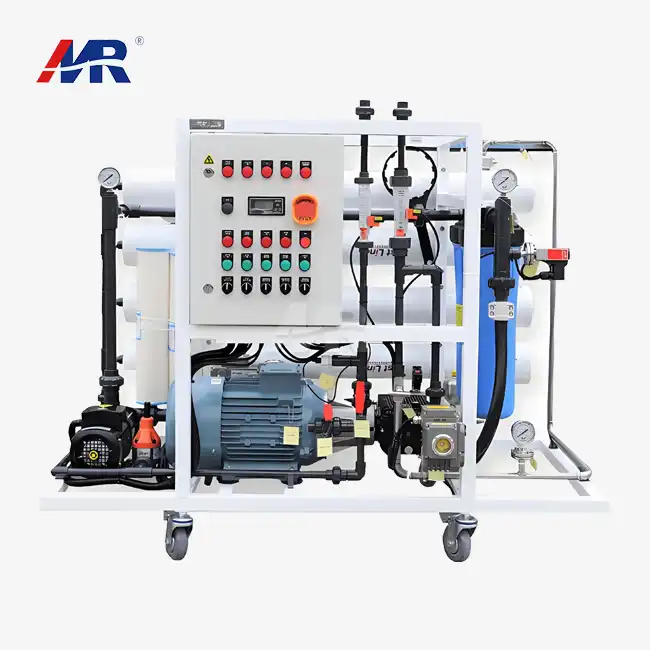 VIEW MORE2m3/hour seawater desalination equipment
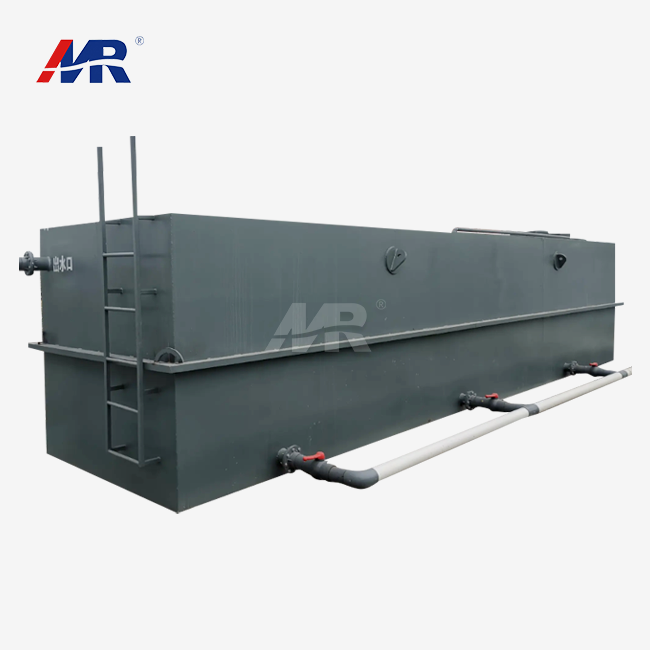 VIEW MOREdomestic wastewater treatment plant
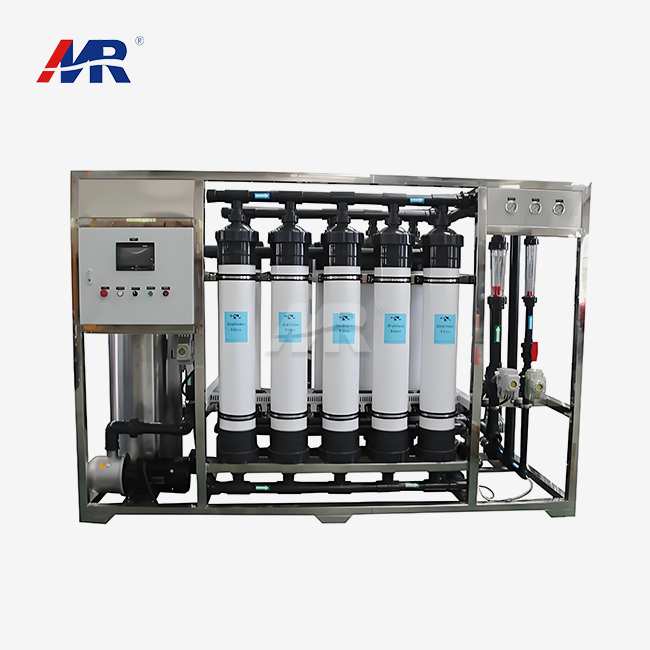 VIEW MOREultrafiltration skid
 VIEW MORE50m3/hour reverse osmosis equipment
 VIEW MOREseawater desalination machine
 VIEW MOREunder counter reverse osmosis water system
 VIEW MOREDisc Tube Reverse Osmosis
 VIEW MORE2000m3/day ultrafiltration equipment
