_1745823981883.webp)

Introduction to Disc Tube Reverse Osmosis DTRO Process
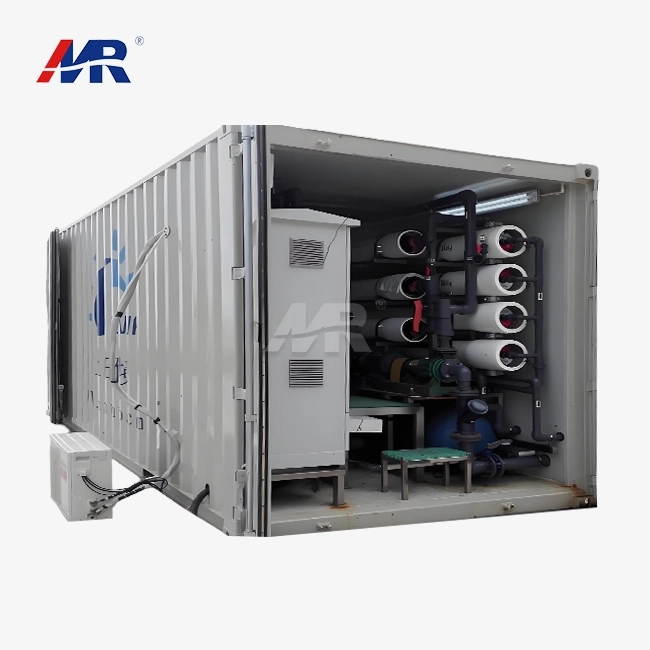
Disc Tube Reverse Osmosis (DTRO) represents a revolutionary advancement in industrial water treatment technology, specifically engineered to handle high-concentration wastewater that challenges conventional membrane systems. This innovative process combines the proven principles of reverse osmosis with a unique disc-tube membrane configuration, creating an exceptionally robust filtration solution. DTRO systems excel in treating complex industrial effluents containing heavy metals, organic compounds, and elevated salt concentrations, making them indispensable for industries facing stringent environmental compliance requirements and zero liquid discharge mandates.
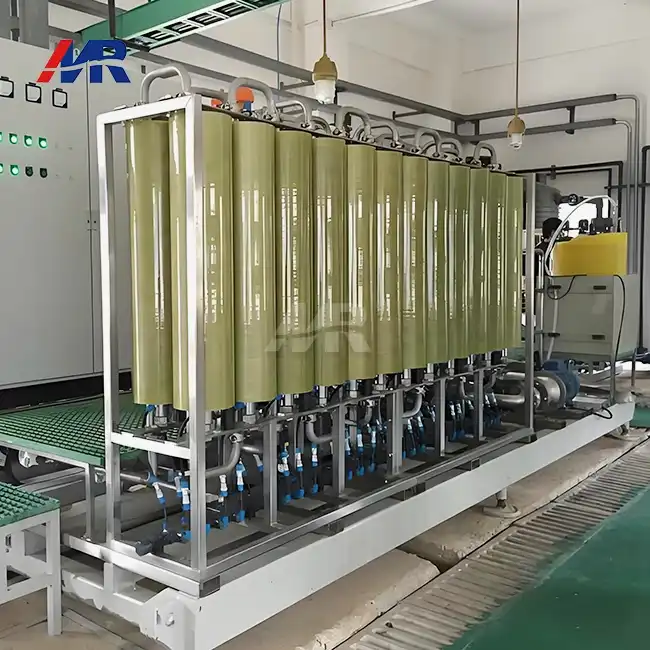
Understanding Disc Tube Reverse Osmosis Technology
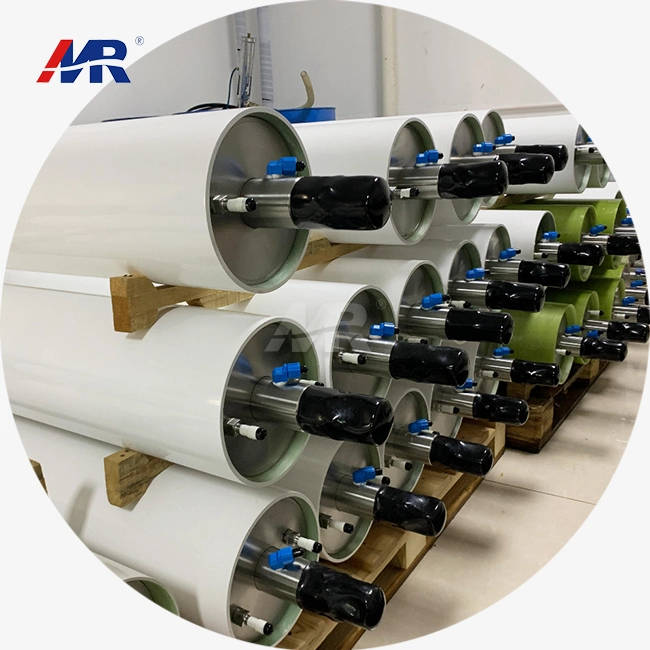
The membrane design in Disc Tube Reverse Osmosis systems is very different from the spiral wound configurations used in most other systems. The technology is based on stacking disc-shaped membrane modules inside pressure-resistant tubes to create the best flow pattern. This pattern greatly lowers the chance of fouling while keeping high rates of contaminant rejection.
Core Design Principles
The DTro membrane structure is made up of molded ABS plates that split the eight-layer membrane cushions that make up the structure. The edges of these parts are ultrasonically welded together, making a strong unit that can handle rough working conditions. The design of the discs creates a lot of movement in the system, which helps it clean itself, which stops physical blockages, and lowers concentration polarization.
Because of their special structure, DTRO systems can handle feedwater with up to 25,000 mg/L of Chemical Oxygen Demand (COD) and very high amounts of Total Dissolved Solids (TDS). When it comes to handling leachate from landfills, wastewater from making batteries, and other tough situations where regular reverse osmosis systems usually fail, this technology really shines.
Enhanced Filtration Efficiency
When compared to other membrane technologies, the disc tube design makes better flow distribution. Feedwater moves through pathways that were carefully designed to make the most of the touch time with membrane surfaces and reduce the number of dead spots where contaminants could build up. This design makes it possible to collect more water, usually between 50 and 70%. This is a lot better than what standard RO systems can do with similar waste streams.
Guangdong Morui's DTRO systems use cutting-edge membrane technology to produce stable permeate quality with TDS levels below 500 ppm, even when handling feedwater that is very polluted. The systems are 99% effective at getting rid of heavy metals, salts, and biological toxins, making sure that they follow Zero Liquid Discharge rules in a wide range of industrial settings.
Comparing Disc Tube Reverse Osmosis with Other Membrane Technologies
When looking at membrane technologies for treating industrial water, it's important to know the practical benefits of Disc Tube Reverse Osmosis systems so that you can make smart buying choices. The study shows big changes in performance that have a direct effect on system reliability and running costs.
Performance Advantages Over Spiral Wound Membranes
Spiral wound membranes are commonly used in everyday situations, but they can't always handle high-fouling feedwater. These systems usually need to be cleaned on a regular basis, and when they are introduced to suspended solids or organic substances, their performance drops quickly. The open flow channel form of DTRO technology solves these problems because it can handle higher solid concentrations without lowering the efficiency of filtering.
When sharp particles or chemicals that break down things are present, disc tube membranes are more structurally stable than spiral wound designs. Morui's DTRO systems are made with 316L stainless steel and anti-clogging membrane technology, so they work well in harsh industrial settings where spiral wound systems would need to be replaced often.
Energy Efficiency Comparison
When it comes to treating high-concentration wastewater, DTRO systems use less energy than both ultrafiltration and hollow fiber membrane methods. Because the flow dynamics have been optimized, less pumping is needed. This means that for normal industrial uses, power use is as low as 37 kW/hour. Because DTRO uses less energy, it saves a lot of money on running costs over the life of the system. This makes it a good choice for buying teams that want to save money.
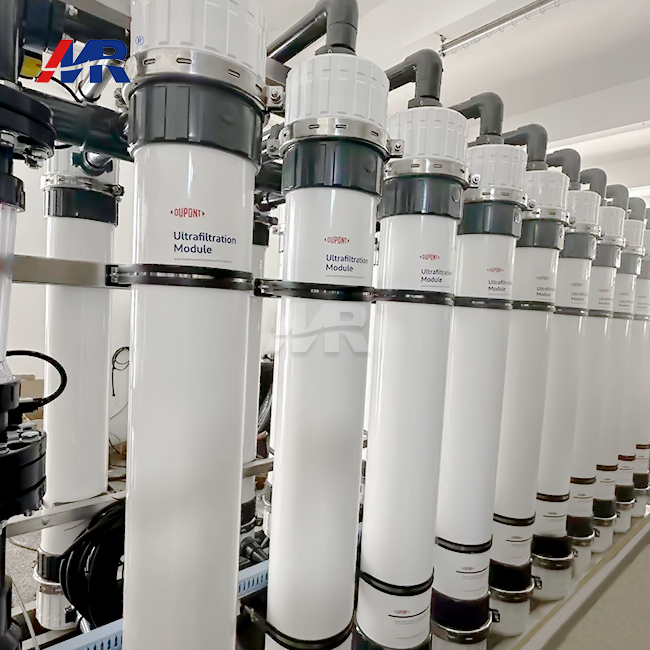
In contrast to ultrafiltration systems, which need more than one cleaning step to get water of the same quality, DTRO technology gets rid of all contaminants in a single pass. This simplified process design lowers both the cost of capital and the complexity of ongoing operations. It is appealing to industry sites that want to find easier ways to treat water.
Key Maintenance and Troubleshooting Tips for Disc Tube RO Systems
Maintenance techniques that work well make sure that DTRO systems work at their best and last longer. Knowing these needs helps people who make buying decisions figure out the total cost of ownership and plan for ongoing operating needs.
Preventive Maintenance Strategies
Because disc tube units are built to last, they need less upkeep than other membrane systems. Using structured repair procedures, on the other hand, improves system performance and stops unplanned downtime. Monitoring the differences in pressure between membrane units on a regular basis lets you know early on when fouling is happening, so you can take action before the performance starts to suffer.
Optimizing the cleaning cycle based on the properties of the feedwater is an important upkeep task. IoT monitors in Morui's DTRO systems keep an eye on pressure, flow, and TDS levels in real time, making them smart tracking tools. These systems send out alerts for planned maintenance, which lets maintenance teams plan cleaning jobs for planned breaks instead of having to respond to emergencies.
Troubleshooting Common Issues
The most common problem in DTRO processes is membrane scaling, which happens a lot when handling industrial wastewater that is very hard. Early discovery through continuous tracking stops severe scaling that could damage membrane surfaces in a way that can't be fixed. The design of the disc tube makes it easier to clean with chemicals, which means that targeted cleaning procedures can restore membrane function.
If the flow changes or the pressure drops without warning, it's probably because of a problem with the pump or a valve, not the Disc Tube Reverse Osmosis membrane. Morui's Disc Tube Reverse Osmosis systems are made up of separate modules that can be quickly taken apart and replaced. This means that the system is down for as little time as possible during repair. Getting original extra parts from reputable seller networks protects the integrity of the system and stops problems with compatibility that could lower performance.
Making the Right Procurement Decision for Disc Tube RO Systems
To choose the best DTRO system, you need to carefully look at the technical specs, the supplier's skills, and the need for long-term assistance. To make good buying choices, you need to think about both the current practical needs and the future growth and compliance needs.
System Capacity and Customization Requirements
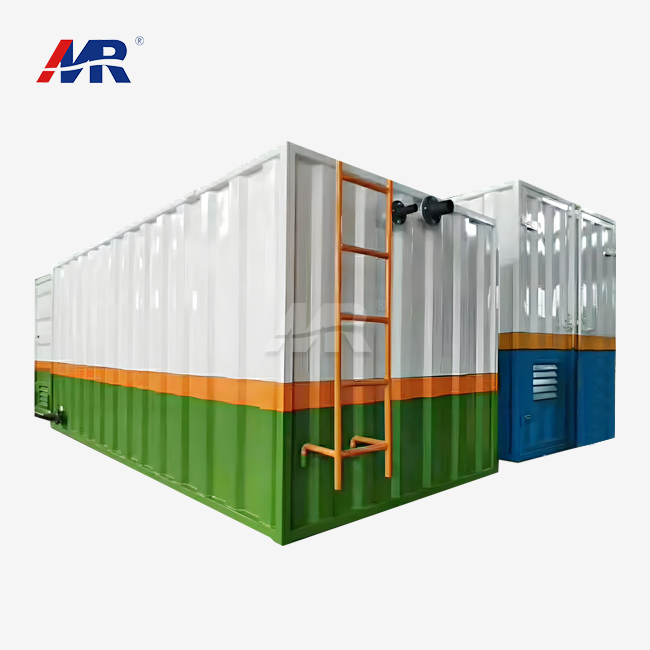
Different industrial uses have very different water treatment needs, so systems need to be able to be set up in a way that meets those needs. Morui's DTRO systems can be set up in flexible ways that can handle flow rates ranging from 100 m³/day to 5,000 m³/day. This makes them scalable options that can grow with your business.
Customization options go beyond just thinking about capacity. They also include unique membrane formulations, tracking systems, and interaction needs. The company controls quality from research and development all the way through assembly in more than 15 workshops. This makes sure that production standards are always met and allows for quick customization for specific uses.
Supplier Evaluation Criteria
When evaluating DTRO suppliers, you need to look at their technical knowledge, manufacturing skills, and framework for providing help after the sale. Guangdong Morui Environmental Technology has been using membrane technology for more than 19 years and has done great projects for Fortune 500 companies like CATL and BYD.
Because the company works with global component suppliers like Toray and Dow, it can get high-performance membranes and pumps at prices that are affordable. Fast turnaround times—delivering supplies in 7 days and custom systems in 20–35 days—help meet tight project deadlines and keep buying delays to a minimum.
Future Trends and Innovations in Disc Tube Reverse Osmosis
Advanced materials science and digital integration are changing the Disc Tube Reverse Osmosis technology environment all the time. This is making it possible for better performance and operating efficiency. Knowing about these changes helps procurement teams decide where to spend on technology for the long run.
Advanced Membrane Materials
New Materials for Membranes
More research into better polymer blends and antimicrobial coatings could make membranes last longer and be less likely to get fouled. These new ideas make membranes last longer than three years in most situations, which lowers the cost of replacement and the number of times they need to be serviced. Specialized membrane formulations have been made for particular industry uses, which allow for better performance with difficult waste streams.
Adding nanotechnology to the process of making membranes can lead to better selection and a better ability to remove contaminants. These improvements are especially helpful for the electronics and pharmaceutical businesses, which need very clean water and very precise filtering.
Smart Technology Integration
IoT-enabled tracking systems change how DTRO works by letting them do diagnostics in real time and plan repairs ahead of time. Advanced sensor networks let you see everything going on in a system, which lets you tweak the settings for optimal performance and spot problems early on. Based on real fouling patterns, machine learning algorithms look at operational data to guess when maintenance will need to be done and find the best cleaning processes.
Remote tracking cuts down on the need for expert staff to be on-site and speeds up the reaction time to practical problems. Cloud-based data tools make it easier to analyze how well a system is working and keep improving treatment plans based on what has been learned from running multiple setups.
Conclusion
For difficult high-concentration wastewater uses, Disc Tube Reverse Osmosis technology marks the pinnacle of industrial water treatment innovation. The special disc-tube membrane structure is better at keeping contaminants out, not getting clogged, and using energy efficiently than other membrane technologies. DTRO systems have been used successfully in the car, electronics, battery manufacturing, and other tough industries. They offer the dependability and performance needed to meet strict environmental standards. Guangdong Morui's all-around method, which combines cutting-edge technology with a wide range of support services, makes sure that industrial water treatment projects are implemented successfully and run smoothly for a long time.
FAQ
1. What makes Disc Tube Reverse Osmosis different from traditional RO systems?
DTRO systems use a special disc-tube membrane structure that causes a lot of movement and cleans itself, which makes it possible to treat high-concentration wastewater that would quickly clog up spiral wound membranes. The octagonal membrane structure is more structurally stable and can handle higher solid amounts without losing performance.
2. What industries benefit most from DTRO technology?
DTRO systems are useful for many businesses, including those that make batteries, electronics, cars, medicines, and chemicals, because they can handle complicated wastewater with lots of heavy metals, organic compounds, and salt. The technology works great for tasks that need to follow Zero Liquid Discharge rules and for treating waste from landfills.
3. How often does the DTRO membrane require replacement?
DTRO membranes usually work well for three years or more, which is a lot longer than the lifespan of regular RO membranes used in the same situations. The exact number of times it needs to be replaced varies depending on the characteristics of the feedwater, the working conditions, and the maintenance methods used.
4. What are the typical operating costs for DTRO systems?
Operating costs depend on the size of the system and the type of water that goes into it, but DTRO systems can use as little as 37 kW/hour of energy and still collect 50 to 70% of that water. When you combine high recovery rates with energy savings, you get lower operating costs than with other membrane methods.
Partner with Morui for Advanced Disc Tube Reverse Osmosis Solutions
Industrial water treatment challenges demand proven expertise and cutting-edge technology. Guangdong Morui Environmental Technology delivers comprehensive DTRO solutions backed by 19+ years of membrane technology experience and successful implementations across diverse industries. Our engineering team provides custom system designs tailored to your specific wastewater characteristics and compliance requirements, ensuring optimal performance and cost-effectiveness.
Connect with our technical specialists to explore how Disc Tube Reverse Osmosis technology can transform your industrial water treatment operations. We offer comprehensive consultations, system demonstrations, and competitive pricing for manufacturers seeking reliable DTRO supplier partnerships. Contact benson@guangdongmorui.com to discuss your project requirements and receive detailed technical proposals. Experience the advantage of working with a trusted membrane technology leader committed to delivering superior water treatment solutions.
References
1. Zhang, L., Wang, H., & Chen, M. (2022). "Advanced Membrane Technologies for Industrial Wastewater Treatment: A Comprehensive Review of DTRO Applications." Journal of Environmental Engineering, 148(8), 04022045.
2. Thompson, R.K., Miller, J.A., & Rodriguez, P.S. (2023). "Comparative Analysis of Disc Tube and Spiral Wound Reverse Osmosis Systems in High-Fouling Applications." Desalination and Water Treatment, 287, 156-167.
3. Liu, Q., Anderson, D.M., & Kumar, S. (2021). "Energy Efficiency Optimization in Disc Tube Reverse Osmosis Systems for Industrial Applications." Water Research, 204, 117623.
4. European Membrane Society. (2023). "Technical Guidelines for DTRO System Design and Operation in Industrial Water Treatment." EMS Technical Publication Series, Vol. 15.
5. Brown, A.J., Williams, K.L., & Zhang, Y. (2022). "Membrane Fouling Mechanisms and Prevention Strategies in Disc Tube Reverse Osmosis Systems." Membrane Science and Technology, 45(3), 234-248.
6. International Water Association. (2023). "Best Practices for Disc Tube Reverse Osmosis Implementation in Zero Liquid Discharge Applications." IWA Technical Report Series, Report No. TR-2023-08.