_1745823981883.webp)

Commercial Water Filtration: Choosing the Right Reverse Osmosis Unit for Your Business
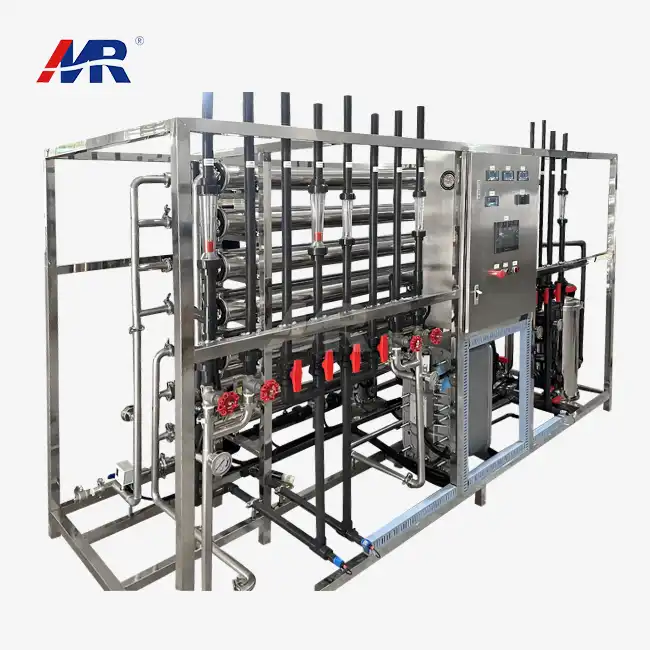
Choosing the right commercial water filtration system is a big spending choice that will have an effect on your bottom line, how your business runs, and how well you follow the rules. When looking at different ways to treat water, the reverse osmosis filtration unit is clearly the best way to get high-quality water for a wide range of commercial uses. Commercial reverse osmosis systems get rid of up to 99% of dissolved solids, chemicals, and contaminants that regular filtration methods can't. This makes them necessary in many fields, like pharmaceuticals and food processing, where clean water is important for the safety and quality of the Products.
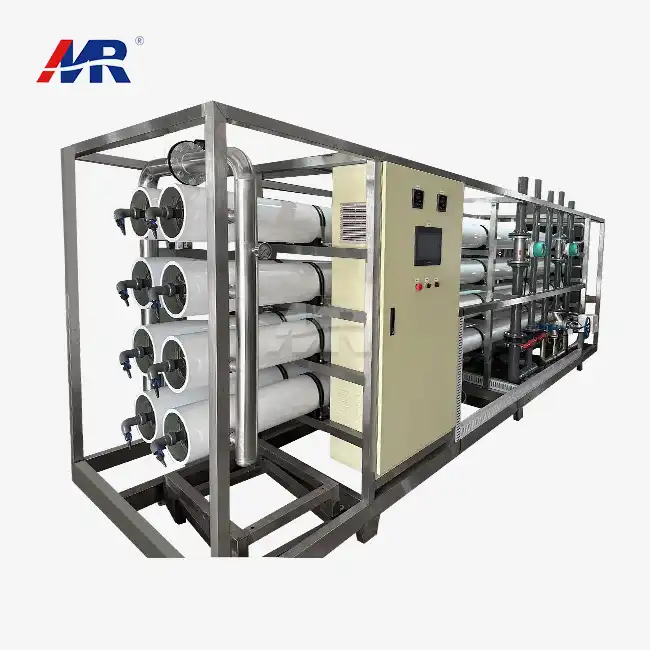
Understanding Commercial Reverse Osmosis Water Filtration Systems
The Science Behind Reverse Osmosis Technology
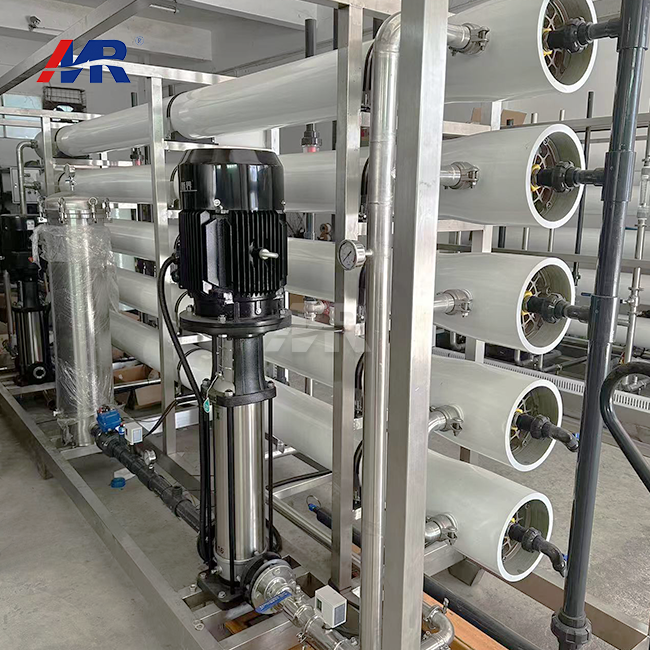
In commercial reverse osmosis systems, water molecules are pushed through semi-permeable membranes under high pressure. This is a complex process that separates clean water from toxins. This cutting-edge filtration unit technology gets rid of dissolved salts, heavy metals, bacteria, viruses, and organic molecules that can damage manufacturing processes and the quality of the final product.
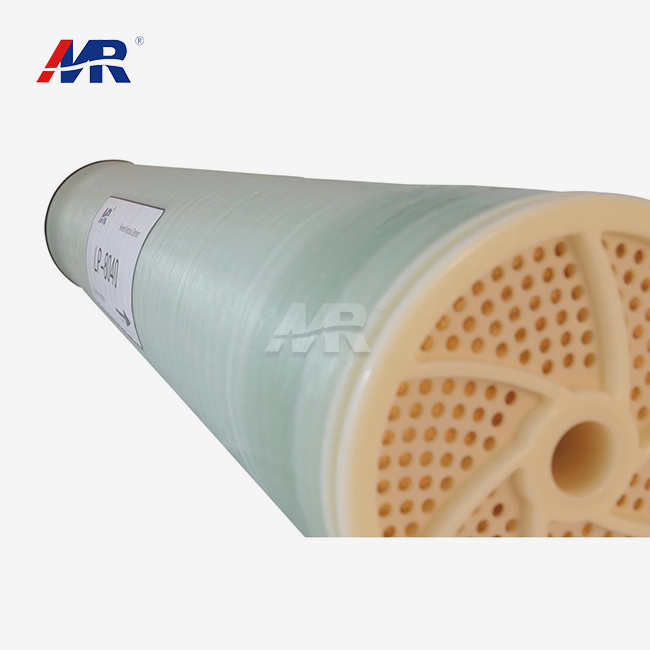
The membrane technology that these systems are based on has pores that are about 0.0001 microns wide, which is 100 times smaller than the tiniest virus. Because of their amazing accuracy, RO systems can clean water to levels that are much higher than those achieved by standard filtration methods. Modern business units have many membrane steps, pre-filtration parts, and post-treatment choices so that they can work best for different types of industries.
Key Features for Commercial Applications
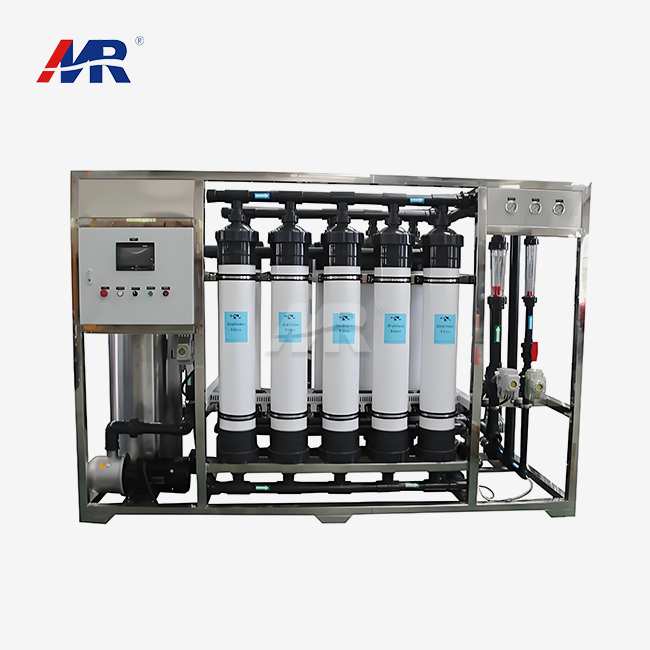
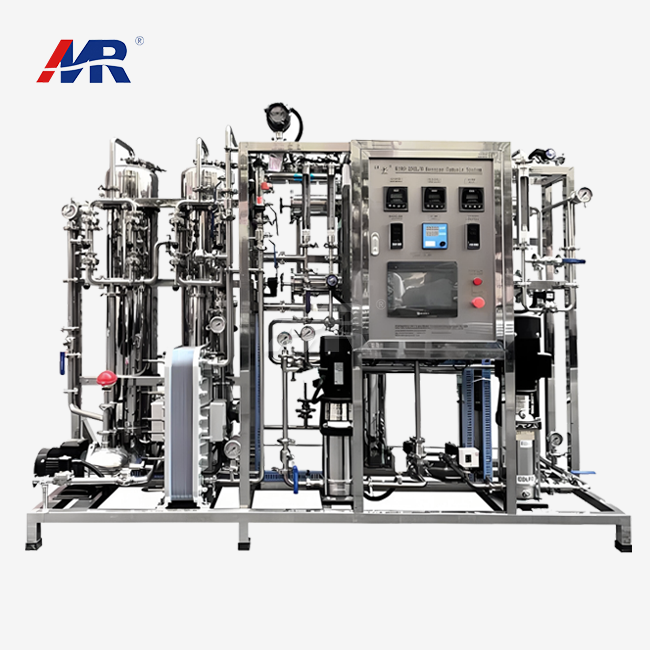
The capacity, longevity, and automatic options of commercial RO systems are very different from those of domestic units. Most of the time, these industrial-grade systems handle thousands of gallons of water every day. Some very big setups handle over 100,000 gallons every day. Stainless steel parts, industrial-grade pumps, and modern control systems that check water quality factors in real time make up the strong construction.
Another important benefit of current business RO systems is that they use less energy. Modern versions have energy-recovery parts that take pressure from the concentrate stream and use it again. This can cut energy use by up to 35% total. This efficiency saves a lot of money on operating costs over the life of the machine, especially for high-volume uses.
Addressing Industrial Water Challenges
Often, industrial water sources have complicated patterns of contaminants that make it hard to treat with standard methods. Minerals in hard water, like calcium and magnesium, can damage equipment and make heaters and cooling systems less good at moving heat. Fouling and shorter device life are caused by suspended solids, and microbial pollution is very dangerous to health and safety.
Commercial reverse osmosis systems deal with all of these problems by treating water in more than one step. The pre-treatment steps get rid of bigger bits and chlorine, which keeps the ro membranes from getting damaged. The RO method gets rid of dissolved contaminants on its own, and if needed, UV sterilization or ozone treatment can be used afterward to protect against microbes even more.
How to Choose the Right Reverse Osmosis Unit for Your Business?
Evaluating Your Water Treatment Requirements
The decision process starts with a careful look at your water quality needs, how you normally use water, and any industry-specific rules. Different fields need different levels of water cleanliness. For example, pharmaceutical processes need USP-grade water with less than 10 parts per million of total dissolved solids (TDS), while general manufacturing may be able to handle higher TDS levels.
Analyzing how much water is used helps choose the right system size and design. Size choices are affected by times of high demand, the need for storage, and predictions of future growth. A properly sized filtration unit will keep the water quality stable while also using the least amount of energy and cutting down on operating costs.
Critical Selection Criteria
The best RO system for your business depends on a number of important factors, including:
- Flow rate capacity: Systems can handle anywhere from 100 gallons per day for small businesses to over 1 million gallons per day for big factories.
- Recovery ratio: Higher recovery rates mean less waste, but they might need more pre-treatment.
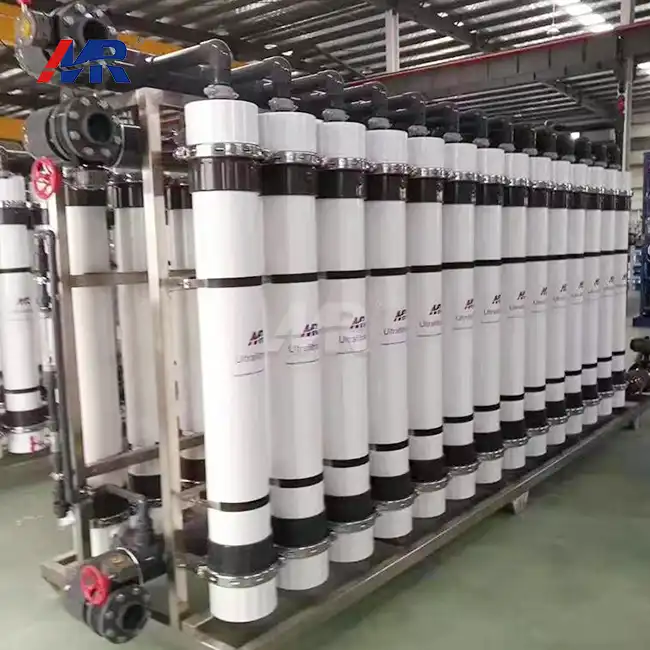
- Membrane configuration: spiral-wound membranes have a lot of surface area, while hollow fiber forms are durable for tough jobs.
- Automation level: High-tech control systems improve output and require less work from operators.
- Footprint requirements: Small forms make the best use of limited room in buildings.
Comparing Technology Options
When looking at different ways to treat water, reverse osmosis always does a better job of getting rid of contaminants and being more flexible in how it works. Ion exchange devices need to be regenerated with chemicals on a regular basis, which makes getting rid of the trash difficult. Distillation methods use too much energy, which makes them too expensive for most business uses.
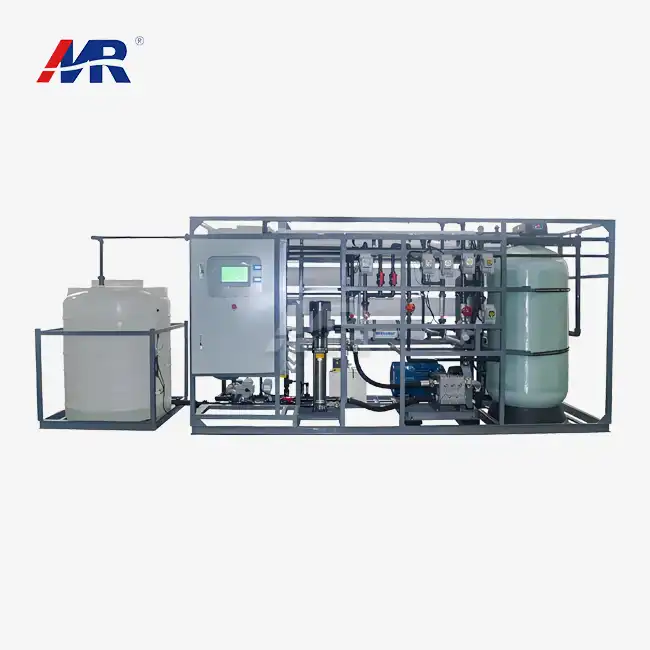
Commercial RO systems are easy to expand and change because they are made up of separate modules. It is possible to add more treatment steps, such as electrodeionization (EDI), to get the ultrapure water needed for making semiconductors or for use in academia.
Implementing and Maintaining Your Reverse Osmosis Filtration System
Installation Best Practices
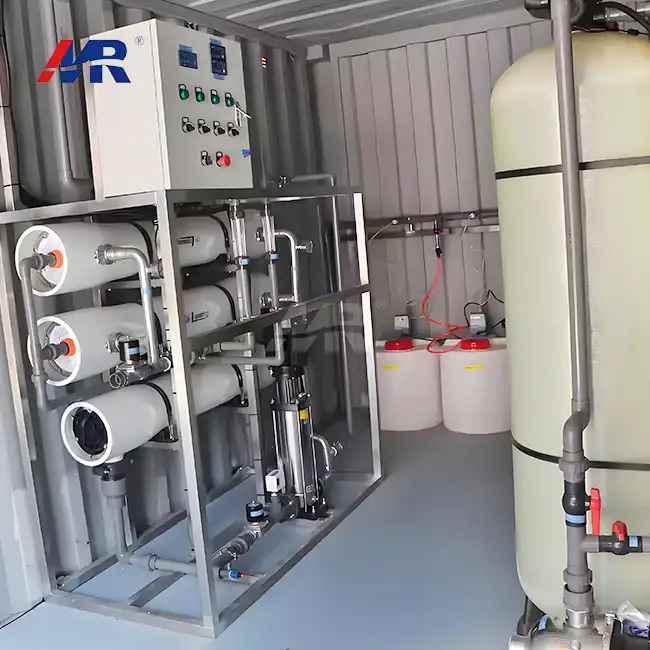
To install an RO system successfully, the spot must be carefully prepared, and engineering requirements must be followed. Enough room is set aside to allow for easy repair access, and the right utility connections help the system work at its best. Professional installation teams check the quality of the water, the required pressure, and the electricity requirements to avoid common problems during placement.
During installation, there are usually a few important steps that decide how reliable the system will be in the long run. The filtration unit will work within its design parameters from the start if the membranes are properly prepared, the system is cleaned, and the performance is checked. A lot of tests are done to make sure the water quality meets the requirements before the system goes into production.
Operational Excellence Through Preventive Maintenance
Following regular repair procedures will greatly increase system uptime and device lifespan. Monitoring pressure differences, flow rates, and water quality factors every day lets problems be found early. Once a week, cleaning processes get rid of built-up contaminants that could hurt the membrane's performance.
When to replace the membrane depends on the quality of the feed water and how the system is being used, but for business uses, it's usually every 2 to 5 years. With proper maintenance, membranes can last longer than the manufacturer's specs, which lowers running costs and cuts down on downtime. Professional repair plans make sure that the system works at its best and that the warranty is still valid.
Cost-Benefit Analysis
When you buy an industrial RO system, you get money back in more than one way. Better water quality lowers the cost of maintaining equipment and makes it last longer. Consistent water standards improve the quality of the product and cut down on waste caused by poor quality. Designs that use less energy reduce electricity bills and help the environment at the same time.
A careful study of costs shows that reverse osmosis water purification units (RO systems) that are well taken care of usually pay for themselves within two to four years by saving money on running costs. These figures take into account things like less chemical use, less machine maintenance, better energy efficiency, and better product quality, which makes it worth more money.
Advanced Features and Innovations in Reverse Osmosis Technology
Smart Technology Integration
Modern business RO systems are connected to the Internet of Things (IoT), which lets them be monitored from afar and maintain themselves before they break down. Real-time data analytics find patterns in performance and predict when equipment will need repair before it breaks down. Automated alerts let workers know when parameters change in a way that could affect the quality of the water or the efficiency of the system.
Cloud-based tracking tools let you keep an eye on your whole system from anywhere, so you can quickly fix any problems that come up. By looking at old data, we can find ways to improve things that use less energy and make membranes last longer. These smart features turn reactive repair methods into proactive management methods that make systems more reliable.
Energy Efficiency and Sustainability
New technologies are mostly focused on making things use less energy and have less of an effect on the world. When compared to constant-speed systems, variable frequency drives use up to 30% less energy because they adjust the pump's function to changes in demand. Energy recovery devices take pressure from the concentrate stream, which makes a big difference in how much energy is needed overall.
Sustainable design standards include more than just saving energy. They also include making the best use of water recycling and minimizing waste. Advanced designs for filtration units get recovery rates of more than 85%, which greatly reduces the amount of leftover water that needs to be disposed of. Closed-loop systems recover cleaning solutions, which cuts down on the amount of chemicals used and trash made.
Industry Case Studies and Applications
Pharmaceutical companies say that installing an RO system has led to big changes in quality and cost savings. A big science business cut down on production delays caused by water by 90% and made sure that the water quality always met FDA standards. Better water cleaning helps the food and drink business by making sure that tastes are consistent and products last longer.
Electronics companies use ultrapure water systems that combine RO with electrodeionization to get resistance values higher than 18 megohm cm. For methods that make semiconductors, these requirements are very important because small amounts of contamination can lead to problems with the finished product and lower yields.
Why Partner with a Trusted Reverse Osmosis Filtration Supplier?
Ensuring Product Authenticity and Performance
Choosing a well-known seller will protect your investment by guaranteeing the accuracy of the products and providing full support services, including for reverse osmosis water purification units. Fake parts can hurt the performance of a system and cancel the guarantee, which can put you at great financial risk. Authorized dealers sell original equipment that comes with guarantees and technical help from the maker.
A full range of services is available, including help with system design, supervision during installation, training for operators, and ongoing support for upkeep. Technical knowledge makes sure that the system is set up in the best way for your application. Professional training programs teach your staff how to run and keep the system correctly, which improves performance and extends the life of the equipment.
Flexible Procurement Models
Modern suppliers give customers a lot of different ways to buy things, so they can meet a wide range of operational needs and price limits. Leasing programs for equipment lower the amount of money needed up front while still giving you access to the newest technology. Maintenance contracts based on subscriptions make sure that skilled service is provided while keeping costs low over time.
For large-capacity systems or installations with multiple sites, volume buy deals can save you a lot of money. Businesses can use water treatment solutions without breaking their capital budgets by using flexible payment choices. These ways of buying things help businesses grow while keeping their finances flexible.
The partnership method includes more than just providing equipment. It also includes regular advice and services for making the system work better. Regular reviews of performance find ways to make things better and make sure that the filtration unit keeps up with changing business needs. Updating and adding new technologies to systems keeps them in line with industry standards and government rules.
Conclusion
Commercial water filtration through reverse osmosis technology provides businesses with reliable, cost-effective solutions for achieving superior water quality across diverse industrial applications. The comprehensive evaluation process, considering capacity requirements, industry specifications, and operational constraints, ensures optimal system selection that delivers long-term value. Professional implementation and maintenance protocols maximize system performance while minimizing operational risks. Advanced features, including smart monitoring and energy-efficient designs, position businesses for sustainable growth while meeting evolving regulatory requirements. Strategic supplier partnerships provide the technical expertise and support services necessary for successful water treatment system implementation and operation.
FAQ
1. What factors determine the optimal service interval for commercial RO units?
Service times rely on the quality of the feed water, how long the system is used, and the needs of the application. Most business systems need to have the membrane inspected every 6 to 12 months, and it usually needs to be replaced every 2 to 5 years. More regular upkeep may be needed if there are a lot of contaminants or if the system is running all the time. Monitoring water quality measurements and pressure differences on a regular basis can help you figure out when service is needed.
2. How effectively do RO systems remove specific industrial contaminants?
With reverse osmosis, 95–99% of the salts, heavy metals, germs, and viruses that are dissolved are removed. More than 90% of organic chemicals and toxins are removed. However, some small organic molecules might need extra steps of treatment, such as activated carbon filters. The multi-barrier method makes sure that all contaminants are removed for important industry uses.
3. Can RO systems accommodate business expansion and increased water demands?
Commercial RO systems are made in a way that makes them easy to expand their capacity by adding more membrane tanks or installing multiple systems in parallel. Most makers make systems with an extra 20 to 30 percent of capacity in case they need to be expanded. When you plan ahead the first time, you can make sure that you can grow while still meeting water quality standards and running your business efficiently.
Transform Your Water Quality with Morui's Commercial Filtration Solutions
With more than 14 years of experience in the field and 500 committed professionals, Morui Environmental Technology offers complete water cleaning options. Cutting-edge membrane technology from our own factories is used in our business reverse osmosis filtration unit systems. This means they will work better and be more reliable for your needs. With 20 expert engineers and several companies that process equipment, we offer full turnkey solutions that include design, installation, and ongoing maintenance support. Get in touch with our technical specialists at benson@guangdongmorui.com to find out how our advanced filtration unit supply services can help you improve your water treatment processes, cut costs, and make sure you follow all the rules.
References
1. American Water Works Association. "Reverse Osmosis and Nanofiltration Manual of Water Supply Practices." Denver: AWWA Press, 2023.
2. Environmental Protection Agency. "Industrial Water Treatment Technologies: Performance and Cost Analysis." Washington: EPA Office of Water, 2022.
3. International Desalination Association. "Commercial Membrane Technology Applications and Market Analysis." Topsfield: IDA Publications, 2023.
4. Water Quality Association. "Commercial Water Treatment Systems: Selection and Performance Guidelines." Lisle: WQA Technical Publications, 2022.
5. National Science Foundation. "Industrial Water Purification Standards and Membrane Technology Assessment." Ann Arbor: NSF International, 2023.
6. Industrial Water Treatment Journal. "Reverse Osmosis System Performance in Manufacturing Applications: A Five-Year Analysis." Chicago: Water Technology Publishing, 2022.