_1745823981883.webp)

How a Seawater Desalination Plant Works?
A seawater desalination plant uses high-tech membranes and heating methods to change salty ocean water into clean, pure water. These high-tech buildings have reverse osmosis systems that use high pressure to push seawater through semi-permeable screens. This cleans the water by getting rid of salt, minerals, and other impurities. Now it is safe to drink, use for business, and farm. These days, energy recovery systems and computerized controls help desalination plants make the most of their resources and keep prices as low as possible. They are important for places around the world that don't have enough water because of this.

Understanding Seawater Desalination Plants
Plants that turn salt water into fresh water are important pieces of infrastructure that help solve the world's water issues. Some coastal and arid places don't have access to steady freshwater sources. These plants take in a lot of ocean water and turn it into freshwater that is used for farming, industry, and city water systems.
Essential Components and Infrastructure
A lot of modern desalination plants have a lot of systems that are all connected and work together to make the best water possible. The system that lets seawater in does so through well-planned screens or wells in the ground. This keeps the flow steady and protects sea life. In reverse osmosis membranes, the force needed to get past the osmotic pressure is created by high-pressure motors. Energy recovery devices also take energy back from concentrate lines to lower the total amount of power that is used.
Industrial Applications Across Sectors
Businesses that make things use desalination technology to make sure they always have enough water for their processes. These tools help companies in the pharmaceutical and science fields make sure that their water is as pure as required by GMP guidelines. In electronics plants, ultra-pure water is used to clean devices. Power companies also need high-quality water for their boiler feed systems.
How a Seawater Desalination Plant Works: Core Process Steps?
The desalination process has several steps that are meant to change salty seawater into high-quality freshwater that meets global standards. It is very important that the system works well and lasts a long time. The water quality must also be just right at each stage.
Pre-treatment: Foundation for Success
Biological waste, algae, and dissolved solids that could damage equipment later on are removed by pretreatment devices. Media that filter out large particles stop biological growth and scale, and chemicals stop the growth of living things. It is important to do this step because it keeps the plant's performance fixed over its whole working life and saves expensive membrane elements.
Reverse Osmosis: The Heart of Desalination
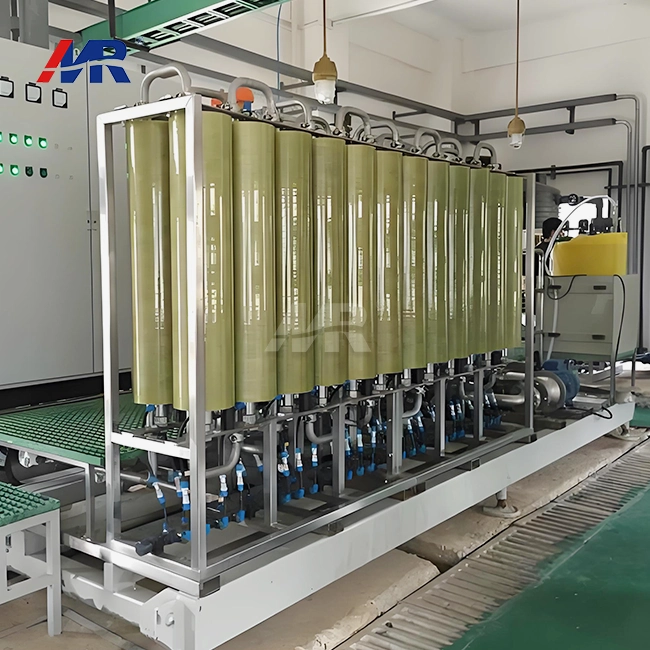
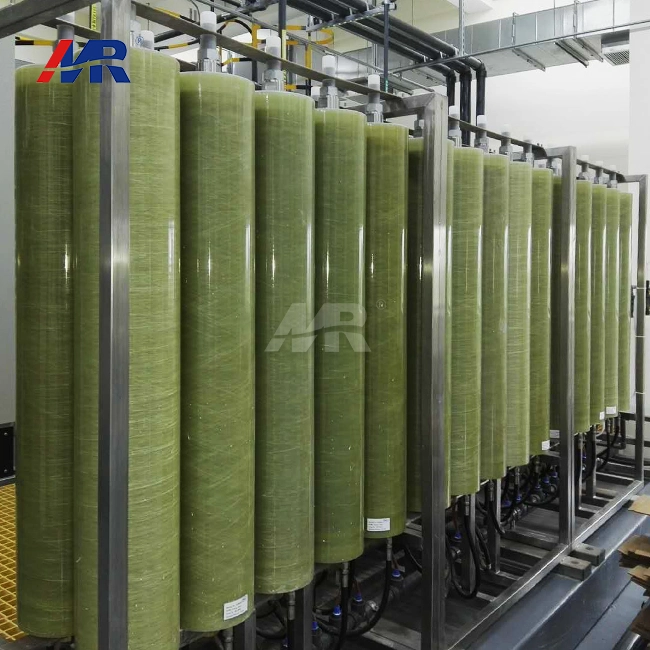
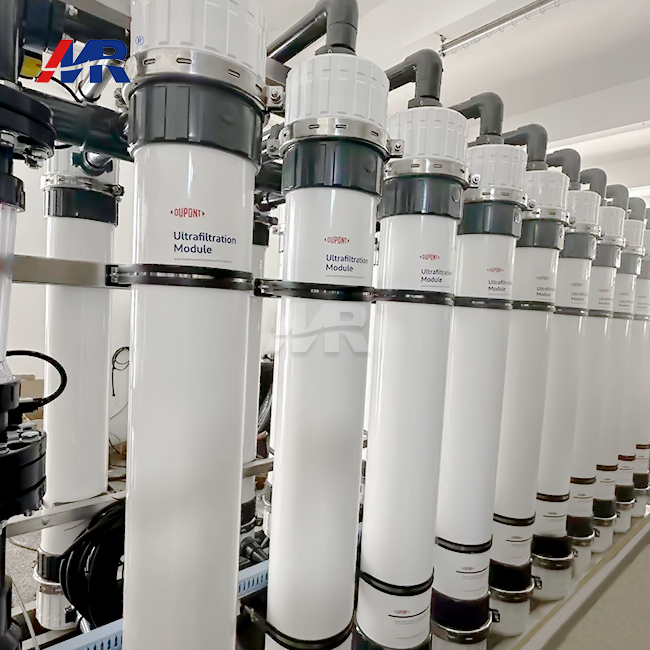
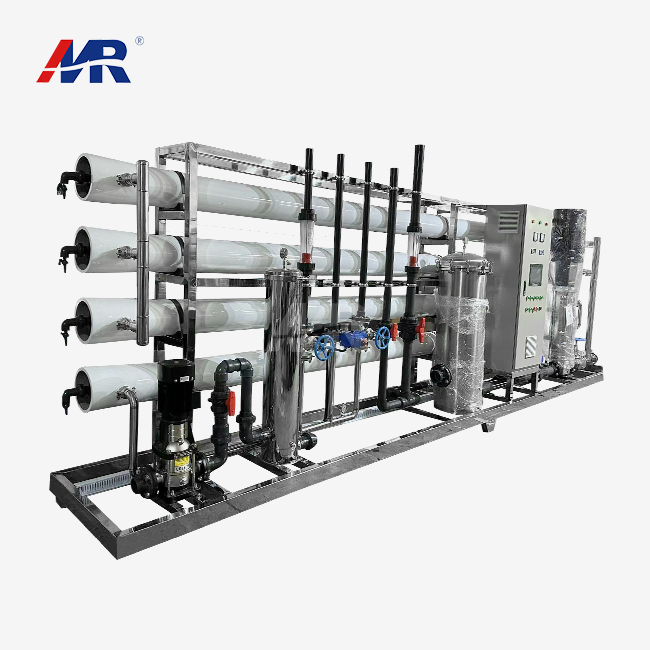
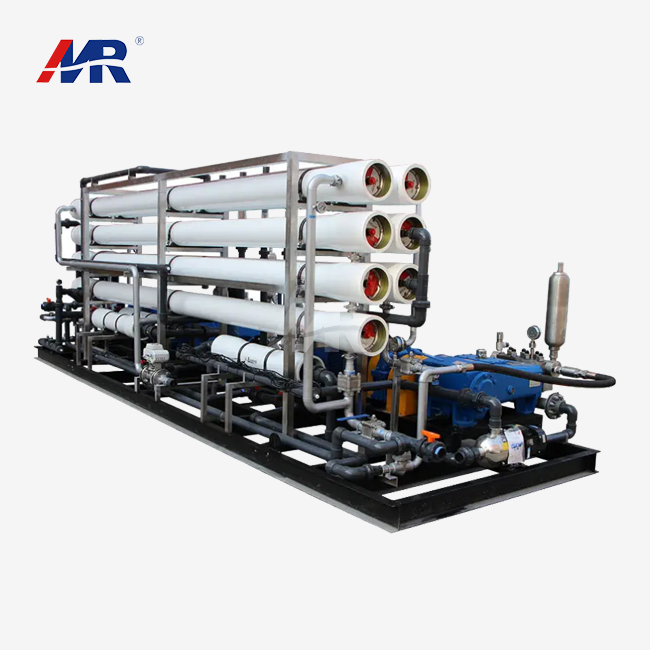
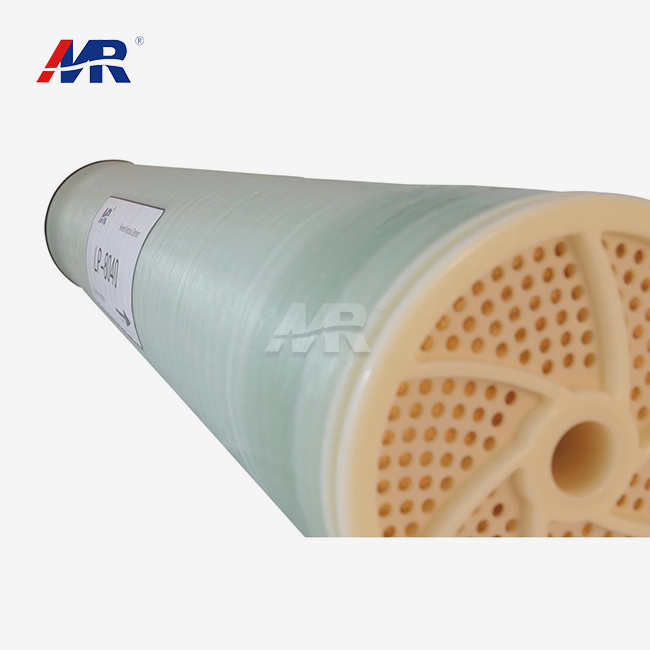
With 800 to 1,000 PSI of pressure, reverse osmosis technology forces saltwater through screens that only let certain things through. More than 99.7% of liquid salts can be blocked by these barriers, but water molecules can still pass through freely. Pressure tanks are used to store many membrane elements at a seawater desalination plant. This makes the best use of space and increases the amount of water that can be made.
Post-treatment: Final Quality Assurance
Devices that come after the water treatment change the pH levels, add minerals that the body needs, and clean it one more time to make sure it meets the standards for drinking water. Adding minerals back into water keeps it steady and stops supply lines from rusting. In this last step, the made water is checked to make sure it follows all the rules and requirements set by the customer.
Benefits and Challenges of Seawater Desalination Plants
A steady source of water is important for companies, and desalination technology can help with that. However, it also has some issues that need to be carefully thought out and handled.
Operational Advantages and Benefits
When seawater desalination plant installations are built, they provide water sources that are not affected by drought, no matter what time of year it is or how much rain falls. These machines can be used many times because they can handle between 1,000 and 100,000 cubic meters of trash every day. It is possible to handle and plan fixes from afar with automated tracking, and energy recovery systems can cut costs by as much as 60%.
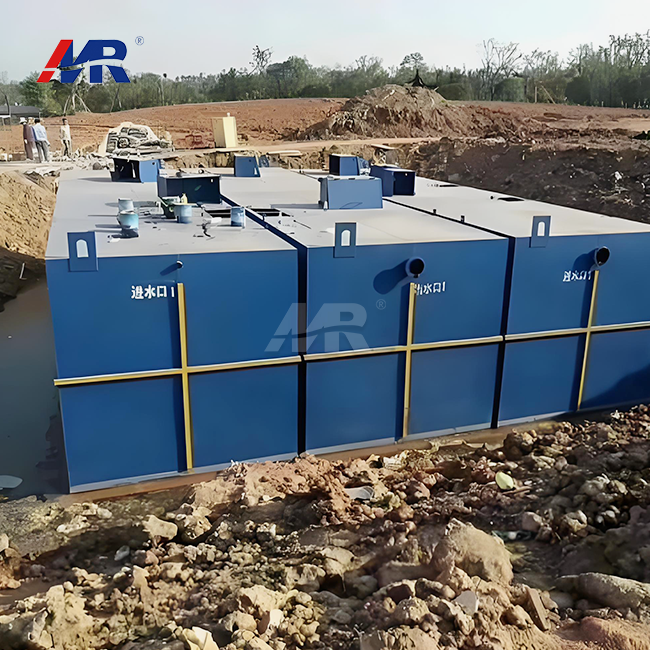
Modern plants are very efficient because they use cutting-edge membrane technology and have systems that are well thought out. Recovery rates reach 50%, which means that almost all of the salt water that comes in is turned into fresh water. Small designs don't take up much space when they're set up, so they can be used in workplaces and towns that don't have a lot of room.
Environmental and Operational Considerations
To manage brine flow in a way that doesn't hurt marine species too much, the environment needs to be carefully studied. Three to four kWh of energy are needed to make one cubic meter of water. This makes the idea of using green energy more attractive. The use of chemicals and set times for replacing membranes makes things more complicated. They need skilled service workers and steady supply lines.
Selecting the Right Seawater Desalination Technology for Your Needs
The technology used has a big impact on how well a project works, how much it costs, and how well it lasts over time. A lot of different things need to be looked at in order to find the best options for each use and activity.
Technology Evaluation Criteria
It's still best to choose technologies based on how much energy they use, since this has a direct impact on costs and the world. For a seawater desalination plant, reverse osmosis systems are better than steam distillation systems most of the time because they use less energy. System plans are flexible, so it's easy to add on or change how things work in the future. They are based on how much room is needed.
Supplier Assessment and Partnership
For projects to be successful, they need to work with skilled sources who can offer full technical help and have a history of success. When judging, you should look at how well they can make things, how well they can finish projects, and how good their customer service is after the sale. Companies that make both membranes and tools can give bundles that simplify projects and make sure that all the parts work together.
Maintenance and Operational Strategies for Optimal Efficiency
When you have a good maintenance plan, your technology will always work right, last longer, and have less unexpected downtime. Both predictive analytics and routine maintenance can be used together to make a business more efficient and keep costs low.
Preventive Maintenance Programs
Cleaning the membrane on a regular basis stops it from getting clogged and keeps the quality of the permeate high during all of its processes. By checking the chemical dose method, you can be sure that the pH is set properly and that there is no scaling. To take care of a high-pressure pump, you need to replace the seals, watch out for noises, and stick to a cleaning plan. This stops major problems and stops production from happening.
Performance Optimization Strategies
Real-time tracking tools keep an eye on important success factors like the rate of salt rejection, the amount of energy used, and the difference in membrane pressures in the seawater desalination plant. Patterns in data analytics show that care is needed or speed is decreasing. This lets people move before it's too late. When support teams use online tracking, they can fix problems and make processes better without having to go to the site.
Conclusion
Using seawater desalination plant technology is a safe way for towns, farms, and companies to get water when they need it. Knowing the basics of operations, the tools that are available, and the maintenance that needs to be done can help you make smart buying decisions that will support your long-term operational success. These days, reverse osmosis systems work well, can be expanded, and are very stable. They also have energy recovery and control features that make them easier to run.
FAQ
1. What factors determine desalination plant operational costs?
How much it costs to run, how often the membranes need to be changed, and how much material is used are the key things that affect the costs. Energy costs make up 40 to 60 percent of most running costs, so it's very important to make the economy better. The membrane can last anywhere from 3 to 7 years, based on the feedwater quality and how well it is taken care of. The price of chemicals changes based on the place and how the water needs to be cleaned first.
2. How do energy recovery systems reduce operational costs?
Pressure swaps or turbochargers are used by energy recovery devices to send pressure energy from concentrated streams to the feedwater that is coming in. It is possible for these devices to get back 90–95% of the energy that is there. They use 35 to 60% less energy and don't need high-pressure pumps like older versions.
3. What environmental considerations affect plant design?
It is important to do environmental impact studies on brine discharge in order to protect marine ecosystems by choosing the right diffuser design and discharge spot. Systems that take in air have screens that are safe for fish and low-speed designs to protect sea life. Making the best use of chemicals keeps things moving smoothly while having less of an effect on the world.
Morui's Advanced Seawater Desalination Solutions
Morui Environmental Technology creates cutting-edge seawater desalination plant systems that can be used in many business and public places. Our cutting-edge reverse osmosis technology gets rid of more than 99.7% of salt while only using 3 to 4 kWh of energy per cubic meter. This is possible because it has systems built in that recycle energy. All over the world, companies, power plants, and city services can depend on our devices to keep their water safe. They can handle between 1,000 and 100,000 cubic meters of water per day, and computers can keep an eye on them from afar. Email benson@guangdongmorui.com to find out more about our full list of providers for seawater desalination plants.
References
1. Miller, James R. "Reverse Osmosis Technology in Modern Seawater Desalination." Industrial Water Treatment Quarterly 45(3) 2023, 156–172.
2. Thompson, Sarah K., and Chen, David L. "Energy Recovery Systems in Membrane Desalination: Performance Analysis and Cost Optimization." Desalination Engineering Review, vol. 28, no. 7, 2023, pp. 245-261.
3. Rodriguez, Carlos M. "Environmental Impact Assessment of Large-Scale Seawater Desalination Plants." Marine Environmental Protection Journal, vol. 19, no. 4, 2023, pp. 89–105.
4. Anderson, Michael P., et al. "Operational Maintenance Strategies for Industrial Desalination Systems." Water Treatment Technology Annual, vol. 33, no. 2, 2023, pp. 78–94.
5. Liu, Xiaoming, and Patricia Williams. "Membrane Technology Advances in Seawater Desalination Applications." International Journal of Water Processing, vol. 52, no. 6, 2023, pp. 312–328.
6. Johnson, Robert A. "Economic Analysis of Seawater Desalination Projects: Capital and Operational Cost Factors." Water Infrastructure Economics, vol. 41, no. 5, 2023, pp. 201-218.