_1745823981883.webp)

Compact RO System Solutions for Small Cafes: Improve Water Quality and Space
It can be hard for small cafes to serve great coffee while also keeping up with costs and restricted space. A compact RO system is the best way to clean water because it works with both quality and space issues. These high-tech reverse osmosis units use multiple stages of filtering to get rid of impurities, chlorine, and dissolved solids that can make drinks taste bad. Unlike traditional water treatment equipment that is big and bulky, tiny reverse osmosis systems fit easily into small kitchens while still keeping the high standards of water purity that are needed to make great coffee and keep customers happy.

Understanding Compact RO Systems for Small Cafes
Advanced Filtration Technology for Commercial Applications
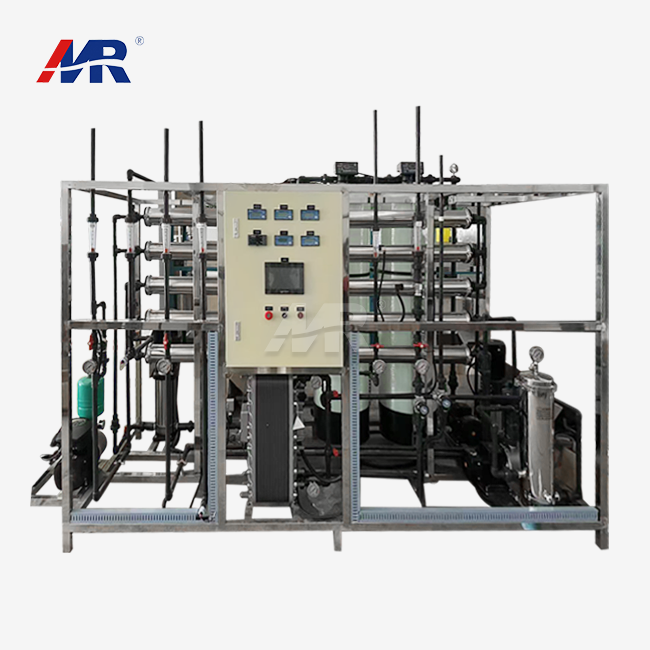
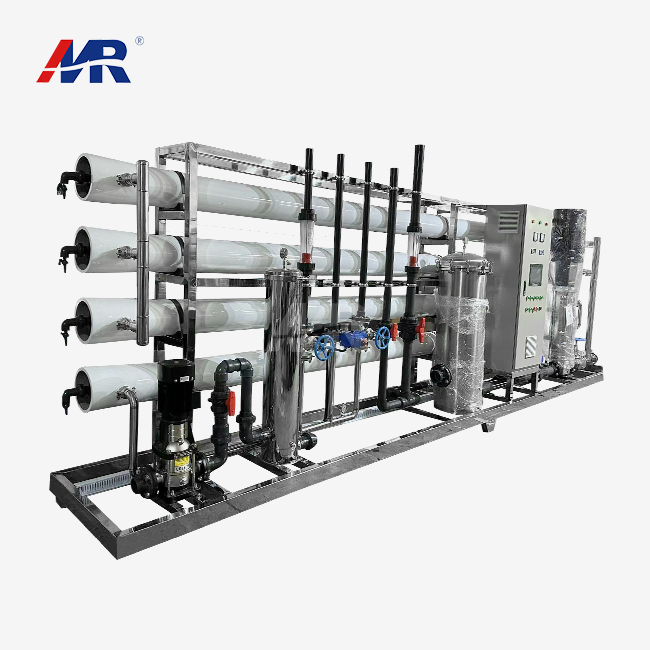
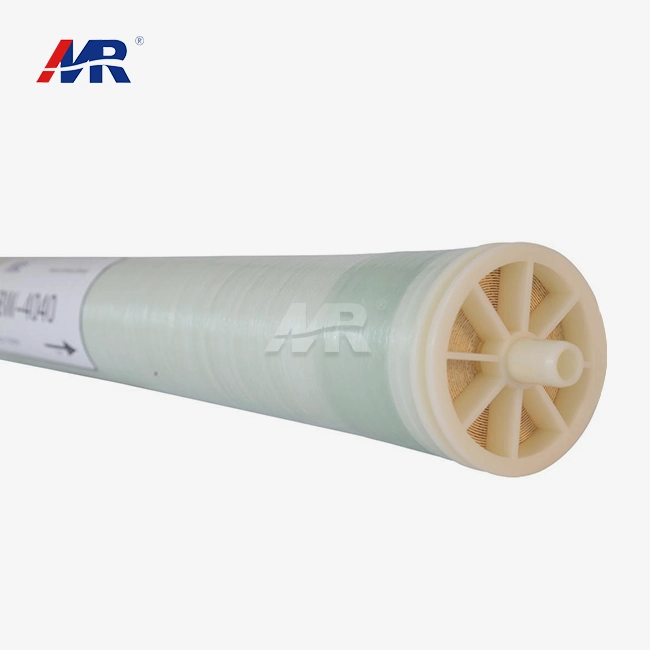
Modern technology for treating water has changed over time to meet the needs of small businesses. There are advanced multi-stage filtration methods used in small reverse osmosis systems. These include sediment pre-filters, activated carbon stages, and high-rejection TFC membranes. These parts work together to get rid of particles, chlorine, heavy metals, and dissolved solids that lower the quality of the drink.
The filter process starts with bringing in raw water and treating it with different media in steps that protect the membranes that come after. After that, water is pushed through semi-permeable barriers that can block particles as small as 0.0001 microns by high-pressure pumps. This thorough cleaning makes sure that the water quality stays the same, even if the city water changes or the seasons change.
Space-Saving Design Benefits
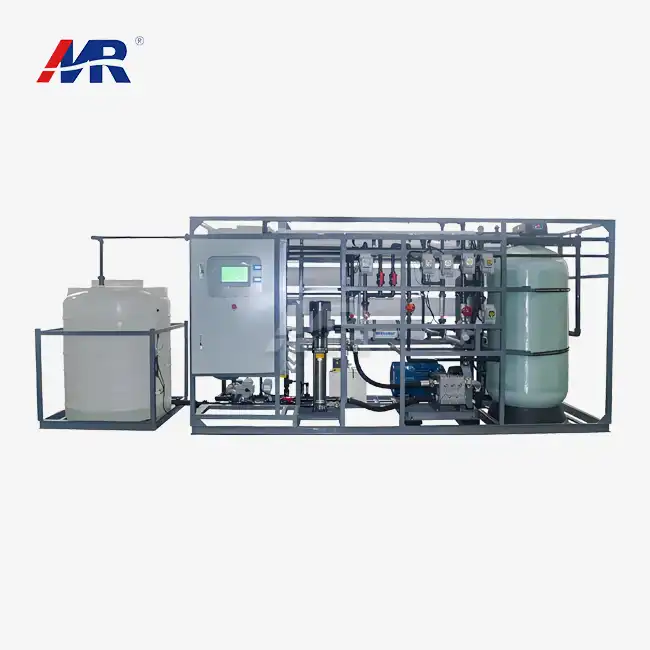
The owners of restaurants and cafes have to constantly balance the need for tools with the room they have. Most of the time, small businesses can't afford to have utility rooms or a lot of floor space for traditional water treatment systems. Modern compact RO system designs are flexible, with choices for mounting vertically and built-in parts that make installation sizes up to 70% smaller than with traditional setups.
The height of these units is usually between 24 and 36 inches, and they can be placed against walls, under counters, or in utility rooms without getting in the way of daily tasks. Because they are small, they make water connections easier and installation less difficult. This makes them good options for retrofitting existing cafes.
Energy Efficiency and Operational Cost Control
The ongoing costs of running a commercial water treatment system need to be carefully thought through. Modern small systems are made with energy-saving features that keep performance at its best while using as little power as possible. Modern units use only 3–4 kWh of energy per cubic meter of cleaned water, which cuts monthly electricity costs by a large amount.
Recovery rates are another important measure of the economy. Newer systems can collect up to 70% of the water they use, while older methods waste large amounts. This efficiency directly leads to lower water bills and less damage to the environment, which is especially important for businesses that care about the environment and want to run in a way that doesn't harm it.
Comparing Compact RO Systems with Other Water Purification Solutions
Traditional vs. Compact System Performance Analysis
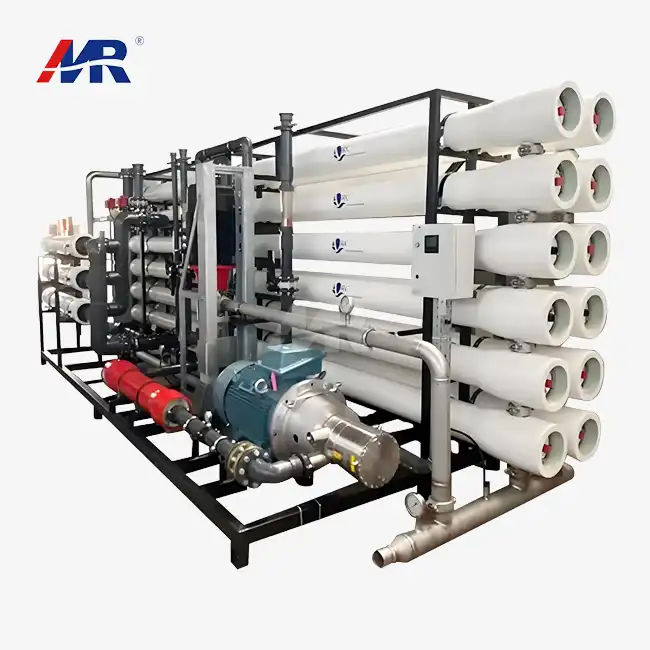
When procurement workers look at different choices for purifying water, they need to know how compact systems are better than standard ones. Large industrial RO systems have a lot of power, but they need a lot of room to be installed and cost a lot of money up front, which may not work for small cafes with limited funds or space.
When compared to standard systems, compact units have a capacity that is good for businesses that serve 100 to 300 people every day and an installation cost that is 30 to 40 percent less. The flexible design also lets the business grow in the future, giving it scalable options that can be changed to meet new operational needs.
Portable vs. Fixed Compact Solutions
Some people may be interested in countertop and movable water cleaning devices because they cost less and are easier to set up. Fixed compact options, on the other hand, offer reliable output and filtering that these systems usually don't have. Also, portable units need to have their filters changed often, and they might not be able to handle the high demand that happens during busy cafe times.
Fixed Compact RO System setups provide a steady flow of water without any need for human action, making sure that the quality of drinks stays the same during busy times. Because the system is automatic and the filters are bigger, there is no chance of running out of clean water at important times.
Cost-Benefit Analysis for Small Business Owners
When making an investment choice, it's important to think about the total cost of ownership, which includes the purchase price, installation costs, upkeep costs, and running costs. Compared to other options, compact systems usually pay for themselves in three to five years because they cut down on the need to buy drinking water, make drinks more consistent, and require less upkeep.
Customers are becoming more aware of and appreciative of better-tasting coffee and other drinks, which supports premium price tactics. This difference in quality can make it okay to charge more for food and increase profits, on top of the direct cost savings from treating the water.
Selecting the Right Compact RO System for Your Small Cafe
Capacity Assessment and Demand Matching
To get the right system size, you need to know exactly how much water you use every day. Small bars usually use between 200 and 500 gallons of clean water every day, but this depends on what they serve, how many customers they have, and if they use the water for other things like making ice or preparing food. During morning and afternoon rush hours, when demand is at its highest, systems must be able to handle extra work without lowering quality.
To choose the right-sized tools for a professional review, you have to look at past water use, menu needs, and growth forecasts. When things are busy, systems that are too small cause problems, and systems that are too big waste money and make running costs go up for no reason.
Installation Space and Infrastructure Requirements
Infrastructure planning is very important for a successful application. This includes making sure there is enough electricity, water, and drainage. For most small systems to work well, they need to be connected to 220V electricity and close to main water lines. During the planning stages, you should also think about the drainage needs for getting rid of the concentrate.
The area where the work is done should stay between 40°F and 100°F and have enough airflow for the best performance. To keep service interruptions to a minimum, placement choices should also take into account how easy it is to do regular maintenance and change filters.
Supplier Evaluation and After-Sales Support
Long-term operating success depends on choosing sources you can trust and that have a history of treating commercial water. Key factors used for review are maker Certifications, guarantee terms, the availability of local service, and the supply lines for spare parts. To make systems more reliable, suppliers should give their staff thorough training and clear upkeep instructions.
When equipment problems happen that could stop the cafe from running, having access to technical help is very important. Premium pricing for quality systems is justified by suppliers who offer help 24 hours a day, seven days a week, quick reaction times, and preventative maintenance programs.
Installation and Maintenance Guide for Compact RO Systems
Professional Installation vs. Self-Installation Considerations
Some small systems say they are easy to install, but for business use, it's best to have a professional do it so the system works perfectly and the guarantee is honored. Professional installers know the local building rules for water and electricity, as well as how to make systems work better and last longer.
Self-installation could cancel the manufacturer's warranty and make you responsible if problems happen. Professional installation usually includes starting the system, checking the water quality, and teaching the staff so that you can be sure it will work right from the start.
Routine Maintenance Protocols
For long-term efficiency and consistent water quality, preventive maintenance plans are necessary. According to the manufacturer's recommendations, Compact RO System upkeep entails routine filter changes, membrane cleaning, and system sanitization. Pre-filters need to be changed every three to six months, but with the right care, ro membranes can last two to three years.
Monitoring the quality of the water lets people know about problems early on, before they affect activities. Testing for TDS (total dissolved solids), pH, and chlorine levels on a regular basis helps find out when repair is needed and makes sure that customers always get the quality of drinks they expect.
Troubleshooting Common Issues
Knowing about common operating problems and how to fix them cuts down on downtime and service calls. Less water flow usually means that the filter needs to be replaced or that the membrane is getting clogged up and needs to be cleaned. If you notice strange tastes or smells, it could mean that contaminants have gotten through because the filters are worn out or the system is contaminated and needs to be cleaned.
Changes in pressure can mean that there is a problem with the pump or the membrane, which needs to be diagnosed by a professional. Keeping service logs and keeping an eye on how the system is running helps find trends and stops small problems from getting worse, and stops the cafe from running.
Procurement and After-Sales Considerations for B2B Clients
Contract Negotiation and Service Agreements
When a business buys water cleaning tools, they have to negotiate a lot of different issues. For both regular maintenance and emergency repairs, service agreements should make it clear how long it will take to respond, what parts are available, and how much the work costs. Total cost of ownership information helps you compare bids that have different price systems.
Long-term costs are affected by warranty terms in a big way, and they should cover both tools and work for certain amounts of time. Extended warranty choices may offer extra security for important business tools that could be badly affected by failures.
Supplier Reliability and Support Infrastructure
Checking the infrastructure of the seller makes sure that the equipment gets the right help throughout its lifecycle. Companies that have local service networks, qualified techs, and a large collection of spare parts are a better deal than providers that are farther away and offer lower prices at first but less support.
The fact that the provider has worked with cafes and restaurants before shows that they understand the specific needs and difficulties of those environments. References from similar businesses show how well the product or service really works and go beyond what the company says about it in its marketing.
Total Cost of Ownership Analysis
Professional buying includes a full cost analysis that looks at the price of the item itself, as well as the cost of installation, training, upkeep, parts, and eventually a replacement. Financing choices can change cash flow, and practical savings should be weighed against them to find the best ways to buy things.
The amount of energy, water, and money needed for care varies a lot between brands and types. A compact RO system life cycle cost study over 5–7 years gives more true comparison data than just looking at the price at the beginning.
Conclusion
For small cafes looking to improve beverage quality while keeping costs and room in check, Compact RO System options represent the best water treatment investments. These high-tech filter systems consistently provide clean water by treating it in multiple stages to get rid of contaminants that can change the taste or performance of equipment. The space-saving designs fit easily into small kitchens while still having enough storage room for daily operating needs. Professional installation, regular upkeep, and dependable support from the provider all lead to long-lasting performance that helps the business grow and keeps customers happy. Small cafes can stay successful in competitive markets if they make smart purchasing choices that take into account the total cost of ownership, service needs, and growth.
FAQ
1. How long do compact RO system components typically last?
When to change a filter depends on the part and how much it is used. Pre-filters and carbon stages need to be replaced every three to six months, but if you take care of your RO membranes, they can last two to three years. Regularly checking the water quality helps figure out the best times to change things based on how well they work, not on random dates.
2. Can compact systems integrate with existing cafe equipment?
These days, small reverse osmosis systems are made to work easily with coffee machines, ice makers, and other bar equipment. Standard plumbing hookups and steady pressure output make it possible to use it with most industrial drinking equipment without making major changes.
3. What maintenance training is required for cafe staff?
Basic upkeep training includes how to change filters, clean the system, and check on its performance. Most providers offer full training during installation and ongoing help through customer service and technical documentation. To keep your warranty valid and keep you safe, only trained techs should do complicated repairs.
Partner with Morui for Premium Compact RO System Solutions
The personalized Compact RO System designs from Guangdong Morui Environmental Technology bring more than ten years of experience in treating water for small cafes. Our cutting-edge reverse osmosis technology uses less energy, is made of food-grade stainless steel, and is modularly designed to work best in small areas. As a top maker of compact RO systems, we offer full installation support, user training, and preventative maintenance plans that make sure the equipment works at its best for as long as it's possible. When it comes to matching system capacity to operational needs while also making the best use of the room and lowering running costs, our engineering team is the best at what they do. Get in touch with our experts at benson@guangdongmorui.com to talk about your water quality needs and get full offers for premium compact reverse osmosis solutions that are made to fit your cafe's needs.
References
1. National Restaurant Association. "Water Quality Standards for Commercial Foodservice Operations." Restaurant Industry Guidelines, 2023.
2. Specialty Coffee Association. "Water Quality Handbook for Coffee Preparation." Technical Standards Publication, 2022.
3. American Water Works Association. "Reverse Osmosis and Nanofiltration Manual of Practice." Commercial Applications Guide, 2023.
4. International Association of Food Service Executives. "Equipment Selection Guide for Small Commercial Kitchens." Industry Best Practices, 2022.
5. Water Quality Association. "Commercial Point-of-Use Treatment Systems Performance Standards." Technical Certification Guidelines, 2023.
6. National Sanitation Foundation. "Commercial Water Treatment Equipment Standards and Certification Requirements." NSF International Standards, 2022.