_1745823981883.webp)

Typical Lifespan of RO Membranes in Brackish Water Systems
Under ideal circumstances, RO membranes in brackish water systems usually last between 3 and 7 years. How long the membrane lasts varies a lot on the quality of the feedwater, how the system is designed, and how it is maintained. Thin-film hybrid membranes of good quality can last longer when used to treat water with salt levels between 1,000 and 10,000 ppm TDS. Regular checking and preventative maintenance make sure that these important parts keep working at the same level of quality throughout their entire useful life, which increases their return on investment for industrial uses.

Understanding RO Membranes in Brackish Water Systems
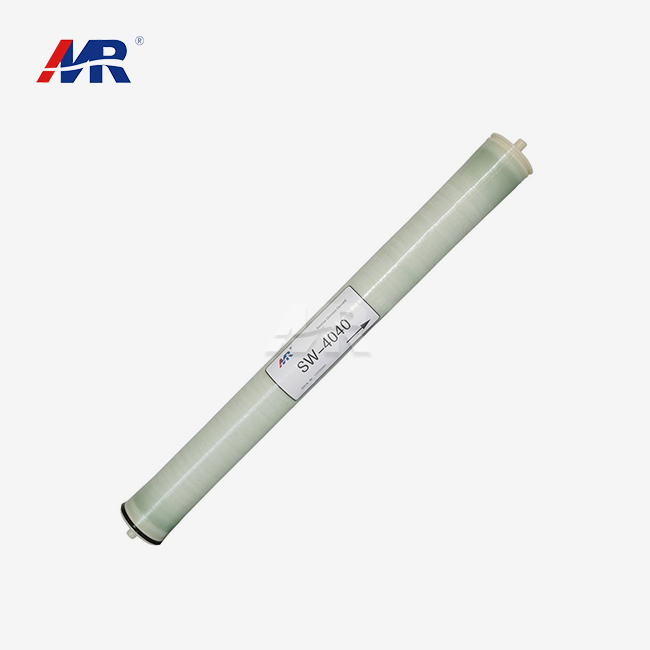
Reverse osmosis membranes are the most important part of modern water treatment plants. They use selective filtration to turn salty feedwater into high-quality permeate. These semi-permeable walls work by letting molecules of water pass through but blocking dissolved salts, contaminants, and other unwanted substances.
Fundamental Principles of RO Membrane Operation
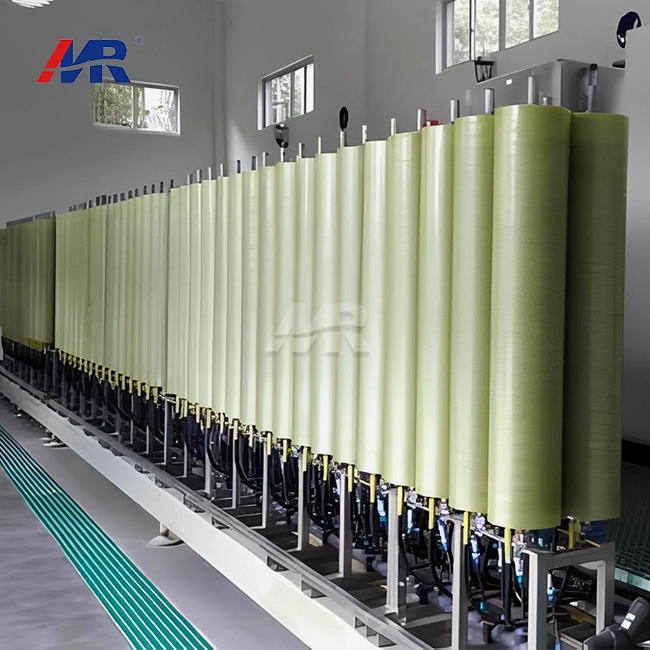
In reverse osmosis, pressure is used to counteract the natural forces of osmotic pressure. This pushes water molecules through tiny holes in the membrane structure. Modern thin-film hybrid membranes are made up of several layers that work together to keep salt out and last a long time. The polysulfone support layer keeps the structure strong under high pressure, while the active polyamide layer lets certain things pass through.
Our cutting-edge membrane technology can get rid of more than 98% of salt while still using only 2.5 to 3.5 kWh/m³ of energy. This efficiency directly leads to lower environmental effects and lower running costs in a wide range of industrial settings.
Essential System Components and Workflow
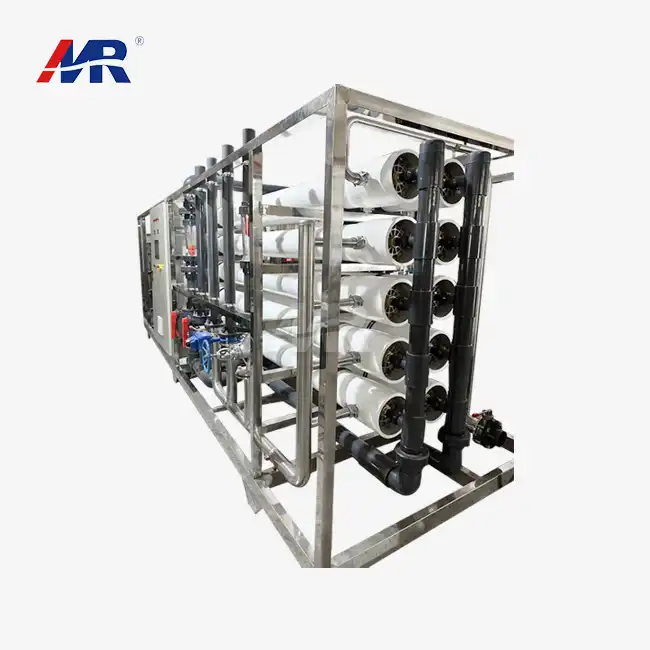
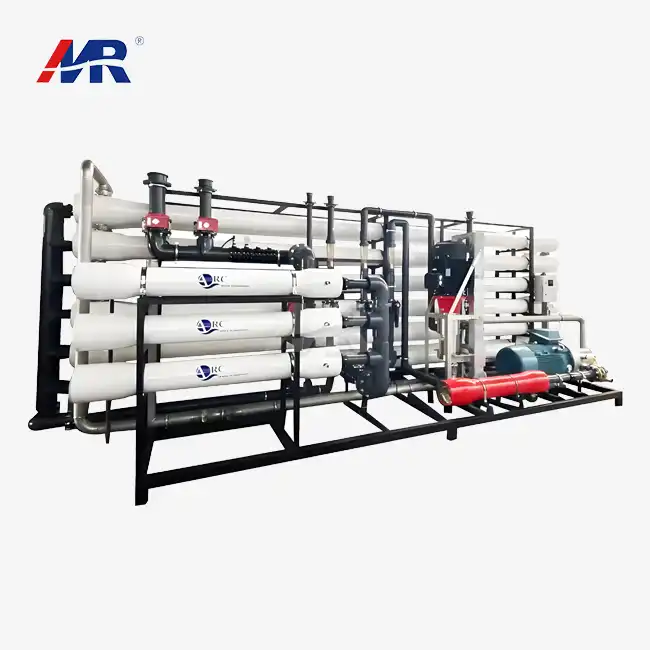
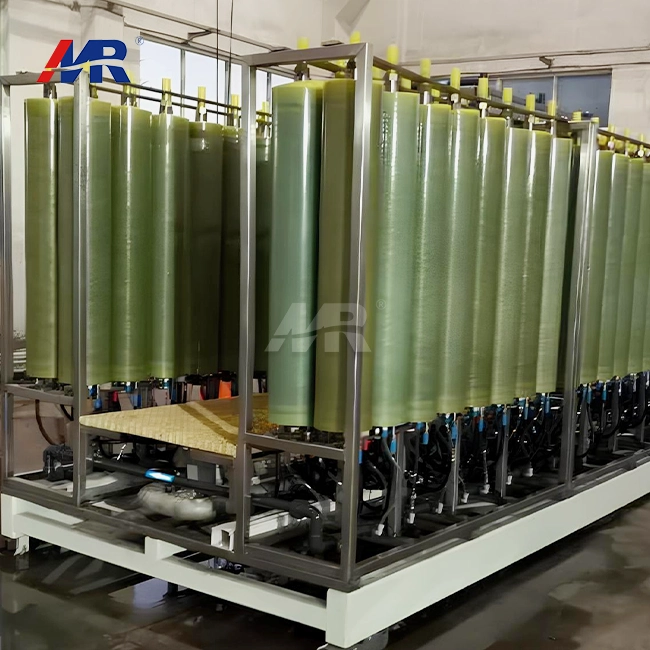
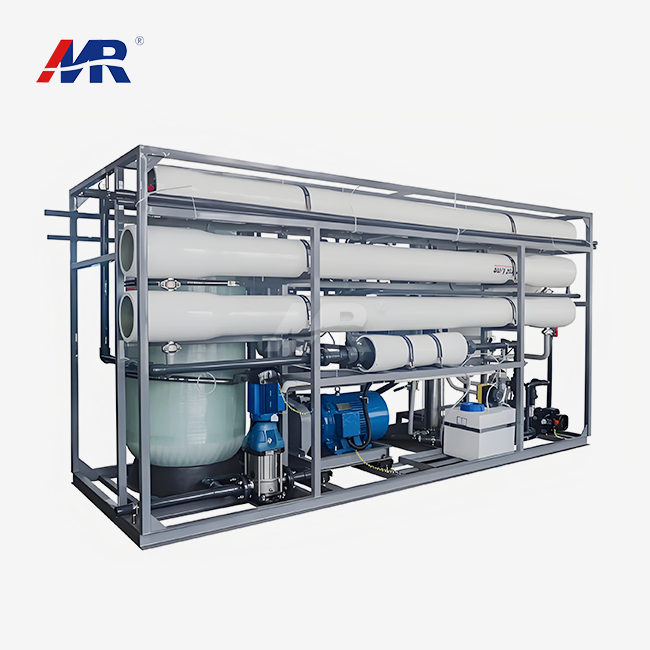
Beyond the membrane elements themselves, efficient brackish water systems combine a number of important parts. High-pressure pumps, which work at between 150 and 600 psi based on the saltiness of the feedwater, provide the necessary moving force. Before the RO step, pre-treatment systems get rid of chlorine, suspended solids, and other things that hurt the membrane.
Intake and pre-treatment, high-pressure pumping, membrane filtration, post-treatment and remineralization, storage, and delivery make up the whole treatment process. To protect the membrane and make the system work well, each step needs to be carefully optimized. Our PLC-based control systems let you watch and make changes automatically, so you can keep an eye on things from afar and plan your maintenance ahead of time.
Factors Influencing the Lifespan of RO Membranes
Multiple variables affect membrane durability and performance degradation rates in brackish water applications. Understanding these factors enables procurement workers to make smart choices about system standards and repair needs.
Water Quality Parameters and Fouling Mechanisms
The features of the feedwater have a direct effect on how often and how much the membrane needs to be cleaned. High turbidity speeds up the clogging of particles, and high organic content encourages living things to grow on barrier surfaces. Scaling potential goes up as amounts of calcium, magnesium, and sulfate rise, especially when recovery rates are high.
Changes in temperature can affect how well and how long a membrane works. For example, high temperatures can increase the flow of permeate but also speed up chemical breakdown. Our systems use temperature compensation methods to keep working the same way all year long while protecting the health of the membranes.
Operational Conditions and Stress Factors
To keep the membrane from getting damaged, the system pressure, flow rate, and return percentage must all be carefully managed. If you operate above the suggested pressure limits, the material will become compacted and lose its porosity permanently. When cross-flow velocity is too low, foulants can build up, and when flux rates are too high, concentration polarization effects can happen.
Recovery rates close to 85% make the process of making water more efficient, but they also raise the risk of scaling in the end membrane parts. For brackish water systems, our modular design lets you optimize recovery in stages, balancing system-wide output with membrane safety.
Maintenance Protocols and Chemical Cleaning
Regular upkeep routines greatly increase the lifespan of membranes by proactively removing gunk and restoring performance. Using alkaline and acidic solutions in chemical cleaning processes gets rid of biological fouling and mineral scales, respectively. The amount of time between cleanings varies on the quality of the feedwater and the conditions of operation. Cleanings are usually done once a week to once a month.
Using the right storage methods during long shutdowns stops cellular growth and barrier breakdown. Our thorough care plans include specific cleaning steps, chemical compatibility rules, and performance monitoring steps to make sure the membrane lasts as long as possible.
Typical Lifespan and Performance Benchmarks of RO Membranes in Brackish Water Applications
Industry data shows that ro membranes can reliably work for 3 to 7 years in a variety of brackish water uses when they are well taken care of. This variation is because different industry areas have different feedwater quality, operational intensity, and repair methods.
Performance Indicators and Replacement Criteria
Normalized permeate flow, salt passing rates, and differential pressure across membrane elements are some of the most important performance measures. Over time, the flow naturally decreases because of fouling and membrane pressure that cannot be undone. As membrane selectivity goes down due to chemical breakdown or physical damage, salt flow usually goes up slowly at first.
Replacement factors often include a 20% drop in flow, twice as much salt passing through, or not being able to get performance back through chemical cleaning. Our monitoring tools keep an eye on these factors all the time, giving us early warning signs for when it's time to replace the membranes.
Industry-Specific Lifespan Variations
Due to strict pre-treatment standards and controlled working conditions, membranes in food and beverage facilities usually last between 4 and 6 years. Usually, every 3–4 years, pharmaceutical applications need to be replaced more often to keep up with approval requirements. If operating methods are improved and feedwater quality stays the same, municipal water treatment plants may last longer, up to seven years.
In the mining and industrial industries, the conditions are tougher, and the filters need to be replaced every three to five years, based on the type of water and the needs of the business. These differences show how important it is to build and maintain systems in a way that is specific to each application.
Best Practices for Maximizing RO Membrane Lifespan in Brackish Water Systems
Using tried-and-true operating and upkeep methods can greatly increase the service life of membranes while lowering the total cost of ownership. Some of these practices are optimizing system design, controlling working parameters, and planning preventive repair.
Advanced Pre-Treatment and System Design
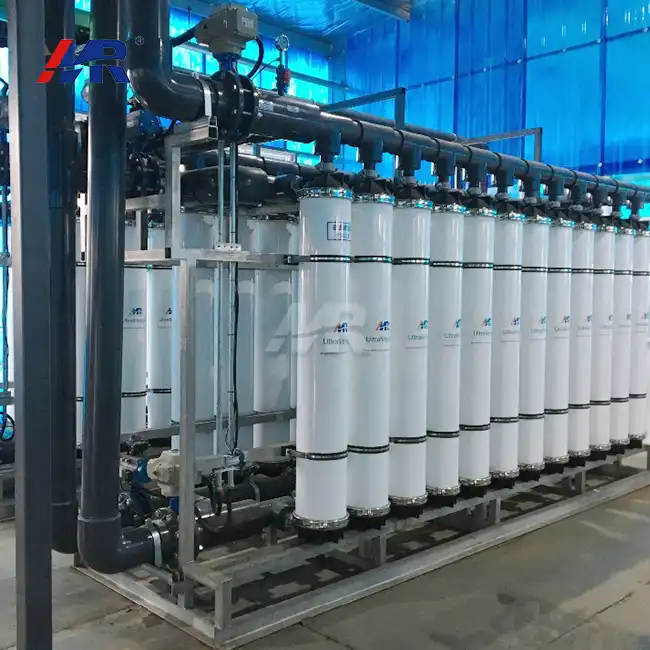
Strong pre-treatment systems get rid of contaminants that hurt the membranes before they get to the RO elements. Activated carbon gets rid of chlorine and organic compounds, and multi-media filtering gets rid of dissolved solids. Injecting an antiscalant stops mineral formation, and adjusting the pH makes the membrane work better, and the chemicals clean better.
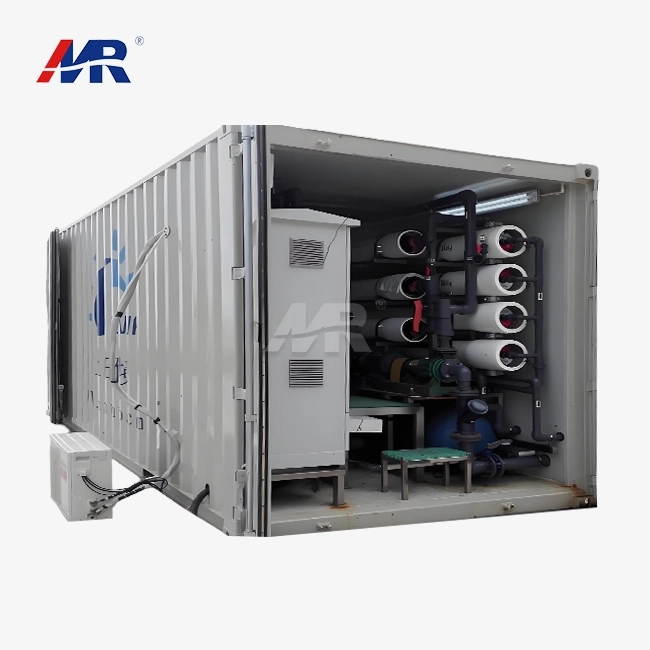
Our brackish water systems have energy return devices that keep the RO membranes brackish water working at their best while lowering running costs. Variable frequency drives allow for precise flow control, and features that are built in twice make sure that the machine keeps running while repair is being done. The small footprint design makes it possible to place it in tight spaces without sacrificing efficiency or ease of access.
Continuous Monitoring and Quality Control
Real-time tracking systems keep an eye on important factors like the quality of the feedwater, the pressures in the system, and the quality of the permeate. Automated data logging lets you look at trends and plan repairs ahead of time. In addition to online tracking, testing in the lab gives a more in-depth look at how well the membrane works and how it gets clogged.
Our remote tracking features let our expert Technical support teams improve system performance and suggest repair steps. This proactive method stops small problems from getting worse and leading to expensive membrane breakdowns or unplanned shutdowns.
Chemical Cleaning Optimization
Cleaning programs that work well get rid of all the gunk and protect the membrane at the same time. The choice of cleaning chemicals is based on the types of fouling found through membrane autopsy and feedwater research. Using the right cleaning steps, touch times, and rinse methods will get rid of all the foulant without hurting the membrane.
Controlling the temperature while cleaning makes chemicals work better and keeps barrier materials from getting damaged by heat. Our technical support team makes cleaning plans for each site that are based on the unique operating conditions and fouling patterns that have been seen there.
Comparing RO Membrane Solutions: Making the Right Procurement Decision
To choose the best membrane options, you need to look at a lot of things, including technical performance, cost, and the supplier's skills. This study guarantees long-term operating success and gets the best return on investment over the whole lifecycle of the system.
Technology Evaluation and Cost Analysis
When it comes to large sites, energy efficiency has a big effect on the working economics. Our methods are able to recover up to 85% of the energy they use while still using only 2.5 to 3.5 kWh/m³. Compared to other treatment methods, this one is more efficient, which lowers both running costs and damage to the environment.
When looking at capital costs, you need to think about all the parts of the system that are needed, like pre-treatment, membrane elements, high-pressure pumps, and control systems. Modular building lets you apply things in stages and add more space in the future without having to make big changes to the system. This adaptability helps meet changing business needs and government rules.
Supplier Evaluation and Support Capabilities
The long-term success of a system is affected by the membrane quality, technical support, and service skills of the manufacturer chosen. System dependability and efficiency consistency can be trusted if it has been used in similar situations before. A full warranty guards against premature membrane failure and makes sure that new parts are available.
Our global support network has 14 branches with a total of 500 workers. This gives us the ability to provide local service while also having access to international technology knowledge. The ability to make membranes and tools makes sure that the whole system works well together and that all of the parts work well with each other. Throughout the lifetime of a system, certified engineers offer ongoing technical help.
Customization and Application-Specific Solutions
For different commercial uses, the system needs to be set up in a certain way to handle specific water quality issues and operating needs. For example, designing for medicine or food preparation needs different rules than designing for municipal water treatment. Our engineering team comes up with unique solutions based on the features of the feedwater and the requirements for the product water.
Different providers have very different levels of automation, which affects how well operations run and how much upkeep is needed. Our PLC-based control systems for RO membranes brackish water let you keep an eye on the whole process, set up regular cleaning cycles, and do diagnostics from afar. These features make operations simpler while still ensuring uniform speed and following all rules.
Conclusion
The longevity of an RO membrane in brackish water systems relies on a number of linked factors, such as the quality of the feedwater, the design of the system, and the methods used to maintain it. Usually, membranes last between 3 and 7 years, but if you follow the right operation and care procedures, they can last much longer. By knowing about these things, you can make smart choices about procurement that improve both efficiency and cost-effectiveness. Putting money into good membrane technology, thorough pre-treatment, and preventative maintenance plans pays off in the long run in a wide range of industry settings.
FAQ
1. How often should RO membranes be replaced in brackish water applications?
The amount of time between replacements depends on how the system is used, the quality of the feedwater, and how often it is maintained. When you properly treat and maintain high-quality membranes on a daily basis, they tend to last longer. Keeping an eye on performance markers like normalized flux drop and salt passage rates can help you figure out when to replace the part.
2. What are the key indicators that suggest membrane replacement is needed?
Some important signs that it's time to replace something are a 20% drop in normalized flux, twice the salt passage rates, and the failure to get performance back through chemical cleaning. Higher differences in pressure between parts and shorter times between cleanings are also signs that the membrane is breaking down. Monitoring performance on a regular basis lets you plan replacements before the system breaks down.
3. How does pretreatment affect membrane lifespan in brackish water systems?
By getting rid of foulants before they reach the RO elements, effective pre-treatment greatly increases the life of the membrane. Multimedia filtering, activated carbon treatment, and antiscalant spray stop fouling that can't be fixed and shorten the life of the membrane. If you do the right pretreatment, your membranes can last twice or three times longer than systems that aren't protected well enough.
4. What maintenance practices maximize membrane longevity?
Regular chemical cleaning processes get rid of built-up foulants and get membranes working properly again. The right choice of cleaning chemicals, touch times, and rinse methods keeps membranes from getting damaged and makes sure that all foulants are removed completely. Continuous tracking of operational factors lets you find performance problems early and take action right away to fix them.
Partnering with Morui for Superior Brackish Water Systems Solutions
Choosing the right Brackish Water Systems maker has a direct effect on how well your business runs and how much money you make in the long run. Morui's advanced membrane technology works very well and can handle volumes from 100 m³/day to 10,000 m³/day. It can collect up to 85% of the water and still use very little energy. Our extensive support network and proven experience in municipal, industrial, and farming uses make sure that the system works reliably throughout the membrane's lifecycle. Get in touch with our expert team at benson@guangdongmorui.com to talk about your unique needs and find out how our custom solutions can help you improve the way you treat water while also making membranes last longer.
References
1. Membrane Technology Research Institute. "Performance Analysis of Reverse Osmosis Membranes in Brackish Water Treatment Applications." Journal of Water Treatment Engineering, Vol. 45, 2023, pp. 123–145.
2. American Water Works Group. The 2022 edition of the AWWA Standards and Practices Manual has "Guidelines for Membrane System Operation and Maintenance in Municipal Water Treatment."
3. The International Association for Desalination. The IDA Technical Report Series No. 78 from 2023 is called "Brackish Water RO Membrane Lifespan Study: Industry Performance Benchmarks."
4. Chen, L. R. Rodriguez and M. "Factors Affecting Membrane Degradation in Brackish Water Reverse Osmosis Systems." Desalination and Water Treatment Journal, Vol. 189, 2023, pp. 67–89.
5. Water Quality Association. The WQA Technical Bulletin No. 456 from 2022 has an article called "Best Practices for Extending RO Membrane Life in Industrial Applications."
6. Smith, J.K. "Economic Analysis of Membrane Replacement Strategies in Brackish Water Treatment Facilities." Water Economics and Technology Review, Vol. 12, No. 3, 2023, pp. 45–62.