_1745823981883.webp)

SWRO Plant RO Section Configurations and Recovery Rates
Optimized SWRO RO configuration systems that strike a balance between performance, cost, and efficiency are essential to the creation of a Seawater Reverse Osmosis (SWRO) plant. How the reverse osmosis parts are set up in SWRO plants has a direct effect on how well they work, how much energy they use, and how much water they reclaim. Recovery rates, which show how much of the feed water is turned into clean permeate, are usually between 35 and 50 percent in seawater uses. How well a plant turns seawater into drinkable water while keeping energy costs low and membrane life long depends on how the RO sections are set up, including how the membranes are placed, how the pressure vessels are arranged, and how the water flows.
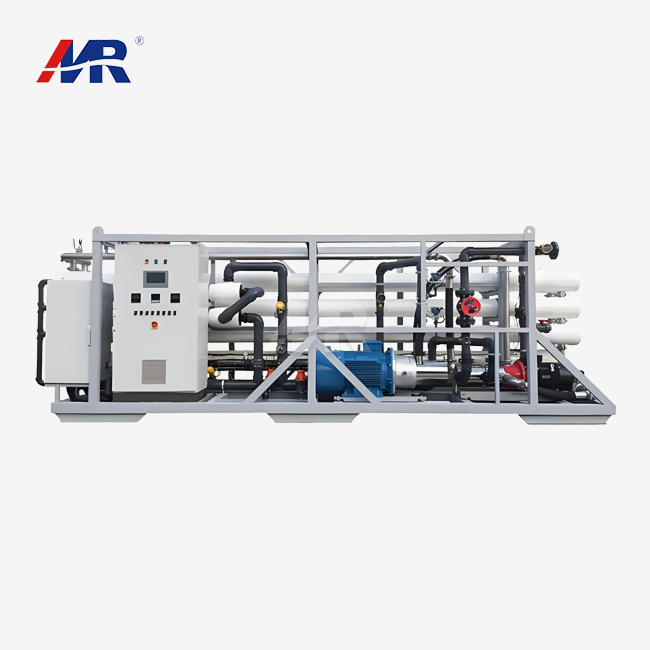
Understanding SWRO RO Section Configurations and Recovery Rates
Fundamental Components of RO Section Design
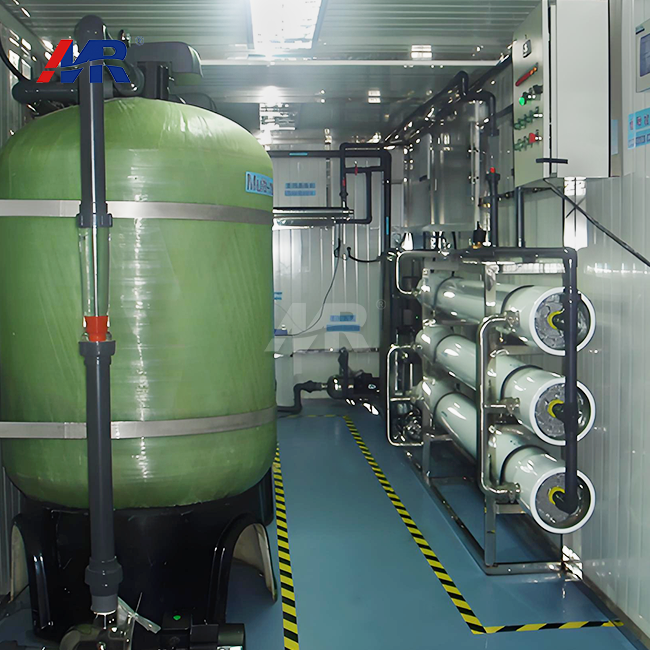
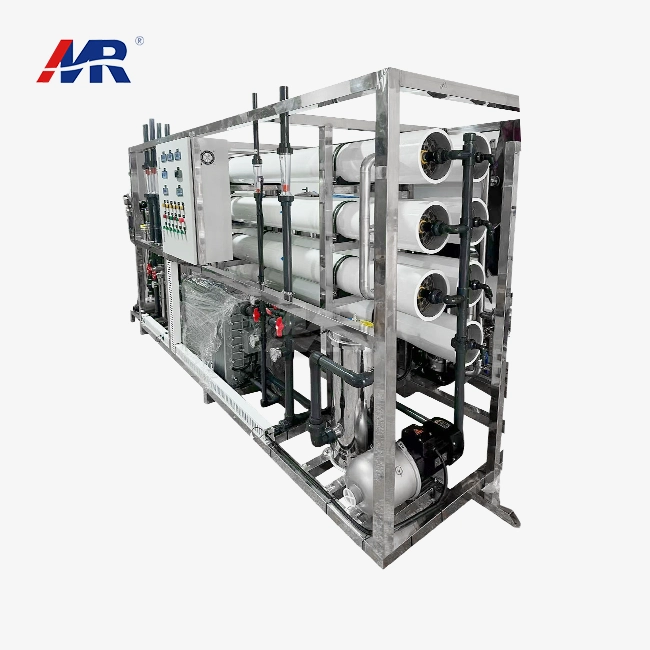
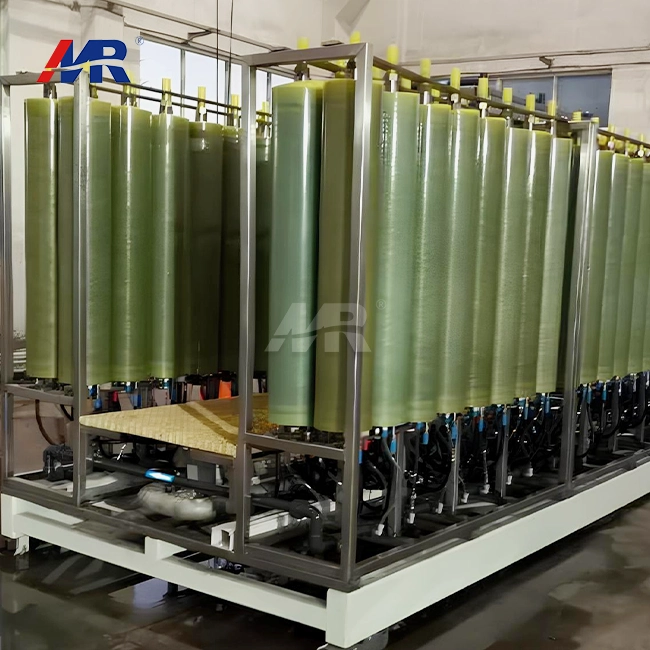
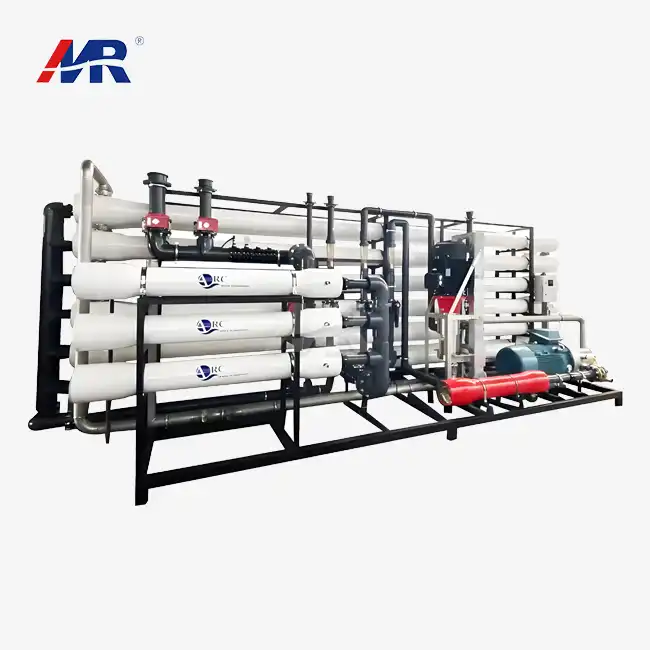
The reverse osmosis section forms the heart of any SWRO plant, where high-pressure pumps push saltwater through semi-permeable membranes to get rid of dissolved salts and other impurities. To maximize water recovery while keeping membrane performance, modern SWRO RO configurations usually use multiple steps set up in series. Each stage has pressure tanks with spiral-wound screens that gradually focus the brine stream.
Recovery rates in SWRO systems rely a lot on the quality of the feedwater, the properties of the membrane, and how the system is set up. While 75–85% recovery is possible in brackish water systems, higher salt concentrations and the chance of growth make saltwater uses less flexible. To keep performance stable and fouling-free, the design must find a balance between improving rebound and protecting the membrane.
Critical Performance Metrics
One of the highest costs of running an SWRO plant is the energy used, which is usually between 3 and 4 kWh per cubic meter of generated water. Through better hydraulic design and pressure control, the right section arrangement can lower this energy need. The recovery rate affects both the energy economy and the cost of getting rid of concentrate, so choosing the right configuration is important for the long run.
Pressure differences, membrane flow rates, and salt rejection ratios are all part of the design of the whole system. Modern monitoring systems keep an eye on these factors all the time, which lets workers improve performance and find problems before they affect production. Energy recovery devices built into the design can cut power use by up to 40%, which makes the working economy much better.
Best Practices and Design Principles for SWRO RO Section Configurations
Optimal Membrane Staging Strategies
For membrane staging to work well, multiple pressure tanks need to be set up in horizontal rows, and the concentrate needs to be recycled properly between stages. The usual method uses a 2:1 array setup, where concentrate from the first stage feeds the second stage. This maximizes total healing while keeping the salinity of the concentrate in check. By stopping too much salt from building up in any one stage, this SWRO RO configuration method keeps membrane performance high.
The layout of a pressure tank should take into account the hydraulic balance of all of its parts to make sure that the flow is spread out evenly. Uneven flow patterns can cause membranes to get clogged up too quickly in high-velocity areas and not clean well enough in low-velocity areas. Professional design teams figure out the best way for each vessel to work within the general grid by calculating pressure drops, flow speeds, and residence times.
Flow Distribution and Pressure Management
For flow distribution to work correctly, the outlet manifold needs to be designed so that each pressure tank gets the same amount of flow. To do this correctly, you need to carefully model the hydraulics, taking into account things like pressure drops, pipe sizes, and valve shapes. Keeping the pressure the same on all membranes stops unequal fouling, extends the life of the membranes, and improves the quality of the permeate.
Using advanced control systems lets you change flow rates and pressures in real time based on how the system is working. These systems can keep working at their best even when the feedwater quality changes, the temperature changes, or the membranes get old. These flexible set-ups help workers get consistent recovery rates and keep tools from getting damaged.
Comparing SWRO RO Section Configurations: Finding the Right Fit
Modern vs. Traditional Configuration Approaches
These days, more and more SWRO plants are using modular layouts, which are more flexible and easier to maintain than standard fixed systems. Modern designs use standard setups for pressure vessels that make replacing easier and cut down on repair downtime. These setups also make it easier to add more modules without having to make big changes to the system, which makes capacity growth easier.
By taking pressure energy from concentrate streams, energy recovery integration has changed the way current SWRO RO configurations are built. Pressure valves and turbochargers can recover 35–40% of the energy that would normally be wasted when concentrating. This makes the total economics of the plant much better. Adding this technology needs complex control systems, but it saves a lot of money on operations over the life of the plant.
Scalability and Business Applications
Small-scale SWRO systems that serve manufacturing sites usually have only one stage and recovery rates of 35 to 40 percent to keep things simple and keep capital costs low. Two-stage designs that get 45–50% recovery through better concentrate control are common in medium-sized setups. To be as efficient as possible when making a lot of things, big city plants may use multi-stage layouts with improved energy recovery.
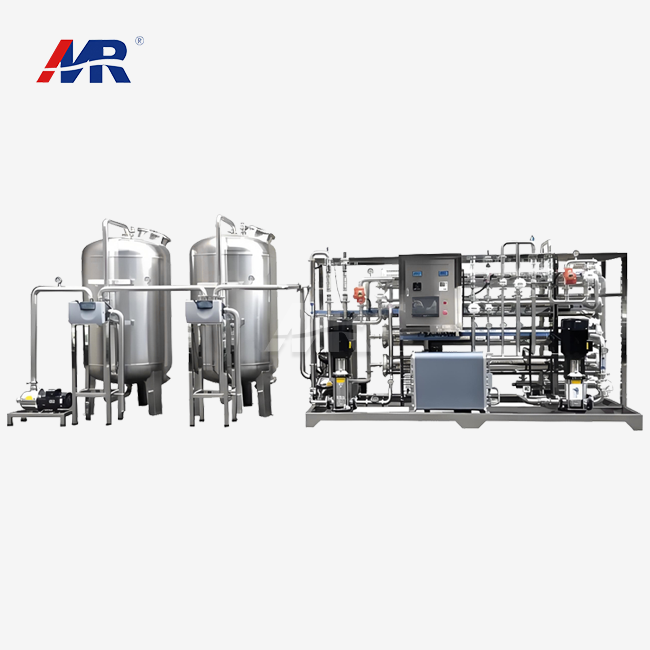
Our 50 m³/hour reverse osmosis system is a great example of how current systems should be set up. Its high-rejection TFC membranes can collect up to 75% of the water in certain situations. The small size and low energy consumption of the system make it ideal for making medicines, processing foods, and other commercial uses where producing high-quality water is important.
Procuring SWRO RO Section Solutions: How to Choose the Best Vendor and Service?
Vendor Evaluation Criteria
To find the best SWRO system provider, you need to carefully look at their technical knowledge, production skills, and service support infrastructure. Established suppliers should show that they have a history of success with similar Products, as well as testing facilities that are complete and strong quality control systems. The ability of the seller to change the SWRO RO configuration based on the feedwater and output needs is often what makes or breaks a project.
In addition to selling tools, the services we offer also include system design, installation supervision, user training, and ongoing Technical support. Companies that sell full packages usually offer better integration between parts and better fixing help. Long-term operating reliability is greatly affected by the number of area repair techs and spare parts that are available.
Total Cost of Ownership Analysis
In SWRO projects, the initial capital spending is only one part of the total operating costs. Lifecycle costs include a lot of different things, like energy use, membrane replacement, chemical use, and upkeep work. Vendors should give a thorough economic analysis that compares the pros and cons of each setup choice and includes accurate predictions of the running costs based on the specifics of the site.
Financing choices and warranty terms vary a lot between providers, which can have a big effect on the economics of a job. Longer guarantees on important parts like high-pressure pumps and energy recovery devices are a great way to avoid having to pay a lot of money for replacements when you least expect it. Some sellers offer performance guarantees that make sure certain energy usage and recovery rates are met during the warranty time.
Enhancing SWRO Plant Recovery Rates: Optimization Techniques and Future Trends
Process Optimization Strategies
Advanced process control systems let working factors be constantly tweaked to get the best recovery while keeping the membrane's integrity. Operators can find the best working places for changing conditions by keeping an eye on key signs like normalized permeate flow, salt passage, and differential pressure in real time. When fouling signs are present, automated cleaning systems can start the right cleaning processes before performance problems get too bad.
Data analytics systems look at past performance data to find patterns and guess when repairs will need to be done. Machine learning algorithms can find the best working parameters by analyzing how many factors interact with each other in complicated ways. This lets them achieve higher levels of energy efficiency and recovery rates than traditional control methods. As these smart systems gain operational knowledge, they keep improving their optimization methods.
Emerging Technologies and Innovation
Next-generation membrane technologies offer better rejection of salt, higher flux rates, and better fouling resistance, which will allow future SWRO plants to reclaim more. Low-pressure membranes made just for use in seawater could cut down on the amount of energy needed while keeping the current repair performance. Biomimetic membranes, which are based on natural processes, could make huge improvements in both how well they work and how selectively they work.
Energy recovery technology keeps getting better with new ideas like forward osmosis integration and pressure converters that work better. Adding renewable energy in a way that is especially built for SWRO uses could lower costs even more while also being better for the environment. These new technologies will change the way SWRO RO configurations are designed and make it possible for new uses that weren't thought to be possible before.
Conclusion
To get the best RO section setups and recovery rates for SWRO plants, technical performance, cost-effectiveness, and operating dependability must all be carefully balanced. To get the most out of investments in saltwater desalination, modern configuration methods stress flexible design, energy recovery integration, and improved process control. To be successful, you need to choose the right configuration methods that fit the needs of your application and include tried-and-true tools and dependable vendor support. As new technologies keep improving membrane performance and energy efficiency, SWRO systems will become more appealing for a wide range of industry and local uses that need to produce high-quality water.
FAQ
1. What factors determine optimal recovery rates in SWRO systems?
Recovery rates depend on the salt of the feedwater, the temperature, the specs of the membrane, and how the system is set up. Higher temps in the feedwater usually allow for more recovery, but higher amounts of salt may need less recovery to keep the membrane from scaling.
2. How do energy recovery devices impact RO section configuration?
When designing hydraulics for energy recovery devices, you need to think about things like balancing pressure, distributing flow, and integrating the control system. When energy recovery is set up correctly, it can cut total energy use by 35–40% compared to systems that don't recover energy.
3. What maintenance practices optimize long-term recovery performance?
The best recovery rates are maintained by regularly cleaning the membrane, keeping an eye on the adjusted performance parameters, and replacing damaged elements before they get clogged. Predictive maintenance and automated cleaning devices help keep efficiency from going down.
Partner with Morui for Advanced SWRO RO Configuration Solutions
Morui knows a lot about saltwater desalination technology and can make personalized SWRO RO configuration options that get the best recovery rates while keeping costs as low as possible. Through modern TFC membrane technology and smart control systems, our 50 m³/hour system can collect up to 75% of the water. As a top maker of swro ro configuration, we provide comprehensive services from system design through installation and ongoing support. Our Team of 20 experienced engineers and various production sites make sure that we can deliver tools reliably and provide quick technical support. Get in touch with benson@guangdongmorui.com to talk about your unique needs and find out how our tried-and-true SWRO products can help you treat water better.
References
1. Greenlee, L.F., et al. "Reverse Osmosis Desalination: Water Sources, Technology, and Today's Challenges." Water Research, Vol. 43, No. 9, 2317-2348.
2. Fritzmann, C., et al. "State-of-the-art of Reverse Osmosis Desalination." Desalination, Vol. 216, No. 1-3, 1-76.
3. Qasim, M., et al. "Reverse Osmosis Desalination: A State-of-the-Art Review." Desalination, Vol. 459, 59-104.
4. Elimelech, M., et al. "The Future of Seawater Desalination: Energy, Technology, and the Environment." Science, Vol. 333, No. 6043, 712-717.
5. Lee, K.P., et al. "A Review of Reverse Osmosis Membrane Materials for Desalination—Development to Date and Future Potential." Journal of Membrane Science, Vol. 370, No. 1-2, 1-22.
6. Ghaffour, N., et al. "Technical Review and Evaluation of the Economics of Water Desalination: Current and Future Challenges for Better Water Supply Sustainability." Desalination, Vol. 309, 197-207.