

_1745823981883.webp)

Cost-Effective Water Treatment Solutions for Industrial Applications
More and more pressure is being put on manufacturing, pharmaceutical, food processing, and chemical production sites to improve their water management systems while keeping prices low. Industrial water treatment used to be a legal requirement, but now it's seen as a strategic advantage that helps businesses cut costs, make processes more efficient, and meet stricter environmental standards. Modern treatment technologies offer scalable solutions that turn wastewater problems into chances to collect resources and run operations in a way that doesn't harm the environment. In today's industrial world, businesses need to have cost-effective water cleaning systems in order to stay competitive.
Understanding Industrial Water Treatment: Challenges and Opportunities
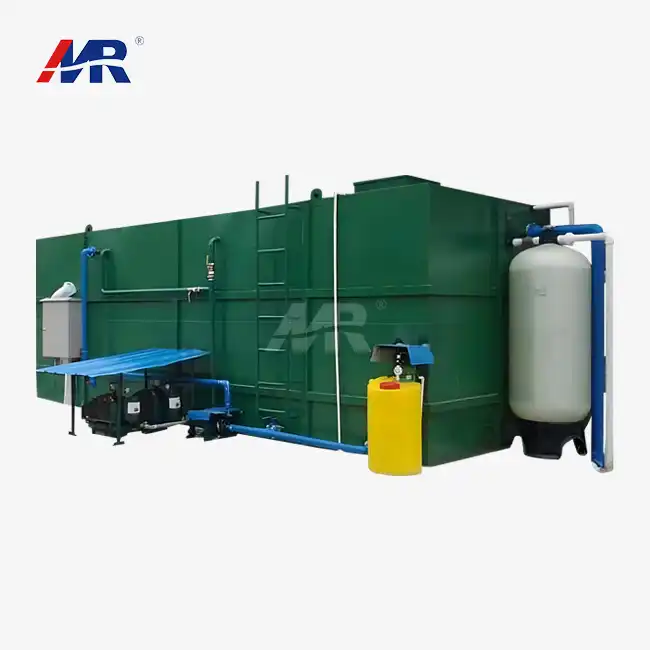
Taking care of industrial water has a lot of problems that go beyond simple filter needs. Heavy metals from electroplating, organic compounds from chemical processing, dissolved solids from cloth manufacturing, and biological contaminants from food production are just some of the contaminants that factories have to deal with. These toxins need complex ways to be cleaned up that find a balance between usefulness and cost-effectiveness.
Major Cost Drivers in Water Treatment Systems
Capital expenses, which include buying equipment, installing it, and making changes to the infrastructure, are the most obvious part of costs. During the lifetime of a system, however, operational costs often rise above beginning inputs. About 30 to 50 percent of the ongoing costs come from energy use. Chemical dosing, membrane repair, and upkeep also add a lot to the total cost of ownership.
Smart people who work in buying know that investing in new technologies up front can often save a lot of money in the long run. Compared to traditional options, energy-efficient systems that use only 0.3 to 0.5 kWh/m³ can save thousands of dollars a year in operating costs. Modular designs let you add small amounts of capacity without completely rebuilding the system. This gives you financial freedom as the needs of production change.
Regulatory Compliance and Risk Management
Environmental rules are getting stricter across all industries, with higher fines for not following the rules and lower limits on what can be dumped. More and more, BOD and COD clearance rates of over 90–95% are being required, and new contaminants that cause worry need more advanced treatment options. Companies that use proactive compliance strategies avoid fines and business interruptions that cost a lot of money and put them in a good position for future regulatory changes.
Effective Industrial Water Treatment Methods and Technologies
Modern industrial water treatment uses a variety of methods that are suited to different types of contaminants and the needs of the business. The best way to make decisions that improve both performance and cost-effectiveness is to know the pros and cons of each method.
Membrane-Based Treatment Technologies
Membrane bioreactor (MBR) devices clean wastewater biologically and filter it through membranes. This makes the wastewater better and reduces the area needed for treatment by up to 30%. When constant high-quality discharge or water recovery is needed, these systems work great. This is especially true in food processing and pharmaceutical production, where strict purity standards are in place.
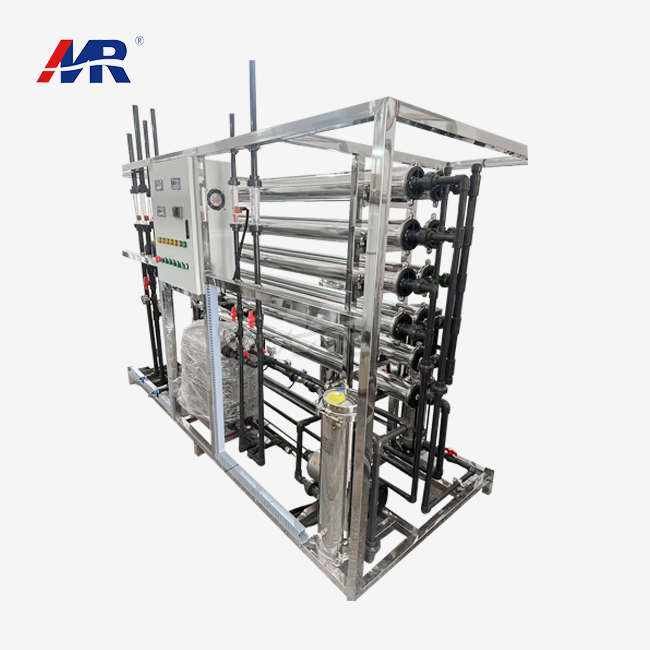
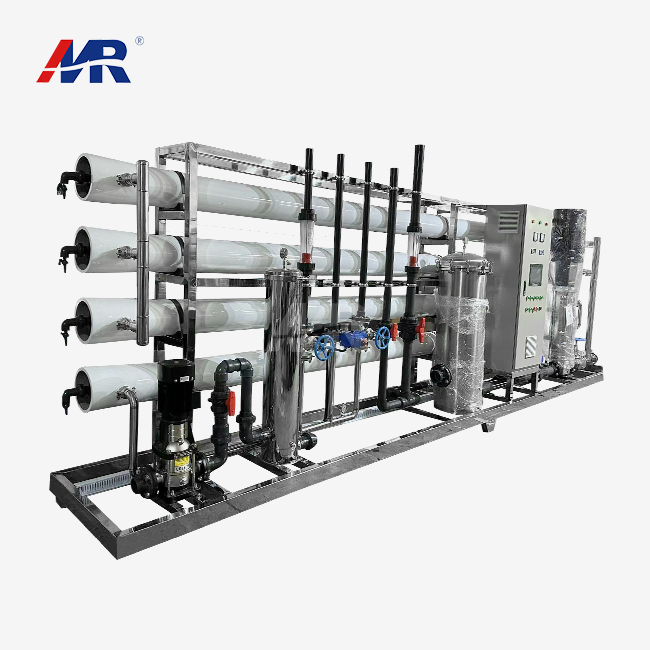
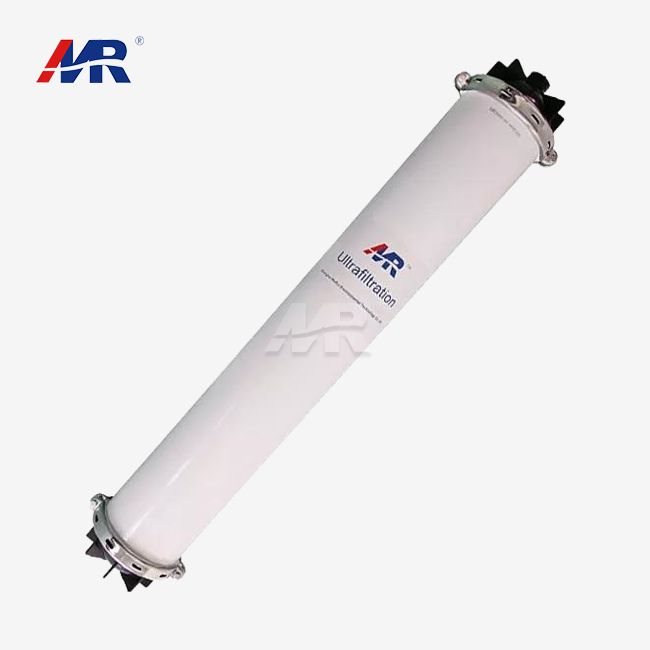
Ultrafiltration and reverse osmosis are technologies that can get rid of dissolved contaminants that can't be removed by normal cleaning methods. Electronics companies use these devices to make ultrapure water that is needed to make semiconductors, and drug companies use them to meet GMP water quality standards.
Biological Treatment Optimization
Microbial groups are carefully controlled in advanced biological processes that break down organic pollution in a cost-effective way. The aerobic and anoxic steps of treatment can be tweaked to meet specific cleanup goals while using the least amount of energy possible. With biogas recovery choices, treating waste can be turned into making energy, which lowers costs and is better for the earth.
Here are the main benefits of biological treatment methods that have been optimized:
- Energy Recovery Potential: Biogas produced by anaerobic digestion can replace 40 to 60 percent of the energy needs of a treatment center.
- Chemical Cost Reduction: Biological nutrient removal cuts down on or gets rid of the need for expensive chemicals to control phosphorus and nitrogen.
- Sludge Volume Minimization: Biological processes that are more advanced make 20–30% less trash sludge than traditional cleaning methods.
- Process Stability: Modern control systems keep conditions at their best naturally, so operators don't have to. This makes performance more reliable.
Because of these benefits, centers can meet their care goals while reducing costs and damage to the environment.
Chemical Treatment and Dosing Optimization
Managing chemicals precisely is a key part of making treatments work well and keeping costs low. Automated dosing systems change the amount of chemicals added based on real-time tracking of the water quality. This keeps chemicals from being added too much and makes sure that the treatment works consistently. Changing the pH, coagulation, and cleaning processes needs to be carefully optimized to use the fewest chemicals possible without lowering the efficiency of the treatment.
Comparing Industrial Water Treatment Systems & Solutions
When choosing the right treatment methods, it's important to look at all of their performance measures, operational needs, and lifecycle costs. Comparing systems is important for making the best choices about what to buy because different industrial uses need different approaches.
Conventional vs. Advanced Treatment Technologies
Traditional methods of treatment, such as clearing, filtration, and basic biological processes, have been used for a long time and have been shown to work. They also require less capital. But new technologies often offer better long-term value by making things more efficient, requiring less upkeep, and allowing for more automation.
Industrial water treatment systems that use membrane technology and advanced robotics usually have 15–25% lower total running costs after 10 years, even though they cost more to buy at first. Remote monitoring lets you plan repairs ahead of time, which cuts down on unplanned downtime and makes devices last longer.
Performance Benchmarking and Metrics
Key success factors for industrial treatment systems include how well they remove contaminants, how much energy they use per unit of treated water, how often they need maintenance, and how reliably they work. Industry standards for biological treatment systems say that they should be able to remove 95% of BOD and more than 90% of COD. However, membrane technologies can sometimes do even better.
Treatment capacity flexibility is very important for places that are growing. Systems made for processing 50 to 10,000 m³/day give you the freedom to increase output without having to update all of your equipment. Modular designs let you add small amounts of capacity over time, so capital costs stay in line with income growth.
Real-World Case Study Analysis
A California pharmaceutical factory cut its costs for treating water by 35% by upgrading its technology in a smart way. The company got rid of old, inefficient standard treatment equipment and replaced it with an MBR system that includes advanced automation and biogas recovery. Energy use dropped from 0.8 kWh/m³ to 0.4 kWh/m³, and better sewage quality made it possible to recover water, which meant that the city didn't have to buy as much water.
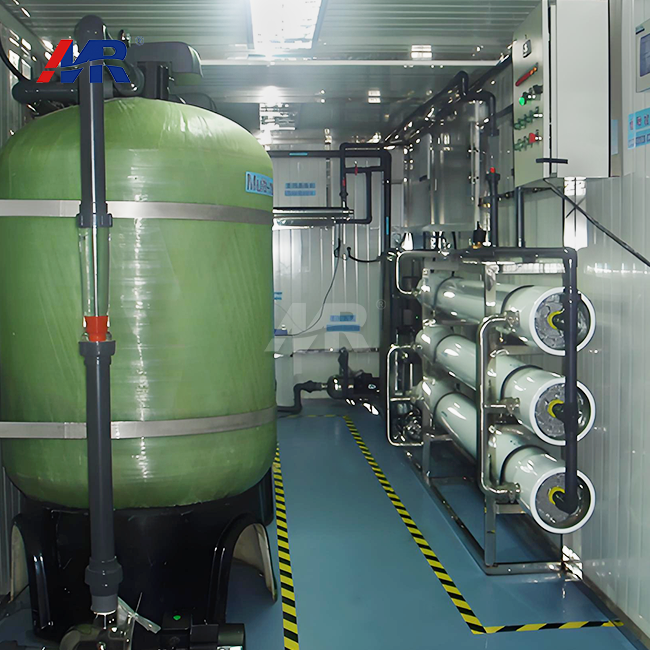
In the same way, a food preparation company in Texas followed the rules and cut costs by using containerized cleaning systems. The modular method kept installation as smooth as possible while giving the ability to adjust processing capacity to changes in yearly production. Automated tracking systems cut down on the need for operators and made sure that performance stayed the same during busy times.
How to Choose the Right Industrial Water Treatment Supplier and Equipment?
How well a treatment system works, how much it costs over its lifetime, and how reliable it is all depend on the supplier that is chosen. Detailed evaluation factors help procurement teams find partners who can provide expert support and long-term value.
Critical Evaluation Criteria
How compatible a technology is with current infrastructure affects how much it costs to implement and how hard it is to run. Suppliers who offer full engineering services can improve system integration while reducing the need for building changes. Certifications that are specific to an industry show that a seller knows about the relevant uses and legal requirements.
The quality of manufacturing and where parts are sourced affect how reliable the equipment is and how much it costs to maintain. Long-term support and reasonable pricing are usually better from suppliers who have dedicated membrane production sites and established supply lines for components. Coverage of the service network makes sure that Technical support is quick to respond and parts are available quickly when they are needed.
Total Cost of Ownership Analysis
Teams in charge of buying things should look at suppliers' total lifetime costs instead of just the original purchase price. Long-term costs are affected by maintenance contract terms, energy-saving requirements, and how often parts are expected to be replaced. Suppliers who offer performance promises show that they are confident in their technology and make it possible to plan for costs.
Here are the essential factors for comprehensive supplier evaluation:
- Technical Expertise: The engineering skills to make systems fit specific industry uses and contaminant types
- Service Network: Areas covered and promised reaction times for technical help and emergency repairs
- Financial Stability: The company has enough money to keep its guarantees valid and make sure items are always available.
- Reference Portfolio: projects that have worked well in similar industry settings and have performance data on file
These evaluation factors help make sure that relationships with suppliers offer long-term value over the lifecycle of the equipment.
Maintenance and Support Considerations
Reliable upkeep programs keep systems from breaking down and costing a lot of money to fix. IoT sensors and data analytics can be used for predictive repair, which lets you change parts before they break. With remote tracking services, providers can always improve system performance while lowering the need for on-site service.
Training programs for building workers make systems more reliable and less reliant on outside service providers. Internal teams can do basic maintenance tasks with the help of detailed documents and expert support. For more complicated repairs or system upgrades, they can call in specialized services.
Future Trends and Innovations in Cost-Effective Industrial Water Treatment
New technologies offer big changes in how well treatments work, how much they cost, and how long they last in the environment. By understanding these trends, facilities can make plans that put them in the best situation for future possibilities and changes in the law.
Artificial Intelligence and Process Optimization
Control systems that are run by AI automatically improve treatment processes based on the characteristics of the effluent, the surroundings, and operating goals. Machine learning algorithms find trends that humans might miss. This lets them make fine-tuned changes that boost efficiency while lowering the amount of energy and chemicals used.
Real-time optimization features constantly change working settings to keep performance at its best, even when influential conditions change. Industrial water treatment facilities that use AI control systems report using 10–20% less energy and chemicals than those that use traditional control methods.
IoT Integration and Smart Monitoring
Internet of Things sensors let you keep an eye on a whole system from more than just a few data points. Vibration analysis, thermal imaging, and chemical sensor networks make it possible to use forecast maintenance plans to keep equipment from breaking down and make the best use of repair schedules.
Facility managers can keep an eye on several treatment systems from a central control center thanks to remote tracking. Data analytics finds patterns and chances to improve operations so they run more smoothly and cost less while also requiring less work.
Sustainable Technology Development
Green chemistry innovations help the earth while also making treatments work better. Bio-based flocculants and sustainable membrane materials work just as well as standard materials but are better for the environment. Chemical-free ways to disinfect are available through advanced oxidation methods that use green energy sources.
Technologies like reusing water and recovering resources can turn treatment facilities from cost centers into assets that bring in money. Nutrient recovery systems take useful things out of wastewater streams, and improved cleaning makes it possible to reuse high-quality water, which cuts down on the amount of water used by cities and the costs that come with it.
Conclusion
Technology choices, supplier skills, and long-term operating needs must all be carefully considered in order to create cost-effective industrial water treatment solutions. Modern treatment systems can save a lot of money by being more efficient, automating tasks, and recovering resources. They also make sure that regulations are followed and the environment is protected. To be successful, you need to carefully plan your purchases and think about how much they will be worth over their whole life. You will also need to work with dependable suppliers and be proactive about your repair. Companies that use modern treatment technologies put themselves in a good situation to grow in industry markets that are getting more and more competitive.
FAQ
1. What factors influence industrial water treatment system costs?
The cost of a system depends on how much it can clean, how complicated the contaminants are, how good the waste needs to be, and how automated it is. Designs that use between 0.3 and 0.5 kWh/m³ of energy have lower running costs, and flexible systems let you change the size of the system so that investments match the capacity needs.
2. How do treatment systems improve operational efficiency?
Advanced cleaning technologies make it possible to reuse water in ways that lower the cost of water for cities and make sure that industry processes always get the same quality. Automatic tracking and control systems keep things running at their best and in line with regulations while reducing the need for operators.
3. What certifications should suppliers provide?
Suppliers you can trust give certifications relevant to your business, quality management systems, and proof that they follow environmental rules. The supplier's manufacturing sites, engineering skills, and service network scope show that they can meet long-term operating needs.
4. How do membrane technologies compare to conventional treatment?
The membrane systems are better at getting rid of contaminants—they're more than 90–95% effective—and they take up less space. Higher starting costs are balanced out by lower upkeep needs, better automation options, and steady, high-quality effluent that can be used in other ways.
Partner with Morui for Advanced Industrial Water Treatment Solutions
Guangdong Morui Environmental Technology offers complete industrial water treatment systems that are designed to be as efficient and cost-effective as possible in a wide range of industrial settings. Our cutting-edge portable treatment plants can get rid of up to 95% of contaminants while using only 0.3 to 0.5 kWh/m³, which means they are much cheaper to run than traditional options. We offer full turnkey solutions, from making the equipment to installing it and making it work. We have 14 branches, 500 committed workers, and 20 specialized engineers. Our combined method includes factories that make membranes, places that process equipment, and partnerships with top component providers in the industry. This gives industrial water treatment makers who are looking for long-term solutions dependable performance and reasonable prices. Email our expert team at benson@guangdongmorui.com to talk about custom treatment methods that will help your building handle water better.
References
1. Smith, J.A., Chen, L., & Williams, R.K. (2023). A study published in the Journal of Industrial Water Management (45(3)) looks at "Advanced Membrane Technologies for Industrial Wastewater Treatment: Performance and Economic Analysis."
2. Rodriguez, M.P., Thompson, D.L., & Kumar, S. (2023). Water Technology International, 18(7), 112-128. "Energy Optimization in Industrial Water Treatment Systems: A Comprehensive Review."
3. Jones, P.R., Anderson, K.M. (2022). In Environmental Engineering Quarterly (39(4)), 89–106, it is written about "Cost-Benefit Analysis of Modular Water Treatment Systems in Manufacturing Industries."
4. Zhang, H., Liu, Y., & Brown, A.C. (2023). "Regulatory Compliance and Risk Management in Industrial Water Treatment." Industrial Environmental Management, 31(2), 67–84.
5. Lee, S.H., Davis, M.J., and Wilson, T.B. (2022). "Emerging Technologies in Industrial Water Treatment: AI and IoT Applications." Water Process Engineering Review, 27(8), 145–162.
6. Taylor, N.K., and Miller, G.F. (2023). "Sustainable Approaches to Industrial Water Management: Case Studies and Best Practices." Environmental Technology & Innovation, 52(1), 78–95.
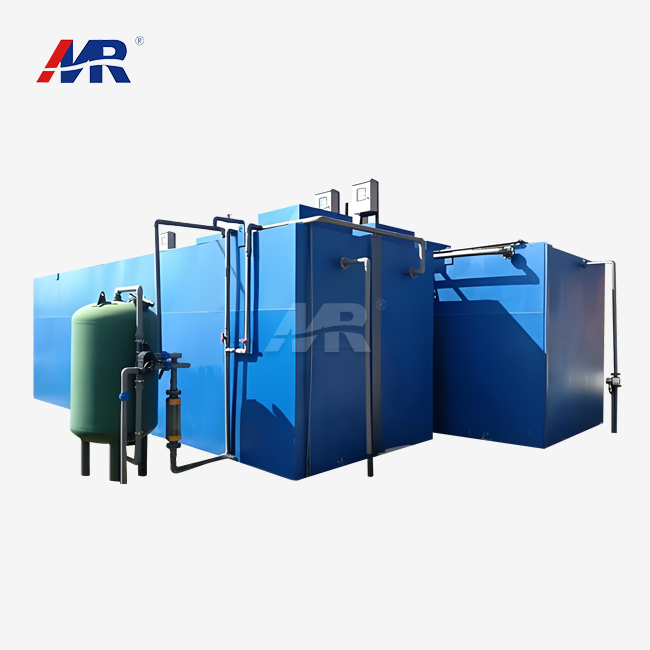 VIEW MOREsewage treatment plant
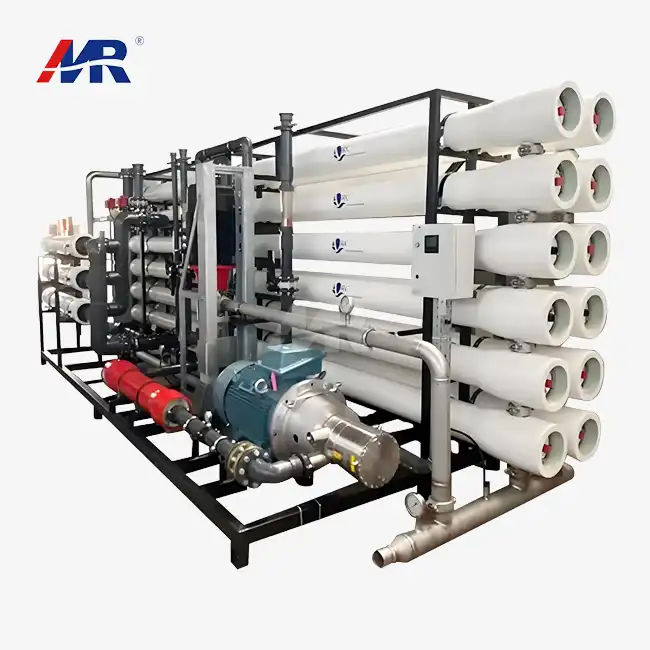 VIEW MORE45m3/hour seawater desalination system
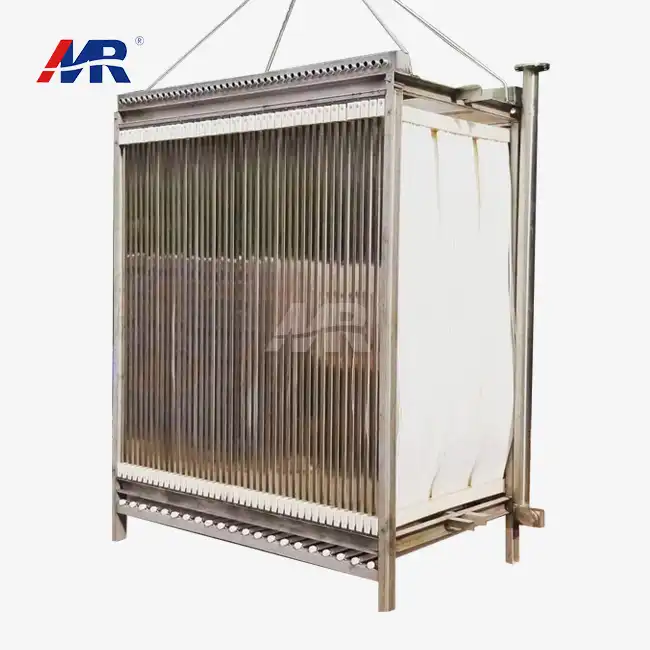 VIEW MOREmembrane bioreactor
 VIEW MOREContainerized Mobile Water Treatment Systems
 VIEW MOREedi system in water treatment
 VIEW MOREreverse osmosis plant
 VIEW MOREhome sewage treatment plant
 VIEW MOREultrafiltration membranes for water treatment
