_1745823981883.webp)

Cost-Effective Reverse Osmosis Solutions for Hard Water: Save Money and Improve Quality
Hard water issues affect many factories in the United States, causing damage to equipment and inefficient operations that cost companies thousands of dollars. Through our advanced Reverse Osmosis Filter technology, we can turn hard water that is a problem into clean, industrial-grade water while saving you a lot of money. These systems get rid of calcium, magnesium, and dissolved minerals that cause scaling, equipment failure, and quality control problems by using cutting-edge membrane filtering. Smart buying workers know that spending money on good reverse osmosis solutions pays off in the long run, both in terms of operations and finances.
Understanding Reverse Osmosis in Hard Water Treatment
The Science Behind RO Filtration Technology
Reverse osmosis is a complex way to clean water that deals with problems caused by hard water at the molecular level. Using semi-permeable barriers with pores about 0.0001 microns wide, the technology forces water molecules through under pressure while blocking minerals that make water hard, like calcium and magnesium. The rejection rates for dissolved solids in this method are between 95 and 99%, which makes it very useful for commercial uses that need stable water quality.
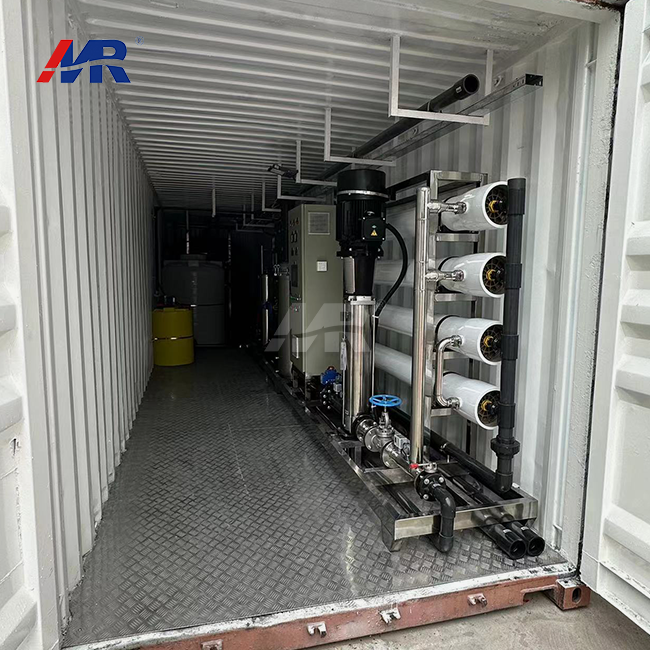
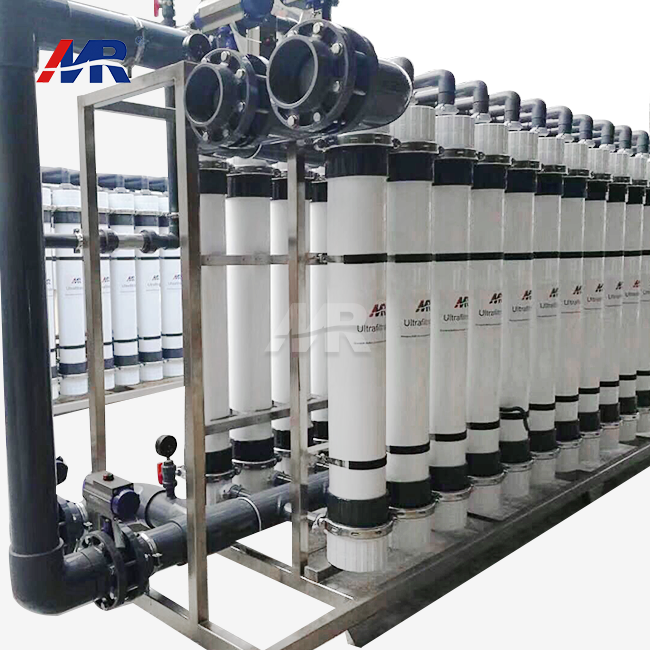
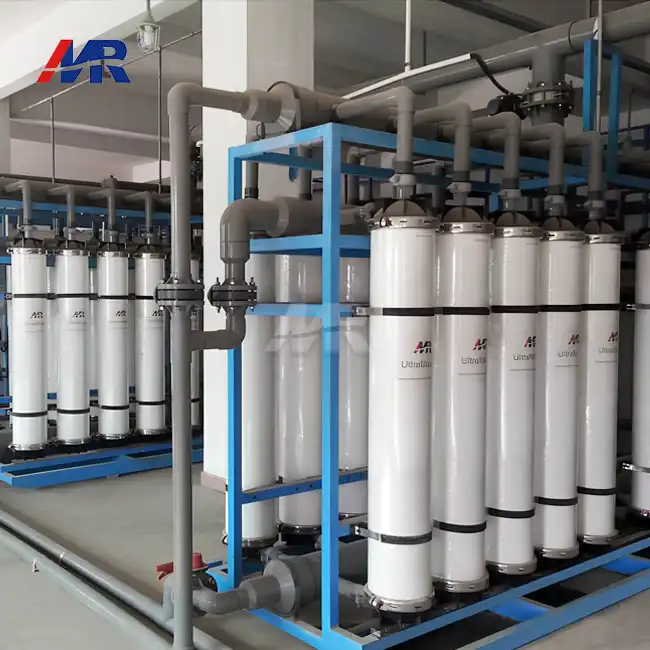
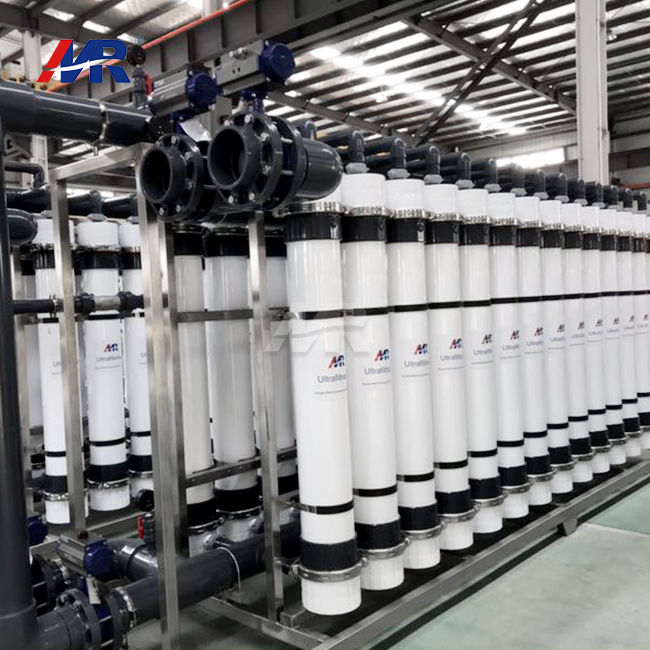
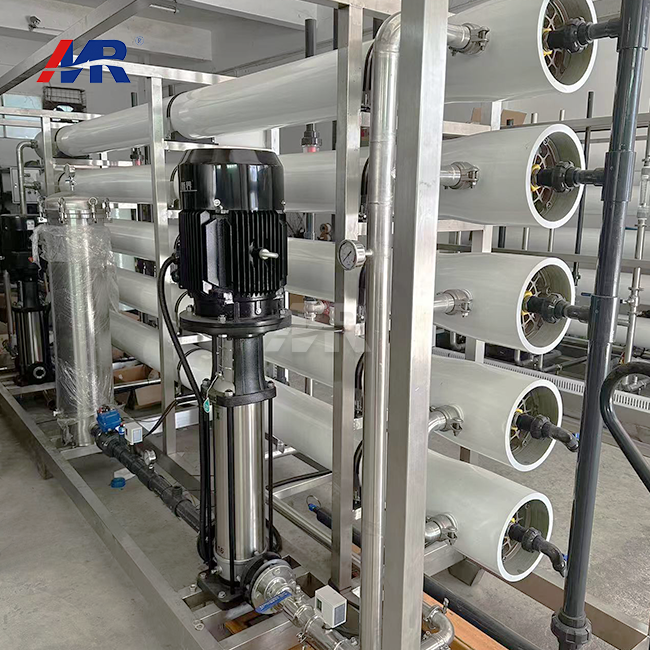
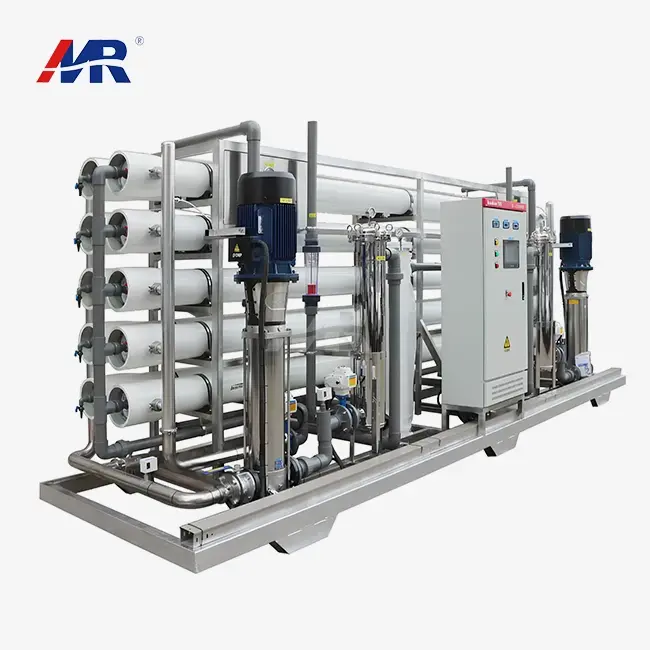
Modern RO systems have more than one filter stage, such as activated carbon and multimedia filtration for preparation. Thin-Film Composite (TFC) membranes with high flux and low fouling are built into our state-of-the-art tools. These membranes keep working well even when handling hard water sources that are hard to work with. The system can handle 25m³/hour and has recovery rates of up to 75%, making sure that industrial processes are as efficient as possible.
Advantages in Industrial and Commercial Settings
When used to treat hard water, reverse osmosis technology is very helpful for industrial sites. The main benefit is that it keeps expensive equipment from getting scaled up, which can lower its performance by 20 to 30 percent and cause it to break down early. RO systems are very useful for companies that make food and drinks because they make sure that the quality of their Products is always the same and meets strict safety standards.
When commercial businesses use RO systems that are properly built, they have lower maintenance costs. Scale control leads to fewer service calls, longer machine life, and less downtime. Power plants and drug factories use these systems to make ultrapure water that meets strict regulatory standards. This keeps them from having to deal with expensive compliance issues and production delays.
Performance Metrics and Industry Standards
To meet water quality standards, you need to know about reverse osmosis systems' key success factors. Total Dissolved Solids (TDS) decrease is the main standard, and good systems get rejection rates of 98.5% to 99.5%. Our advanced Reverse Osmosis Filter technology always gets water from sources with TDS levels above 500 ppm that have levels below 10 ppm. This meets the strictest industry standards.
Industry standards for reverse osmosis for hard water, such as NSF/ANSI 58 approval, give people who work in buying trust in the performance and dependability of systems. Ratings for energy economy, shown in kWh/m³, have a direct effect on the prices of running a business. Our equipment works at 0.8 to 1.2 kWh/m³, which is much less than the average for the business while still producing high-quality water.
Cost-Effective Strategies for Reverse Osmosis Solutions
Balancing Investment and Operational Expenses
When you do strategic buying, you have to look at the total cost of ownership instead of just the initial investment. Quality reverse osmosis systems that cost more up front usually pay for themselves in the long run because they need less upkeep and the membranes last longer. Based on our research, businesses that buy high-end RO technology usually get their extra costs back within 18 to 24 months by saving money on running their business.
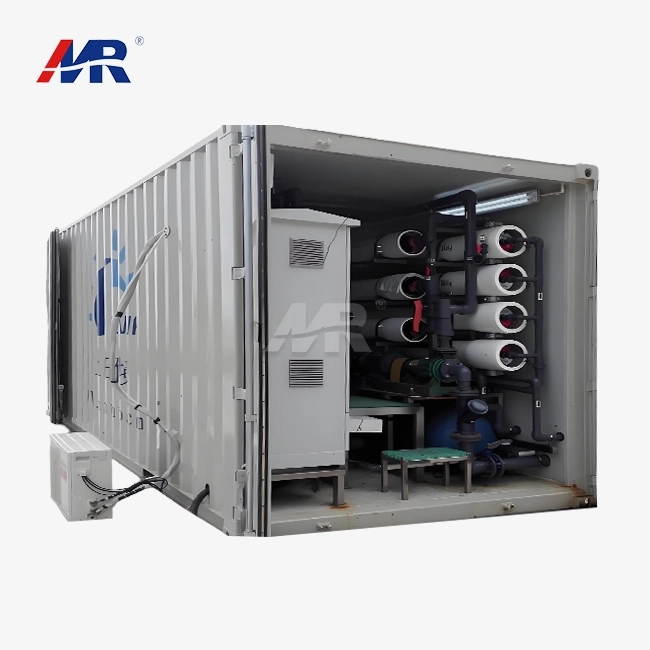
Designs that use less energy are a big part of keeping costs down over time. Systems with variable frequency drives and energy recovery devices can use 30 to 40 percent less power than regular systems. Modern RO equipment has a small footprint, which means that less building space is needed. This saves money for businesses that are limited on space.
Maintenance Optimization and Filter Longevity
The total cost of reverse osmosis processes is affected by proactive maintenance methods in a big way. Monitoring important factors like differential pressure, conductivity, and flow rates on a regular basis lets you find membrane fouling or scaling early on. Our touch screen-based PLC-controlled systems make tracking easier and set off automatic alerts when repair is needed.
Preventive repair plans keep membranes working at their best and extend their life. Here are the main maintenance tasks that make systems work as efficiently as possible:
- Scheduled membrane cleaning using appropriate chemical solutions based on the results of the water study
- Pretreatment system monitoring to ensure effective removal of suspended solids and chlorine
- Antiscalant dosing optimization to prevent mineral precipitation on membrane surfaces
- Regular water quality testing to verify system performance and identify potential issues
These upkeep practices help facilities avoid having to make expensive fixes in an emergency and keep the water quality output consistent. When RO systems are properly kept, membranes can last between 3 and 5 years, which cuts down on repair costs and downtime.
Real-World ROI Case Study
A medium-sized food processing plant in Texas installed our Reverse Osmosis Filter system to fix long-term problems with hard water that were affecting their steam boilers and other equipment used in the process. The plant used to spend $45,000 a year on chemicals to remove scale, fixes to equipment, and early replacements of parts that broke down because of mineral buildup.
The plant got great results after we put in our 25m³/hour RO system with advanced preparation. Because the water quality stayed the same, the cost of chemicals dropped by 85%, the cost of maintaining equipment dropped by 60%, and production efficiency went up. The $180,000 investment saved $52,000 a year, giving a payback time of only 3.5 years. It also improved product quality and regulatory compliance.
Comparing Reverse Osmosis Solutions for Optimal Procurement Decisions
System Types and Capacity Considerations
Different RO system configurations meet different business needs, so choosing the right configuration is very important for a successful procurement. Point-of-use tools that can handle less than 1,000 GPD are good for lab work and processing on a small scale. Most business restaurants, small factories, and other places that need high-purity water can use mid-range systems that produce 1,000 to 10,000 GPD.
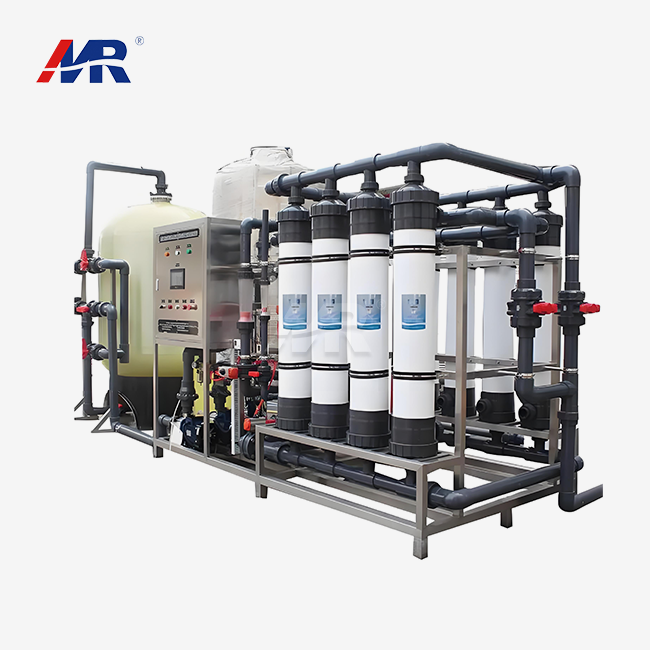
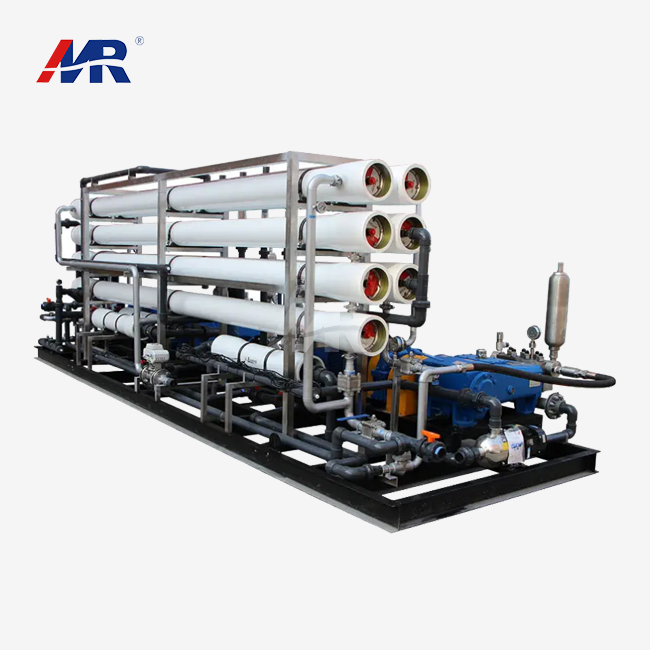
Industrial-scale reverse osmosis systems, like the 25m³/hour equipment we sell, are used by factories, municipal treatment plants, and big food processing businesses to handle large amounts of water. These systems are built to last, with automatic settings and extra parts to make sure they always work. Because the design is scalable, places can add more space as their needs change without having to update the whole system.
Performance Comparison with Alternative Technologies
To fix hard water in the usual way, water softening systems are used. However, reverse osmosis technology works much better. Ion exchange softeners change calcium and magnesium to sodium, which makes the water less hard while keeping the total amount of dissolved solids the same. This method doesn't work for uses that need water with low conductivity or where the presence of sodium raises quality issues.
Distillation devices clean water very well, but they use a lot more energy than current Reverse Osmosis Filter technology. Distillation usually costs between 15 and 25 kWh/m³ in energy, but our RO systems only use 0.8 to 1.2 kWh/m³. Distillation systems also take up a lot of room in a building and produce a lot of waste heat, which makes operations more difficult overall.
Supplier Evaluation and Certification Standards
Professionals in charge of buying things should give preference to sellers who have a lot of licenses and a history of treating industrial water. NSF certification makes sure that systems meet strict performance and safety standards, and ISO 9001 certification shows that systems follow the rules for quality management. The places where we make things keep these Certifications and also get special approvals for food-grade and medicine uses.
The ability to provide technical help sets quality sellers apart from commodity providers. Look for suppliers that give expert support 24 hours a day, seven days a week, thorough training programs, and replacement parts that are easy to find. Our network of service techs and area distribution centers makes sure that we can quickly handle maintenance needs and emergencies all over North America.
How to Procure Reverse Osmosis Filters for Hard Water Treatment?
Defining Technical Requirements and Specifications
A thorough study of the water and planning for volume are the first steps in buying a RO system that works. Tests for water quality should measure hardness, total dissolved solids (TDS), chlorine content, pH, and possible fouling agents like iron or silica. This information helps with the right system size and preparation design to get the best performance and longest membrane life.
Demand peak times and expected future growth must be taken into account when figuring out how much capacity is needed for reverse osmosis for hard water. To allow for practical flexibility, our expert team suggests that systems be sized for 120 to 150% of current peak demand. Our equipment's modular design lets us increase its output without making big changes to the infrastructure. This protects initial investments and helps the business grow.
Supplier Warranties and After-Sales Support
Suppliers of good reverse osmosis systems stand behind their products with full warranties and quick expert help. Standard guarantees should cover important parts for at least two years, and membrane warranties should last between three and five years when used normally. Our Reverse Osmosis Filter systems come with performance promises and choices for longer warranties that make sure they will last for a long time.
Support after the sale includes training, preventative maintenance plans, and quick access to parts. To get the most out of your system, we offer full operator training, thorough care manuals, and the ability to watch it from afar. Our parts stocking system makes sure that important parts can be shipped 24 hours a day, 7 days a week, limiting the chance of downtime and other problems with operations.
Installation and Commissioning Services
Professional installation and testing services make sure that the system works at its best from the start. Our qualified experts set up the whole system, including connecting the pipes, integrating the electrical, and programming the control system. The commissioning method includes checking the system's performance, teaching the operators, and writing down all of its factors.
Using big savings and bundled services can help lower the overall cost of a project when strategic buying planning is used. Our project management team plans deliveries, installations, and startup processes so that there is as little impact on the building as possible while still meeting all government rules and industry standards.
Conclusion
Industrial sites can use proven technology to deal with hard water problems and save a lot of money at the same time with cost-effective reverse osmosis options. For forward-thinking businesses, better water quality, lower upkeep costs, and longer machine life all add up to a strong return on investment. Long-term success in hard water treatment uses depends on carefully choosing RO systems that are properly built and backed up by full supplier support and professional installation services. Today's Reverse Osmosis Filter technology is an important investment for businesses that want to stay competitive and meet stricter quality and legal standards in many different industries.
FAQ
Q1: What is the recommended replacement interval for RO filters in hard water applications?
The amount of water and how full the system is affect how often the ro membrane needs to be replaced, but for industrial uses, the time between replacements is usually between 2 and 5 years. To protect the RO membranes, places with hard water may need to change the prefilter more often, every three to six months. Monitoring system performance signs like pressure difference and water quality regularly helps figure out the best time to replace the system.
Q2: Can reverse osmosis systems completely remove all hardness minerals?
Good reverse osmosis systems can get rid of 95–99% of minerals like calcium and magnesium that make water hard. This greatly lowers the hardness of the water, but it might need more cleaning with mixed-bed ion exchange resins to get rid of it completely. Most industries find that RO-treated water is enough to meet their needs without any other treatment steps.
Q3: What certifications should industrial clients seek in RO systems?
For use with drinking water, industrial RO systems should be certified to NSF/ANSI Standard 61. For reverse osmosis systems, they should be certified to NSF/ANSI Standard 58. Facilities that serve food or drinks must follow 3-A Sanitary Standards, while facilities that make medicines must have systems that meet USP standards. The manufacturer's ISO 9001 license shows that the quality management system is being followed.
Partner with Morui for Advanced Reverse Osmosis Filter Solutions
Guangdong Morui Environmental Technology Co., Ltd. stands ready to transform your hard water challenges into competitive advantages through our advanced water treatment solutions. With over 500 trained workers, 20 experienced engineers, and 14 area branches, we deliver comprehensive Reverse Osmosis Filter systems backed by our own facilities for making membranes and a wide range of tools. Our industrial-grade systems, which can handle 25m³/h and have rejection rates of 98.5% to 99.5%, are used by top companies in the chemical, pharmaceutical, and food processing industries. Feel free to email our technical experts at benson@guangdongmorui.com to talk about unique solutions that will meet your water quality needs and save you money. As a reliable reverse osmosis filter provider, we take care of the whole project, from the initial meeting to installation and ongoing maintenance.
References
1. Water Quality Association. "Reverse Osmosis Systems Performance Standards and Testing Protocols." WQA Technical Bulletin, 2023.
2. American Water Works Association. "Industrial Water Treatment: Reverse Osmosis Applications and Cost Analysis." AWWA Manual M61, 2022.
3. International Desalination Association. "Membrane Technology Performance Benchmarks for Hard Water Treatment." IDA Technical Report, 2023.
4. National Institute of Standards and Technology. "Energy Efficiency Standards for Industrial Water Treatment Systems." NIST Special Publication, 2022.
5. Environmental Protection Agency. "Drinking Water Treatment Technologies: Reverse Osmosis and Membrane Filtration." EPA Technical Guidelines, 2023.
6. Water Treatment Equipment Manufacturers Association. "Best Practices for Industrial RO System Procurement and Operation." WTEMA Industry Guide, 2022.