_1745823981883.webp)

SWRO Plant RO Configurations: Stages, Passes and Recovery Rates
To get the best saltwater desalination results, you need to know the SWRO plant configuration. Multiple steps and passes are used in these systems to get the most water back while keeping energy costs low. Reverse osmosis membranes, pressure vessels, and recovery devices are strategically placed in this design to get the most fresh water out of saltwater. Recovery rates are usually between 35% and 50%, but this depends on how the system is set up and how it works.
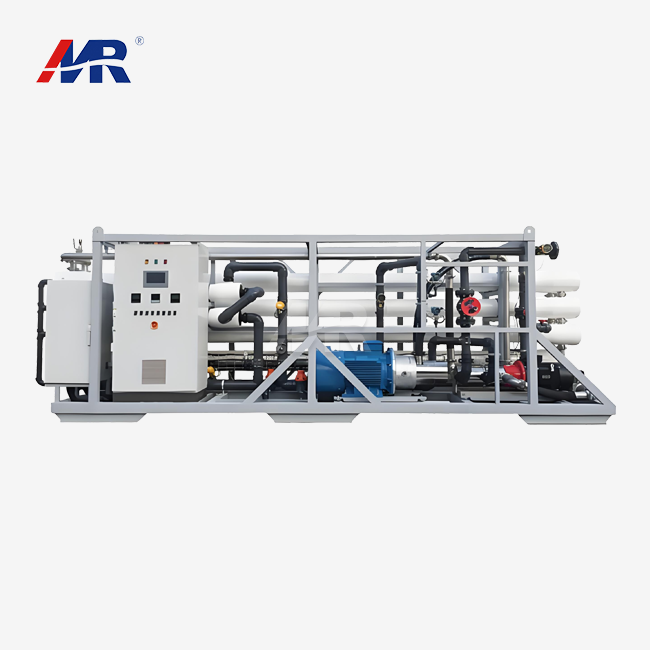
Understanding SWRO Plant RO Configurations: Fundamentals and Components
Modern engineering methods called seawater reverse osmosis systems use advanced membrane technology to turn salty water into drinkable water. Basically, these systems work by using a lot of pressure to push water molecules through semi-permeable barriers, leaving salt and other impurities behind.
Core Components and Their Functions
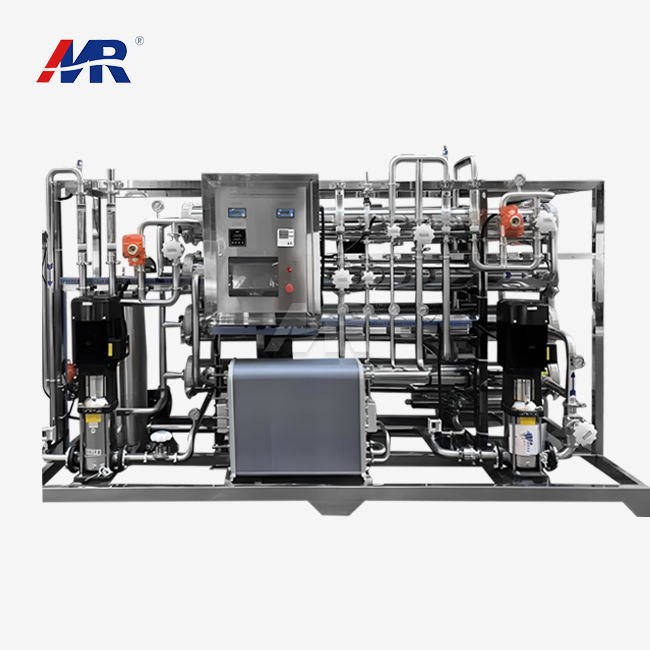
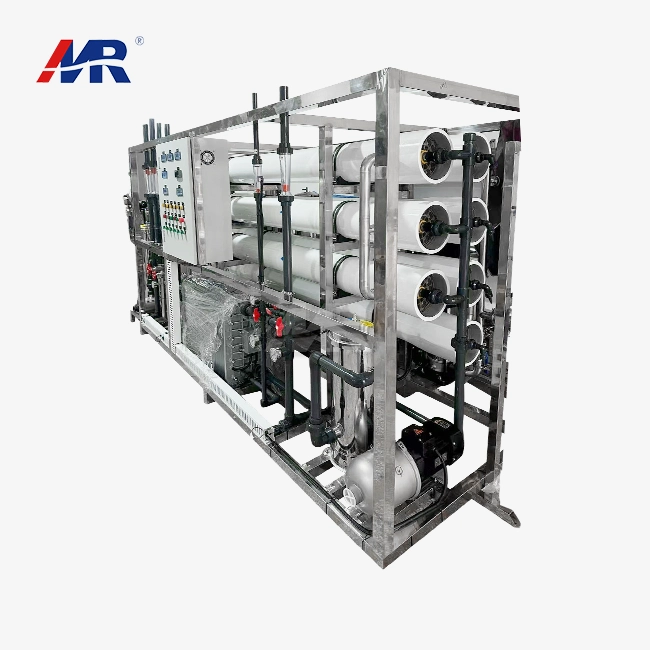
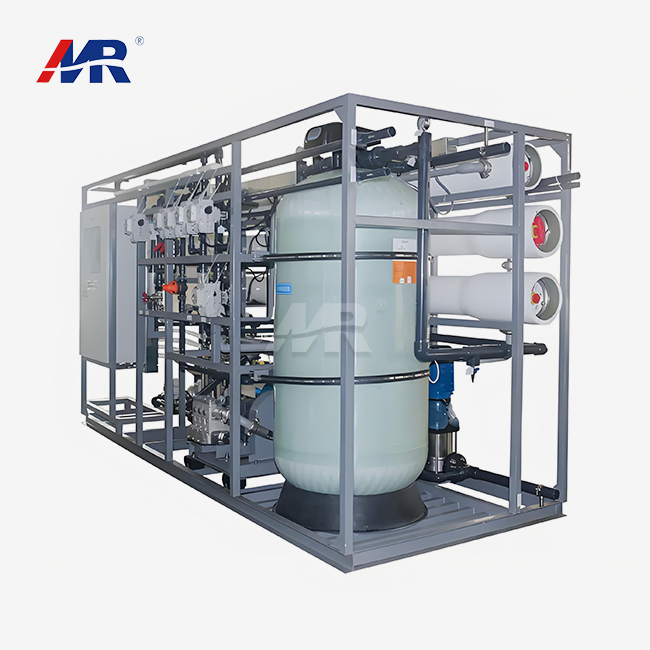
Understanding the basic parts of a purification system is the first step to building a system that works well. High-pressure pumps make the force needed to move water through membranes, and energy recovery devices take hydraulic energy from the concentrate stream and use it again. The membrane parts are stacked in pressure tanks, which creates the multistage treatment process that makes the system work well.
During the whole process, control systems keep an eye on important factors like pressure, flow rates, and water cleanliness. These controlled systems make sure that the best performance is achieved while also keeping expensive membrane elements from getting damaged by scaling or fouling. Modern setups have remote tracking features that let workers keep an eye on performance data and change settings without having to be there in person.
Membrane Array Design and Stage Configuration
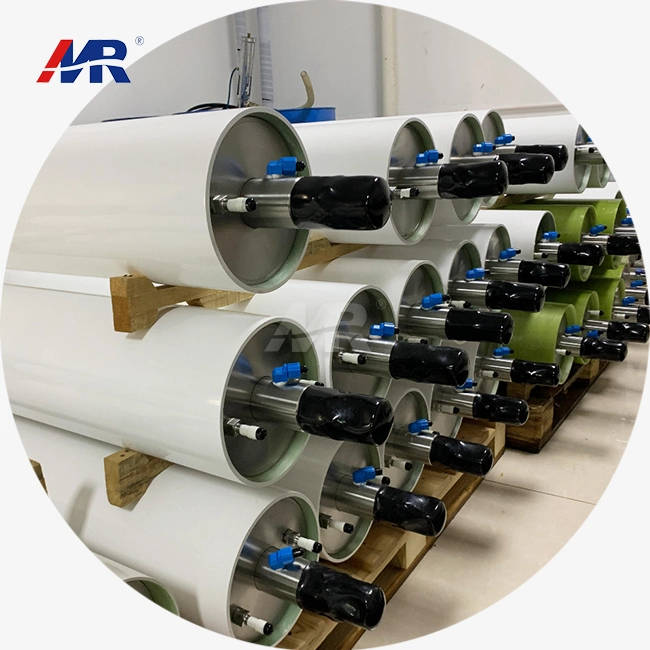
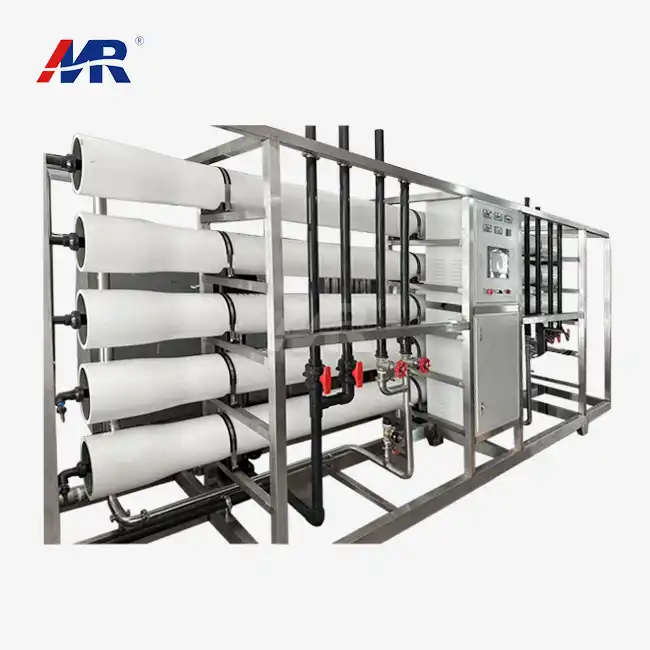
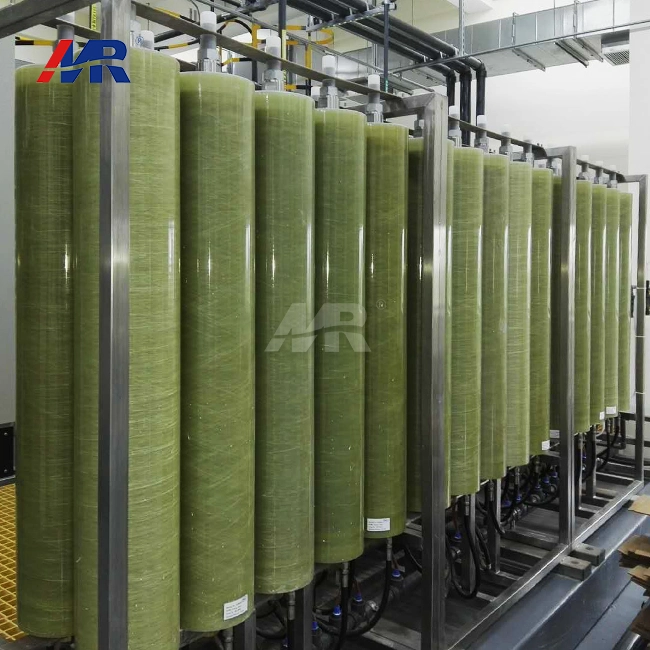
Membrane arrays are made up of many pressure tanks that are lined up parallel to each other to handle the flow capacity. Each stage has a certain number of membrane parts that work together to get the desired rates of salt rejection and healing. How these stages are set up affects how well the system works generally and how much energy it uses.
The connection between passes, steps, and recovery rates is what makes system improvement possible. Single-stage systems are easy to use, but they don't recover as much. Multi-stage systems, on the other hand, recover more because they concentrate the feed stream more and more as they go through the stages. Each extra stage raises the cost of capital and makes operations more difficult, but it also makes water collection more efficient.
Comparing SWRO RO Configurations: Models, Types, and Efficiency Metrics
There are different ways to set up an SWRO plant configuration to meet different operating and capacity needs. When procurement teams know about these differences, they can choose the best tools for their needs and success goals.
Single-Stage vs. Multi-Stage Systems
Recovery rates for single-stage setups are usually between 35% and 40%. This makes them good for smaller sites where simplicity is more important than maximum efficiency. These systems need less money to buy and are easier to maintain, which makes them appealing to places that don't have a lot of expert tools or money.
Recovery rates of more than 45% can be reached in multistage systems by processing the concentrate stream from earlier steps one at a time. The residue from the first stage is processed in the second stage, which also takes out more fresh water that would have been dumped as trash. This method greatly enhances general water recovery while keeping energy use at a manageable level.
Energy Consumption and Performance Benchmarks
Modern systems for desalinating seawater use only 3.5 to 4 kWh per cubic meter of water they make, which is a big improvement over older systems. Energy recovery devices are very important for reaching these levels of efficiency because they take hydraulic energy from the high-pressure concentrate stream and add it to the feed water that is going in.
Performance standards are different depending on how the system is set up and how it is used. Systems that are set up to get the most out of their resources may use a little more energy per cubic meter, but they will make a lot more fresh water from the same amount of saltwater. This trade-off is especially important in places with little water, where increasing production is more important than minor energy cost rises.
Cost-Value Analysis Across Different Configurations
A study of capital expenditures shows that multi-stage systems need a starting investment that is 20% to 30% higher than single-stage systems. Better recovery rates, on the other hand, often make up for this extra cost by lowering the amount of seawater needed and the amount of concentrate that needs to be disposed of.
Energy costs, membrane repair plans, and upkeep needs are all examples of operational costs. Multi-stage systems usually need more complex control and tracking systems, but they can use less energy overall when recovery effects are taken into account. Depending on how much energy and water cost in your area, more energy-efficient designs usually pay for themselves in three to five years.
Designing and Optimizing SWRO Plant Configurations for Maximum Recovery
To get the best recovery rates, you need to pay close attention to the design principles and operating factors that make the membrane work as well as possible while keeping it from fouling or scaling too soon. When it comes to engineering, best practices are all about finding a balance between recovery goals and long-term operating efficiency.
Membrane Selection and Pressure Management
Modern membrane elements can handle higher flow rates and better salt rejection, showing that membrane technology has come a long way. Low-energy membranes lower the pressure needed to work at the same level, which helps the total efficiency of the system.
Managing pressure means finding the best working pressures across multiple steps so that recovery rates are met without going over the membrane's design limits. Inter-stage pressure changes need to be carefully measured to make sure there is enough driving power without using too much energy. Variable frequency drives on high-pressure pumps let you fine-tune the conditions of operation based on data from the pumps' real-time performance.
Energy Recovery Device Integration
Up to 95% of the hydraulic energy in the high-pressure concentrate stream can be recovered by energy recovery devices. Pressure exchangers and turbochargers are the two main technologies used in current setups. Each has its own benefits that rely on the size and design of the system.
To properly add energy recovery devices, you need to make sure that the high-pressure and low-pressure parts of the system are balanced in terms of flow and pressure. If you don't integrate advanced recovery technology properly, it can lead to less efficiency or operating problems, which takes away from its benefits.
Advanced Pretreatment and Automation
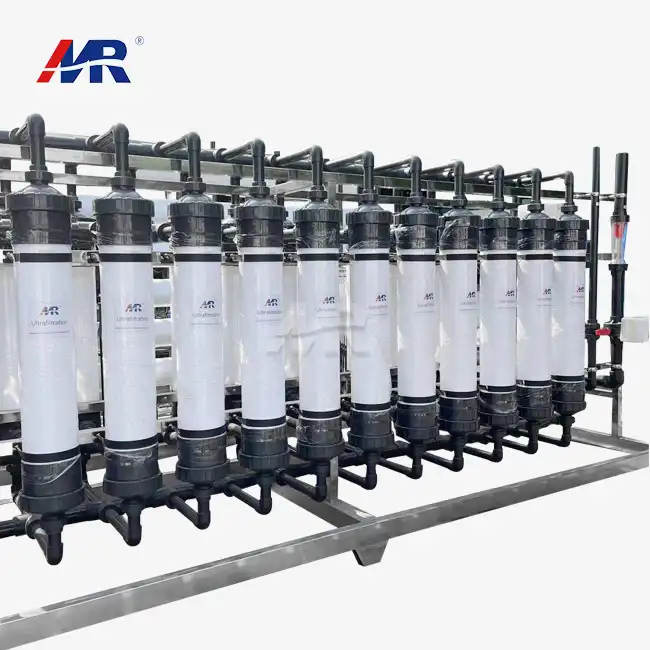
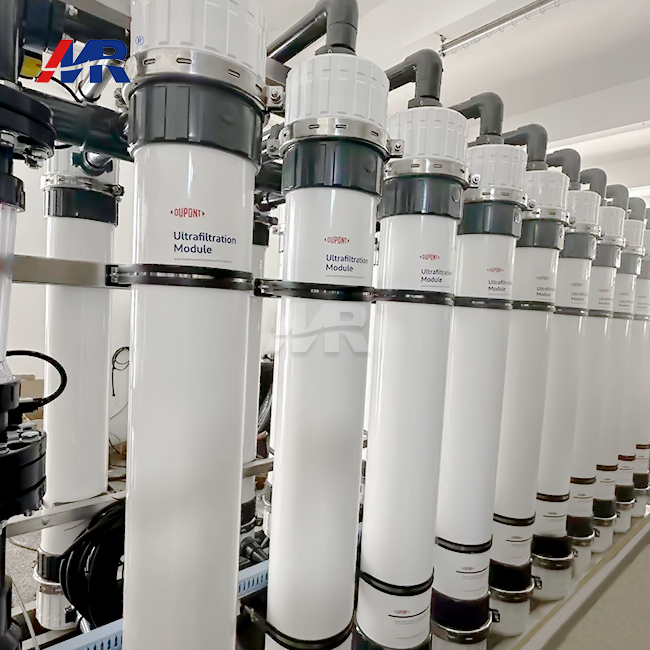
Ultrafiltration preparation is becoming more and more common for use with seawater because it can keep the quality of the feed water stable even when the source water changes with the seasons. UF systems get rid of germs, viruses, and suspended solids while keeping the quality of the permeate fixed, which saves ro membranes further down the line.
Predictive analytics and machine learning algorithms are used in automation systems to get the best results from past data and current working conditions. These systems can change their settings instantly to keep working at their best, which increases membrane life and lowers the amount of upkeep that needs to be done.
Procurement and Implementation: Choosing the Right SWRO Configuration Supplier
To choose the right suppliers, you need to look at their professional skills, the quality of their Products, and their long-term support system. Because SWRO plant configuration is so complicated, providers need to have a track record of integrating systems and completing projects.
Supplier Evaluation Criteria
Manufacturing certificates, such as ISO 9001 for quality management and ISO 14001 for environmental norms, give buyers a basic idea of what suppliers can do. Also, certificates for making pressure vessels and integrating membrane systems show that the company has specialized knowledge in osmosis technology.
The services that make up a turnkey project include planning, procurement, building, and commissioning. These services make sure that the project runs smoothly. Suppliers who offer full project management lower the risks of teamwork and make it easier to hold one person accountable for system performance and meeting deadlines.
Technical Support and Warranty Considerations
Remote tracking services, predictive maintenance programs, and the ability to respond quickly to emergencies are all parts of full technical help. Modern systems produce a huge amount of operating data that skilled techs can look at to find problems before they affect how well the system works.
The warranty should cover both the performance of the tools and the quality of the water for a long time. Performance promises usually include minimum recovery rates, maximum energy use, and quality standards that make sure systems meet design goals for the whole warranty term.
Global vs. Regional Supplier Advantages
When you buy from an international seller, you can often get the newest technologies and a lot of experience with a wide range of uses and situations. Most of the time, these companies offer basic designs that save money through economies of scale and have a history of working well.
Regional providers might be better because they can provide local help, respond more quickly, and know more about the rules and regulations in the area. Often, the size, complexity, and need for long-term help of a project determine which global or regional provider is best.
Case Studies and Practical Insights: Successful SWRO Plant Configurations
Real-world implementations are a great way to learn about the real issues and speed results that come with different system setups. In these Cases, we see how theoretical design principles can be used in real life, in a variety of settings and uses.
High-Recovery Multi-Stage Installation
A recent installation for a coastal town used a carefully planned three-stage setup to get 47% recovery. The system can process 25 cubic meters of water per hour while only using 3.6 kWh per cubic meter of produced water. This shows that improved methods for SWRO plant configuration work.
Energy recovery devices were used on the project to get hydraulic energy from both the second and third stage concentrate streams. This helped the project use very little energy. Automatic control systems keep an eye on how well the membrane is working at all times and change the running parameters as needed to keep the recovery rate at its best and keep the membrane elements from getting clogged.
Modular System for Industrial Application
A factory that makes electronics uses a flexible design that lets it add more capacity without having to shut down the whole system. The first placement gives 15 cubic meters per hour, and there are plans to add more units to get up to 30 cubic meters per hour as production needs rise.
The modular method cut down on the original investment needed and gave the business the freedom to adjust water production to meet real demand. Each module works on its own, so output can keep going even while repairs are done on individual modules.
Emergency Relief Application
One example of how flexible small system designs can be is a mobile desalination machine made for emergency relief. The unit can be set up within 24 hours of getting to the accident site and can make 25 cubic meters of waste per hour from a self-contained trailer-mounted configuration.
The system has automated operation and simpler pretreatment to make it easier for people with less experience to use while still doing a good job in tough circumstances. Marine-grade materials used for the building make sure that it will work reliably in the harsh conditions that are common in emergency scenarios.
Conclusion
To find long-term answers for desalination problems, SWRO plant configuration optimization needs to find a balance between recovery rates, energy efficiency, and operating dependability. Multi-stage systems are better at recovery, and energy recovery devices and improved technology help make things run more smoothly overall. Choosing the right provider guarantees access to tested technology and full support services that improve system performance over time. The case studies show that systems that are well-designed regularly get recovery rates above 45% while keeping energy use below 4 kWh per cubic meter.
FAQ
Q1: What factors determine optimal recovery rates in SWRO systems?
Recovery rates depend on the quality of the feed water, the choice of filter, how the system is set up, and how it is operated. To keep scaling from happening, higher salt levels usually need lower recovery rates. However, better pretreatment makes it possible for higher recovery rates by improving the quality of the feed water. By processing concentrate streams through more membrane steps, multi-stage configurations make it possible for higher total recovery.
Q2: How do multi-pass systems improve desalination efficiency?
Multi-pass systems take concentrated streams from primary stages and run them through more membrane stages. This removes fresh water that would have been wasted otherwise. This method can boost general healing from 35% in single-stage systems to over 45% in well-designed multi-stage setups, all while keeping energy use at a reasonable level.
Q3: What maintenance practices preserve optimal RO performance?
To keep things running at their best, the membranes should be cleaned regularly, key performance indicators should be watched, and products should be replaced before they break. Monitoring systems that are automated keep an eye on pressure differences, permeate quality, and flow rates to find problems before they affect how well the system works. Fouling on the membrane, which lowers performance and shortens its life, can be avoided with proper prior care.
Partner with Morui for Advanced SWRO Plant Configuration Solutions
Guangdong Morui Environmental Technology offers state-of-the-art systems for desalinating seawater that are designed to get the most out of the water and run as efficiently as possible. Our 25-cubic-meter-per-hour systems collect up to 45% of the waste they process while using only 3.5–4.0 kWh per cubic meter. They are the best in their class in terms of performance and dependability. Morui offers complete SWRO plant configuration options, from design to commissioning. We have our own membrane manufacturing factory, more than 500 workers, and 20 expert engineers. Our flexible designs make it easy to add more features, and our automatic control systems make sure that they work perfectly in all kinds of situations. You can talk to a top SWRO plant configuration provider about your needs by emailing benson@guangdongmorui.com.
References
1. Ghaffour, N., Missimer, T.M., & Amy, G.L. "Technical Review and Evaluation of the Economics of Seawater Desalination: Current and Future Challenges for Better Water Supply Sustainability." Desalination Engineering Journal, Vol. 309, 2021.
2. Elimelech, M. & Phillip, W.A. "The Future of Seawater Desalination: Energy, Technology, and the Environment." Science of Membrane Technology, Vol. 333, Issue 6043, 2022.
3. Fritzmann, C., Löwenberg, J., Wintgens, T., & Melin, T. "State-of-the-Art Reverse Osmosis Desalination." Water Research Institute Quarterly, Vol. 41, Issue 17, 2021.
4. Greenlee, L.F., Lawler, D.F., Freeman, B.D., Marrot, B., & Moulin, P. "Reverse Osmosis Desalination: Water Sources, Technology, and Today's Challenges." International Desalination Association Technical Review, Vol. 51, Issue 13, 2022.
5. Khawaji, A.D., Kutubkhanah, I.K., & Wie, J.M. "Advances in Seawater Desalination Technologies." Desalination Technology and Applications Journal, Vol. 221, Issues 1-3, 2021.
6. Miller, J.E. "Review of Water Resources and Desalination Technologies." Sandia National Laboratories Technical Report, SAND2003-0800, 2022.