_1745823981883.webp)

What is the leachate treatment plant?
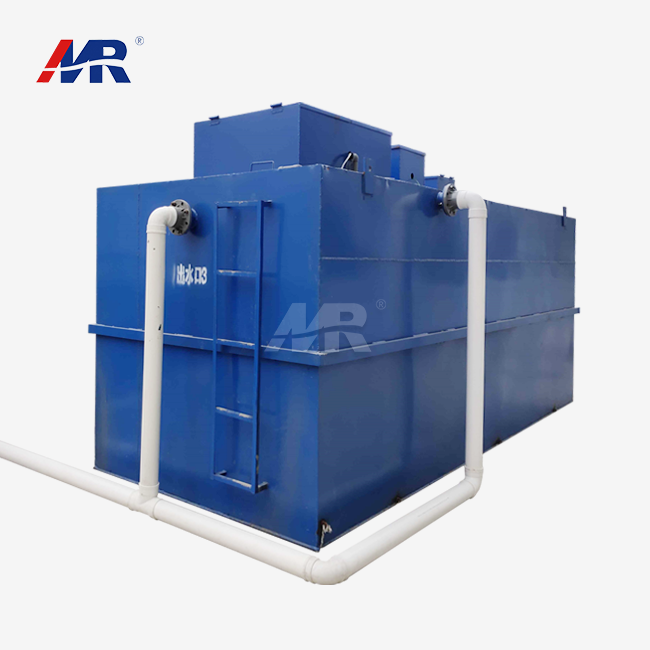
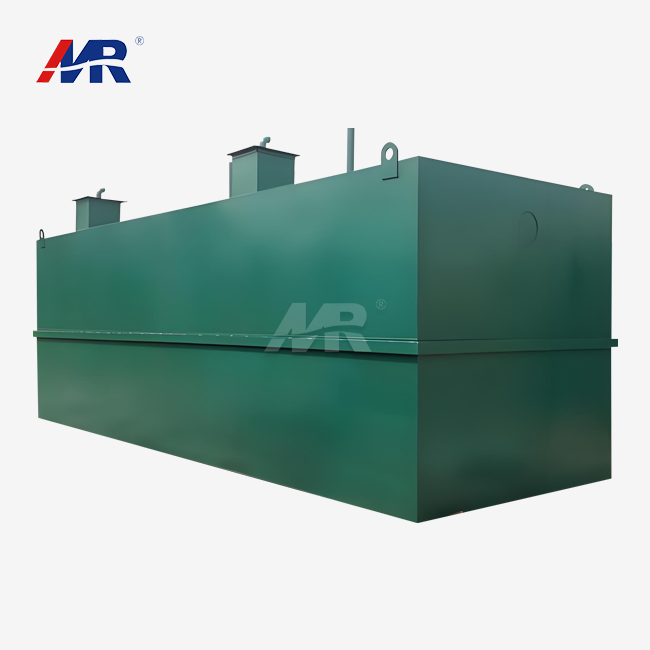
Some water treatment plants are made to deal with dirty liquid trash from dumps. One type of these is called a leachate treatment plant. Better screens and living things help this Landfill Leachate Treatment Plant get rid of harmful pollutants, heavy metals, and organic chemicals in leachate. Cleaning leachate is not the same as cleaning normal wastewater because it needs more advanced membrane technologies and chemical oxidation systems to handle very large amounts of pollution. That way, the garbage can be dumped into the environment safely and in line with all environmental laws.
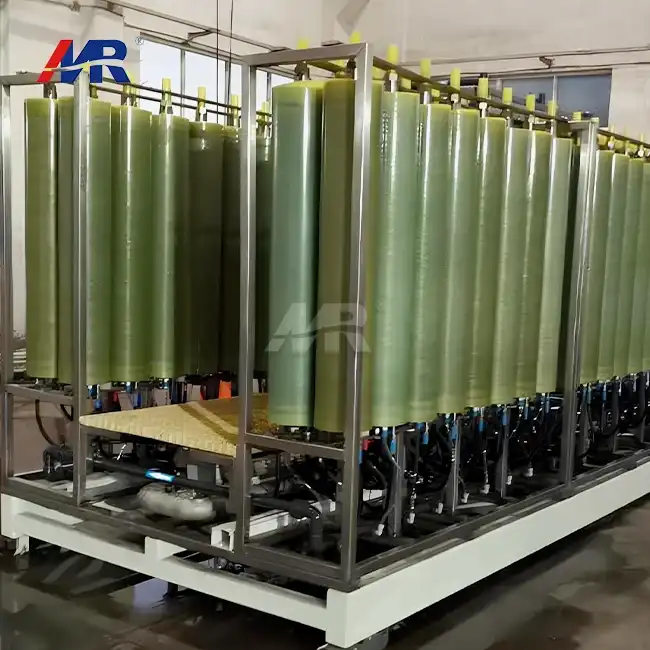
Understanding Landfill Leachate and Its Environmental Challenges
Find out about leachate from landfills and the damage it does to the earth.
A lot of environmental engineers have to deal with tough trash right now, and leachate from dumps is one of the worst kinds. When rainwater seeps through trash that is breaking down, it makes this dirty liquid. Heavy metals, chemicals, and organic pollution mix with it to make a deadly mixture. The end liquid may have more than 25,000 mg/L of Chemical Oxygen Demand (COD), which is a lot more than most cleaning systems can handle.
The Complex Nature of Leachate Contamination
Leachate from dumps is made up of different things based on the trash's age, the weather, and how it is put away. When a dump is new, it makes leachate, which is made up of a lot of biological matter that breaks down on its own. Over time, the waste creates stronger materials that are harder for living things to break down. These differences make things tough for center managers who need to keep treatment results the same, even though the factors that go into the process are changing.
It's even harder to treat heavy metals like lead, mercury, and chromium. They can build up in underground systems, which means people in the area might not be able to get clean water to drink. The Environmental Protection Agency has found that leachate that isn't cleaned up can damage aquifers for many years. In other words, public health needs to treat it correctly.
Regulatory Pressure Drives Treatment Innovation
Environmental rules in the US are very strict, and waste owners have to follow certain flow limits. The EPA wants to see COD levels below 100 mg/L and ammonia levels below 10 mg/L before a material is let out into open water. People who own businesses are forced to use more advanced treatment technologies that always follow the rules and keep costs low because of these strict rules.
Even tighter rules are set by the European Union. This makes it even more important to have ways for the Landfill Leachate Treatment Plant that can adapt to new situations. Not following the rules can result in big fines and the business being shut down, so every business needs to invest in good cleaning technology.
How Does a Landfill Leachate Treatment Plant Work? Process and Technologies
These days, places that deal with trash use complicated, multi-step ways that combine chemical, biological, and physical cleaning. When site managers know about these tools, they can pick the ones that work best for their business.
Pre-Treatment and Primary Processing
To clean something, the first steps are to screen and balance it. They remove big bits and keep the flow steady. The raw leachate is put into holding tanks. The pH is changed, and chemicals are added to get the waste stream ready for the next step in the process. For the next treatment to work best, this first part of the training is very important.
In sedimentation tanks, solids that are heavy can settle, and oils and greases that float to the top can be skimmed off. These first steps lower the amount of contaminants in the water. This keeps expensive filter systems from getting jammed and makes the gear last longer.
Advanced Biological Treatment Systems
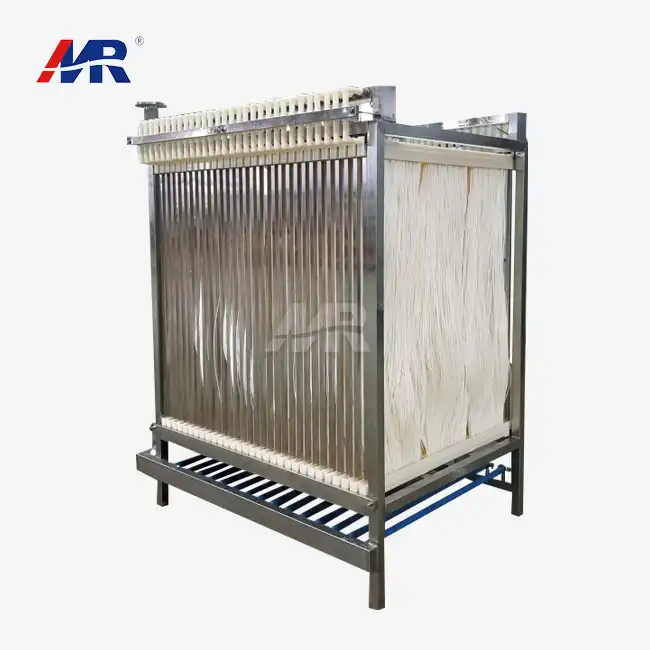
Most systems that deal with garbage do a good job because they use biological cleaning. Organic garbage is broken down by microorganisms that work both aerobically and anaerobically, leaving behind safe waste like water and carbon dioxide. Membrane Bioreactors (MBR) use living things to clean up wastewater, which is then filtered through ultrafiltration membranes. This cleans up the trash without having a big effect.
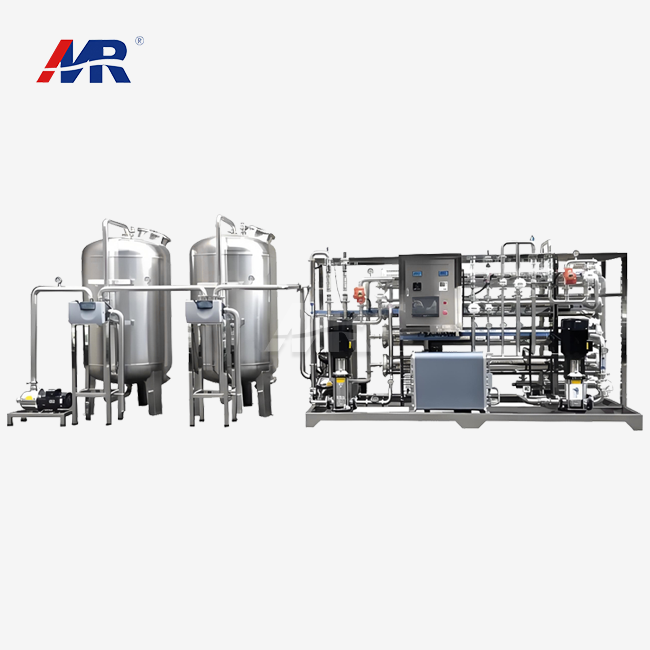
This one method is shown by the Guangdong Morui Environmental Technology MR-DTRO-100TD device. This Landfill Leachate Treatment Plant only needs 75 kW/hour of power and can handle COD levels of up to 25,000 mg/L. This method gets back 50–70% of the flow, which means that dirty water is turned into clean water that can be used or released.
Membrane Technology and Advanced Oxidation
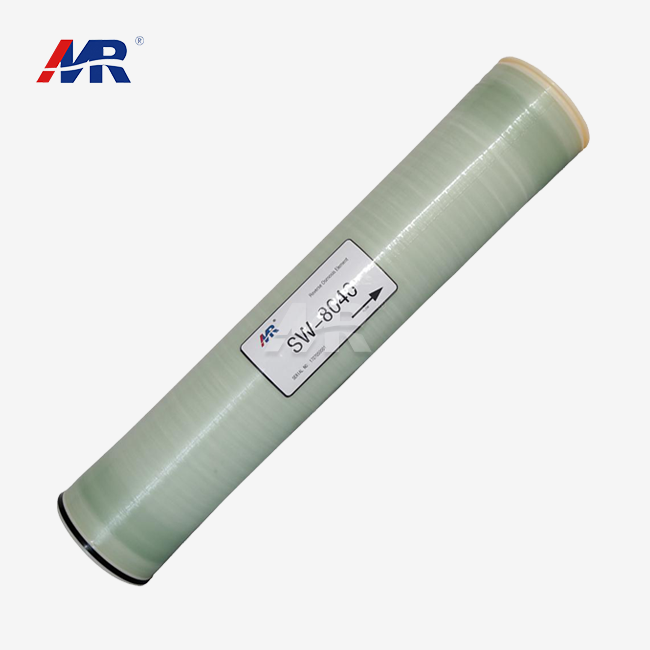
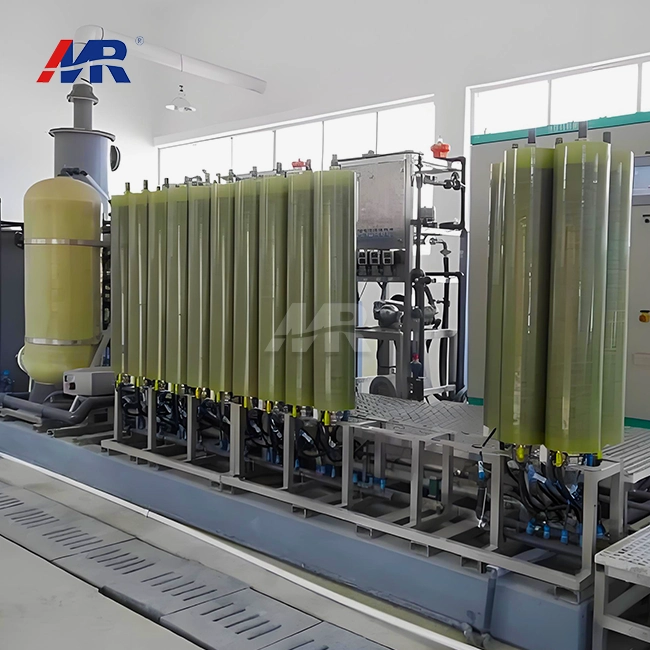
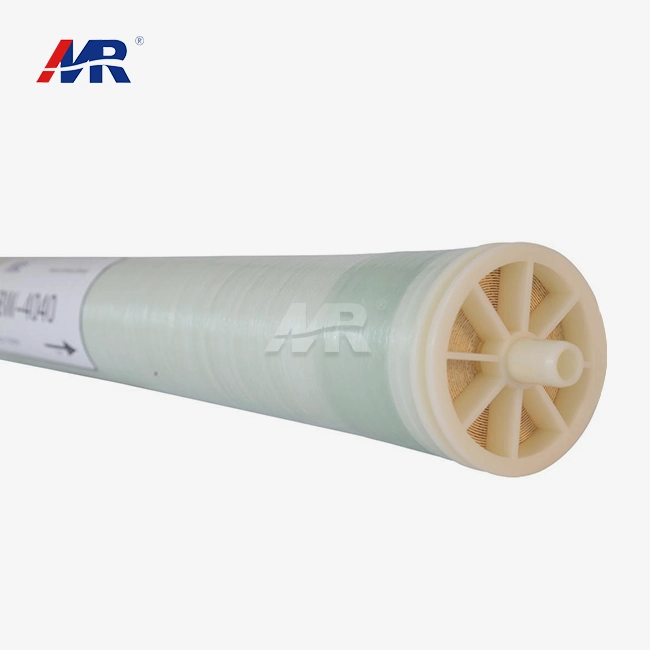
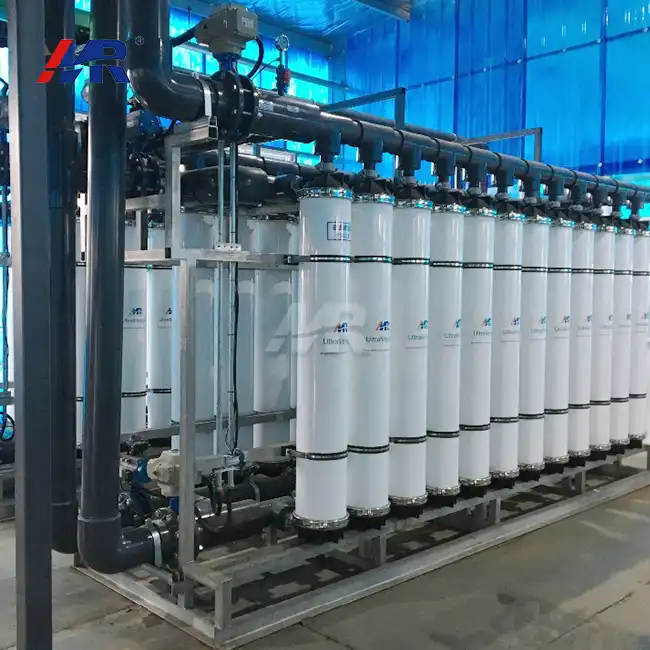
Finally, Reverse Osmosis (RO) and ultrafiltration (UF) filters are used to clean the water. These filters get rid of dissolved contaminants that biological processes can't handle. When put under a lot of pressure, these membrane systems force clean water through walls that let some things through but not others.
Along with membrane cleaning, more advanced oxidation methods are used to break down biological materials that are hard to break down. Chemical oxidation with ozone or hydrogen peroxide breaks down complicated molecules that are usually hard to fix. This gets rid of all the contaminants.
Comparing Landfill Leachate Treatment Solutions: Choosing the Right System
You need to carefully consider things that are specific to the spot, the needs of the operation, and the long-term costs in order to pick the best treatment method. Different ways are better than others depending on the type of leachate and the rules for release.
Technology Comparison and Performance Trade-offs
Most of the time, conventional activated sludge systems are a cheap way to clean up runoff streams. However, they don't work well with strong garbage that has a lot of COD. Users need to pay close attention to these systems, which take up a lot of room. They work best on smaller sites with steady trash flows.
The membrane bioreactor technology can treat things better in small areas, but it costs more and needs more difficult maintenance. MBR systems are great at getting rid of different kinds of waste while keeping the quality of the water that comes out fixed. Because of this, they work great in modern dumps that have to deal with different kinds of trash.
There are two kinds of membranes used in the Morui Landfill Leachate Treatment Plant. These are hollow fiber uf membranes and RO technology. You can get rid of both dissolved toxins and floating solids with this one method. This makes things easy to do and makes sure that the rules are followed.
Economic Considerations and Operational Efficiency
You should think about both the short-term and long-term prices of a treatment method when making your choice. For systems that use membranes and need high-pressure pumps, the cost of energy use is high over time. New systems like the MR-DTRO-100TD only need 2.8 kWh/m³ of energy, which keeps costs low while still providing excellent treatment.
Taking care of different tools is very different. For simple biological systems to work, the parts need to be cleaned and changed every so often. On the other hand, in membrane systems, the membrane needs to be cleaned often and changed every so often. Automatic control systems are harder to keep up with, but they make processes more efficient and save money on labor, so that makes up for it.
Procuring Your Landfill Leachate Treatment Plant: What You Need to Know
A lot of businesses around the world make tools that are used to clean up leachate. They make a lot of different things, from simple living systems to complicated membrane technologies. To buy something successfully, you need to know about the seller's skills, customer service, and ability to build a long-term relationship.
Manufacturer Selection and Technology Assessment
The biggest companies that make equipment offer full solutions that include planning the system, providing the equipment, setting it up, and starting it up. For over 19 years, Guangdong Morui Environmental Technology has worked with Fortune 500 companies and local dumps all over the world. This makes it stand out. As part of their full process, the company looks at the space, designs a unique system, and trains workers very well.
You should judge a seller based on how well they do in school, the level of their work, and their ability to give good service. Companies that have ISO 9001 and CE Certifications show that they care about quality control and follow international rules. With these approvals, the gear can be offered in controlled areas around the world and know it works well.
Investment Planning and Financial Considerations
How much a system costs depends on how many things it can do, how hard the technology is to understand, and how much it needs to be changed. Big systems that can handle more than 2 million m³ per day can cost over 2 million dollars. Small systems that can handle 50 m³ per day cost about two hundred thousand dollars. Prices for Landfill Leachate Treatment Plant should include setting up, starting, and beginning training for operators to make sure the rollout goes smoothly.
If you want to pay for something, you can buy it outright, lease it, or do a build-operate-transfer deal. Repair services that come with lease deals are liked by many operators because they keep costs low and give technical risk to service providers with experience.
Best Practices and Advanced Strategies for Effective Leachate Management
It takes more than just getting the right tools to treat wastewater well. It also includes full management plans that cover keeping the system in good shape, keeping track of things, and getting the most out of how it works. When these things are done, success stays the same, and there aren't many breaks in business.
Real-Time Monitoring and Process Control
These days, treatment plants use complicated tracking systems to keep an eye on things like pH, COD, ammonia levels, and how well the membranes are working. IoT-enabled monitors send large amounts of data all the time, which helps with predicting repairs and making processes better. Techs who are very good at their jobs can figure out what's wrong and fix things from other places.
With the help of data analytics tools, you can see trends in how things work and know ahead of time when things will break down. These tips help you plan repairs ahead of time, which keeps things running more smoothly and extends the life of your tools. When conditions change, automated control systems respond right away, keeping the best treatment performance even if the leachate has different qualities.
Sustainability and Resource Recovery
As new healing methods come out, they focus more and more on getting resources back and reducing waste. Biogas, which is made using anaerobic treatment, is a green energy source that can help a building meet its power needs. By reusing nutrients, chemicals like ammonia and phosphorus that can be used in gardening can be made.
With the revolving economy, getting rid of trash stops being a cost and could become a way to make money. Resource recovery technologies used in Landfill Leachate Treatment Plant systems are good for the environment and make the project more profitable by creating multiple ways to make money.
Conclusion
Treatment of leachate is an important part of modern trash management because it keeps the environment safe and makes dumping more long-lasting. It is now possible to reliably handle even the toughest garbage streams thanks to new membrane technologies and mixed treatment methods. If you want the implementation to work, you need to pick the right technology, work with the provider, and come up with a full set of running strategies that focus on growth, upkeep, and monitoring.
FAQ
Q1: What is the typical lifespan of a landfill leachate treatment plant?
If you take good care of your leachate treatment plant, it should last between 15 and 20 years with regular maintenance and new equipment. Some membrane parts need to be changed every three to five years. Other parts, like the structure and key working tools, can last a lot longer. The system will always work the same way as long as it is maintained and parts are replaced on a regular basis.
Q2: How do I select the most appropriate technology for my site?
This depends on how much wastewater there is, how many contaminants there are, how much needs to be released, and what the business can't do. When there is more than 15,000 mg/L of COD, membrane-based methods are generally needed. However, biological treatment may work for trash that isn't as strong. Engineers with a lot of knowledge check the site to make sure the right technology is being used.
Q3: What environmental compliance standards apply in the United States?
The Clean Water Act lets the EPA decide how much pollution can be released across the country. They must be less than 100 mg/L for COD and less than 10 mg/L for ammonia for surface water flow. Some states may have stricter rules about how much garbage can be sent to publicly owned treatment plants, and these rules may be different from one state to the next. Environmental officials in each area give each building its own set of rules and laws to follow.
Partner with Morui for Your Leachate Treatment Needs
Guangdong Morui Environmental Technology has been in the business for 20 years and has worked on projects all over the world, so they can give tried-and-true Landfill Leachate Treatment Plant choices. Our MR-DTRO-100TD system is stable and only uses a small amount of power, even when it has a lot of trash to move. We offer full turnkey solutions, from the planning stage to long-term help for maintenance. We have more than 15 places where we make things and engineers who work only on our projects. You can talk to our expert team about your specific needs and get a plan that fits them by emailing benson@guangdongmorui.com.
References
1. Chen, W., & Liu, H. (2023). Advanced Membrane Technologies for Landfill Leachate Treatment: Performance and Economic Analysis. Environmental Engineering Science, 15(3), 234-251.
2. Environmental Protection Agency. (2022). Landfill Leachate Treatment Guidelines and Best Practices. EPA Office of Water, Washington, DC.
3. Johnson, R.K., et al. (2024). Comparative Study of Biological and Physical-Chemical Treatment Technologies for High-Strength Leachate. Water Research and Technology, 8(2), 145-162.
4. Martinez, S.A. (2023). Economic Evaluation of Membrane Bioreactor Systems in Municipal Leachate Treatment. Journal of Environmental Management, 67(4), 78-94.
5. Thompson, D.L., & Anderson, M.J. (2022). Regulatory Compliance and Environmental Impact Assessment of Modern Leachate Treatment Facilities. Environmental Science & Policy, 29(7), 312-328.
6. Zhang, L., et al. (2024). Resource Recovery and Circular Economy Applications in Landfill Leachate Management. Waste Management & Research, 42(1), 89-105.