

_1745823981883.webp)

How Does an Electrodeionization System Work? A Comprehensive Guide to Continuous Water Purification
An electrodeionization system, also known as an edi system, is a progressive water filtration innovation that combines particle trade films and power to ceaselessly evacuate particles from water without requiring chemical recovery. This imaginative handle produces ultra-pure water by applying an electric field over an arrangement of particle trade layers and gum beds. The EDI technology offers a few points of interest over conventional deionization strategies, including steady high-purity water generation, chemical-free operation, and negligible upkeep necessities. In this comprehensive direct, we'll investigate the inner workings of electrodeionization systems, their key components, and how they accomplish continuous water filtration for various mechanical applications.

What is the working principle of a continuous EDI unit?
The persistent electrodeionization prepare depends on a combination of particle trade, electrodialysis, and electrochemistry to filter water. Here's a step-by-step breakdown of how an EDI system operates:
Feed water introduction
Pre-treated water, typically from a reverse osmosis (RO) system, enters the EDI module. This feed water already has a low level of dissolved solids, usually less than 20 parts per million (ppm).
Ion exchange resin chambers
The water flows through chambers filled with mixed-bed ion exchange resins. These resins are composed of tiny beads that attract and capture positively charged cations and negatively charged anions from the water.
Application of an electric field
An electric potential is applied across the EDI module, creating a direct current (DC) electric field. This field drives the ion removal process and continuously regenerates the ion exchange resins.
Ion migration through selective membranes
The module contains alternating cation-selective and anion-selective membranes. Under the influence of the electric field, cations move towards the cathode and anions towards the anode, passing through their respective membranes.
Concentration and dilution streams
As ions are removed from the feed water, two distinct streams are created within the EDI module:
- Dilute stream: This is the filtered water, presently exhausted of particles, which exits the module as the item water.
- Concentrate stream: This stream contains the expelled particles and is independently released from the system.
Continuous regeneration
One of the key preferences of EDI technology is its capacity to persistently recover the particle trade gums. The electric field parts water particles into hydrogen and hydroxyl particles, which recover the cation and anion tars, separately. This preparation disposes of the requirement for chemical recovery, making EDI a more ecologically neighborly and cost-effective arrangement for long-term operation.
Ion transport, concentrated streams, and electrode reactions explained
To fully understand how an electrodeionization system achieves continuous water purification, it's essential to delve into the complex processes of ion transport, concentrate stream management, and electrode reactions. Let's examine each of these components in detail:
Ion transport mechanisms
The movement of ions within an EDI module is governed by two primary mechanisms:
- Electromigration: This is the development of particles due to the connected electric field. Emphatically charged cations are pulled into the contrarily charged cathode, whereas contrarily charged anions move towards the emphatically charged anode.
- Diffusion: Particles moreover move from regions of high concentration to regions of moo concentration, following concentration gradients inside the module.
These mechanisms work in tandem to ensure efficient ion removal from the feed water. The ion exchange resins act as a bridge, facilitating the transfer of ions from the dilute chambers to the concentrate chambers.
Concentrate stream management
The concentrate stream plays a crucial role in the EDI process:
- Ion collection: As particles are evacuated from the nourish water, they gather in the concentrate stream. This stream regularly has a much higher particle concentration than the bolster water.
- Flushing: The concentrate stream is persistently flushed out of the EDI module to prevent the top buildup of particles, which seems to diminish the system's efficiency.
- Recirculation: In a few EDI plans, a portion of the concentrate stream is recycled to keep up ideal particle concentrations and progress generally system performance.
Proper management of the concentrate stream is essential for maintaining the EDI system's efficiency and preventing scaling or fouling of the membranes.
Electrode reactions
At the electrodes of an EDI module, important reactions occur that contribute to the overall purification process:
Cathode reactions:
At the negatively charged cathode, water molecules are reduced, producing hydrogen gas and hydroxyl ions:
2H2O + 2e- → H2 + 2OH-
Anode reactions:
At the positively charged anode, water molecules are oxidized, producing oxygen gas and hydrogen ions:
2H2O → O2 + 4H+ + 4e-
These electrode reactions have several important functions in the EDI process:
- Resin recovery: The hydrogen and hydroxyl particles created at the terminals offer assistance in recovering the particle trade tars, keeping up their adequacy without chemical additives.
- pH control: The generation of H+ and Goodness- particles makes a difference in adjusting the pH inside the module, avoiding over the top corrosiveness or alkalinity that may influence refinement efficiency.
- Gas generation: The hydrogen and oxygen gases created are ordinarily vented from the framework, even though in a few plans, they may be collected for other uses.
Design choices: single-pass vs multi-stage EDI configurations
When planning an EDI system for particular applications, engineers must consider different components to optimize execution and meet water quality requirements. One key choice is whether to execute a single-pass or multi-stage setup. Let's investigate these plan choices and their implications:
Single-pass EDI configuration
In a single-pass EDI system, the feed water flows through one EDI module or a set of modules connected in parallel. This configuration is often suitable for applications where:
- The nourished water has moderately low total dissolved solids (TDS)
- The required item water quality is not amazingly high
- Space and capital costs are essential concerns
Advantages of single-pass EDI:
- Simpler system plan and lower introductory costs
- Smaller impression, perfect for space-constrained installations
- Lower vitality utilization compared to multi-stage systems
- Easier support and operation
Limitations of single-pass EDI:
- May not accomplish the most noteworthy conceivable water purity levels
- Less adaptability in dealing with bolster water quality variations
- Potentially lower in the general recuperation rate
Multi-stage EDI configuration
A multi-stage EDI system consists of two or more EDI modules or stages connected in series. This configuration is typically employed when:
- Extremely high-purity water is required (e.g., semiconductor manufacturing)
- The feed water has higher TDS or more challenging ion profiles
- Greater operational flexibility is needed
Advantages of multi-stage EDI:
- Achieves higher overall water purity levels
- Better handling of feed water quality fluctuations
- Improved system recovery rates
- Greater operational flexibility and redundancy
Limitations of multi-stage EDI:
- Higher initial capital costs
- Larger system footprint
- Increased energy consumption
- More complex operation and maintenance requirements
Choosing the right configuration
Selecting between single-pass and multi-stage EDI configurations depends on several factors:
- Feed water quality: Higher TDS or more complex particle profiles may require multi-stage systems.
- Product water details: Ultrapure water applications frequently require multi-stage configurations.
- System capacity: Bigger capacity prerequisites might favor multi-stage plans for better efficiency.
- Available space: Single-pass frameworks are more compact, reasonable for constrained installation spaces.
- Budget limitations: Introductory costs are lower for single-pass systems, but long-term operational costs ought to be considered too.
- Operational adaptability: Multi-stage systems offer more flexibility to changing water quality needs.
In some Cases, hybrid configurations combining single-pass and multi-stage elements may be employed to optimize performance and cost-effectiveness. Consulting with experienced water treatment professionals can help determine the most suitable EDI configuration for specific applications.
Conclusion
Electrodeionization innovation speaks to a critical advancement in continuous water filtration, offering various benefits over conventional particle trade strategies. By understanding the working standards, particle transport instruments, and planning considerations of EDI systems, businesses can make educated choices around executing this imaginative innovation in their water treatment processes.
As water quality necessities became progressively exacting over different segments, EDI systems are designed to play a significant part in assembly these demands effectively and reasonably. The chemical-free operation, ceaseless high-purity water generation, and negligible support requirements make EDI an alluring alternative for businesses extending from pharmaceuticals and control era to hardware manufacturing and food processing.
For businesses looking for dependable, productive, and naturally inviting water decontamination arrangements, Guangdong Morui Environmental Technology Co., Ltd. offers state-of-the-art electrodeionization systems custom-made to meet assorted mechanical needs. Our ability in water treatment, coupled with our commitment to advancement and client fulfillment, positions us as a driving supplier of progressed water decontamination technologies.
Whether you require ultrapure water for semiconductor fabrication, high-quality process water for pharmaceutical generation, or proficient kettle nourish water treatment for control plants, our group of specialists is prepared to plan and execute the perfect EDI arrangement for your particular needs. With our comprehensive range of services, including hardware supply, installation, commissioning, and continuous support, we guarantee that your water decontamination needs are met with the most elevated benchmarks of quality and reliability.
FAQ
Q1: What are the main advantages of electrodeionization systems over traditional ion exchange methods?
A: Electrodeionization systems offer several advantages over traditional ion exchange methods, including:
- Continuous operation without the requirement for chemical regeneration
- Consistent high-purity water production
- Lower working costs due to decreased chemical utilization and squander generation
- Smaller impression and more compact design
- Environmentally neighborly operation with negligible chemical discharge
Q2: What industries commonly use electrodeionization technology?
A: Electrodeionization technology is widely used in various industries, including:
- Pharmaceutical and biotechnology
- Power generation (both thermal and nuclear)
- Semiconductor and electronics manufacturing
- Food and beverage production
- Chemical processing
- Laboratory and research facilities
Q3: How does the water quality produced by EDI systems compare to other purification methods?
A: EDI systems can produce ultrapure water with resistivity exceeding 18 MΩ·cm, which is comparable to or better than other high-purity water production methods. EDI technology offers the advantage of continuous operation and consistent water quality, making it particularly suitable for applications requiring a constant supply of high-purity water. The absence of chemical regeneration also means that EDI systems can produce water with lower levels of total organic carbon (TOC) compared to conventional ion exchange systems.
High-Quality Electrodeionization Systems for Continuous Water Purification | Morui
At Guangdong Morui Environmental Technology Co., Ltd., we specialize in providing cutting-edge electrodeionization systems designed to meet the most demanding water purification requirements across various industries. Our EDI solutions offer unparalleled performance, reliability, and efficiency, ensuring that you receive the highest quality purified water for your specific applications.
With our extensive experience in water treatment technologies and our commitment to innovation, we deliver tailored EDI systems that optimize your water purification processes while minimizing operational costs and environmental impact. Our comprehensive services include system design, equipment supply, installation, commissioning, and ongoing Technical support to ensure that your EDI system operates at peak performance throughout its lifecycle.
To explore how our advanced electrodeionization systems can benefit your operations or to discuss your unique water purification needs, please contact Our Team of experts. We're here to provide you with personalized solutions and unparalleled support. Reach out to us today at benson@guangdongmorui.com and take the first step towards achieving superior water quality for your business.
References
1. Johnson, R. A., & Fleischmann, M. (2019). Electrodeionization: Fundamentals and Applications. Journal of Water Process Engineering, 32, 100-112.
2. Zhang, Y., et al. (2020). Recent advances in electrodeionization technology for water treatment: A comprehensive review. Desalination, 492, 114598.
3. Smith, J. D., & Brown, L. E. (2018). Optimization of multi-stage electrodeionization systems for ultrapure water production. Separation and Purification Technology, 205, 241-250.
4. García-Vasquez, W., & Ghalloussi, R. (2021). Ion transport mechanisms in electrodeionization processes: A critical review. Journal of Membrane Science, 618, 118632.
5. Alvarado, L., & Chen, A. (2017). Electrodeionization: Principles, strategies and applications. Electrochimica Acta, 229, 506-520.
6. Strathmann, H. (2020). Electrodeionization and related processes. In Membrane Science and Technology (pp. 391-429). Elsevier.
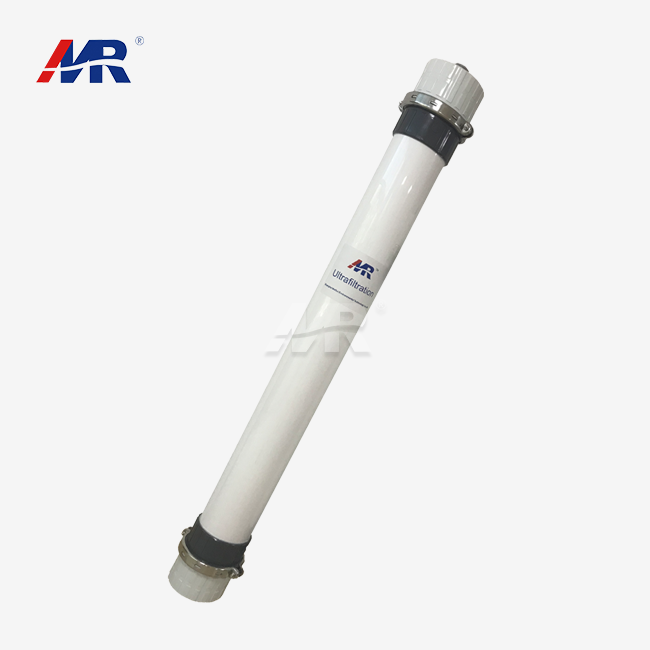 VIEW MOREultrafiltration membrane for wastewater treatment
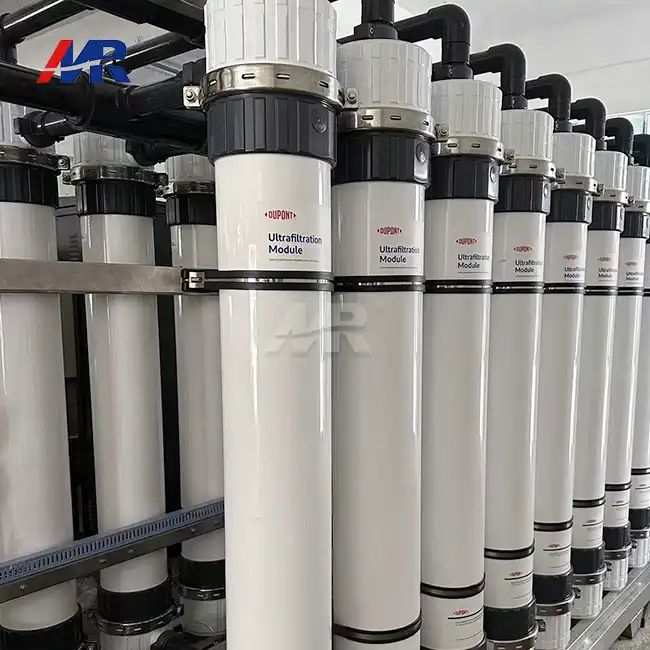 VIEW MORE100T/H ultrafiltration equipment
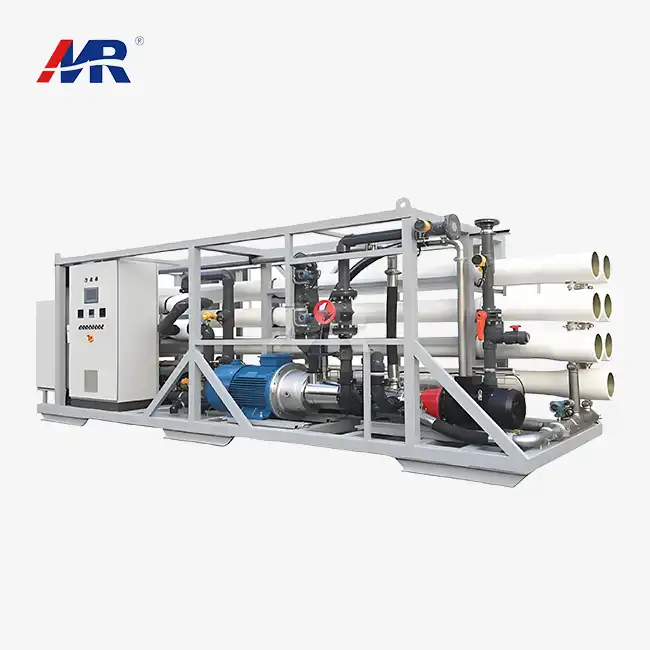 VIEW MORE20m3/hour seawater desalination equipment
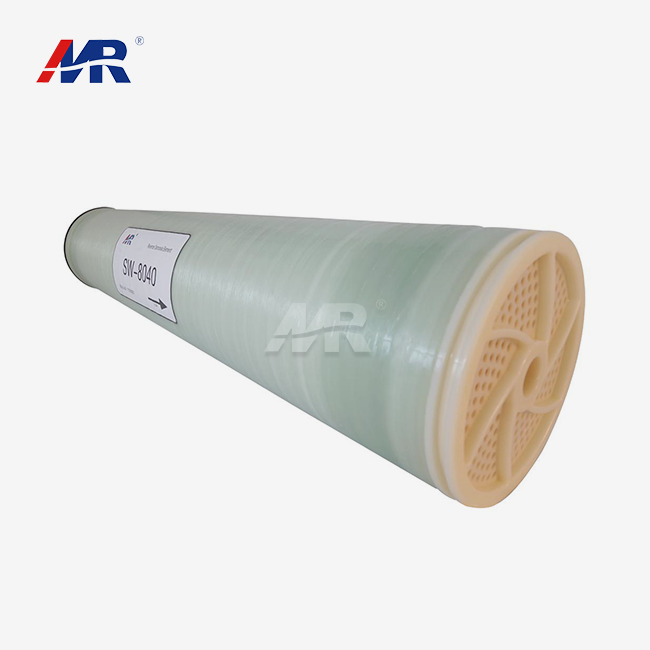 VIEW MOREreverse osmosis membranes
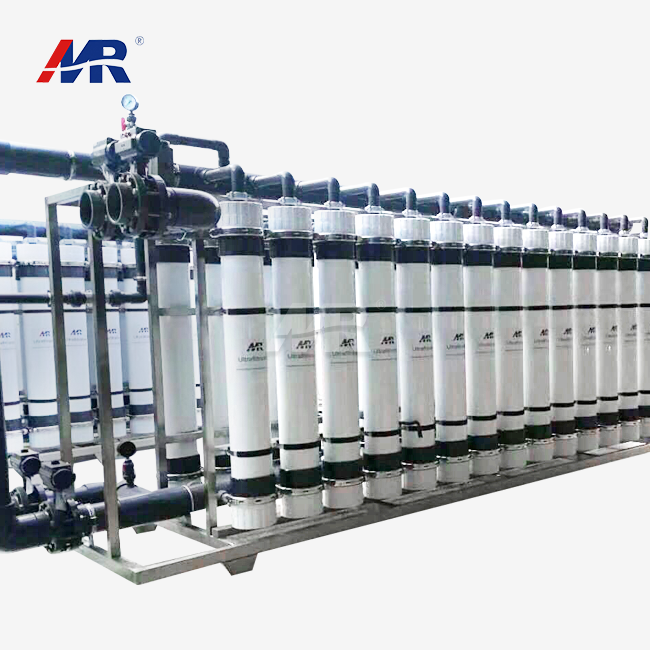 VIEW MOREUltrafiltration Systems
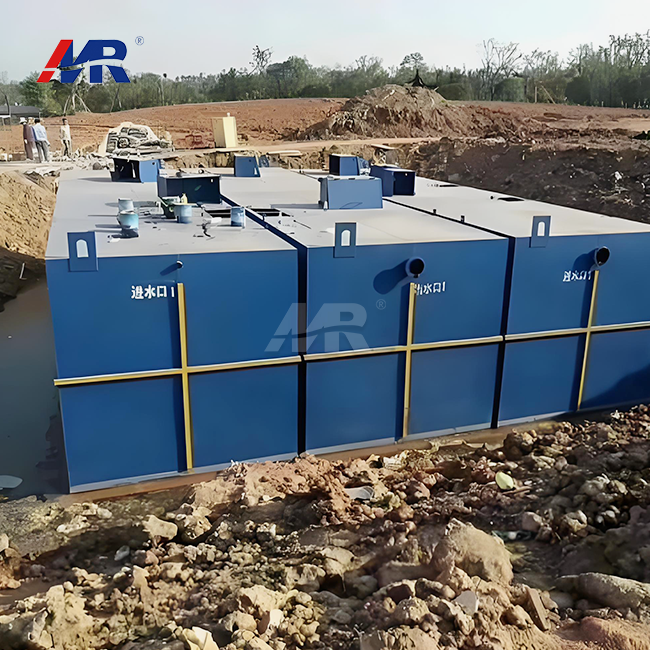 VIEW MOREwastewater treatment plant units
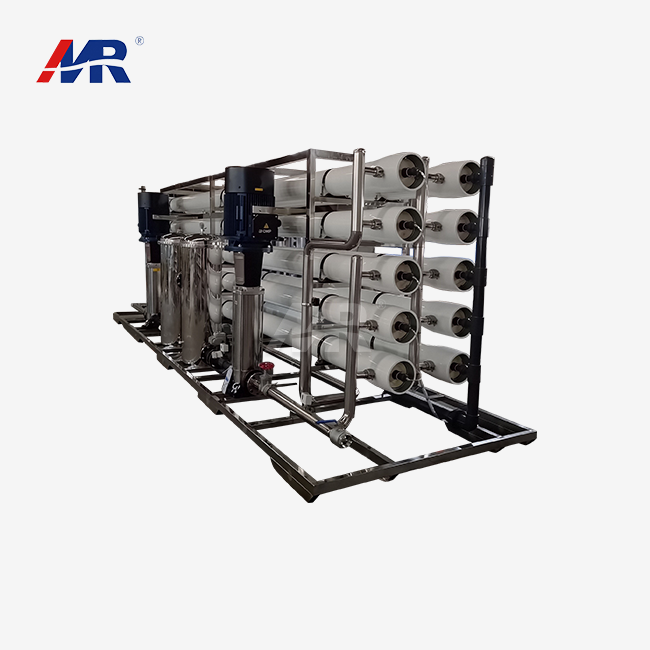 VIEW MORE2 stage reverse osmosis system
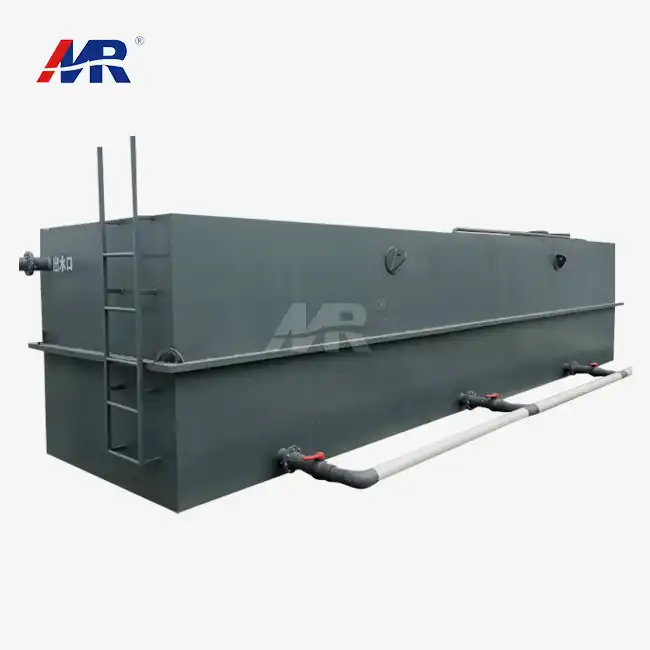 VIEW MOREportable wastewater treatment plant
