

_1745823981883.webp)

RO Membrane Solutions for Industrial Water Reuse Applications
Reusing industrial water is now necessary for modern factories that want to run in a way that is good for the environment and doesn't cost a lot. membrane/brackish-membrane">ro membranes are the most important technology for turning garbage into high-quality process water. This helps businesses meet strict environmental standards while also staying in line with the law. These high-tech filter systems get rid of dissolved contaminants at the molecular level, making water that is often better than rainwater from normal sources. Industries from making drugs to electronics depend on reverse osmosis technology to keep production standards high and deal with problems like not having enough water.

Understanding RO Membrane Technology in Industrial Water Reuse
Some of the most advanced methods for treating water for commercial use are reverse osmosis and ultrafiltration. Hydraulic pressure is used to push water molecules through a semipermeable membrane barrier. This separates the clean permeate stream from dissolved salts, organics, and other toxins.
How Reverse Osmosis Filtration Works
The basic idea behind reverse osmosis is that natural osmotic pressure can be overcome by applying power. Larger contaminants stay on the feed side when dirty water comes in touch with the membrane surface under pressure. Water molecules pass through the membrane structure, but the larger contaminants stay there. This selective permeation makes two separate streams of water: high-quality permeate and concentrated reject water that has contaminants removed.
Types of Industrial Membrane Materials
Because they work so well, thin-film hybrid membranes are used most often in industrial settings. The polyamide active layer on these membranes is supported by a porous polysulfone base. This gives the membranes strength and protection from chemicals. The polyamide layer is very selective; it kicks out more than 99% of the dissolved salts while keeping the water flow rates normal. Different materials, such as cellulose acetate, have unique benefits in some situations, especially when chlorine tolerance is very important.
Key Performance Parameters
Understanding membrane performance measures is important for designing and running systems in the best way possible. Quality industrial membranes usually have salt rejection rates that are higher than 99.5%. Flux rates, on the other hand, show how much permeate is produced per unit area. The working pressure needs depend on how salty the feed water is and how fast you want to collect it. Most industrial systems work at 150 to 600 psi. Both flow and rejection performance are affected by temperature, so managing temperature is very important for stable operation.
Choosing the Right RO Membrane for Industrial Water Reuse Applications
To choose the right membrane technology, you need to carefully look at the features of the feed water, your treatment goals, and the limitations of your business. In order to make a choice, many things must be looked at, including those that affect both short-term success and long-term system economics.
Evaluating Feed Water Quality
The percentage of total dissolved solids is the main factor used to choose the membrane. Different types of membranes are best for different salinity ranges. For brackish water uses, low-pressure membranes are usually used because they can handle TDS levels below 10,000 mg/L. On the other hand, high-pressure membranes that can handle salinities of 35,000 mg/L or more are needed for desalinating seawater. Choice of membrane is also affected by organic pollution, suspended solids, and chemical makeup, since some contaminants can speed up fouling or chemical breakdown.
Comparing Membrane Technologies
RO membranes are better at getting rid of contaminants than ultrafiltration and nanofiltration, which makes them perfect for uses that need very pure water. Ultrafiltration is very good at getting rid of macromolecules and particles that are floating in water, but it lets dissolved salts through, which limits its use in industrial water recovery situations. Nanofiltration works in the middle, getting rid of divalent ions but letting some monovalent salts through. This means it can be used in some easy situations.
Performance Metrics and Brand Considerations
Leading membrane makers, such as Dow Filmtec and Toray, are known for providing reliable quality and helpful expert support. When judging performance, it's important to look at how stable the flux is over time, how well it resists fouling, and how well it cleans with chemicals. Operating costs go up over the span of a membrane, so energy efficiency becomes more important. Low-energy membrane variants can save a lot of money on costs in large-scale uses.
Maintenance, Troubleshooting, and Lifecycle Management of RO Membranes
Using the right repair methods has a direct effect on how well the membrane works, how reliable the system is, and how much the whole process costs. Systematic maintenance practices make membranes last longer and keep the water quality stable during the operating time.
Common Performance Issues
The most common problem in operations is membrane fouling, which shows up as a slow loss of flow or higher pressure needs. Biological pollution happens when bacteria stick to membrane surfaces and make biofilm layers that make it hard for water to pass through. When minerals that are dissolved in water go over the saturation point and form crystals on membrane surfaces, especially calcium carbonate, calcium sulfate, and silica compounds, this is called inorganic scaling. When natural organic matter or industrial chemicals stick to barrier surfaces, this is called organic fouling.
Preventive Maintenance Strategies
By keeping an eye on key performance measures on a regular basis, membrane breakdown can be found early on. Keeping an eye on the standardized flux and salt passage numbers helps find problems early on, before they have a big effect on how well the system works. Pre-treatment optimization is a key part of keeping membranes from fouling. If the filter and chemical dosing systems are set up correctly, they can get rid of possible foulants before they reach the membranes.
Chemical Cleaning Procedures
When fouling happens, systematic cleaning procedures recover the membrane's performance. Cleaning Products that are alkaline get rid of organic and biological waste, while cleaning products that are acidic break down metal scale layers. Cleaning frequency relies on the quality of the feed water and how the system is being used. For industrial systems, cleaning should happen every one to three months. Using the right cleaning chemicals in the right amounts keeps membranes from getting damaged and gets the best cleaning results.
Procurement and Supply Chain Considerations for Industrial RO Membranes
Strategic methods for buying things make sure that there is a steady supply of membranes while also lowering the total cost of ownership. Knowing what a provider can do, how to verify a product, and how to customize it lets you make smart buying choices that will help your business succeed in the long run.
Supplier Evaluation Criteria
Suppliers that are certified show they care about quality by following strict testing methods and using quality control systems. The terms of warranties vary a lot from one seller to the next. Some offer full coverage warranties that cover both performance promises and defects. During the system startup and troubleshooting phases, Technical support skills become very important. This makes provider knowledge an important decision factor. Lead times affect the schedule of a project, especially for big installs that need a lot of membrane parts.
Morui's Advanced Membrane Solutions
Our MR-8040 thin-film composite membrane is an example of cutting-edge RO membrane technology made for tough industrial uses. The membrane has a 400-foot-square active area that is designed to work well with high fluxes while still rejecting 99.5% of salt. These requirements mean that industrial water treatment systems will have high output and high-quality water.
The advanced polymer makeup is very resistant to fouling, which means that the system can work for longer amounts of time without needing to be cleaned. The membrane works well with a wide pH range (2–11), so it can handle different cleaning chemicals and feed water conditions. A maximum working pressure of 600 psi allows for high-recovery function while keeping the efficiency of the system. With a temperature range of up to 113°F, it can work in a variety of workplace settings without losing any performance.
Bulk Purchasing and Customization
When you buy in bulk, you can save a lot of money on costs for big setups or operations that happen in more than one place. Customization choices include different spacer materials, different membrane designs, and different chemical formulas that are made to fit specific needs. Long-term supply deals protect against changes in the market and supply problems by keeping prices stable and ensuring availability.
Future Trends and Innovations in RO Membrane Technology for Industrial Water Reuse
Membrane performance, energy economy, and operational stability are always getting better because technology keeps getting better. Industrial users can plan for future system changes and make the most of new features by understanding new trends.
Advanced Material Development
Biomimetic designs, which are based on natural filtering processes, are used in next-generation membrane materials. Through improved pore structures and surface chemistry, these new ideas offer higher selection and lower energy needs. Graphene-based fabrics could radically improve performance, but they are still not widely available in the market. Changes to the anti-fouling surface cut down on how often the membrane needs to be cleaned and make it last longer, which lowers running costs and makes the system more reliable.
Energy Efficiency Improvements
Low-energy membrane designs lower the amount of hydraulic pressure needed without affecting how well they reject. Energy recovery systems take hydraulic energy from concentrate streams and use it to make the whole system 20–40% more efficient. Variable frequency drives adjust how the pump works based on how the system is working in real time, which saves even more energy. Using green energy sources makes operations more sustainable and in line with the environmental goals of the company.
Digitalization and Smart Monitoring
Advanced tracking systems use AI to guess how well RO membranes will work and figure out the best times to clean them. Water quality sensors that work in real time give constant feedback so that the system can make changes automatically. Predictive maintenance programs look at performance trends to plan maintenance tasks before problems happen. This cuts down on unplanned downtime and increases the life of the RO membranes.
Conclusion
RO membranes are the best technology for reusing water in industrial settings because they remove contaminants better than any other technology and give operators more options. The best performance and lowest total cost of ownership are achieved through smart tactics for selection, care, and purchase. As technology keeps getting better, membrane systems will work better and last longer, which will help commercial water reuse projects all over the world. Knowing about these technologies helps people make smart choices that help with both business goals and environmental responsibility goals.
FAQ
1. What factors determine membrane lifespan in industrial applications?
How long a membrane lasts is mostly determined by the quality of the feed water, how it is used, and how it is maintained. In industrial settings, RO membranes that are well taken care of usually last between 3 and 7 years. High-fouling settings may shorten the life to two to three years, but good pretreatment and care can make it last longer than seven years. Monitoring and cleaning the membrane on a regular basis help it last as long as possible while keeping its performance stable.
2. How can I be sure of the quality of the membrane before I buy it?
True membranes come in the right packaging with safety features, along with maker certification papers and performance test data. Reliable suppliers give performance figures for each batch and offer technical help for questions about how to use their products. If there are doubts about the legitimacy of a membrane, it can be tested by a third party. Working with well-known sellers lowers the risk of fakes and makes sure that products are handled and stored correctly.
3. What are the best ways to clean up different kinds of fouling?
Cleaning products that are alkaline and contain cleansers and biocides work well on biological fouling. For inorganic scaling, you need acidic cleaners that are made for the type of scaling you have. For example, hydrochloric acid works well on carbonate scales, and citric acid works best on sulfate layers. A lot of the time, alkaline cleaning followed by acidic treatment is needed to get rid of organic fouling completely. The temperature and touch time of the cleaning product have a big effect on how well it cleans.
Partner with Morui for Superior RO Membrane Solutions
Guangdong Morui Environmental Technology makes the best RO membranes in the business, and they come with full expert help and a track record of success. Our manufacturing experience goes over 14 years, and we have 500 committed professionals and 20 specialized engineers working in a number of production sites. We offer full water treatment services, from the original assessment to system commissioning and continued support, as a reputable manufacturer of RO membranes. Get in touch with our expert team at benson@guangdongmorui.com to talk about your needs and find out how our MR-8040 membranes can help your industrial water reuse projects run more smoothly.
References
1. Smith, J.A., et al. "Advanced Membrane Technologies for Industrial Water Treatment Applications." Journal of Environmental Engineering, vol. 148, no. 3, 2022, pp. 45-62.
2. Chen, L. and Williams, R.K. "Economic Analysis of Reverse Osmosis Systems in Industrial Water Reuse." Water Resources Management, vol. 36, no. 8, 2022, pp. 2841-2858.
3. Thompson, M.D. "Fouling Mechanisms and Prevention Strategies in Industrial RO Applications." Desalination and Water Treatment, vol. 251, 2022, pp. 189-205.
4. Rodriguez, A.C., et al. "Lifecycle Assessment of Membrane Technologies for Sustainable Water Management." Environmental Science & Technology, vol. 56, no. 12, 2022, pp. 8234-8247.
5. Kumar, S. and Anderson, P.J. "Emerging Trends in Reverse Osmosis Membrane Development for Industrial Applications." Separation and Purification Technology, vol. 287, 2022, pp. 120-135.
6. Zhang, Y., et al. "Performance Optimization of RO Systems in Industrial Water Reuse: A Comprehensive Review." Process Safety and Environmental Protection, vol. 159, 2022, pp. 456-472.
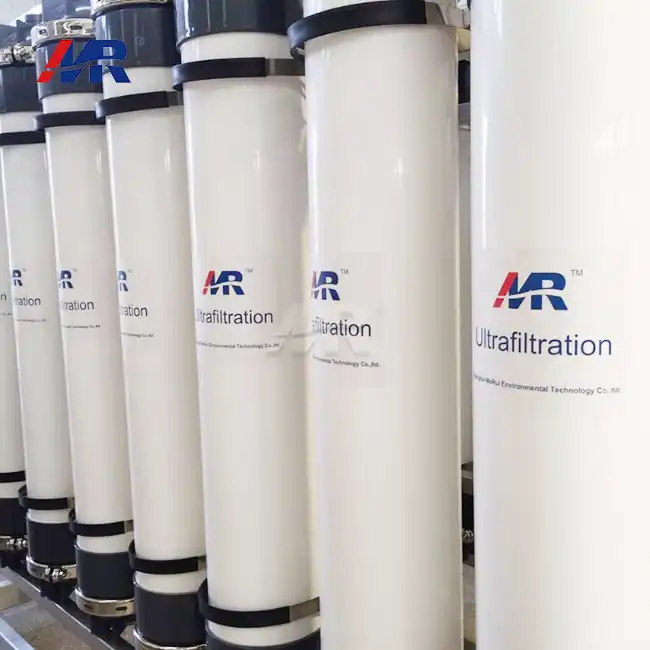 VIEW MORE90T/H ultrafiltration equipment
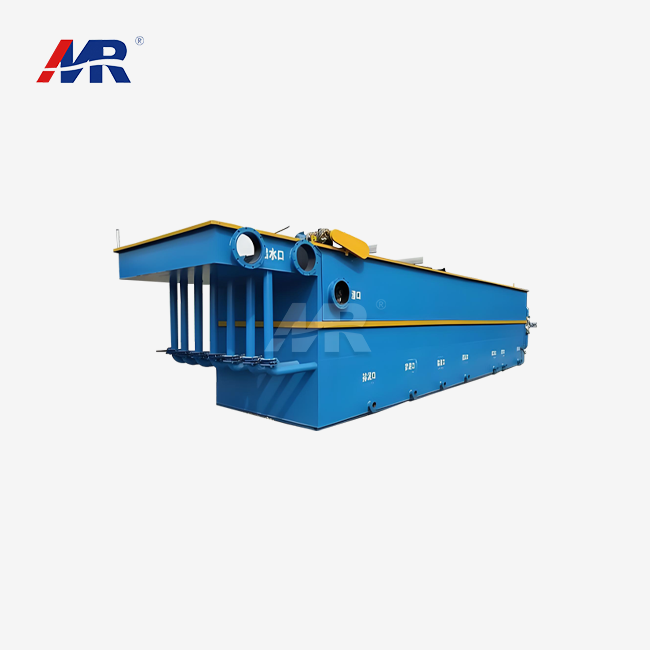 VIEW MOREadvanced wastewater treatment system
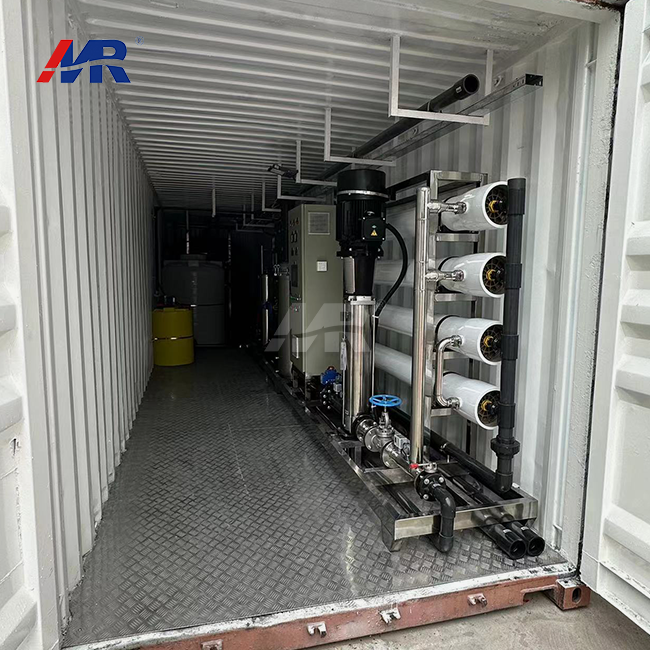 VIEW MOREcontainerized ro system
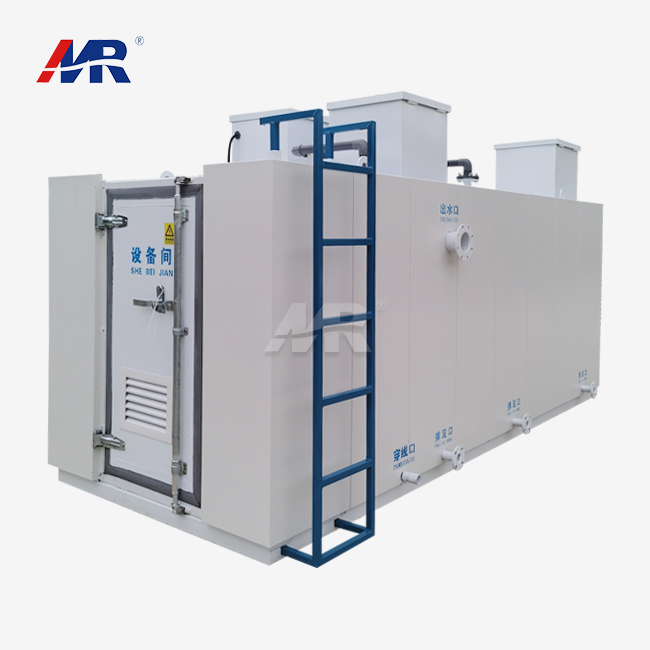 VIEW MOREwastewater treatment plant
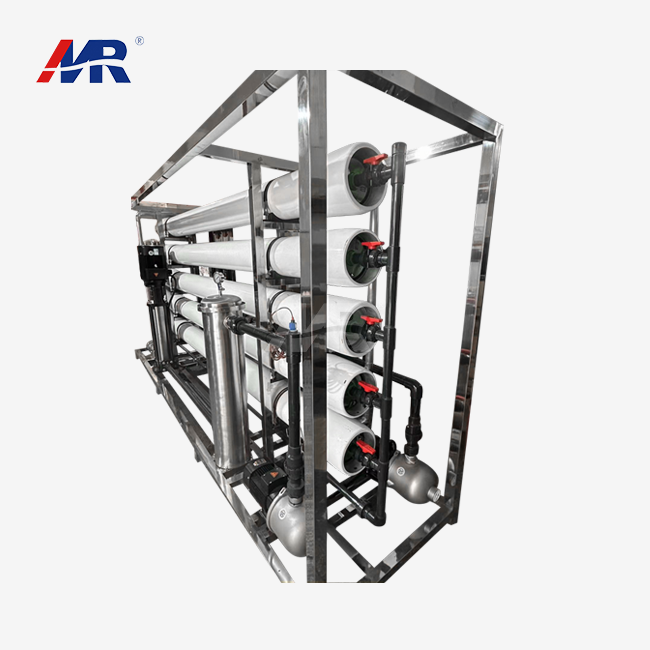 VIEW MOREreverse osmosis water treatment equipment
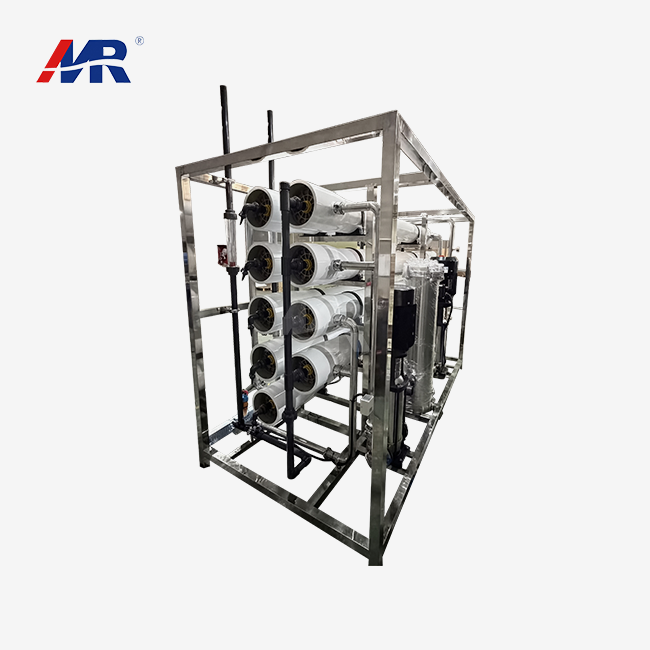 VIEW MOREro reverse osmosis water filter
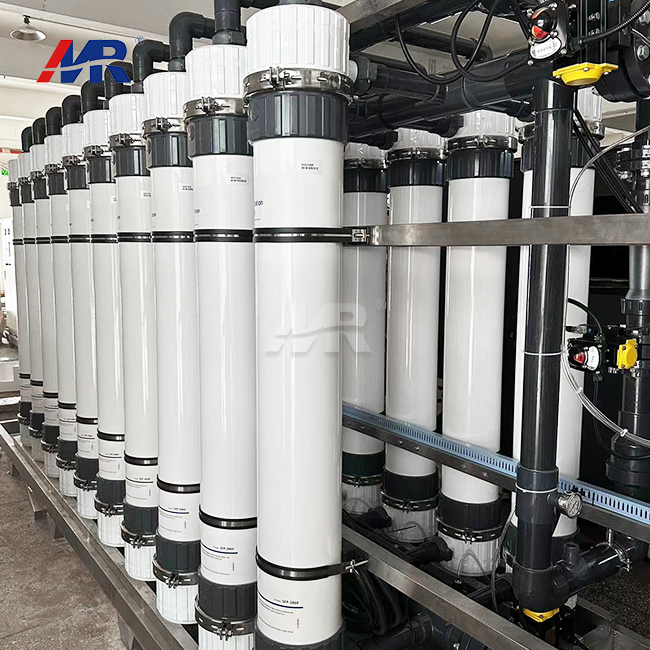 VIEW MOREwater ultrafiltration system
 VIEW MOREro edi system
