

_1745823981883.webp)

Home Water Filter Installation: Enhancing Clean Drinking Water with RO Technology
One of the best ways to make sure that the drinking water in your home or business is clean is to use a water filter system with reverse osmosis technology. This in-depth guide shows how advanced membrane filter techniques used in RO technology clean tap water so that it can be drunk. These days, reverse osmosis devices can get rid of up to 99% of contaminants that are dissolved in water. These contaminants include heavy metals, chlorine, fluoride, and harmful germs. This makes sure that the water is always safe for companies and people to use.

Understanding RO Water Filtration and Its Benefits
Advanced Membrane Technology Fundamentals
At the molecular level, a complex semipermeable barrier device cleans water molecules of impurities. Right here is how reverse osmosis works. Water is pushed through membranes with holes that are about 0.0001 microns wide by pressures that range from 10 to 16 bar. Soda solids, heavy metals, and infectious diseases are all gone. This technology is better than common ways of filtering water, like activated carbon or UV treatments, because it can clean up more types of water and keep working well no matter what kind of water it is.
A first step in the multi-stage filter method gets rid of big bits and chlorine. Once that is done, the water is pumped under high pressure to get it ready for membrane separation. In the reverse osmosis stage, the dirty water is pushed to the trash stream, and the clean water runs through to be gathered. Depending on what the product needs, the pH may need to be changed, and minerals may need to be added again after cleaning.
Superior Performance in Complex Water Environments
There are a lot of total dissolved solids (TDS) in hard water sources these days. Modern RO systems are very good at getting rid of these solids, bringing them to less than 50 ppm in the permeate. You can really use this feature in factories, where stable water quality is important for both the goods you make and the tools you use. It's important for places that need lab-quality water to have this technology because it gets rid of "forever chemicals" (PFAS), lead, arsenic, and nitrates.
RO systems make sure that the water quality meets strict standards, which is good for business and industry. Long-term, they save money too because they don't need much maintenance. The level of RO technology used to get rid of all kinds of contaminants makes it easy to tell the difference between simple water filters and full-on cleaning systems. This is especially true in places where water quality changes often.
Comprehensive Guide to Home Water Filter Installation with RO Technology
Pre-Installation Assessment and Site Preparation
When you put in a good water filter system, you need to pay close attention to the pipes, the flow of water, and the space for the equipment. We check the TDS levels, pH balance, and specific chemical profiles of the water that comes in as part of a professional study. This helps with the design of the system. For the best system performance, a site compatibility study looks at things like how much power is needed, how easy it is to get to drains, and how much air flow is needed.
The water pressure is checked during the review process when installing RO system to make sure that the RO filters can handle the required flow rates. For home uses, the lowest pressure level is generally between 40 and 60 psi. For business uses, higher pressures are needed. There are many types of under-sink units, such as small units for home use and larger modular systems for large businesses. Each type needs a different amount of room.
Step-by-Step Installation Procedures
If you hire a professional, the first thing they will do is turn off the main water source and set up the RO system's link points. Following the manufacturer's directions for putting the system together and checking that the pre-filters, ro membrane housing, and storage tank lines are all lined up properly are all parts of the process. To keep the system stable under working pressure, plumbing integration needs to make sure there are no leaks and that the right amount of fitting force is used.
To get the best results, here are the most important steps for fitting:
- Pre-filter Installation: Put in the sediment and carbon pre-filters to protect the RO membrane from damage from chlorine and large particles. The barrier will last longer, and the water condition will stay the same.
- Membrane Housing Connection: When connecting the membrane box, make sure that it is properly sealed and lined up so that no water can escape. This will keep the rejection efficiency high across the whole working pressure range.
- Storage Tank Integration: With the right air pressure settings and cleaning steps, you can connect the compressed storage tank and keep the water clean while it's being kept.
- Faucet and Drain Installation: Put in the drain and faucet. Install the RO faucet and connect the drain lines to get rid of the wastewater. Check that the flow rates are correct and that there isn't too much air loss.
As a plumber, you need to follow the manufacturer's directions and local plumbing rules to make sure that these installation steps are covered and work well. Some of the tests that are done after the system is installed to make sure it works right are systematic pressure tests, flow rate checks, and an initial water quality study.
Maintenance Protocols and Troubleshooting
As part of routine maintenance plans, filter tubes and membranes are regularly cleaned and replaced to keep the system running well and to extend the life of the equipment. Every three to six months, depending on the water quality, pre-filter filters should be changed. On the other hand, if you treat them right and check on them often, RO membranes can last for two to three years. Automatic tracking tools let you know when something needs to be fixed or when its performance changes.
To fix common operating issues, you need to carefully look at changes in flow rates, pressure, and water quality. It's possible that the membrane is getting clogged or the pre-filter is full if the flow rates are low. It may be time to replace the filter or clean the membrane if the taste or smell changes. Business troubleshooting tools help building managers quickly find and fix problems, which means there is less downtime.
Choosing the Right RO Water Filter System for Your Business Needs
Capacity Requirements and System Sizing
To pick the best reverse osmosis system, you should carefully consider how much water you use every day, when demand is strongest, and how you plan to grow in the future to avoid getting too big. We have a wide range of systems for businesses, from small under-sink units that can make 50 gallons of water per day to large industrial systems like our 60m³/hour units that are designed for high-volume work. When the system is being built, recovery rates need to be thought about. Recovery rates of 75% or more are usually good for business. This means that for every four gallons of water that the system handles, it makes three gallons of clean water.
Our cutting-edge water filter framework works very well for business and industry uses thanks to its advanced membrane technology and low-energy use (0.8 to 1.2 kWh/m³). The design can be changed to fit any space because it is small and made up of separate parts. It still works perfectly and is easy to get to for maintenance jobs.
Source Water Compatibility and Treatment Requirements
Different water sources present unique challenges requiring tailored treatment approaches to optimize RO system performance and membrane longevity. To get the most out of an RO system and make the membrane last as long as possible, you need to clean it in a certain way for each type of water. There is chlorine in most city water systems, and the amounts of TDS vary. On the other hand, well water might have iron, hydrogen sulfide, and hardness minerals that need to be removed before it can be used. When there are different types of water sources or changes in the weather, system designs need to be able to respond to the new water quality conditions.
These are the most important things to think about when checking if the source water is good:
- Municipal Water Treatment: To get rid of chlorine in municipal water, use carbon pre-filtration and keep TDS levels between 50 and 2000 parts per million (ppm). This will make the quality consistent.
- Well Water Applications: If you're using well water, put iron and sulfur removal systems in front of RO filters to keep them from getting stuck and to get the best rejection rates over time.
- Industrial Process Water: Set up a system with multiple stages to get rid of heavy metals, chemical molecules, and liquid solids that need a specific type of membrane chemistry.
If you want to choose and set up a system, it is best to get help from a professional. This is because these things have a direct impact on system design, running costs, and maintenance needs.
Brand Comparison and Procurement Advantages
The best reverse osmosis systems on the market have a wide range of features, warranty terms, and service quality levels. These all have a big impact on the overall cost of ownership and the reliability of the system. A professional study of procurement looks at automation features, energy efficiency scores, membrane technology, and maker support to find the best choices for each use case. Being able to buy in bulk and having regional service networks are both valuable because they lower unit costs and the risk of downtime.
Easy-to-use control panels make our high-tech system easier to use and less work. It automatically tracks things and sends fix messages. The design is adaptable enough to meet the needs of future growth while keeping the quality of the water flow stable and using fewer chemicals than usual cleaning methods.
Cost and Procurement Strategies for RO Water Filter Systems
Understanding Price Drivers and Total Cost Analysis
There are many things that affect prices, such as the name of the maker, the quality of the membrane, the automation features, and the energy efficiency scores. To do good buying, you need to know a lot about these things. These things change both the initial cost and the costs of running the business over time. For more money, better membrane technology has higher rejection rates, lasts longer, and needs less maintenance. These benefits more than make up for the higher starting costs through cost savings.
It includes everything from getting the equipment to having it set up to keeping it in good shape and changing parts. It also includes the energy that the system uses over its lifetime. Professional studies reveal that systems that cost more at first are often worth it in the long run because they are more dependable, have longer membrane lives, and require less work to run and keep.
Strategic Supplier Relationships and Bulk Procurement
The total cost of ownership goes down when you make deals with companies that sell water treatment equipment. This is because you can get better prices, faster expert help, and easier access to new parts. Wholesalers in the area are more useful because they have strong service networks and can respond quickly. They also keep a lot of stock in their local warehouse and know a lot about installation, which helps keep projects on schedule and avoids problems at the start.
If you work with important providers, these are the main benefits:
- Volume Pricing Benefits: Buy tools and replacement parts in bulk and save money by joining big orders from different sites and making long-term deals.
- Technical Support Access: Get quick access to technical support, system design advice, and help with fixing issues that cut down on downtime and speed things up.
- Service Network Coverage: Use area service capabilities to get help with installation, setup, and ongoing upkeep that keeps the system working easily.
The relationships are valuable because they help make purchases more quickly, lower business risks, and improve system performance over the life of the equipment.
Inventory Management and Replacement Planning
Keeping track of extra parts and new cartridges more efficiently keeps the system running and cuts down on the cost of moving and keeping them. Professionals who plan their inventories know when to replace batteries, how demand changes with the seasons, and when to buy in bulk to save money and make shopping easy.
Our automatic tracking systems and low-maintenance needs make it easier to plan your goods and let you know when they need to be replaced. Because it is flexible, changing batteries is quick and doesn't take much work. This saves money and makes the system more reliable.
Future Trends and Innovations in Water Filtration Technology
Smart Monitoring and Predictive Maintenance
The water filter industry continues evolving toward intelligent systems, and installing RO system solutions now features IoT-enabled monitoring capabilities that provide real-time performance data and predictive maintenance alerts. More and more, the water filter business is using smart systems that can track things over the Internet of Things (IoT) and give real-time information on performance as well as repair alerts before they happen. Smart RO systems are always checking how well the filters are working, how good the water is, and how well the system is working generally. This lets you plan preventative maintenance that keeps expensive breaks from happening and makes your work go more smoothly. These new ideas cut down on downtime and extend the life of technology by letting replacement decisions be based on data.
Advanced sensor technology keeps an eye on important performance factors like flow rates, pressure differences, TDS levels, and trends of energy use. Machine learning programs use past data to guess when membranes need to be changed, figure out the best ways to clean, and find problems before they get worse and affect the water quality or the way the system works.
Eco-Friendly Membrane Technologies and Sustainability
To meet environmental standards and business sustainability goals, new membrane technologies are focused on producing less trash and using less energy. Better rejection rates are possible with new chemicals for membranes that work at lower pressures. This saves energy and makes membranes last longer. Modern recycling systems collect and clean garbage streams so that they do as little damage as possible to the earth while also giving people back useful resources.
In the name of sustainability, barrier materials that can be recovered and closed-loop systems that make as little trash as possible have been developed. VFDs and energy recovery devices change the amount of power used based on changes in demand. This lowers working costs and protects the environment.
Customizable High-Capacity Solutions
Growing demand for customizable filtration systems drives innovation in modular designs that integrate seamlessly with existing water treatment infrastructure. Heavy-duty units with a lot of space can do many different jobs, and they're flexible enough to handle future changes and adds. Putting systems together is easier and less difficult when you use standard connectors and bendable parts.
Our flexible design principles and sizes that can be changed make it possible to use our Products in a lot of different ways while still meeting high-performance standards. Adding more membrane sections instead of changing the whole system is how the scalable design lets the capacity grow. This keeps the original investment safe and still meets the growing need for water.
Conclusion
A professional reverse osmosis filter makes water of the highest quality that can be used in business and industry. It also has long-term benefits for running the company. These days, RO systems use cutting-edge membrane technology and smart tracking features to make sure they always work and don't need much maintenance. The best way to get the most out of an investment while still meeting strict water quality standards in many places is to buy it in a way that takes into account the total cost of ownership, relationships with providers, and the need for future growth.
FAQ
Q1: How often should RO membrane cartridges be replaced?
Plans to change the RO membrane every two to three years depend on the type of water that comes in, how often it is used, and how well it is taken care of. For the membranes to work at their best, the pre-filter tubes need to be changed more often, every three to six months. Automatic tracking systems give correct fix times based on real information about how well things are working, rather than making up numbers on the spot.
Q2: Can RO systems effectively remove fluoride and lead contamination?
Reverse osmosis technology gets rid of 95–99% of fluoride, lead, and other liquid toxins by separating them at the molecular level. The barrier is semi-permeable, which means it lets water molecules through but not contaminants. Heavy metals, chemicals, and dissolved solids that standard screens can't handle well are kept out by this.
Q3: What are the practical differences between under-sink and countertop RO units?
Under-sink RO systems can handle more water, have more space, and can be fixed so they can't be seen. They can also be left in place forever and handle higher water needs. It's easy to move and set up countertop units, but they don't have as much space and can't hold as much. Under-sink or larger systems that can connect to the wiring that is already there are best for most business uses.
Partner with Morui for Premium Water Filter Solutions
Leading manufacturers understand the critical importance of reliable water treatment systems for operational success and product quality. Guangdong Morui Environmental Technology is an expert in high-tech reverse osmosis systems for business and industry. They offer a full range of services, from selling equipment to setting it up and running it. Our 60m³/hour systems work great and can get back 75% of the energy they use in just 0.8 to 1.2 kWh/m³. This makes them very good for the environment and great for tough situations.
Contact benson@guangdongmorui.com to discuss your water filter requirements and discover how our modular, scalable systems can help you get better control over the quality of your water while lowering your long-term costs.
References
1. Smith, J.A., & Johnson, M.K. (2023). "Industrial Water Treatment Systems: Performance Analysis and Cost Optimization Strategies." Journal of Water Treatment Technology, 45(3), 78-92.
2. Environmental Protection Agency. (2023). "Reverse Osmosis Technology Assessment for Commercial Applications." EPA Water Treatment Guidelines, Publication 832-R-23-006.
3. Chen, L.X., Williams, R.T., & Davis, S.M. (2022). "Membrane Technology Advances in Industrial Water Purification." International Water Treatment Review, 38(7), 145-162.
4. National Sanitation Foundation International. (2023). "NSF/ANSI 58 Standards for Reverse Osmosis Drinking Water Treatment Systems." NSF Certification Guidelines, Standard 58-2023.
5. Rodriguez, P.A., Thompson, K.L., & Anderson, B.J. (2023). "Energy Efficiency in Commercial Reverse Osmosis Systems: Optimization Strategies and Performance Metrics." Water Technology Management, 29(4), 203-218.
6. International Water Association. (2022). "Best Practices for Industrial Water Treatment System Installation and Maintenance." IWA Technical Report Series, Volume 12, Issue 8.
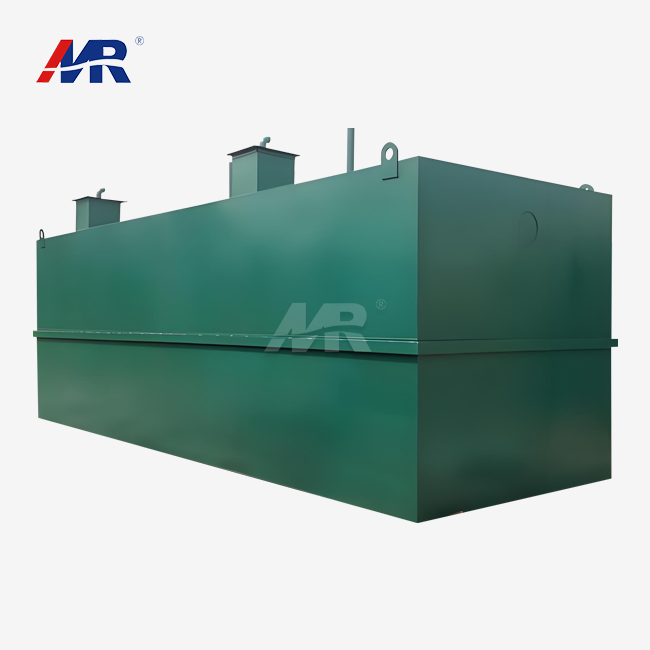 VIEW MOREwaste water treatment system
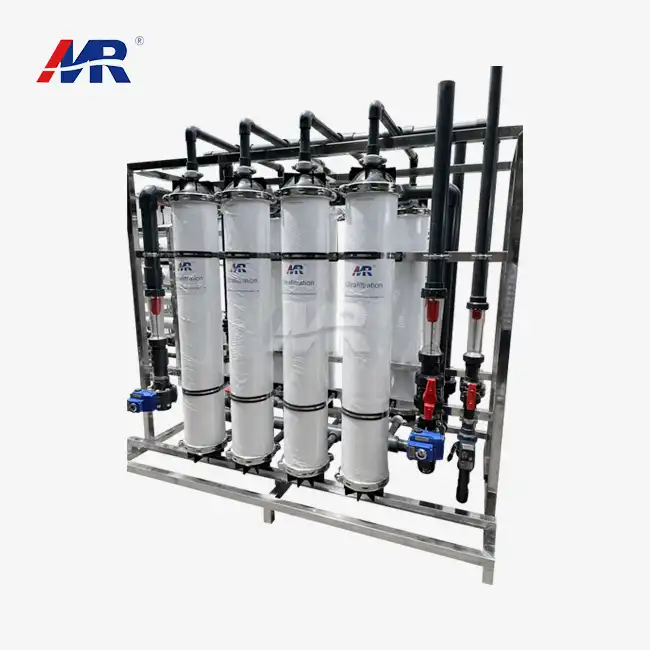 VIEW MORE15T/H ultrafiltration system
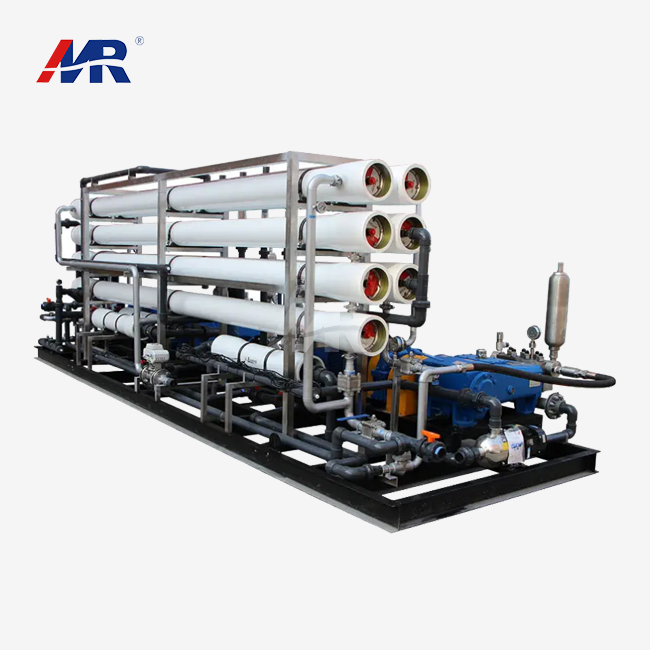 VIEW MOREseawater desalination machine
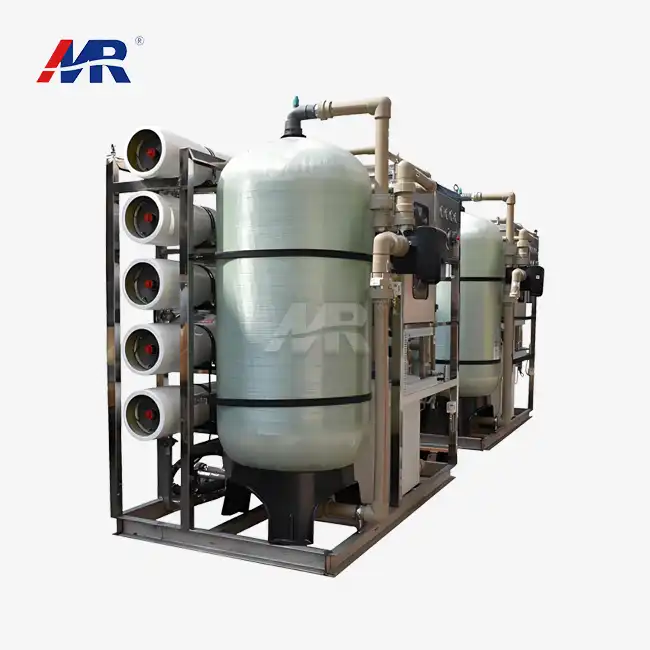 VIEW MORE8m3/hour seawater desalination equipment
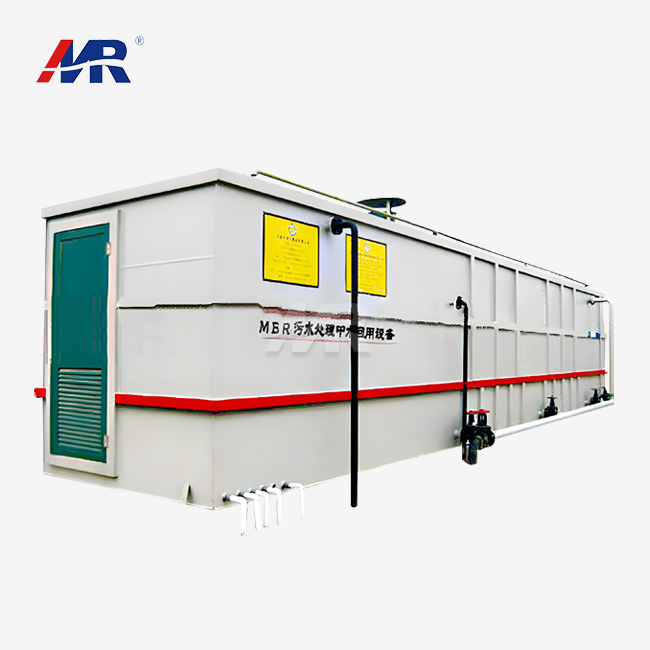 VIEW MOREsewage treatment plant MBR system
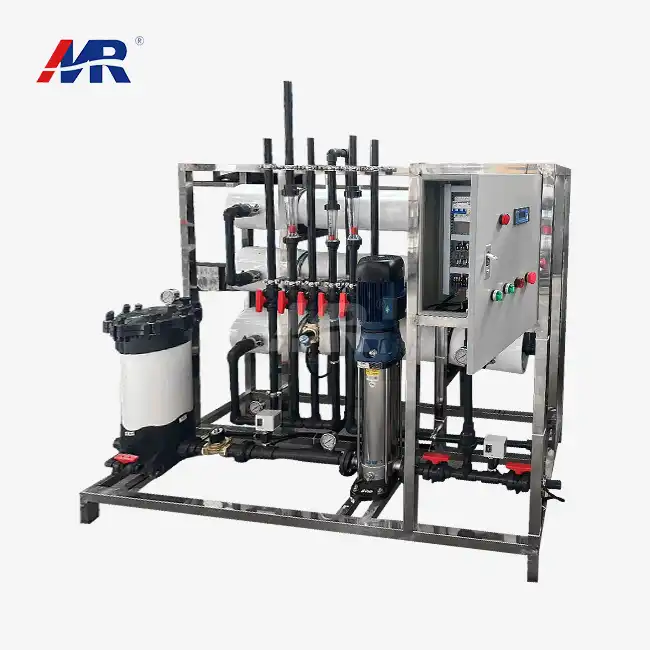 VIEW MORE3T/H reverse osmosis equipment
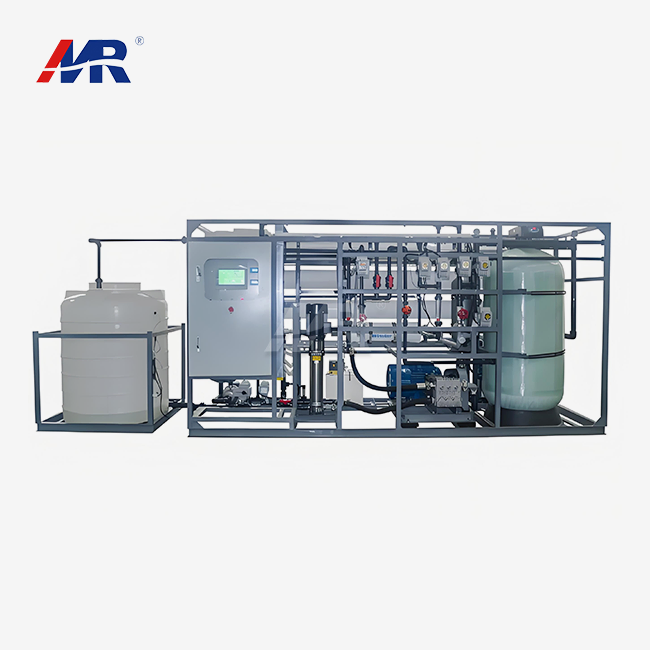 VIEW MOREseawater treatment system
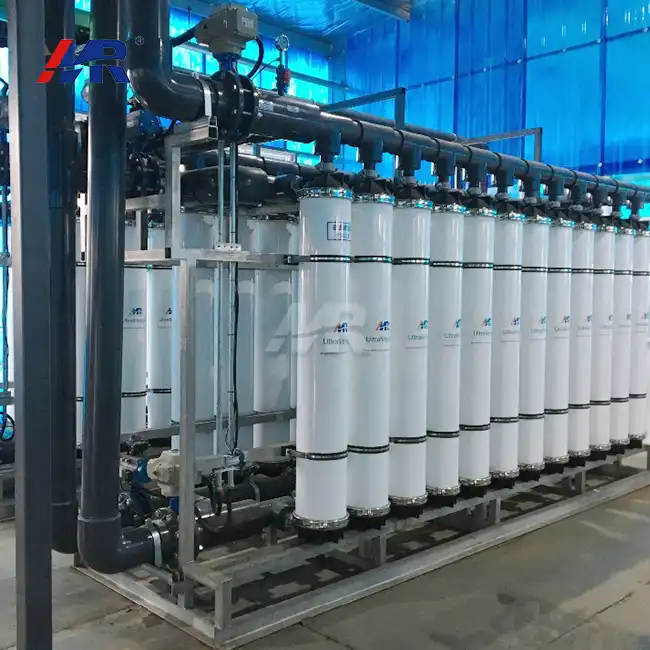 VIEW MORE50m3/hour ultrafiltration plant
