

_1745823981883.webp)

Challenges and Complexities With Landfill Leachate Treatment
Landfill leachate treatment represents one of the most complex environmental challenges facing waste management facilities today. The intricate nature of leachate composition, combined with stringent regulatory requirements and varying seasonal conditions, demands sophisticated treatment approaches. A robust landfill leachate treatment system must address fluctuating pollutant loads, heavy metal contamination, and emerging contaminants while maintaining consistent performance standards. Understanding these complexities helps facility managers and procurement professionals make informed decisions about treatment technologies that protect groundwater resources and ensure regulatory compliance across diverse operational environments.

Understanding the Core Challenges in Landfill Leachate Treatment
Variable Composition and Seasonal Fluctuations
Leachate from dumps is made up of many different substances that change a great deal depending on the age of the trash, the amount of rain, and the time of year. When dumps are first built, they make leachate, which has a lot of biological oxygen demand (BOD) and gaseous fatty acids. Over time, trash that ends up in dumps fills up with flammable organic materials and ammonia nitrogen. It's hard for treatment systems to work because they have to switch to different types of influent at different times of the year.
When it rains, there are big changes in the amount of overflow and the rates at which water is diluted to volume. To put it another way, treatment systems need to be able to handle peaks while still achieving quality standards for release. When the system is dry, concentrated leachate with a lot of total dissolved solids (TDS) may be too much for normal treatment methods to handle. This is why the rules for how it should be made and how it should be run need to be clear.
Toxic and Recalcitrant Compounds
Besides everyday trash, dumps now get a lot of different types of trash, such as chemicals from industries, drugs, and personal care items. When these kinds of hard chemicals build up in treatment systems, they can stop natural processes. There are high-tech burning or membrane separation ways you can use to get rid of them.
Heavy metals build up in the body over time, making it hard to get rid of them. Copper, zinc, lead, and chromium are often found in leachate. To meet release guidelines, they need to be treated in a certain way. Some of these ways are membrane filtering, chemical precipitation, and ion exchange.
Regulatory Compliance and Environmental Protection
Laws about the environment change all over the world, which means that wastewater can only be pumped out more slowly. The EU, state laws, and the US Environmental Protection Agency (EPA) are all part of this. They have strict rules about COD, total suspended solids, and some toxins that are usually hard to clean.
Groundwater safety rules are another thing that makes things tougher. It can hurt the environment for a long time and cost a lot to fix if you don't treat leachate. It is necessary for the cleaning system to work well in order to follow the rules and safeguard the nearby water sources.
Common and Emerging Treatment Methods: Strengths and Limitations
Biological Treatment Approaches
Normal biological methods, like sequencing batch reactors and activated sludge, used in a landfill leachate treatment system, can be used to get organic matter that breaks down into smaller pieces out of young leachate. The materials they use are safe and easy to break down, and they don't cost much to run. They are good for places that regularly make a lot of high-BOD trash because of this.
Adult leachate, on the other hand, has a lot of ammonia and organic chemicals that are hard for living things to break down. It is possible for chemicals that are bad for living things to stop biological processes from working right. This can cause treatment failure and release violations. It's cold outside, so biological treatments don't work as well in the winter or places where it's cold.
Chemical Treatment Technologies
Chemical precipitation and coagulation-flocculation are good ways to get rid of solids and heavy metals that are mixed in with wastewater. These methods are useful as parts of full treatment systems since they always work and can handle a lot of work.
It's not always easy to clean with chemicals because they are pricey and you have to throw away a lot of waste. These ways don't always work for full flow management because they only work with certain chemicals and not the whole problem. To put it another way, they need to be mixed with other tools.
Physical Separation Methods
Ultrafiltration, reverse osmosis, and other types of membrane filtration are very good at getting rid of many kinds of waste. There are times when these systems can't clean naturally, but they still work well. The trash they make is of good quality and can be thrown away or used again.
When you separate things physically, you have to use a lot of power, and the membranes get dirty. When there is a lot of waste, membranes can break down more quickly. This makes repair more expensive and limits how the system can be used. You need to prepare the membrane correctly so that it works well and lasts longer.
Advanced Hybrid Technologies
Biological, chemical, and physical treatment methods are being used in more and more current systems that deal with garbage leachate. Membrane bioreactors (MBR) break down waste using both living things and membranes to remove more organic matter and improve the waste in small spaces.
High-tech oxidation methods that use ozone, hydrogen peroxide, or UV light can get rid of chemicals that are tough to get rid of the normal way. By making small changes to how these tools are used, you can deal with different types of waste. They are good at getting rid of new germs.
Designing Efficient Landfill Leachate Treatment Systems for Industrial Application
Site-Specific Analysis and System Sizing
You need to know how much leachate there is and how it is made up before you can make a good cleaning method. You can see how it changes every year, the busiest times, and long-term patterns that help you choose the right technology and space for your system by looking at old data.
Before the treatment is used on a large scale, it is tried out in a pilot project with real waste to make sure it works and to make things run more smoothly. With this method, the design risks are smaller, and the cleaning systems are made to fit the needs of each place. The costs of cash and running the systems are kept as low as possible at the same time.
Modular and Scalable Design Principles
These are the best industrial leachate treatment systems because they can be changed as the dump ages to fit new government rules and different types of trash. This type of design lets you change how things work, add more space, or improve technology. You don't need to change everything.
It's easier to install and get things up and running quickly with turnkey system kits because they come with all the parts you need. Most of the time, these systems are set up automatically and have tracking gear that lets people check for problems from afar. When things have these traits, they run more easily and need fewer people.
Energy Efficiency and Sustainability Considerations
Modern cleaning systems put energy economy first by making sure they use the right tools and work as quickly as possible. With variable frequency drives, high-efficiency fans, and energy return systems, businesses can save money and do good for the world at the same time.
This is how the system is built in a way that makes it work better:
- Automated Process Control: Siemens PLC systems monitor TDS, flow rate, and pressure parameters for optimal performance.
- Energy Recovery: Heat exchangers and pressure energy recovery devices minimize power consumption.
- Preventive Maintenance Features: Accessible components and diagnostic systems reduce downtime.
- Modular Construction: Expandable designs accommodate changing treatment requirements.
These design principles enable landfill leachate treatment system facilities to achieve consistent treatment performance while minimizing long-term operational costs and environmental impact.
Selecting the Best Landfill Leachate Treatment Solution: A B2B Procurement Guide
Technology Evaluation and Comparison
Businesses that buy from other businesses need to think about how to handle waste in different places, how much needs to be dumped, and how much it will cost over its whole life. Air-based living systems do their best where the leachate is new and breaks down fast. But membrane-based methods work better in places where the leachate is old and complicated.
When you look at return on investment, you should think about all of the costs that come up over the whole life of a system. This includes the prices of setting it up, keeping it going, doing repairs, and the risks that come with following the rules. Things cost a lot, and people buy different things based on how much they cost and how much energy and chemicals they use.
Supplier Assessment and Due Diligence
When you're looking at sellers, you should pay close attention to their professional skills, how well they know the project, and how well they set up service support. Experienced companies that clean waste leachate know how to deal with problems that are unique to each application and can offer tried-and-true solutions that can be used in a variety of work settings.
Service skills are very important for the smooth running of a project because they help with installation, train workers, and provide ongoing expert support. A service presence or service partner in the area can help with maintenance and everyday tasks fast.
In our Landfill Leachate Treatment System, we use cutting-edge membrane technology to make solutions that are reliable and adaptable. We have more than 19 years of experience in this field. Apple and BYD, two Fortune 500 companies, have found our MR-DTRO-110TD device to be very useful. As much as 25,000 mg/L of COD can be put into it, and it can lower the number to less than 100 mg/L.
Compliance and Performance Guarantees
It is important to make sure that the treatment method you choose meets the law by having a guarantee and success claims. When sellers talk about the quality of the waste, they should put their words in writing and use case studies and other proof to show that their methods have worked well in similar situations.
People are more likely to believe a business that gets good reviews, uses parts from well-known names like Toray and DOW, and follows international rules. Because of these things, the project is less likely to fail and will work out in the end.
Overcoming Operational and Maintenance Complexities
Process Monitoring and Control Strategies
So that the landfill leachate treatment system can work, it is important to always check for things like COD, BOD, dissolved solids, and pH. Systems that keep track of things automatically give information in real time that helps improve processes and find performance problems quickly, before they cause discharge violations.
You can plan maintenance ahead of time and get help quickly if something goes wrong with online testing. Trackers that connect to the Internet of Things (IoT) and cloud-based data analysis tools help workers find trends, make care more effective, and cut down on the number of staff members they need to have on site.
Preventive Maintenance Programs
Full maintenance plans keep treatment going easily and equipment lasting longer by checking it often, replacing parts as needed, and improving how well the system works. Having ways to clean membranes, plans for pump maintenance, and ways to calibrate chemical systems all help to keep things running smoothly and stop sudden breaks.
The people who work there need to know how the system works, how to fix problems, and how to stay safe. If workers are taught well, they can find problems quickly and fix them, keeping the system running smoothly and up to release standards.
Future-Proofing Through Technology Integration
Due to the use of more sophisticated robots and control technologies, landfill leachate treatment system designs are now more effective and affordable. Since the influent is made in a certain way, smart control systems change the treatment settings and find the best chemical doses to keep the service level fixed.
Technologies like variable speed drives, process optimization methods, and aeration systems that work well can help cut down on costs, save energy, and make treatment more effective. New ideas like these also help places save money and reach their environmental goals over the long term.
Conclusion
To get rid of leachate from dumps, you need to use complicated methods that change the way the system works and make sure it always does what it's supposed to do. To get the most out of a treatment system, you need to know a lot about it, choose the right equipment, and have full help. Landfill leachate treatment system designs made today use both tried-and-true technologies and cutting-edge robots to get reliable results while cutting down on costs. When a business buys something from another business, they can get more done if the seller has a lot of experience and knows how to solve problems that are unique to that use case. They can also help with the whole job, from making plans to using it for a long time.
FAQ
1. What factors most influence landfill leachate treatment system selection?
The best way to deal with leachate relies on how old it is, what it is made of, and how it changes with the seasons. Total cost of ownership, site limits, and government release rules all have a big impact on how systems are made and bought.
2. How can facilities optimize leachate treatment cost-effectiveness?
A lifetime cost study that looks at things like capital costs, running costs, upkeep needs, and energy use is the most accurate way to figure out how much something costs and how much it is worth. Long-term costs are low, and treatment works well because users are trained regularly, systems are tuned, and preventative upkeep is done.
3. What criteria should guide supplier selection for leachate treatment systems?
You should think about how technically savvy the seller is, how well they can help with service problems, and how stable their finances are before you choose them. People are more likely to trust that a project will be finished well and run smoothly for a long time if they can check references and see that the service is available in their area.
Partner with Morui for Advanced Leachate Treatment Solutions
Morui has a lot of experience and tried-and-true technology systems that can help business places that need to treat waste leachate in a reliable way. Our engineers can create one-of-a-kind systems that meet the strict pollution rules of the EPA and the EU and save you up to 40% on costs. We offer turnkey solutions with help from skilled people for life. We have more than 14 branches and parts from Toray and Siemens that we know will work. These are two of the biggest names in the game. The company benson@guangdongmorui.com makes some of the best Landfill Leachate Treatment System units. You can ask them to meet with you for free to talk about their method.
References
1. Renou, S., Givaudan, J.G., Poulain, S., Dirassouyan, F., and Moulin, P. "Landfill leachate treatment: Review and opportunity." Journal of Hazardous Materials, vol. 150, no. 3, 2008, pp. 468-493.
2. Kjeldsen, P., Barlaz, M.A., Rooker, A.P., Baun, A., Ledin, A., and Christensen, T.H. "Present and Long-Term Composition of MSW Landfill Leachate: A Review." Critical Reviews in Environmental Science and Technology, vol. 32, no. 4, 2002, pp. 297-336.
3. Kulikowska, D. and Klimiuk, E. "The effect of landfill age on municipal leachate composition." Bioresource Technology, vol. 99, no. 13, 2008, pp. 5981-5985.
4. Luo, H., Zeng, Y., Cheng, Y., He, D., and Pan, X. "Recent advances in municipal landfill leachate: A review focusing on its characteristics, treatment, and toxicity assessment." Science of The Total Environment, vol. 703, 2020, pp. 135468.
5. Amor, C., De Torres-Socias, E., Peres, J.A., Maldonado, M.I., Oller, I., Malato, S., and Lucas, M.S. "Mature landfill leachate treatment by coagulation/flocculation combined with Fenton and solar photo-Fenton processes." Journal of Hazardous Materials, vol. 286, 2015, pp. 261-268.
6. Bocchiglieri, M.M., Di Palma, L., Petrucci, E., and Stoller, M. "Biological treatment of landfill leachate: performance evaluation and enhancement through membrane bioreactor technology." Environmental Technology, vol. 31, no. 14, 2010, pp. 1565-1572.
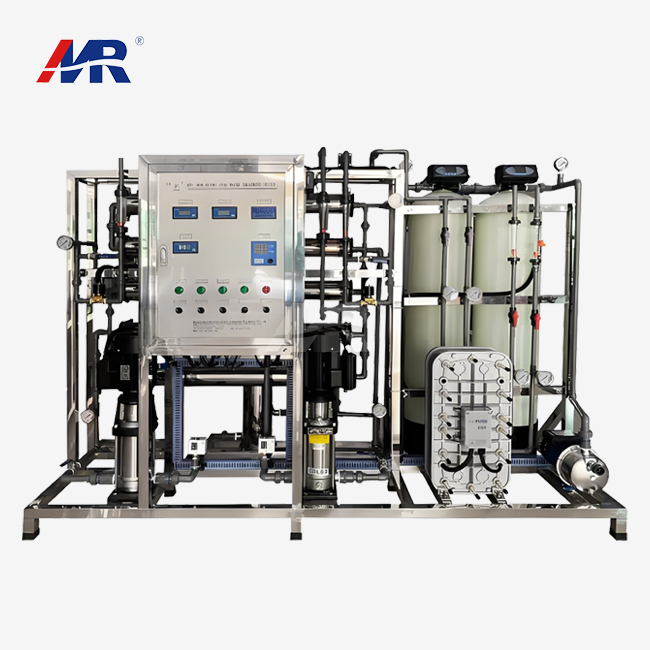 VIEW MORE500LPH EDI equipment
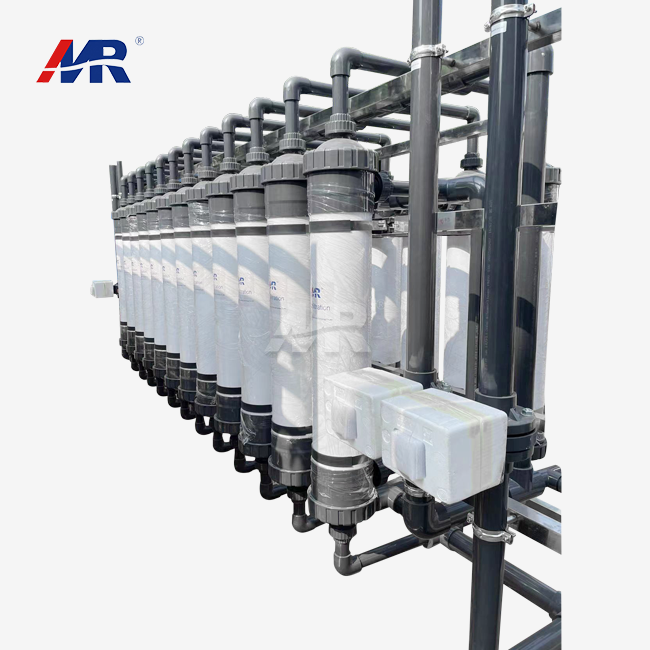 VIEW MOREindustrial ultrafiltration systems
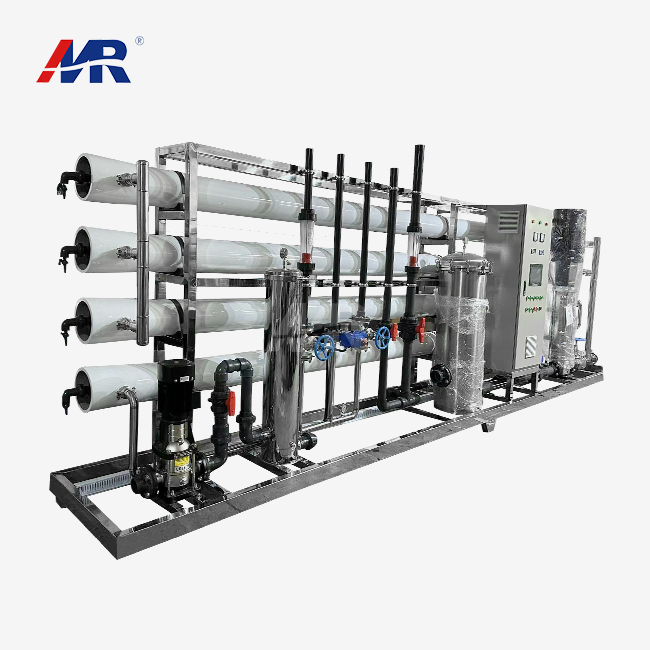 VIEW MOREreverse osmosis plant
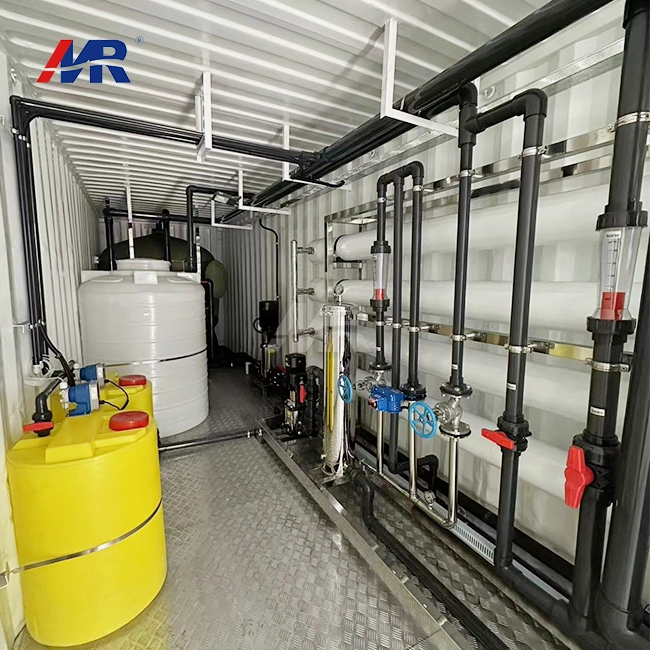 VIEW MOREcontainerized desalination plant
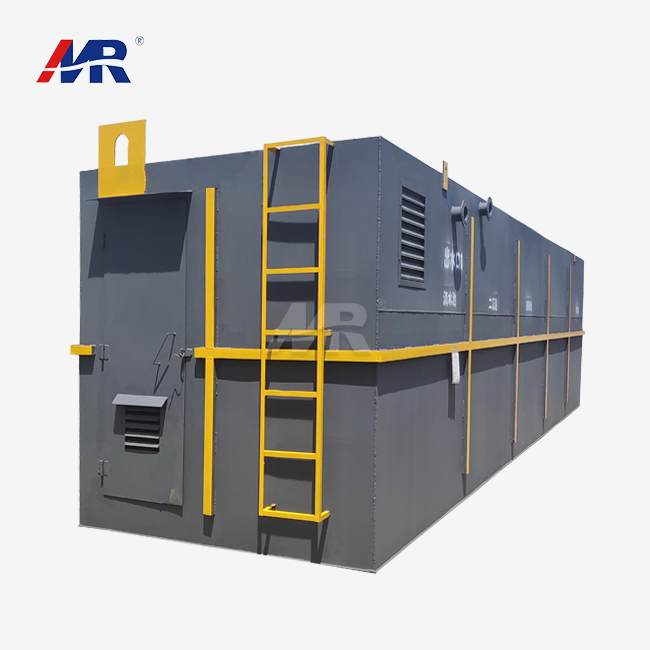 VIEW MOREhome wastewater treatment plant
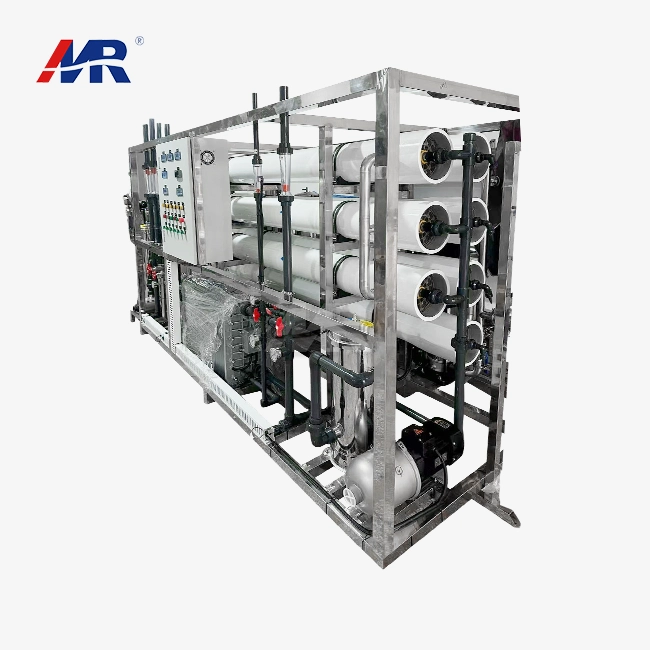 VIEW MOREedi module water treatment
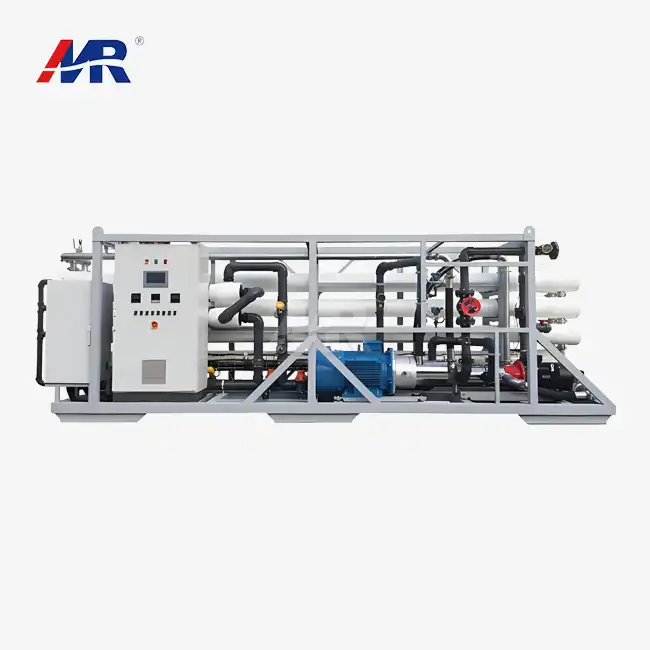 VIEW MORE15m3/hour seawater desalination system
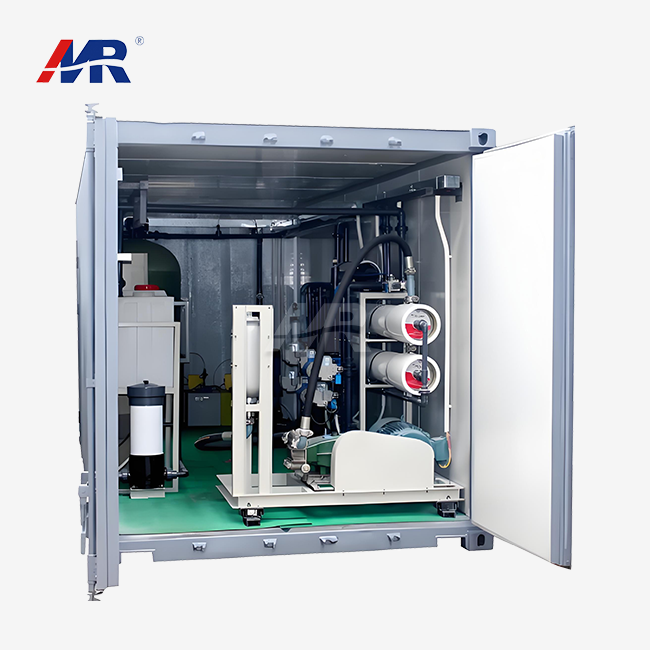 VIEW MOREcontainerized UF+RO system
