_1745823981883.webp)

Large Capacity Reverse Osmosis Storage Tanks: Solutions for High Water Demand
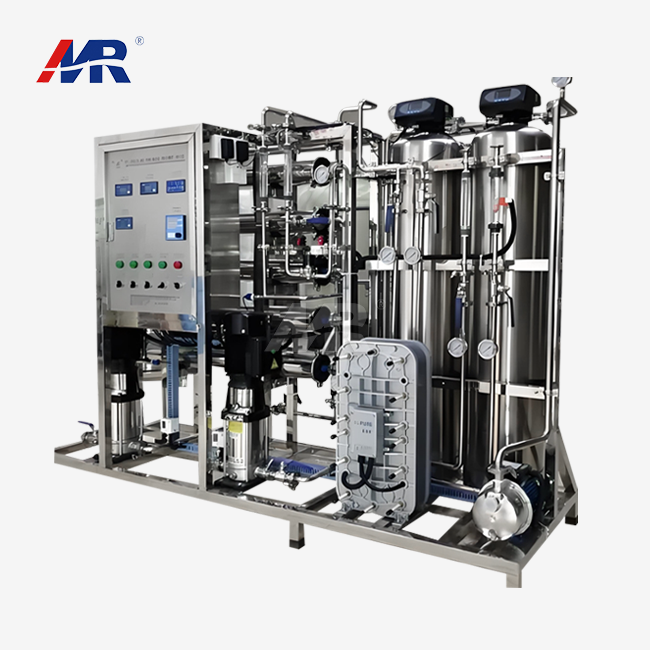
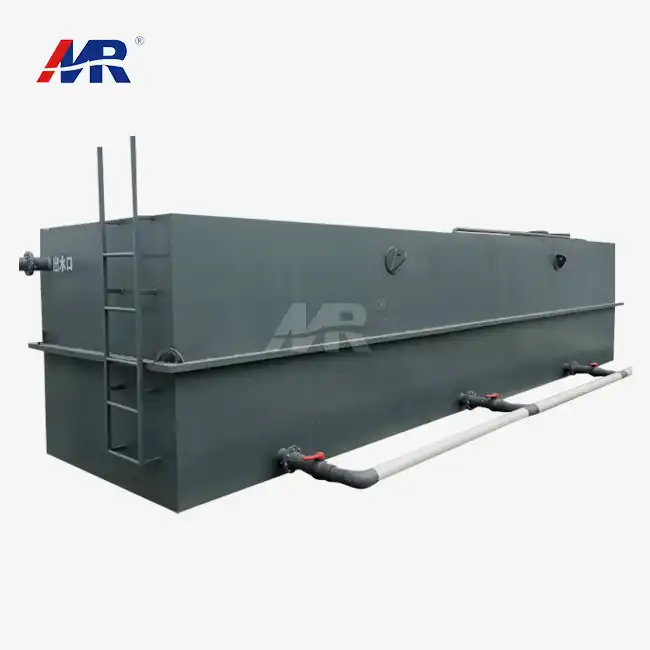
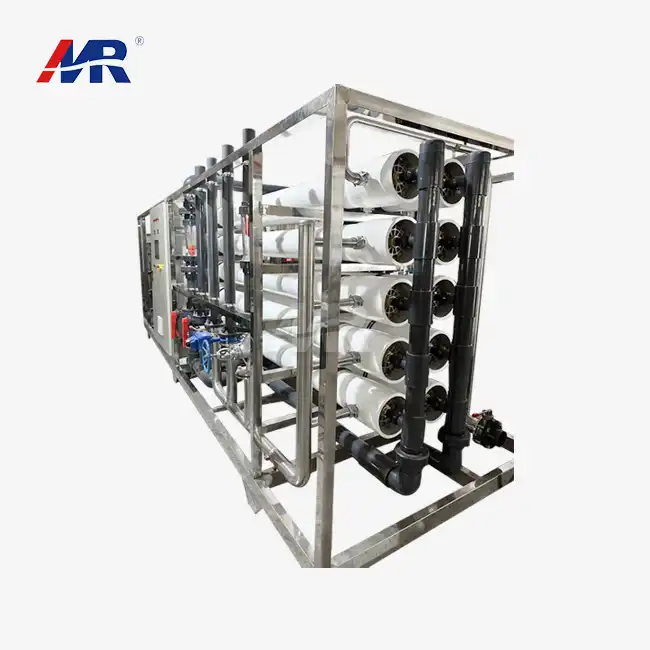
Large volume reverse osmosis storage tanks are an important part of modern water treatment systems, especially for companies that use a lot of water every day. These specialized Large Capacity Storage Tank systems are like reservoirs that keep the water flow steady for industries like manufacturing, pharmaceuticals, food preparation, and cities. When combined with modern reverse osmosis technology that can process 50 cubic meters of water per hour and recover up to 75% of that, these storage options make sure that operations don't stop and use the least amount of energy possible—only 0.8 to 1.2 kWh per cubic meter. For procurement workers looking for reliable, scalable options that can support continuous production cycles and meet strict quality standards, it's essential to understand how important strong water storage is from a strategic point of view.

Understanding Large Capacity RO Storage Tanks: Essential Knowledge
Core Components and Technical Specifications
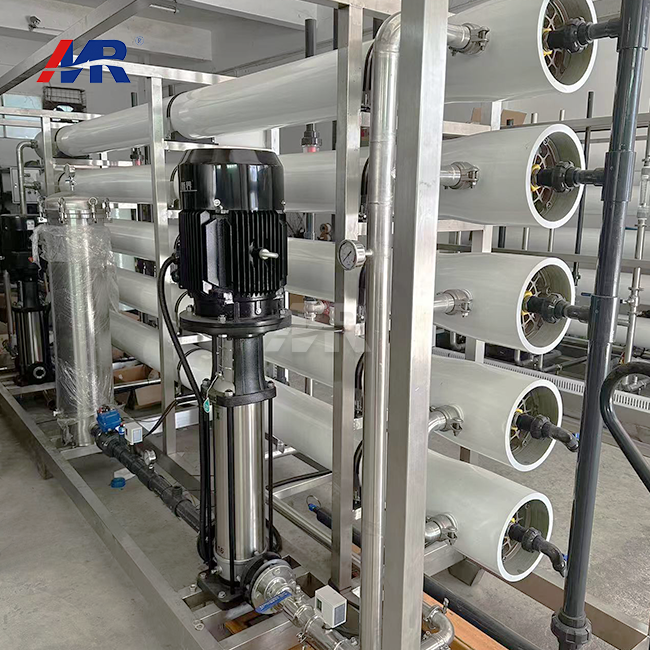
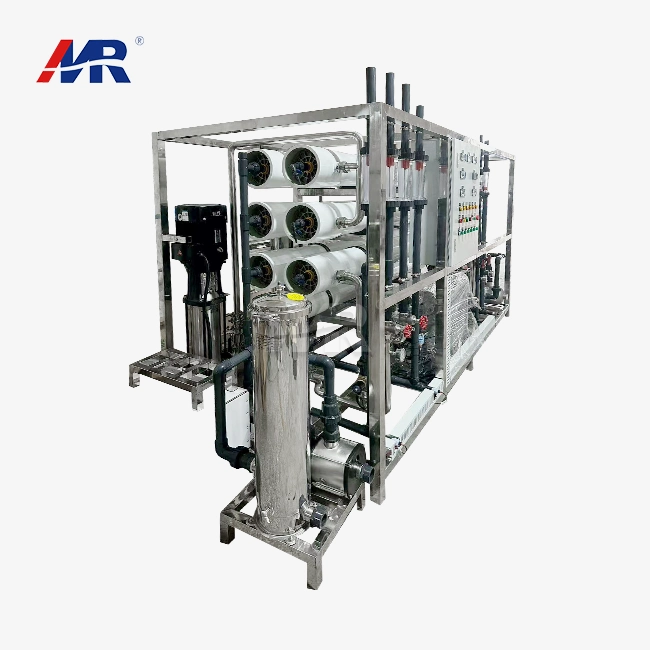
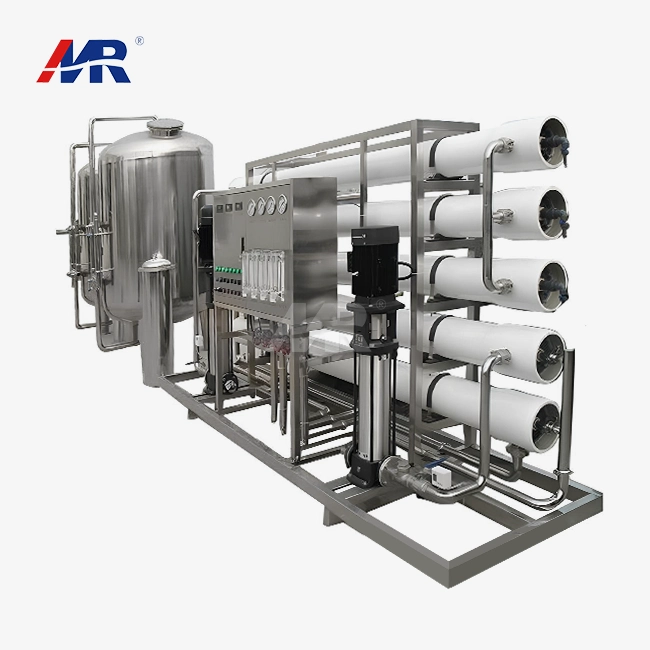
Large RO storage tanks are high-tech reservoirs made to hold and control the temperature of clean water that has been filtered through reverse osmosis. The advanced engineering principles used in these tanks keep the water clean while maintaining the steady pressure and flow rates needed for high-demand industry uses. Modern systems use TFC filters with high rejection, along with different preparation choices that can be changed to work best in a range of feed water conditions.
The technical design of these storage systems works well with automatic control systems that have PLC interfaces and touchscreen tracking tools. With this connection, operators can keep tight control over storage settings, keep an eye on water quality metrics, and change release plans to meet changing demand in real time. The small footprint design makes it possible to place it in buildings with limited space without reducing the amount of room available for storage or making it harder to get to for maintenance tasks.
Material Composition and Durability Standards
Materials used to build tanks have a big effect on how long they last and how often they need to be maintained. Premium Large Capacity Storage Tank systems are made of corrosion-resistant materials like food-grade stainless steel and modern composite materials that are made to store water. These materials are put through a lot of tests to make sure they meet international safety standards. For example, they have to be NSF/ANSI certified and FDA approved for areas that come into contact with drinking water.
Choosing the right materials for a reverse osmosis storage tank depends a lot on what they will be used for and the situations where they will be used. When making medicines, you need materials that meet strict GMP standards. When making food and drinks, you need surfaces that don't let germs grow and keep the flavors neutral. Chemical protection and temperature stability may be more important in industrial settings to meet a variety of practical needs.
Benefits and Performance Optimization of Large Capacity RO Storage Tanks
Operational Advantages and Energy Efficiency
Putting in big RO tanks has measured operational benefits that have a direct effect on how well production runs and how costs are managed. These benefits come from the advanced tech that makes up modern storage options.
These methods are very helpful for industrial processes in the following ways:
- Pressure Stabilization: This keeps the water pressure steady across all delivery networks, so changes in pressure don't mess up important factory processes.
- Energy Conservation: lowers the frequency of pump cycles by 40–60%, which cuts down on electricity use and makes tools last longer.
- Production Continuity: Provides overflow storage that keeps the water supply going even when demand is high or when repair work is being done.
- Quality Preservation: modern tank design keeps water clean enough for medicinal and food uses without letting it get contaminated.
These changes to operations have led to measurable cost savings and higher production dependability. When compared to situations where water is made on demand, manufacturing sites that use properly sized holding systems report average energy savings of 25 to 30 percent.
Maintenance Protocols and Lifecycle Management
Effective repair plans keep tanks in good shape and make sure they keep working well over long periods of time. As part of regular inspection routines, the state of tanks is checked, pressure control devices are checked, and water quality is checked to find problems before they affect production plans.
Modern Large Capacity Storage Tank systems use energy-efficient design features like advanced insulation technologies that lower heat loss and smart tracking controls that allow system improvement in real time. These features lower operating costs and give a lot of information for planning repair ahead of time and analyzing performance.
Comparing Large Capacity RO Storage Tanks: Making Informed Choices
Capacity Planning and Sizing Considerations
To choose the right tank size, you need to carefully look at how much water you use, how much you need at peak times, and how flexible you need your operations to be. Facilities that process 50 cubic meters per hour benefit from storage spaces that give them an extra 4 to 8 hours of work time, in case production plans or repair windows change.
For longer production runs, larger holding systems make sure that water is always available, but they need a lot of money and room to be installed. Smaller configurations may work best for facilities with steady production schedules and predictable usage patterns, as they offer lower initial costs and easier upkeep needs.
Installation Options and Environmental Factors
Choosing between stainless steel and composite materials affects how well they fight rust, how hard they are to maintain, and the total cost of ownership. The original cost of stainless steel is higher, but it lasts longer and is easier to clean. Composite materials are better at resisting chemicals and are lighter, but they still keep their shape under different pressures.
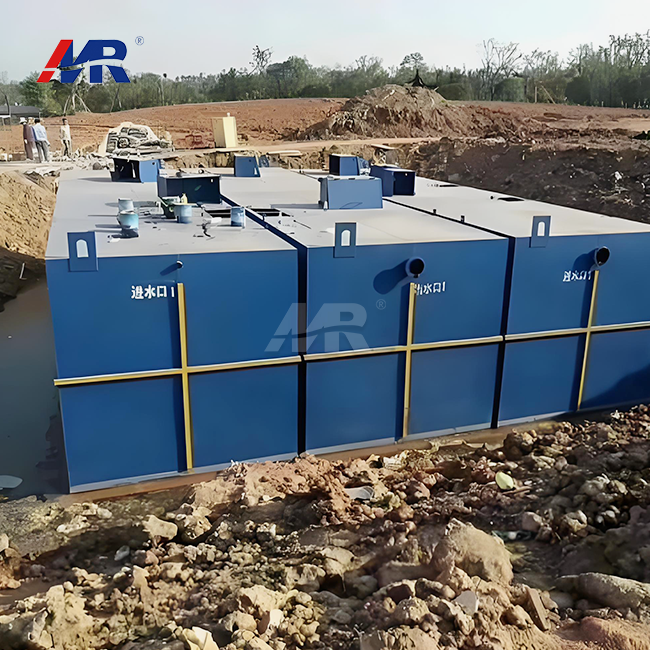
Whether an installation is above or below ground affects how the world is changed, the size of the building, and the cost of the installation. Maintenance and inspection are easier to get to with above-ground systems, but they may need more protection in harsh regions. Underground systems save space in the building and keep the temperature stable naturally, but they need to be dug out carefully and waterproofed.
Procurement Guide: Acquiring Large Capacity RO Storage Tanks for Your Business
Supplier Selection and Quality Assurance
To get big RO storage tanks, you need to work with manufacturers who have a history of providing effective water treatment options. Established providers like Guangdong Morui Environmental Technology Co., Ltd. offer a wide range of services, including making equipment, installing it, and providing ongoing support. These suppliers guarantee consistent quality and technical dependability with more than 500 workers, 20 specialized engineers, and their own ways of making membranes.
The ability to customize means that buying teams can choose tank sizes, materials, and built-in features that meet exact operating needs. Expert manufacturers offer thorough engineering advice to find the best tank specifications based on the limitations of the building, the needs of output, and the requirements of legal compliance.
Investment Analysis and Financial Planning
A full cost-benefit analysis takes into account the original capital needs, installation costs, ongoing upkeep costs, and the chance of saving money on operations. Large Capacity Storage Tank systems usually give a good return on investment in 18 to 24 months by using less energy, wearing out less equipment, and making production more efficient.
When you buy in bulk and have open payment terms, you can get better prices and make the most of your buying budget. Professional installation services and full guarantee coverage reduce operating risks and make sure that the new system works well with the old water treatment system.
Case Studies and Industry Applications
Manufacturing and Industrial Success Stories
Implementations in the real world show that big capacity reverse osmosis storage tank solutions work well in a wide range of industrial areas. After adding a 75,000-liter storage system with 50 m³/hour RO equipment, a Texas pharmaceutical manufacturing plant was able to increase production by 35%. The work got rid of production delays that were caused by not having enough water during busy manufacturing times.
Food and drink businesses gain a lot from having constant access to and quality control of water. A California beverage processing plant cut down on water-related production stops by 85% and saved 20% on energy costs by optimizing pump operation cycles and making sure there was enough storage space.
Agricultural and Municipal Applications
Agricultural irrigation projects that use Large Capacity Storage Tank systems show huge gains in how efficiently they use water and how much food they produce. Large farms use reverse osmosis systems to clean brackish groundwater and store the clean water in tanks that can hold 100,000 liters so that it can be distributed more evenly for watering.
Large holding systems are being used more and more by municipal water treatment plants to handle changes in demand and keep service levels stable. New technologies, like smart tracking systems and eco-friendly materials, keep making storage better while also making it easier to use and having less of an impact on the environment.
Conclusion
Large reverse osmosis storage tanks are important pieces of infrastructure for companies that need to handle large amounts of water, like those in the industrial, pharmaceutical, food processing, and local sectors. These complex systems make sure that operations are stable, that energy is used efficiently, and that quality is maintained. These features have a direct effect on how reliable production is and how costs are managed. When properly designed and combined with modern RO systems that can produce 50 cubic meters per hour, storage options offer measurable benefits such as lower energy use, better production continuity, and better maintenance of water quality. Making smart choices about what to buy by taking into account things like capacity needs, material specifications, and the knowledge of the provider will ensure that the system works well and is successful in the long run.
FAQ
Q1: What maintenance schedule should we follow for large-capacity storage tanks?
Visual checks are done once a month, pressure tests are done every three months, and full cleaning is done once a year as part of regular upkeep. Automated tracking systems send real-time alerts when parameters change, which lets you plan repairs ahead of time and avoid interruptions to operations.
Q2: How do we determine the appropriate tank capacity for our facility?
When computing capacity, one has to take into account peak hourly usage, changes in the production plan, and the desired operating buffer times. Most facilities benefit from having enough storage space to cover 4–8 hours of peak demand, which makes sure they have enough supplies in case of repair or supply shortages.
Q3: What certifications should we require from storage tank suppliers?
Some important Certifications are NSF/ANSI standards for touch with potable water, ISO 9001 quality management, and approvals specific to the business, like FDA compliance for food use or GMP certification for medicinal use. These licenses make sure that regulations are followed and that quality is maintained.
Partner with Morui for Advanced Large Capacity Storage Tank Solutions
Morui Environmental Technology Co., Ltd. in Guangdong, China, offers complete water cleaning options with cutting-edge storage systems made for tough industrial uses. When you combine our 50 m³/hour reverse osmosis equipment with our carefully designed Large Capacity Storage Tank systems, you get a steady source of water for making medicines, processing food, and running factories. With 14 offices, dedicated engineering support, and the ability to make its own membranes, Morui offers full turnkey solutions that include supplying equipment, installing it professionally, and providing ongoing Technical support. Get in touch with our experts at benson@guangdongmorui.com to talk about your specific needs and find out how our tried-and-true storage solutions can help you get the most out of your water treatment equipment while also cutting costs and making sure you follow all the rules.
References
1. American Water Works Association. "Storage Tank Design and Construction Standards for Municipal Water Systems." AWWA Publications, 2023.
2. International Desalination Association. "Industrial Reverse Osmosis Systems: Storage and Distribution Best Practices." IDA Technical Review, 2023.
3. National Sanitation Foundation International. "Storage Tank Materials and Certification Requirements for Potable Water Applications." NSF Standards Manual, 2023.
4. Water Quality Association. "Large-Scale Water Storage Systems: Performance Optimization and Energy Efficiency Guidelines." WQA Technical Bulletin, 2022.
5. Environmental Protection Agency. "Industrial Water Treatment Infrastructure: Storage System Design and Regulatory Compliance." EPA Technical Guidelines, 2023.
6. Industrial Water Treatment Association. "Cost-Benefit Analysis of Large Capacity Storage Systems in Manufacturing Applications." IWTA Research Report, 2023.