_1745823981883.webp)

Landfill Leachate Is Changing: A Deeper Look at the Treatment Implications
The makeup and properties of landfill leachate are changing quickly because of new contaminants, changed garbage streams, and tighter environmental rules. This change brings both problems and chances for people who work in trash management who are looking for good ways to treat waste. While remaining cost-effective and compliant with regulations, modern landfill leachate treatment system technologies must deal with increasingly complicated pollutant patterns. The effects go beyond simple biological methods; they need advanced membrane technologies, oxidation processes, and mixed approaches that can adapt to different types of leachate while still providing consistent results.
Understanding Landfill Leachate and Its Treatment Challenges
The Complex Nature of Modern Leachate Composition
Because its makeup and concentration levels are so changeable, landfill leachate is one of the most difficult wastewater streams to deal with in environmental engineering. The liquid is created when precipitation seeps through layers of solid waste, breaking down organic molecules, heavy metals, ammonia nitrogen, and new pollutants like microplastics and pharmaceuticals. This complicated mix changes a lot depending on how old the dump is, what kind of waste it is, how much rain falls each season, and how trash is thrown away in the area.
In raw leachate, the chemical oxygen demand (COD) can be anywhere from 5,000 to 60,000 mg/L. In developed dumps, ammonia nitrogen levels often go over 1,000 mg/L. Heavy metals like lead, cadmium, and chromium make treatment more difficult and require special ways to get rid of them. New studies show that modern urban solid garbage makes leachate with higher amounts of refractory organic compounds that are hard for living things to break down normally.
Regulatory Pressures Driving Treatment Innovation
Environmental protection agencies around the world have made it harder for leachate treatment plants to release waste. For direct discharge, the US Environmental Protection Agency says that COD levels must be less than 100 mg/L. For nitrogen and phosphorus compounds, the European Union sets even tighter standards. Because of these rules, facility owners are forced to use more advanced technology solutions instead of the old ways of treating patients.
As tracking standards grow to include new contaminants and pharmaceutical chemicals, compliance problems get worse. Treatment plants have to show steady performance across a number of factors while also dealing with changes in the quality and volume of the influent. Penalties for not following the rules can be as high as a hundred thousand dollars, so choosing a reliable treatment system is a very important business choice.
Operational Challenges in Traditional Treatment Methods
Leachate has a lot of ammonia, and the organic loading rates change all the time, which makes it hard for traditional biological treatment methods to work. When ammonia levels go above 500 mg/L, activated sludge processes often stop working. Also, changes in leachate production throughout the year make operations unstable. Traditional cleaning methods are made more difficult by membrane fouling, the cost of chemicals used, and the need to get rid of sludge.
Concerns about energy use are also very important, since biological treatment systems need a lot of power to mix and add air to the fluid. The operational staff has to keep track of complicated chemical dosing schedules, as well as cleaning cycles for membranes and repair plans for equipment. These things lead to high running costs and less reliable systems.
Evolution of Landfill Leachate Treatment Technologies
Advanced Membrane Filtration Systems
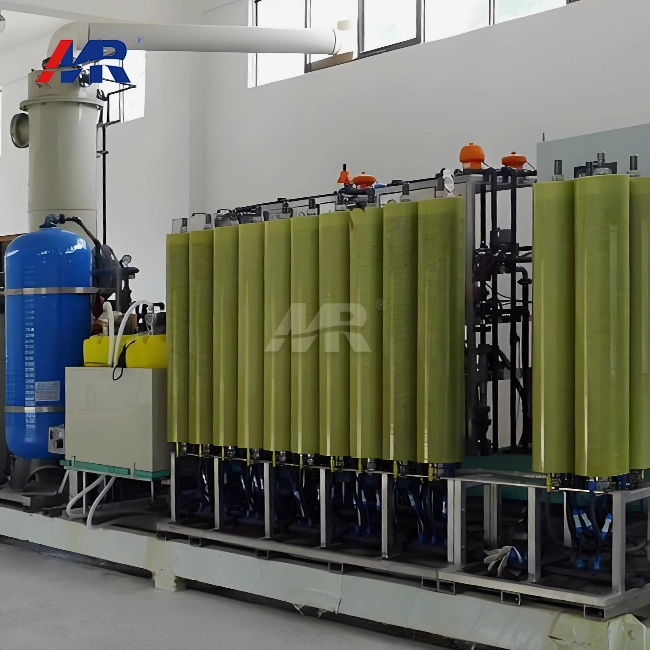
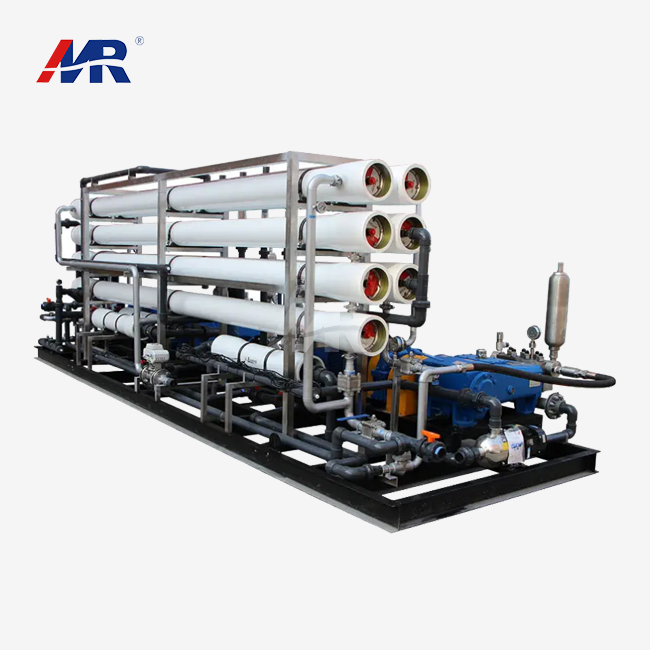
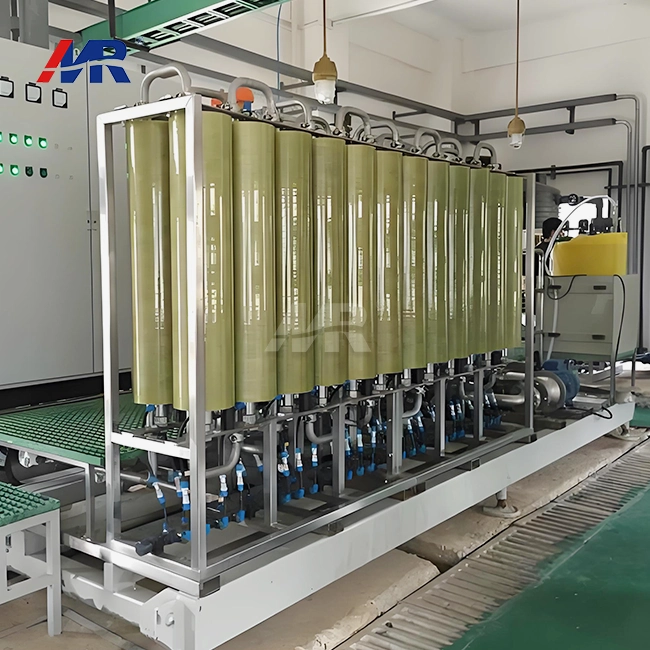
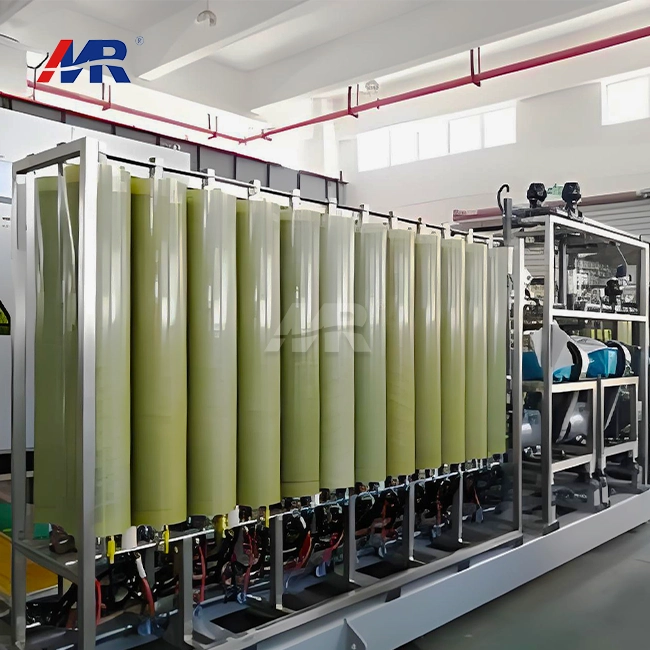
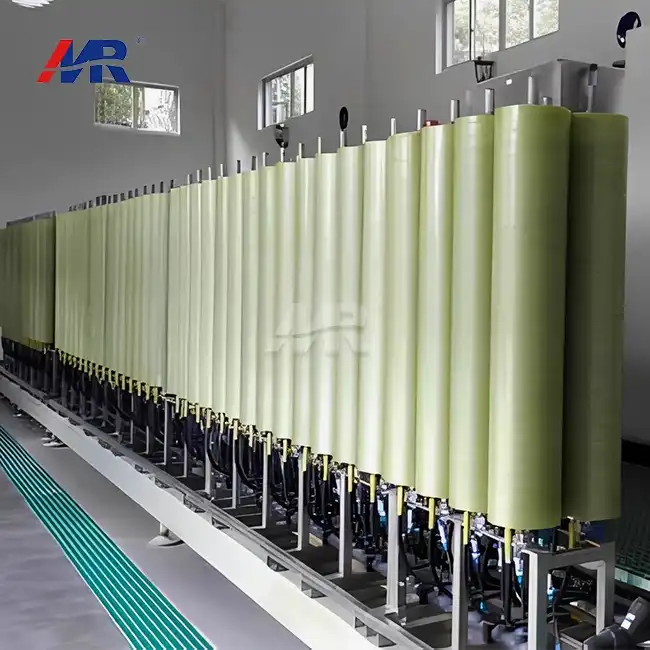
In modern landfill leachate treatment systems, membrane technology has changed the way leachate is treated by making it less likely to foul and better at getting rid of contaminants. It is better for disc tube reverse osmosis (DTRO) systems to work in places with a lot of salt because they can reject more than 98% of dissolved solids and chemical materials. These systems work well with feed TDS levels as high as 80,000 mg/L and keep the quality of the permeate constant.
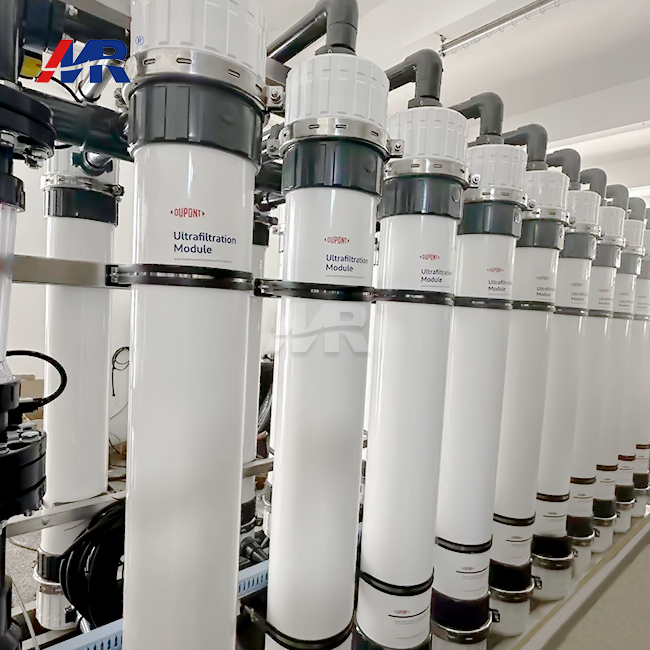
Ultrafiltration removes colloidal and floating solids, which keeps reverse osmosis filters from getting clogged. Modern membrane materials with anti-fouling surface changes make it possible to run for longer periods of time without having to be cleaned, which saves chemicals and time. Using both automatic backwashing and chemical cleaning methods together makes sure that the machine works the same way no matter what the feed conditions are.
Hybrid Treatment Approaches
Hybrid systems that combine biological, physical, and chemical processes are becoming more popular in modern treatment design because they work better and cost less. When you pair sequential batch reactors with membrane bioreactors, you get stable biological treatment and high-quality waste that can be used for membrane cleaning. Compared to physical-chemical treatment trains that only use chemicals, this method uses less energy generally.
Ozone, hydrogen peroxide, and UV rays are used in advanced oxidation processes to break down organic substances that are hard for living things to break down. These technologies get rid of more than 80% of COD in tough organics while also disinfecting the water at the same time. Adding membrane separation to the process lets you selectively oxidize certain contaminants while keeping the treatment's effectiveness.
Automation and Smart Monitoring Integration
Modern facilities that treat leachate use complex control systems that make the best use of resources by keeping an eye on parameters in real time and planning repairs ahead of time. Programmable logic controls keep an eye on important factors like pH, conductivity, turbidity, and flow rates, and they also change chemical doses and membrane cleaning processes automatically.
With remote tracking, facility managers can keep an eye on performance trends and spot possible problems before they affect the effectiveness of treatment. Machine learning systems look at practical data to figure out the best times for repair and how chemicals should be used. These improvements cut down on operating costs while also making treatments more reliable and making sure that people follow the rules.
Comparing Landfill Leachate Treatment System Technologies for Optimal Selection
Performance Evaluation Criteria
To choose the right treatment technology, you need to look at how well it works technically, how much it costs to run, and how well it meets legal requirements. Multiple factors must be used to judge the success of a treatment, such as the removal of COD, the reduction of ammonia nitrogen, the removal of heavy metals, and the rejection of total dissolved solids. Another important thing to consider when evaluating a system is how reliable it is under different loading situations.
When you look at capital costs, you should think about things like buying equipment, the cost of installing it, and the building's infrastructure needs. The operational cost analysis looks at things like how much energy is used, what chemicals are used, how often the membranes need to be replaced, and how much upkeep work is needed. Life-cycle cost analysis is the most accurate way to compare technologies in a range of operating situations.
Biological vs. Membrane-Based Treatment Comparison
Compared to membrane-based options, biological cleaning systems require less money to set up and use fewer chemicals. But they need bigger areas and are sensitive to changes in the quality of the influent. Membrane systems have better wastewater quality and a smaller footprint, but they cost more to install and have to be replaced more often.
The dependability of treatment is very different between these methods. Biological systems can get back to normal after being upset, but it could take weeks for them to do so. When membrane systems are cleaned or parts are replaced, they work better right away, but their performance can drop quickly if there is fouling or damage to the membrane.
Case Studies in Technology Selection
A California city dump got rid of its old biological treatment system and replaced it with a DTRO-based Landfill Leachate Treatment System. This system removed 99.2% of COD and cut costs by 35%. The new system can handle 500,000 gallons of water every day and is mostly automatic, so a user doesn't have to do much.
A Texas industrial waste site used a combination treatment method that mixed anaerobic biological treatment with membrane polishing. Compared to treatment using only oxygen, this setup used 45% less energy while still meeting all discharge limits for the factors that were being controlled. The plant consistently gets good results when it handles leachate with COD levels between 8,000 and 35,000 mg/L.
Practical Guide to Procuring Landfill Leachate Treatment System Solutions
Vendor Evaluation and Selection Process
To find skilled treatment system providers, you need to look at their technical knowledge, ability to make systems, and ability to provide service support. Reputable makers show they have a lot of experience using leachate in different ways and back up their performance promises with data from field tests. Reference setups with similar influent traits are a useful way to confirm performance.
Technical plans should have thorough process flow maps, specs for the equipment, and data on how the system is expected to work in different operating situations. Suppliers must show that they follow the industry standards that apply and offer full warranties for all major system parts. Other things that are used for review are installation timelines and the ability to provide execution support.
Financial Considerations and Procurement Models
Getting a treatment system can be paid for in a number of ways, such as through straight purchase, lease agreements, and build-operate-transfer deals. Long-term, direct purchase is cheaper, but it needs a big investment in cash and operational duties. Leasing lowers initial costs and includes upkeep help, but it may lead to higher long-term costs.
Build-operate-transfer models make sure that performance promises are met while handing over operating risk to service providers with a lot of experience. The way these setups are set up works well for facilities that don't have specialized treatment knowledge or that like having stable operating costs. The terms of the contract should include clear instructions for how to perform the work and consequences for not following them.
Installation and Commissioning Requirements
For system execution to go smoothly, the project needs to be carefully planned out, with time slots set aside for site preparation, connecting utilities, and installing equipment. Pre-installation site studies find problems that might come up, like not having enough room, not having enough electricity, or needing environmental permits. Working together with the local government ensures that all the rules are followed during the building process.
As part of the commissioning procedures, all system parts should be tested thoroughly in real-world situations. Performance proof testing shows that the design specs and legal requirements have been met. Operator training programs make sure that the people who work in the building can keep the systems running at their best and do the regular repairs that need to be done.
Enhancing Trust and Ensuring Compliance: The Brand and Regulatory Perspective
Regulatory Compliance and Certification Standards
Leading companies that make treatment systems follow strict international rules, such as those set out in ISO 9001 for quality management and ISO 14001 for environmental management. These Certifications show that the company is committed to environmental duty and quality control throughout the whole production process. NSF certification for drinking water uses gives membrane parts and treatment chemicals more authority.
Procurement leaders are more likely to trust performance promises that are backed up by a lot of testing data. Authentic sellers give thorough records that include the outcomes of pilot studies, performance data from reference installations, and a background of how the product has been used over a long period of time. This openness helps people make smart decisions and lowers the risks of adopting new technologies.
Service Excellence and Technical Support
Leading equipment sellers are different from product providers because they offer full-service support. Support for technical issues should include emergency reaction 24 hours a day, seven days a week, remote tracking services, and programs that plan ahead for repair needs. On-site service workers who are trained in treating leachate make sure that problems are fixed quickly and that downtime is kept to a minimum.
Training programs for facility workers teach them how to run systems, do regular repairs, and figure out what's wrong. Ongoing technical help includes suggestions for improving performance, making better use of chemicals, and planning the best way to update. These services improve the performance of cleaning systems and make tools last longer.
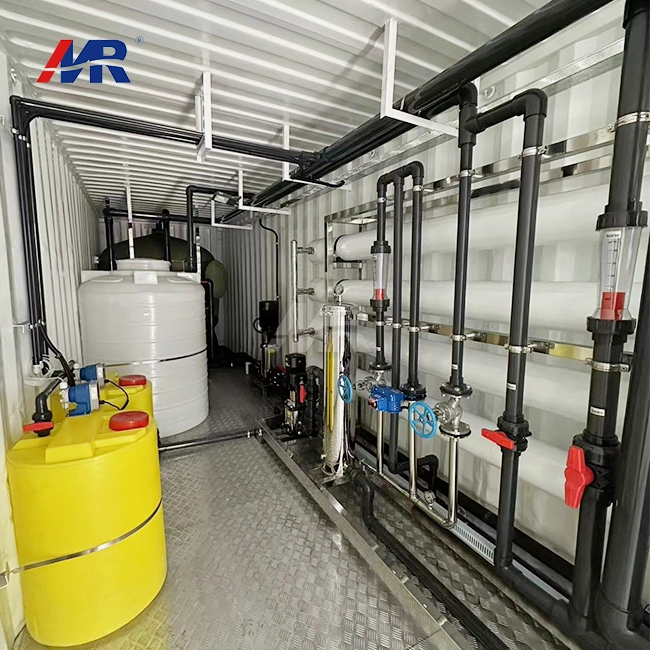
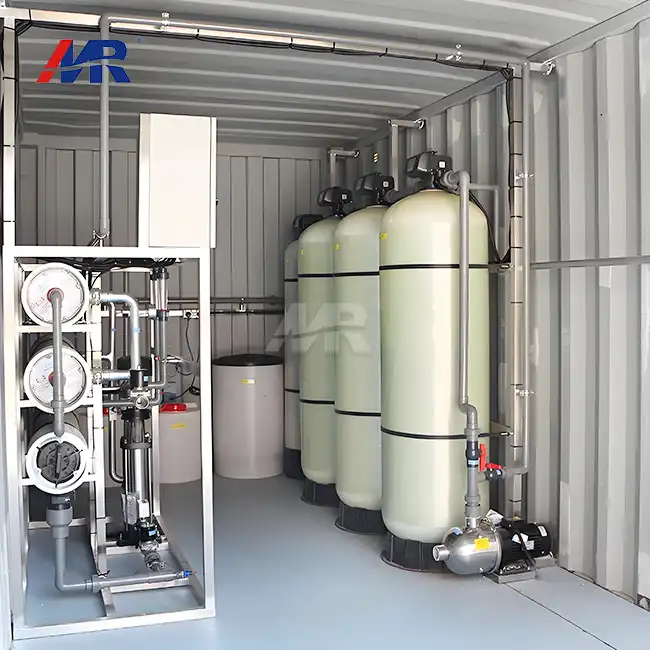
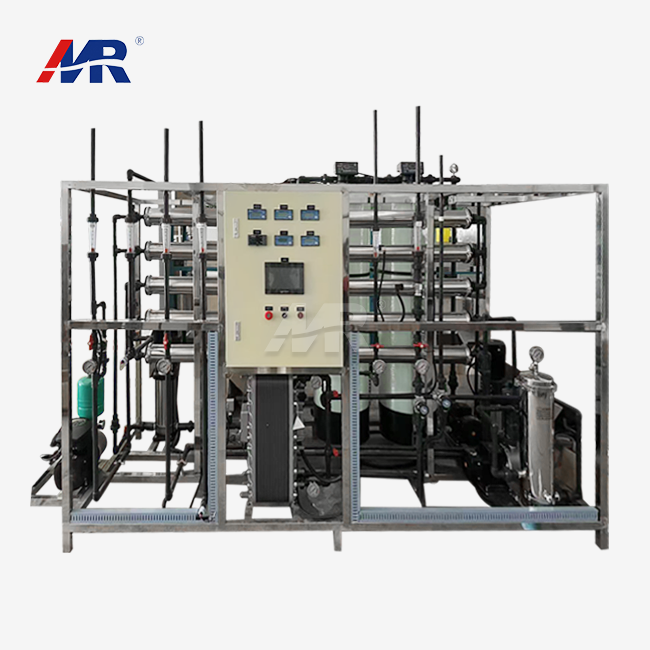
At MORUI, our Landfill Leachate Treatment System combines cutting-edge membrane technology with 19+ years of industrial expertise to deliver reliable, scalable solutions. Our Model MR-DTRO-110TD system achieves exceptional performance with power consumption of 89 kW/hour and recovery rates of 50-70% while handling inlet COD levels up to 25,000 mg/L. The system incorporates comprehensive pretreatment, including screening, pH adjustment, sedimentation, sand filtration, and carbon filtration, followed by DTro membrane modules and UV/ozone post-treatment for safe discharge or reuse.
Our global quality standards include trusted components from industry leaders such as Toray membranes, DOW filters, and Siemens automation systems. With 15+ workshops and 14+ global branches, we ensure rapid deployment and reliable service support. Fortune 500 clients, including Foxconn and BYD, have validated our system performance in challenging high-chloride leachate conditions, demonstrating our commitment to delivering proven solutions.
Conclusion
As the way waste leachate is treated changes, it needs more advanced technological methods to deal with contamination problems that are getting more complicated while still being cost-effective and following the rules. These days' treatment systems need to be able to adapt to different types of leachate, work reliably even when conditions are tough, and handle different types of leachate makeup. The latest developments in leachate treatment include advanced membrane technologies, hybrid treatment approaches, and intelligent automation systems. These methods work better than traditional biological ones and can meet new regulatory requirements and operational challenges.
FAQ
1. What factors should be prioritized when selecting a leachate treatment system?
The ability to comply with regulations, the ability to change the quality of the influent, and the long-term running costs should all be taken into account when choosing a treatment system. Performance promises for key factors like heavy metal removal, ammonia nitrogen reduction, and COD removal make sure that regulations are followed. Having a system that can adapt to changes in the amount and quality of leachate that happen with the seasons keeps operations running smoothly and keeps treatment working well.
2. Can existing biological treatment systems be upgraded with advanced membrane technology?
Adding membrane cleaning systems to biological treatment plants that are already in use can greatly improve their performance while utilizing existing infrastructure investments. To meet higher standards for wastewater quality, membrane systems can be added after biological treatment. This combined method saves money on capital costs compared to replacing the whole system, and it also makes operations more flexible and reliable.
3. What are the cost considerations between purchasing and leasing treatment equipment?
Buying equipment can save you money in the long run and give you more power over your operations, but it takes a lot of money and technical know-how. Leasing plans may have lower initial costs and include upkeep help, but they may cost more in the long run. Build-operate-transfer deals move operational risk to the new owner while guaranteeing performance. However, they limit operational control and customization options.
Transform Your Leachate Management with MORUI's Advanced Treatment Solutions
Advanced leachate treatment technology can revolutionize your facility's environmental compliance while reducing operational costs and improving treatment reliability. MORUI's proven Landfill Leachate Treatment System manufacturer capabilities deliver comprehensive solutions tailored to your specific operational requirements. Our experienced engineering team provides end-to-end support from initial system design through commissioning and long-term Technical support. Contact our specialists at benson@guangdongmorui.com to explore how our innovative membrane technology and automation systems can optimize your leachate treatment performance while ensuring regulatory compliance and operational excellence.
References
1. Environmental Protection Agency. "Landfill Leachate Treatment Technologies: Performance and Cost Analysis." EPA Office of Research and Development, 2023.
2. International Solid Waste Association. "Global Trends in Landfill Leachate Management and Treatment Innovation." ISWA Technical Report Series, 2023.
3. Journal of Environmental Engineering. "Advanced Membrane Technologies for Landfill Leachate Treatment: A Comprehensive Review." ASCE Publications, 2023.
4. Waste Management Research Institute. "Economic Analysis of Landfill Leachate Treatment Systems: Comparative Study of Biological and Physical-Chemical Approaches." Academic Press, 2022.
5. International Water Association. "Emerging Contaminants in Landfill Leachate: Treatment Challenges and Technology Solutions." IWA Publishing, 2023.
6. Environmental Science and Technology Journal. "Membrane Fouling in Landfill Leachate Treatment: Mechanisms and Mitigation Strategies." American Chemical Society, 2023.