

_1745823981883.webp)

Best Desalination Technologies for Coastal Municipalities
Coastal cities and towns around the world are facing bigger problems with water security as traditional freshwater sources get used up faster. For places where seawater is a common alternative source of water, desalination technologies are a must for making sure that water supplies are lasting and reliable. More people moving into cities, droughts caused by climate change, and stricter rules on water quality have put advanced water treatment options at the top of the list for building municipal infrastructure. When choosing the right water purification device, you need to think carefully about its technological skills, how well it works, and how long it will last. Modern reverse osmosis systems and heating methods have been shown to turn salty water into high-quality drinking water that can be distributed by cities. When purchasing these technologies, people in charge have to weigh the original costs of capital against the ongoing costs of running the systems and make sure they meet strict rules for public water sources.
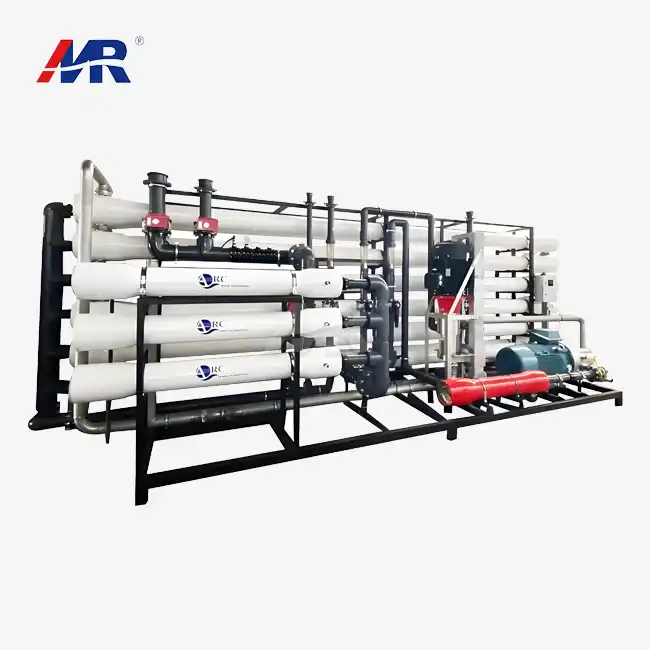
Understanding Desalination Technologies in Coastal Applications
Fundamental Processes and Operational Stages
For B2B clients looking at municipal water options, it's important to understand how seawater cleaning systems work at their core. Several methods are used in desalination to get rid of dissolved salts in saltwater and brackish water, turning them into potable water that meets strict quality standards. The first step is intake systems that pull in raw seawater and filter it through carefully designed systems that get rid of big trash and particles in the water.
During the pre-treatment stages, there are several filter steps, such as coarse screening, chemical dosing for clotting, and fine filtration to protect equipment further down the line. In the first step of cleaning, reverse osmosis screens that work under high pressure separate water molecules from salts that have been dissolved. Before the water is stored and distributed, processes called "post-treatment" change the pH levels, add minerals that the body needs, and make sure the end quality meets local drinking water standards.
Benefits and Operational Considerations
Modern seawater treatment plants give cities and towns water sources that don't dry up during droughts, no matter what the weather is like outside. These methods keep the quality of the water consistent even if the source water changes. This makes it possible to plan for population growth and economic development with confidence. Advanced membrane technologies can reject more than 99% of salt, which makes the water quality often better than that of freshwater sources.
Coastal cities and towns using desalination technologies need to carefully consider their energy needs, which are usually between 3.5 and 4.5 kWh per cubic meter of created water. Taking into account the environment means designing the right brine drainage and intake systems to have the least amount of effect on marine ecosystems. To make sure the system works well in the long term, it's important to plan for things like energy infrastructure, skilled operational staff, and repair routines.
Key Desalination Technologies for Coastal Municipalities: Comparison and Insights
Reverse Osmosis Systems vs. Thermal Technologies
Desalination technologies for municipal applications primarily center around reverse osmosis and steam distillation methods, each offering distinct advantages for different operational scenarios. Modern setups mostly use reverse osmosis systems because they are more energy efficient and can be expanded in modules to meet changing city needs. To separate salts effectively, these devices use semi-permeable barriers that work at pressures between 55 and 70 bar.
Thermal technologies, like multi-stage flash and multiple-effect distilling, are still good choices for places that have a lot of cheap energy sources or water quality standards. Thermal systems usually use 8 to 12 kWh per cubic meter, but they are very reliable and can handle difficult feedwater conditions with little need for pre-treatment.
Advanced Membrane Technologies and Hybrid Systems
New membrane improvements include low-energy reverse osmosis parts and high-recovery designs that make operations more efficient. When compared to regular systems, energy recovery devices use 30–40% less power because they take pressure from brine streams. When you look at the total costs over the whole lifetime, these new technologies make treating seawater more competitive with other methods.
Hybrid systems that use both membrane and thermal methods give cities and towns with changing weather needs more options. Using green energy sources, like solar and wind power, together with traditional energy sources, opens the door to carbon-neutral water production. Smart tracking systems allow for predictive repair and operation from a distance, which lowers costs and raises system reliability.
Environmental Impact Management
As part of responsible brine management, deep ocean release through diffuser systems is used to make sure that the salt doesn't hurt marine areas too much. More advanced methods get recovery rates of 38 to 45%, which means that less concentrated brine needs to be thrown away. Some sites use brine concentration technologies to reduce the amount of waste they have to dump or to enable its recovery in useful ways.
The carbon impact of making public water much smaller is achieved by making membrane configurations and energy recovery systems more energy efficient. Using renewable energy sources can help water treatment plants have net-zero emissions and protect important structures from power outages.
Selecting the Best Desalination Technology for Your Municipality
Critical Decision Factors and Performance Criteria
When choosing the right water cleaning options for cities, procurement teams have to look at a lot of scientific and financial factors. The salinity, temperature changes, and organic makeup of the feedwater all have a direct effect on the choice of technology and the amount of pre-treatment that needs to be done. Standardized reverse osmosis setups may work well in coastal areas with stable seawater quality, but they need to be changed for areas with changing brackish water sources.
The supply of energy infrastructure has a big effect on desalination technologies that can be used and the prices of running them. Cities with stable power grids can look for reverse osmosis systems that use less energy, while places with weak power grids might look at heating technologies that use alternative energy sources. System configuration and placement methods are also affected by the amount of space available and how well they work with the current water infrastructure.
Cost Analysis and Return on Investment
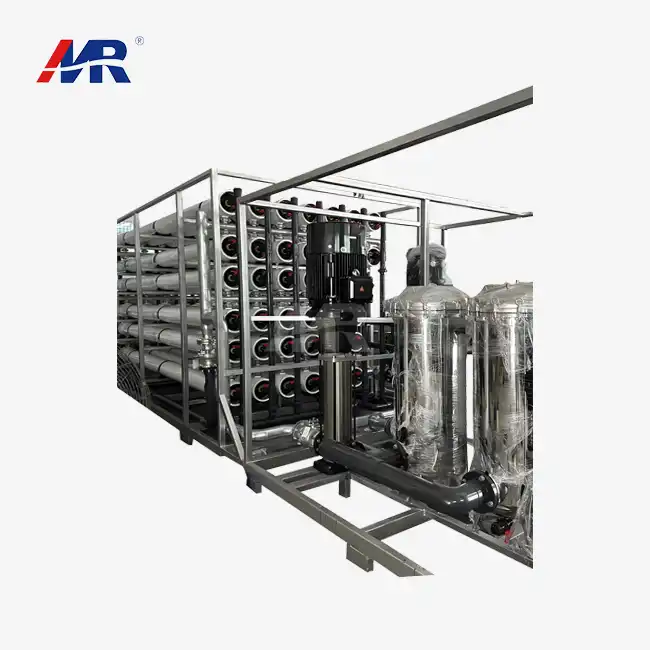
When deciding how much to spend on capital, you should think about how much it will cost to buy the equipment, prepare the spot, and install it. These costs usually range from $2,000 to $4,000 per cubic meter of daily capacity. Operational costs include things like energy use, replacing membranes, applying chemicals, and hiring skilled workers. Current systems, such as the MR-SWRO-20TH model, show how energy-efficient designs allow current equipment to work at its best while still rejecting 99% of salt. These designs use only 3.5 to 4.5 kWh per cubic meter.
Lifecycle cost analysis needs to include repair plans, how often membranes need to be replaced, and estimates of how long equipment will last. High-quality systems with marine-grade parts that don't rust usually last 20 to 25 years with regular upkeep, giving a good return on investment when compared to the costs of other water sources.
Real-World Implementation Examples
Successful placements in cities show that the right desalination technologies can work in a wide range of coastal settings. Medium-sized seaside towns have successfully put in place 20-cubic-meter-per-hour systems that provide 480 cubic meters per day, which is enough for 2,000 to 3,000 people. Most of the time, these sites are made up of separate modules that can be added to as communities grow.
In big towns, there are often more than one treatment train, each with a capacity of 100 to 500 cubic meters per hour. This gives the city extra safety and operating flexibility. Remote coastal towns can benefit from small, automated systems that keep water quality standards safe with little help from operators.
Procurement Guide for Desalination Technology Equipment and Services
Supplier Evaluation and Technology Assessment
Leading companies that make water cleaning equipment offer a wide range of options, from single parts to full systems that are ready to go. When judging, it's important to focus on things like track records in local applications, the ability to come up with new technologies, and full-service support networks. Quality clearances, such as ISO standards and government approvals, ensure that equipment meets the strict water quality standards set by cities.
Guangdong Morui Environmental Technology Co., Ltd is an example of a company that knows a lot about treating water because it has integrated manufacturing skills, such as sites for making membranes and putting together equipment. With more than 500 workers and 20 skilled engineers spread out across 14 branches around the world, these companies have the technical depth needed for large-scale city projects.
Contract Models and Service Integration
The main ways that local water treatment projects can be bought are listed below:
- Turnkey options include designing, installing, and testing the whole system from a single source. This makes project management easier and makes sure that all performance promises are covered.
- Equipment-only contracts allow cities and towns to use local companies to handle installation and integration while still keeping costs low during construction.
- Build-operate-transfer arrangements let the private sector finance and run the project for the first few years before the city takes ownership, which lowers the amount of money that needs to be paid up front.
The different technical skills and spending limits of cities can be met by these adaptable purchasing models. Professional installation is necessary for the system to work at its best and for the guarantee to be honored. Before accepting the system, thorough testing steps make sure that all of its parts work within the limits of their design.
Schedules for preventative maintenance, emergency reaction, and technical training for municipal workers are all part of ongoing maintenance services for desalination technologies. Remote tracking systems make it possible to plan repairs ahead of time and improve performance throughout the span of a system. Long-term service agreements make costs predictable and ensure that you can get new parts.
Conclusion
Coastal cities and towns face water security problems that have never been seen before. These problems need complex technological answers and strategic ways to buy things. Modern desalination technologies can provide stable water sources in the future if they are chosen and used correctly and in line with local regulations. To be successful, you need to look at professional performance, business efficiency, and long-term costs all at the same time.
As systems get better at using energy and keeping an eye on things, treating seawater is becoming more possible for towns of all kinds. Professional relationships with experienced makers make sure that systems work well and follow the rules throughout the entire span of a project. When municipal leaders spend money on tried-and-true tools and a wide range of support services, they set up their towns for long-term water security and growth that will last.
FAQ
Q1: What energy efficiency differences exist between major desalination technologies?
With energy recycling devices, modern reverse osmosis systems use only 3.5 to 4.5 kWh per cubic meter of created water, which is 60 to 70% less than older technologies. Thermal methods usually need 8 to 12 kWh per cubic meter, but they can be helpful when the feedwater is hard to work with. Energy costs make up 40 to 50 percent of running costs, so making things more efficient is important for planning a city's budget.
Q2: How do regulatory requirements impact system design and operation?
Municipal water quality guidelines require that treatment plants have full tracking and reporting systems built in. Desalination technologies must consistently meet rules for drinking water, which include physical, chemical, and microbiological standards. Advanced control systems keep an eye on things all the time and make changes automatically to make sure they're compliant with regulations and run as efficiently as possible.
Q3: What factors determine total project costs for municipal installations?
Capital costs are usually between $2,000 and $4,000 per cubic meter per day, depending on the size of the system, the conditions of the site, and how hard it is to integrate. Operating costs include buying energy, replacing Products, and paying workers an average of $0.50 to $1.20 per cubic meter of material created. Costs may be 20–30% higher than with normal setups if the installation site is far away or has difficult environmental conditions.
Partner with Morui for Advanced Municipal Desalination Solutions
Through Morui's combined approach to water treatment issues, cities and towns looking for reliable desalination technologies supplier relationships will find complete solutions. Our MR-SWRO-20TH seawater treatment device is an example of modern engineering. It can reject 99% of salt and works efficiently, making it perfect for use in coastal communities. With our own manufacturing techniques for membranes and large service networks, we can take care of the whole project, from the original advice to long-term operating support.
Our technical know-how covers a wide range of global markets and uses in local, industrial, and specialized settings. Email our engineering team at benson@guangdongmorui.com to talk about unique solutions that will meet the water security needs of your coastal town.
References
1. National Academy of Sciences. (2019). Desalination Technology: Health and Environmental Impacts. Washington, DC: National Academies Press.
2. International Desalination Association. (2020). Municipal Desalination: Technology Selection and Implementation Guidelines. Global Water Intelligence Publications.
3. American Water Works Association. (2018). Seawater Desalination for Municipal Water Supply: Planning and Design Manual. AWWA Press.
4. World Bank Group. (2021). Coastal Water Security: Technology Assessment and Economic Analysis for Developing Nations. World Bank Publications.
5. Environmental Protection Agency. (2020). Drinking Water Standards and Treatment Technologies for Municipal Desalination Systems. EPA Office of Water.
6. International Water Association. (2019). Best Practices in Municipal Desalination: Case Studies from Global Coastal Communities. IWA Publishing.
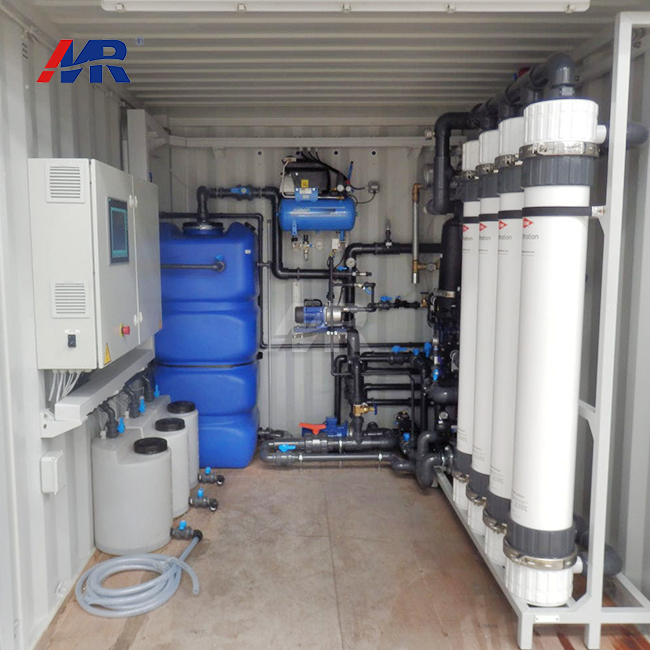 VIEW MOREcontainerized ultrafiltration equipment
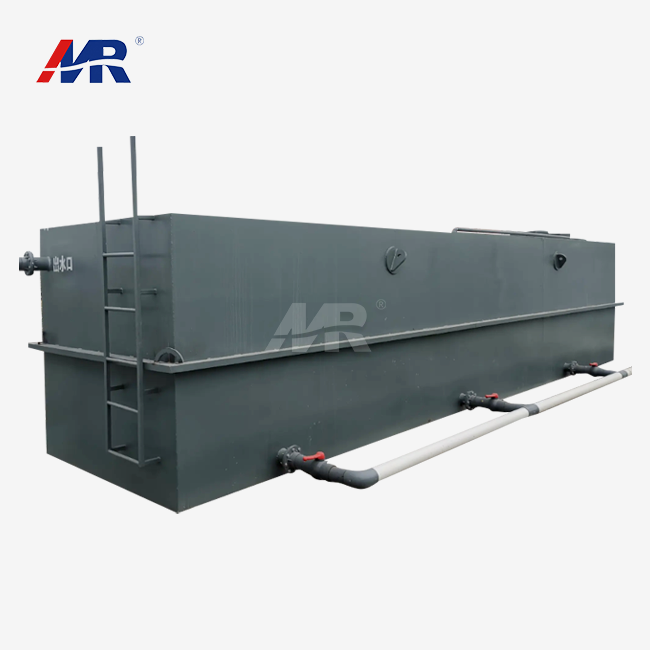 VIEW MOREdomestic wastewater treatment plant
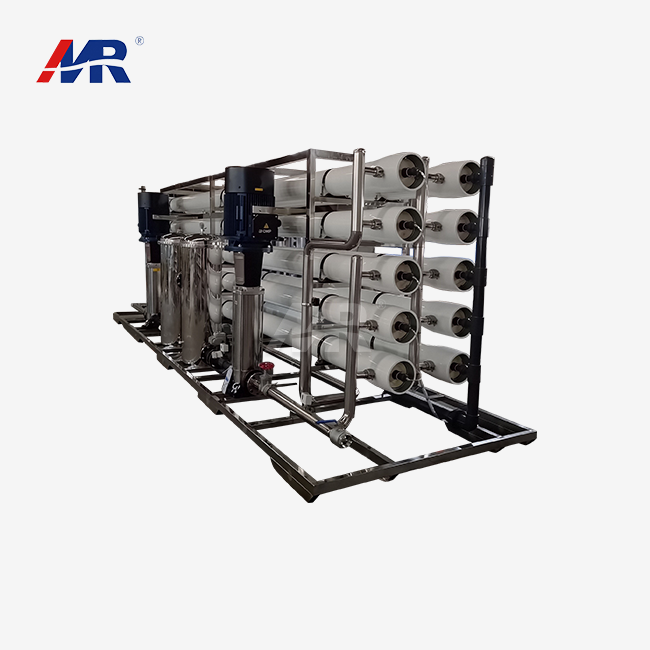 VIEW MORE2 stage reverse osmosis system
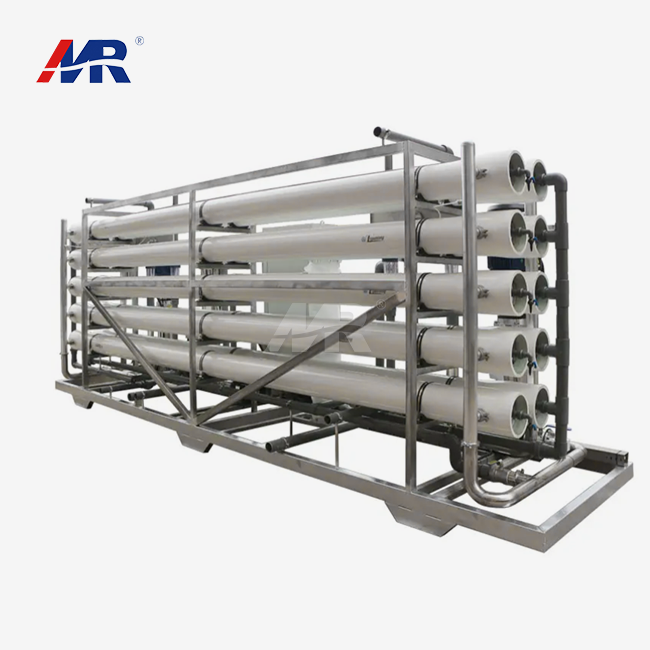 VIEW MOREbrackish water reverse osmosis systems
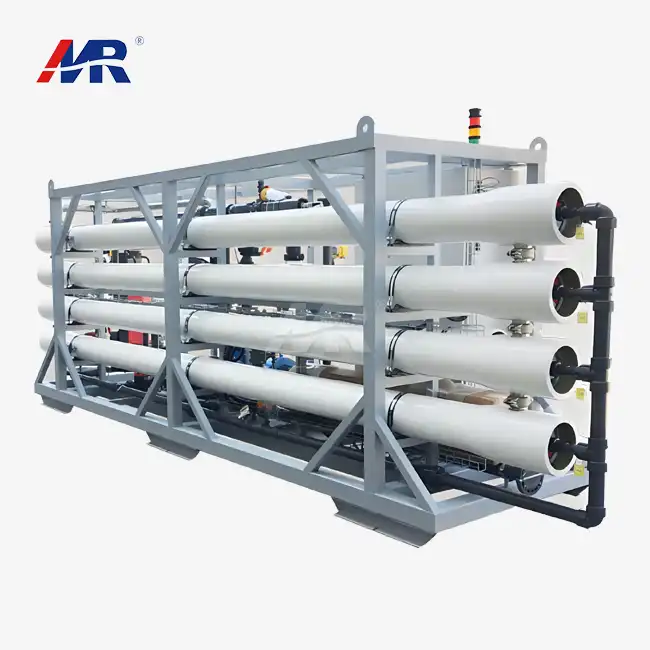 VIEW MORE12m3/hour seawater desalination equipment
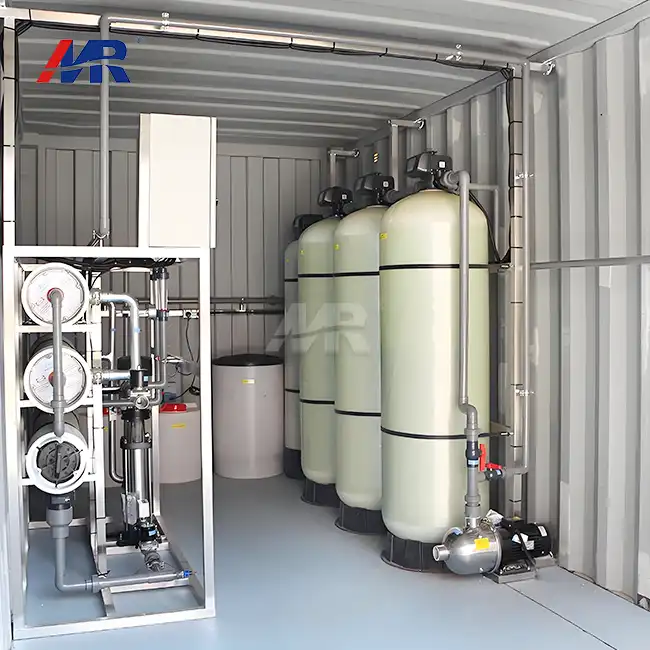 VIEW MOREcontainer ro equipment
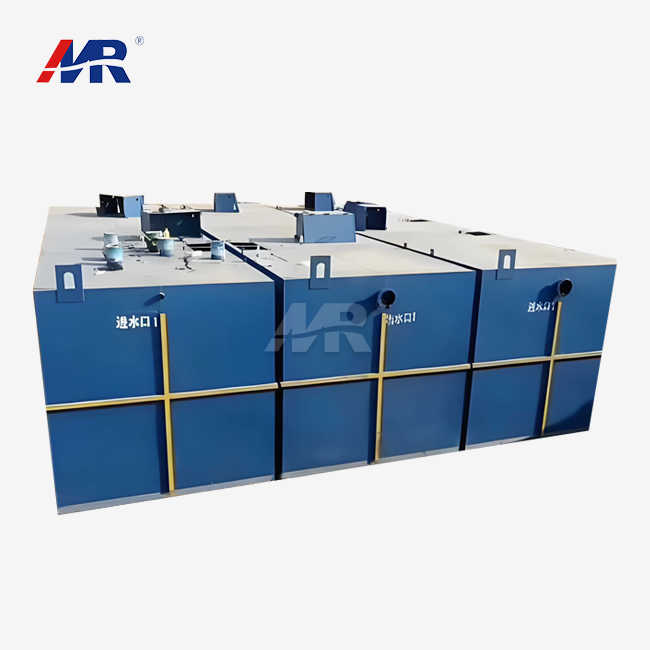 VIEW MOREcommercial sewage treatment plant
 VIEW MORE150m3/hour reverse osmosis plant
