_1745823981883.webp)

What is the recovery rate for SWRO?
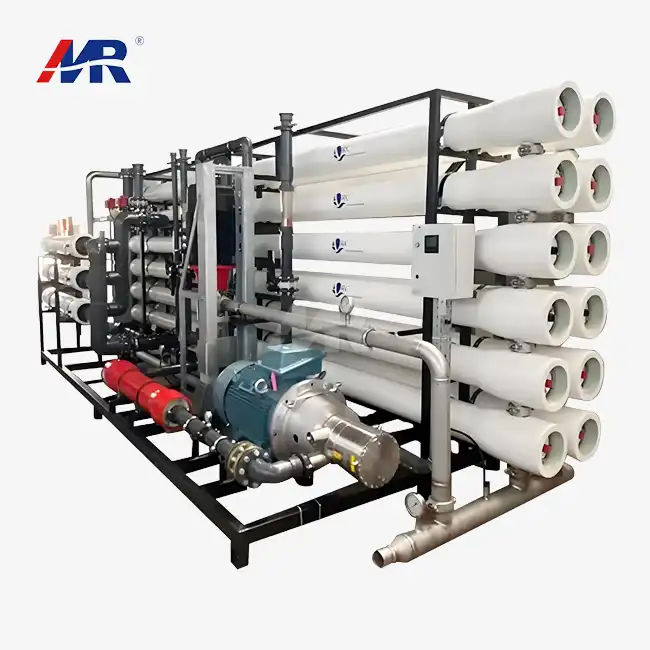
The recovery rate for SWRO (Seawater Reverse Osmosis) systems is usually between 35% and 50%. This is the amount of saltwater that is turned into fresh water permeate. This important performance measure tells you how well your desalination system handles concentrate discharge while turning raw seawater into drinkable water. These recovery rates are possible in modern industrial SWRO plants thanks to improved membrane technology and optimized working factors. This makes them necessary for cost-effective seawater desalination operations in many industrial settings.
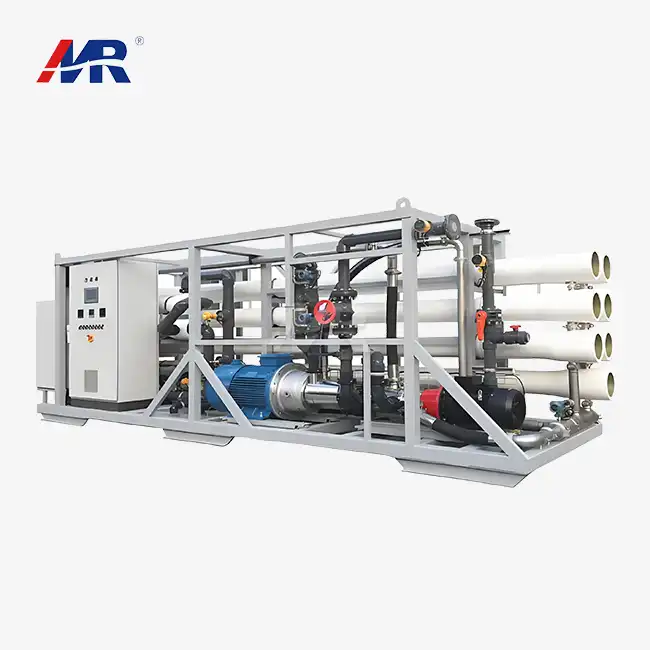
Introduction
One of the most popular ways to turn seawater into drinkable or process water is through saltwater reverse osmosis. The recovery rate is one of the most important ways to measure how well a system works because it shows what percentage of the feedwater is properly turned into permeate (freshwater). Procurement managers, engineers, and facility workers who are in charge of water treatment projects in industrial, pharmaceutical, power generation, and local settings need to understand this important parameter.
Recovery rates are important for more than just measuring success. These measurements have a direct effect on working costs, energy use, and environmental factors like the amount of salt that needs to be disposed of. When choosing desalination equipment, industrial sites that need stable water quality for processes like making semiconductors, drugs, or food and drinks should carefully look at how much water they can recover. Higher recovery rates usually mean less feedwater needs and less concentrate volume, which leads to better operating costs and less damage to the environment.
Understanding Recovery Rate in SWRO Systems
In systems that remove salt from saltwater, the recovery rate shows how much of the feedwater is turned into fresh water that can be used. To figure it out, divide the concentrate flow by the total feed flow, which is usually shown as a percentage. The recovery rate for most industrial SWRO setups is between 35% and 50%. However, the exact performance relies on a number of operational factors, such as the quality of the feedwater, the membrane's properties, and the system's design parameters.
Factors Influencing Recovery Performance
The recovery rate that can be reached in saltwater reverse osmosis depends on a number of important factors. The amount of salt in the feedwater has a big effect on how well the membrane works. Higher salt concentrations need higher operating pressures and could reduce the highest recovery rates. Temperature changes affect how well membranes let water through and how well they reject salt. To keep system performance stable during yearly changes, care must be taken in designing the system.
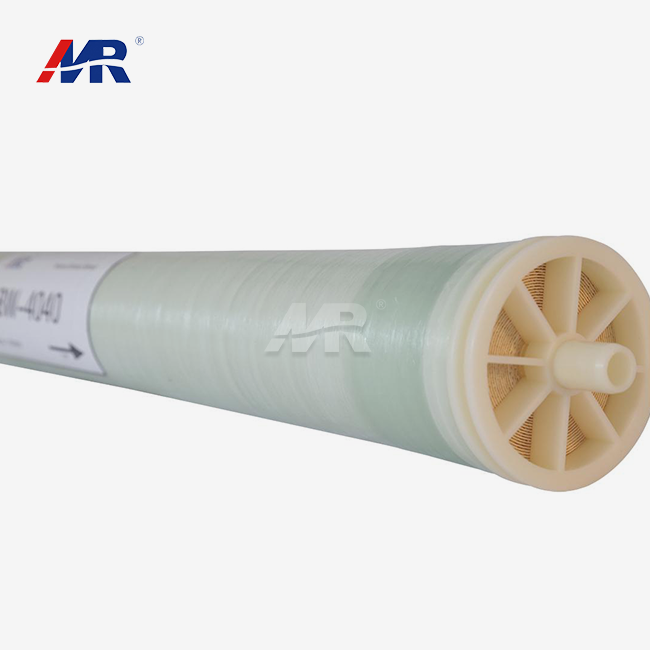
The configuration and type of membrane are very important in determining how well it can heal. Modern spiral-wound membranes made just for ocean uses reject salt better and let more water through than older membrane technologies. The number of membrane stages, the order of the pressure vessels, and the hydraulic design all affect how well the system recovers water while still meeting quality standards.
Operational Parameters and System Design
Another important factor that affects recovery rates in saltwater distillation systems is the operating pressure. For saltwater uses, normal working pressures are between 800 and 1,200 psi (55 to 83 bar), and higher pressures usually allow for faster recovery rates. But too much pressure can speed up membrane breakdown and make more energy use, so it's important to find the best balance between healing performance and long-term operating viability.
Both recovery rates and membrane life are affected by how the system is staged and how flux is distributed across the membrane parts. Multi-stage systems let the feedwater get more concentrated over time while keeping the flow rates across each membrane part at a good level. This method allows for faster general healing rates while lowering the risks of fouling and scaling in specific areas that could hurt long-term performance.
Challenges Affecting SWRO Recovery Rates
To get the best recovery rates, you have to deal with a number of technical issues that can slow down the system and make it need more care. One of the biggest problems is membrane fouling, which happens when solids in suspension, organic matter, or biological growth build up on membrane surfaces. This buildup slows down the flow of permeate and may require frequent cleaning processes that stop output and raise costs.
Scaling and Concentration Polarization
Scaling happens when the amounts of dissolved minerals near the membrane surfaces hit saturation, making crystal deposits that stop water from moving. Calcium carbonate, calcium sulfate, and silica are all common scale agents used in seawater. Higher recovery rates raise the concentration of salt in the concentrate, which makes scaling more likely and requires close chemical tracking and antiscalant dosing to keep the membrane working well.
Concentration polarization raises the risk of growth by forming high-concentration areas close to membrane surfaces. This effect is stronger when recovery rates are higher, because the concentration of salt in the concentrate rises a lot. Effective crossflow velocity and promoting turbulence can help lessen the effects of concentration polarization, but they take more energy, which needs to be weighed against the benefits of recovery.
Energy Consumption and Economic Considerations
Energy use is a big part of the cost of running a saltwater desalination plant. Higher recovery rates might make it possible to lower the exact energy used per unit of permeate produced. But there are a lot of complicated interactions between pump energy, pressure needs, and system hydraulics that affect the link between recovery and energy economy. Energy recovery devices can take pressure energy from concentrated streams and use it again. This makes the whole system more efficient, especially when the recovery rate is high.
To get the best economic results, you have to weigh the benefits of recovery against the higher costs of upkeep, the need to change membranes more often, and the use of chemicals. Higher recovery rates lower the amount of feedwater that needs to be taken in and limit the amount of wastewater that goes out. This could lower the costs of building input infrastructure and following environmental rules. These benefits need to be weighed against the fact that working close to maximum recovery limits can make things more complicated and increase the risk of dependability issues.
Strategies to Optimize Recovery Rate in SWRO
Getting the best recovery rates takes a thorough approach that combines cutting-edge membrane technology with tried-and-true methods of operation. Newer membrane technologies focus on making them more permeable and less likely to get clogged. This lets them collect more water while still meeting water quality standards. Thin-film composite membranes with special surface treatments and better polymer chemistry for better salt rejection and flux performance are some of these technical developments.
Advanced Pretreatment Systems
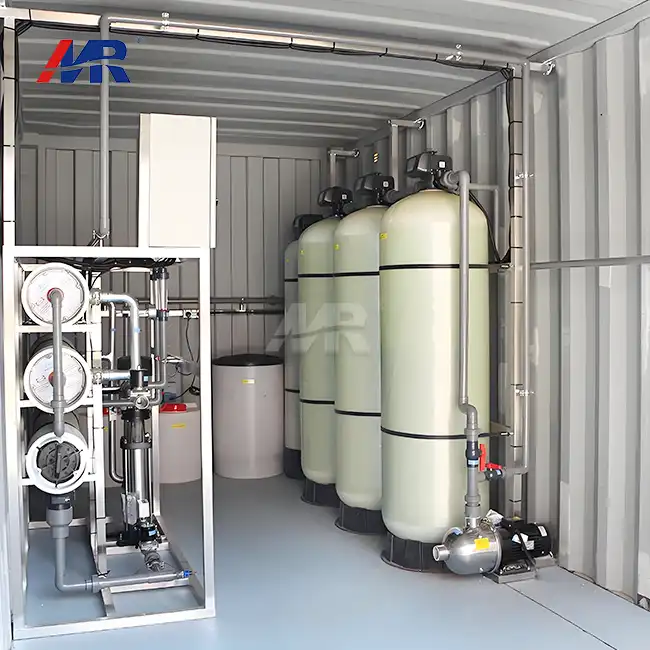
In saltwater desalination uses, getting the best recovery rates depends on how well the preparation is done. Complete cleaning gets rid of biological, organic, and suspended solids that might otherwise dirty the membrane and make recovery less effective. Multimedia filtration, ultrafiltration, and chemical dose systems are some of the most advanced pretreatment technologies. They are used to keep the quality of the feedwater constant, even if the source water changes.
Controlling biological fouling is an important part of designing a pretreatment, especially in warm water, where bacterial growth can quickly hurt the performance of membranes. Chlorination and dechlorination systems kill bacteria effectively and keep polyamide membranes from getting damaged by chlorine. UV decontamination and other biocide systems give you more ways to stop bacterial growth in sensitive situations.
Real-Time Monitoring and Process Control
Automated tracking systems make it possible to precisely control operating factors that affect how well recovery works. Key factors like pressure differences, flow rates, and water quality measures can be measured in real time. This lets changes be made right away to keep recovery at its best while protecting the membrane's integrity. Modern control systems can change chemical doses, pressure settings, and cleaning plans on their own depending on how the machine is actually being used.
Predictive maintenance programs look at working data to figure out what maintenance needs to be done and how often to clean. These systems help keep recovery performance stable while reducing unexpected downtime and increasing the life of membranes. Data analytics can find practical trends and ways to improve performance that will help healing work better over time.
Selecting the Right SWRO System for Your Recovery Goals
In order to pick the right SWRO system, recovery goals must be carefully weighed against specific application needs and practical limitations. The best recovery rate for a given application depends on the system's capacity, the features of the feedwater, and the quality standards for the output water. For industrial processes that use a lot of water, maximizing recovery may be the best way to cut down on feedwater needs. On the other hand, users who need very high-quality water may choose to use lower recovery rates to keep performance stable.
Membrane Technology and Configuration Options
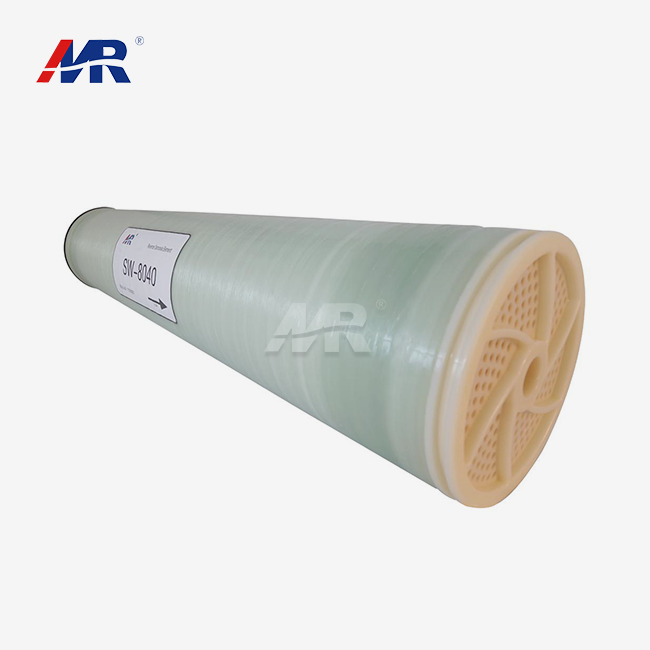
Modern systems that remove salt from seawater have different membrane arrangements that are meant to get the best recovery performance for different uses. Standard spiral-wound elements work well for most marine uses, while high-rejection membranes can get rid of more salt while possibly lowering the flow rates. Large-diameter elements can make packing denser, lower the size of the system, and keep repair performance the same.
System staging plans have a big effect on the recovery rates that can be reached and the operating flexibility that can be used. Two-stage systems with interstage boosting allow for faster recovery rates while still distributing flux well across membrane elements. Split-partial designs make recovery more efficient while making different grades of water for use in commercial sites.
Manufacturer Selection and Technical Support
If you choose reputable manufacturers with a track record of success in desalinating seawater, you can be sure that you will get access to the best system designs and ongoing expert help. Well-known companies give full warranties, standard parts, and worldwide service networks that help systems work reliably throughout their entire lifetime. Technical knowledge in system optimization, troubleshooting, and performance improvement is very helpful for meeting recovery rate goals and keeping operations running smoothly.
Protocols for quality assurance, such as membrane testing, system validation, and performance promises, give people faith that they will meet recovery and water quality goals. Facility staff can effectively operate and maintain systems with the help of detailed paperwork, training programs, and the ability to watch systems from afar.
Future Trends and Innovations Impacting SWRO Recovery Rates
New technologies keep making it possible for higher recovery rates to be used in uses that desalinate saltwater. Using nanomaterials in membrane production improves selection and fouling resistance, which could allow for higher recovery rates without affecting the quality of the water or the membrane's lifespan. Graphene oxide composites, biomimetic membranes, and nanostructured surfaces are some of these advanced materials. They are made to keep fouling to a minimum while letting as much fluid through as possible.
Automation and Artificial Intelligence
Applications of artificial intelligence and machine learning make it possible to optimize processes in a way that maximizes recovery rates while still keeping practical safety margins. AI programs look at huge amounts of data to find the best ways to run a system, guess what repairs it will need, and make the necessary changes automatically so it works at its best. These systems can find early signs that performance is going down and take steps to fix the problem before it has a big effect.
Smart automation systems used in SWRO improve the general performance of the system by considering more than one operational element, not just one parameter at a time. This all-around technique can find ways to improve recovery that might not be obvious with standard monitoring methods. This could lead to better long-term recovery rates while lowering operational costs and environmental impact.
Sustainability and Regulatory Developments
Environmental laws stress saving water and reducing brine levels more and more, which increases the need for higher recovery desalination technologies. In the future, regulatory systems might require new installs to have minimum recovery rates or offer rewards for better recovery performance. These changes show that money should keep going into tools and operations that improve healing.
Using green energy sources together with modern energy management systems can help a business run more efficiently and for longer periods of time. When solar and wind power are combined, they can provide variable energy input that works well with recovery optimization methods. This could lead to higher average recovery rates when there is a lot of green energy available.
Conclusion
Recovery rates are one of the most important ways to measure how well an SWRO system works and how profitable it is in a variety of industry settings. Recovery rates of 35% to 50% are common, and they produce a lot of water while dealing with problems like membrane fouling, scaling, and energy use. Optimization methods that use advanced membrane technology, good preparation, and smart process control make it possible to reach recovery rates that are set goals while keeping the system reliable over time. By carefully choosing a system that takes into account the features of the feedwater, the needs of the application, and the manufacturer's knowledge, the best recovery performance is achieved while staying within the budget and meeting practical goals.
FAQ
Q1: What factors determine the maximum achievable recovery rate in SWRO systems?
The highest rate of recovery relies on the saltiness of the feedwater, the membrane's specs, the system's design parameters, and the growth potential. Higher salinity feedwater usually limits the maximum recovery because it increases the risk of scaling and osmotic pressure. The realistic recovery limits that meet water quality standards are affected by the membrane's properties, such as its ability to reject salt and the rate of flow.
Q2: How does temperature affect SWRO recovery performance?
Temperature has a big effect on how permeable a membrane is and how well a system works. Higher temperatures usually increase the flow of permeate but could lower the rejection of salt. To get the recovery rates you want in cold water, you may need higher working pressures. In warm water, you can get better recovery rates at standard operating pressures, but there may be a higher chance of biological fouling.
Q3: What are the economic benefits of operating at higher recovery rates?
Higher recovery rates lower the amount of feedwater that needs to be brought in, the amount of concentrate that needs to be discharged, and the amount of energy that is used per unit of product water. These advantages lead to lower costs for infrastructure that takes in water, lower costs for following environmental rules, and better total water production economics, even if membrane upkeep costs may go up.
Q4: How do energy recovery devices impact SWRO recovery optimization?
Energy recovery devices take pressure energy from concentrate streams, which lowers the total amount of energy used, especially at higher recovery rates where concentrate pressures stay high. These devices make it possible to run economically at higher recovery rates by reusing pressure energy to make up for the extra energy needed for pumps.
Partner with Morui for Optimized SWRO Recovery Solutions
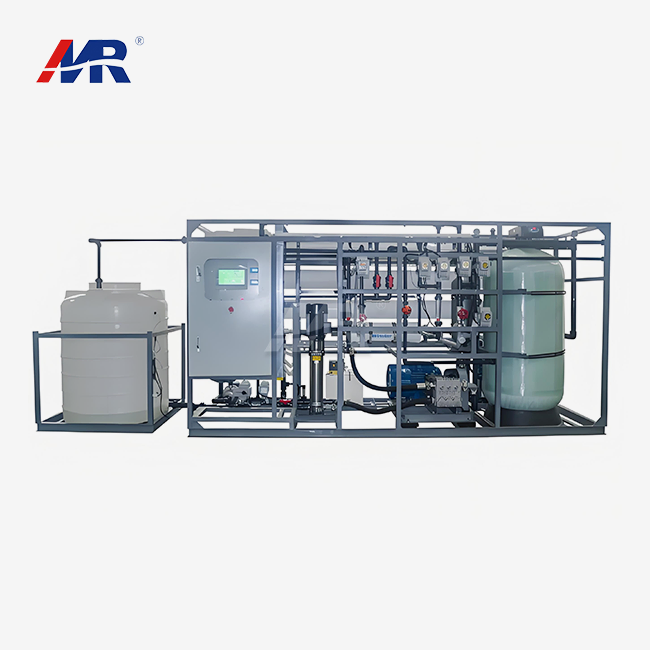
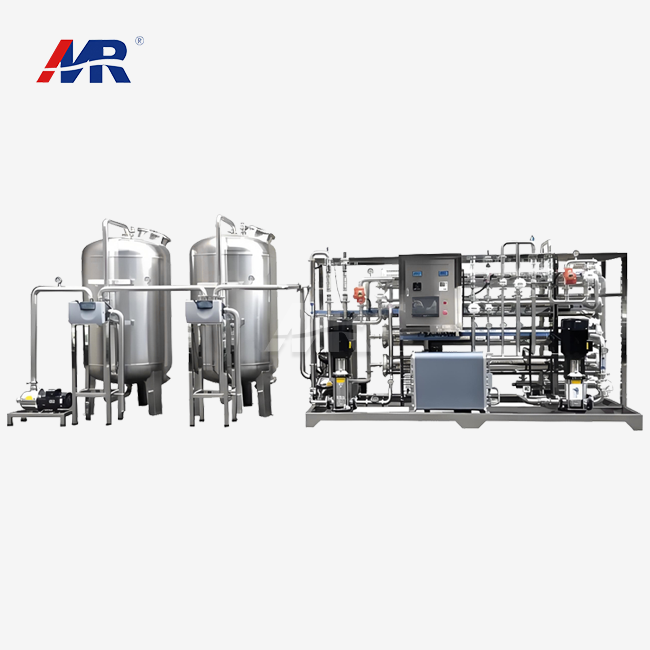
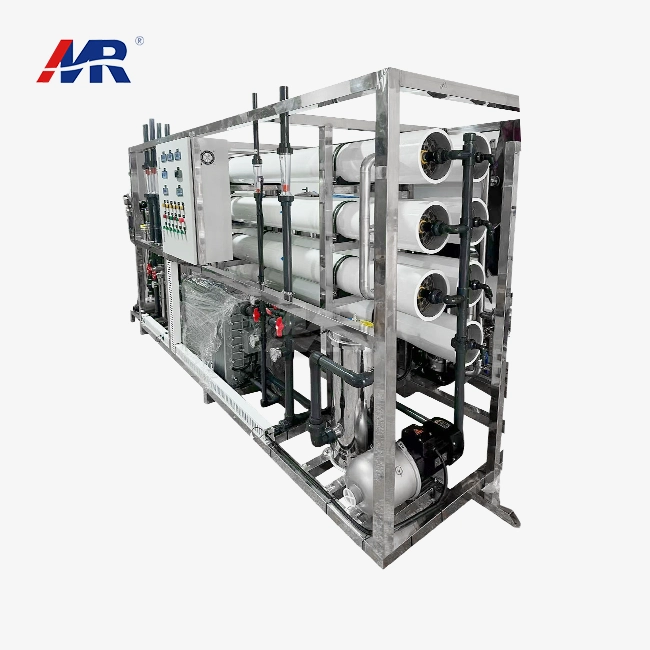
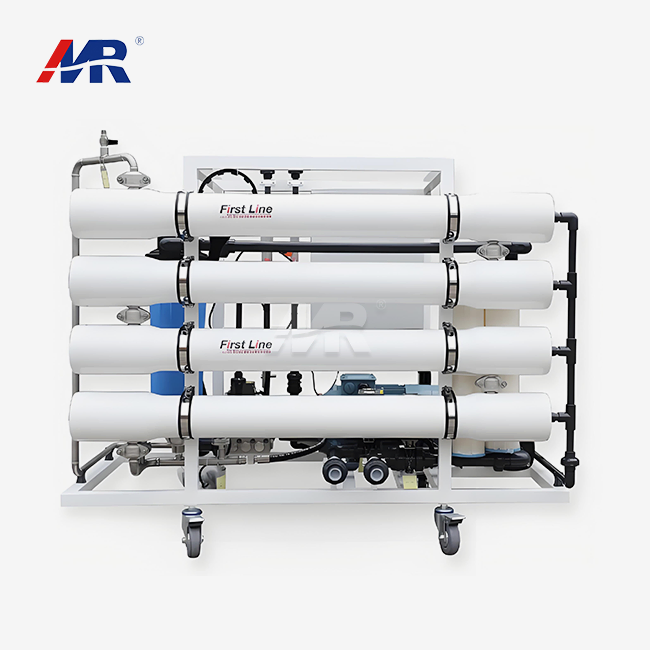
To get the most out of your seawater desalination systems, you need skilled engineering and tried-and-true technology solutions that are tailored to your unique needs. Morui Environmental Technology is an expert at providing high-performance SWRO systems that can achieve up to 50% recovery rates while keeping high water quality and dependability. Our advanced membrane technology and energy recovery systems make it possible for the best recovery performance in a wide range of industrial settings, from making medicines to providing water to cities.
As a reliable SWRO maker with more than 14 years of experience, Morui blends cutting-edge membrane production skills with a deep understanding of how to integrate whole systems. Our Team of 20 expert engineers helps with every step of a project, from the initial design to commissioning and optimizing ongoing upkeep. Get in touch with benson@guangdongmorui.com to talk about your recovery rate goals and find out how our custom desalination solutions can help you make the most of your water production while keeping costs low.
References
1. American Water Works Association. "Desalination Technology and Implementation Guidelines." Journal of Water Treatment Engineering, 2023.
2. International Desalination Association. "Global Seawater Reverse Osmosis Performance Standards and Best Practices." IDA Technical Report, 2023.
3. Membrane Technology Research Institute. "Advanced SWRO Recovery Optimization: Technical Analysis and Case Studies." Water Technology Quarterly, 2024.
4. Global Water Intelligence. "Seawater Desalination Market Analysis: Recovery Rate Trends and Economic Impact." Industrial Water Treatment Review, 2023.
5. Water Environment Federation. "Energy Recovery and Process Optimization in Large-Scale SWRO Applications." Environmental Engineering Science, 2024.
6. Society of Water Treatment Engineers. "Membrane Technology Advances in Seawater Desalination Recovery Performance." Desalination Technology Today, 2023.