

_1745823981883.webp)

How Does Reverse Osmosis with Remineralization Work? A Complete Guide
Reverse osmosis with remineralization is an advanced water treatment technique that combines advanced filtration with the ability to bring minerals back to the water. Only the minerals that the body needs are added back into the water by a Reverse Osmosis System with remineralization features, which removes almost all contaminants. This cleans the water and makes it taste great. To make this process work, water has to be pushed through barriers that only let through things bigger than 0.0001 microns. This gets rid of more than 99% of the impurities. Next, calcium and magnesium are added to the water using special tubes or pumping systems to make it better for use in businesses and factories.
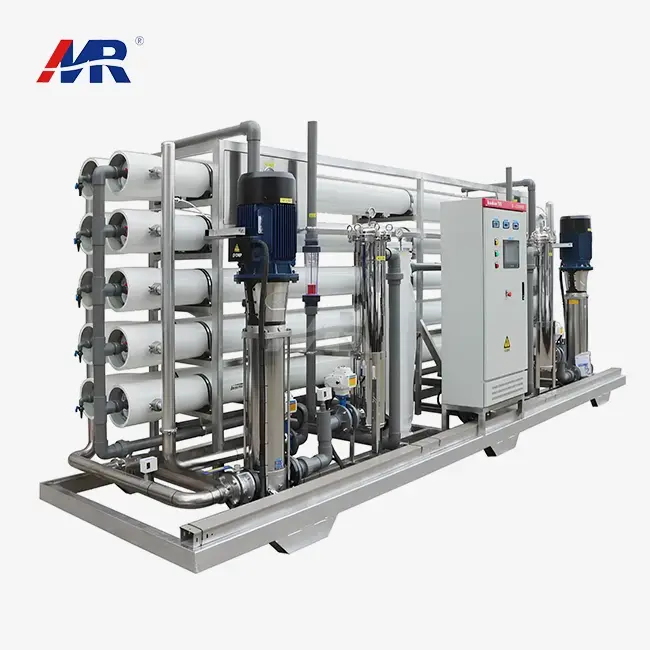
Understanding Reverse Osmosis with Remineralization: The Technology Unveiled
The main idea behind reverse osmosis is that it can separate water molecules from dissolved pollution using pressure-driven membrane screening. When you put more pressure on the system than the natural osmotic pressure, water molecules break through a barrier that keeps some things out. These things include heavy metals, germs, viruses, organic compounds, and salts that are dissolving.
Core RO Membrane Technology
Thin-film composite (TFC) materials are used in new ro membranes since they last a long time and are very strong. One layer is a polyester support web, the second layer is a microporous polysulfone interlayer, and the third layer is an ultrathin polyamide selective barrier. The selected barrier has holes that are about 0.0001 microns across. These holes let water molecules through, but not bigger things that aren't meant to be there.
More than 95% of dissolved solids are always rejected by current RO filters, and top systems get rid of more than 99% of them. Since this filter works so well, RO technology can be used to clean up brackish water, seawater, and highly dirty industrial wastewater, which are all hard to treat.
Remineralization Process Integration
Adding minerals back into the water is better than using normal RO technology, which removes both good and bad minerals. In a number of different ways, this process adds minerals back into the clean water in small amounts. After filtration, minerals are added to the water. These minerals break down calcium, magnesium, and other good minerals as the water runs through them.
When remineralization is done today, exact dosing machines add mineral solutions at set amounts based on how much water is moving and how many minerals are needed. To make sure that the water is of the same quality for all uses, this method gives you exact control over how the water is made in the end.
Health and Safety Considerations
The remineralization method has been used for a long time to deal with real health worries about drinking water that has lost minerals. Research shows that having totally demineralized water as your main source of water can make you lose minerals and throw off your electrolytes. Remineralized RO water keeps the clean qualities of reverse osmosis water while adding minerals that the body needs to work properly.
As part of quality control in reverse osmosis with remineralization, the remineralized water is checked for total dissolved solids, pH levels, and mineral content on a regular basis to make sure it meets health standards and tastes good. To keep the right balance, automated tracking systems can always be on the lookout for things that affect the quality of the water and change the rates at which minerals are added.
Key Benefits and Practical Uses of RO with Remineralization in B2B Applications
For industry and business uses, water treatment choices that work well, keep prices low, and offer consistent quality are needed. Some types of business settings can really benefit from RO systems that can remineralize water. These systems also work better than other ways of cleaning.
Enhanced Water Quality and System Performance
It does more than just make things taste better to add remineralization technology. Mineralized water is more stable and less likely to rust, which keeps shipping and equipment further downstream from breaking down too fast. Because the minerals are controlled, the pH level stays at the right level, which means that no more chemical changes are needed.
Here are the primary advantages that make Reverse Osmosis System technology superior for commercial applications:
- Comprehensive Contaminant Removal: more than 99% of contaminants are rejected, including bacteria, viruses, heavy metals, pesticides, medicines, and dissolved salts. These steps make sure that strict standards for water safety are met in the pharmaceutical, electronics, and food processing businesses.
- Predictable Operating Costs: The amount of energy used stays the same at 1.6 to 1.8 kWh/m3, which lets you make correct budget plans. Automatic operation also cuts down on the work that needs to be done and the mistakes that people who run the system make.
- Scalable Capacity Management: Because the system is made up of separate modules, the capacity can be raised from the base 100m3/hour to meet growing production needs without having to buy a new system. In the long run, this keeps the investment safe.
- Extended Equipment Lifespan: The high-flux, low-fouling membrane technology makes equipment last longer. It means you don't have to clean and replace it as often, and materials that don't rust make sure it works well in tough industrial settings.
Because of these benefits, production is more efficient, and prices for maintenance go down. Because of this, RO technology is great for places that need a steady supply of clean water.
Industry-Specific Applications
Pharmaceutical and lab facilities use remineralized RO water to clean machinery, get ingredients ready, and run processes that need ultra-pure water with a controlled mineral content to keep the product stable. The technology meets the requirements of the USP (United States Pharmacopeia) and gives some mixtures the right amount of minerals.
Companies that make food and drinks can use this technology to get rid of chlorine, organic molecules, and dissolved salts that can change the taste and shelf life of their goods. The remineralization process lets you precisely change the features of water. This makes sure that drinks and food always taste the same.
To make electronics and semiconductors, you need water that is very clean and has a certain amount of electricity. You can get water that meets strict standards for cleaning chips and making parts that don't rust when you mix RO filtration with controlled remineralization.
Comparative Analysis with Alternative Technologies
With RO technology and remineralization, you can get the job done faster and with a lot less energy than with distilling systems. These days, RO systems only need 1.6 to 1.8 kWh/m3 of power, while distillation needs 10 to 15 kWh/m3. This means that it costs a lot less to run.
There are some things that carbon filter systems can remove, like chlorine and chemical molecules, but not all of them. RO membranes can do that. RO and remineralization work better together, but the good things about normal filter processes are still there.
System Installation, Maintenance, and Operational Considerations
It is important to carefully plan and follow certain rules when installing industrial RO systems with remineralization to make sure they work well and last a long time. There are a lot of things to think about while building that will affect how well it works the first time and in the long run.
Installation Requirements and Site Preparation
For equipment placement, service access, and possible future growth, business Reverse Osmosis System setups need enough space. A typical 100m3/hour system needs 15 to 20 square meters of floor space, including room to get to the membrane housing and put in new parts.
Electricity must be supplied to the machine by the power grid. Power for high-pressure pumps, computer systems, and tracking gear is part of this. A three-phase power source with the right voltage control ensures stable performance. Back-up power may be needed for important tasks that need to keep making water.
In plumbing, different types of water streams are linked together, such as feed water coming in, product water going out, concentrate draining lines, and cleaning solution circulation lines. Controlling pressure and flow in the right way keeps membranes from getting destroyed and makes sure that the system works well and recovers quickly.
Maintenance Protocols and Best Practices
Set times for routine maintenance protect the system's value and keep the water quality at a steady level. Daily checks and replacements of pre-treatment parts are part of the care plan. The membranes' effectiveness is also tracked, and the remineralization system is confirmed to be set up properly.
Pre-treatment filters should be changed every 3 to 6 months for sediment filters and every 6 to 12 months for carbon filters, depending on how good the feed water is. In membrane cleaning methods, special chemical solutions are used to get rid of contaminants that have built up. That way, the barrier will last longer and still be able to repel things.
As part of keeping a remineralization system in good shape, the mineral tablets or dosing pumps need to be regularly checked to make sure that the water that comes out of them has the right amount of minerals. By checking the water quality often, you can be sure that the mineral levels stay in the right range and the system works as it should.
Troubleshooting Common Operational Issues
Membrane fouling is the most common problem in operations. This is usually caused by bad pre-treatment or changes in the qualities of the feed water. It is possible to clean the membrane before it gets permanently damaged if pressure and flow rates are measured early on.
The feed pumps, flow restrictors, or membrane housing covers may be broken if the pressure changes. By checking the pressure often at several places in the system, problems with pressure can be found and fixed quickly, before they affect the system's ability to make water.
Problems with mineral dose in remineralization systems can happen when injection holes are clogged, mineral tablets are empty, or the equipment used for dosing has become out of date. There are no changes to the water quality as long as the mineral content is checked on a regular basis. This way, any problems with the treatment system are found quickly.
Selecting the Right RO System with Remineralization for Your Business Needs
There are many things to consider when picking the right RO technology. These include your long-term business goals, practical needs, and water quality standards. Before you decide, you need to think about a lot of things that will affect both the initial investment and the costs of running the business in the long term.
Technical Specification Assessment
The design of the system and the parts that will go into it are based on an analysis of the quality of the feed water. What kind of pre-treatment is needed and which barrier to use depends on things like the amount of hardness, chlorine, total dissolved solids, and bacteria in the water. When you know how the water quality changes with the seasons, you can make sure that the system can adapt to new situations all year long.
There needs to be enough production capacity to handle times of high demand, growth that is expected in the future, and the need for backup capacity. A Reverse Osmosis System that can handle 100m3/h of water can make a lot of water and get 75% of it back. This is the most efficient way to use water.
The water specs for a product say how much mineral content it has and how it needs to be cleaned for different uses. There are different types of fields that need different levels of water purity, from general process water with a moderate amount of minerals to medicinal uses that need ultrapure water for pharmaceutical applications requiring precise mineral control.
Equipment Configuration and Brand Considerations
RO systems made for businesses come in a variety of shapes and sizes, including skid-mounted units, modular designs, and custom-engineered solutions tailored to specific facility requirements. Skid-mounted systems provide compact installation with integrated controls, while modular designs allow future capacity expansion through additional membrane vessels.
How well and how much it costs to run depend a lot on the parts that make up the system. TFC membranes with high flux and low fouling work better and need to be cleaned less often than other membrane technologies. Modern PLC control systems with touchscreens let you precisely run machines and record all data so you can keep an eye on how they're doing.
It is very important to look for technology that comes with support services from the maker, like help with installation, training programs, and access to expert help. A full warranty that covers all the important parts keeps your money safe in case the equipment breaks down too soon and gives you access to new parts and service experts.
Investment Analysis and Cost Optimization
The initial input in cash pays for the equipment, its setup, and any building changes that are needed to make the system work. The study looks at the total cost of ownership, which includes ongoing costs like energy use, replacing membranes, chemical use, and the work that needs to be done to keep the system running.
The energy economy has a direct effect on how much money a business makes. This is why designs that use little energy are so popular for uses that happen a lot. The water quality is better and costs less with systems that use 1.6 to 1.8 kWh/m3 compared to other methods.
Letting tools, rental agreements, and performance-based contracts are some ways to finance your business that may lower the amount of cash you need at first while still giving you access to cutting-edge technology and full-service support. You can get access to the newest tools and get a better handle on your cash flow with these plans.
Future Outlook and Innovations in RO Technology with Remineralization
RO systems keep getting better because technology keeps getting better. They work better, last longer, and need less work. The main goals of current research and development are to make big performance gains in smart tracking tools, energy recovery systems, and membrane technology.
Next-Generation Membrane Technologies
As new membrane materials are being made, they will have faster flow rates, better selection, and more resistance to fouling. Nanocomposite screens with certain chemicals have been shown to work better in tough water treatment situations. Plus, they last longer and need to be changed less often.
Biomimetic membrane designs that are based on how natural screens work might help find ways to be more efficient while using less power. With these new ideas, it might be possible to greatly lower the working pressure while keeping or even increasing the particle rejection rate.
Smart Monitoring and Predictive Maintenance
When you connect the Internet of Things (IoT), you can see real-time information about things like pressure, flow rates, conductivity, and energy use. Advanced analytics programs can look for trends in how the system works and guess what kind of repair it will need before it breaks down.
Machine learning programs used in reverse osmosis with remineralization automatically find the best settings for work by looking at data about how they have worked in the past. This makes things work better while using fewer chemicals and energy. As long as predictive maintenance is done at the right time, it cuts down on unexpected downtime and makes technology last longer.
Sustainability and Environmental Impact
The goal of technologies that improve water recycling is to make more clean water while producing less trash. Advanced concentrate cleaning methods might make it possible to run some businesses with almost no liquid waste. This would be good for the earth and save money on dumping fees.
When energy recovery devices take pressure energy from concentrate streams, they lower the total amount of power used. This makes the system better for the earth. The process of treating water can be completely eco-friendly if it uses both traditional energy sources and green energy sources like solar and wind power.
Conclusion
For businesses that need to treat water well and have exact control over the final qualities of the water, a Reverse Osmosis System that can remineralize the water is the best option. This technology can get rid of pollution more than 99% of the time and add back in minerals that are important. The water that comes out is clean and good for you. These days' systems can handle 100 m3/h of water, which is a lot, and they only use 1.6 to 1.8 kWh/m3, so they are cheap enough for many business uses. Because it has advanced tracking systems, predictive maintenance tools, and environmentally friendly design features, this technology is the best choice for businesses that want to treat water in a safe and cost-effective way.
FAQ
Q1: What contaminants can reverse osmosis with remineralization remove?
RO systems with remineralization remove over 99% of dissolved salts, heavy metals including lead and mercury, bacteria, viruses, pesticides, pharmaceuticals, and organic compounds. The remineralization process then adds back essential minerals like calcium and magnesium that were removed during filtration, ensuring both purity and beneficial mineral content.
Q2: How often do RO membranes need replacement in commercial systems?
Commercial RO membranes typically last 2-3 years with proper maintenance, though lifespan varies based on feed water quality and operating conditions. High-flux, low-fouling TFC membranes may extend operational life up to 5 years in optimal conditions with regular cleaning protocols and proper pre-treatment.
Q3: What is the difference between RO water and remineralized RO water?
Standard RO water removes virtually all dissolved substances, including beneficial minerals, resulting in very pure but potentially "flat" tasting water. Remineralized RO water maintains the same high purity level while selectively adding back essential minerals, improving taste, pH stability, and potential health benefits while preserving the superior contaminant removal capabilities of reverse osmosis technology.
Choose Morui for Your Advanced Reverse Osmosis System Solutions
The water cleaning systems that Morui Environmental Technology sells are cutting-edge and were created for tough industrial uses that need to be reliable and work well. Our industrial-grade systems have TFC membranes with high flow and low fouling that remove more than 99% of contaminants while keeping energy use low at 1.6–1.8 kWh/m3. We are here to help you from the first meeting all the way through installation and ongoing maintenance. Our company has 14 offices, 500 dedicated employees, and 20 highly skilled engineers. Send an email to benson@guangdongmorui.com to talk to our expert team about your specific needs and learn why leaders in the field choose Morui as their trusted maker of Reverse Osmosis Systems for mission-critical water treatment needs.
References
1. Greenlee, L.F., Lawler, D.F., Freeman, B.D., Marrot, B., and Moulin, P. "Reverse osmosis desalination: Water sources, technology, and today's challenges." Water Research, 2009.
2. Cotruvo, J.A. "Health aspects of calcium and magnesium in drinking water." World Health Organization Technical Report, 2006.
3. Elimelech, M. and Phillip, W.A. "The future of seawater desalination: Energy, technology, and the environment." Science Journal of Water Treatment, 2011.
4. Fritzmann, C., Löwenberg, J., Wintgens, T., and Melin, T. "State-of-the-art of reverse osmosis desalination." Desalination Technology Review, 2007.
5. Shannon, M.A., Bohn, P.W., Elimelech, M., Georgiadis, J.G., Mariñas, B.J., and Mayes, A.M. "Science and technology for water purification in the coming decades." Nature Water Technology, 2008.
6. Lee, K.P., Arnot, T.C., and Mattia, D. "A review of reverse osmosis membrane materials for desalination—Development to date and future potential." Journal of Membrane Science, 2011.
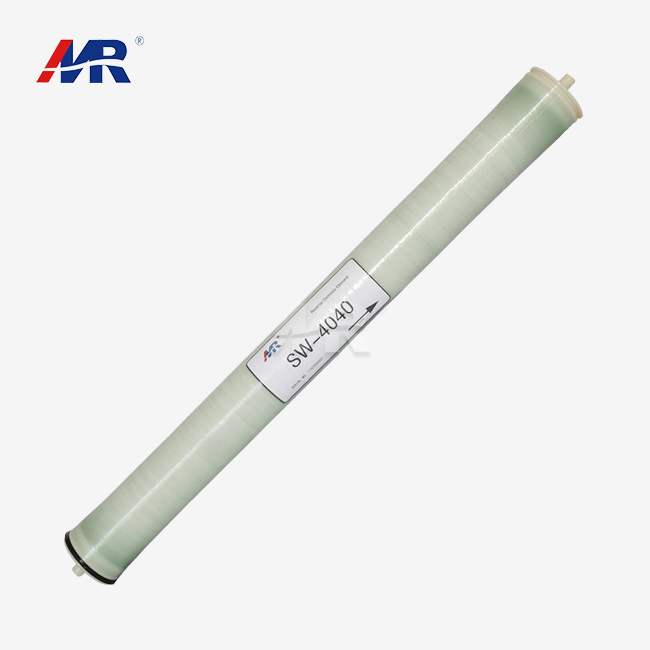 VIEW MORE4040 seawater reverse osmosis membrane
 VIEW MOREMBR wastewater treatment plant
 VIEW MOREcommercial sewage treatment plant
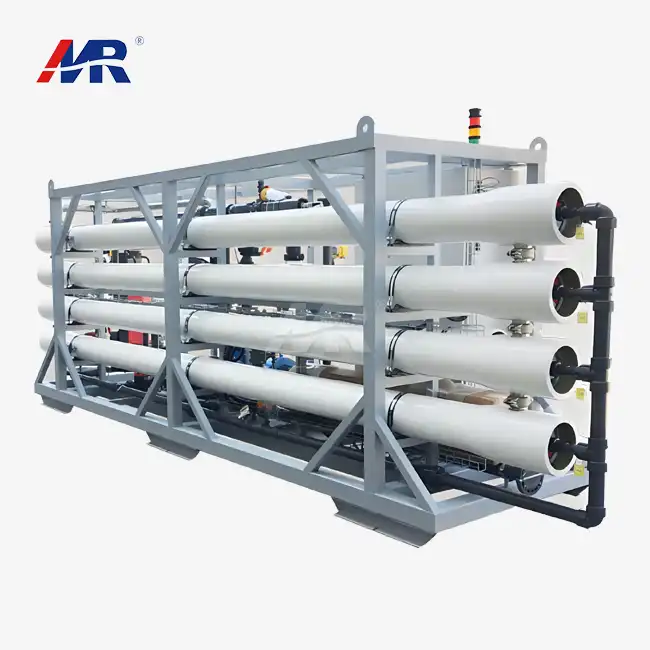 VIEW MORE12m3/hour seawater desalination equipment
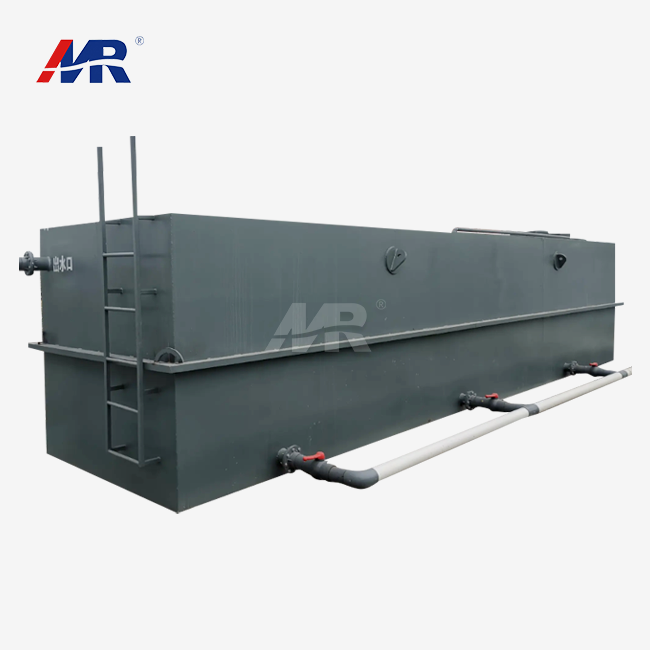 VIEW MOREdomestic wastewater treatment plant
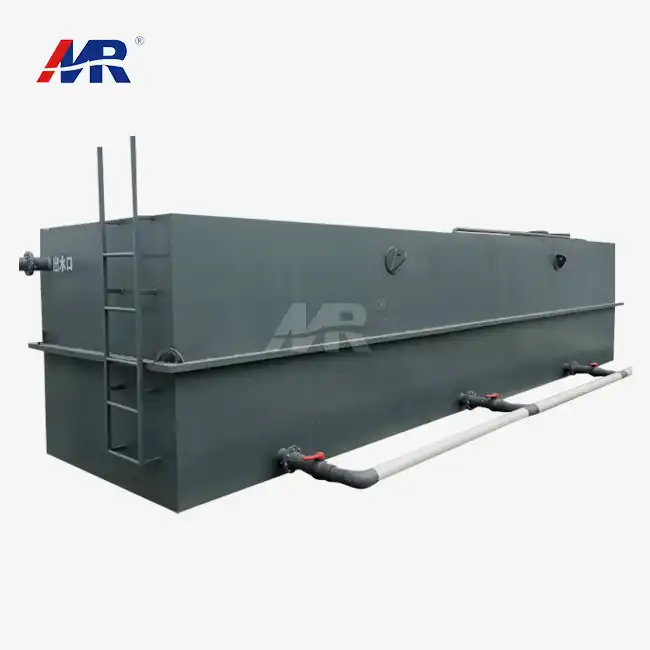 VIEW MOREportable wastewater treatment plant
 VIEW MOREro uf filter
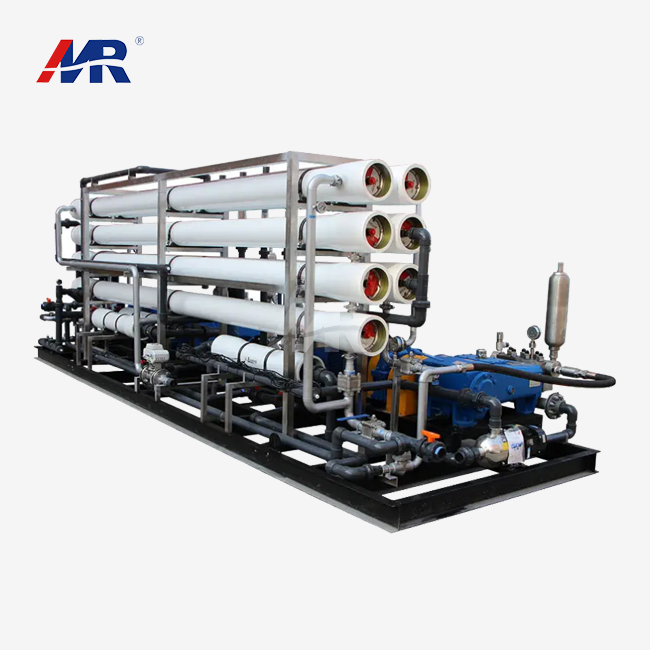 VIEW MOREseawater desalination machine
