

_1745823981883.webp)

How does an ultrafiltration membrane work?
There is a pressure-driven sorting process in membrane/ultrafiltration-membranes-for-water-treatment">ultrafiltration membranes that stops particles between 0.01 and 0.1 microns in their tracks while letting water and smaller dissolved substances pass through. These semi-permeable walls use selective porosity to get rid of viruses, bacteria, suspended solids, and biomolecules without getting rid of minerals that are good for you. The technology uses molecular weight cut-off rules, which usually fall between 1,000 and 500,000 Daltons. This makes a good physical barrier that cleans water effectively through size exclusion instead of chemical treatment.
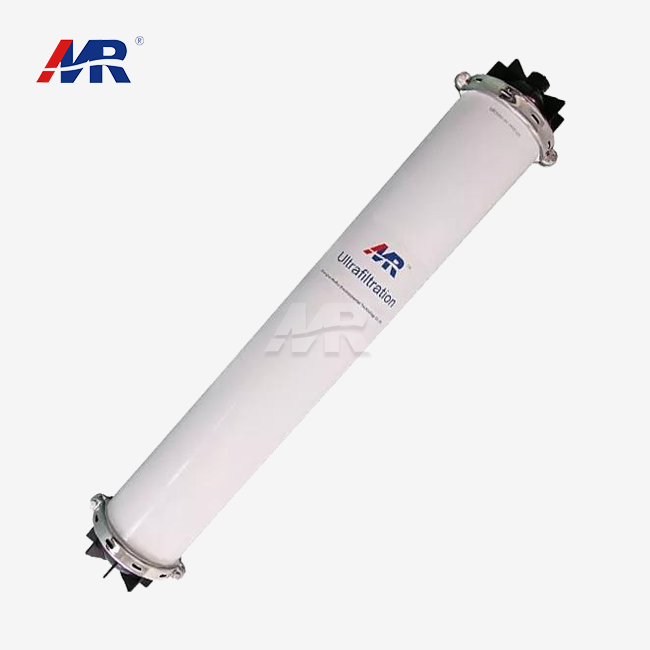
Understanding Ultrafiltration Membranes: Fundamentals and Mechanisms
Core Functions and Filtration Principles
The main idea behind membrane filtration technology is selective permeability, which is made possible by carefully designing the pore structures. These membranes make a physical barrier that separates toxins based on the size of their molecules, not their chemical makeup. The separation process works with controlled pressure, usually between 0.1 and 0.3 MPa. This pressure forces water molecules through tiny holes in the material while keeping bigger particles in place.
The screening system makes sure that the removal works the same way, no matter what the water quality is like. Traditional filter methods may not work well with feed water that changes, but membrane technology works well even when cleaning surface waters whose turbidity levels change. This dependability comes from the evenly spaced pores in the membrane matrix, which stop contaminants from getting through while the system is running.
Material Composition and Performance Impact
Modern membrane production uses high-tech materials that were designed to meet specific needs. PVDF (polyvinylidene fluoride) is a big step forward in how long membranes last because it is very resistant to chemicals from pH 2 to 11. This material can handle harsh manufacturing conditions and keeps its structural stability over long periods of time.
The hollow fiber structure makes the most of the surface area in small system designs, which allows higher flux rates of 40 to 100 L/m²/h happen. This shape offers better packing density than flat sheet options, which reduces the system's size while increasing its filter capacity. The structure of the fibers also makes backwashing processes work well, which restores membrane function without using chemicals.
Pressure-Driven Filtration Modes
In industrial settings, crossflow filtering is the best way to work because the feed water runs parallel to the membrane surface. This method keeps particles from building up on the membrane's surface as little as possible, which lowers the chance of fouling and increases the number of operating cycles. The oblique flow pattern makes cutting forces that keep sweeping away rejected particles, which keeps the quality of the permeate constant.
In some situations, where feed amounts are restricted and intermittent operation is fine, dead-end filtration is the best choice. This mode sends the flow perpendicular to the membrane surface, which recovers more water but needs to be cleaned more often. Knowing about these practical differences helps people who work in procurement choose the right system setups for their needs.
Key Applications of Ultrafiltration Membranes Across Industries
Industrial Water Treatment and Municipal Systems
More and more, ultrafiltration membranes are being used by municipal water treatment plants to meet strict drinking water standards while also dealing with the varied quality of source water. The turbidity of the water is reduced from about 1 NTU to below 0.1 NTU with these methods, making the water very clear. The technology gets rid of 99.99% of bacteria and 99.999% of viruses, which meets or goes beyond legal standards for getting rid of pathogens.
Power plants use membrane systems to clean the water that goes into boilers. The ultrapure water quality stops scale from forming and rust from happening in high-pressure steam systems. The technology gets rid of colloidal silica and trapped particles that could hurt pricey turbine parts. This keeps important infrastructure investments safe. The fact that these uses work shows that the technology can handle strict commercial water quality requirements.
Food and Beverage Processing Excellence
When making dairy, membrane concentration technology is used to improve the quality of the product while using less energy than heat processing methods. The cold cleaning method keeps the food's nutrients and flavors while making sure it is safe for microbes. Using membrane separation to concentrate proteins improves yield while keeping product usefulness, which has a direct effect on profits.
Manufacturers of drinks use membrane clarity to make sure that their Products look the same without changing how they taste. Particle removal helps juice preparation because it gets rid of cloudiness while keeping important vitamins and minerals. Ultrafiltration membranes are used in winemaking to keep the wine stable in cold conditions. This cuts down on the need for long aging processes while still keeping quality standards.
Pharmaceutical and Biotechnology Applications
When making medicines, the water quality has to meet Good Manufacturing Practice (GMP) standards. Membrane technology is a safe way to get rid of contaminants without leaving behind chemical residues. The technology helps make vaccines by concentrating and cleaning proteins while keeping their biological function. Membrane separation is used in protein processing methods to get the purity levels needed for medical uses.
For accurate analysis work, research labs need ultrapure water that is always the same. Trace contaminants in water could mess up the results of experiments. The technology keeps the water quality stable so that study results can be repeated. It also gets rid of the factors that come with changing water quality.
Selecting the Right Ultrafiltration System: Factors and Solutions
Material Selection and Configuration Considerations
When making purchases, people have to weigh the performance features of the materials they want to buy against the needs of the business and their budget. PVDF membranes are better at resisting chemicals and last longer, so they can be used in harsh industrial settings where chemicals are often used for cleaning. The material stays structurally sound at temperatures ranging from 1°C to 40°C, which makes it useful for industrial processes that change with the seasons.
With hollow fiber structures, the most surface area can be used in small system designs, which cuts down on installation space and costs. The configuration makes backwashing processes more effective, which extends operating cycles and reduces water waste. Modular designs make it easier to change membranes and cut down on the downtime needed for maintenance and the lost output that comes with it.
Supplier Evaluation and Procurement Strategy
To successfully buy membranes, you need to do more than look at the starting equipment costs when evaluating suppliers. Technical help, availability of spare parts, and service reaction times should all be part of the evaluation factors. Suppliers who have been making products for a long time and have quality Certifications can guarantee that their products will always work well and follow the rules.
Buying in bulk can lower your total cost of ownership and keep your supply chain stable in the long run. When there isn't enough supply, volume commitments can often open preferred price tiers and priority allocation. To keep operations running as smoothly as possible, procurement professionals should arrange full-service agreements that cover preventative repair and emergency reaction.
Energy Efficiency and Life Cycle Considerations
When compared to older separation technologies, current membrane systems save a lot of money on operations because they use less energy. Operating pressures between 0.1 and 0.3 MPa use very little pumping energy but separate things very well. Optimizing energy use through the right system size and operation cuts down on costs and helps meet sustainability goals.
Under normal working conditions, a good membrane system should last between 3 and 5 years. This makes it easier to plan when to replace it and how much it will cost. When you follow the right care steps, like regularly backwashing and chemical cleaning, you can get the most out of your assets and keep their performance up to par throughout their service life.
Operation, Maintenance, and Troubleshooting for Ultrafiltration Membranes
Optimal Operating Procedures
For a membrane to work well, it needs to be properly pre-treated to get rid of big particles and lower its fouling potential. Pre-filtration steps keep membrane surfaces from getting damaged and increase the time that goes by without having to be cleaned. Monitoring the water quality makes sure that the feed conditions stay within certain limits, which stops the membrane from breaking down too quickly.
Instead of using set times, backwashing processes for ultrafiltration membranes should be based on increases in transmembrane pressure. This method maximizes the number of cleanings while keeping the system's efficiency high. Automatic controls can keep an eye on pressure differences and start backwashing processes, so operators don't have to do as much work but still get the same results.
Preventive Maintenance Protocols
Physical inspections, performance tracking, and cleaning methods that keep membranes working properly are all part of regular maintenance schedules. Visual checks find possible problems before they affect how well the system works, which allows for proactive repair. Trending performance data shows small changes in how a system works that might mean problems are starting to form.
When direct cleaning isn't enough to get the membrane working again, chemical cleaning methods are used. Which cleaning agent to use varies on the type of fouling. For example, alkaline solutions work well on organic fouling, while acidic solutions work well on mineral scaling. Handling and getting rid of chemicals in the right way keeps workers safe and meets environmental standards.
Troubleshooting Common Operational Issues
Most of the time, technical problems are caused by membrane fouling, which shows up as higher pressure needs or less permeate flow. Figuring out how fouling works lets you come up with focused cleaning methods that quickly get performance back to normal. When it comes to cleaning, biological waste is different from mineral scaling or organic matter buildup.
By looking at trends in key factors, performance tracking systems can spot problems before they get too bad. Changes in pressure difference, flow rate, and diffuse quality all point to problems in the system that need to be fixed. Systematic methods for troubleshooting help workers find the root causes of problems and take effective steps to fix them.
Future Trends and Innovations in Ultrafiltration Technology
Advanced Materials and Manufacturing Techniques
New materials engineering focuses on making things last longer and not getting clogged up by using surface changes and hybrid membrane structures. Alternatives like ceramic membranes are better at resisting chemicals and last longer in harsh settings. Multiple materials are used in hybrid membrane designs to get the best results for each purpose.
New ways of making things let us precisely control the regularity of the pores, which makes separation work better while using less energy. Modern spinning methods for making hollow fibers make membranes with better mechanical qualities and uniform performance traits. These changes mean that end users will have better dependability and lower operating costs.
Market Drivers and Industry Evolution
As businesses look for long-lasting ways to treat water, environmental laws continue to push the use of membrane technology. Many industries have rules that say they can't dump liquids, which opens up possibilities for membrane-based water recycling systems. Tougher standards for release require more advanced cleaning technologies, which membrane systems easily provide.
Trends in industrial process improvement favor small, effective separation technologies, which ultrafiltration membranes readily support. The ability of membrane technology to selectively separate and concentrate materials fits with the growing focus on recovering resources from trash streams. These forces in the market make it possible for membrane systems to be used in more and more industries.
Conclusion
Ultrafiltration membranes have been used for many years to reliably clean water for a wide range of commercial purposes. The pressure-driven separation system consistently removes contaminants while keeping the beneficial mineral content. This makes it perfect for both municipal and commercial water treatment needs. Procurement experts can make smart choices that improve system performance and operational costs by knowing operating principles, material properties, and maintenance needs. As rules about the environment get stricter and higher standards for water quality are needed in industry, membrane technology offers a long-term answer that matches performance, efficiency, and cost-effectiveness.
FAQ
Q1: How long do ultrafiltration membranes typically last?
Under normal working conditions and with proper care, a good membrane system should last between 3 and 5 years. How long something works relies on the quality of the feed water, how it is used, and how it is maintained. Regular backwashing and the right chemicals for cleaning membranes make them last longer while keeping up performance standards.
Q2: What's the difference between ultrafiltration and reverse osmosis?
Ultrafiltration gets rid of particles, germs, and viruses while letting minerals that have been dissolved pass through. Reverse osmosis, on the other hand, gets rid of dissolved substances like minerals and salts. Ultrafiltration works at lower pressures and keeps good minerals, so it can be used in situations where minerals need to be kept.
Q3: Can ultrafiltration systems be customized for specific applications?
Yes, material choice, configuration optimization, and capacity size can all be used to make membrane systems fit the needs of a particular process. You can customize the membrane material, module setup, automation levels, and integration with current process systems to get the best performance for your needs.
Partner with Morui for Advanced Water Treatment Solutions
Morui's complete membrane solutions use cutting-edge hollow fiber technology and years of building experience to make water treatment systems that work well in tough industrial settings. With hole sizes between 0.01 and 0.1 microns and flow rates of up to 100 L/m²/h, our PVDF membrane systems remove contaminants very well while keeping operations running smoothly. As a well-known company that makes ultrafiltration membranes with over 500 workers and 20 engineers, we offer full packaged solutions that include designing the equipment, installing it, and starting it up. Get in touch with benson@guangdongmorui.com to talk about your unique water treatment needs and find out how our tried-and-true technology can help you run your business more efficiently while still following the rules.
References
1. Baker, R.W. (2012). Membrane Technology and Applications. John Wiley & Sons, 3rd Edition.
2. Crittenden, J.C., Trussell, R.R., Hand, D.W., Howe, K.J., & Tchobanoglous, G. (2012). MWH's Water Treatment: Principles and Design. John Wiley & Sons.
3. Mulder, M. (2013). Basic Principles of Membrane Technology. Springer Science & Business Media.
4. Singh, R. (2015). Membrane Technology and Engineering for Water Purification. Butterworth-Heinemann, 2nd Edition.
5. Tarabara, V.V. & Wiesner, M.R. (2019). Membrane Processes for Water Reuse. IWA Publishing.
6. Water Environment Federation (2018). Membrane Systems for Wastewater Treatment. McGraw-Hill Education.
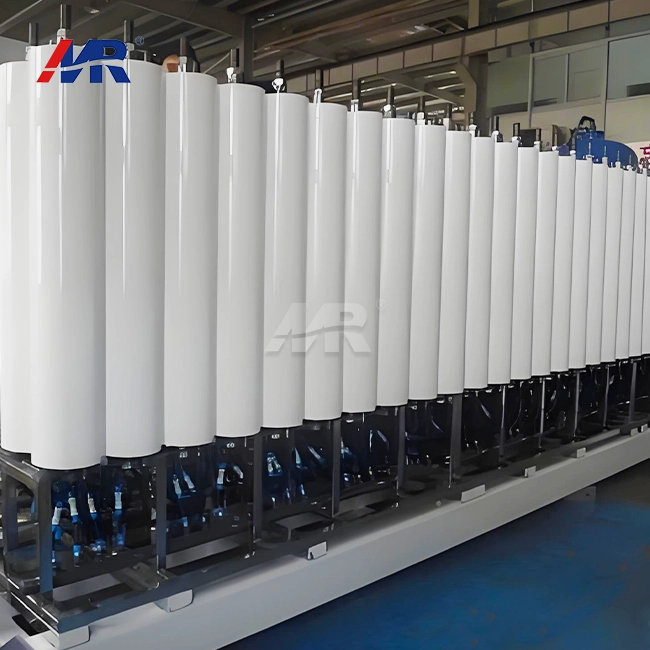 VIEW MORELandfill Leachate Treatment System
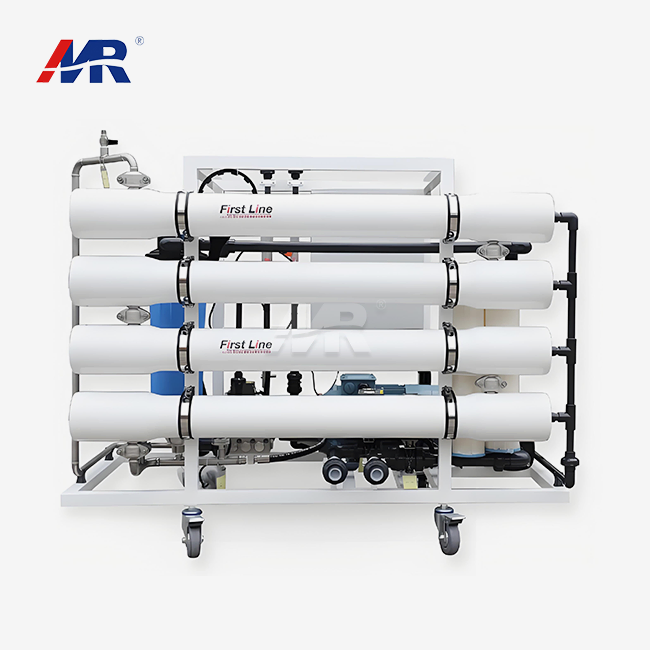 VIEW MOREseawater desalination system
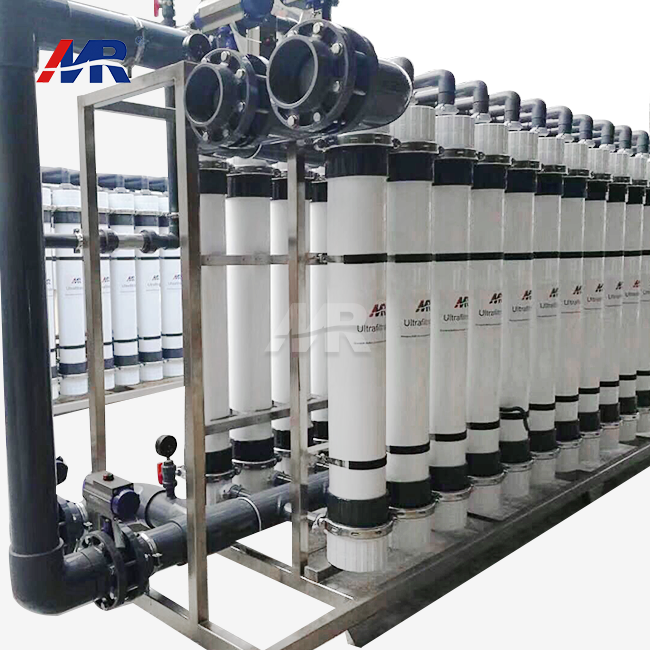 VIEW MOREultrafiltration water system
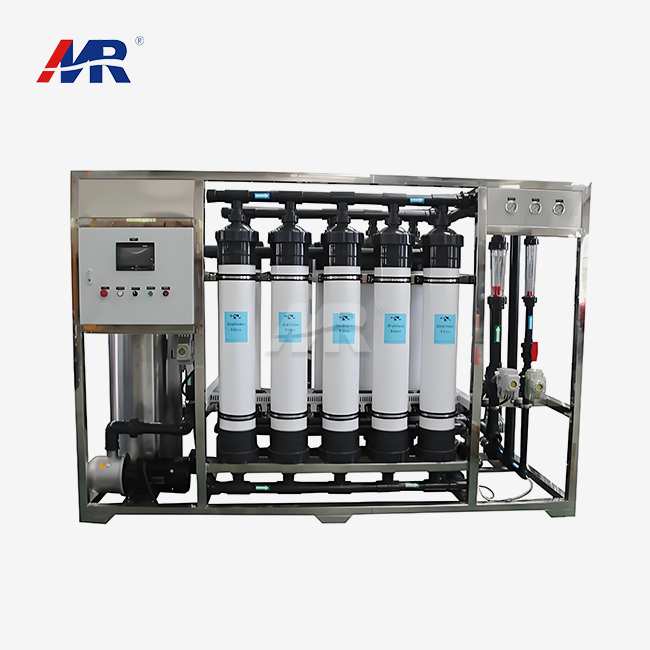 VIEW MOREultrafiltration skid
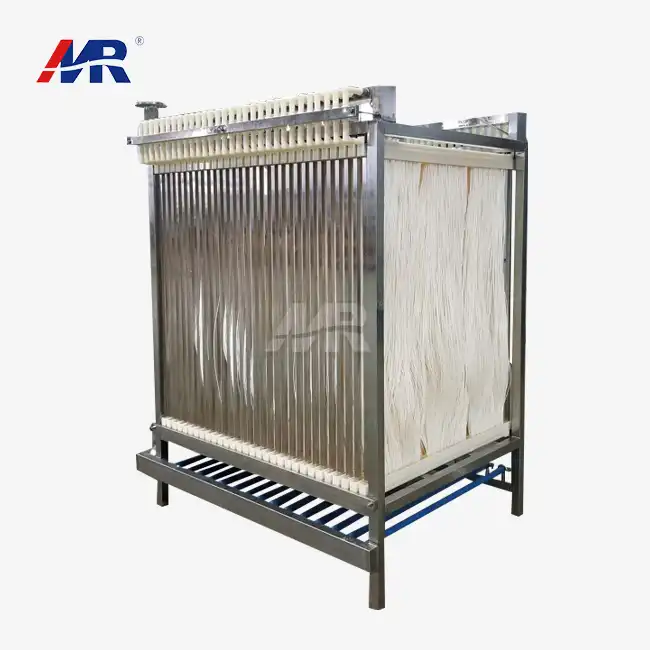 VIEW MOREMBR membrane
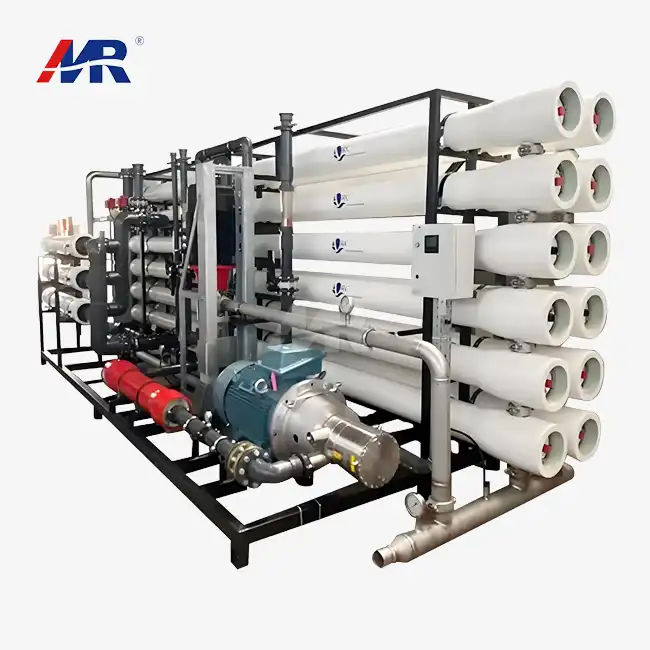 VIEW MORE45m3/hour seawater desalination system
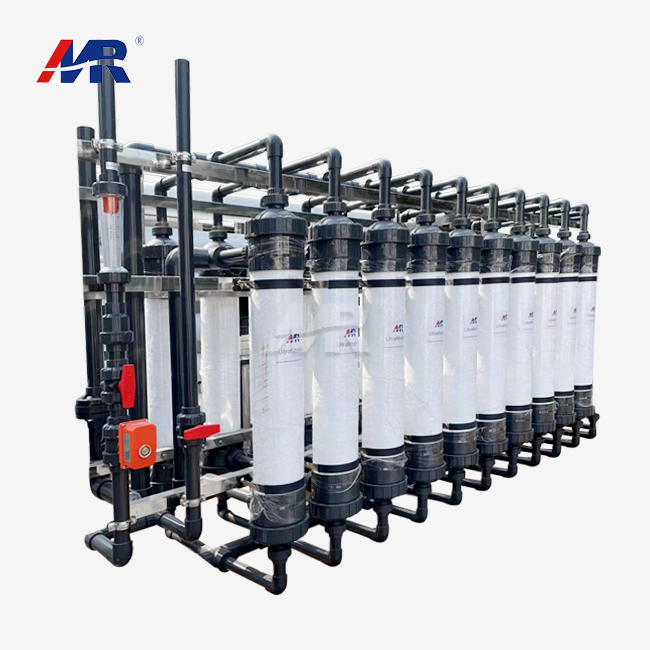 VIEW MOREultrafiltration drinking water system
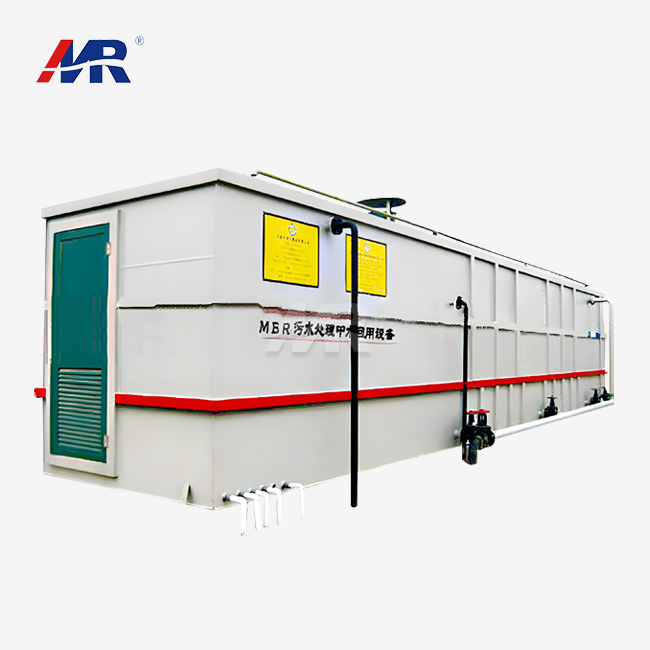 VIEW MOREsewage treatment plant MBR system
