_1745823981883.webp)

Industrial Wastewater Treatment Systems Using Ultrafiltration
As rules get tighter and more demands are made across all production areas for environmental sustainability, it gets harder to deal with wastewater from factories. Advanced membrane technologies have emerged as critical solutions for treating complex industrial effluents, with ultrafiltration wastewater treatment systems leading this technological evolution. These systems are very good at getting rid of colloids, macromolecules, and solids that are floating in water. They also use very little energy. Because of this, they are very important in many areas, such as making drugs, food, and chemicals.

Understanding Ultrafiltration in Industrial Wastewater Treatment
Semi-permeable screens separate toxins based on the size of the molecules they contain. This is how ultrafiltration works. Most of the time, they aim for particles that are 0.01 to 0.1 microns in size. These kinds of filter systems make ultrafiltration wastewater systems really useful in places where other types of cleaning don't work well enough.
Membrane Technology Fundamentals
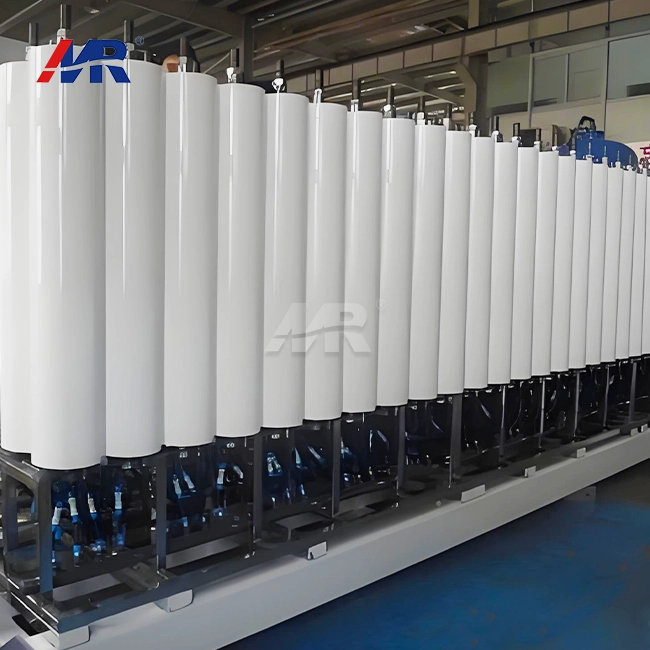
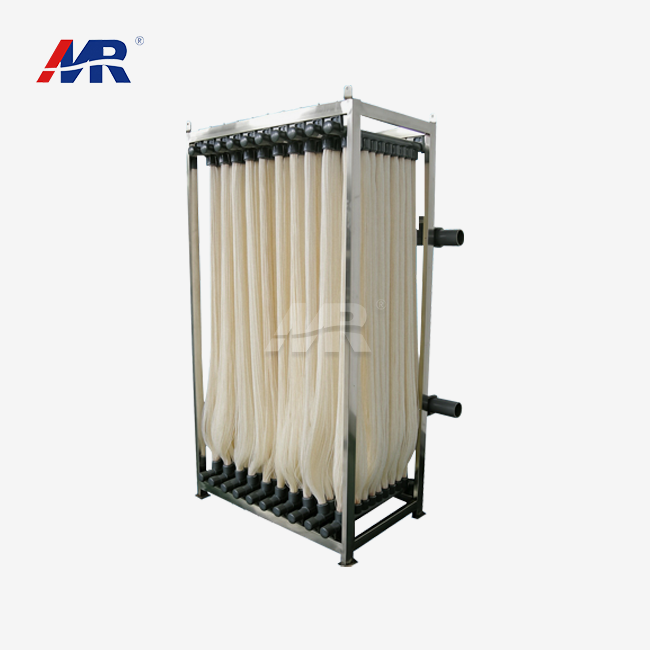
Polyvinylidene fluoride (PVDF) and polyacrylonitrile (PAN) are two high-tech materials that are used to make modern ultrafiltration membranes. Ceramics are also used because they can handle high temperatures. For these membranes to work best, the water should be at least 25°C, the pH should be between 2 and 12 for PVDF materials, and the water should be less than 5 NTU cloudy. That's because the membrane has holes that are between 0.01 and 0.1 μm wide. This keeps the harmful substances out while letting the minerals that have been dissolved pass through.
Process Flow and System Design
The way in which the ultrafiltration method is used makes cleaning as good as it can be. There are steps before the main ultrafiltration process that change the chemistry of the water and get rid of bigger particles. This is done at 0.1 to 0.3 MPa pressure. Backwashing is used to keep membranes in good shape, and chemical cleaning is used to get rid of fouling when it gets bad. Optional steps after cleaning can make the water even better, depending on whether it needs to be released or used again.
Comparative Analysis with Alternative Technologies
Because it works better and costs less than microfiltration, reverse osmosis, and other popular biological treatment methods, ultrafiltration is the best way to clean water. In contrast to reverse osmosis systems, which need higher pressures and more energy, ultrafiltration wastewater treatment works well at lower pressures and gets rid of more waste than microfiltration alone.
Benefits and Applications of Ultrafiltration in Industrial Wastewater
Ultrafiltration systems are much better at what they do and directly solve problems with how companies treat wastewater. These systems clean water so well that it meets strict standards for release or reuse. They do this by filtering water 99.9% of the time or more.
Core Advantages of Industrial Ultrafiltration Systems
Ultrafiltration technology is useful for more than just getting rid of contaminants. Here are the key perks that are making all fields more open to it:
- High filtration efficiency: It filters very well, getting rid of 99.9% of germs, viruses, and dissolved solids. This makes sure that environmental rules are followed.
- Low energy consumption: It uses 0.1 to 0.3 kWh/m³ of energy, which is a lot less than other cleaning methods and lowers the cost of running the system.
- Compact design: Modular designs make the building smaller while raising the number of people who can be treated.
- Easy maintenance: Cleaning methods can be done automatically, and changing membranes only takes a few steps.
- Long service life: Membranes that last a long time can handle rough work conditions and keep doing their job for a long time.
In the real world, these perks help sites lower their treatment costs while still achieving standards for water safety.
Industry-Specific Applications
Chemical manufacturing facilities use ultrafiltration wastewater systems to clean process water that has catalysts and polymer particles suspended in it. This kind of equipment is used in food and drink companies to clean and process streams and water to make sure the goods are safe and follow the rules. Ultrafiltration helps textile companies get rid of colors and threads that get stuck in water. This makes it possible to reuse water and reduces the amount that needs to be thrown away.
Pharmaceutical and research facilities particularly benefit from ultrafiltration's ability to maintain sterile conditions while removing bacterial and viral contaminants. The gentle way the technology treats things saves the good chemicals that have been dissolved and gets rid of the bad ones.
How to Choose the Right Ultrafiltration System for Your Industrial Needs?
What kind of garbage you have, what you want to treat, and what your building can't do will help you choose the right Ultrafiltration Equipment. It's important to think about how much the system can handle. These days, units can handle flow rates of 50 to 1000 m³/h, so they can be used in many different places.
Critical Selection Criteria
First, you need to do a full analysis of the wastewater to find out what kinds of toxins are present, how much of them there are, and how they change with the seasons. This will help you choose the best method. What kind of membrane to use and how the system is set up depend on the stable temperature, changes in pH, and the amount of dissolved solids. Facilities must look at their own discharge standards or water reuse goals to figure out what kinds of cleaning they need.
System Configuration and Sizing
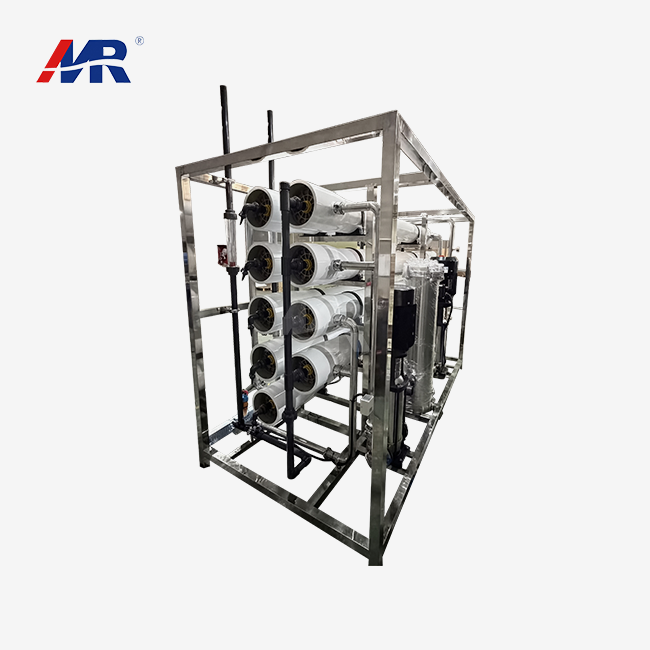
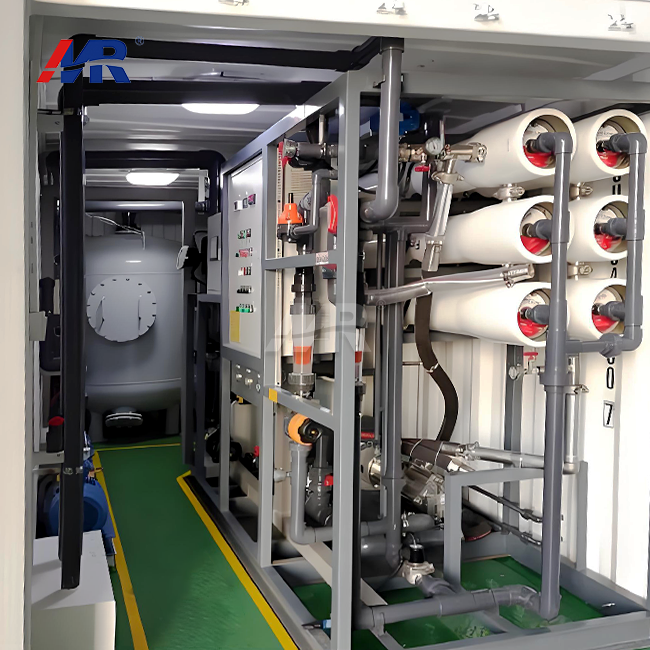
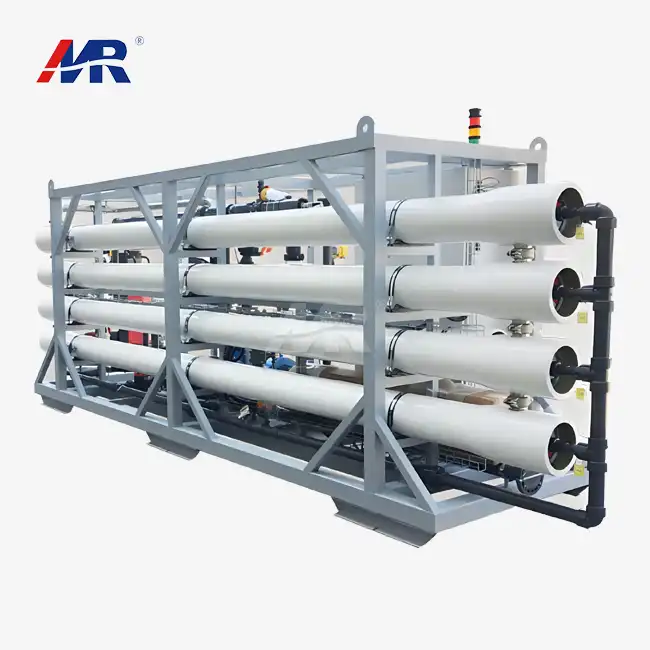
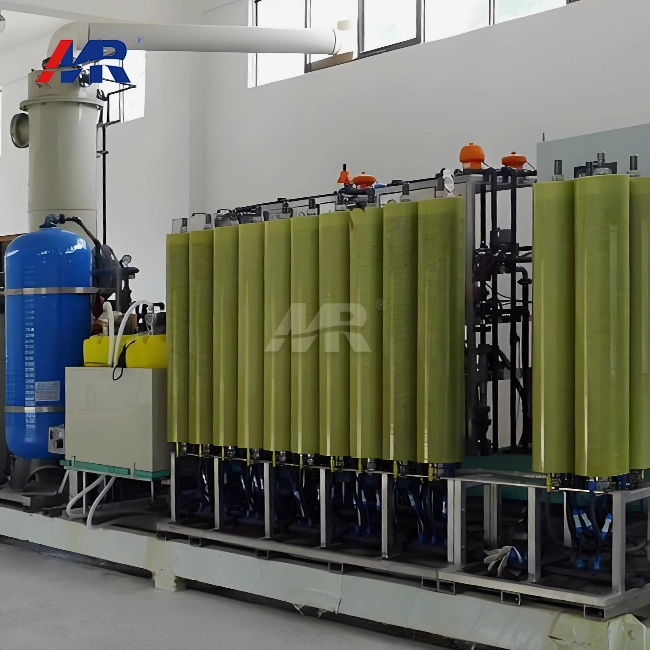
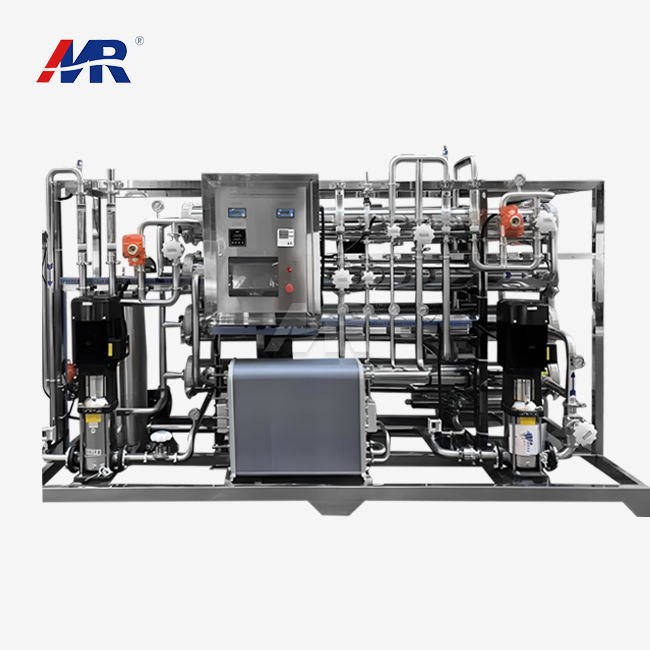
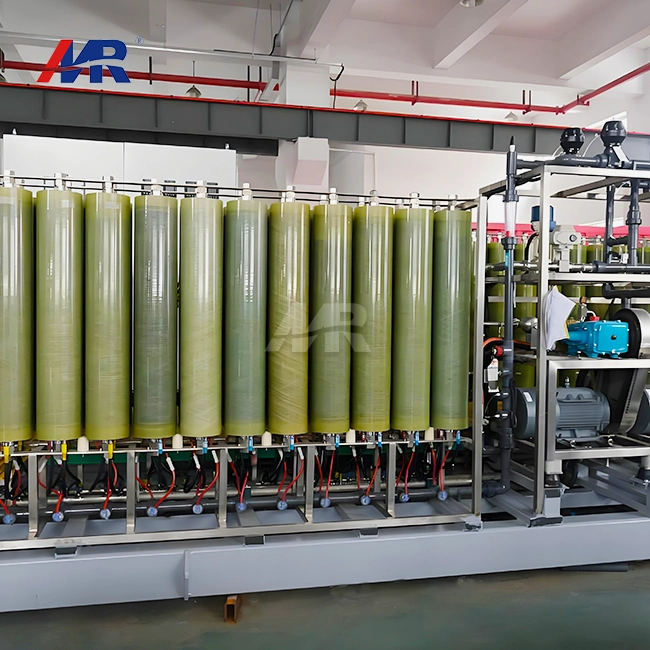
Ultrafiltration skids are systems that are already put together. They have cleaning tools, feed pumps, membrane modules, and control systems all on one frame. Because these parts are all built together, you don't have to do any complicated setup on-site. They just plug in and work. To get consistent performance, predictions of system size need to take into account the highest flow rates, how membranes get clogged, and how long it takes to clean.
Economic Considerations and Procurement Strategies
You should think about the total cost of ownership when choosing an investment. This includes the cost of the gadget itself, the cost of installation, the cost of ongoing upkeep, and the amount of energy it uses. Plans to change membranes can be anywhere from 2 to 5 years, depending on how they are used. This means there are big prices that keep coming up that economists need to think about.
Optimizing Ultrafiltration System Performance
To get the most out of an ultrafiltration wastewater system, it's important to keep up with maintenance plans and be proactive about working factors. Membrane fouling is the main issue that slows down systems, so it's important to have full fouling control methods.
Operational Optimization Strategies
Ultrafiltration works better when bigger particles are removed and the pH of the water is changed so filters don't get clogged. A good pretreatment plan is very important for this. By regularly checking transmembrane pressure, permeate flow rates, and water quality data, you can find issues before they get too bad.
Control systems that are automated keep the right working pressures, manage backwash cycles, and start cleaning processes based on performance signs instead of random time plans. This makes operations more consistent. Because it tracks in real time, workers can change settings at any time, which saves energy without lowering the quality of the service.
Maintenance and Cleaning Protocols
Routine maintenance encompasses daily operational monitoring, weekly performance assessments, and periodic membrane integrity testing. Chemical cleaning methods use special cleaners and disinfectants to get rid of germs and dirt that have built up, make membranes porous again, and make them last longer. The type of dirt determines the best cleaner to use. For instance, alkaline cleaners get rid of organic buildup, and acidic treatments get rid of artificial scale growth.
Conclusion
People in a lot of different business areas have used industrial ultrafiltration systems to solve tough wastewater treatment issues in the past. They are very good at getting rid of pollutants and don't use much power, which helps make things less harmful to the earth. The tech is very adaptable, so it can be used for many things, such as fixing chemical process water and cleaning medicine water. It always works and meets strict government standards. It's becoming more important for companies to have ultrafiltration wastewater treatment systems as environmental laws change and people worry that they will run out of water.
FAQ
1. What distinguishes ultrafiltration from reverse osmosis in industrial wastewater treatment?
Because it works at lower pressures (0.1 to 0.3 MPa), ultrafiltration systems use less energy than reverse osmosis systems. When you want to get rid of germs, bigger molecules, and objects in suspension, this makes it better. Reverse osmosis gets rid of salts that have dissolved and smaller impurities. On the other hand, ultrafiltration gets rid of particles while letting minerals that have been dissolved pass through. This makes it great for Cases where it's important to keep the minerals.
2. How frequently do ultrafiltration membranes require replacement in industrial applications?
Membranes should be changed every two to five years, but this depends on how the system is used, the trash that is put through it, and how often it is kept. They might not last as long if you clean garbage that has a lot of fouling. They will last a lot longer, though, if you use good pretreatment methods and clean them right.
3. Can ultrafiltration systems handle high-contaminant industrial wastewater effectively?
It is very easy for ultrafiltration devices to clean up wastewater that has a lot of germs, colloidal solids, and suspended solids. But for the treatment to work, the pretreatment has to be done right so that the water's makeup is changed and bigger pieces are taken out. Systems can handle up to several hundred mg/L of suspended solids if they are set up correctly and clean and treat the water properly.
Partner with Morui for Advanced Ultrafiltration Solutions
Guangdong Morui Environmental Technology has been cleaning industrial water for more than 14 years and can offer full ultrafiltration wastewater choices that are tailored to the needs of your business. Our tech team makes one-of-a-kind systems that can clean 50 to 1000 m³/h and are sure to do so 99% of the time. We offer full package options as a top ultrafiltration wastewater maker. This means that we provide the equipment, set it up, and start it up. Our technical experts can help you with your wastewater treatment issues. Email them at benson@guangdongmorui.com to learn more about how our tried-and-true ultrafiltration technology can help your business be more eco-friendly.
References
1. Zhang, L., Wang, S., & Chen, R. (2023). Advanced Membrane Technologies for Industrial Wastewater Treatment: Performance Evaluation and Economic Analysis. Journal of Environmental Engineering, 149(8), 04023045.
2. Thompson, K.M., Rodriguez, A., & Kim, J.H. (2022). Ultrafiltration Membrane Fouling Mechanisms in Industrial Applications: A Comprehensive Review. Water Research, 187, 116842.
3. Martinez, P., Liu, Y., & Singh, R. (2023). Energy Optimization Strategies for Industrial Ultrafiltration Systems: Case Studies and Performance Metrics. Desalination and Water Treatment, 278, 125-138.
4. Anderson, M.J., Patel, N., & Wang, X. (2022). Regulatory Compliance and Environmental Impact Assessment of Industrial Membrane Filtration Systems. Environmental Science & Technology, 56(12), 8234-8247.
5. Kumar, S., Johnson, D.R., & Lee, H.S. (2023). Economic Analysis of Ultrafiltration vs. Conventional Treatment Technologies in Industrial Wastewater Management. Journal of Cleaner Production, 394, 136789.
6. Brown, C.A., Davis, M., & Wilson, T.K. (2022). Membrane Selection Criteria and Performance Optimization for Industrial Ultrafiltration Applications. Separation and Purification Technology, 298, 121567.