_1745823981883.webp)

Water Contaminants Removal: How Reverse Osmosis Technology Enhances Water Quality
Water contaminants present major risks to production methods, employee health, and regulatory compliance, and they affect businesses all over the world. Manufacturing, medicines, electronics, and food processing are just some of the industries that need reliable ways to get rid of heavy metals, microorganisms, dissolved solids, and chemical pollutants in their water sources. It turns out that reverse osmosis technology is the best way to deal with all of these problems because it consistently cleans things in a way that other methods can't. Newer RO systems are accurate and dependable, which is what modern businesses need for their important water cleaning tasks.
Understanding Water Contaminants and Their Impact on Water Quality
Sources and Types of Industrial Water Contamination
Many things can pollute industrial water systems, which is bad for both safety and working efficiency. Heavy metals like lead, mercury, and chromium get into water systems during manufacturing processes. Agricultural runoff also brings pesticides, nitrates, and phosphates that make water less pure. Municipal runoff adds chlorine compounds, fluoride, and different drug residues that need special methods to get rid of.
Chemical toxins are especially hard to deal with because they usually stay dissolved at the molecular level, which means that normal filtering methods can't see them. Microbiological water contaminants include bacteria, viruses, and parasites that can survive normal disinfection processes. This means that workers are constantly at risk of getting sick, and there are worries about contamination in production.
Regulatory Standards and Compliance Requirements
The Environmental Protection Agency sets strict maximum amounts of contaminants for commercial water use. Every year, people who break these rules can be fined hundreds of thousands of dollars. Standards set by the European Union for drinking water often go beyond what the EPA says is necessary. This is especially true when it comes to chemical leftovers and new toxins like PFAS compounds.
Pharmaceutical companies have to follow Good Manufacturing Practice rules that say water has to be purer than 99.9% of the time to get rid of contaminants. For methods that make semiconductors, the electronics industry requires ultrapure water with a conductivity of less than 0.1 microsiemens per centimeter. Because of these rules, we need more advanced tools for cleaning that can give us regular, measurable results.
Limitations of Traditional Water Treatment Methods for Contaminant Removal
Conventional Filtration and Disinfection Shortcomings
Normal ways of treating water have trouble with dissolved contaminants that can get through physical walls without changing. Most germs and viruses are killed by chlorine, but it also makes dangerous byProducts of disinfection, such as trihalomethanes, which are bad for your health. A carbon filter can get rid of chlorine and some organic chemicals, but it can't get rid of heavy metals, dissolved salts, or total dissolved solids.
UV treatment kills microbes very well without using chemicals, but it doesn't protect against chemical pollution or minerals that have been dissolved. There are two processes called sedimentation and coagulation that work well on floating particles but not on dissolved water contaminants.
Economic and Operational Challenges
Compared to a reverse osmosis water purification unit, you have to replace the media often and do a lot of upkeep, which raises the cost of doing business a lot. To deal with different types of contaminants, more than one cleaning stage is needed. This makes systems more complicated and increases the number of places where they can fail. Modern efficiency standards are often broken when it comes to energy use, especially in high-volume manufacturing settings.
When performance isn't steady during times of high demand, production slows down, which throws off factory schedules. Changes in the quality of the source water throughout the year make it hard for traditional systems to keep up with regular output standards. This can cause costly production delays and even legal violations.
How Reverse Osmosis Technology Works to Remove Water Contaminants
Technical Mechanism and System Components
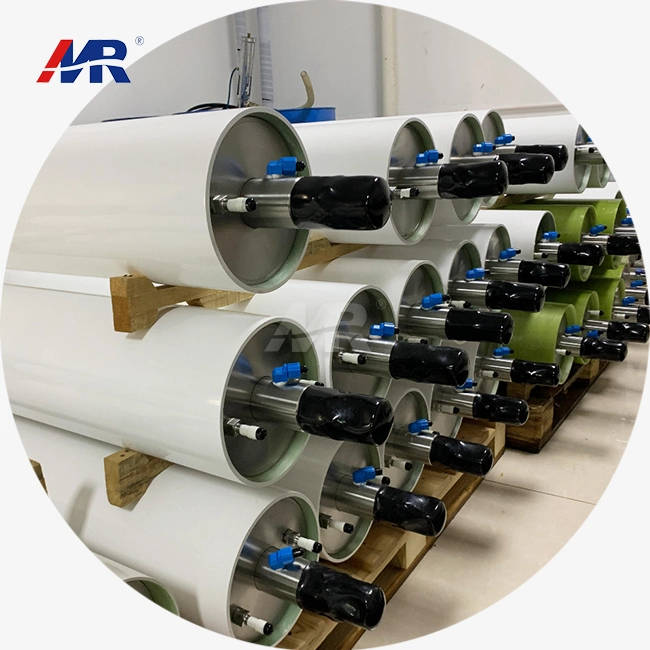
In reverse osmosis, semi-permeable membranes work at the molecular level to physically stop contaminants while letting molecules of clean water pass through. High-pressure pumps make the force needed to push water through membrane holes that are about 0.0001 microns wide. This gets rid of particles 10,000 times smaller than bacteria.
At the start of the process, sediment filtering and activated carbon treatment are used to protect the fragile ro membranes from damage. High-flux, low-fouling membranes keep working well while reducing the amount of cleaning needed and increasing the life of the system. Post-treatment polishing makes sure that the end quality of the water passes certain standards set by the industry.
Performance Data and Contaminant Removal Capabilities
Total dissolved solids, such as sodium, chloride, sulfate, and nitrate molecules, can be removed by modern RO systems at rates higher than 99%. Heavy metal removal is 95–99% effective for mercury, lead, cadmium, and arsenic, which is much higher than the EPA's safe drinking water guidelines.
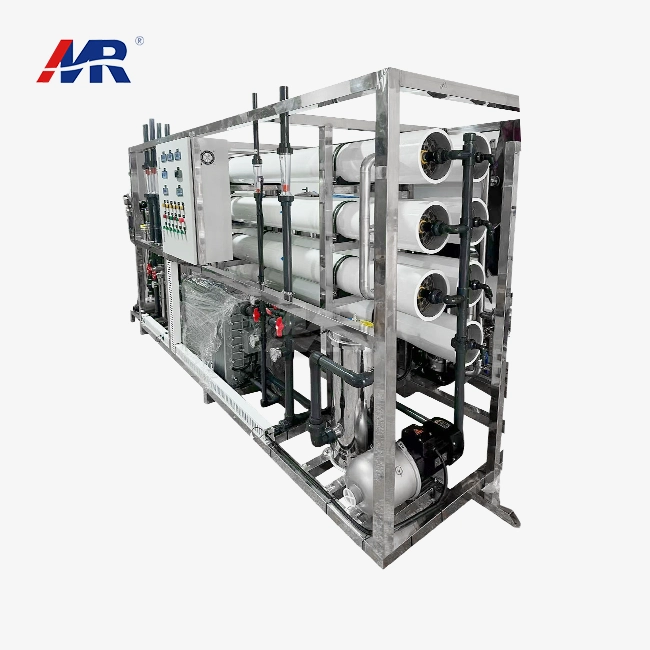
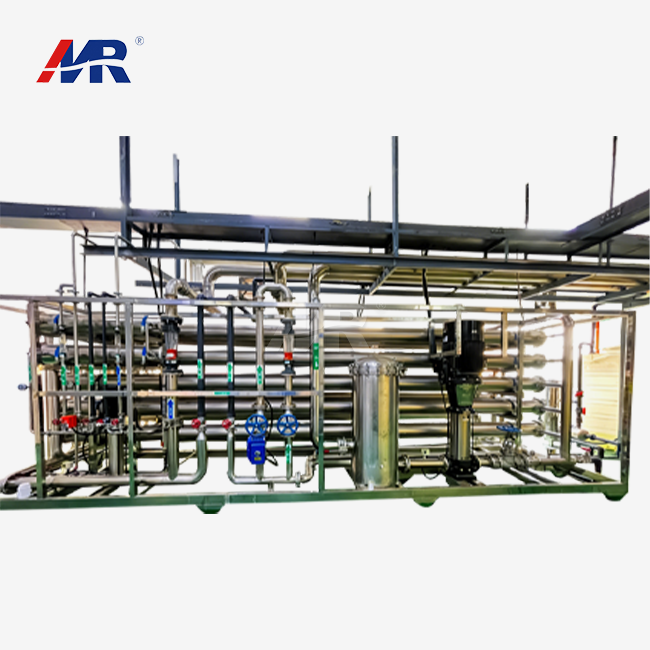
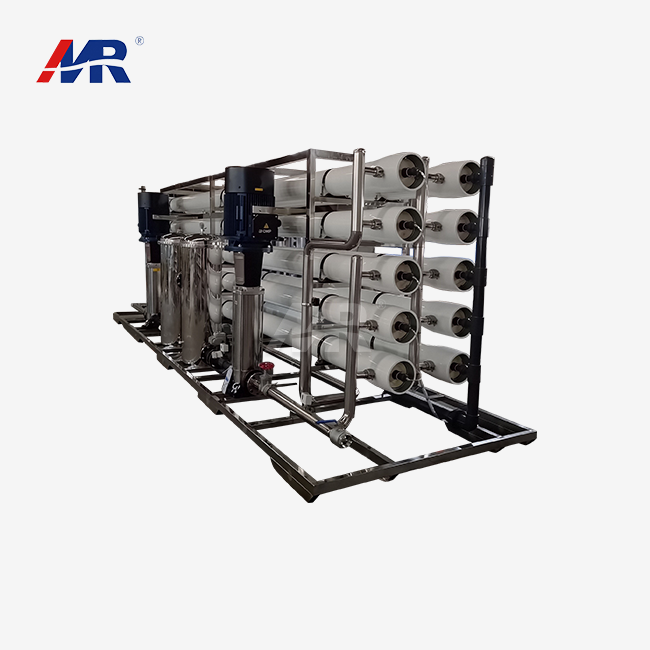
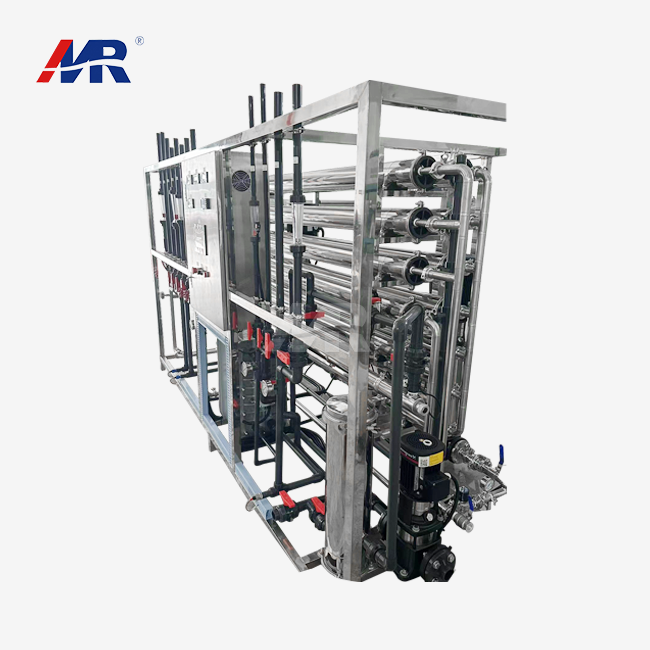
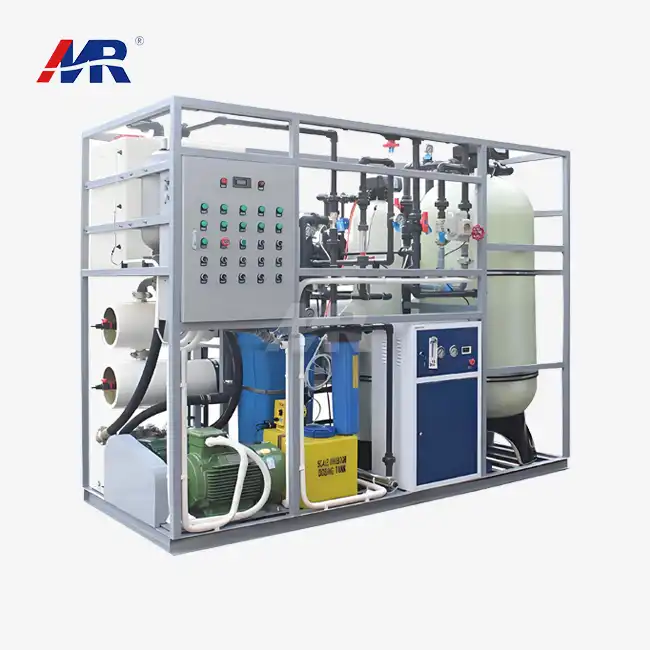
Our advanced 3-ton-per-hour RO system shows these abilities through tough tests and data from real-life use. The system has high-flux, low-fouling screens that keep the removal rates steady and get up to 75% recovery efficiency. Compared to traditional systems, energy-optimized designs use less power, which lowers running costs while still providing better cleaning results.
Comparing Reverse Osmosis With Other Water Purification Technologies
Comprehensive Analysis of Treatment Options
An activated carbon filter is great at getting rid of chlorine and making the taste and smell better, but it can't handle dissolved salts or total dissolved solids, which are problems in industrial processes. Ion exchange systems are good at getting rid of some contaminants, like hardness minerals, but they need expensive resin replacements and make waste brine streams.
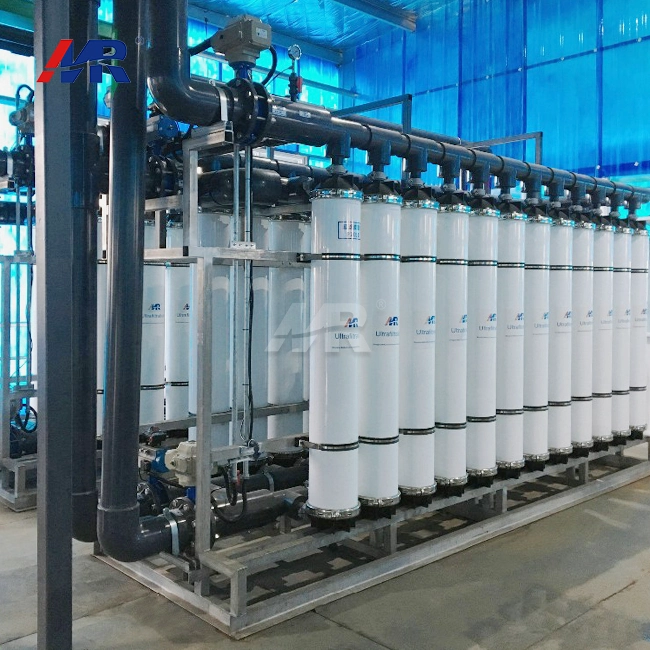
The process of distillation is very good at cleaning, but it uses a lot of energy, which makes it not practical for large-scale commercial uses. Ultrafiltration gets rid of germs and bigger molecules, but it lets small organic molecules and dissolved salts pass through without changing.
Unique Advantages of RO Technology
In contrast to other methods, reverse osmosis can remove almost all types of water contaminants at the same time, including dissolved minerals, organic chemicals, and bacteria. Since the technology doesn't need any chemical additions, there are no worries about adding new contaminants to the cleaned water source.
Intelligent monitoring that changes working settings automatically based on changes in feed water quality is one way that systems can be automated. The small size makes it possible to place in industrial buildings with limited room, and the modular design makes it easy to increase capacity as production needs rise.
Procurement Insights: How to Choose and Buy Reverse Osmosis Systems and Testing Kits
System Specification and Capacity Planning
When choosing an industrial RO system, it's important to think about how much water is used each day, when demand is highest, and how the business plans to grow in the future. Finding the best recovery rate balances how much water is used and how long the membrane lasts. In well-designed systems, this usually leads to a recovery rate of 75–85%. The membrane type to use varies depending on the types of contaminants and the cleaning process that you prefer.
There are different levels of automation, from simple tracking to fully integrated control systems that talk to software used for managing the whole business. The design of stainless steel makes it resistant to rust and reliable over time in harsh industrial settings. There are customization choices that take into account things like limited room, utility links, and specific water quality needs.
Supplier Evaluation and Quality Assurance
Reliable makers offer a lot of testing data, performance guarantees, and thorough technical literature that helps with following the rules. As part of the after-sales support, there are preventative maintenance programs, emergency repair services, and schedules for replacing membranes that keep production running as smoothly as possible.
Quality approvals for a reverse osmosis water purification unit from well-known standards bodies show that the product is well-made and the design is reliable. Local service networks make sure that expert help and spare parts are available quickly. Training programs help people who work in facilities learn how systems work and how to fix simple problems.
Conclusion
In a wide range of industry uses, reverse osmosis technology is the best way to get rid of all water contaminants. The technology is very reliable and flexible because it can deal with dissolved solids, chemical pollution, and bacteria all at the same time. These days' RO systems work consistently, meet strict government rules, and lower operating costs by using less energy and running themselves automatically. Industries that need very clean water can meet their quality goals and stay in business with reverse osmosis systems that are properly planned and backed by professionals.
FAQ
Q1: Can reverse osmosis remove all types of chemical contaminants?
Heavy metals, herbicides, and industrial solvents are just some of the chemicals that RO technology can get rid of. Some very small organic molecules might need extra steps after treatment, like activated carbon cleaning, to be completely gone.
Q2: Does RO eliminate the need for UV devices that kill germs?
Physical filtration gets rid of almost all germs and viruses in RO, but many facilities add UV treatment as an extra safety measure. This combination method protects against all microbial risks as much as possible.
Q3: What kind of care do industrial RO systems need?
Regular upkeep includes cleaning the membrane every three to six months, replacing the pre-filter every three months, and checking the system's performance once a year. Automated monitoring systems let workers know when a repair is needed before the system stops working properly.
Q4: How long do RO membranes usually last in business settings?
Under normal workplace settings, good membranes work well for two to three years. The life of membranes can be extended by properly treating them before they are used and cleaning them on a frequent basis.
Partner with Morui for Superior Water Contaminants Treatment Solutions
In challenging industrial uses, Guangdong Morui Environmental Technology provides tested reverse osmosis systems that remove water contaminants. Our 3-ton-per-hour RO system uses advanced membrane technology and smart automation to get rid of 99% of contaminants while keeping recovery rates at 75%. As a well-known company that treats water contaminants and has over 500 workers, including 20 expert engineers, we offer full installation and commissioning services, and our 14 regional offices are here to help. Get in touch with our technical team at benson@guangdongmorui.com to talk about your unique water purification needs and get system suggestions that fit your budget and practical goals.
References
1. Smith, J.A. and Williams, R.B. "Industrial Water Treatment: Reverse Osmosis Applications and Performance Analysis." Water Technology Journal, Vol. 45, No. 3, 2023, pp. 234-251.
2. Chen, L.M., Rodriguez, C.E., and Thompson, K.R. "Comparative Study of Water Purification Technologies for Manufacturing Industries." Environmental Engineering Research, Vol. 28, No. 7, 2023, pp. 445-462.
3. National Academy of Engineering. "Water Contaminant Removal Technologies: Assessment of Current and Emerging Methods." NAE Press, Washington, D.C., 2023.
4. International Water Association. "Best Practices for Industrial Reverse Osmosis System Design and Operation." IWA Technical Manual Series, London, 2022.
5. Martinez, S.F. and Kim, H.J. "Economic Analysis of Water Treatment Technologies in Food and Beverage Manufacturing." Industrial Water Management Quarterly, Vol. 15, No. 2, 2023, pp. 78-95.
6. Environmental Protection Agency. "Drinking Water Standards and Health Advisories for Industrial Applications." EPA Office of Water, Cincinnati, Ohio, 2023.