_1745823981883.webp)

Ensuring Reliable Operation of Offshore Water Treatment Systems
To deal with the unique problems that coastal settings present, running an offshore water treatment system requires accuracy, toughness, and careful planning. These complex systems are what keep offshore oil rigs, floating production storage and offloading boats, and maritime industrial sites safe in the water. Because of the tough conditions, like corrosion from saltwater, limited room, and extreme weather patterns, it takes special methods to keep things running. To be successful, you need to choose reliable technologies, use predictive repair plans, and work with providers who have experience and know how complicated overseas operations can be.

Understanding Offshore Water Treatment Systems and Their Operational Challenges
The Complexity of Marine Water Treatment Technologies
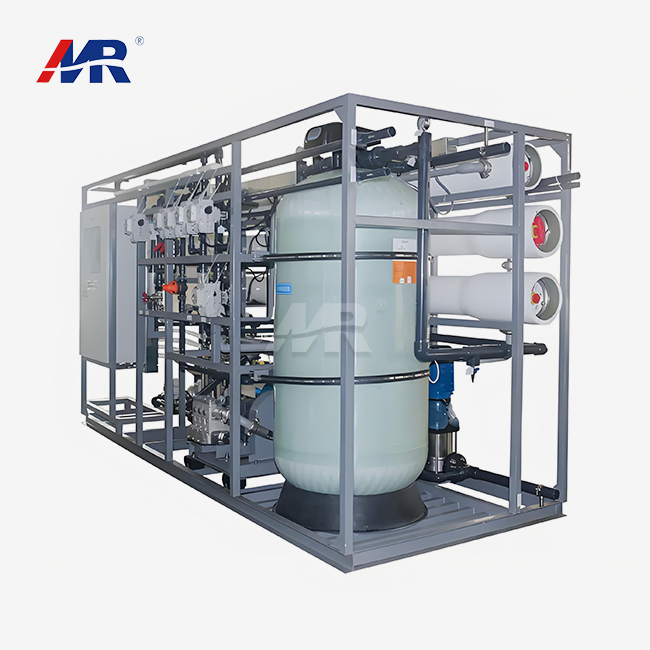
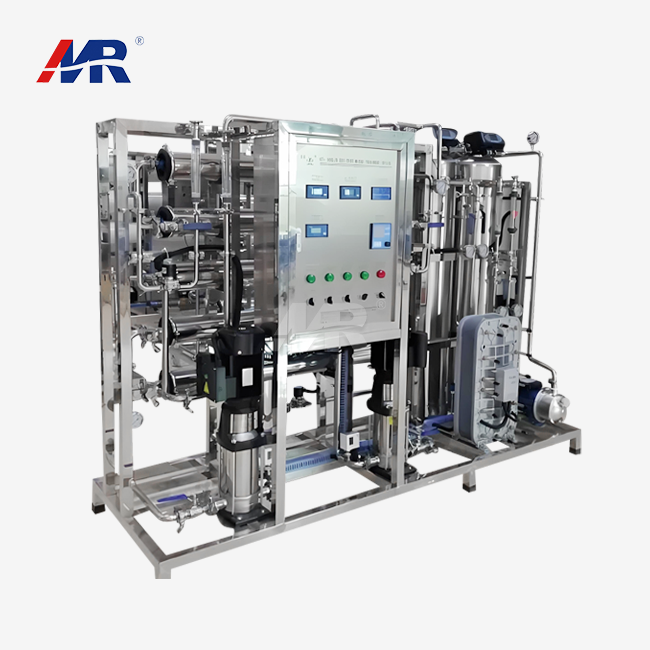
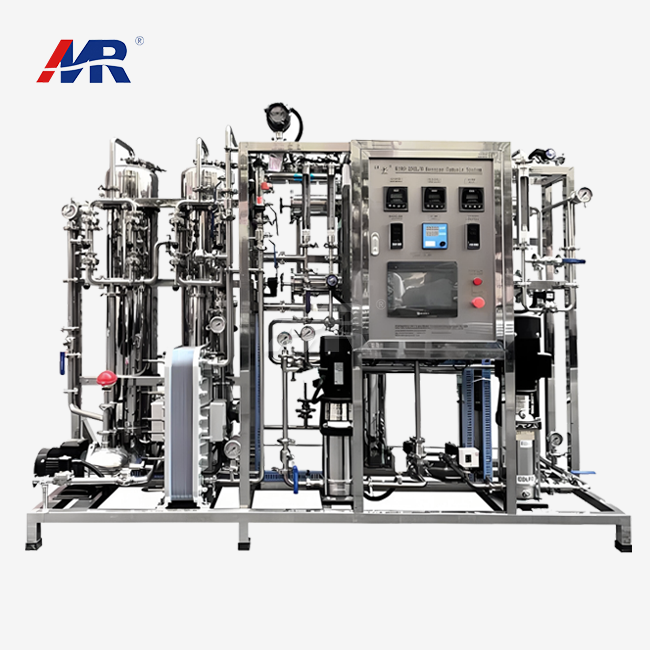
Offshore water treatment systems use a variety of technologies, such as membrane bioreactor (MBR) systems, reverse osmosis desalination units, and centers that clean produced water. These systems have to deal with different types of water, from desalinating seawater to make drinkable water to complicated produced water that has hydrocarbons and chemicals added to it. Putting together several cleaning methods in small areas needs careful engineering to make them work as efficiently as possible while still meeting safety standards.
Compared to onshore sites, the operating environment brings problems that have never been seen before. Equipment that is exposed to saltwater rusts faster, so it needs special materials and coatings to protect it. Due to limited space, designs must be small enough to treat as many people as possible while leaving as little of a trace as possible. Offshore platforms are also always moving, which makes it hard for equipment to stay stable and requires special fixing systems to keep mechanical problems from happening.
Critical Operational Hurdles in Marine Environments
Offshore sites are at a high risk of operating problems when weather causes disruptions. Storms can stop supply lines, cause upkeep to be put off, and put extra stress on equipment that isn't supposed to be under that much stress. Because offshore platforms are far away from each other, it's harder to respond to emergencies and do regular upkeep. This makes system dependability very important for practical success.
Compliance with laws adds another level of difficulty, as offshore sites have to follow international marine rules, standards for environmental protection, and local discharge rules. These rules usually include strict standards for water safety and thorough tracking plans that affect how systems are built and how they are run.
Key Factors for Ensuring System Reliability
Strategic Technology Selection and Design Principles
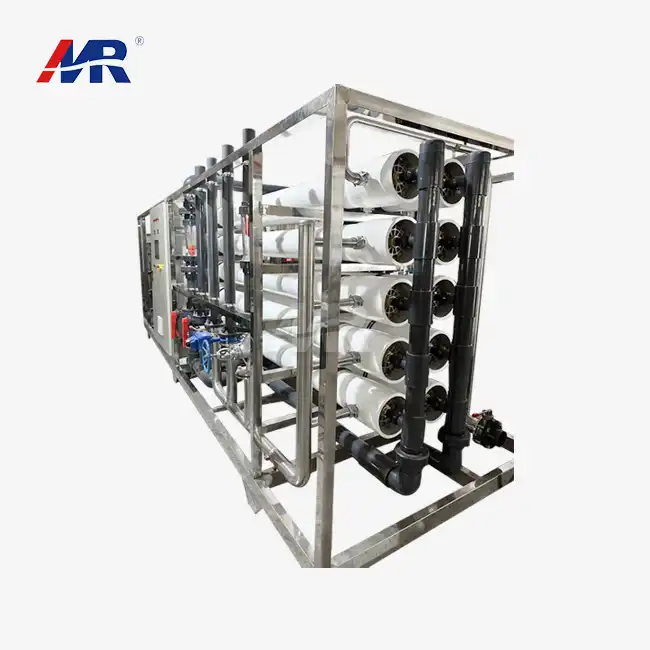
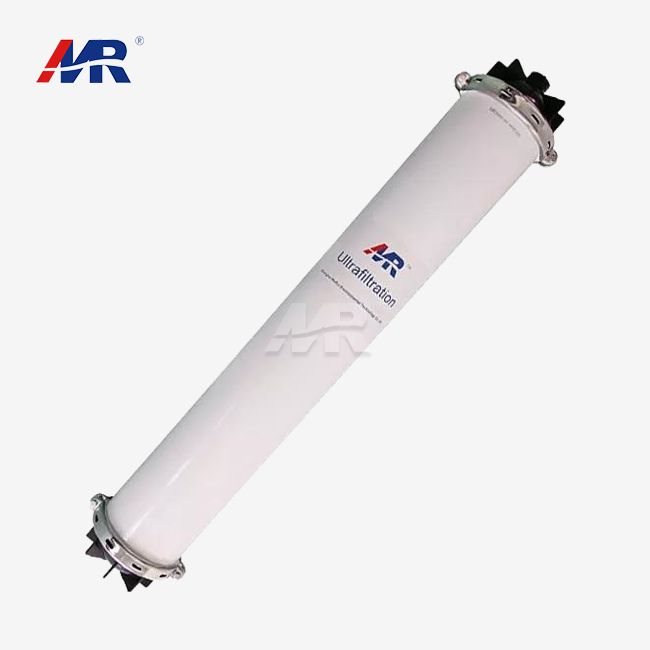
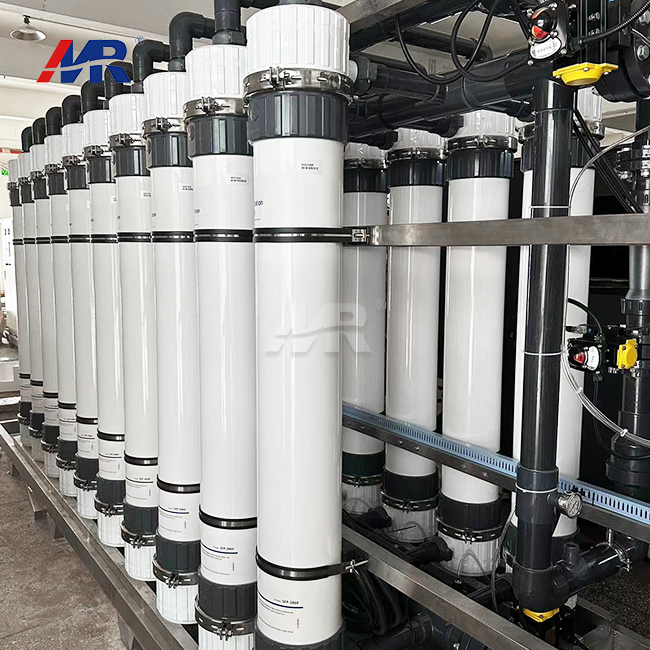
To have an effective offshore water treatment system operation, treatment methods that are right for each station need to be carefully looked at. Ultrafiltration and reverse osmosis are two membrane filtration technologies that offer small options that are very good at getting rid of waste. Advanced biological cleaning methods get rid of organic contaminants effectively while using as few chemicals as possible. The selection process has to find a mix between how well the treatment works, how much energy it uses, and how much upkeep it needs.
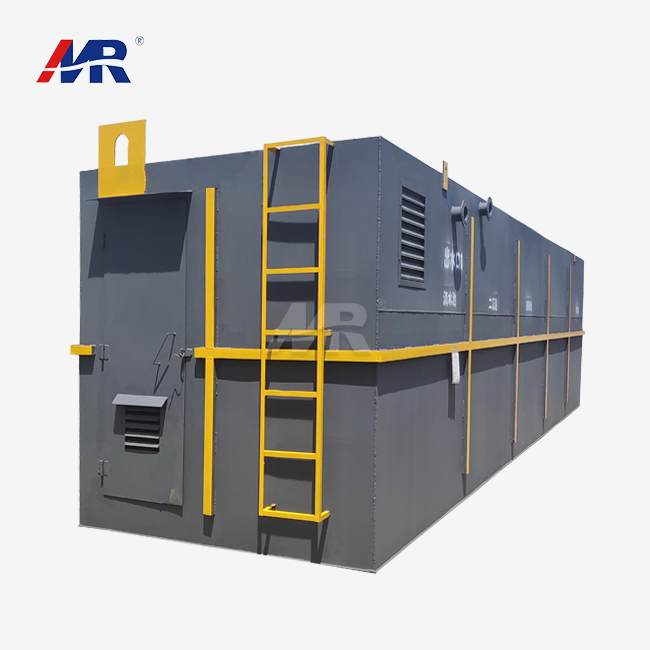
Using modularity in system design lets you change the size of the system easily and makes upkeep easier. Operators can separate individual treatment trains for repair without having to shut down the whole system with modular designs. This method works especially well for applications that are run abroad, where downtime has a direct effect on production schedules and prices.
Redundancy and Automation Integration
By adding support to key system parts, the chance of the whole system failing is reduced. Back-up pumps, two sets of controls, and alternate treatment trains make sure that the plant keeps running even when individual parts need to be fixed or replaced. When planning for strategic redundancy, both machine failures and repair schedules are taken into account so that water treatment capacity is never interrupted.
Automation technologies make systems more reliable by watching them all the time, making changes to them automatically, and finding problems before they happen. Modern control systems can adapt to changes in the feed water, make the best use of chemical doses, and warn workers of possible problems before they become system failures. These features are very helpful for activities that take place offshore, where expert support might not be available right away.
Maintenance Excellence and Predictive Analytics
Offshore water treatment activities that work well are based on strict maintenance plans. Marine conditions are harsh, and fixes are hard to get to. This means that preventive maintenance plans need to take into account faster wear rates. Regular checks, part replacements, and performance tests are all part of comprehensive maintenance routines. This helps find problems early on.
Real-time data analytics and tracking tools for the Internet of Things make it possible to plan preventative maintenance that improves the performance of devices and increases their useful life. These systems keep an eye on key performance indicators, spot problems that are happening more often, and suggest maintenance tasks based on the real state of the equipment rather than random time intervals. This method makes tools available as much as possible while reducing the amount of upkeep that isn't needed.
Optimizing Performance Through Modern Solutions
Advanced Membrane and Desalination Technologies
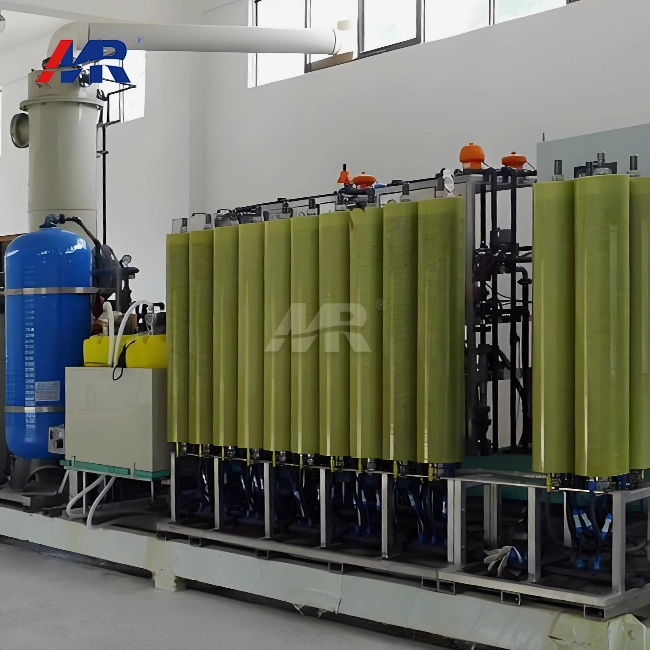
Modern offshore water treatment system designs benefit from significant advances in membrane technology that make filtering more effective while using less energy. High-performance reverse osmosis membranes let more salt through while using less pressure, which saves energy and makes the membrane last longer. New barrier materials don't get fouled or broken down by chemicals, which is very important for tough offshore uses.
Desalination methods have changed over time to meet the needs of activities that are far from land. Energy recovery machines take pressure energy from concentrate streams and use it again. This makes it possible to use as little as 0.3 to 0.5 kWh of energy per cubic meter of cleaned water. These gains in efficiency mean that offshore facilities will have lower running costs and less damage to the environment.
Digital Integration and IoT Monitoring Capabilities
Adding digital tools to offshore water treatment processes changes them by making it easier to watch, control, and improve performance. IoT monitors give real-time information about how well a system is working, how clean the water is, and how well the equipment is working. This constant tracking lets workers improve the way treatments work, find problems, and act quickly when conditions change.
Remote tracking is especially useful for applications that are run abroad, such as offshore water treatment systems, where there may not be a lot of technical knowledge available on-site. Satellite communication lines let experts on land keep an eye on how the system is working, figure out what's wrong, and offer technical help without having to go to the platform. This feature cuts down on reaction times and makes sure that people can get specialized help when they need it.
Performance Benchmarking and Optimization Strategies
Comprehensive performance testing lets workers compare the efficiency of their systems to industry standards and find ways to make them work better. Some important measures are the amount of energy used per unit of treated water, how often the membranes need to be replaced, and how available the system is generally. Benchmarking on a regular basis helps managers see patterns in how the system is working and make choices about upgrades and improvements based on facts.
The goal of optimization methods is to get the best treatment results while keeping costs as low as possible. Optimization of the process includes pretreatment of the feed water, optimization of chemical doses, and control of energy. Most of the time, these changes save a lot of money, extend the life of tools, and make treatments more reliable.
Procurement Guidelines for Offshore Water Treatment Systems
Supplier Evaluation and Selection Criteria
Picking the right provider is a big choice that will affect the long-term success of your business. Technical knowledge, experience working abroad, service skills, and financial security must all be taken into account when evaluating someone. Suppliers who have worked on projects in the ocean before know how to deal with the unique challenges and needs of coastal settings. This knowledge leads to better system designs, better customer service, and lower operating risks.
Suppliers are made sure to meet international quality standards and legal requirements through certification and compliance proof. Some certificates that are useful are ISO quality management systems, environmental management standards, and approvals that are specific to a certain business. These Certifications give buyers trust in the skills of suppliers and help make sure that offshore sites follow the rules set by regulators.
Total Cost of Ownership Analysis
To make smart buying choices, you need to know about the total cost of ownership. The initial cost of technology is only a small part of the total cost over its lifetime, which includes installation, commissioning, operation, upkeep, and finally decommissioning. Because of logistical issues and unique needs, offshore sites often have higher costs for shipping, installation, and upkeep.
When figuring out the total cost, energy costs should be taken into account because electricity generated abroad usually costs a lot more than electricity generated onshore. Systems that use between 0.3 and 0.5 kWh per cubic meter of cleaned air can save a lot of money over the course of their lives. Additionally, systems that can collect biogas can lower energy costs by producing green energy.
Financing Options and Partnership Strategies
Offshore projects that need a lot of money profit from flexible financing plans that fit the cash flows and risk profiles of the project. Leasing choices let you use cutting-edge technologies without having to pay a lot of money up front. Performance-based contracts link payment schedules to how well the system actually works. This makes sure that providers stay committed to working greatness throughout the term of the contract.
By providing better Technical support, training, and knowledge sharing, smart relationships with experienced providers make projects more likely to succeed. When providers work together for a long time, they can really understand the needs of each business and come up with custom solutions that improve performance and dependability.
Ensuring Environmental Compliance and Sustainable Operations
Regulatory Framework and Compliance Requirements
Operating an offshore water treatment system means navigating a maze of rules that include international marine law, regional environmental laws, and standards specific to the business. The International Maritime Organization sets minimum standards for how ships can release waste, but local governments may add more limits if the environment in their area is bad. To understand and keep up with all of these different rules, you need to know a lot about regulations and have strong management systems.
Discharge laws usually say the highest amounts of different pollutants that can be present, as well as who is responsible for tracking and reporting. With BOD removal rates of up to 95% and COD removal rates of up to 90%, modern cleaning systems are very good at getting rid of waste. These performance levels make sure that strict discharge standards are met while also having the least possible effect on the environment.
Environmental Impact Mitigation Strategies
Advanced cleaning technologies reduce damage to the environment by better getting rid of contaminants and recovering resources. Membrane bioreactor systems are better at treating things while taking up less space, which is good for the environment and for running the business. Biological cleaning methods turn organic pollutants into harmless byProducts and make biogas, which can help balance out the energy used.
Sustainable design principles stress preserving resources and reducing waste as much as possible. Recycling and reusing water lowers the need for freshwater while lowering the amount that needs to be discharged. Sludge treatment and disposal systems turn garbage sources into useful products, such as biogas for making energy and treated biosolids for useful uses.
Future-Proofing and Adaptability Considerations
As environmental standards change, offshore water treatment system designs need to be built so that they can adapt to those changes without having to make big changes. As rules get stricter, modular system designs let you change the system's ability and add new technology. This adaptability safeguards investments while ensuring ongoing agreement with new standards.
As technology moves toward more automation, a better energy economy, and better monitoring tools, current systems will be ready to meet the needs of future regulations. Advanced control systems allow exact process improvement that improves the effectiveness of treatment while reducing the amount of resources used. These skills are becoming more and more useful as environmental standards change.
Conclusion
For offshore water treatment activities to be reliable, they need to be well planned, use the right technology, and form smart partnerships with suppliers who have a lot of experience. To be successful, you need to know how to deal with the unique problems that come up in sea settings and put in place strong solutions that keep things running even when things get rough. Today's technologies give us ways to treat things that work very well, reliably, and with less damage to the environment than have never been seen before. Offshore sites can treat water in a way that protects marine environments and supports long-term operating success by focusing on tried-and-true design principles, predictive maintenance strategies, and regulatory compliance.
FAQ
1. What makes offshore water treatment systems different from onshore facilities?
Offshore systems have special problems, like rust from saltwater, limited room, exposure to harsh weather, and troubleshooting that is hard to get to. For reliable success in these situations, you need special machine designs, materials, and ways of running the business.
2. How do you ensure consistent water quality in harsh marine conditions?
Strong treatment technologies, multiple systems, constant tracking, and planned upkeep are needed to keep water quality stable. Advanced control systems change process settings automatically to keep performance at a high level even when conditions change.
3. What are the key maintenance requirements for offshore water treatment equipment?
Maintenance needs to include regular checks, replacing parts based on how quickly they wear out in the sea climate, keeping an eye on performance, and being able to fix things quickly in an emergency. Using IoT tracking for predictive maintenance makes repair plans more efficient and cuts down on sudden failures.
4. How do environmental regulations affect offshore water treatment system design?
Environmental regulations set limits on release, require tracking, and set rules for how to operate the system, all of which have a direct effect on how it is designed. To show that they are following the rules, treatment systems must get rid of waste at certain rates and include tracking and reporting tools.
Partner with Morui for Reliable Offshore Water Treatment Solutions
Morui Environmental Technology offers complete options for offshore water treatment system solutions that are made to work in marine settings. Our advanced cleaning methods work very well, getting rid of up to 95% of BOD and using as little as 0.3 kWh of energy per cubic meter. We have over 500 workers, 20 expert engineers, and 14 branches. We offer full installation and commissioning services, and we also make our own membranes. As a reliable company that makes offshore water treatment systems, we know how important it is for naval activities to be dependable. Email our expert team at benson@guangdongmorui.com to talk about your unique needs and find out how our tried-and-true solutions can help your offshore operations.
References
1. Maritime Environmental Protection Guidelines for Offshore Water Treatment Systems, International Maritime Organization Technical Standards, 2023.
2. Advanced Membrane Technologies for Marine Applications: Performance Analysis and Operational Considerations, Journal of Marine Engineering Technology, 2024.
3. Offshore Platform Water Management: Regulatory Compliance and Best Practices, Offshore Technology Research Institute, 2023.
4. Energy Efficiency in Marine Water Treatment Systems: Technological Advances and Economic Analysis, Marine Engineering Quarterly, 2024.
5. Predictive Maintenance Strategies for Offshore Industrial Equipment: Case Studies and Implementation Guidelines, Offshore Operations Management Review, 2023.
6. Environmental Impact Assessment of Offshore Water Treatment Technologies: Sustainability and Regulatory Perspectives, Marine Environmental Science Journal, 2024.