

_1745823981883.webp)

Most Efficient Desalination System for Small Island Communities
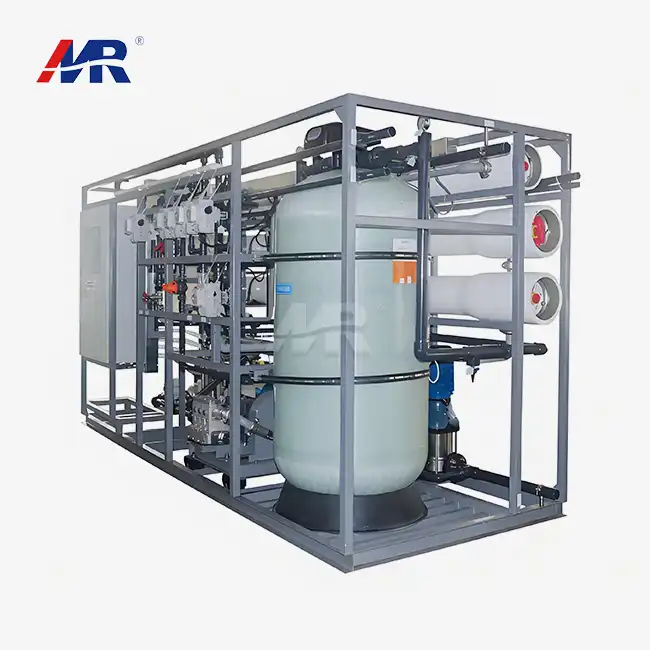
Small island towns need unique solutions that combine efficiency, sustainability, and cost-effectiveness in order to deal with water shortage problems. Most effective desalination for islands uses modern reverse osmosis technology along with energy recovery systems and the use of green power. Modern systems that remove salt from seawater, that are made for islands use as little as 3–4 kWh/m³ of energy and have salt rejection rates higher than 99.7%. This makes them perfect for remote areas where access to clean water is still important for community survival and economic growth.
Understanding the Water Scarcity Problem on Small Islands
Local economies and people who live on small islands around the world are in danger because of problems with water security that have never been seen before. Natural freshwater collection is limited by the amount of land available, and the saltwater around the area is a steady reminder of the excess that can't be used without the right treatment technology.
Geographic and Environmental Constraints
Because of their unique location, island towns are vulnerable in many ways when it comes to water. Because of climate change, rain patterns are becoming less reliable. Some places have long dry seasons followed by strong storms that damage collection systems. When there are groundwater sources, saltwater often gets into them because rising sea levels damage the aquifers. All of these environmental factors make it very important to have stable methods for making water that don't depend on natural rain cycles.
Population Growth and Tourism Pressures
Many island places have seasonal changes in population that put too much stress on the water supplies that are already there. The tourism industry is growing, which is good for the economy, but requires hotels, restaurants, and leisure areas to always have access to clean water. Permanent residents and short-term tourists often fight for limited freshwater resources. This causes social problems and economic problems that need quick technological answers.
Economic Impact of Water Insecurity
Islands' businesses are directly affected by a lack of water in many ways. When farmers don't have enough irrigation water, crops don't grow as well, and towns have to pay more to import food. Without solid water quality standards, factories, especially those that make food and drinks, can't work. Sterile water is needed for medical procedures and to clean medical equipment in healthcare centers. This makes water security a public health issue that goes beyond simple drinking needs.
Evaluating Desalination Technologies Suitable for Small Islands
Island communities can benefit from carefully comparing the different desalination technologies that are out there. Each one has its own benefits, which depend on the needs of the community and the resources that are available. Knowing about these choices helps people make smart choices that protect water for the long run and keep costs low.
Reverse Osmosis Technology Advantages
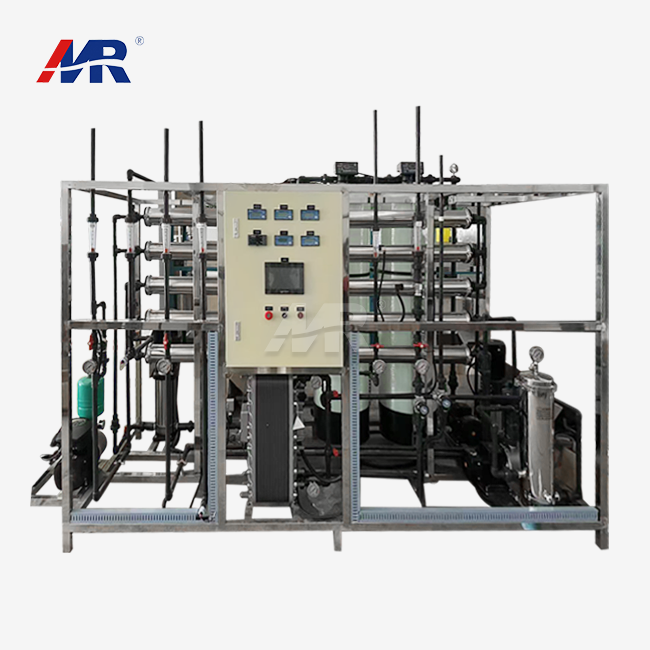
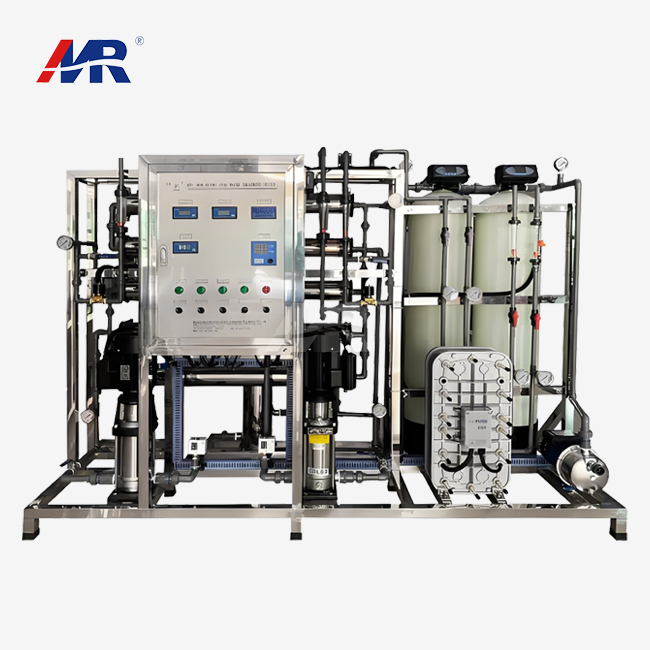
Due to its effectiveness and scale, reverse osmosis is the most commonly used desalination for islands. Modern RO systems have amazing performance measures, like recovery rates of up to 50% and energy use of only 3–4 kWh/m³ of created water. High-efficiency membranes are used in this technology to remove salt and other impurities through semi-permeable filtration. The water quality is then better than most city requirements. Remote tracking and control are possible with automated operations, which cuts down on the need for expert staff on-site while still ensuring consistent performance.
Thermal Desalination Processes
Different methods, like multiple-effect distillation and multi-stage flash systems, can be used in places with lots of heat energy sources. These technologies work by heating seawater to turn it into vapor. The vapor then condenses into freshwater, leaving behind salt and other impurities. Even though they use a lot of energy, thermal processes can use waste heat from making electricity or running factories, which makes them more efficient overall in combined uses. The major benefit is that they can deal with different water quality situations and make very pure water that can be used in medicine and technology manufacturing.
Renewable Energy Integration
Solar-powered purification systems are becoming more popular among island towns that want to be energy independent and protect the environment. During the day, photovoltaic panels can directly power RO systems, and battery storage makes them work later at night. Wind power is another green choice that works well on islands with steady breezes from the coast. Hybrid systems that use backup generators and various green energy sources give important water infrastructure the stability it needs while also lowering its carbon footprint and running costs.
Selecting the Most Efficient Desalination System for Your Island Community
Finding the best desalination option takes a thorough look at the needs of the community, the state of the environment, and available funds. A good selection process strikes a mix between short-term needs and long-term goals for sustainability, all while making sure that the system works reliably in harsh marine settings.
Capacity Planning and Performance Metrics
Successful desalination for island projects starts with accurate capacity planning. Systems with capacities between 1,000 and 100,000 m³/day can handle communities of different sizes and levels of growth. Key performance indicators show how much energy is used per cubic meter of water created, how well salt is rejected, and how fast water is recovered. These indicators show how much the whole process costs. Modern systems can reject more than 99.7% of salt, which makes sure that the water quality passes international standards for drinking water and limits the amount of trash that can enter sensitive marine environments.
Environmental Impact Assessment
When designing and installing a system, island environments need to be carefully thought through. Intake systems must have minimal effects on sea life by using the right screening and speed controls to keep fish and other animals from getting stuck. Planning ahead is needed for brine release to make sure that it is diluted and spread out properly and doesn't cause high salt levels in some areas, which could hurt coral reefs or kelp beds. Energy-efficient processes leave less of a carbon footprint, and materials that don't rust or corrode ensure long-term use without putting dangerous chemicals into the environment.
Case Study Applications
Modern distillation technology has been used successfully in a number of island towns, showing how flexible and useful it is. In the Caribbean, resort areas have put in place flexible RO systems that increase capacity during busy tourist seasons while keeping production levels steady for locals. Agricultural islands in the Mediterranean use brackish water treatment systems to water their crops and save high-quality desalinated water for people to drink. Offshore industrial sites use small desalination units to make fresh water available so that activities can go on for longer periods of time without being connected to the mainland.
Procurement and Installation Considerations for Desalination Plants
A good buying strategy includes choosing the right technology, evaluating suppliers, and managing the whole project in a way that makes sure it is implemented correctly and works well for a long time for desalination for islands. By knowing about these things, you can make smart choices that maximize your return on investment while reducing practical risks.
Supplier Credibility and Support Services
When looking at possible suppliers, you need to look at their technical knowledge, manufacturing skills, and help services after the work is complete. Reputable makers offer full guarantees, maintenance contracts, and training programs that make sure the system works at its best for as long as it is operating. Turnkey service options make project management easier by putting the responsibility for planning, installation, and completion in one place. In island locations, where logistics can make service reaction times longer, it's important to be able to get replacement parts and expert help quickly.
Financial Models and Investment Options
Desalination for island projects is helped by flexible financial options that can adapt to changing budgets and cash flow needs. When you buy something, you have full ownership and control over it, but when you lease something, you only need to pay for the repairs and upkeep. Build-Operate-Transfer plans let private companies build and run facilities for a certain amount of time before giving the facilities back to the communities that own them. Performance-based contracts tie payments to measures of water output. This makes sure that everyone is responsible and that operations run smoothly throughout the lifecycle of a project.
Installation Best Practices
For installation to go smoothly, it needs to be carefully coordinated with existing facilities and well-prepared for the difficulties of the marine climate. When preparing a site, it's important to think about how seawater will enter and leave the system, as well as make sure there is enough room for upkeep work and equipment access. Integration with power distribution systems needs the right electrical security and backup power production to keep things running when the power goes out. Comprehensive staff training programs make sure that local workers can run and keep systems properly. This makes the community less reliant on technical help from outside sources and increases its ability to provide long-term water security.
Future Trends and Innovations in Island Desalination Systems
Desalination is becoming more efficient, environmentally friendly, and cost-effective as technology keeps getting better. By understanding new trends, island communities can make plans that put them at the head of water security innovation.
Advanced Membrane Technology
Next-generation membrane materials have higher flow rates and better fouling resistance, which means they use less energy and don't need as much upkeep. Thin-film hybrid membranes with better selection get rid of certain contaminants better while still letting a lot of water through. Antimicrobial surface treatments make membranes last longer and require less chemical cleaning, which lowers costs and has a smaller effect on the environment. These new developments are especially helpful for desalination for island applications, where maintenance access and chemical stores are always a problem.
Energy Recovery and Efficiency Improvements
High-efficiency pumps and pressure exchange devices take energy from high-pressure brine streams. This cuts the system's total energy use by up to 60%. Variable frequency drives make the best use of pumps based on real-time demand, and modern control systems keep energy waste to a minimum when demand is low. Smart grid technologies that balance water production with available power generation make integration with green energy sources more complex. This maximizes sustainability while ensuring stable operation.
Digital Monitoring and Predictive Maintenance
Machine learning and artificial intelligence programs look at operating data to figure out what repairs are needed and how to make things run better. Remote tracking systems give you diagnostic and real-time state updates that let you plan preventative maintenance and quickly fix problems. With digital twin technology, virtual system models are made that can mimic different working conditions and predict what the best settings will be for changing demand trends. These technological improvements lower operational costs, make equipment more reliable, and make it last longer in harsh island environments.
Conclusion
For small island towns to have long-term water security, they need desalination options that are tailored to their specific geographic, environmental, and economic problems. Modern reverse osmosis technology, along with improved monitoring systems and the use of green energy, makes it possible to produce fresh water in a way that is both efficient and long-lasting, meeting the needs of a wide range of people. A successful deployment relies on carefully choosing the right technologies, having a well-thought-out plan for buying them, and providing ongoing support services that improve system performance and dependability. Desalination is becoming more efficient and long-lasting thanks to new technology. This means that island communities can become water independent and protect important marine ecosystems for future generations.
FAQ
1. What are the typical installation costs for island desalination systems?
Installation costs vary significantly based on system capacity, site conditions, and infrastructure requirements. Small-scale systems serving 100-500 people typically cost $2-4 million, while larger installations for communities of 5,000-10,000 residents range from $10-25 million. These figures include equipment, installation, and initial commissioning but exclude ongoing operational expenses such as energy, maintenance, and membrane replacement costs.
2. How do desalination systems minimize environmental impact on marine ecosystems?
Modern desalination systems incorporate multiple environmental protection measures, including fish-friendly intake screens, velocity controls that prevent organism entrainment, and carefully designed brine discharge systems that ensure proper dilution. Energy-efficient operations reduce carbon footprint, while zero liquid discharge technologies eliminate brine disposal altogether by crystallizing salts for beneficial reuse applications.
3. Can solar-powered desalination systems meet year-round water demands on remote islands?
Solar-powered systems can indeed meet annual water requirements when properly sized with adequate battery storage or hybrid renewable energy integration. Successful installations typically combine photovoltaic arrays with wind power and backup generators to ensure continuous operation during extended cloudy periods. Battery storage systems provide 24-48 hours of autonomous operation, while weather forecasting enables proactive energy management strategies.
Partner with Morui for Comprehensive Island Desalination Solutions
Guangdong Morui Environmental Technology has modern desalination for island systems that are designed to be reliable and efficient. They can help you with your island's water security problems. Our wide range of Products includes complete reverse osmosis systems with capacities from 1,000 to 100,000 m³/day. These systems use energy recovery technology and automated tracking to work perfectly in marine settings. As a provider with a lot of experience in desalination for islands, we offer full project support, including design advice, installation services, and ongoing care contracts that make sure your community has water for a long time. You can email our technical team at benson@guangdongmorui.com to talk about unique options that fit your needs and your budget.
References
1. World Health Organization. "Water Scarcity and Desalination in Small Island Developing States: Technical Guidelines and Best Practices." Geneva: The WHO Press, 2023.
2. International Desalination Association. "Energy Efficiency in Seawater Reverse Osmosis: Global Performance Standards and Island Applications." Topsfield: IDA Publications, 2022.
3. United Nations Environment Programme. "Sustainable Desalination Technologies for Small Island Communities: Environmental Impact Assessment Framework." Nairobi: UNEP Division of Technology, 2023.
4. Journal of Membrane Science. "Advanced Membrane Technologies for Island Desalination: Performance Evaluation and Cost Analysis." Amsterdam: Elsevier Science Publishers, 2022.
5. Renewable Energy Association. "Solar-Powered Desalination Systems: Technical Performance and Economic Viability for Remote Island Applications." London: REA Technical Publications, 2023.
6. International Water Association. "Best Practices for Desalination Plant Procurement and Operation in Small Island Developing States." London: IWA Publishing, 2022.
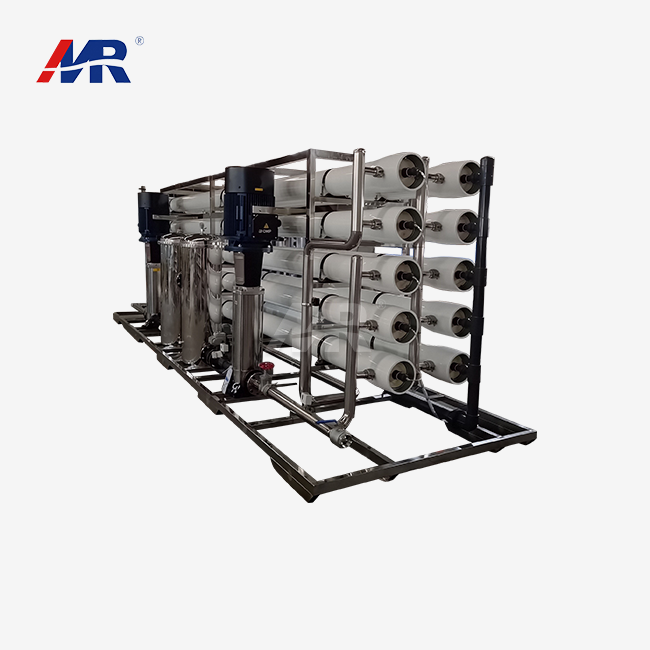 VIEW MORE2 stage reverse osmosis system
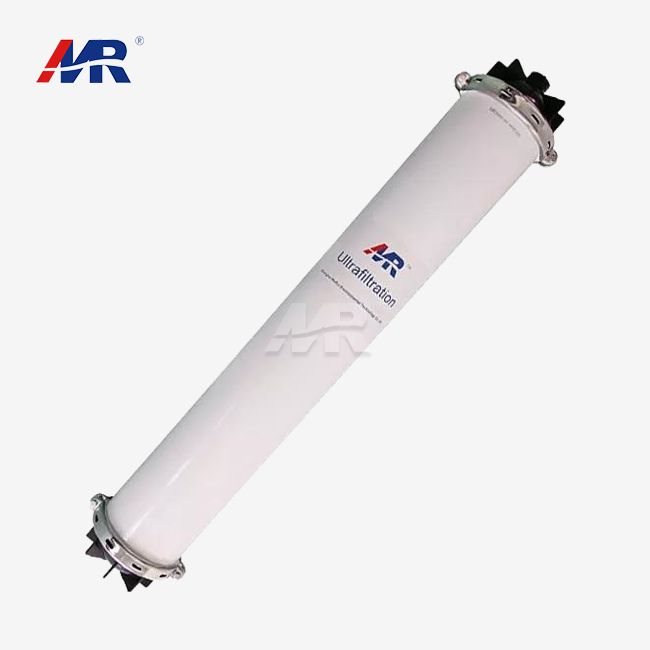 VIEW MOREultrafiltration membranes for water treatment
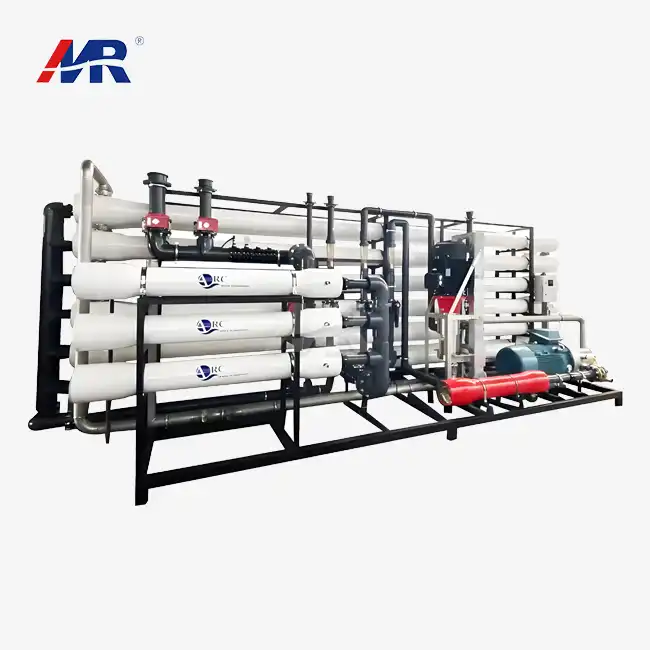 VIEW MORE25m3/hour seawater desalination plant
 VIEW MOREedi purified water system
 VIEW MORE500LPH EDI equipment
 VIEW MOREsewage treatment plant
 VIEW MORELeachate DTRO Treatment Equipment
 VIEW MOREultrafiltration skid
