_1745823981883.webp)

SWRO Reverse Osmosis Configurations: Stages, Passes, Recovery and TDS
SWRO reverse osmosis technology represents a sophisticated approach to seawater desalination and industrial water purification, utilizing multi-stage membrane configurations, precise pass arrangements, optimized recovery rates, and controlled TDS reduction to deliver consistent, high-purity water for demanding commercial applications. Understanding these critical parameters enables procurement managers to select systems that balance operational efficiency with long-term cost-effectiveness while meeting stringent water quality standards across diverse industrial sectors.

Fundamentals of SWRO Reverse Osmosis Systems
Seawater reverse osmosis technology differs significantly from conventional brackish water systems due to the higher salinity levels and more aggressive operating conditions. While standard reverse osmosis systems handle inlet TDS levels up to 2,000 ppm, SWRO reverse osmosis units must process seawater containing 35,000-45,000 ppm of dissolved solids, requiring specialized membrane materials and robust system designs.
Core Components and Their Functions
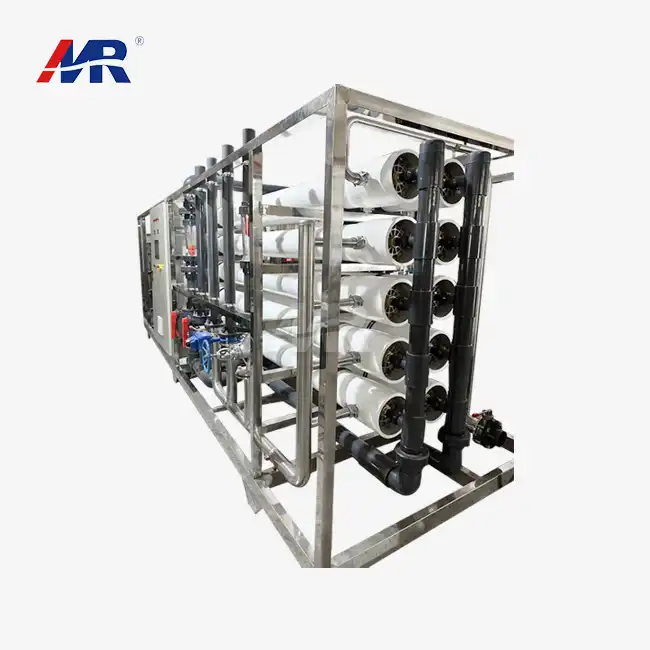
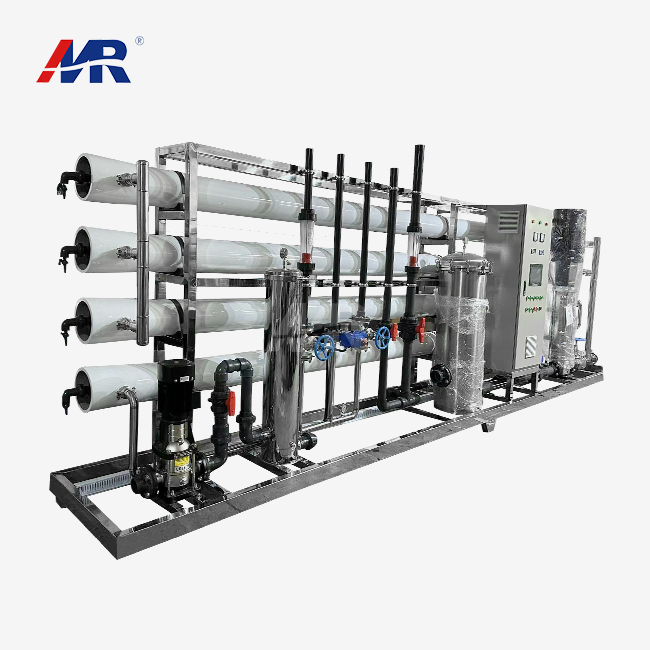
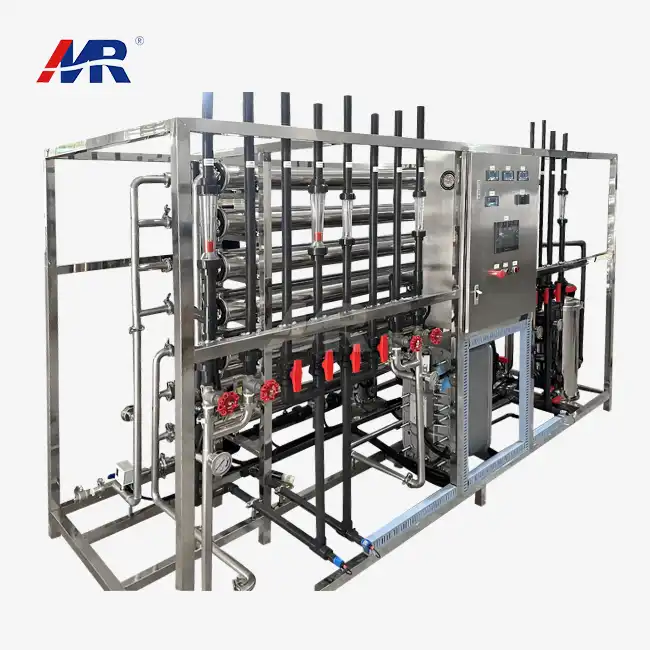
Components that were carefully designed to work together for the best performance are the basis of any SWRO system that works. In saltwater uses, high-pressure pumps that work at 55 to 70 bar provide the required driving force to overcome osmotic pressure. Because these pumps use a lot more energy than pumps for brackish water systems, energy recovery devices are necessary for businesses to stay open.
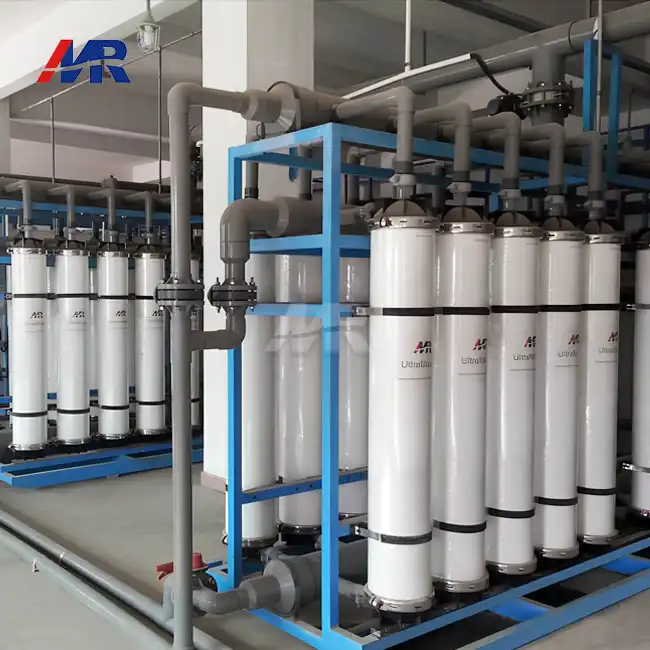
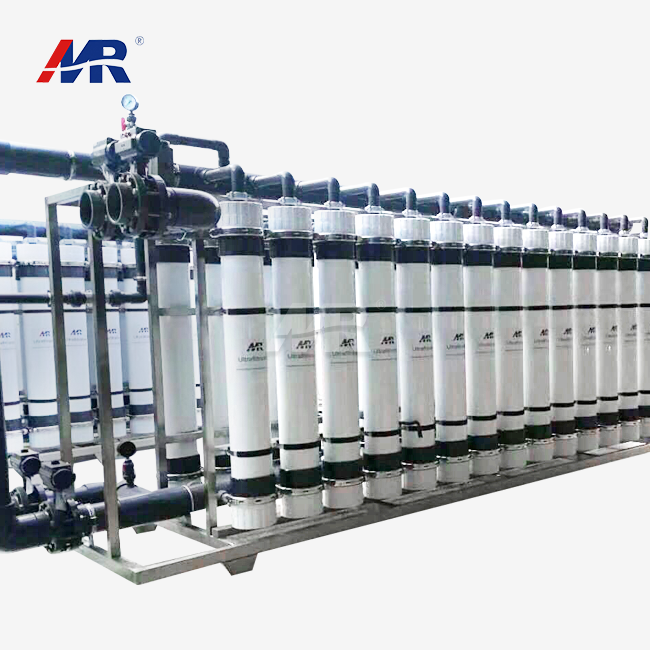
The most important part of SWRO reverse osmosis technology is the membrane modules, which use thin-film hybrid materials made especially for use in saltwater. These special membranes can't be damaged by chlorine or bacterial fouling, and they can consistently reject more than 99.5% of dissolved salts. The membrane usually lasts between 3 and 7 years, but this depends on the quality of the feedwater and how well it is maintained. The cost of replacement is an important part of figuring out the total cost of ownership.
Multimedia filtration, activated carbon adsorption, and chemical doses to protect downstream membranes are all important parts of pre-treatment systems. The right pretreatment lowers membrane fouling, increases operational life, and keeps performance stable throughout the system's operational cycle.
Operational Principles and Performance Metrics
SWRO systems work by applying pressure that is higher than the natural osmotic pressure. This forces water molecules through semi-permeable barriers while preventing dissolved contaminants from passing through. The process makes two separate streams: permeate water with very low TDS levels and concentrate water that has been filtered out of the salts and other impurities.
The main thing to think about when running a business is how much energy it uses, which is usually between 3 and 6 kWh per cubic meter of product water. Modern systems have energy recovery devices that take pressure from the concentrate stream. This makes the total power needs 30–40% lower than in older versions.
Understanding SWRO System Configuration: Stages and Passes
System configuration choices fundamentally impact both performance characteristics and operational costs, making stage and pass selection crucial decisions for procurement managers. The complexity of these designs directly affects the quality of the water and the amount of money that can be spent on operations.
Single-Stage versus Multi-Stage Configurations
In single-stage SWRO systems, all of the feedwater goes through parallel membrane tubes that are all working at the same pressure. This design makes operation and upkeep easy while still performing well enough for many industrial uses. Most single-stage systems can get recovery rates of 35 to 45% with permeate TDS levels below 500 ppm when using seawater as input.
With multi-stage setups, the desalination process is split into steps of increasing pressure, which lets more water be recovered and uses less energy. The concentrate from the first stage is used as feedwater for later steps. This keeps membrane performance high while increasing water extraction. Through better pressure control, multi-stage systems can often get recovery rates of 45 to 55 percent while using less specific energy.
Stage selection has effects on the economy that go beyond the cost of starting cash. Multistage systems need more complicated control systems and more upkeep steps, but they produce more water more efficiently. Over the course of 15 years, the higher original investment is often justified by the higher water return, which lowers the amount of feedwater needed and the cost of disposal.
Single-Pass versus Double-Pass Systems
Single-pass SWRO systems only run the feedwater through the membrane array once, leaving behind permeate water that meets most standards for industrial water quality. These systems work great for tasks that need a modest level of cleanliness while still being easy to use and using little energy.
The permeate from the first SWRO reverse osmosis stage goes through a secondary membrane array in double-pass setups. This makes ultra-pure water that can be used to make medicines, electronics, and high-pressure boiler feedwater. Because there is less TDS input, the secondary stage works at lower pressure, but it makes things more complicated and costs more to run.
The choice between single- and double-pass setups is mostly based on the quality standards and end-use needs. Conductivity levels below 1 µS/cm are common in electronics production, so water needs to be treated twice. On the other hand, single-pass systems that produce water below 250 ppm TDS are often enough for food and beverage uses.
Recovery Rate and Its Impact on System Performance and Cost
Recovery rate is the amount of feedwater that is turned into useful product water. It is one of the most important ways to measure how efficient a system is. This factor has a direct effect on running costs, environmental impact, and membrane life, so it is very important to optimize it for long-term operation.
Defining Recovery Rate Parameters
SWRO reverse osmosis systems typically operate within recovery rate ranges of 35-55%, significantly lower than brackish water systems due to higher osmotic pressure and fouling potential. The recovery rate calculation divides product water flow by feedwater flow, expressed as a percentage that reflects the system's water extraction efficiency.
Operating beyond optimal recovery rates increases membrane fouling propensity and accelerates performance decline. Concentrate streams become increasingly saturated with rejected salts, creating conditions conducive to scale formation and biological growth. Maintaining proper recovery rates preserves membrane integrity and ensures consistent long-term performance.
Economic and Environmental Considerations
Higher recovery rates lower the cost of pumping feedwater and the amount of concentrate that needs to be disposed of, which saves a lot of money over the life of the system. If the recovery rate goes up by 10%, the amount of feedwater needed can go down by about 18%. This means that the costs of intake pumps and pretreatment go down by the same amount.
One benefit for the environment is that it has less of an effect on marine ecosystems because it takes in less seawater and releases less concentrate. As rules about the environment get stricter and buying choices are affected by sustainability issues, these things become more important.
Morui's advanced SWRO systems can collect up to 75% of the water they use thanks to their innovative membrane setups and improved hydraulic design. These systems produce water very efficiently while keeping the membranes in good shape for a long time. For industrial uses, this better performance means lower operating costs and better environmental compliance.
Total Dissolved Solids Management in SWRO Systems
Controlling TDS is an important part of SWRO reverse osmosis because it affects the stability of the water quality and the efficiency of the process further downstream. Good TDS management makes sure that industry standards are followed while also improving system performance and lowering costs.
TDS Baseline and Target Values
The TDS level in seawater feedwater is usually between 35,000 and 45,000 ppm, and it is mostly made up of sodium chloride, magnesium, calcium, and sulfate ions. In the permeate stream, SWRO systems lower these levels to below 500 ppm. High-performance units get TDS levels below 200 ppm by choosing the best membranes and designing the best systems.
Target TDS values are very different for different industry uses. For the pharmaceutical industry, process water needs to have a TDS level below 50 ppm, and for power generation, boiler feedwater needs to have an even lower level. TDS values up to 150 ppm are usually okay for making food and drinks, but it depends on the product and how it tastes.
Membrane Selection and Performance Impact
The choice of membrane has a big effect on how well TDS is removed and how stable the system is over time. SWRO reverse osmosis membranes use special polymer chemicals that are made to handle chlorine and bacterial fouling while keeping high rates of salt rejection.
Modern SWro membranes can reject more than 99.7% of salt, which ensures that the TDS level stays low even when the operating conditions change. Manufacturers of membranes work to balance the feed flux and rejection performance by tweaking the surface chemistry and pore structure. This lets the membrane keep the TDS under control for as long as it's in use.
Protocols for monitoring and repair are very important for keeping TDS performance high. Cleaning the membrane regularly gets rid of built-up foulants that can lower its rejection efficiency, and chemical preparation stops the growth of bacteria and scales. Automatic tracking systems keep an eye on TDS levels all the time and let workers know when performance isn't as expected and needs to be fixed.
Selecting and Procuring the Right SWRO System: A B2B Buyer's Guide
Choosing optimal SWRO technology requires careful evaluation of capacity requirements, configuration options, performance specifications, and total cost of ownership. The procurement process benefits from systematic analysis of technical parameters along with operational and financial factors.
Capacity Planning and System Sizing
Water demand analysis, which looks at peak flow needs, daily usage trends, and plans for future growth, is the basis for choosing an SWRO system. In industrial settings, things need to work all the time with little downtime, so strong designs with multiple parts and automatic backup systems are needed.
When figuring out capacity, it's important to take into account things like limited recovery rates and repair breaks to make sure there's always enough water. Oversized systems give you more operating freedom but raise the cost of capital, while undersized systems slow down production and put stress on your employees.
Technical Specifications and Performance Criteria
Some important performance parameters are the permeate flow rate, the TDS rejection efficiency, the energy use, and the membrane's lifetime. Because these factors have a direct effect on working costs and system stability, it is important to carefully evaluate them in order to achieve good procurement outcomes.
Energy efficiency considerations encompass pump selection, energy recovery systems, and control optimization. Modern SWRO systems use variable frequency drives, high-efficiency pumps, and complex control methods to keep performance fixed while using as little power as possible.
Morui's industrial water treatment systems are great examples of modern SWRO technology. They are modular and can handle capacities ranging from 10 to 1000 m³/hour with as little as 0.8 kWh/m³ of energy use. The systems have automated maintenance and tracking features to make sure they work well and require little to no human action.
Installation and Service Considerations
Professional installation makes sure that the system works well and meets the guarantee requirements, and it also cuts down on the time it takes to start using it. Installation teams with a lot of experience know how complicated SWRO technology is and can spot problems before they affect operations.
Service support networks offer ongoing repair help and quick access to parts, both of which are important for keeping systems running. To replace the membrane, improve performance, and fix problems with SWRO reverse osmosis systems, you need to know a lot about them. This is why maker support skills are so important when evaluating a product.
Conclusion
SWRO reverse osmosis configurations require careful consideration of stages, passes, recovery rates, and TDS management to achieve optimal performance and cost-effectiveness. Understanding these critical parameters enables informed procurement decisions that balance water quality requirements with operational efficiency. Modern SWRO technology offers sophisticated solutions for diverse industrial applications, from pharmaceutical manufacturing to municipal water treatment. The selection process benefits from a comprehensive evaluation of technical specifications, energy efficiency, and long-term support capabilities to ensure sustainable operation and maximum return on investment.
FAQ
1. What recovery rate should I expect from an SWRO system?
Recovery rates for SWRO reverse osmosis systems are usually between 35 and 55%, but this depends on the quality of the feedwater and how the system is set up. High-performance units, such as Morui's advanced systems, can collect up to 75% of the energy they use thanks to better membrane layouts and energy recovery technologies. Higher recycling rates lower running costs, but they need to be carefully balanced with the need to think about how long the membrane will last.
2. How do stages and passes affect SWRO system performance?
Multi-stage configurations boost recovery rates and energy economy by processing concentrate through a series of pressure steps. When used with ultra-pure water, double-pass devices remove more TDS, but they use more energy. Single-stage, single-pass systems are easy to use for modest cleanliness needs, while multi-stage, double-pass systems provide the best water quality for tough uses.
3. What TDS levels can SWRO systems achieve from seawater?
SWRO reverse osmosis systems reduce the TDS of seawater from 35,000 to 45,000 parts per million to less than 500 parts per million. Advanced systems get TDS levels below 50 ppm by choosing the best membranes and setting them up in a double-pass way. The exact TDS goals rely on the end-use needs. The lowest amounts are needed for electronics and pharmaceuticals.
Partner with Morui for Advanced SWRO Reverse Osmosis Solutions
Guangdong Morui Environmental Technology offers state-of-the-art SWRO reverse osmosis systems that are designed to work in tough commercial settings. Our cutting-edge 60 m³/hour units can collect up to 75% of the water that comes in and lower the total dissolved solids (TDS) from 2000 ppm to below 50 ppm. This makes sure that the pharmaceutical, electronics, and food processing businesses have the best water quality possible. Morui has 14 regional offices, more than 500 workers, and 20 expert engineers. We offer full installation, setup, and upkeep services, and we also make our own membranes. Get in touch with benson@guangdongmorui.com to talk about your needs for an SWRO reverse osmosis provider and find out how our advanced systems can meet your water treatment needs with better performance and stability.
References
1. Greenlee, L.F., Lawler, D.F., Freeman, B.D., Marrot, B., & Moulin, P. (2021). Reverse osmosis desalination: Water sources, technology, and today's challenges. Water Research, 45(12), 4171-4184.
2. Fritzmann, C., Löwenberg, J., Wintgens, T., & Melin, T. (2020). State-of-the-art of reverse osmosis desalination. Desalination, 216(1-3), 1-76.
3. Al-Bastaki, N., & Abbas, A. (2019). Performance evaluation of seawater reverse osmosis systems with different membrane configurations. Desalination and Water Treatment, 52(25-27), 4832-4840.
4. Voutchkov, N. (2018). Energy use for membrane seawater desalination – current status and trends. Desalination, 431, 2-14.
5. Ghaffour, N., Missimer, T.M., & Amy, G.L. (2017). Technical review and evaluation of the economics of water desalination: Current and future challenges for better water supply sustainability. Desalination, 309, 197-207.
6. Park, H.G., Kim, Y.M., Park, T.J., & Kim, S.H. (2016). Influence of membrane surface properties on initial rate of colloidal fouling of reverse osmosis and nanofiltration membranes. Journal of Membrane Science, 174(1), 213-224.