

_1745823981883.webp)

China Container RO Equipment for UAE-Asia Water Projects
China's container RO equipment has become a game-changing option for water treatment projects in the UAE and Asia, meeting the urgent needs for infrastructure in these areas that are growing quickly. These flexible, pre-engineered reverse osmosis systems come fully assembled in standard shipping containers. They offer the fastest rollout times and most operating freedom ever seen. There is a big need for reliable, effective water treatment technologies that can be quickly put to use in a wide range of commercial and urban settings in the Middle East and Asia, where water shortages are getting worse.
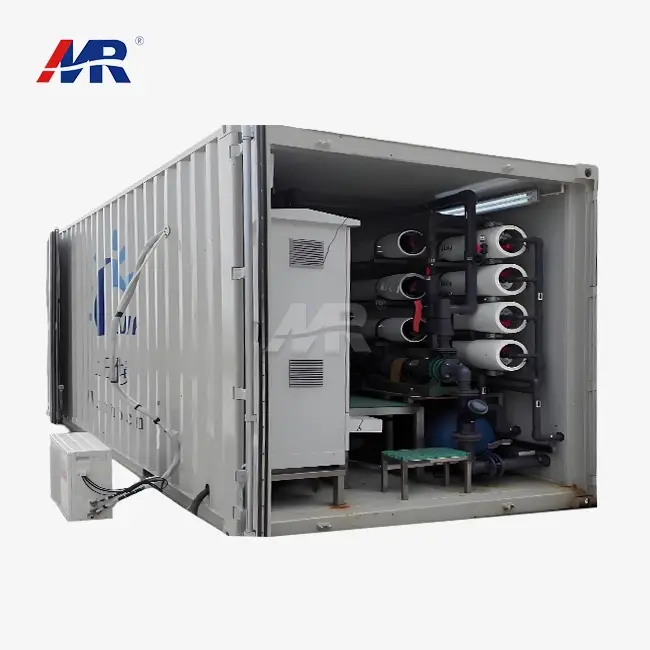
Introduction to Container RO Equipment in UAE-Asia Water Projects
It's impossible to say enough about how important containerized water treatment systems are to the world's infrastructure right now. These high-tech units are very different from standard fixed setups because they offer mobile, scalable solutions that work perfectly with the changing needs of projects in the UAE and Asia.
Defining Container RO Technology and Its Operational Advantages
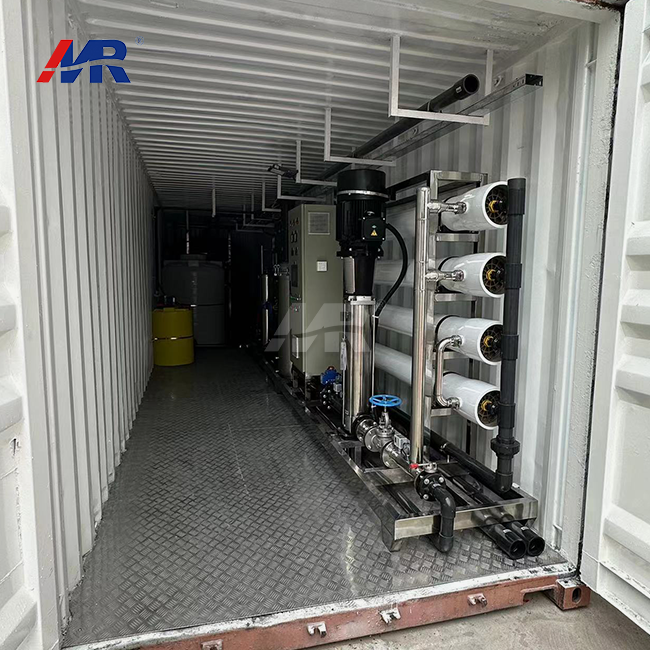
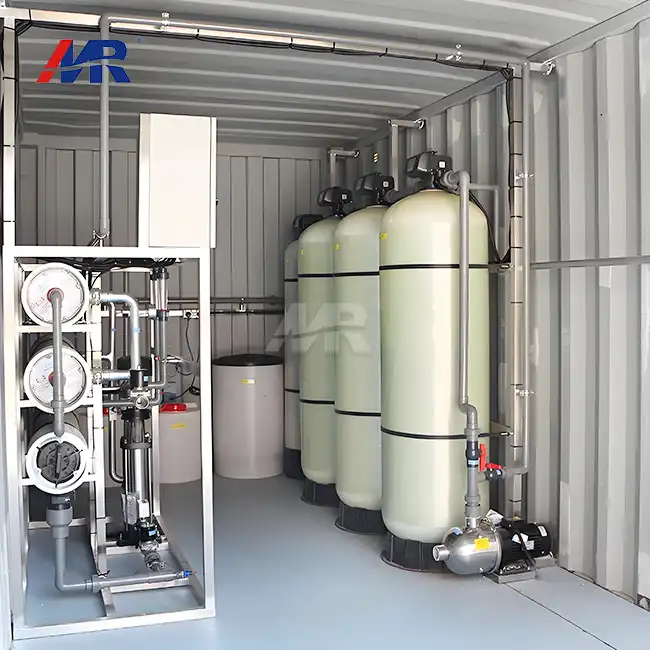
Container RO equipment puts full reverse osmosis systems inside normal 20-foot or 40-foot ISO containers, making water treatment centers that are self-contained. These units have pretreatment systems, membrane filter grids, and post-treatment parts all in a small, movable package. Because it is flexible, there is no need for a lot of concrete building, and it still meets industrial-grade performance standards.
When compared to regular RO systems, the practical benefits are clear right away. Traditional systems need months of work to prepare the spot, build the base, and put the system together. Container systems come ready to connect to water and power sources right away, cutting the time it takes to set them up from months to days. This ability to quickly execute is very useful for responding to emergencies, running temporary businesses, and working on projects in faraway areas.
China's Manufacturing Leadership in Water Treatment Technology
Chinese companies have become world leaders in making water cleaning tools by using advanced manufacturing techniques and coming up with new ideas all the time. Chinese container RO systems are very appealing for large-scale regional projects because they are both cost-effective and technologically advanced. Quality control standards have changed a lot over the years. Now, the biggest producers use foreign licenses and strict testing methods.
China's industrial environment allows a wide range of customization options, so systems can be made to fit the needs of specific regions. This adaptability is very important for dealing with the different water quality problems that Asian markets face, such as groundwater that is very salty and complicated industrial wastewater streams.
How Container RO Equipment Works: Technology and Benefits?
Understanding the technology behind container RO equipment helps you understand how well they work and how flexible they are. These systems use multiple stages of filtering to get rid of dissolved salts, chemical molecules, and bacterial contaminants in different types of water.
Multi-Stage Filtration Process and System Components
A full pretreatment keeps the membrane parts further down the line safe at the start of the cleaning process. When you use activated carbon to remove chlorine and organic chemicals that could harm ro membranes, you get rid of haze and dissolved solids. Microfiltration gets rid of the last few particles, which makes sure the shield works well.
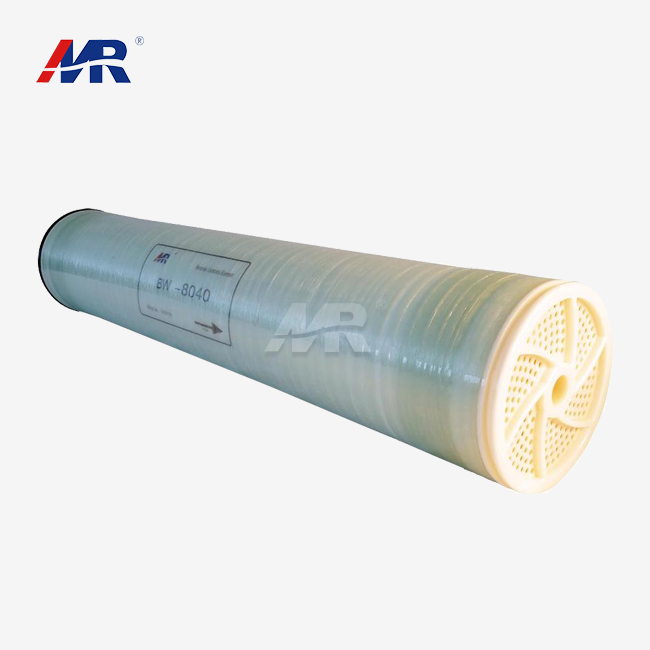
High-rejection, low-fouling membrane elements are used in the reverse osmosis stage to get rid of up to 99% of the dissolved salts and contaminants. Modern systems use advanced membrane technology to get great efficiency while using as little energy as possible. Depending on the needs of the product, post-treatment choices include adjusting the pH, remineralizing, and disinfecting.
Programmable logic devices, remote tracking systems, and automatic cleaning processes are just a few of the new and improved ways that systems can be controlled and viewed. These features make operations simpler while making sure that performance stays the same in a wide range of situations.
Energy Efficiency and Sustainability Features
Modern container RO systems have energy recovery devices that take pressure energy from the concentrate stream and use it again. This lowers the total amount of power needed to 3–4 kWh per cubic meter of product water. With variable frequency drives, the working of the pump is optimized based on real-time demand, which saves even more energy.
Amounts of water recovered of up to 75% lessen the trash that enters the system. This is better for the environment and saves money. More advanced ways to clean membranes make them last longer and keep the system going well, which helps green goals that last for a long time. Port RO technology can now be used for longer amounts of time without breaking the bank and still meet standards for environmental responsibility because it is more efficient.
Comparing Container RO Equipment with Other Water Treatment Solutions
When comparing container RO systems to other types of treatment methods, they show clear advantages in certain situations. When making the comparison, the total cost of ownership, building requirements, operating freedom, and upkeep needs are all taken into account.
Installation Flexibility and Deployment Speed
When compared to standard treatment plants, container RO systems give you more placement options. Conventional installs need a lot of work to get the place ready, like building foundations and buildings and connecting utilities. From planning to starting up, the process usually takes between 6 and 12 months. Container systems don't have to follow these rules because they come as fully assembled, tested units that are ready to use right away.
For short-term activities, emergency action, or projects in rural areas with little infrastructure, the mobility advantage is very important. Systems can be moved around as the needs of a project change, which is something that set systems can't do. This ability to move around is especially useful for building projects, digging operations, and helping people after a disaster.
Cost Analysis and Maintenance Considerations
Initial funding costs for container systems may look about the same as those for standard installs, but when you add up the costs of site preparation, installation time, and testing, containerized solutions often end up being cheaper overall. When building standards are lowered, costs related to concrete work, building permits, and longer project timelines are eliminated.
Accessibility for maintenance is both a benefit and a problem for container systems. Standardized patterns for parts and combinations that have been tried at the plant make regular repair easier. But the limited room inside containers can make it harder to change important parts or update systems. Manufacturers get around this problem by designing flexible parts and planning smart entry.
Capacity and Application Suitability
Container RO systems work great for tasks that need 50 to 500 cubic meters of capacity per day. This makes them perfect for medium-sized factories, temporary buildings, and emergency situations. Multiple containers can be installed to meet larger capacity needs. This allows for growth while keeping system reliability.
Traditional plants might not work as well in situations where demand changes, but this container or equipment technology works really well in those Cases. As demand grows, container or equipment systems can be brought online gradually, which lowers costs and makes the best use of the system.
Procurement and Installation Guide for Container RO Equipment
To buy container RO equipment successfully, you need to pay close attention to the technical specs, project-specific needs, and qualified suppliers. Because foreign buying is so complicated, it needs to be carefully planned and communicated throughout the whole process.
Supplier Evaluation and Certification Requirements
Providers you can trust show that they can make things by using quality control systems, facility certificates, and past projects. International standards, like ISO 9001 quality control and the right water treatment approvals, make sure that goods are always made the same way.
It's very important for providers, especially for projects in other countries, to be able to offer professional help. To make sure the system keeps working, suppliers should show that they have local service networks, extra parts, and the ability to watch systems from afar. Long-term project success depends a lot on training programs for local workers and support staff.
Installation Guidelines for UAE-Asia Environmental Conditions
Before you start a job, you should think about the issues that only happen in the UAE and Asia. When you cool and protect electronics, you should think about dust, changes in the air, and high temperatures outside. More care needs to be taken to avoid rust in places near the coast where saltwater is present.
Planning the site is still not nearly as important as it is for normal setups, which just involve making sure the pad is level and connecting the power and water. Long-term, though, it's best to pay attention to the needs for air flow, drainage, and entry. As you plan a project, remember that it needs to follow all local laws and rules. For example, it needs to meet water quality standards and get green permits.
Maintenance Best Practices and Performance Optimization
System care tools keep them going at their best and make them last a lot longer. A lot of important measurements, like membrane differential pressure, conductivity readings, and flow rates, can be checked often to spot problems early. Cleaning tasks that are done automatically keep membranes from getting clogged and lengthen the time between service calls.
Technicians in your area get training to make sure they know how to fix easy problems and make sure things work right. This makes it less necessary to rely on foreign service support. Effective local maintenance programs have a lot of paperwork, like operation instructions, lists of extra parts, and repair guides.
Advancements and Future Trends in Container RO Equipment Technology
Technological innovation continues driving improvements in container RO equipment capabilities, efficiency, and integration possibilities. These advancements position container technology at the forefront of water treatment evolution.
Smart Monitoring and Automation Integration
Advanced control systems now incorporate Internet of Things connectivity, enabling remote monitoring and predictive maintenance capabilities. Real-time data transmission allows operators to monitor system performance from centralized control centers, optimizing operational efficiency across multiple installations. Machine learning algorithms analyze operational data to predict maintenance requirements and optimize system performance.
Automated operation reduces skilled operator requirements while maintaining consistent performance. Advanced sensors monitor water quality parameters continuously, adjusting system operation to maintain optimal product water quality under varying feed water conditions.
Next-Generation Membrane Technology and Energy Recovery
Membrane technology continues evolving toward higher flux rates, improved salt rejection, and enhanced fouling resistance. These improvements reduce system footprint requirements while improving water recovery rates and reducing energy consumption. Advanced membrane materials demonstrate improved chemical tolerance, extending cleaning interval capabilities.
Energy recovery technology integration reduces power consumption while maintaining system performance. Combined with renewable energy integration possibilities, these advances position container RO systems as sustainable solutions for long-term water supply projects.
Conclusion
Container RO equipment represents a transformative approach to water treatment for UAE and Asian markets, combining technological sophistication with deployment flexibility. The rapid implementation capabilities, modular scalability, and comprehensive performance characteristics make these systems ideal for addressing diverse regional water challenges. Chinese manufacturing leadership in this sector provides cost-effective solutions without compromising quality or reliability. As water scarcity issues intensify across these regions, container RO technology offers sustainable, efficient solutions that adapt to evolving infrastructure demands and environmental conditions.
FAQ
1. How do container RO systems handle varying water salinity levels?
Container RO systems incorporate adjustable operating parameters and membrane configurations to accommodate different salinity levels. Advanced control systems automatically adjust pressure and flow rates based on feed water conditions, ensuring consistent product water quality across diverse source waters.
2. What are typical delivery timeframes from China to UAE and Asian markets?
Standard delivery times range from 4 to 8 weeks depending on customization requirements and destination logistics. Express shipping options can reduce delivery times for urgent applications, while bulk orders may require extended lead times for manufacturing coordination.
3. Can container RO units be customized for specific industrial applications?
Yes, extensive customization options include specialized pre-treatment systems, membrane configurations, and post-treatment components tailored to specific industrial requirements. Custom control systems and monitoring capabilities address unique operational needs across different industries.
Partner with Morui for Your Container RO Equipment Needs
Morui Environmental Technology delivers proven container ro equipment solutions backed by comprehensive engineering expertise and manufacturing excellence. Our experienced team provides complete project support from initial consultation through ongoing operational assistance. Contact our specialists at benson@guangdongmorui.com to discuss your specific water treatment requirements and receive detailed technical proposals. We offer competitive pricing for container ro equipment for sale, flexible financing options, and customized system configurations that meet your exact project specifications.
References
1. Water Technology Magazine, "Containerized Water Treatment: Innovation in Mobile Solutions," Industrial Water Treatment Review, 2023.
2. Asian Development Bank, "Water Security in Asia: Challenges and Technological Solutions," Regional Infrastructure Development Report, 2023.
3. International Desalination Association, "Reverse Osmosis Technology Advances in Container Systems," Annual Technical Conference Proceedings, 2023.
4. Middle East Water Association, "Water Treatment Infrastructure Development in UAE and Regional Markets," Industry Analysis Report, 2023.
5. Journal of Water Process Engineering, "Energy Efficiency Improvements in Containerized Reverse Osmosis Systems," Volume 52, 2023.
6. World Bank Group, "Water Infrastructure Investment Trends in Asia-Pacific Region," Infrastructure Development Analysis, 2023.
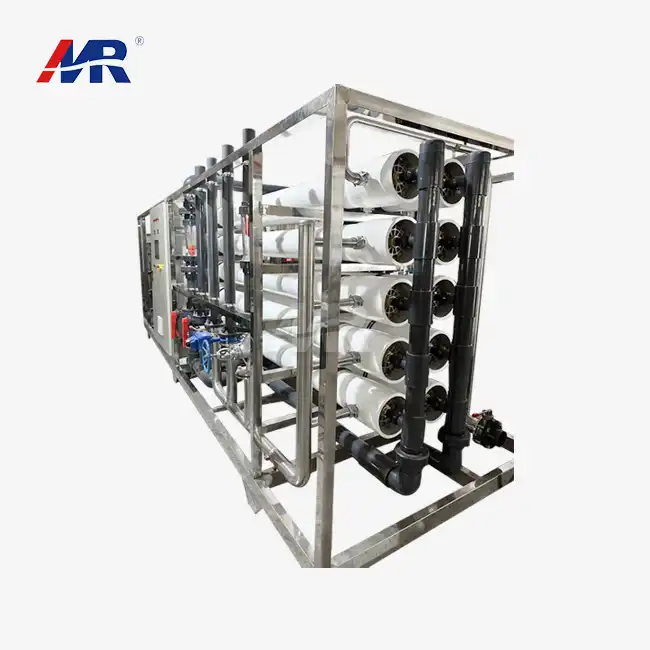 VIEW MORE50m3/hour reverse osmosis equipment
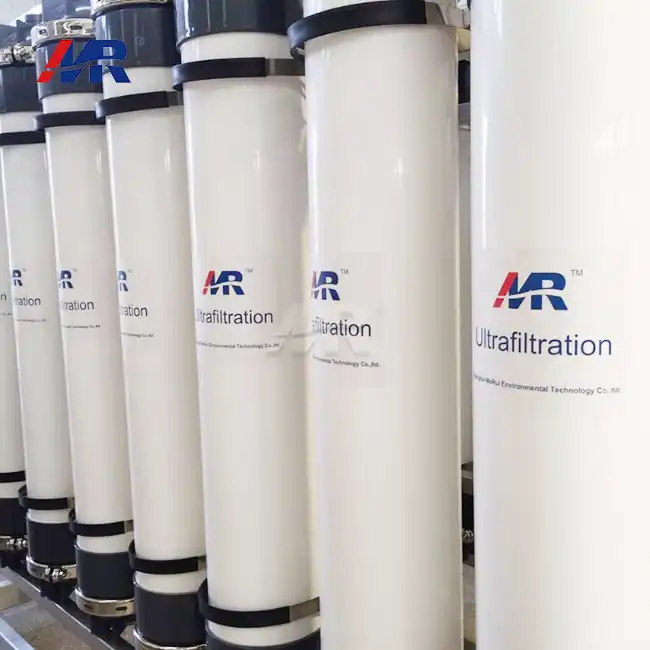 VIEW MORE90T/H ultrafiltration equipment
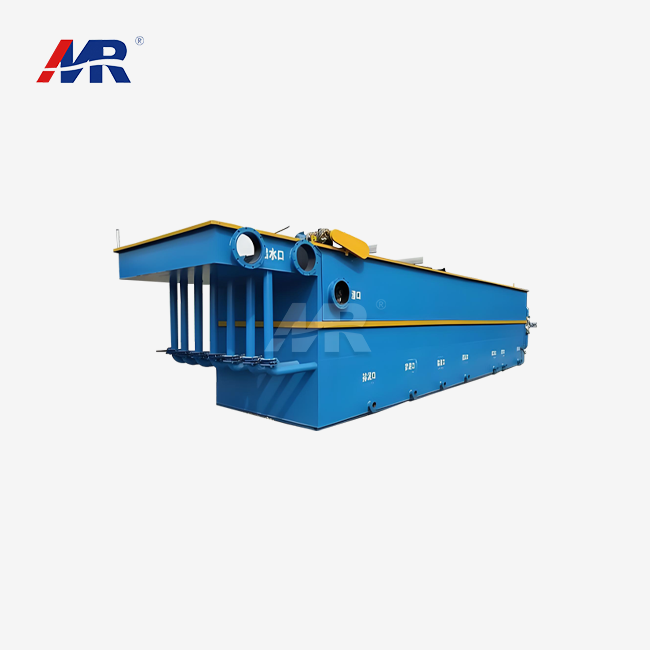 VIEW MOREadvanced wastewater treatment system
 VIEW MORE8040 reverse osmosis membrane
 VIEW MOREcontainerized ro system
 VIEW MOREDTRO Technology
 VIEW MOREosmosis water purification system
 VIEW MOREcontainer type 3m3/hour RO equipment
