

_1745823981883.webp)

Container RO Equipment Buying Guide for Cambodia Importers
Container RO equipment is a completely new way to treat water because it combines advanced reverse osmosis technology with a movable container design. Cambodian importers looking for effective ways to clean water are turning more and more to these mobile units because they can be set up quickly, have capacity that can be expanded, and don't need much in the way of infrastructure. This detailed guide talks about the important things to think about when buying one, as well as the technical details and operating advantages that make containerized reverse osmosis systems the best choice for a wide range of industrial uses in Cambodia's growing economy.
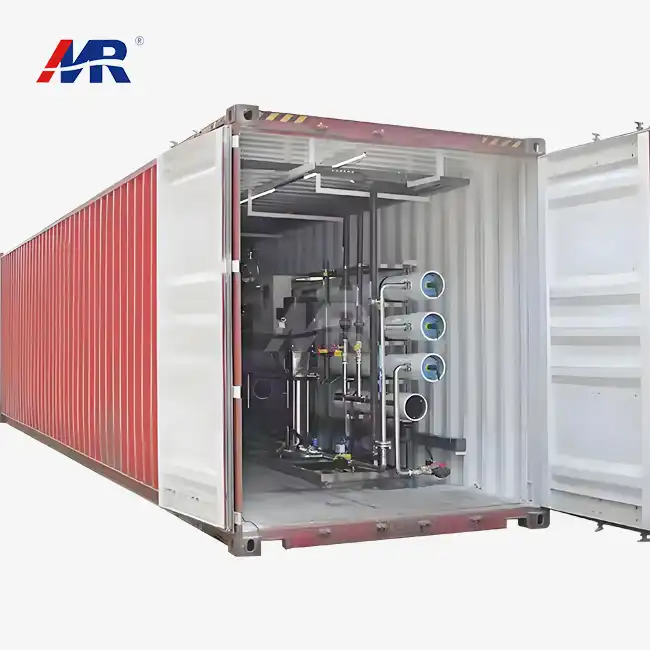
Understanding Container RO Equipment: Features and Benefits
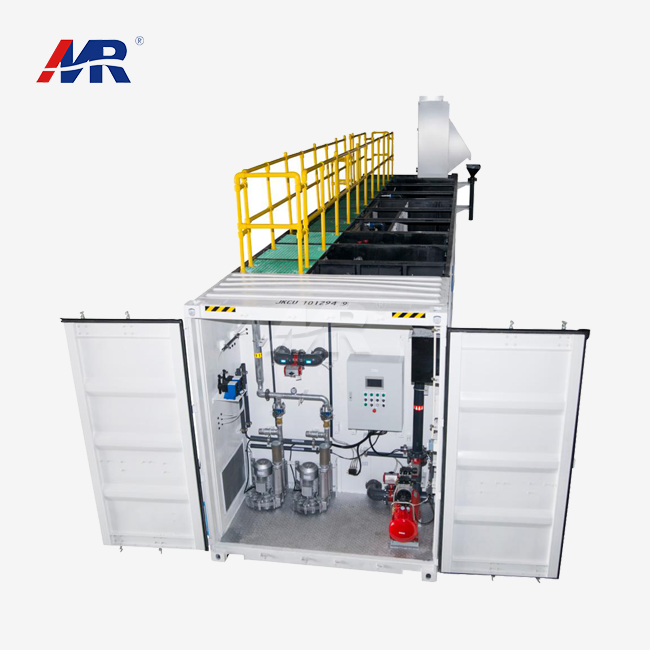
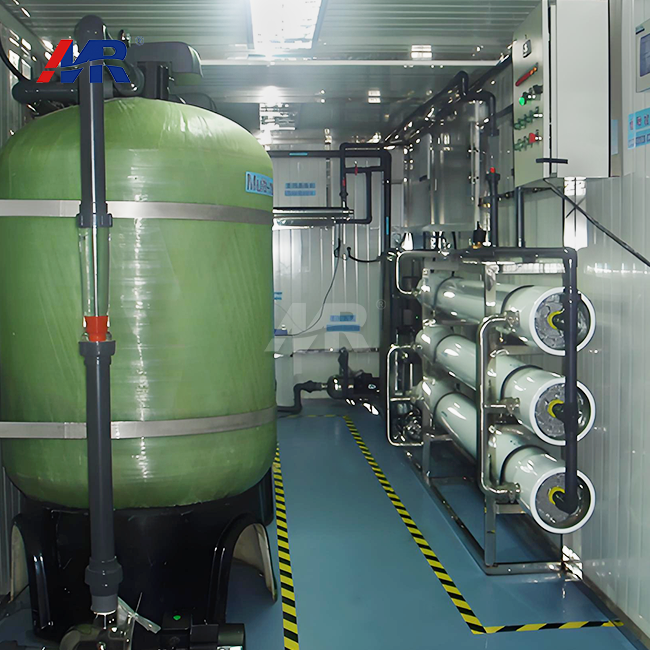
Containerized reverse osmosis systems put advanced water treatment technology inside normal ISO shipping containers. This makes self-contained cleaning units that change the way industrial water is processed. Essential parts of these systems are housed in corrosion-resistant steel frames that are made to last a long time. They include pretreatment filters, high-rejection RO membranes, high-pressure pumps, and automatic control systems.
Core Technology Components and Process Flow
The first step in the reverse osmosis process is the intake of raw water. The system gets dirty water through special entry links. Multimedia filtration, activated carbon adsorption, and microfiltration barriers are used in the pretreatment steps to get rid of chlorine, chemical compounds, and dissolved solids. The water is then pushed by high-pressure pumps through semi-permeable ro membranes, which remove dissolved salts, germs, and chemical toxins. Before clean water is stored and distributed, it may be conditioned after treatment by adjusting the pH and adding minerals again.
Contemporary container RO technology works very efficiently, recovering up to 75% of the water while only using 3–4 kWh per cubic meter of cleaned water. Because of these performance traits, containerized systems work especially well in industry settings that need reliable operations and regular water quality.
Scalability and Industrial Applications
Cambodian businesses in a wide range of fields can be very flexible thanks to the customizable design of containerized systems. Here are the main reasons why these methods are better than standard ways of treating water:
- The rapid deployment feature lets the plant start working as soon as it arrives, cutting down on the long building times that come with traditional treatment plants.
- The plug-and-play feature means that the site doesn't need to be prepared much, which lowers installation costs and makes it easier to do.
- Modular scaling lets you add more containers as water demand rises to improve capacity.
- Digital control connections on advanced tracking systems let you do tests and improve performance from afar.
- Operating in an energy-efficient way lowers costs while keeping quality of output constant.
Manufacturing plants, food processing plants, drug companies, and local water services all over Cambodia can directly use these benefits of container RO equipment to improve their operations. Companies that manage various places or short-term projects can get more out of containerized equipment by being able to move tools as business needs change.
Comparing Container RO Equipment with Traditional Water Treatment Systems
Knowing the main differences between containerized and traditional water treatment facilities helps buying managers make smart choices based on the needs of the business and the available budget.
Structural and Operational Distinctions
Traditional fixed RO systems need a lot of civil engineering work, like building supports out of concrete and making complicated links to utilities. Permanent features like these need a lot of money up front and take a long time to build, which can delay the job for months or even years.
These problems can't happen with containerized solutions because they come as fully assembled, factory-tested units that are ready to connect to power and water sources right away. The self-contained design has all the necessary controls, equipment, and safety systems inside weatherproof shelters that keep sensitive parts from being exposed to the elements.
Cost Analysis and Financial Considerations
Comparing the costs of containerized systems to standard ones shows that the latter have clear advantages in many situations. Initial capital needs for RO equipment in containers are usually 30–50% cheaper than those for fixed setups of the same size. For business uses, shorter building times mean faster return on investment and more money coming in sooner.
Operating costs stay low thanks to designs that use less energy and automatic systems that reduce the need for human work. Costs of maintenance are lower when parts are standard and service plans are known ahead of time. This keeps equipment from breaking down or going down without warning.
Flexible financing includes buying, leasing, and renting choices that work with a range of budgets and project lengths. For large-scale missions or actions that take place at more than one spot, buying multiple units in bulk can save you even more money.
How to Procure Container RO Equipment in Cambodia: Step-by-Step Guide?
For buying to go smoothly, providers, technical specs, containers or equipment, and project tasks must all be carefully looked over to make sure the system works well and is reliable in the long run.
Supplier Selection and Certification Requirements
Checking foreign Certifications and agreement with known quality standards is the first step in finding approved sources. Manufacturers with a good reputation keep their ISO 9001 quality control systems and product approvals from third-party testing groups up to date. Technical paperwork should have specifics about how well something works, what the guarantee covers, and how to get help with it.
Cambodian buyers can get a lot of benefits from having approved agents or direct factory ties in the country. These connections make sure that expert help is quick, extra parts are easy to find, and training programs improve operating success.
Purchase Models and Logistics Management
You can buy something directly, sign a lease-to-own deal, or rent something while meeting the project's financial needs and deadlines. For fixed setups, buying something outright gives you the most long-term value. Leasing, on the other hand, gives you more choices for short-term projects or uses with limited funds.
For lead time planning to work, the plans for manufacturing, shipping, and site preparation must all be coordinated. It usually takes 8 to 12 weeks to make and test standard container RO equipment, plus time for foreign shipping and customs clearance. For pressing needs, express production choices may cut down on arrival times.
As part of installation support, expert guidance, user training, and performance testing are all done to make sure the system starts up and runs smoothly. Comprehensive service agreements protect the value of an investment by providing ongoing help for upkeep and disaster reaction.
Maintaining and Troubleshooting Your Container RO System
Proper maintenance practices ensure reliable operation and extend equipment lifespan while minimizing unexpected repairs and service interruptions.
Preventive Maintenance Protocols
Regular maintenance schedules include membrane cleaning, filter replacement, and system inspection procedures adapted to Cambodia's tropical climate and water quality conditions. Pre-treatment components require monthly monitoring and replacement based on water consumption and contamination levels. RO membranes benefit from weekly cleaning cycles and quarterly chemical sanitation to maintain optimal performance.
Automated monitoring systems provide real-time alerts for pressure variations, flow rate changes, and water quality deviations that indicate potential issues before equipment damage occurs. These early warning systems enable proactive maintenance and prevent costly emergency repairs.
Common Issues and Resolution Strategies
Operational problems typically involve membrane fouling, pump performance degradation, or control system malfunctions that affect water production capacity or quality. Membrane fouling manifests as reduced flow rates and increased operating pressures, requiring immediate cleaning or replacement to restore normal operation.
Pump issues often result from inadequate pretreatment or excessive operating hours without proper maintenance. Regular inspection and lubrication prevent most pump failures, while pressure monitoring identifies developing problems before complete breakdown occurs.
Professional Technical support provides expert diagnosis and repair services for complex issues beyond routine maintenance capabilities of containers or equipment. Remote diagnostic capabilities enable rapid problem assessment and solution development without on-site visits.
Conclusion
Container RO equipment represents the optimal solution for Cambodia's diverse water treatment requirements, combining proven reverse osmosis technology with innovative containerized design. The comprehensive analysis presented demonstrates clear advantages in deployment speed, operational flexibility, and cost-effectiveness compared to traditional treatment systems. Successful procurement requires careful supplier evaluation, appropriate capacity selection, and comprehensive maintenance planning to ensure long-term performance and reliability. The technical specifications and procurement guidance provided enable informed decision-making that aligns equipment capabilities with specific operational requirements and budget constraints.
FAQ
1. What is the typical lifespan of container RO equipment?
Well-maintained container RO systems operate reliably for 15-20 years with proper maintenance and component replacement schedules. RO membranes typically require replacement every 2-3 years, while pumps and control systems may last 8-10 years with regular service. The containerized structure provides excellent protection for internal components, extending overall system life compared to exposed installations.
2. How do I determine the appropriate capacity for my application?
Capacity selection depends on peak water demand, quality requirements, and future expansion plans. Calculate daily water consumption during maximum production periods, then add 20-30% buffer capacity to accommodate demand fluctuations. Consider seasonal variations and growth projections when sizing systems for long-term applications.
3. What certifications should I look for when purchasing container RO equipment?
Essential certifications include ISO 9001 quality management, CE marking for European compliance, and NSF/ANSI standards for drinking water applications. Membrane manufacturers should provide performance verification data, while electrical components require appropriate safety certifications for local utility standards.
4. Can container RO systems handle high-salinity water sources?
Advanced container RO equipment effectively treats brackish water and seawater with appropriate pretreatment and membrane selection. High-salinity applications may require specialized high-pressure pumps and energy recovery systems to maintain efficiency and minimize operational costs.
Partner with Morui for Superior Container RO Equipment Solutions
Morui delivers cutting-edge container ro equipment manufacturer solutions backed by comprehensive engineering expertise and proven performance across diverse industrial applications. Our experienced team provides personalized consultation to identify optimal system configurations that meet your specific water treatment requirements while maximizing operational efficiency and long-term value. Contact our specialist at benson@guangdongmorui.com to discuss your project requirements and discover how our advanced containerized systems can transform your water treatment operations with reliable, cost-effective technology designed for Cambodian market conditions.
References
1. "Industrial Water Treatment Technologies for Southeast Asian Manufacturing Sectors" - Journal of Environmental Engineering and Technology, 2023
2. "Containerized Reverse Osmosis Systems: Performance Analysis and Economic Benefits" - International Water Treatment Association Technical Report, 2022
3. "Cambodia Industrial Development and Water Infrastructure Requirements" - Asian Development Bank Infrastructure Study, 2023
4. "Membrane Technology Advances in Portable Water Treatment Applications" - Desalination and Water Treatment International, 2022
5. "Cost-Benefit Analysis of Modular Water Treatment Systems in Developing Markets" - Water Technology and Management Quarterly, 2023
6. "Quality Standards and Certification Requirements for Industrial Water Treatment Equipment" - International Standards Organization Technical Guidelines, 2022
 VIEW MORELandfill Leachate Treatment System
 VIEW MOREseawater desalination machine
 VIEW MORE2000LPH EDI system
 VIEW MOREhome sewage treatment plant
 VIEW MORE8m3/hour seawater desalination equipment
 VIEW MOREosmosis drinking water system
 VIEW MOREseawater treatment plant
 VIEW MOREContainerized Mobile Water Treatment Systems
