_1745823981883.webp)

How Pakistan Distributors Import RO Container Systems from China?
Container-based water treatment has huge benefits over standard plants that are built on land. The biggest benefit is that construction time has been cut from months to weeks because the container ro equipment systems are already built and only need to be connected to utilities. This gets rid of the need for a lot of civil engineering and complicated structures. They can also be moved to different places as needed because they are naturally mobile. Standardized container designs make sure that performance is reliable, that operators are easier to train, and that upkeep is quick because extra parts are easy to find. Because of these benefits, these kinds of systems are very appealing to businesses that need to handle temporary projects, grow quickly, or respond quickly and reliably to water quality problems without spending a lot of money.
Understanding RO Container Systems and Their Importance in Pakistan
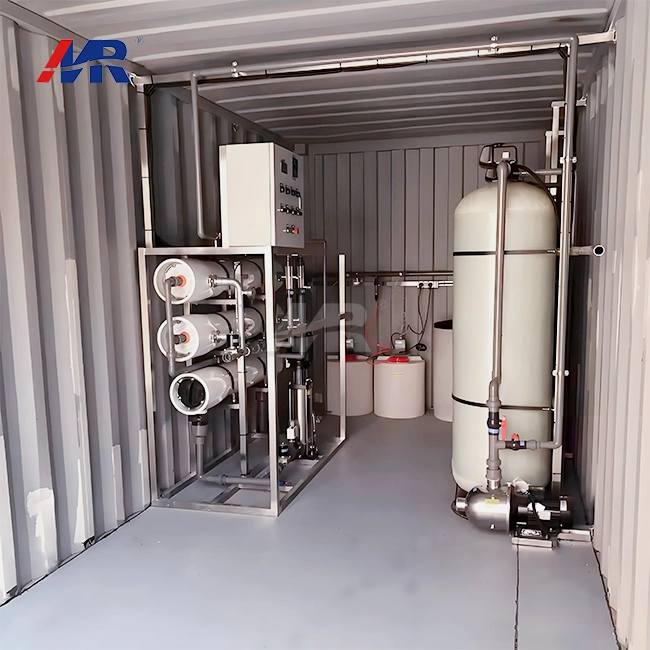
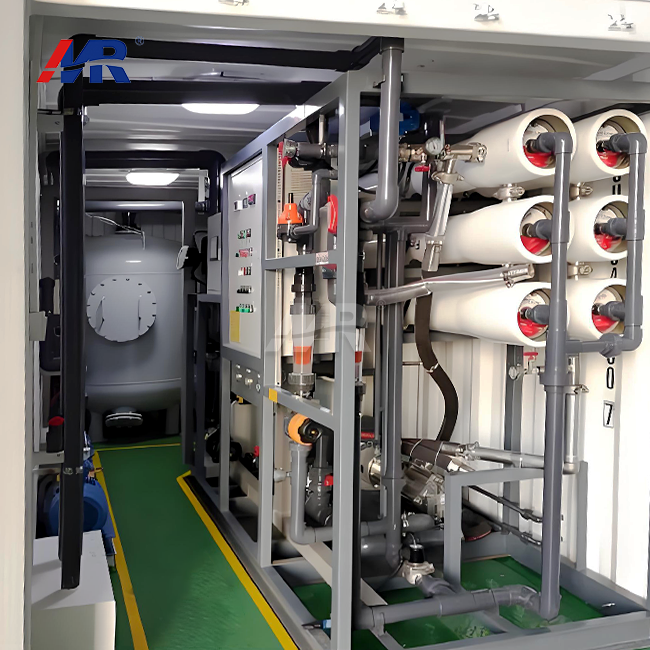
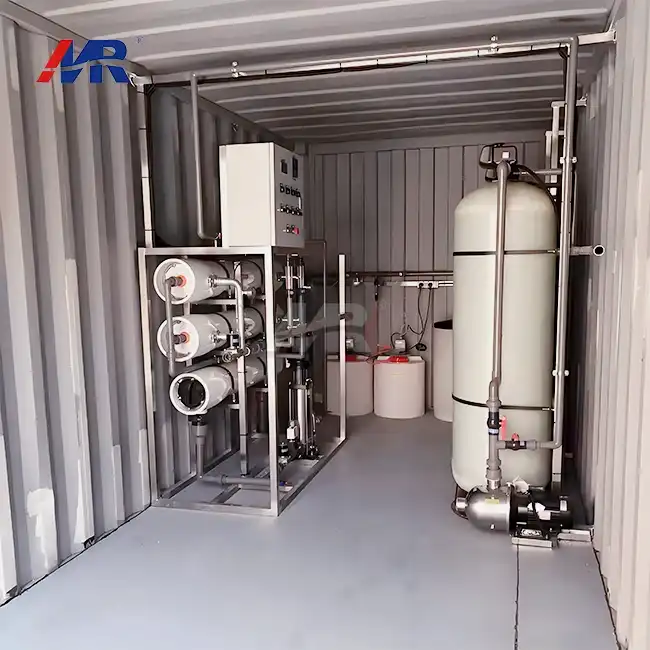
Containerized reverse osmosis systems are a completely new way to clean water because they work like full treatment centers inside normal shipping containers. These self-contained units come with high-pressure pumps, advanced membrane arrays, pretreatment parts, and complex automatic controls, all in one box that is easy to move. The flexible design makes it easy to quickly set up in a wide range of situations, from making in factories to emergency water supply situations.
Components and Technology Integration
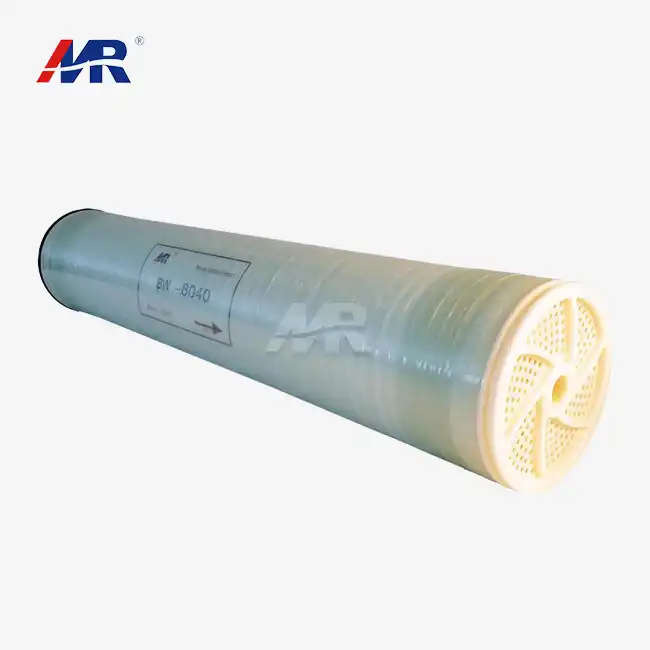
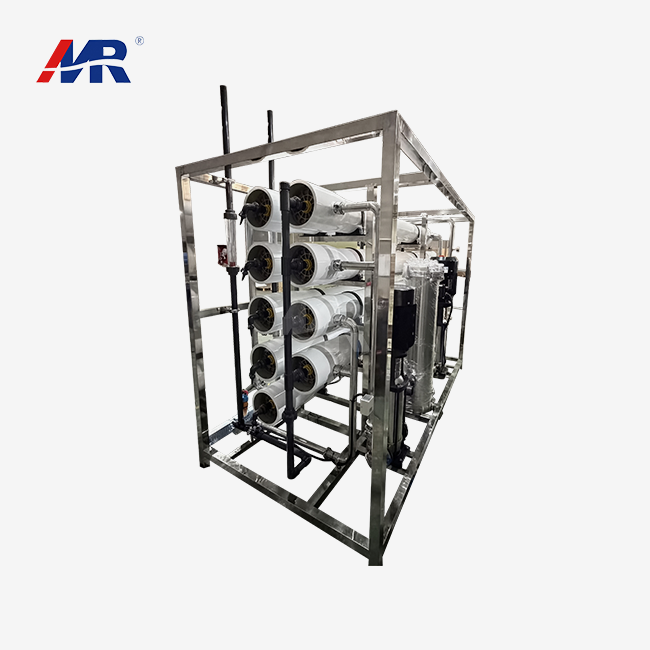
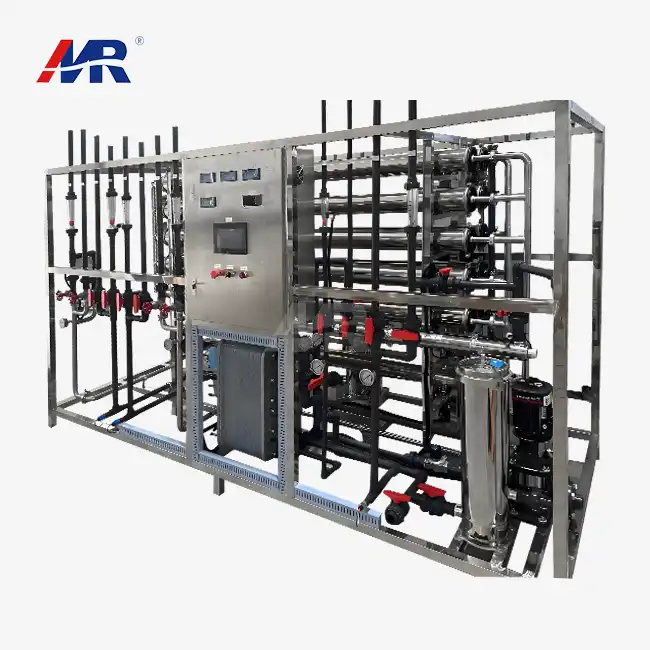
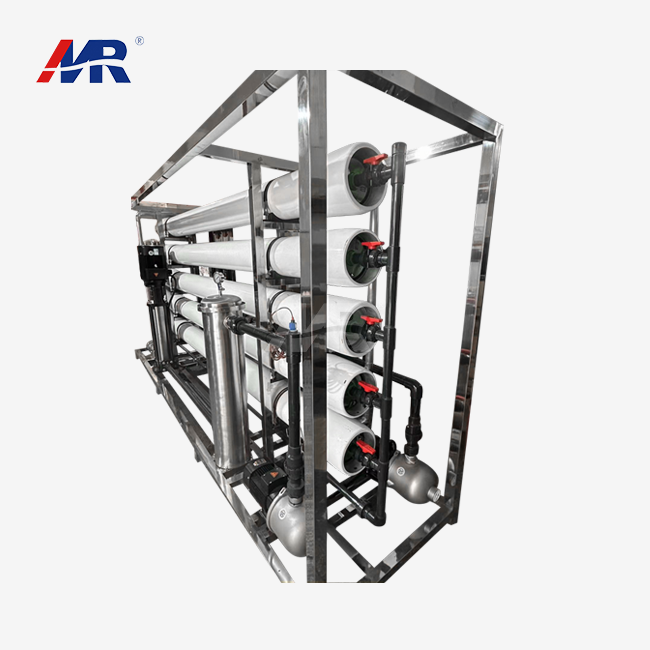
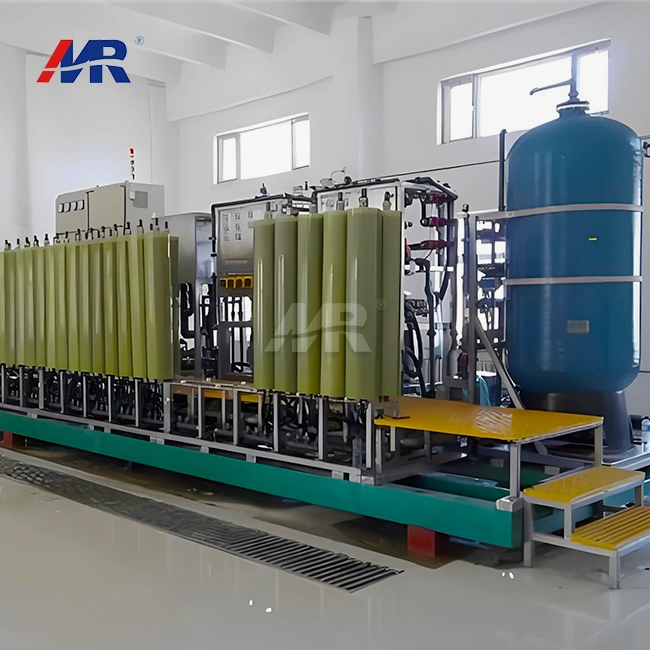
Modern containerized reverse osmosis (RO) systems combine several advanced steps of water treatment into a single, small machine. Multimedia filtration, activated carbon adsorption, and microfiltration are used in the first step of the process to get rid of particles, organics, and sediments. This protects the parts that come after. At their core, high-rejection spiral-wound ro membranes separate heavy metals, bacteria, viruses, and dissolved salts very well. Disinfecting and remineralizing are often part of the process after treatment. Most importantly, these systems have high-tech monitors and programmable logic controllers (PLCs) that let you check important things like pressure, flow, and water quality in real time. This makes it possible to monitor from afar, run machines automatically, and do preventative repair based on data. This makes sure that the machines always produce the same amount of work and run efficiently with little human input.
Addressing Pakistan's Water Quality Challenges
Containerized RO plants are designed to deal with Pakistan's common and serious water pollution problems. Some of these are groundwater with too many harmful heavy metals like arsenic and fluoride, too many germs and viruses that can make you sick, and too many total dissolved solids (TDS). Normal ways of treating water don't always work to get the stable, high-purity water that is needed for industry and drinking purposes. These mobile systems, on the other hand, use fixed, multi-barrier cleaning procedures that make sure they always work well against these different contaminants. Their design makes them scalable, with capabilities ranging from 50 to 500 cubic meters per day. This makes them a flexible option that can meet the needs of any size of town or commercial building, making sure that safe water standards are always met.
Comparative Advantages Over Traditional Systems
Container-based water treatment has huge benefits over standard plants that are built on land. The biggest benefit is that construction time has been cut from months to weeks because systems are already built and only need to be connected to utilities. This gets rid of the need for a lot of civil engineering and complicated structures. They can also be moved to different places as needed because they are naturally mobile. Standardized container designs make sure that performance is reliable, that operators are easier to train, and that upkeep is quick because extra parts are easy to find. Because of these benefits, these kinds of systems are very appealing to businesses that need to handle temporary projects, grow quickly, or respond quickly and reliably to water quality problems without spending a lot of money.
The Import Process of RO Container Systems from China to Pakistan
It takes careful planning and organized execution to bring in containerized water treatment containers or equipment. The first step is to do a lot of study on the market to find good sellers. The next steps are paperwork, shipping, and clearing customs. Understanding the rules and forming trustworthy relationships are important for completing a job successfully.
Supplier Identification and Evaluation
Thorough source screening is the first step to successful purchases. International certificates, customer reviews, and technical documents from top Chinese producers show that they have a track record of success. Trade platforms like Alibaba let people get in touch with each other for the first time, while industry shows let people directly check out the quality of tools and a supplier's skills. As part of your due research, you should check the producing sites, quality control processes, and infrastructure for assistance after the sale.
Negotiation and Contract Development
When you negotiate well, you talk about things like prices, shipping times, technical details, and guarantee terms. Distributors with a lot of experience get full deals that cover promises on how well the equipment will work, training requirements, and ongoing expert support. Payment terms usually include staged releases that are timed to match manufacturing stages and quality checks. This protects the buyer's interests while meeting the supplier's cash flow needs.
Documentation and Regulatory Compliance
Commercial bills, packing lists, certificates of origin, and technical requirements are all types of import paperwork. Pakistan's trade rules say that goods must meet national norms for water cleanliness and electricity safety. Customs classification based on the correct tariff numbers decides the fees and taxes that apply. Preparing paperwork ahead of time speeds up the clearance process and lowers the cost of storage.
Key Factors for Pakistan Distributors When Selecting Container RO Equipment
It's important to find the right container or equipment system by weighing technology requirements against practical and market needs. When distributors compare their choices, they have to think about things like capacity needs, energy economy, upkeep needs, and the total cost of ownership. Strategic selection makes sure that you will make money and keep customers happy in the long run.
Technical Performance Metrics
Some important success markers are the amount of water that can be produced, the amount of energy that is used, and the rate of return. Modern systems can recover 75% of the energy they use, but they use 3–4 kWh per cubic meter of energy they make. The quality of the membrane has a direct effect on running costs by affecting how often it needs to be replaced and cleaned. High-rejection, low-fouling barriers keep the quality of the output constant while reducing the need for upkeep.
Scalability and Modularity Considerations
Container systems are naturally scalable because they come in regular 20-foot and 40-foot sizes. To keep up with growing demand or to make sure that important apps are always running, multiple units can work together. This flexible method lets you gradually increase capacity while keeping your management options open. Standardized spare parts stocks and easier repair processes across multiple sites are good for distributors.
Supplier Reputation and Support Infrastructure
Forming relationships with reputable makers guarantees the quality of the Products and ongoing technical help. Manufacturing knowledge, foreign project files, and the ability to provide local service are some of the things that are used to judge applicants. Strong providers offer complete training programs, extra parts that are easy to find, and quick expert support. These support factors are necessary for long-term processes to go smoothly and for customers to be happy.
Best Practices and Tips for Maintaining and Operating Imported RO Container Systems
Proper maintenance protocols for container RO equipment maximize system performance while minimizing operational costs and downtime. Preventive maintenance schedules, operator training, and systematic troubleshooting procedures ensure reliable water production and extended equipment lifespan.
Preventive Maintenance Protocols
Regular maintenance activities include filter replacements, membrane cleaning cycles, and system performance monitoring. Pre-treatment components require frequent attention to prevent downstream fouling and membrane damage. Scheduled maintenance intervals typically range from weekly filter checks to annual major component inspections. Documentation of maintenance activities enables trend analysis and predictive maintenance scheduling.
Operational Optimization Strategies
Energy efficiency improvements reduce operational costs while supporting sustainability objectives. System calibration maintains optimal pressure levels and flow rates, minimizing energy consumption per unit produced. Water quality monitoring enables real-time adjustments to treatment parameters, ensuring consistent output standards while avoiding over-treatment scenarios that waste energy and consumables.
Training and Knowledge Transfer
Comprehensive training programs ensure operators understand system components, maintenance procedures, and troubleshooting protocols. Effective training covers routine operations, emergency procedures, and basic repair techniques. Knowledge transfer from experienced technicians builds local capabilities while reducing dependency on external support services.
Conclusion
Pakistan distributors seeking reliable container RO equipment find significant opportunities through strategic partnerships with established Chinese manufacturers. Success requires careful supplier evaluation, comprehensive technical understanding, and systematic import procedures. Modern containerized systems offer compelling advantages, including rapid deployment, scalable capacity, and predictable performance metrics that address Pakistan's diverse water treatment challenges. Proper maintenance protocols and operator training ensure long-term reliability while maximizing return on investment. The growing demand for high-quality water treatment solutions across industrial, municipal, and commercial sectors creates substantial market opportunities for well-prepared distributors.
FAQ
1. What are the typical lead times for importing container RO systems from China to Pakistan?
Standard lead times range from 8 to 12 weeks depending on system complexity and customization requirements. Manufacturing typically requires 6-8 weeks, while shipping and customs clearance add 2-4 weeks. Rush orders may be accommodated with premium pricing and expedited production schedules.
2. How do containerized systems differ from traditional skid-mounted RO equipment?
Containerized systems integrate all components within weatherproof shipping containers, enabling rapid deployment and easy relocation. Skid-mounted systems require permanent housing and extensive site preparation. Container systems offer superior mobility and standardized configurations, while skid systems provide more customization flexibility.
3. What documentation is required for importing RO equipment into Pakistan?
Required documents include commercial invoices, packing lists, certificates of origin, technical specifications, and compliance certificates. Additional requirements may include electrical safety Certifications and water quality standard compliance documentation. Advance preparation minimizes customs delays and storage costs.
Partner with Morui for Premium Container RO Equipment Solutions
Morui Environmental Technology offers Pakistan distributors access to cutting-edge containerized water treatment container ro equipment technologies backed by comprehensive Technical support and competitive pricing. Our proven track record in international markets, combined with advanced manufacturing capabilities and extensive service infrastructure, ensures successful project outcomes and long-term partnerships. Connect with our technical team at benson@guangdongmorui.com to explore customized solutions for your specific market requirements.
References
1. Ahmad, M. & Khan, S. (2023). "Water Treatment Technology Imports and Market Dynamics in South Asian Countries." Journal of Industrial Water Management, 45(3), 156-172.
2. Chen, L. & Pakistan Trade Development Authority (2022). "Sino-Pakistani Trade Relations in Environmental Technology Sector: A Comprehensive Analysis." International Trade Review, 38(7), 89-104.
3. Environmental Protection Agency Pakistan (2023). "Guidelines for Importing Water Treatment Equipment: Regulatory Framework and Compliance Requirements." Government Publications, Islamabad.
4. International Water Association (2022). "Containerized Water Treatment Systems: Global Market Trends and Regional Applications." IWA Publishing, London.
5. Liu, X. & Rahman, A. (2023). "Reverse Osmosis Technology Transfer and Implementation in Developing Countries." Water Technology International, 29(4), 234-251.
6. Pakistan Bureau of Statistics (2023). "Import Statistics for Water Treatment Equipment and Industrial Machinery." Trade Data Analysis Report, Ministry of Commerce, Islamabad.