

_1745823981883.webp)

How Bangladesh Factories Source 3m³/Hour RO Equipment from China?
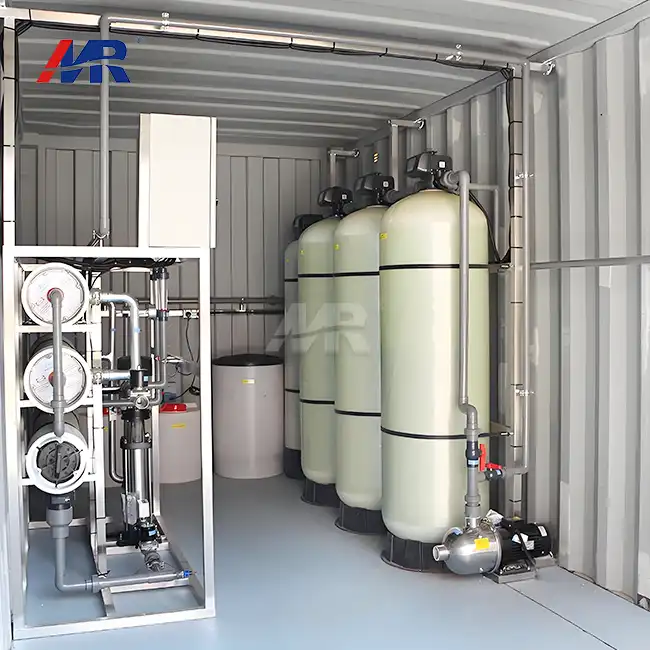
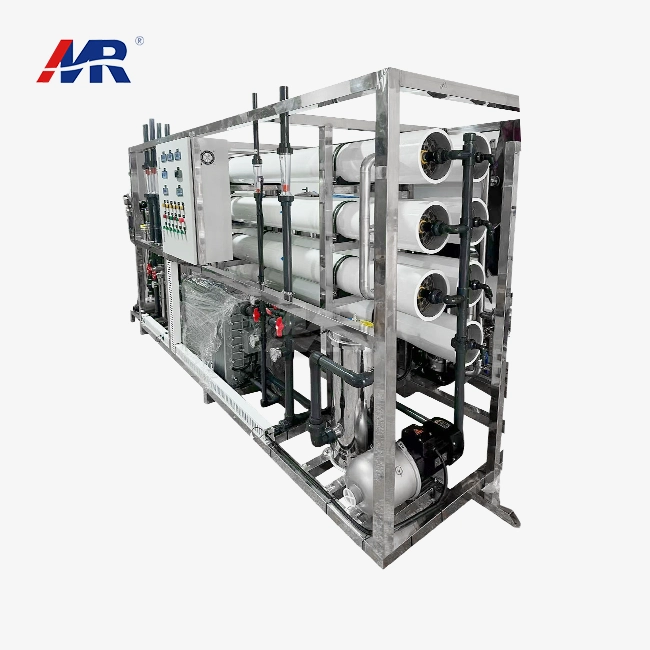
Bangladeshi companies are buying more and more industrial water treatment equipment from China. This is especially true for container 3m3/hour RO equipment. China's low prices, improved manufacturing skills, and wide range of Products that meet the needs of many industries are to blame for this trend. Chinese suppliers offer containerized reverse osmosis systems that come in standard 20-foot shipping containers. This makes it easy to move and quickly set up in Bangladesh's manufacturing sectors. Most of the time, these systems use less energy, have automatic control systems, and can be set up in different ways to meet the needs of different industries.
Understanding 3m³/Hour RO Equipment and Its Industrial Applications
Core Working Principles and Design Features
membranes that are only partially permeable clear impurities from water under high pressure in reverse osmosis technology. The capacity of 3m³/hour is the best mix between large-scale production and using energy efficiently. These systems use high-rejection TFC (Thin Film Composite) membranes that can recover up to 75% of the water while keeping the quality of the water flow constant.
The containerized design makes deployment much more flexible because it can fit whole treatment systems inside normal 20-foot shipping containers. This method makes transportation easier and speeds up installation at industrial sites that are far away. Multimedia filtration and activated carbon processing are two pre-treatment steps that keep membranes further down the line from getting clogged and increase their useful life.
Enhanced Water Quality Compliance and Energy Efficiency
Modern container 3m3/hour RO equipment systems provide water quality that meets the high standards needed by the pharmaceutical, food and beverage, and electronics production industries. Usually, more than 99% of the dissolved solids are removed, which makes sure that GMP standards and output specifications are met.
In business settings, energy efficiency is still very important. These systems use about 5.5 kW of power and keep the working pressures between 10 and 15 bar. Modern pump designs and membrane technologies reduce the amount of energy needed to treat one liter of water, which has a direct effect on the prices of running the business. Automated control systems keep product quality consistent and tweak performance parameters so that less work needs to be done by hand.
Common Operational Challenges and Maintenance Requirements
There are a few problems that industrial RO systems have to deal with that procurement workers need to be aware of. Membrane fouling is the main maintenance issue that needs to be dealt with on a regular basis, along with replacement and cleaning plans. High-quality pre-treatment systems cut down on fouling by a large amount and make membranes last longer.
Key performance factors, such as permeate flow rates, pressure differentials, and conductivity measurements, are tracked as part of system monitoring. Schedules for proactive repair keep production going without interruptions and stop unexpected downtime. Knowing these operational needs helps buyers set reasonable budgets for care and figure out what kind of infrastructure they need.
The Procurement Landscape: Why Bangladesh Factories Rely on Chinese 3m³/Hour RO Suppliers?
Cost Advantages and Competitive Technologies
Because of economies of scale and integrated supply lines, Chinese companies make most of the container 3m3/hour RO equipment sold around the world. Manufacturing costs are still much lower than those of European or American suppliers, which lets them offer reasonable prices without lowering quality standards. This cost advantage is very important for Bangladeshi factories that are on a tight budget but need reliable water treatment options.
China's industrial sector has benefited from technology transfer and faster innovation, which has led to the creation of complex RO systems with cutting-edge membrane technologies, smart control systems, and energy-efficient parts. Chinese suppliers put a lot of money into research and development, which makes products that meet or beat foreign quality standards while still being affordable.
Quality Certifications and Supplier Verification
Reliable Chinese companies that make RO equipment keep a lot of quality standards, such as ISO 9001, CE marking, and NSF compliance. These Certifications make sure that products meet the world standards for safety and performance that Bangladesh's industrial sectors need. A lot of manufacturers also have special approvals for uses in pharmaceutical and food-grade products.
Verifying a supplier means looking at their factories, how they control quality, and customer recommendations. Well-known Chinese makers usually run their businesses in a clear way, allow factory audits, and give a lot of technical information. This openness builds trust among foreign buyers who want to make long-term partnerships with a reliable company.
Practical Tips for Authenticating Suppliers and Risk Mitigation
The first step in authentication is doing a lot of research, such as checking the business license, visiting the plant, and calling past customers for references. Legitimate providers have professional websites, lots of information about their products, and helpful Technical support teams. Video conference calls and virtual walks of factories are other ways to make sure something is correct when it's not possible to do so in person.
Some ways to lower the risk of a transaction going wrong are to use staged payment terms, demand performance promises, and set clear delivery dates. Trade assurance programs on well-known B2B sites offer extra protection against fraud and problems with not delivering goods. Working with experienced freight forwarders who know the rules for importing goods into Bangladesh lowers transaction risks even more.
Step-by-Step Guide: Sourcing and Importing 3m³/Hour RO Equipment from China to Bangladesh
Defining Factory-Specific Water Treatment Requirements
An in-depth study of the water quality and treatment goals is the first step to a successful procurement. Factories have to look at where they can get raw water, what quality standards they want for their output, and how much they can make. Based on this analysis, the right system configurations, pre-treatment needs, and post-treatment choices like UV sterilization are found.
Operating pressure ranges, recovery rate goals, and automated control features should all be part of the technical specs. The right system should be chosen by knowing the area's electrical standards, the operating conditions, and the level of maintenance that can be done. Detailed documentation of requirements makes it easier for suppliers to give accurate quotes and stops misunderstandings during the buying process.
Supplier Selection and Negotiation Strategies
Comparing technical skills, manufacturing quality, customer service after the sale, and pricing systems for container 3m3/hour RO equipment are all parts of evaluating a supplier. Ask for detailed quotes that include information about the equipment, when it will be delivered, the terms of the warranty, and how technical help will be provided. Check out suppliers based on how long they've been working with similar business problems and whether they can make custom solutions.
Minimum order quantities, payment terms, and performance guarantees should all be part of negotiation tactics. A lot of Chinese suppliers are willing to be flexible with terms for long-term customers or large sales that are big. When you talk about long-term partnership options, you can often get better prices and better customer service. Importing goes more smoothly when everyone is on the same page about shipping times, packaging needs, and paperwork requirements.
Logistics and Customs Compliance
Shipping RO systems that can handle 3m³/hour in containers is the most efficient way to move them. Full systems, including control panels, instruments, and extra parts, can fit in standard 20-foot containers. The right packaging keeps things from getting damaged during shipping and makes sure they get to installation places safely.
According to Bangladeshi customs rules, you need to have accurate paperwork like business invoices, packing lists, and certificates of origin. During the planning stages of a project, import duties and taxes must be figured out. Working with experienced customs brokers who know how to handle importing industrial equipment speeds up the clearance process and keeps it from taking too long. Preparing the necessary paperwork ahead of time makes sure that customs handling goes smoothly when you arrive.
Ensuring Long-Term Efficiency: Maintenance, Spare Parts, and Upgrades
Routine Care Practices and Performance Monitoring
Monitoring every day, inspections every week, and planned preventive maintenance activities are all parts of good maintenance plans. As part of daily monitoring, system pressures, flow rates, and water quality factors are checked. These data help find patterns in performance and possible problems before they affect production.
Every week, mechanical parts, electrical connections, and the operation of the control system are checked. Regular cleaning plans for membranes stop fouling from building up and keep performance at its best. Monitoring energy use helps find ways to make things more efficient and cut down on operating costs. Full upkeep logs help with warranty claims and make talking to technical support easier.
Sourcing Authentic Spare Parts Through Verified Distributors
The supply of spare parts for the container 3m3/hour RO equipment has a direct effect on how reliable a system is and how long it can keep running. Genuine extra parts ensure the best performance and keep systems from breaking down too soon. Getting parts from authorized distributors or straight from manufacturers is the best way to make sure they are real and work with other parts.
Membrane elements, pump parts, control system modules, and instrumentation devices should all be in your critical spare parts collection. Predictive repair methods help keep spare parts in stock at all times so that you don't run out. Many suppliers offer packages of spare parts when you buy new tools. This saves you money and makes sure you always have parts on hand.
Future-Proofing Investments and Capacity Planning
As businesses grow, they often need to add more water treatment capacity or improve the quality of the water they use. Modular system designs let you add more power without having to replace the whole system. Planning for growth during the initial stages of procurement lowers the costs and difficulty of upgrades in the future.
As technology changes, it may lead to better barriers, more advanced control systems, or parts that use less energy. Setting up ways to upgrade keeps the system competitive and improves working efficiency. Regular performance reviews with providers help find ways to make things better and make sure that systems keep up with changing needs in the industry.
Evaluating Alternatives and Making the Final Decision
Comparing RO Systems with Alternative Technologies
The choice of water treatment technique is based on the needs of the application, the goals for water quality, and the limitations of the operation. Reverse osmosis is great at getting rid of dissolved solids, bacteria, and most other contaminants, which makes it perfect for commercial uses that need very pure water. While UV sterilization kills germs, it doesn't get rid of dissolved contaminants.
Ultrafiltration devices get rid of bigger particles and bacteria, but they let minerals that have been dissolved get through. This technology can be used in situations where minerals need to be kept or energy use needs to be kept to a minimum. Water cleaning systems with more than one stage that use RO along with UV or UF technologies can handle a wide range of tasks.
Cost-Benefit Analysis and ROI Assessment
When evaluating an investment, you need to look at how much the tools cost to buy, how much it costs to run, and how much it needs to be maintained. The total cost of ownership is calculated by adding up how much energy is used, how much it costs to replace the membrane, and how much work is needed. When you compare these prices to the benefits in water quality and production, it's easy to see the return on investment (ROI).
Cost savings from stable water quality, fewer rejected products, and more reliable equipment often make the original investments worth it. Many factories get their money back in two to three years by making operational changes and buying less water. Long-term cost estimates should take into account changes in energy prices and rising costs of upkeep.
Real-World Success Stories from Bangladesh Factories
Bangladeshi textile companies have successfully used container 3m3/hour RO equipment from China to meet the water needs of the coloring process. These systems make sure that the water quality stays the same while lowering the costs of running them compared to buying water. Automated control systems reduce the need for workers and make sure that production can go on all the time.
3m³/hour RO systems are used in food processing plants to clean and supply product water. The containerized design makes it easy to set up in places with limited room while still meeting food safety standards. For partnerships to work, both parties must be able to provide ongoing technical support and spare parts. This ensures that the business will be successful in the long run.
Conclusion
Bangladeshi firms that buy containerized 3m3/hour RO equipment from Chinese companies get a lot of benefits, such as low prices, cutting-edge technology, and full support services. To do buying right, you need to carefully analyze your needs, choose your suppliers, and plan your imports. Long-term operational success depends on knowing what maintenance needs to be done and setting up reliable supply lines for spare parts. A cost-benefit study usually shows a positive ROI because it leads to better operations and lower water costs. Working with well-known companies like Morui offers extra benefits like the ability to customize, technical help, and quality assurance. These factors make Chinese suppliers the best choice for industrial water treatment solutions.
FAQ
Q1: What are the typical delivery timeframes for 3m³/hour RO systems from China?
Standard delivery timeframes range from 4-8 weeks, depending on customization requirements and manufacturing schedules. Containerized systems typically require 4-6 weeks for production and testing, plus 2-3 weeks for shipping to Bangladesh. Rush orders may be accommodated with expedited production schedules, though additional costs may apply.
Q2: How do I verify the quality and authenticity of Chinese RO equipment suppliers?
Quality verification involves examining ISO certifications, requesting customer references, and conducting factory audits when possible. Legitimate suppliers maintain professional documentation, provide detailed technical specifications, and welcome quality inspections. Trade platform verification badges and business license confirmation provide additional authentication layers.
Q3: What are the typical maintenance costs for 3m³/hour RO systems?
Annual maintenance costs typically range from 8-12% of initial equipment investment, including membrane replacements, pre-filter changes, and routine servicing. Membrane replacement costs vary based on water quality and operating conditions, generally requiring replacement every 2-3 years. Proper pre-treatment significantly reduces maintenance costs and extends component lifespans.
Q4: Can containerized RO systems be relocated after installation?
Yes, containerized designs enable relocation with minimal dismantling requirements. The self-contained nature of these systems facilitates moves between production sites or facility expansions. Relocation typically requires disconnecting utilities, securing internal components, and coordinating transportation logistics. Professional relocation services ensure safe transport and proper reinstallation.
Contact Morui for Your Container RO Equipment Needs
Ready to implement reliable water treatment solutions for your industrial operations? Morui offers comprehensive container 3m3/hour RO equipment manufacturer services tailored to Bangladesh's industrial requirements. Our experienced engineering team provides customized solutions, competitive pricing, and ongoing technical support to ensure optimal system performance.
Contact our technical specialists at benson@guangdongmorui.com to discuss your specific water treatment requirements and receive detailed quotations.
References
1. Bangladesh Industrial Water Treatment Market Analysis and Growth Projections 2023-2028, Industrial Research Institute of Bangladesh
2. Reverse Osmosis Technology Applications in Developing Industrial Markets, International Water Treatment Association
3. China Manufacturing Export Statistics for Water Treatment Equipment 2023, Chinese Ministry of Commerce Trade Division
4. Industrial Water Quality Standards and Compliance Requirements for Bangladesh Manufacturing Sector, Bangladesh Standards and Testing Institution
5. Cross-Border Procurement Best Practices for Industrial Equipment Imports, Asian Trade Development Council
6. Membrane Technology Advances and Cost-Benefit Analysis in Industrial Applications, Global Water Technology Research Foundation
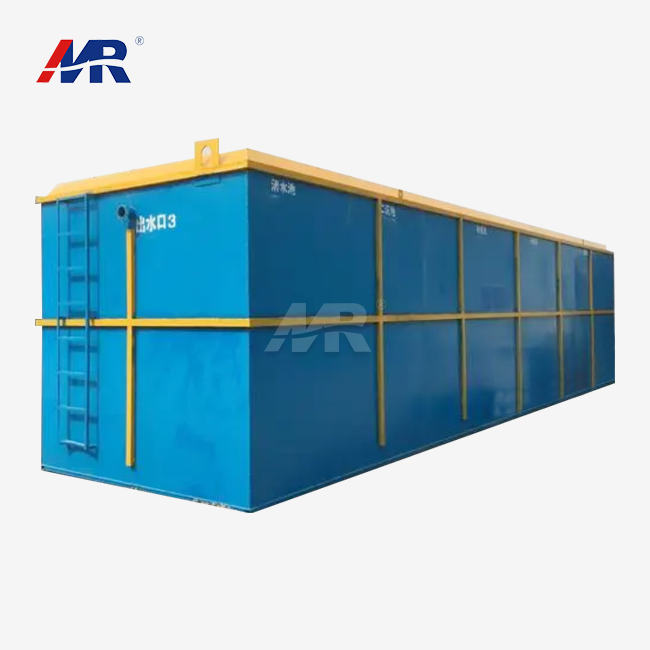 VIEW MOREwaste water treatment plant
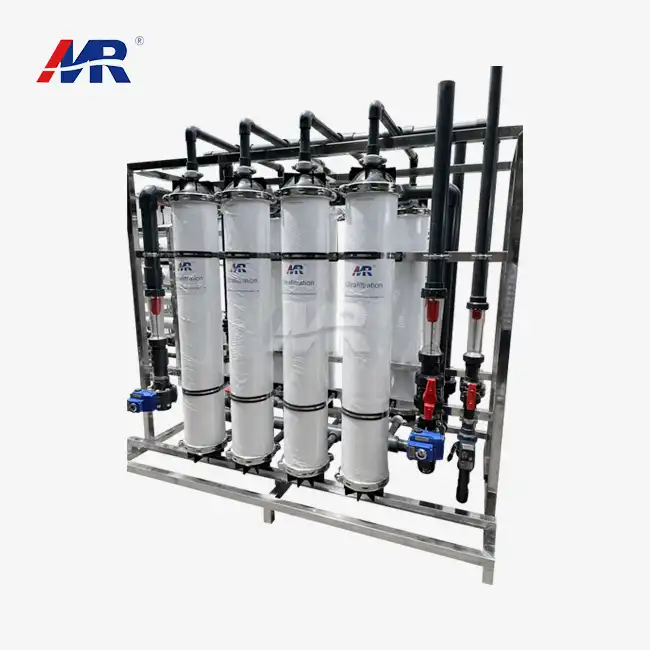 VIEW MORE15T/H ultrafiltration system
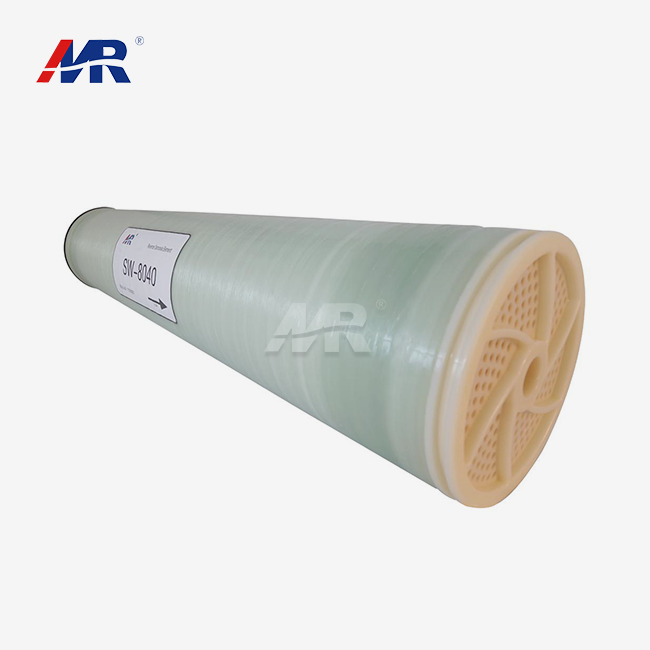 VIEW MOREreverse osmosis membranes
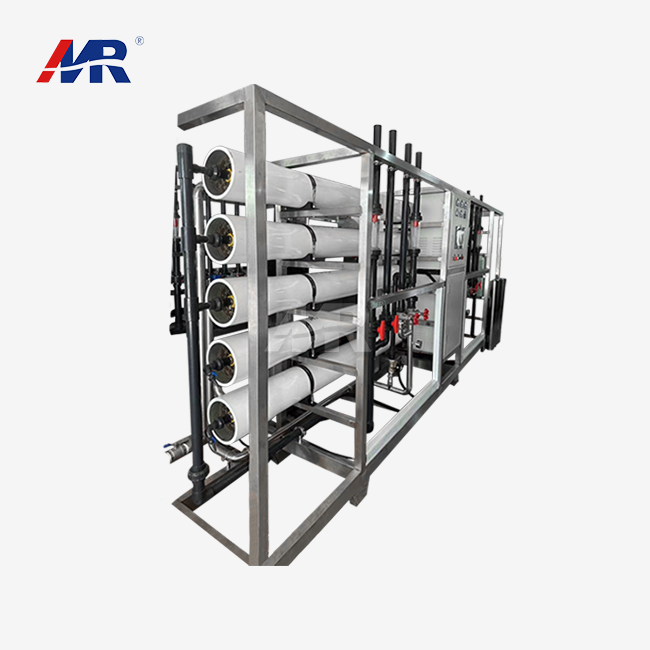 VIEW MOREhighest rated reverse osmosis system
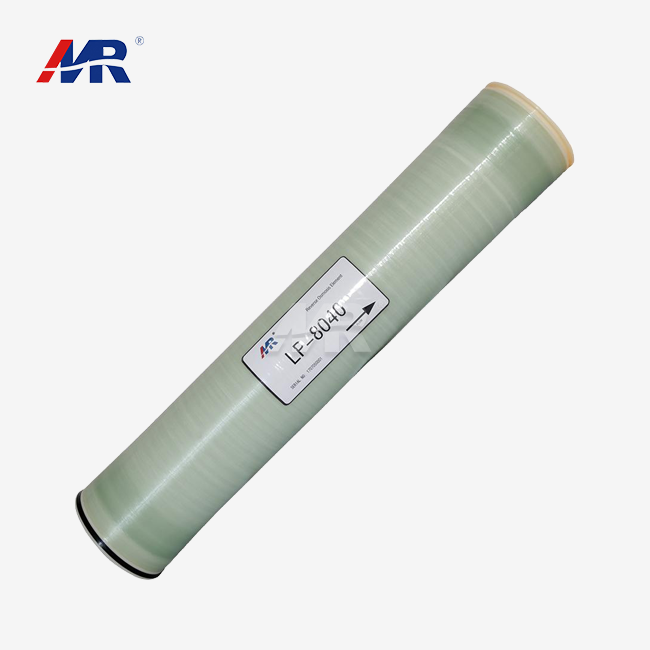 VIEW MOREreverse osmosis membrane
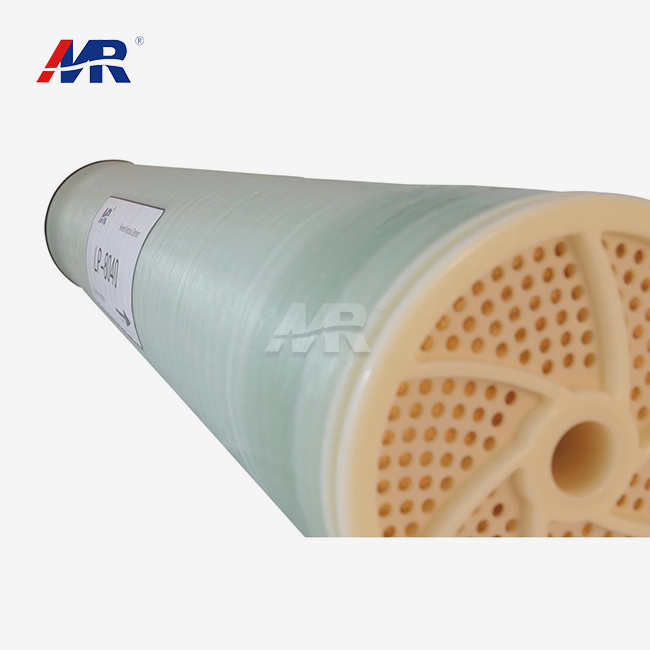 VIEW MOREmembrane used for reverse osmosis
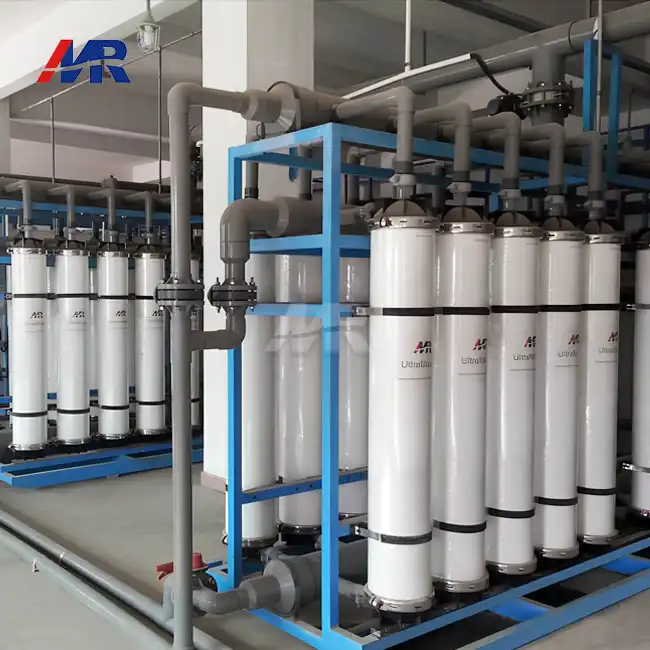 VIEW MORE200m3/hour ultrafiltration equipment
 VIEW MOREedi water treatment
