

_1745823981883.webp)

Reverse Osmosis Machines Suitable for the Pharmaceutical Industry: Key Features
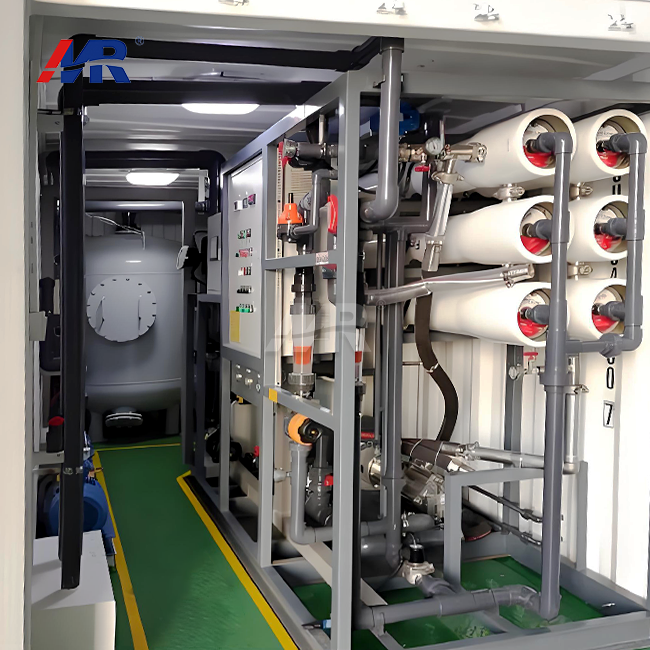
Pharmaceutical Reverse Osmosis Machine systems are the best way to make high-quality water that meets the strict requirements for pharmaceutical production. These specialized water treatment systems use cutting-edge membrane technology and strict validation methods to make sure the water quality is better than USP, EP, and FDA guidelines. Modern pharmaceutical RO machines have multiple stages of filtering, automatic tracking systems, and the ability to keep records of compliance. This makes sure that the water is always clean for making drugs, cleaning equipment, and lab work in a wide range of pharmaceutical operations.
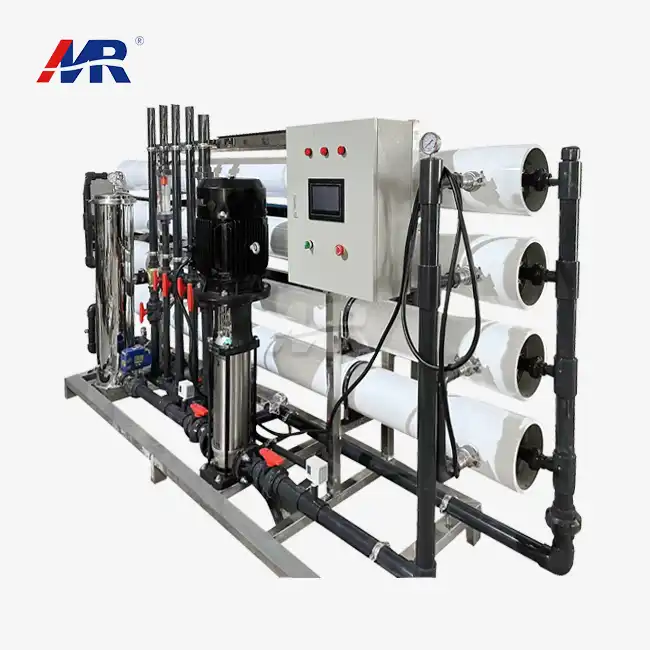
Understanding Pharmaceutical Reverse Osmosis Machines
Reverse osmosis machines for pharmaceuticals work in a very different way than normal industrial water treatment systems. During the osmotic process, high pressure is used to push water molecules through semipermeable membranes. This gets rid of dissolving salts, organic compounds, bacteria, and pyrogens that could lower the quality of medicinal Products.
Core Technology Behind Pharmaceutical Water Purification
Pressure differences are used in reverse osmosis to overcome natural osmotic pressure. This forces water molecules through special filters while ignoring contaminants. Most dissolved solids, germs, and viruses are rejected by pharmaceutical-grade devices at rates higher than 99%. This technology is better than ultrafiltration and nanofiltration because it targets molecules that could change the safety and effectiveness of drugs.
Modern pharmacy RO systems use different types of membranes, like spiral-wound and hollow-fiber designs, that are best for different types of contaminants. The membrane materials, which are mostly thin-film composite polyamide or cellulose triacetate, are put through a lot of tests to make sure they are biocompatible and chemically resistant in medicinal settings.
Regulatory Compliance and Validation Requirements
The FDA, the EMA, and other foreign authorities have set up strict rules that pharmaceutical water systems must follow. These rules require thorough validation processes, such as phases for Installation Qualification (IQ), Operational Qualification (OQ), and Performance Qualification (PQ). At each step of qualification, a lot of paperwork is needed to show that the system can regularly make water that meets certain quality standards.
Over long lengths of time, microbial testing, chemical analysis, and endotoxin tracking are all part of the validation process. The performance of pharmaceutical RO machines must be consistent under a range of working situations, such as startup routines, steady-state operation, and shutdown methods. This method of confirmation makes sure that the water quality stays within acceptable limits for the whole time the system is in use.
Essential Features and Technical Requirements of Pharma RO Machines
Specifically made parts are built into pharmaceutical RO systems to meet the specific needs of settings that make drugs. Procurement experts can evaluate systems well and ensure long-term business success if they understand these important features.
Advanced Membrane Technology and Configuration
Pharmaceutical reverse osmosis machine membranes are made with better techniques that reduce the amount of substances that can be extracted and make sure they work the same way through multiple cleaning cycles. These membranes have special processes on their surfaces that keep them from getting biofouled and maintain their high water absorption rates. The membrane design usually has more than one stage, each with better and better cleaning abilities.
Here are the core membrane requirements that are necessary for medicinal uses:
- High Rejection Efficiency: Pharmaceutical membranes can get rid of 99.5% or more of dissolved salts, organics, and germs, so the quality of the water stays the same even when the feed water conditions change.
- Chemical Compatibility: Certain barrier materials don't break down when exposed to disinfecting chemicals like hot water, ozone, and chemicals used in medicinal cleaning procedures.
- Low Extractables Profile: Pharmaceutical membranes go through a lot of tests to make sure they don't leak out any substances that could contaminate the clean water stream or stop pharmaceutical processes from working properly.
- Extended Service Life: More durable membranes need to be replaced less often, which cuts down on certification costs and downtime while keeping performance stable for longer periods of time.
Together, these membrane standards make sure that drug companies get solid water quality while keeping costs low and regulatory compliance risks to a minimum.
Pre-treatment and Post-treatment Systems Integration
A good pre-treatment process gets rid of contaminants that could cause fouling or scaling, which protects the membrane's structure and improves the system's performance. Multimedia filtration, activated carbon adsorption, and water softening methods that are tuned to the characteristics of the feed water are common parts of pre-treatment. For reliable performance, advanced pre-treatment systems use automatic backwashing and regeneration processes.
Post-treatment devices use UV sterilization, electrodeionization, and holding tank sanitization to improve the quality of the water beyond what membranes can do. These combined technologies get rid of microorganisms and ions that are still present and could affect the quality of medicinal products. Different types of medicinal water, such as Purified Water or Water for Injection, need different post-treatment configurations.
Automation and Monitoring Capabilities
These days, pharmacy RO systems have full automation packages that keep an eye on important factors like conductivity, pH, temperature, pressure, and flow rates. Modern control systems keep track of data in real time, look for trends, and handle alarms to make sure that the system always works within acceptable limits. These tracking tools help businesses follow the rules and make their operations run more smoothly.
The automation systems connect to control networks that run the whole plant. This lets them be monitored from afar, and data be collected for quality control. Automated cleaning processes, tracking of membrane performance, and predictive maintenance programs cut down on human work while keeping water quality stable. This way of automating reduces the chance of mistakes made by people while still giving detailed records for regulatory checks.
Comparing Reverse Osmosis with Other Pharmaceutical Water Purification Methods
Understanding the pros and cons of different treatment methods is important for choosing the best water cleaning technology. When choosing cleaning methods, pharmaceutical companies have to think about things like the quality of the water they need, how much it will cost to run, and how well it will comply with regulations.
Reverse Osmosis Versus Distillation Systems
Historically, distillation has been the best way to clean medicinal water, especially for use in Water for Injection facilities. Modern medicinal RO systems, on the other hand, offer similar water quality while using a lot less energy and costing a lot less to run. Most of the time, RO systems use 50–80% less energy than similar extraction units while getting rid of contaminants just as well or better.
The ways these technologies work differently affect how often upkeep needs to be done and how reliable the system is. Distillation systems need a lot of maintenance on the boiler to get rid of scale and keep the energy system running smoothly. RO systems need to have their membranes replaced and cleaned on a regular basis, but they usually have more predictable care plans and lower long-term costs.
Integration with Complementary Technologies
To meet certain water quality goals, pharmaceutical water systems often use more than one type of cleaning technology. Electrodeionization (EDI) units work well with RO systems to make ultrapure water with very low conductivity levels. With this mix, you don't have to do the chemical recycling that is needed in regular ion exchange systems.
Additionally, UV disinfection systems work with RO technology to kill more microbes without adding any chemicals. When you combine ro membrane rejection with UV treatment, you get more protection against bacterial contamination, which makes the whole system more reliable. Using these combined methods, drug companies can find creative answers for a wide range of water quality needs while still following the rules.
Cost-Benefit Analysis for Pharmaceutical Applications
Pharmaceutical reverse osmosis machine systems are more cost-effective in the long run than other ways of cleaning. Less energy use, fewer chemicals, and easier upkeep needs all add up to big operational savings over the lifecycles of the systems. RO systems also have a smaller physical size, which lowers the costs of building and running a plant.
RO systems usually have cheaper certification and qualification costs than distillation options because they are easier to use and their performance is easier to predict. This economic benefit is especially important for drug companies that have various sites or are growing their production capacity.
How to Choose the Best Pharmaceutical Reverse Osmosis Machine: A Practical Buying Guide?
To choose the best pharmacy RO system, you need to carefully look at its technical specs, compliance with regulations, and how it works. This all-around method makes sure that the system chosen meets current needs and can be easily expanded or changed in the future.
Capacity Planning and System Sizing
To make accurate capacity plans, you must first do a thorough study of how much water is currently and will be needed in all the processes used to make pharmaceuticals. When sizing a system, it's important to think about times of high demand, cleaning processes, and possible production increases while also making sure there is enough backup capacity. Systems that are too small might not be able to handle high demand, while systems that are too big waste resources and raise costs.
The capacity study should look at how much water is used during different stages of production, such as cleaning, batch processes, and ongoing operations. Pharmaceutical companies often need to change the flow rates based on their production plans. This makes system flexibility an important design factor. Modern RO systems can handle changing demand thanks to their smart control systems and flexible membrane layouts.
Technical Specifications and Performance Criteria
Some important performance factors are the membrane flux rates, the rejection efficiency, the recovery ratios, and the energy usage metrics. Pharmaceutical uses usually need higher standards for water quality than industrial uses, which means that membrane specifications need to be improved and more treatment steps need to be added. The design of the system has to take into account certain toxins in the feed water while still meeting standards for medicinal water quality.
When choosing medicinal RO equipment, these are the most important performance specs to look at:
- Water Recovery Rate: The best systems get 75–85% of the water back, which maximizes efficiency, keeps membrane performance high, and extends service life in medicinal settings.
- Contaminant Rejection Efficiency: Systems must show constant rejection rates higher than 99% for dissolved salts, organics, and microorganisms, even when the feed water conditions change and throughout the membrane's lifespan.
- Energy Consumption Profile: Designs that use less energy have high-efficiency pumps, energy return systems, and optimized membrane setups to keep performance high while lowering costs.
- Validation Support Package: This package includes detailed paperwork that includes design qualification, factory acceptance testing, and validation procedures. It makes sure that the regulatory compliance and system qualification processes go smoothly.
These requirements decide if the system is suitable for pharmaceutical uses and have an effect on its long-term operating success and legal compliance.
Supplier Evaluation and Selection Criteria
The choice of supplier has a big effect on how well the system works, how well it follows the rules, and how well it runs in the long run. Pharmaceutical RO providers must show that they have a lot of knowledge of pharmaceutical applications, know how to follow regulations, and can provide a lot of support. Reference site trips, technical talks, and thorough reviews of the proposals should all be part of the evaluation process.
Suppliers must be registered with the FDA, have ISO standards, and have experience with pharmacy water systems that can be proven. How well the provider can provide validation support, technical documentation, and ongoing service support has a direct impact on how well the system is implemented and how well it meets legal requirements. Local service options and parts available make it easy to respond quickly to repair needs and keep production running as smoothly as possible.
Procurement and Post-Purchase Support for Pharmaceutical RO Machines
To successfully set up a pharmaceutical reverse osmosis machine system, you need to carefully plan your purchases and make plans for ongoing help. Technical evaluation, business talks, and thorough project planning are all parts of the procurement process. These steps are needed to make sure that the system is properly integrated and that all regulations are followed.
Procurement Strategies and Financing Options
Pharmaceutical companies can buy things in several different ways, such as through direct purchase, lease, or build-operate-transfer deals. If you buy something directly, you have the most power and will save money in the long run. Leasing, on the other hand, requires less money up front and has built-in ways to improve. The best way to do something relies on factors like cost, operational needs, and strategy planning goals.
Volume buying deals are helpful for pharmaceutical companies that have more than one location because they provide uniform specs, lower costs, and easier support arrangements. These deals make it easier for all sites to use the same technology and use their buying power to get better business terms. Standardization also makes the processes of approval, training operators, and maintenance easier.
Installation and Commissioning Services
Professional installation and testing services make sure that pharmaceutical RO systems work as planned and meet government standards. As required by pharmaceutical facility standards, the construction process includes preparing the spot, positioning the equipment, connecting the pipes, and integrating the electricity. The right operation has a direct effect on how well the system works, how well it meets regulations, and how reliable it is in the long run.
Commissioning tasks include starting up the system, checking its performance, and providing initial confirmation support. Experienced commissioning teams make sure that all of the system's features meet the design requirements while also teaching operators and handing over paperwork. This all-around method cuts down on startup times and makes sure that the return to normal activities goes smoothly.
Ongoing Maintenance and Support Programs
Pharmaceutical reverse osmosis machine systems need special maintenance plans that meet legal standards and keep the systems running at their best. Schedules for preventive maintenance include cleaning and sanitizing methods for membranes and checking parts to make sure they don't break down without warning. A lot of the time, these programs include tools for predictive maintenance that check how well the system is working and find problems before they affect the water quality.
Pharmaceutical companies can get specialized technology help, original new parts, and emergency support services through comprehensive service agreements. Usually, these deals include regular maintenance trips, checks on performance, and plans for getting help first. The service provider's experience in the pharmaceutical business and understanding of regulations have a big effect on how well the program works and how well it follows the rules.
Conclusion
Pharmaceutical reverse osmosis machines are an important part of modern pharmaceutical manufacturing because they provide stable, high-quality water that meets strict government standards. These high-tech systems use advanced membrane technology, full automation, and strict validation processes to make sure they work the same way in all kinds of pharmaceutical uses. As part of the selection process, technical specs, the ability to meet legal requirements, and long-term support plans must all be carefully looked over. Modern medicinal RO systems are much better than older ways of cleaning because they use less energy, are more reliable, and cost less to run. Partnering with experienced suppliers who know what the pharmaceutical industry needs and can offer full help throughout the system's lifecycle is key to a successful adoption.
FAQ
Q1: What makes pharmaceutical reverse osmosis systems different from standard industrial RO units?
Reverse osmosis systems for pharmaceuticals have special parts that are made to meet strict regulatory requirements and test processes. These systems have pharmaceutical-grade membranes with low extractables profiles, full automation and tracking features, and large paperwork packages that help them comply with FDA and EMA rules. Pharmaceutical systems are different from normal industrial uses because of the materials they are made of, their ability to clean, and their certification requirements.
Q2: How often should RO membranes be replaced in pharmaceutical applications?
In pharmaceutical applications, membrane replacements are usually done every two to four years, but this relies on the quality of the feed water, the working conditions, and the maintenance practices used. Monitoring performance on a regular basis, including measuring adjusted flow rates, salt rejection efficiency, and pressure differentials, helps figure out the best time to replace the part. The right pre-treatment, sanitization, and cleaning methods can greatly increase the service life of membranes while still meeting water quality standards.
Q3: Can pharmaceutical RO systems integrate with existing water treatment infrastructure?
Modern RO systems for pharmaceuticals can easily be connected to existing water treatment infrastructure, such as tracking equipment, storage networks, and delivery networks. The method of merging is determined by how the systems are set up now, the safety standards for the water, and the need to follow rules and regulations. System integrators with a lot of experience can come up with retrofit solutions that don't require many changes to the building but improve the general performance and efficiency of the water system.
Morui's Comprehensive Pharmaceutical Reverse Osmosis Solutions
Guangdong Morui Environmental Technology Co., Ltd. is a top company that makes pharmaceutical reverse osmosis machines and offers cutting-edge water treatment solutions for science and pharmaceutical uses. Because we have 14 locations and 500 hardworking workers, we have a lot of knowledge and can be trusted to meet your most important pharmaceutical water purification needs.
Our pharmacy RO systems use special membrane technology that we created in our own factories. This makes sure that the quality and performance are always better than what the industry norms are. These systems combine advanced automation packages with full validation support, making it easy to meet regulations and improve operations. The flexible design method makes it possible to use the system in a wide range of settings, from small labs to big factories.
Morui offers a full range of services, including designing and installing systems, ensuring they work properly, helping with validation, and regular upkeep programs that are especially made for pharmaceutical settings. Our Team of 20 expert engineers has a lot of experience in the pharmaceutical business and stays up to date on how regulations are changing in different global markets. We are also approved dealers for high-quality part names like Shimge Water Pumps, Runxin Valves, and Createc Instruments. This makes sure that the systems work well together and integrate properly.
As part of our dedication to pharmaceutical quality, we offer full paperwork packages, extended warranty plans, and expert support services 24 hours a day, seven days a week. We know that companies that make medicines can't have unplanned downtime; that's why our support programs put a high value on quick reaction times and preventative maintenance. Get in touch with our expert team at benson@guangdongmorui.com to talk about your unique needs for pharmaceutical water purification and find out how our tried-and-true solutions can improve your manufacturing processes while still meeting regulatory requirements.
References
1. Smith, J.A., and Johnson, R.K. "Membrane Technology in Pharmaceutical Water Treatment: Current Practices and Future Innovations." Journal of Pharmaceutical Engineering, vol. 45, no. 3, 2023, pp. 78-92.
2. Rodriguez, M.L., et al. "Regulatory Compliance Strategies for Pharmaceutical Water Systems: A Comprehensive Analysis." Pharmaceutical Technology International, vol. 28, no. 7, 2023, pp. 124-138.
3. Chen, W.H., and Williams, S.P. "Energy Optimization in Pharmaceutical Reverse Osmosis Systems: Technical and Economic Considerations." Water Treatment and Purification Quarterly, vol. 19, no. 2, 2023, pp. 45-61.
4. Thompson, A.R., and Davis, K.M. "Validation Protocols for Pharmaceutical Water Treatment Systems: Best Practices and Industry Standards." Regulatory Affairs Professional Society Journal, vol. 31, no. 4, 2023, pp. 203-217.
5. Kumar, S., and Anderson, P.J. "Comparative Analysis of Water Purification Technologies in Pharmaceutical Manufacturing." Industrial Water Engineering Review, vol. 52, no. 6, 2023, pp. 89-104.
6. Martinez, C.E., et al. "Maintenance Strategies for Pharmaceutical Reverse Osmosis Systems: Optimizing Performance and Compliance." Pharmaceutical Manufacturing Excellence, vol. 16, no. 8, 2023, pp. 156-172.
 VIEW MOREsewage treatment plant MBR system
 VIEW MOREadvanced wastewater treatment system
 VIEW MOREelectro deionizer system
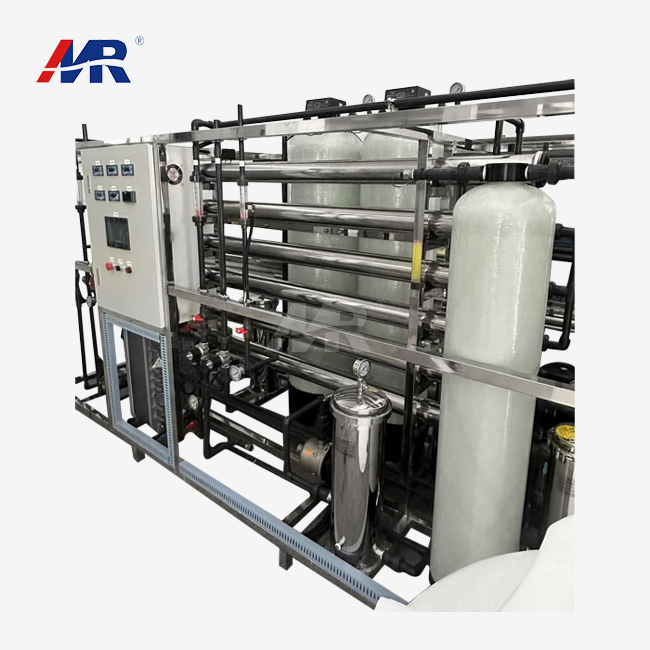 VIEW MOREelectrodeionization edi system
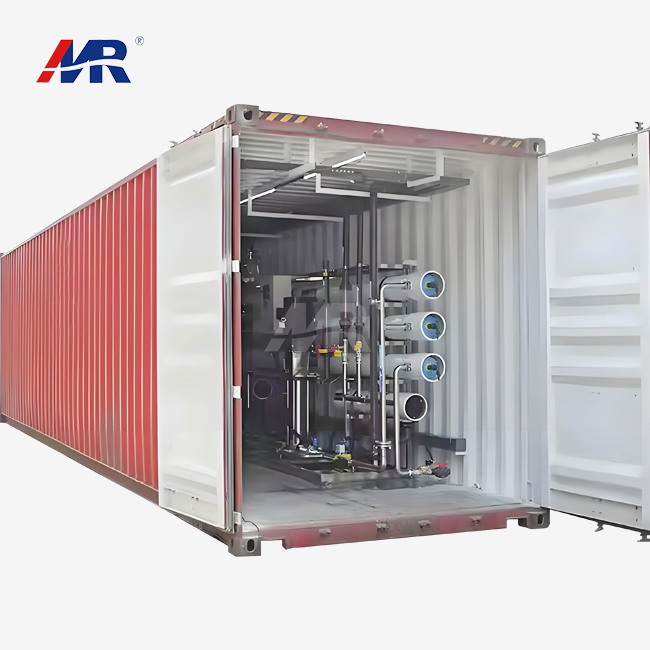 VIEW MOREContainerized Reverse Osmosis Systems
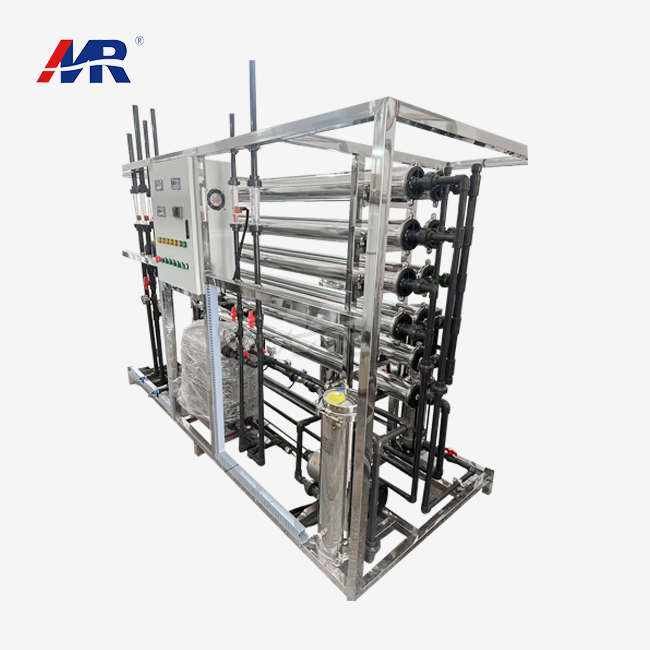 VIEW MOREedi system in water treatment
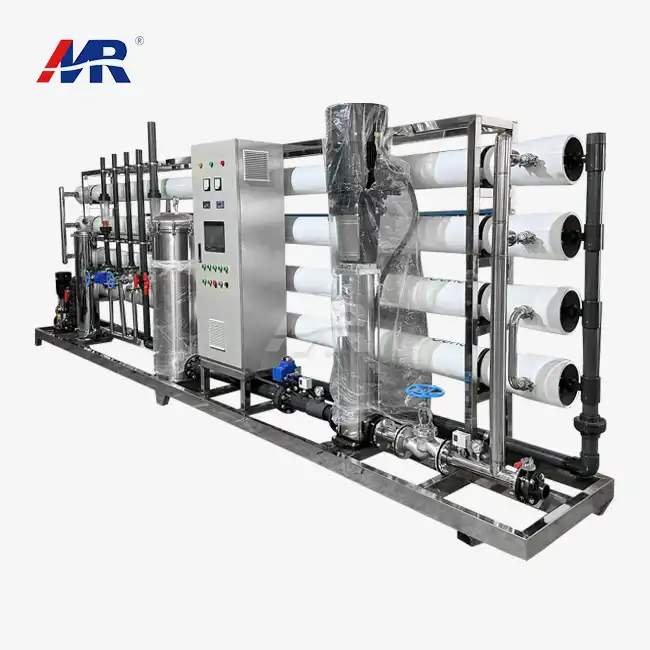 VIEW MORE500m3/day reverse osmosis RO plant
 VIEW MOREcontainerized RO equipment
