_1745823981883.webp)

Benefits of Reverse Osmosis Distilled Water in Laboratory and Medical Settings
Water that is very clean is the basis for accurate study results and safe medical treatments in many places around the world. In situations where even tiny contaminants can hurt results or patients' safety, distilled water, especially reverse osmosis distilled water, is the best choice. This advanced water treatment blends old-fashioned distillation methods with state-of-the-art reverse osmosis technology to produce water that is purer than any other in the business. Choosing the right sources of high-purity water has a direct effect on how well equipment works, how reliable experiments are, and how well regulations are followed. There is more and more pressure on laboratory managers, medical facility owners, and buying professionals to make sure their water quality meets strict standards while also keeping costs low. It is important to know the specific benefits of reverse osmosis distilled water in order to make smart buying choices that meet both short-term operational needs and long-term facility goals. This in-depth study gives people who buy things for businesses important information about how reverse osmosis distilled water can be used, its benefits, and how to actually put it into practice. Our study looks at technical details, costs, and performance data from real-life situations to help people make decisions about the best water options for their medical and sensitive lab uses.

Understanding Reverse Osmosis Distilled Water
Production Process and Technology Integration
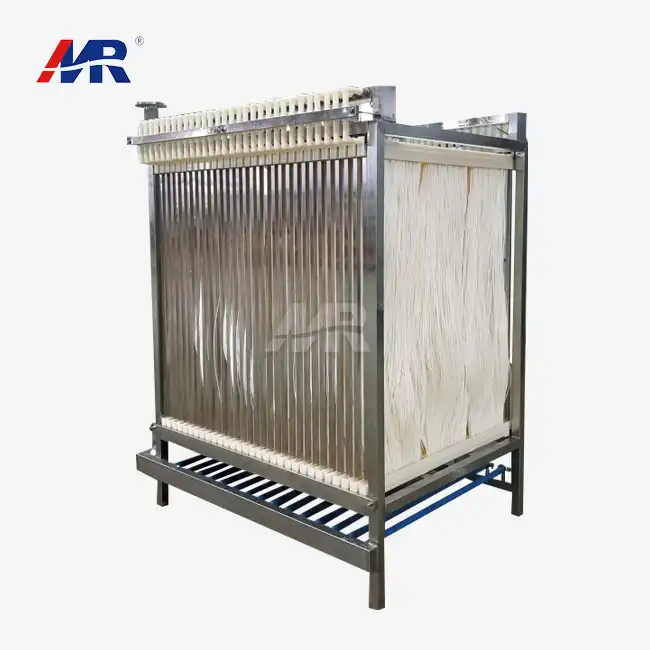
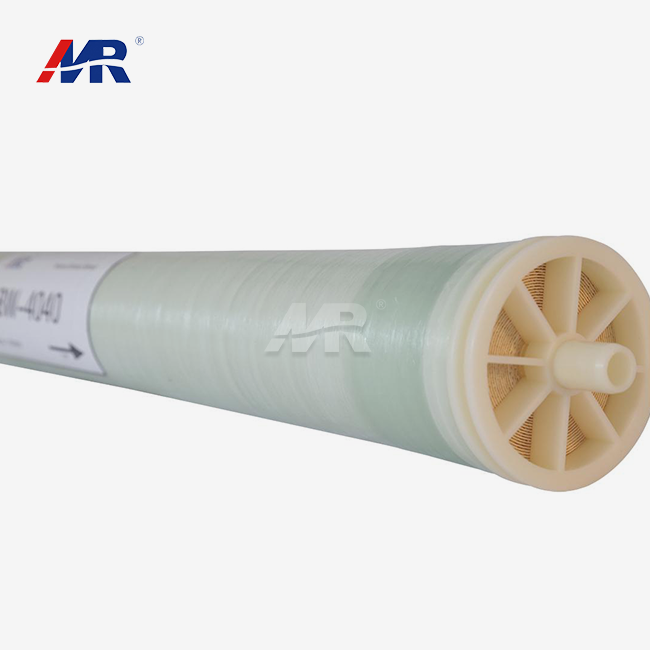
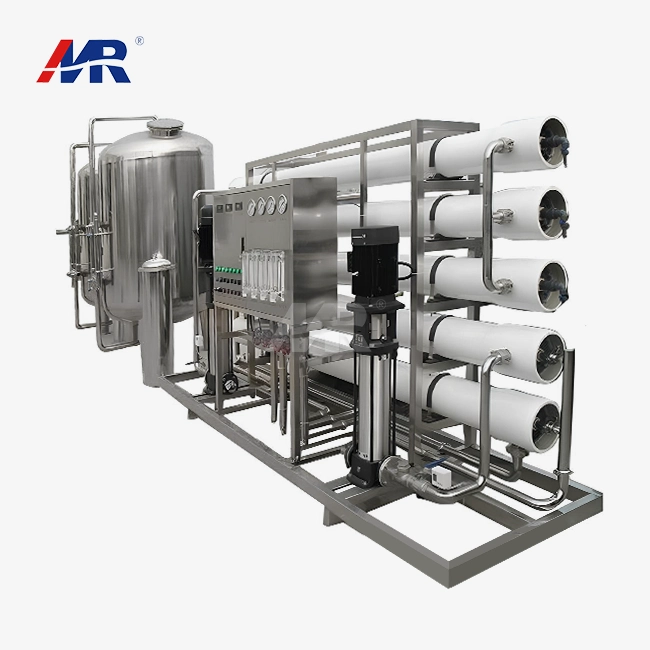
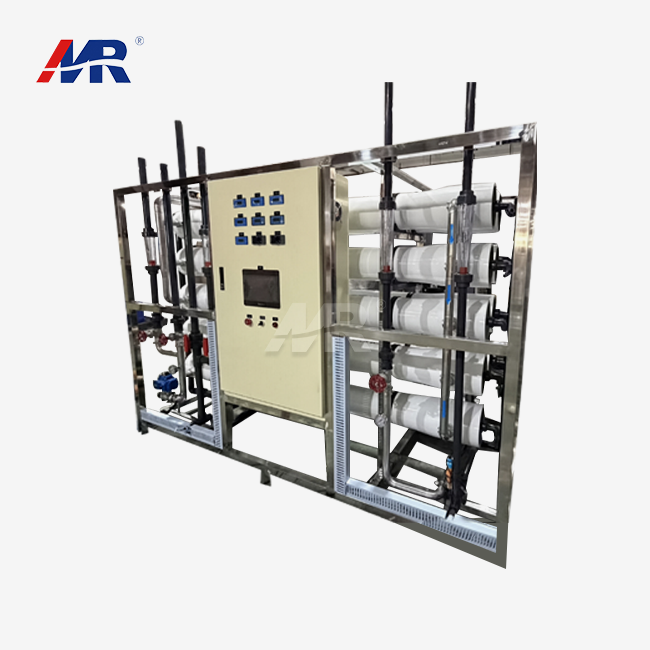
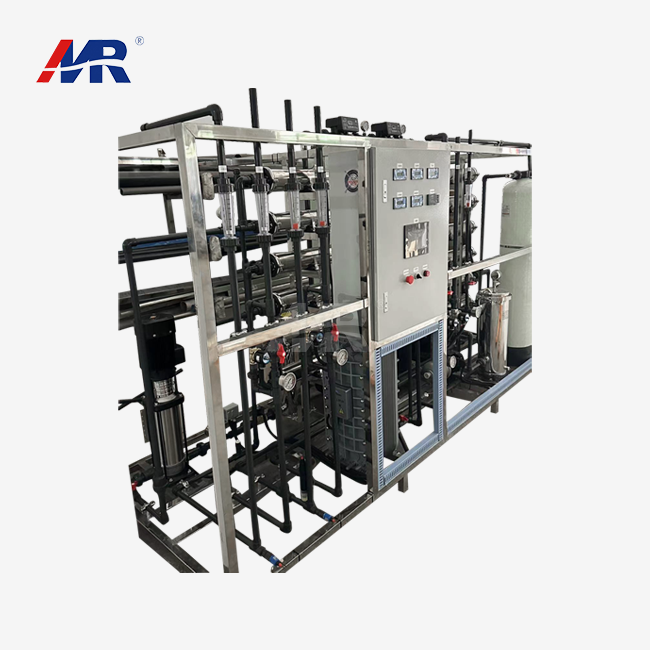
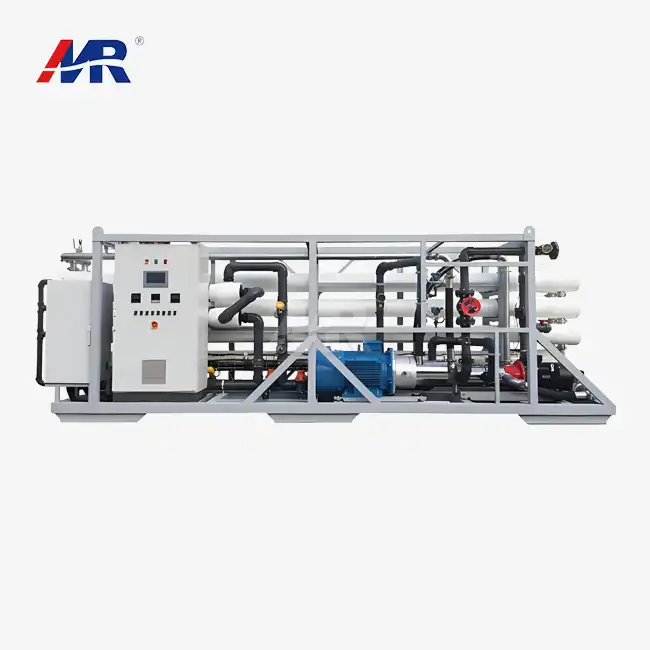
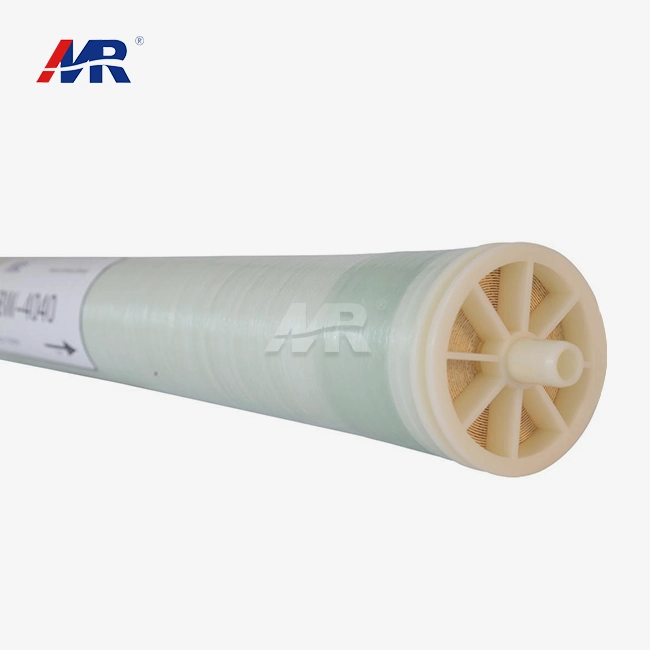
Reverse osmosis distilled water is made using a complex two-step method that blends old-fashioned thermal distillation with cutting-edge membrane filtration technology. Reverse osmosis filtration is the first step. Under pressure, water molecules move through semi-permeable membranes, which remove dissolved minerals, chemical compounds, and tiny contaminants. After that, controlled evaporation and condensation processes in thermal distillation get rid of any volatile organic compounds that are still present and make sure the product is completely sterilized.
This unified method gets very high levels of purity, usually topping 18.2 megohm-cm of resistance, which is better than most single-method purification systems. The mix works well to get rid of both ionic and organic contamination while keeping the quality the same from batch to batch.
Comparison with Alternative Purification Methods
Most toxins are removed by standard distillation alone through thermal separation. However, small amounts of volatile organic molecules that boil at temperatures close to water may still be left behind. Simple reverse osmosis filtration gets rid of dissolved solids well, but it can't be sure to get rid of all organic molecules or reach the level of cleanliness needed for important uses.
Deionization methods are great at getting rid of charged particles, but they can't get rid of neutral organic molecules or microbes. The hybrid reverse osmosis distillation method gets around these problems by making a complete purification system that meets the strictest scientific and medical requirements while also guaranteeing the stability from batch to batch, which is necessary for operations to run smoothly.
Core Benefits of Reverse Osmosis Distilled Water in Laboratory and Medical Settings
Superior Purity and Contamination Control
Reverse osmosis distillation makes the water very pure, which directly improves safety and dependability in sensitive situations. Total dissolved solids are usually less than 1 part per million, and because of the heat cleaning process, there are almost no germs present. At this level of purity, there is no interference with the analytical process, so the test results are reliable, and there are no factors that could change the results of the experiment.
There are big problems with microbial pollution in both labs and hospitals. It could make study data useless or put patients at risk. During the thermal distillation phase, bacteria, viruses, and other microorganisms are killed. This makes the water clean and suitable for the most important tasks, such as making medicines and doing precise analysis work.
Equipment Compatibility and Protection
Manufacturers of medical and lab equipment encourage using high-purity water to keep minerals from building up and rusting, which can damage delicate parts. Reverse osmosis distilled water is mineral-free, which makes it useful for CPAP machines, autoclaves, analytical tools, and cleaning equipment. Since there are no dissolved minerals, scale doesn't form on the heating elements, and they keep working at their best for long periods of time.
When places use the right water quality, equipment upkeep costs go down a lot because mineral deposits don't build up on internal surfaces or get in the way of mechanical parts. This security makes the equipment last longer and cuts down on the time it takes to clean and fix it, which improves working efficiency and lowers the total cost of ownership.
Batch-to-Batch Consistency for Quality Assurance
For processes to stay intact and results to be repeated, manufacturing facilities and research labs need to be able to predict the makeup of the water they use. The conductivity, pH, and contaminant levels of reverse osmosis distilled water don't change much from one production batch to the next. Because of this, quality managers can set up standard operating procedures with trust, knowing that changes in the water won't cause any surprises in the processes.
The stable composition also helps with regulatory compliance, since stable water standards can be used in paperwork and validation processes instead of wide quality ranges. This consistency is especially helpful when making medicines, medical devices, or doing research that needs to show specific information about the water quality for legal purposes.
Comparative Analysis: Reverse Osmosis Distilled Water vs Other Water Types
Safety Profiles and Mineral Content
Tap water has different amounts of minerals and possible toxins, such as chlorine, fluoride, and trace metals, that can mess up lab processes or hurt sensitive equipment. Some contaminants are removed by filtering water, but it usually still has a lot of minerals in it that can cause scaling and make analysis results less accurate. Although spring water is natural, it shouldn't be used in medicine or the lab because it has minerals and bacteria that can get into it.
Deionized water gets rid of charged particles well, but it may also contain bacteria and organic molecules that could make sterile processes less effective. When you combine the mineral-removing benefits of deionization with the organic compound-removing and sterilizing benefits of distilling, you get reverse osmosis distilled water, which is the best choice for important uses.
Impact on Equipment Performance and Experimental Accuracy
Studies show that the quality of the water directly affects how well analysis instruments work. Results that are more accurate and consistent are produced by water that is purer. When compared to less pure options, spectrophotometers, chromatography systems, and other analytical tools work better with reverse osmosis distilled water because it makes the standard more stable and lowers noise interference.
High-purity water also makes medical tools work better. For example, steam generators work better, autoclave cycles finish more consistently, and cleaning processes work better. Investing in better water quality pays off by making equipment more reliable, lowering the need for upkeep, and improving the results of procedures that help the facility meet its goals and comply with regulations.
Procurement Considerations for Reverse Osmosis Distilled Water
Cost Structures and Supply Options
The cost savings from buying in bulk are usually very significant for businesses that need a lot of water regularly. Many sellers offer savings for buying in bulk, which can cut the price per gallon by 20–30% compared to buying in smaller amounts. Price security terms in long-term supply contracts help facilities make more accurate budgets while making sure they always have access to high-quality water.
For people who buy a lot of things, on-site production systems are another choice that might be cheaper, but they need a lot of money up front and ongoing upkeep skills. To find the most cost-effective solution for each facility's needs, the analysis should include estimates of the total cost of ownership, which includes the costs of buying the equipment, setting it up, keeping it in good shape, and checking its quality.
Supplier Selection and Quality Assurance
Reliable providers have full quality control systems with written instructions for how to make, test, and ship Products. Look for providers that have the right Certifications, like ISO 9001 for quality control, and that follow the rules for Good Manufacturing Practice. Regular testing results from a third party should be available for review, showing that the quality standards are always being met.
For facilities that run all the time, supply chain reliability is very important. To find the best seller, you should look at their financial health and backup capacity. References from similar facilities can tell you a lot about how well a seller does their job, how reliable their deliveries are, and how good their customer service is, which you might not be able to tell from their marketing materials alone.
Storage and Distribution Logistics
The quality of water is maintained from delivery to usage by storing it in a way that keeps it clean, controls the temperature, and uses the right containers. High-density plastic containers are very good at resisting chemicals and keeping things clean, while glass containers are better at being neutral in the toughest situations.
To keep contamination from spreading, distribution operations should limit the amount of touch and exposure time. Suppliers with direct-to-use-point shipping methods can lower the risk of contamination and make managing supplies easier at the same time. Think about packaging choices that work with how the facility normally uses its space so that you can keep enough supplies on hand to keep operations running smoothly.
Practical Applications and Case Studies
Laboratory Research Applications
To get accurate results, analytical chemistry labs need ultra-pure water for cleaning instruments, preparing samples, and working with samples. When a pharmaceutical research center switched from normal purified water to reverse osmosis distilled water, the accuracy of their analytical methods went up by 15%. The higher clarity got rid of small impurities that used to cause baseline shift in liquid chromatography systems.
For preparing media and cleaning equipment in microbiology labs, pure water is helpful because any microbial exposure could throw off test results or put people in danger. Consistent water quality is important for clinical laboratories that work with patient samples to make sure they can do accurate diagnoses and meet the standards set by regulatory bodies.
Medical Treatment and Device Applications
High-purity water is used in hospitals for many things, like dialysis, sterilizing surgical instruments, and making the air more humid. After using reverse osmosis distilled water, a regional medical center saw a 25% drop in the amount of upkeep needed on autoclaves. This was because mineral layers no longer built up on the heating elements and steam distribution parts.
CPAP treatment needs mineral-free, sterile water to keep germs from growing and to protect the equipment. The regularity of the water quality affects the safety of the patient. Sleep therapy clinics say that giving patients the right high-purity water to use at home leads to better patient results and fewer machine failures.
Industrial Manufacturing Processes
For drug production, pharmaceutical companies have to follow strict rules about water quality. Even small amounts of contaminants can affect how stable or effective a product is. An FDA validation approval process went 30% faster for a biotechnology business that used regular reverse osmosis distilled water and a detailed recording of water quality.
Ultra-pure water is used by medical device makers to clean and test the purity of their end products. If this water gets contaminated, the products could be recalled, or the government could take action. Electronics companies that use precise cleaning methods say that using the right high-purity water systems leads to higher output rates and lower flaw levels.
Conclusion
In hospital and lab settings where high cleanliness, regularity, and safety are needed, reverse osmosis distilled water is the best choice. The combined purification method gets rid of contaminants better and more reliably, which is important for important activities. Facilities that use the right water quality solutions see better machine performance, more accurate experiments, and lower upkeep costs, which makes the investment in high-quality water treatment systems worthwhile.
To make sure you get the best value for your money, you need to carefully look at the skills of the suppliers, how they ensure quality, and the total cost of the purchase. Long-term dependability, expert support, and reasonable pricing should be given top priority during the decision process. This will help build long-lasting relationships that support ongoing business success.
FAQ
Q1: Is reverse osmosis distilled water safe for all medical applications?
Reverse osmosis distilled water meets or beats safety standards for almost all medical uses, such as cleaning, running medical equipment, and taking care of patients. The dual cleansing method gets rid of both microbial and chemical contaminants that could be dangerous to health. However, some applications may need extra validation testing to make sure they meet certain legal standards.
Q2: How long does reverse osmosis distilled water maintain its purity during storage?
Reverse osmosis distilled water stays pure for a long time if it is stored properly in the right containers and under controlled conditions. High-density plastic containers keep water clean for 12 to 24 months if they are kept in a clean, stable-temperature area away from sources of contamination. For the most demanding uses, glass Cases offer even longer keeping stability.
Q3: What contaminants does reverse osmosis distilled water remove compared to standard distilled water?
The reverse osmosis pre-treatment step gets rid of dissolved minerals, organic molecules, and particles that regular distilling might not be able to get rid of fully. This thorough method gets rid of almost all contaminants, such as bacteria, viruses, dissolved solids, organic molecules, and minor metals, to reach the highest levels of cleanliness needed for the most important tasks.
Q4: Can reverse osmosis distilled water be used in analytical instruments without additional treatment?
Most analysis tools work best with reverse osmosis distilled water; they don't need any other treatment because the purity levels are usually higher than what the manufacturers recommend. However, point-of-use polishing tools may be helpful for some very sensitive uses in order to meet certain conductivity or total organic carbon needs for certain analysis methods.
Contact Morui for Premium Distilled Water Solutions
Morui Environmental Technology offers complete water cleaning options that are made to meet the needs of medical and lab facilities. Our technical knowledge, production skills, and quality assurance programs make sure that you can always get high-purity water that meets the strictest requirements while also saving you a lot of money on your purchases.
Our skilled professionals know how important it is for sensitive uses that the water quality is just right, and they work closely with clients to create custom solutions that meet their exact operating needs. Morui offers full help during the whole process of purchasing and setting up, whether you need a large stock of distilled water, on-site treatment systems, or expert advice.
Get in touch with our distilled water experts right away to talk about the needs of your building and find out how our solutions can help your business run better. You can get full product information, technical specs, and personalized consultation services by emailing benson@guangdongmorui.com.
References
1. American Society for Testing and Materials. "Standard Specification for Reagent Water." ASTM D1193-06. West Conshohocken, PA: ASTM International, 2018.
2. Clinical and Laboratory Standards Institute. "Preparation and Testing of Reagent Water in the Clinical Laboratory." CLSI Document GP40-A4. Wayne, PA: CLSI, 2016.
3. International Organization for Standardization. "Water for Analytical Laboratory Use - Specification and Test Methods." ISO 3696:1987. Geneva, Switzerland: ISO, 1987.
4. United States Pharmacopeial Convention. "Purified Water and Water for Injection." USP 43-NF 38. Rockville, MD: USP, 2020.
5. Association for the Advancement of Medical Instrumentation. "Water Treatment Equipment for Hemodialysis Applications." ANSI/AAMI RD5:2003. Arlington, VA: AAMI, 2003.
6. World Health Organization. "Guidelines for Drinking-water Quality: Fourth Edition Incorporating the First Addendum." Geneva, Switzerland: WHO Press, 2017.