_1745823981883.webp)

What Is a Reverse Osmosis Water Purification Unit and How Does It Work?
Reverse osmosis (RO) water purification units are high-tech membrane-based systems that clean water by pushing it through a semipermeable membrane at high pressure. Up to 99% of dissolved salts, bacteria, viruses, and other impurities can be removed with this technology. This makes it necessary for businesses that need very clean water. The purification unit works by turning the natural osmosis process on its head. This is done by using pressure to beat osmotic forces and separate clean water from dirty water at the molecular level.
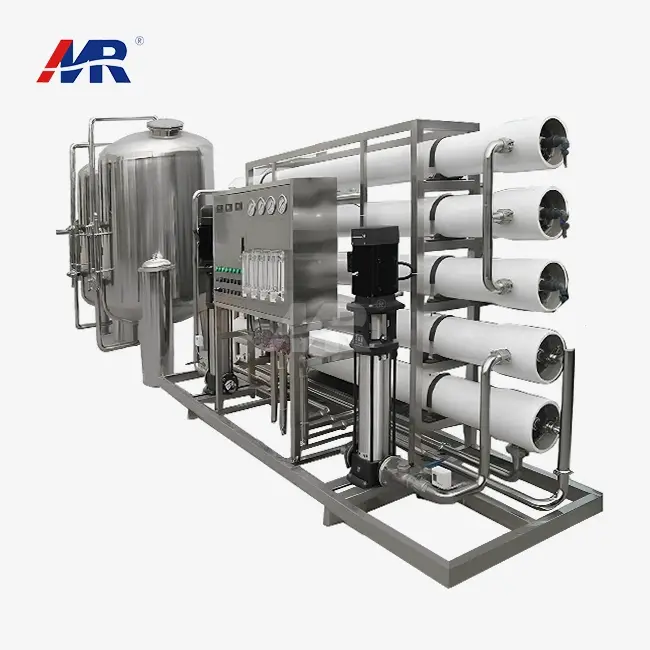
Introduction to Reverse Osmosis Water Purification Units
There are many commercial uses for reverse osmosis water treatment technology, and it is one of the best ways to make high-quality water. Semipermeable barriers are used in these systems to get rid of contaminants like bacteria, organic compounds, dissolved salts, and heavy metals. In fields where water purity has a direct effect on product quality, legal compliance, and operating effectiveness, the technology has become essential.
Critical Role in Industrial and Commercial Sectors
RO systems are very important for manufacturing businesses because they make sure that the water quality for their processes stays the same. In the food and drink industry, these units make sure that the production water meets strict safety standards so that bottled water can be made and drinks can be made. RO technology is used by pharmaceutical and science businesses to make clean water that meets Good Manufacturing Practice (GMP) standards. This water is needed to make drugs and for lab work.
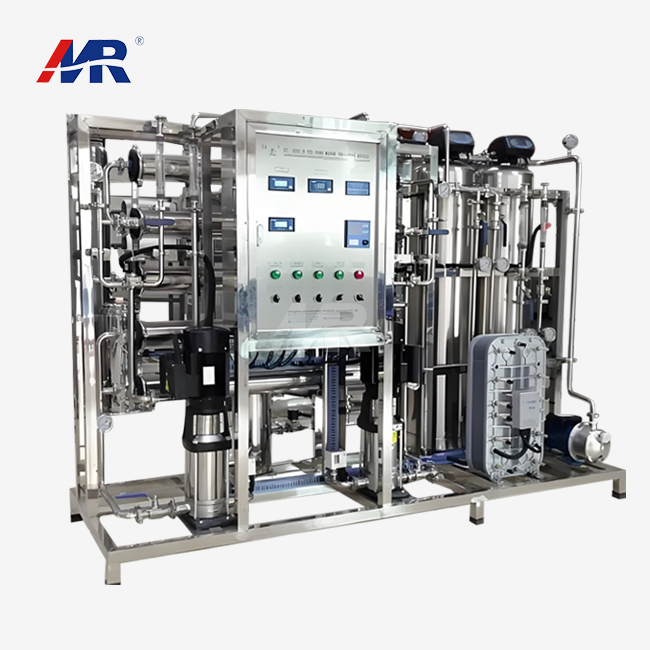
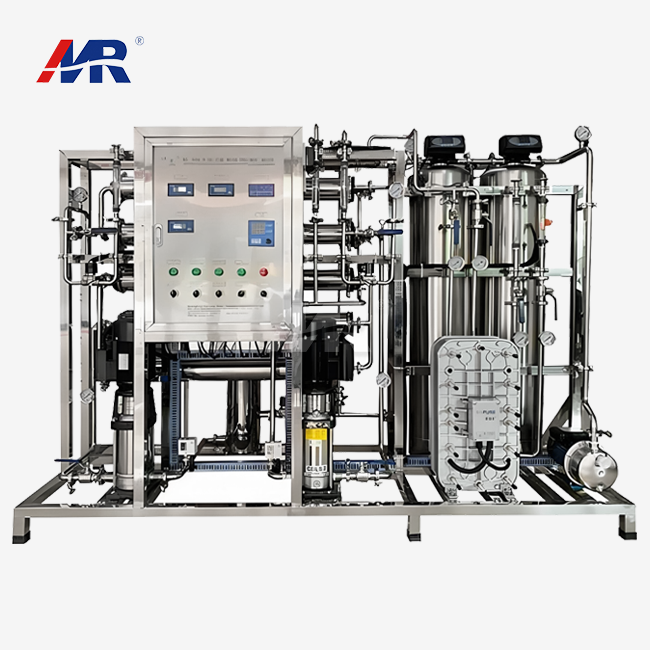
Ultrapure water is needed for precise industrial processes in the electronics and semiconductor industries, such as cleaning chips and making wafers. This is where purification unit RO systems and electrodeionization (EDI) technology work together to get the very low conductivity levels needed for these uses. In the same way, deionized water systems are used in the chemical and electrolysis industries to clean up leftover water and make it possible to reuse resources.
Common Misconceptions About RO Technology
A lot of people think wrongly that all methods of treating water get rid of the same contaminants. RO technology is especially good at getting rid of dissolved solids, salts, and molecular-level contaminants that other methods of cleaning can't get rid of. ro membranes produce a barrier at the molecular level, which is different from simple filtering systems that only remove particulate matter. This ensures complete purification that is good for important industrial uses.
How Does a Reverse Osmosis Water Purification Unit Work?
Putting pressure on something to counter natural osmotic forces is how a purification unit's reverse osmosis works. When more pressure than the osmotic pressure is put on dirty water, only molecules of clean water pass through the semipermeable barrier. The contaminants stay on the feed side. It works well to focus impurities in the reject stream while making clean permeate water.
Main Components of an RO System
When buying, teams know about the main parts, and they can make better decisions about system specs. The system design usually has a number of important parts that work together to ensure the best performance.
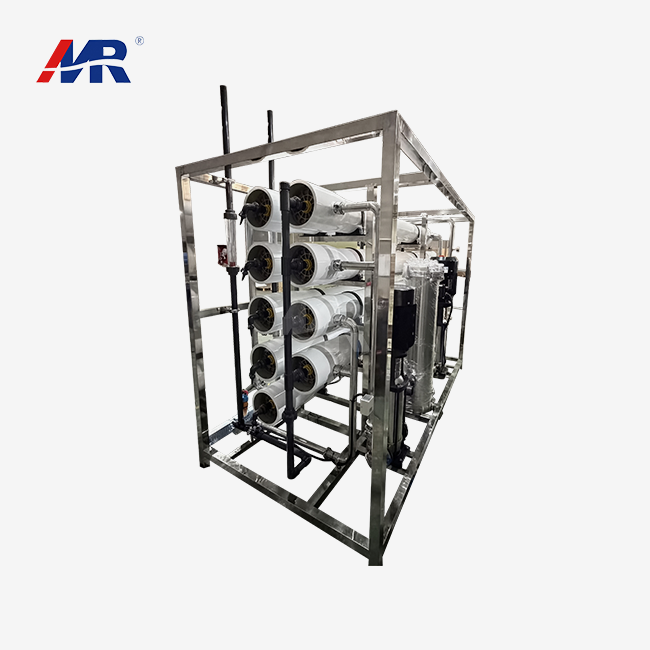
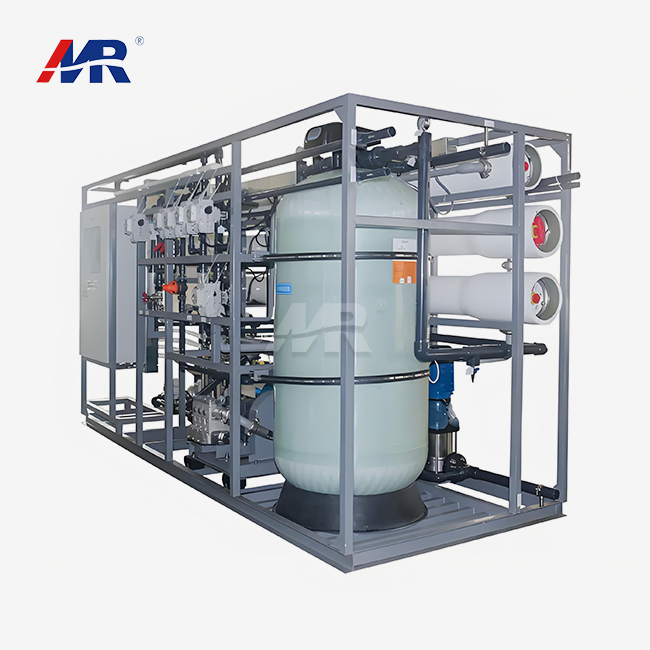
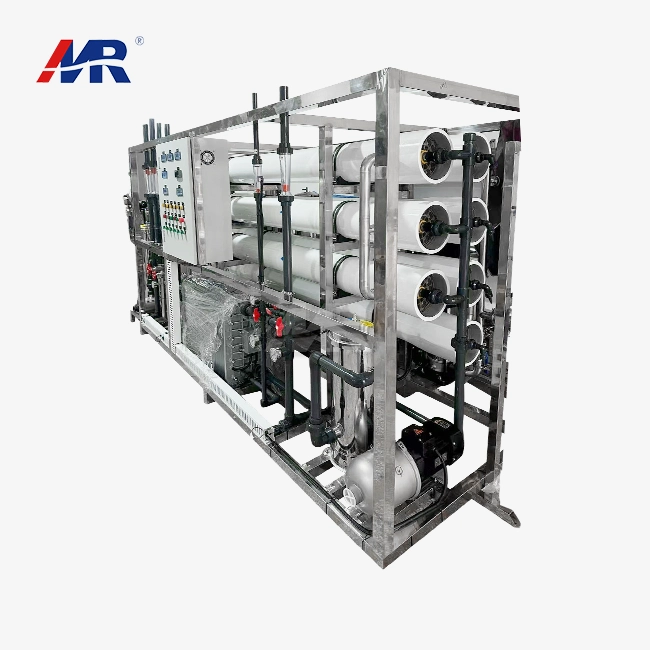
In the pre-filtration steps, bigger particles and chlorine that could hurt the RO filters are taken out. These filters keep the expensive membrane parts safe and make them last longer. High-pressure pumps, which work at pressures ranging from 150 to 1000 psi based on the purpose and quality of the feed water, are what move the water through the membrane.
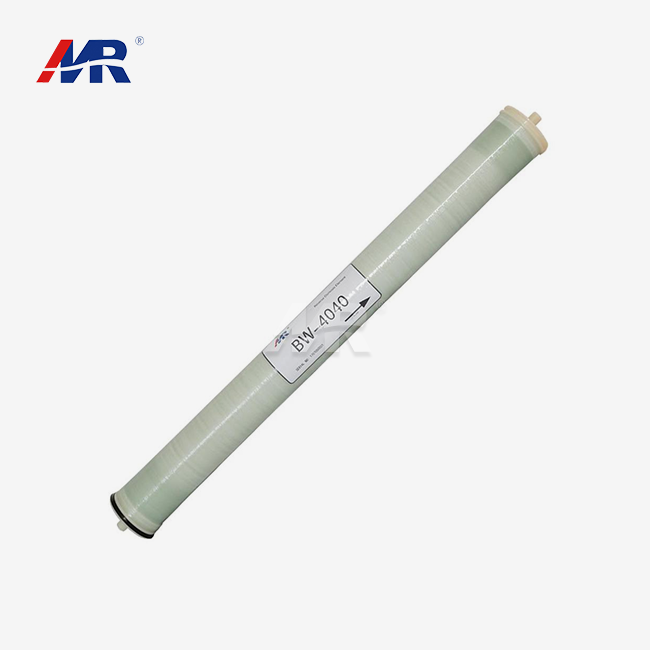
The RO membrane modules are the most important parts of the system. They hold the semipermeable membranes that do the real sorting. These membranes are made with pores that are just the right size to let water molecules through, but not bigger molecules of contaminants. Post-filtration parts, like activated carbon filters and UV sterilizers, clean the water one last time to make sure it meets the needs of the application.
Comparison with Alternative Purification Technologies
There are clear benefits to using RO technology instead of other ways to treat water. Ion exchange systems need to be regenerated with chemicals regularly, but RO systems can work all the time with very little chemical use. Reverse osmosis uses a lot less energy than distillation while still getting the same amount of purity. This makes it a more cost-effective choice for large-scale commercial uses.
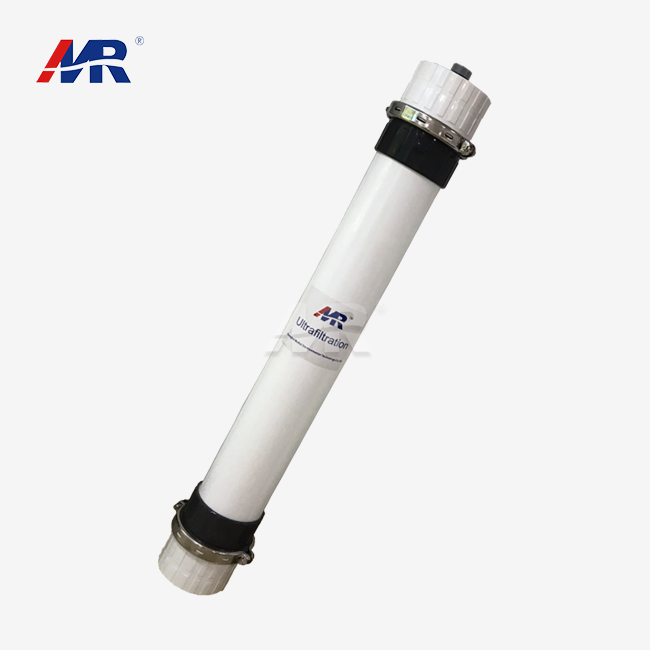
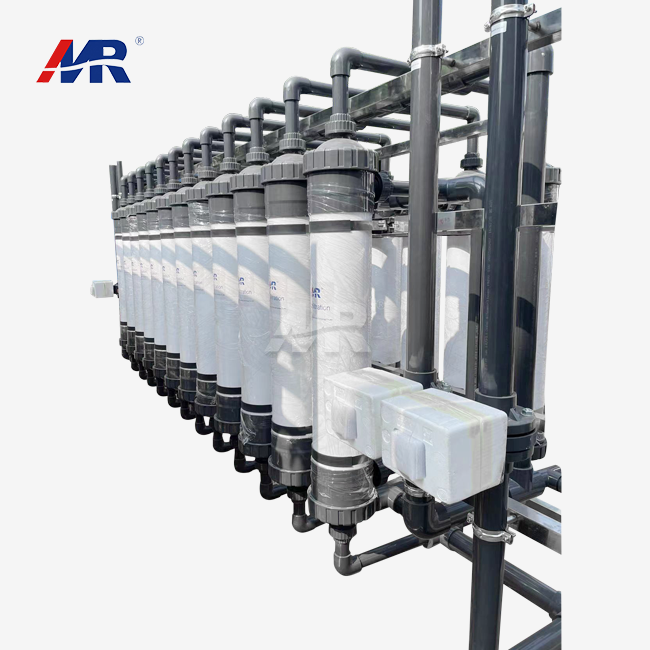
Ultrafiltration systems can get rid of germs and solids in the water, but they can't get rid of dissolved salts and smaller organic molecules that RO filters easily reject. Because of this, RO technology is very useful for tasks that need to get rid of contaminants across a wide range of molecular sizes.
Benefits and Efficiency Factors of Reverse Osmosis Purification Units
Modern RO systems have great performance benefits that make them worth the money for commercial use. Because of these benefits, product quality is better, rules are followed more closely, and running costs are cut across many industries.
Key Performance Advantages
Its high rate of removing contaminants is the most important benefit of RO technology. High-quality commercial RO systems are always able to get rid of 95–99% of dissolved salts, heavy metals, and organic chemicals. This level of performance makes sure that businesses can meet strict standards for water quality without having to cut corners on production plans or product specs.
Scalability is another important benefit for businesses that are growing. Purification unit RO systems can be made up of separate modules, which lets businesses gradually increase their capacity as demand rises. This gives businesses the freedom to choose how to spend their money on capital while still running efficiently. Modern RO systems use much less energy, which has greatly lowered their running costs. Energy recovery devices can get up to 95% of the energy from the high-pressure reject stream.
System automation features reduce the need for human input while maintaining uniform performance. Advanced control systems keep an eye on important factors all the time and change the process automatically to keep the water quality and efficiency at their best. The cost of labor is cut down, and mistakes made by people are less likely to affect how well the system works.
Critical Performance Factors
Several things have a big effect on how well a RO system works and should be taken into account when choosing a system. The feed water pressure needs to change depending on the type of membrane and the recovery rate that is wanted. Generally, higher pressures allow for better pollution rejection and output capacity. Because the quality of the membrane directly affects both performance and longevity, it is important to only buy membranes from respected companies that have a history of success in certain uses.
The performance of a membrane is affected by temperature. Most RO membranes work best between 60 and 85°F. When temperatures are low, permeate flow rates slow down, and when temperatures are high, membranes can be damaged. Regular upkeep, such as replacing and cleaning the membranes on a regular basis, protects the large investment made in membrane technology and ensures long-term performance.
Cost-Benefit Analysis for Procurement Decisions
When evaluating RO systems, you need to look at more than just the original capital costs. RO systems may cost more up front than easier treatment methods, but their long-term worth is often higher due to their higher operating efficiency and better water quality. Over the lifetime of a system, lower total cost of ownership usually means lower chemical use, less upkeep, and consistent performance.
Energy costs are a big part of running a business, so plans that use less energy are essential for making money in the long run. When compared to older designs, modern systems that use energy recovery devices and variable frequency drives can cut energy use by 30 to 50 percent. In industrial uses, being able to make consistent water quality also cuts down on product rejects and rework costs.
Maintenance, Troubleshooting, and Safety Precautions
The right repair procedures make sure that equipment works at its best, lasts longer, and meets safety standards that are necessary for industrial activities. Full repair plans protect the big investment in RO technology and make sure that water output is always reliable.
Routine Maintenance Best Practices
Cleaning the membrane is the most important part of maintaining a purification unit RO system. Cleaning the membrane regularly, usually every three to six months based on the quality of the feed water, gets rid of built-up contaminants that make it work less well. To keep the membrane from getting damaged and to restore permeability and rejection rates, chemical cleaning methods must be done exactly as the manufacturer says they should be.
When to change the pre-filter depends on the quality of the feed water and how the system is set up, but it's usually done every month to three months. Keeping an eye on the difference in pressure between filters lets you know early on when they need to be replaced. Regular checks of seals, check valves, and pressure release systems are part of high-pressure pump repair to make sure they don't break down at the worst possible time and stop production.
To get exact results that help operators make choices, system monitoring equipment needs to be calibrated and maintained. To keep the precision of measurements that is needed for process control, conductivity meters, pressure emitters, and flow sensors should be calibrated according to the manufacturer's instructions.
Common Troubleshooting Issues
A drop in pressure across membranes is often a sign of fouling or scaling that needs to be fixed right away. Biological fouling usually happens slowly and can be treated with a pesticide. On the other hand, mineral scaling might need acid cleaning based on the contaminants involved. Once you know what the problem is, you can choose the right cleaning Products and methods.
Membrane fouling, low feed pressure, or membrane breakdown can all lead to lower permeate flow rates. Systematic processes for troubleshooting help find the exact cause and direct corrective actions. Manufacturers offer "membrane autopsy" services that can tell you if membranes need to be cleaned or replaced.
Increasing permeate conductivity can be a sign that the water quality is getting worse, which could mean that the membranes are damaged or the system isn't working properly. An immediate study stops the problem from getting worse and could protect processes or storage systems further down the line from pollution.
Safety Protocols and Industrial Standards
To keep people and equipment safe, high-pressure RO systems need strict safety rules. To keep equipment from breaking down or hurting people, pressure relief systems need to be properly kept and tested on a frequent basis. Lockout/tagout methods make sure that maintenance work on pressurized equipment is done safely.
To properly handle cleaning solution chemicals, you need to have the right safety gear and a plan for what to do in case of an accident. Material Safety Data Sheets (MSDS) for all chemicals must be easy to find, and workers must be taught the right way to handle chemicals safely.
Following industry standards like the ASME Boiler and Pressure Vessel Code makes sure that the design and function of a system are safe. Regular checks by trained professionals make sure that rules are being followed and find possible safety problems before they become dangerous.
Procurement Guide: Selecting and Buying Reverse Osmosis Purification Units
To buy RO systems successfully, you need to carefully consider the technical specs, the supplier's skills, and the need for long-term assistance. Procurement professionals can make choices that improve both performance and value by understanding key selection factors.
Essential Selection Criteria
System capacity is the most important factor that needs to be taken into account when comparing current and future water needs. When you get the maximum size right, you avoid both oversizing, which loses money, and undersizing, which limits your ability to make things. Recovery rates—usually between 75 and 85% for commercial RO systems—affect both how well water is used and how much it costs to get rid of concentrate.
The membrane's specs must match the toxins in the feed water and the quality of the permeate that needs to be produced. Different membrane materials and shapes work best for different tasks, so making the right choice is essential for getting the results you want. The design and materials of a pressure tank must be compatible with the circumstances in which it will be used and must include enough safety features to ensure that it can be used reliably.
Modern industrial operations should be able to use a control system that can log data, set alarms, and watch activities from afar. Integration with current plant control systems lets other processes run smoothly and be monitored from one place.
Global Brand Comparison and Supplier Evaluation
The membrane market is dominated by big companies like Dow, Hydranautics, and Toray, whose purification unit products have been used successfully in a wide range of situations. These companies offer a wide range of professional support, such as help with system building and troubleshooting. By looking at a supplier's skills beyond the product standards, you can be sure that you will have access to the knowledge you need for a successful application and operation.
The availability of the service network affects how quickly expert support can help and how many extra parts are available. Suppliers that offer local service can respond more quickly and charge less for the journey for on-site service. Suppliers offer training programs that help plant workers learn the skills they need to operate and maintain systems well.
The terms of warranties vary a lot from one provider to the next, which can change the total cost of ownership. Full warranties that cover both tools and efficiency give extra peace of mind for the big investment in RO technology. Knowing the limits and requirements of a guarantee helps keep your coverage from being revoked because of bad use or upkeep.
Professional Installation and Customization Options
Industrial RO systems that are very complicated need construction teams that are skilled and know how to work with high-pressure pipes, electrical controls, and starting up the system. Professional installation makes sure that the system is properly set up and trains the people who work in the company. The quality of the installation has a direct effect on how well and reliably the system works for its whole life.
With customization choices, systems can be made to work best for certain tasks and conditions at the spot. Custom-engineered solutions are made to deal with specific technical problems or limited room, while skid-mounted systems make installation easier and cut down on the need for building work in the field. Expanding in the future is possible with modular designs that don't require big system changes.
Conclusion
Reverse osmosis water purification units are important pieces of technology for businesses that need clean water for their production processes. It is possible to make smart procurement choices that improve both technical performance and economic value by understanding the operating principles, performance factors, and selection criteria. Good maintenance habits and help from the provider make sure that the system works reliably throughout its entire lifecycle. As standards for water quality change and industry processes get more complex, RO technology gives businesses the adaptability and performance they need to meet new challenges and stay competitive.
FAQ
Q1: How often should RO membranes be replaced in industrial applications?
How often the membrane needs to be replaced relies on the quality of the feed water, the working conditions, and the maintenance methods used. Systems that are well taken care of and have good pre-treatment usually need a new membrane every 2 to 5 years. Monitoring and cleaning the membrane's performance on a regular basis helps it last as long as possible and keeps the water quality high. Systems that deal with difficult feed waters may need to be replaced more often, so it's important to make sure the pre-treatment design is right for the cost of operation.
Q2: Can RO systems handle high-organic industrial wastewater effectively?
RO membranes get rid of a lot of organic chemicals, but for industrial wastewater uses, systems need to be carefully planned and treated first. High organic loading can lead to membrane fouling, which lowers efficiency and makes upkeep more necessary. In these tough situations, pre-treatment with biological treatment, activated carbon adsorption, or oxidation processes often makes RO work better and extends the life of the membrane.
Q3: What level of after-sales support should buyers expect from reputable suppliers?
Technical help 24 hours a day, seven days a week, spare parts available, preventative maintenance programs, and operator training services should all be part of full after-sales support. Leading sellers offer services like emergency reaction, remote tracking, and advice on how to do preventative maintenance. Performance guarantees and choices for longer warranties show that the seller trusts you and protects your system investment even more.
Q4: How do energy costs compare between RO systems and alternative treatment methods?
Most modern RO systems with energy return devices use between 3 and 7 kWh for every 1000 gallons of extracted water. This is better than a simple filter, but it still uses about the same amount of energy as distillation or multiple-effect evaporation, which are more complete cleaning methods. Designs that use less energy and working conditions that are adjusted greatly cut down on power use while keeping water quality high.
Partner with Morui for Superior Reverse Osmosis Solutions
Find out how our advanced reverse osmosis purification unit maker services can change the way you treat water. Morui is a top expert in treating water for industrial use. They offer custom RO solutions that meet the strictest quality standards and improve operating efficiency. Get in touch with our tech team at benson@guangdongmorui.com to talk about your unique needs and get a full proposal that fits your application.
References
1. Membrane Technology and Applications, Third Edition. Richard W. Baker. John Wiley & Sons, 2012.
2. Reverse Osmosis: Design, Processes, and Applications for Engineers. Jane Kucera. Scrivener Publishing, 2015.
3. Industrial Water Treatment Process Technology. Pradip R. Chaudhari. CRC Press, 2017.
4. Water Treatment: Principles and Design, Third Edition. Mark J. Hammer and Mark J. Hammer Jr. John Wiley & Sons, 2012.
5. Membrane Separation Technology: Principles and Applications. Richard D. Noble and S. Alexander Stern. Elsevier Science, 1995.
6. Handbook of Industrial Water Treatment. Drew Marine & Industrial Division. McGraw-Hill Professional, 2018.