

_1745823981883.webp)

The Benefits of Using a Reverse Osmosis Water System for Contaminant Removal
Another great way to clean water is with a reverse osmosis water system. This system gets rid of dangerous substances from water sources. The semi-permeable screens in these high-tech cleaning systems get rid of up to 98% of liquid solids, heavy metals, bacteria, viruses, and chemical toxins. People use reverse osmosis technology to make sure that their processes run easily and follow the rules. This is done in many fields, from making drugs to processing food.
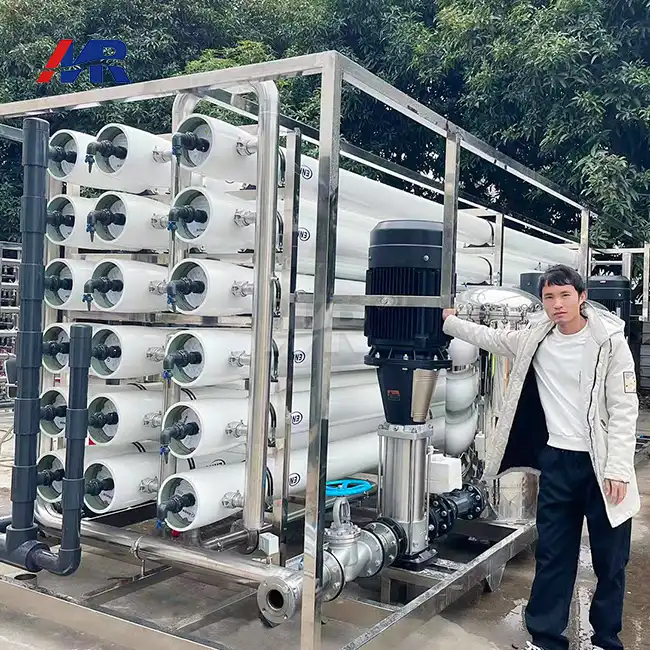
Understanding Reverse Osmosis Water Systems
The smart way to clean water, called reverse osmosis, has changed how companies deal with water sources that are dirty. A semi-permeable membrane barrier is what this cleaning method is based on. It only lets water molecules pass through, but not bigger pieces of contamination.
How Does Reverse Osmosis Technology Work?
High pressure is used in RO to push water through a barrier that only lets some things through. The dissolving salts, germs, and other pollutants can't get through these holes. Larger particles and chlorine are removed by sediment and carbon filters before the water gets to the membrane. This makes sure that the system works well and protects its main parts.
Key Components and Their Functions
To get water through the membrane, you need a high-pressure pump. Pre-filters keep sediment and chlorine from damaging the membrane. The cleaned water is stored in tanks so that it can be used whenever it is needed. The final product is polished by a post-filter. All of these parts work together to make sure that there is a steady flow of clean water that can be used in business settings.
Comparison with Alternative Purification Methods
RO literally gets rid of heavy metals and dissolved solids, unlike carbon filters or UV light. Even though extraction works, it uses a lot more energy. RO is the best choice for business areas where water quality is very important because it is the most efficient and produces the most water.
Key Benefits of Reverse Osmosis Systems for Contaminant Removal
Companies need water treatment devices that clean water regularly and keep costs low in order to be useful. To meet these goals, reverse osmosis technology, like a reverse osmosis water system, is better at getting rid of contaminants than other filtering methods.
Comprehensive Contaminant Elimination
Up to 95% of the fluoride is taken out by RO filters, along with small amounts of heavy metals like arsenic and lead. Also, they get rid of 99.9% of bacteria that are bad for you, like germs and viruses. The method also gets rid of harmful chemicals like pesticides and industrial solvents. This keeps the structure of the product safe and makes sure that all safety rules are followed.
Enhanced Water Quality Characteristics
RO gets rid of the chemicals that make water look, smell, and taste bad. This makes the water clean and better to drink. A lot of the total dissolved solids (TDS) are taken out, which makes the water safe and predictable. Because of this drop in minerals, boilers and other heavy machinery don't rust. In other words, they will last longer and need less upkeep.
Cost-effectiveness and Scalability
The cost of running an RO system is less than that of a distillation system. The way they're made makes it easy to add on to them. Small units are good for labs that don't have a lot of room, while big sets can handle thousands of gallons of water every day. Since the units are different, it's easy for businesses to add more water as their production grows. This helps them protect their initial investment over time.
Choosing the Right Reverse Osmosis System for Your Business Needs
To choose the right reverse osmosis system, you need to carefully consider a number of important factors that affect both performance and long-term prices. Having an understanding of these factors helps procurement managers make smart choices that meet the needs of their industry.
Water Quality Assessment and System Sizing
Thorough testing of the water quality to find specific contaminants and their amounts is the first step in choosing the right method. Total dissolved solids levels, pH levels, and the presence of certain chemicals or bacteria decide the type of membrane and the pre-treatment steps that must be taken for it to work at its best.
Patterns of daily water use and times of high demand have a big impact on system size decisions. To make sure they have enough capacity for times when demand is high, facilities need to think about both normal usage and the highest flow rates. The size of the storage tank is also important because it affects how much treated water is available while the membrane is being cleaned or while the system is temporarily down.
The temperature and pressure of the water affect how well the system works and how long the barrier lasts. Higher temperatures can shorten the life of membranes, and lower pressures may make it harder for them to get rid of contaminants. When choosing the right system parts and making installation instructions, these things must be taken into account.
Evaluating Commercial Solutions and Manufacturers
The market for corporate reverse osmosis has a lot of choices from well-known companies with good reputations. When looking at possible suppliers, you should think about how much experience they have with similar projects and how well they can provide ongoing expert help. The quality of the membrane is very important because higher-quality membranes keep out more contaminants and last longer.
The ability to automate a system can have a big effect on how efficiently it works and how much labour is needed. Monitoring, cleaning processes, and performance tracking can all be done automatically by more advanced systems, which means less human work is needed to keep things running at their best. Integration with existing facility management tools adds value by letting you watch and handle everything from one place.
When making your choice, you should give careful thought to the warranty terms and the supply of parts. Full guarantees that cover both the performance of the membrane and the parts of the system protect against costs that you didn't expect. When maintenance or fixes need to be done, there is little downtime because parts and service technicians are easy to get to locally.
Installation and Infrastructure Requirements
For a reverse osmosis system to work, it needs to have enough room and the right hookups for utilities. Systems need enough space to allow for regular repair entry and membrane replacement. The electrical needs depend on the type of pump and any automatic features it has. The drain lines must be able to handle the amount of wastewater that they are releasing.
The plumbing system may need to be upgraded to improve the water strength and flow rate so that the reverse osmosis water system works at its best. A professional installation makes sure that the new system works well with the old one and follows all local safety and building rules. When you plan for future growth options during the initial installation, you can save a lot of money when you need to increase capacity.
Maintaining and Troubleshooting Your Reverse Osmosis System
For reverse osmosis systems to work well and last as long as possible, they need to be maintained properly. Regular maintenance not only keeps the water quality stable, but it also protects the large investment that was made in the equipment for treating water.
Preventive Maintenance Schedule and Procedures
Monitoring system performance signs like water output rates, pressure differences, and water quality parameters is the first step in regular upkeep. Keeping an eye on these measures helps find problems before they get so bad that they need expensive emergency fixes or a whole new system.
One of the most important maintenance jobs is replacing the pre-filter, which should be done every three to six months, based on the water quality. Sediment filters keep the pricey ro membranes from getting broken, and carbon filters stop chemical harm that can make membranes work less well in the future. When these protection filters are replaced at the right time, the membranes last a lot longer and the water quality stays at its best.
When to clean and replace an RO filter depends on the quality of the water and how often it is used. In most industrial settings, membranes need to be cleaned every three to six months with special chemicals made to get rid of fouling layers. Under normal working conditions, membranes should be replaced every two to three years. However, if the water is hard to work with, they may need to be replaced more often.
Common Issues and Diagnostic Approaches
Low rates of water output usually mean that the membranes are getting clogged, the supply pressure is too low, or changes in temperature are affecting how well the system works. Systematic repair starts with checking the feed pressure and temperature. Next, the state of the membrane and how often it needs to be cleaned are looked at. Readings from pressure gauges all over the system help figure out where the performance loss is coming from.
Damage to the membrane, poor pre-treatment, or pollution after the filter can all lower the quality of the water. Testing the water on a regular basis helps find out which contaminants are getting through the system, which helps direct repair efforts to the right part of the system. Another common problem with water quality is the growth of bacteria in storage tanks, which needs to be cleaned properly.
System leaks and broken parts need to be fixed right away to stop water damage and keep operations running. Visual checks of links, fittings, and pressure tanks on a regular basis help find problems before they get worse. Keeping a stock of important extra parts on hand lets you respond quickly to broken parts without having to wait for long periods of downtime.
Professional Service and Support Options
Maintenance tasks that aren't too complicated can be done by building staff, but professional service help is often needed for fixing and cleaning membranes. Technicians with a lot of experience have the right tools and knowledge to fully evaluate and improve a system. Professional checks done on a regular basis can find problems that might not be obvious during regular maintenance.
Service contracts let you plan ahead for upkeep costs and make sure you can get trained technicians and original replacement parts. These agreements usually have emergency reaction clauses that keep downtime to a minimum when systems fail without warning. Professional service providers also keep up with changes in technology and rules that could affect how a system works or how it meets legal requirements.
Future Trends and Innovations in Reverse Osmosis Technology
The reverse osmosis business is always changing as new reverse osmosis water system technologies come out that make it more efficient, less harmful to the environment, and more useful. These new ideas are changing how companies treat water and opening up new ways to make operations run more smoothly.
Advanced Membrane Technologies and Materials
Next-generation membrane materials are able to reject more contaminants while working at lower pressures, which means they use a lot less energy. Thin-film hybrid membranes with better selectivity let you be more precise about which substances are cleared while keeping the water production rates high. With these improvements, systems can get water quality good enough for pharmaceuticals while using less energy.
Fouling-resistant membrane coats are another important improvement that makes membranes last longer and require less cleaning. These special processes on the surface stop organic growth and mineral scaling, so the performance stays the same over long periods of time. This means that building managers can plan their running costs better and keep their maintenance costs lower.
Energy Efficiency and Sustainability Improvements
Larger industrial systems are starting to include energy recovery machines that take the energy in the high-pressure reject water stream and use it again. These new technologies can cut energy use by up to 60%, which can lower costs and help companies' efforts to be more environmentally friendly.
Concerns about wastewater production are being addressed by technologies that improve water recycling by turning more feed water into product water. In many Cases, advanced systems can now collect more than 85% of the wastewater, which cuts down on both the amount of water used and the cost of getting rid of the wastewater. More rules about the environment and programs that help businesses be good water users are in line with these changes.
Smart System Integration and Monitoring
Integration of the Internet of Things (IoT) allows for remote tracking and preventative repair that improve system performance while requiring less operational input. Collecting and analysing data in real time helps find performance trends and possible problems before they affect the quality of the water or the efficiency of the system. Cloud-based monitoring tools let building managers keep an eye on all of their systems from anywhere.
New applications based on artificial intelligence are making system performance better by taking into account water quality, usage trends, and energy costs. These systems change their settings automatically to keep working at their best while keeping costs as low as possible. Predictive analytics help plan maintenance tasks based on how the system is actually working, not just at random times. This makes things run more smoothly and cuts down on unplanned downtime.
Conclusion
Reverse osmosis water systems are essential for businesses that need high-quality water because they remove contaminants better than any other method. Among the many benefits are getting rid of heavy metals, germs, viruses, and chemical pollutants, as well as making the water taste better, clearer, and safer. These systems are very flexible and cost-effective, so they can be used in a wide range of business settings, from small factories to large-scale processing plants. Regular repair and professional help make sure that things work well and last a long time, and new technologies keep making things more efficient and environmentally friendly. As rules for water quality get stricter and environmental worries rise, reverse osmosis technology is still the best choice for companies that want to run their operations perfectly and follow the rules.
FAQ
1. What contaminants can reverse osmosis systems effectively remove?
Heavy metals like lead and mercury, germs, viruses, fluoride, chlorine, herbicides, and dissolved salts are just some of the contaminants that reverse osmosis systems are very good at getting rid of. These systems get rid of more than 95% of most contaminants while lowering the total amount of dissolved solids by a large amount. The semi-permeable membrane technology stops particles bigger than water molecules. This means it can stop both organic and artificial pollution that is bad for your health or that stops factories from working.
2. How often should the filters in a reverse osmosis system be changed?
When to change filters depends on the water quality and how often the system is used. Under normal conditions, RO membranes last two to three years, while pre-filters need to be replaced every three to six months. In places with a lot of chlorine, carbon filters may need to be changed more often. Monitoring system performance markers helps figure out when to repair things so that water quality stays high and costs are kept to a minimum.
3. What are the typical installation costs for industrial reverse osmosis systems?
Installation costs change a lot depending on the size and complexity of the system and the needs of the place. Installation costs for small business systems can run from $3,000 to $10,000, while costs for big industrial installations can be anywhere from $50,000 to several hundred thousand dollars. Cost is affected by things like the need for pre-treatment, the level of technology, and changes to the infrastructure. When professionals look at specific needs, they can give accurate cost figures that can be used for budget planning.
Partner with Morui for Superior Reverse Osmosis Water System Solutions
Guangdong Morui Environmental Technology is ready to use our extensive knowledge of making Reverse Osmosis Water Systems to turn your water treatment problems into competitive benefits. Twenty experienced engineers and 500 hardworking pros spread out across 14 branches provide custom solutions for everything from small business units to large industrial installations. We make sure the quality of our Products throughout the whole manufacturing process by having our own facilities for making membranes and processing equipment. As a reliable seller of reverse osmosis water systems, we also keep our prices low. Get in touch with our technical experts at benson@guangdongmorui.com to talk about your specific water treatment needs and find out how our tried-and-true solutions can help you run your business more efficiently while still following the rules.
References
1. Chen, L., & Wang, S. (2023). "Industrial Applications of Reverse Osmosis Technology: Performance Analysis and Cost-Benefit Evaluation." Journal of Water Treatment Technologies, 45(3), 234-251.
2. Rodriguez, M., Thompson, J., & Kim, H. (2024). "Membrane Fouling Prevention in Industrial Reverse Osmosis Systems: Best Practices and Emerging Solutions." Industrial Water Management Quarterly, 18(2), 89-106.
3. National Water Quality Association. (2023). "Commercial Reverse Osmosis System Standards and Performance Benchmarks." NWQA Technical Bulletin, 67(4), 45-62.
4. Patterson, D., & Liu, X. (2024). "Energy Efficiency Optimization in Large-Scale Reverse Osmosis Installations." Environmental Engineering Science, 41(7), 412-428.
5. American Water Works Association. (2023). "Reverse Osmosis Technology Guidelines for Municipal and Industrial Applications." AWWA Manual M46, 5th Edition.
6. Singh, R., Kumar, A., & Johnson, P. (2024). "Advanced Membrane Materials for Enhanced Contaminant Removal in Reverse Osmosis Systems." Water Research & Technology, 52(11), 178-195.
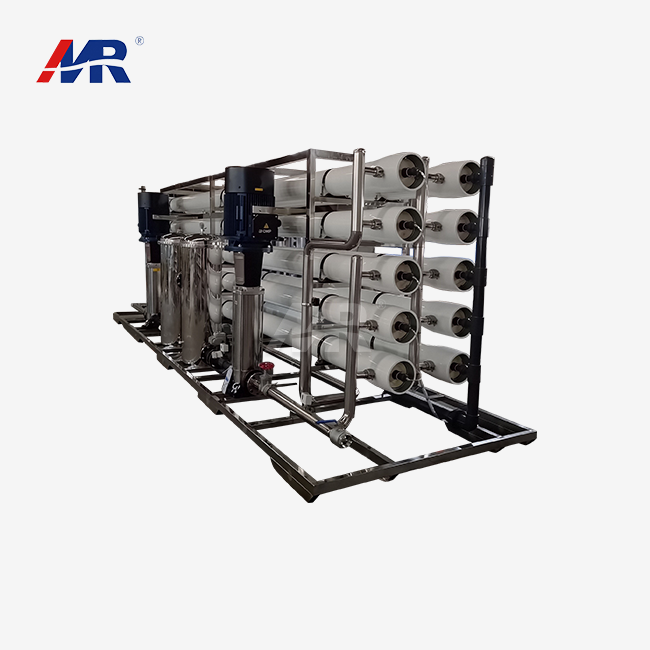 VIEW MORE2 stage reverse osmosis system
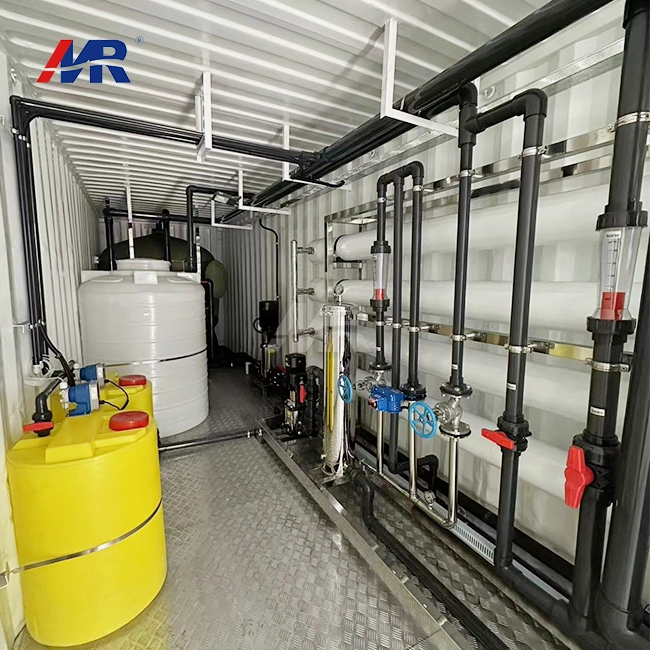 VIEW MOREcontainerized desalination plant
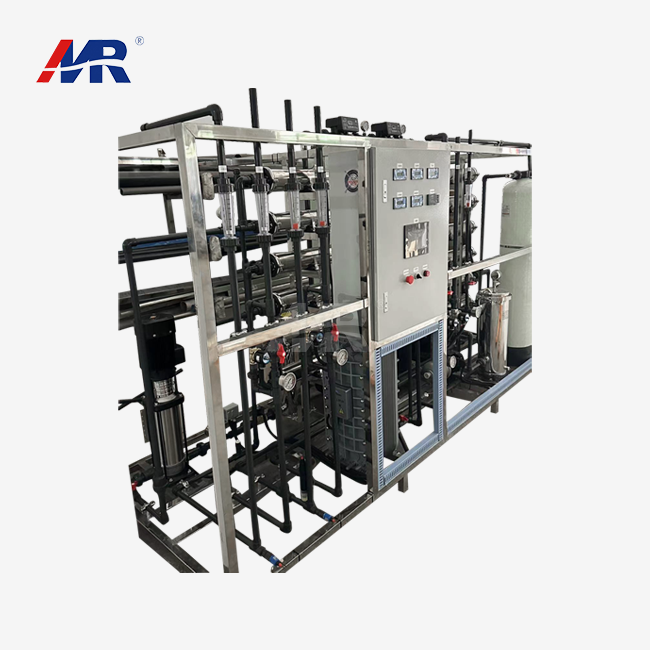 VIEW MOREedi water treatment system
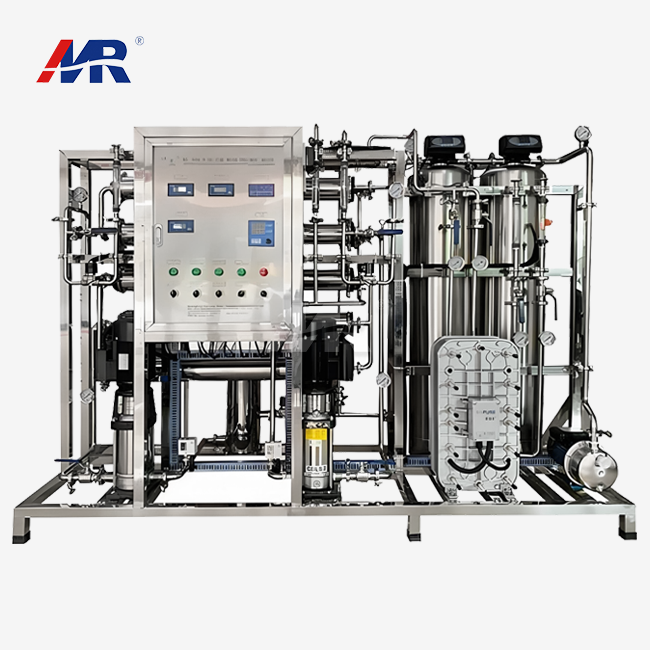 VIEW MOREElectrodeionization system
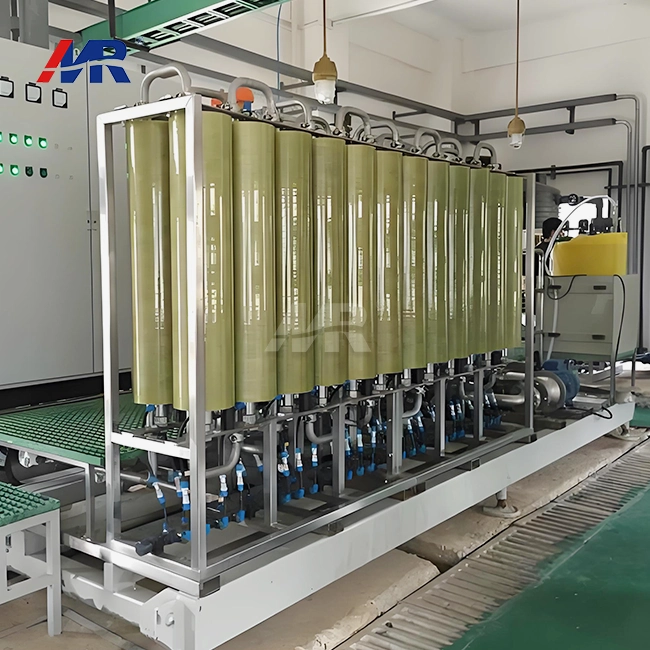 VIEW MOREDisc Tube Reverse Osmosis
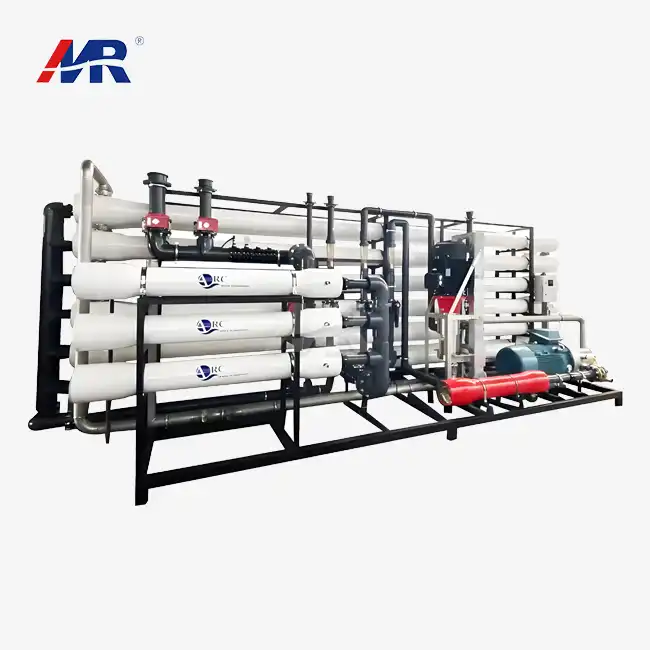 VIEW MORE25m3/hour seawater desalination plant
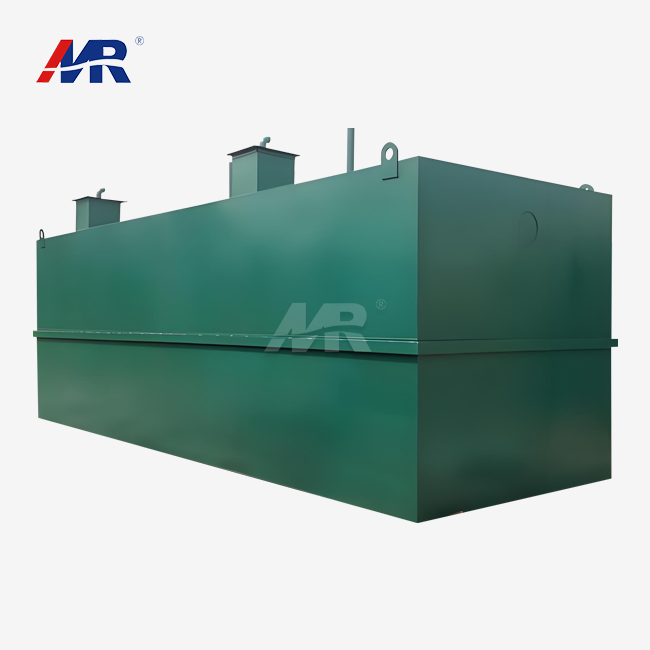 VIEW MOREwaste water treatment system
 VIEW MOREhome sewage treatment plant
