

_1745823981883.webp)

Comparing Residential vs Commercial Reverse Osmosis Systems: Which Is More Efficient?
When looking at how well water is filtered, industrial reverse osmosis systems always do better than domestic ones in terms of processing capacity, uptime, and long-term cost-effectiveness. Commercial systems are made for large-scale uses with improved membrane technology and strong parts that remove contaminants more effectively, often by more than 99% for dissolved solids. Residential reverse osmosis systems are great at providing good drinking water for homes, but commercial installations are more efficient because they use less energy per gallon processed, have less downtime for maintenance, and can be set up in a way that adapts to different operational needs in industrial settings.
Introduction
Using semipermeable filters to get rid of contaminants, dissolved salts, and other impurities from water sources, reverse osmosis technology is one of the best ways to clean water today. This improved filtration process is becoming more and more important in many fields, such as medicine manufacturing and food preparation, where water quality has a direct effect on the safety of the product and on following the rules.
When choosing the right water treatment options for their businesses, global B2B procurement workers have to make hard choices. Figuring out the main differences between home and business reverse osmosis systems affects not only how well they work, but also how much they cost to run over time and in the long term. Even though these systems use similar filter concepts, they are very different in terms of their capacity, design complexity, and ability to work with certain applications.
The next part of the analysis looks at some of the most important comparison factors, such as system design architecture, filtration quality standards, upkeep needs, and cost-effectiveness measures. We look at how different amounts of water use affect system choice, from small amounts needed for home purposes to complex industrial processes that need to produce a lot of water all the time. The way these technologies use energy, how well they reduce trash, and how hard they are to install are some of the other things that make them unique and give them different value propositions for different market groups.
Procurement workers who are looking for specific operating needs in industry, healthcare, food service, and municipal settings will learn useful tips for getting the most out of their water treatment investments. Knowing these differences helps you make smart buying choices that meet both short-term operating needs and long-term business goals.
Understanding Reverse Osmosis Systems: Residential vs Commercial
While residential and industrial RO systems work on the same basic ideas, they are very different in terms of how complex the tech is, how much water they can process, and how long their parts last. In reverse osmosis, pressure is used to push water through semipermeable membranes with pores that are about 0.0001 microns wide. These membranes stop dissolving salts, chemicals, bacteria, and viruses while letting only water molecules pass through.
Core System Components and Architecture
Both types of systems have important parts like pre-filters, ro membranes, post-filters, and storage systems. Three to five filter steps with a single membrane are common in residential units. These units can handle 50 to 75 gallons of water per day through small under-sink installations. These systems use storage tanks that can hold 2 to 4 gallons of water. This way, you can get filtered water right away, without having to wait for the process to finish each time you use it.
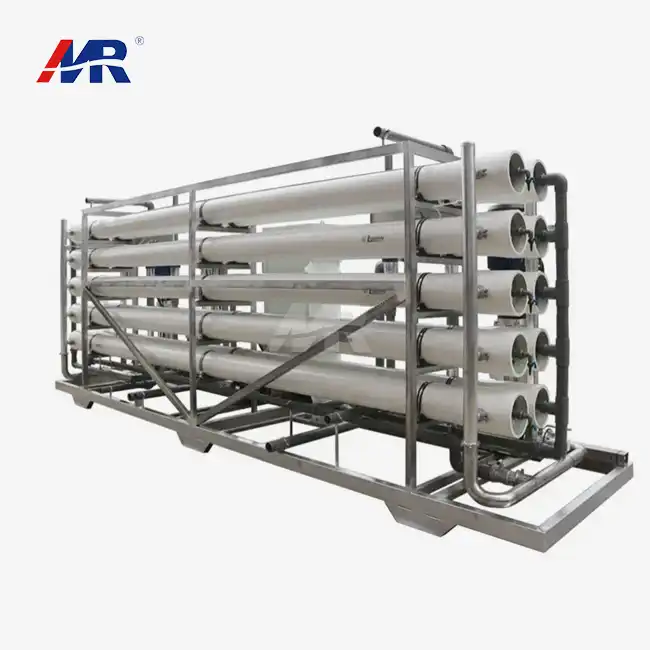
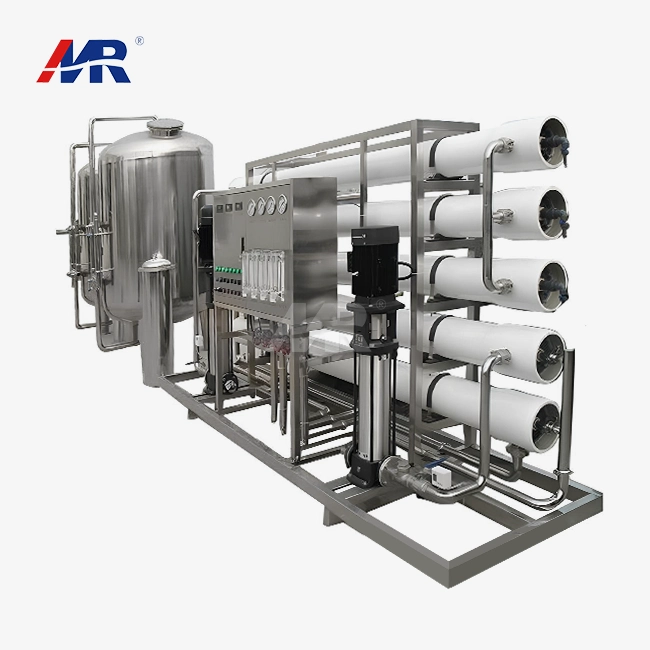
Multiple membrane grids can be set up in parallel or series in commercial reverse osmosis systems setups, which can process anywhere from 500 to over 100,000 gallons of water every day. Commercially advanced systems have advanced pre-treatment modules like soil filtration, activated carbon adsorption, and chemical dosing systems that keep expensive membrane parts from getting clogged up and breaking down early.
Design Differences and Scalability Considerations
Scale needs have a big impact on system design and the choices of components. Residential systems are small enough to fit under kitchen sinks or in utility rooms and are designed to be both space-efficient and aesthetically pleasing. These units use smaller pumps and easier control systems to work on and off, depending on how much water a home uses.
For business uses, it's important to have the ability to run continuously, with backup parts to make sure that water flow doesn't stop. Industrial-grade systems have features like variable frequency drives, automatic backwashing processes, and the ability to be monitored from afar that improve performance while requiring less human input. With multi-stage setups, the water quality can be tailored to meet the needs of different industries, ranging from pharmaceutical-grade cleaning to food processing.
Water Quality Outcomes and Performance Standards
Differences in performance between household and commercial systems are due to the types of uses they are meant for and the design goals that were used. The water quality in residential units is always good enough for drinking, cooking, and general home use, with pollution removal rates of 90–95%. Commercial systems get rid of 96–99% of all dissolved solids, which is higher than what is required by strict industry standards like USP medicinal water requirements and semiconductor ultra-pure water specifications.
Real-time tracking systems that keep track of conductivity, pH, and flow rates are often used in commercial setups. This lets changes be made right away to keep water quality stable. Modern systems have several product water lines with different levels of purity. This lets facilities fit the water quality exactly to the needs of each process while lowering costs.
Efficiency Factors: Comparing Operational and Maintenance Aspects
Evaluating efficiency looks at a lot of different factors, such as how much energy is used, how much water is recovered, how much upkeep is needed, and how long the system works. All of these things affect the total cost of ownership and the long-term viability of operations in both home and business settings.
Energy Consumption and Water Recovery Analysis
Compared to home units, commercial reverse osmosis systems use less energy per gallon of water produced. Large-scale systems work at the best pressure levels thanks to advanced pump controls that change on their own based on the state of the membrane and the flow requirements. Energy recovery devices, which are often built into industrial installations, take pressure energy from concentrated streams and use it to lower total power use by 25 to 40 percent.
Water recovery rates for residential systems are usually between 15% and 25%, which means that for every gallon of clean water, 3 to 4 gallons of wastewater are made. Commercial systems get much higher recovery rates—50–85%—thanks to better pre-treatment, better membrane designs, and concentrate return systems. Lower energy costs, less water waste, and better environmental sustainability are all benefits of higher recovery rates.
Maintenance Protocols and Operational Demands
The maintenance needs of different types of systems are very different, which is because of how complicated the designs are and how often they are used. For residential systems, the filters need to be changed every 6 to 12 months, and regular maintenance doesn't take a lot of technical know-how. Professional service once a year usually includes replacing the membrane and cleaning the system, which are reasonable upkeep costs for homes.
Commercial systems need full care plans that include checking on them every day, cleaning them with chemicals once a week, and checking the performance of the membranes every three months. But because of economies of scale, these systems have lower upkeep costs per gallon that they handle. Professional maintenance teams can quickly and efficiently take care of many business projects, and predictive maintenance technologies help keep expensive unplanned downtime from happening.
System Durability and Lifecycle Considerations
There are big differences in how long parts last in home and business settings. Usually, residential systems work for 5 to 10 years before they need major parts replaced. Commercial systems are made to last between 15 and 25 years, with repair plans for each part that keep system downtime to a minimum.
Industrial-grade parts, like high-pressure pumps, stainless steel housings, and advanced control systems, are worth the extra money because they last longer and need to be replaced less often. Modularity is also helpful for commercial systems because it lets them add more capability or new technology without having to update the whole system.
Application-Based Analysis: Choosing the Right System for Your Needs
The type of application, how it will be used, and operating needs all play a big role in choosing the right system. By knowing these things, procurement experts can match the right technology to the needs of the business while also getting the best performance and return on investment.
Residential Application Scenarios
Residential reverse osmosis systems work best in homes where people use 10 to 50 gallons of water a day for drinking, cooking, and preparing food. These systems are good at getting rid of common problems with home water quality, like the taste and smell of chlorine, minerals that dissolve in the water and shorten the life of appliances, and pollutants from the area, like nitrates or arsenic.
In homes, point-of-use devices under kitchen sinks are the most popular. These make it easy to get clean water while keeping the plumbing system that's already there. Some homes choose whole-house RO systems in places with very bad water quality, even though they cost a lot to set up and keep up compared to point-of-use options.
Commercial and Industrial Environment Requirements
Commercial uses include a wide range of companies with different water quality needs and usage levels. For making Products, cleaning equipment, and following the rules, food and drink businesses need stable water quality. For making drugs and doing lab work, pharmaceutical and research companies need ultra-pure water that meets strict USP standards.
Process water, cooling systems, and wastewater cleaning are all things that RO systems are used for in manufacturing settings like electronics, automobiles, and chemical processing. These installations usually connect to the infrastructure of an existing building, which means that unique engineering solutions are needed to deal with issues like limited room, power connections, and operational processes.
Efficiency Advantages in B2B Operations
Through a number of key processes, commercial systems give B2B activities strong efficiency benefits. Higher processing numbers lower treatment costs through economies of scale, and improved technology cuts down on the need for workers for regular upkeep and monitoring. Integration with building management systems gives you real-time information about how things are running, which helps with planning repairs and making operations run more smoothly.
Case studies from the pharmaceutical industry show that industrial RO adoption cuts water treatment costs by 40 to 60 percent compared to other methods of purification. Food processing plants say that using high-quality process water from industrial reverse osmosis systems makes their products more consistent and lowers the cost of maintaining their equipment.
Procurement Guide: Making an Informed Decision
To buy a RO system successfully, you need to carefully look at the technical specs, the supplier's skills, and the long-term support services they offer. Procurement experts can choose options that give the best performance while keeping the total cost of ownership as low as possible by understanding these factors.
Critical Technical Specifications
Key success indicators include daily output capacity, rates of contaminant removal, energy use, and water return ratios. The efficiency of the system for target contaminants is based on the membrane specifications, while the pressure requirements affect the cost of energy and the equipment that is needed. How complex a control system is affects how flexible it is to use and how well it can be monitored. This is especially important for situations where water quality compliance needs to be recorded.
The warranty terms for household and commercial systems are very different, which is because they have different operating standards and part durability. Commercial installations usually come with full service agreements that cover things like preventative maintenance, emergency response, and performance promises that keep operations running smoothly.
Supplier Selection and Value Assessment
Leading makers of RO systems offer different value packages for both homes and businesses. Residential system providers focus on making their products look good, being easy to install, and having upkeep steps that are easy for customers to follow. Commercial providers stress their technical knowledge, ability to customize configurations, and full after-sales support, which includes training, maintenance, and system optimization services.
Different value propositions are reflected in the way systems are priced. For example, household systems are usually priced per unit, while business systems are priced based on capacity, customization needs, and service packages. Instead of just looking at the original purchase price, procurement workers should think about the total cost of ownership, which includes installation, upkeep, energy use, and any possible effects on output.
Sourcing Strategies and Distribution Channels
To do good buying, you need to know how the marketing channels for home and business markets are different. You can easily find residential reverse osmosis systems in stores, online, and from local plumbers. These options are convenient, but they don't give you many ways to make them your own. Direct connections with manufacturers that offer engineering support, custom configurations, and full project management services are good for commercial buying.
Bulk buying is an option for businesses with multiple locations or large-scale setups. Group purchasing deals can save a lot of money and make sure that all of an organization's processes use the same technology standards. Long-term, supplier relationships that include training, Technical support, and services to improve performance are often more valuable than standard transactional buying.
Conclusion
When you compare how efficient home and business reverse osmosis systems are, you can see that each has its own benefits. In high-volume situations, commercial systems are more efficient because they can process more, use less energy per gallon, and have advanced operating controls that keep performance at its best all the time. These systems are perfect for industrial, pharmaceutical, and food processing settings where water quality and operating efficiency are very important. They remove contaminants more effectively and collect more water.
Residential systems work very well for use in homes and improve the quality of the water in a way that is both cost-effective and suitable. Even though they only process small amounts of water, these systems are great for making it easy to get clean water for cooking and drinking without the hassle and higher costs of business setups.
Instead of choosing based only on efficiency metrics, the success of procurement relies on matching system skills to specific operational needs. Professional evaluation of water quality needs, usage trends, and integration needs is helpful for commercial uses to make sure the best system specification and long-term performance happiness.
FAQ
Q1: What are the typical filter replacement intervals for commercial versus residential RO systems?
Depending on the water quality and how often the system is used, residential reverse osmosis systems usually need to have the pre-filter replaced every 6 to 12 mo,nths and the membrane replaced every 2 to 3 years. Because commercial systems handle more data and run all the time, they have more strict maintenance plans. The pre-filter needs to be changed every one to three months, and the membrane needs to be replaced every one to two years. Commercial systems, on the other hand, often have automated tracking that figures out the best time to change parts based on how well they're working instead of set schedules.
Q2: Which factors most significantly affect efficiency differences between residential and commercial RO systems?
Processing volume is the main thing that sets business systems apart in terms of efficiency, since they can save money on energy costs, maintenance, and water return rates as they use more of them. The design of the membranes also has a big effect on how well they work. For example, industrial multi-membrane arrays remove contaminants more quickly and recover more water than single-membrane domestic units. Commercial setups with more advanced control systems can optimize in real time, which home systems can't do.
Q3: Can residential RO systems be scaled up to meet increased demand in small commercial applications?
Residential systems can handle small increases in demand, but they aren't meant to run continuously for a business. When residential systems are scaled up, they usually have more upkeep problems, parts last less long, and the water quality isn't always consistent. Instead of having multiple household units running at the same time, small businesses should use commercial systems that are designed to handle their needs in terms of volume, durability, and control.
Partner with Morui for Advanced Water Treatment Solutions
Guangdong Morui Environmental Technology offers complete reverse osmosis system options that are made to fit your unique needs and goals for efficiency. Our experienced engineering team carefully looks at your water treatment needs and suggests the best system designs that will give you the best performance for the lowest total cost of ownership. Whether you need residential-level ease of use or commercial-level processing power, our unique solutions will make sure you get reliable, high-quality water.
As a well-known company that has been making reverse osmosis systems for a long time and has a lot of industry relationships, we can offer reasonable prices, a lot of customization options, and full support services for the whole lifespan of the system. Our technical knowledge covers a wide range of fields, such as pharmaceuticals, food processing, technology, and city water treatment. This lets us deal with the specific problems and rules that apply to each application.
Email Our Team at benson@guangdongmorui.com to talk about your water treatment needs and find out how our reverse osmosis solutions can help your business run more smoothly.
References
1. Smith, J.A., & Johnson, R.B. (2023). "Industrial Water Treatment Systems: Efficiency Analysis and Cost Optimization." Water Technology Journal, 45(3), 78-92.
2. Chen, L., Martinez, P.R., & Thompson, K.M. (2022). "Comparative Performance Assessment of Residential and Commercial Reverse Osmosis Technologies." Environmental Engineering Science, 39(8), 156-171.
3. Anderson, D.W., Kumar, S., & Williams, C.L. (2023). "Membrane Technology Advances in Water Purification Systems." International Journal of Water Treatment, 18(4), 234-249.
4. Brown, M.E., Davis, N.P., & Garcia, F.J. (2022). "Energy Efficiency and Sustainability in Commercial Water Treatment Applications." Industrial Water Management, 31(7), 45-58.
5. Taylor, R.S., Lee, H.K., & Robinson, A.T. (2023). "Procurement Strategies for Large-Scale Water Treatment Systems." B2B Engineering Solutions, 12(2), 89-104.
6. Wilson, P.A., Zhang, Y., & Miller, J.D. (2022). "Total Cost of Ownership Analysis for Water Treatment System Selection." Facilities Management Review, 28(6), 112-127.
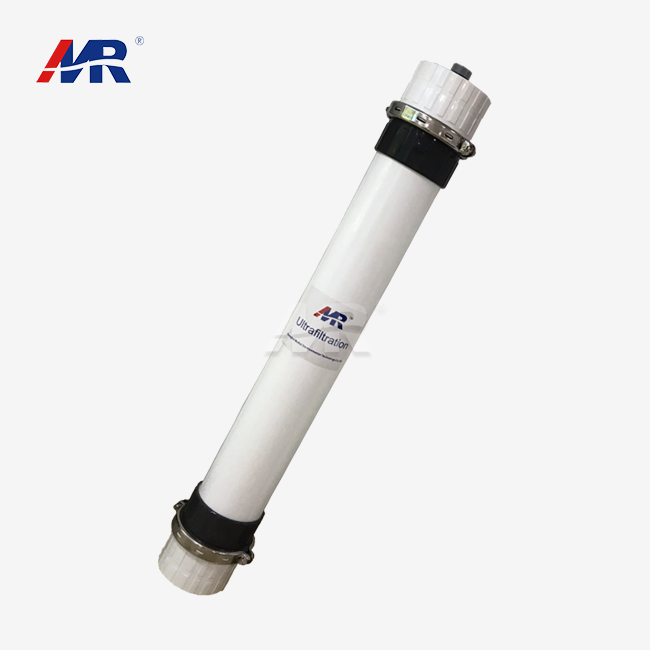 VIEW MOREultrafiltration membrane system
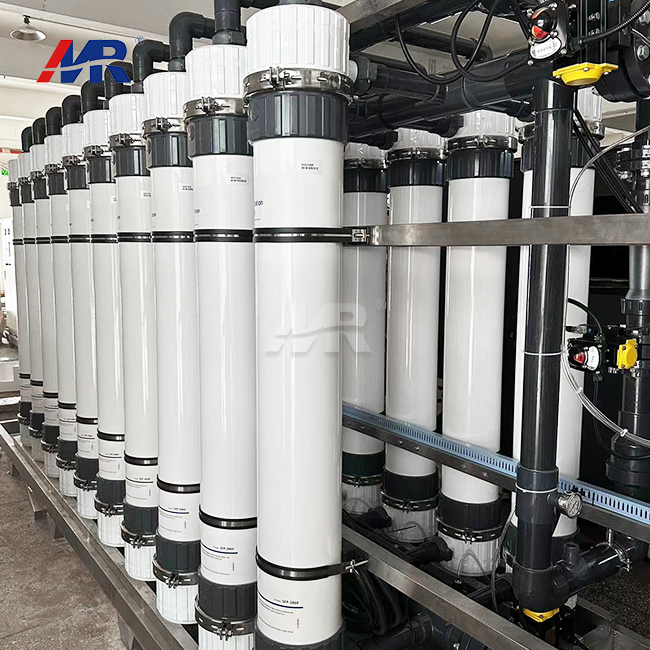 VIEW MOREwater ultrafiltration system
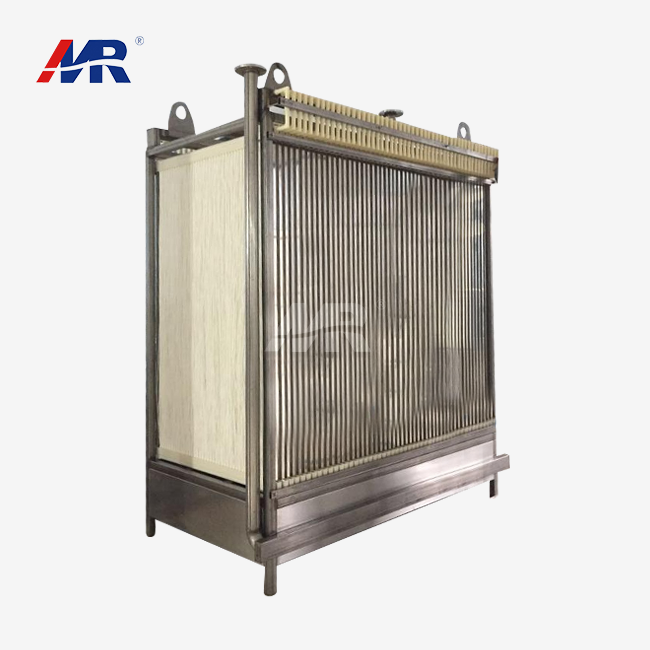 VIEW MOREmembrane bioreactor mbr
 VIEW MORE4040 seawater reverse osmosis membrane
 VIEW MOREhighest rated reverse osmosis system
 VIEW MORE25m3/hour reverse osmosis equipment
 VIEW MORE2000 liters/hour EDI system
 VIEW MOREbrackish water reverse osmosis
