

_1745823981883.webp)

Why Choose a Low-Waste Reverse Osmosis System for Drinking Water Purification?
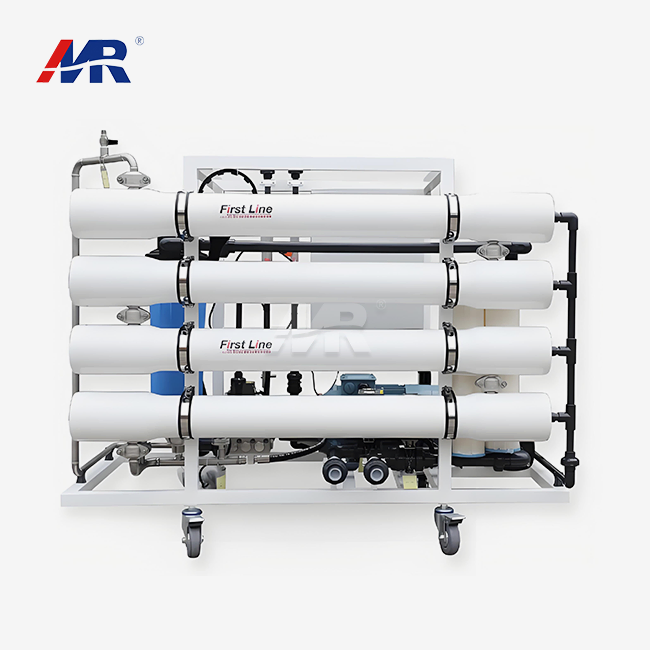
Choosing a low-waste reverse osmosis system to clean drinking water is a smart choice that strikes a balance between being efficient and being good to the environment. Traditional reverse osmosis systems get rid of contaminants well, but they waste 3–4 gallons of water for every gallon of clean water they make. Low-waste reverse osmosis systems solve this problem with advanced membrane technology and improved recovery rates. This makes them perfect for businesses that need high-quality water while keeping costs low and environmental effects low.
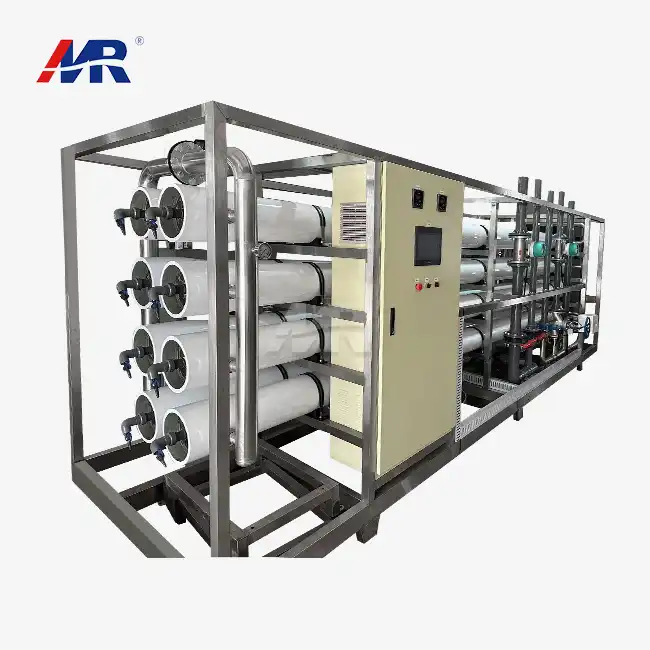
Understanding Reverse Osmosis and Its Environmental Impact
According to reverse osmosis technology, water is completely cleaned through a complex, multi-stage process. The process starts with pre-filtration, where sediment screens get rid of bigger particles, chlorine, and organic matter that could hurt the ro membrane. At this stage, carbon filters are very important because they lower the amounts of chlorine and volatile organic compounds (VOCs), which protects the membrane from chemical breakdown.
In the core filter stage, high pressure is used to push water through a barrier that lets some things through but not others. This membrane has very small holes, about 0.0001 microns across, that only let water molecules through. They stop dissolved salts, heavy metals, germs, and other contaminants. The clean water, called permeate, moves to a holding tank so that it can be used right away.
The Waste Water Challenge in Traditional Systems
When they're working, conventional reverse osmosis devices make a lot of garbage. This concentrate or brine has the rejected contaminants in it and needs to be thrown away properly through drain systems. The ratio of water to trash in standard systems makes running them very expensive and bad for the environment, especially for places that need to use a lot of water.
Low-waste RO technologies change this process completely by using smart system design and improved membrane materials. With these improvements, recovery rates go from the usual 25–30% to 50–75%, which drastically lowers the amount of garbage that is made. Better membrane efficiency lets more water molecules pass through while keeping the same amount of rejection of contaminants.
Advanced Automation for Optimised Performance
Modern systems for reducing waste have automated controls that keep an eye on water quality factors and change the system's settings in real time. These smart systems adjust the pressure, flow rates, and cleaning processes of the membranes to get the most water back while keeping the quality of the output constant. The end result is a system that works perfectly for businesses that want to be more environmentally friendly without lowering the standards for water treatment.
Benefits of Choosing a Low-Waste Reverse Osmosis System for B2B Procurement
Businesses that invest in low-waste reverse osmosis system technology get big benefits in a lot of different areas of their operations. These systems lower the total cost of ownership in a way that can be measured. They also help companies meet legal standards and their own sustainability goals.
Reduced Operating Costs and Improved TCO
Conserving water directly leads to lower energy bills, which is especially important for buildings that use a lot of water every day. When compared to regular RO units, low-waste systems cut the cost of getting water by up to 50%. Because the pressure needs are adjusted and the pump cycles less, less energy is used, which adds to the total savings.
In low-waste systems, the longer membrane life is due to better cleaning methods and lower fouling rates. This makes it cheaper to repair parts and keeps the system running as much as possible, protecting work schedules and making sure there is always a water supply.
Environmental Compliance and CSR Benefits
Businesses are under more and more pressure to follow strict environmental rules and show they care about using sustainable methods. Low-waste reverse osmosis systems help businesses meet their water-saving goals while also cutting down on the costs of environmental release permits and fees.
Putting in place tools that use less water is a great way for corporate social responsibility programmes to do well. In sustainability reports, companies can show that they have saved a lot of water, which boosts the image of the brand and builds trust among stakeholders. These successes often lead to competitive benefits in business-to-business situations where caring for the environment affects choices about what to buy.
Enhanced Water Quality and Contamination Removal
Low-waste systems keep their better filter performance while getting more of the waste back. The cutting-edge membrane technology gets rid of tough contaminants like fluoride, arsenic, lead, and new pollutants that older filtering methods might miss.
In these systems' post-treatment steps, there are final polishing screens that get rid of any remaining tastes or smells. This keeps the water quality stable for sensitive uses. This all-around method makes sure that water quality standards are met in the pharmaceutical, food and beverage, electronics, and other precision manufacturing industries.
Comparing Low-Waste Reverse Osmosis Systems with Other Purification Technologies
When making smart buying choices, people who work in procurement need to know how low-waste RO technology stacks up against other water treatment options. Each method has its own benefits that depend on the needs of the product and the problems with water quality.
RO Versus UV Disinfection Systems
Through photochemical destruction, ultraviolet decontamination is very good at killing bacteria, viruses, and other germs. On the other hand, UV systems can't get rid of heavy metals, dissolved solids, or chemical pollutants that might be in the feed water. Reverse osmosis is a complete way to get rid of contaminants, including chemical and bacterial ones.
When you combine low-waste RO with UV post-treatment, you get a powerful water cleaning system that can be used in situations where you need 100% pure water. This mixed method works really well in places like labs and factories that make medicines because the water quality rules are very strict.
Activated Carbon Filtration Comparison
Through absorption, activated carbon filters get rid of chlorine, organic chemicals, and some toxic compounds. A carbon filter is great for improving smell and taste, but it can't get rid of dissolved salts, heavy metals, or total dissolved solids, which affect how well water flows and what minerals are in it.
Carbon pre-filtration isn't the only way to get rid of contaminants; low-waste reverse osmosis systems also do that. This all-around method makes sure that the water is completely cleaned and extends the life of both filtering technologies by integrating them more efficiently.
Installation Configuration Options
Point-of-use systems, like those under sinks or in equipment cabinets, work well for smaller businesses that need to treat water locally. These small systems give you quick access to clean water without having to make a lot of changes to your pipes. These kinds of storage tanks can hold between 2 and 4 gallons, so they are always ready to go during times of high demand.
Point-of-entry systems that serve the whole house or the whole building, such as the ROI water system, need to carefully think about the flow rate and pressure control needs. To keep the water flow high throughout the building, big power pumps and a lot of storage space are needed. UV disinfection is often used in these systems to keep storage tanks and delivery lines from growing germs.
Procurement Considerations for Low-Waste Reverse Osmosis Systems
For procurement to go well, technical standards, provider skills, and long-term service needs must all be carefully considered. When making a purchase, smart people weigh the initial cost with practical value and dependability.
Cost Analysis and Value Assessment
Instead of just looking at the original purchase price, system prices should be judged by their total cost of ownership. Most of the time, low-waste systems cost more up front, but they save a lot of money over time because they use less water and energy and parts last longer.
Warranty support is an important thing to think about when buying something, especially for mission-critical uses. Protect yourself from unexpected repair costs and system downtime with guarantees that cover membranes, pressure tanks, and control systems. Service agreements that ensure quick response times and parts availability protect operating assets even more.
Supplier Evaluation and Selection Criteria
Manufacturers with a good reputation can show that they have a track record by providing customer references, industry Certifications, and performance documents. Third-party approvals like NSF International, WQA Gold Seal, and ISO make sure that systems work well and meet quality standards for manufacturing.
Having the right Technical support skills is very important during the installation, setup, and ongoing upkeep stages. Suppliers with thorough training programmes, clear paperwork, and quick expert support make sure that implementation goes smoothly and that the system performs at its best over time.
Maintenance and Service Infrastructure
Setting up trusted sources for spare parts, new filters, and membranes keeps the supply chain from breaking down, which could affect water production. OEM parts ensure steady performance and keep the warranty valid, while generic options could make the system less reliable.
Professional installation and testing services keep starting problems to a minimum and make sure the system is set up correctly. Certified techs know the right way to start up a system, how to test the quality of the water, and how to improve its performance so that it works as efficiently as possible from the start.
Future Trends and Innovations in Low-Waste Reverse Osmosis Systems
Low-waste RO technology keeps getting better thanks to advances from ROI Water System in materials science, smart automation, and design changes that focus on sustainability. These changes mean that forward-thinking businesses will be even more efficient and get better results from their operations.
Advanced Membrane Technology Development
The next wave of barrier materials lets more water through while still rejecting salt very well. Nanostructured surfaces on thin-film composite membranes keep them from getting clogged and allow for higher recovery rates without lowering their filter performance.
Energy recovery devices take hydraulic energy from concentrate streams and use it to help raise the pressure of feed water. These new ideas can cut energy use by 20 to 30 per cent while also making the system more efficient and lowering its costs.
Smart Monitoring and Predictive Maintenance
Integration of the Internet of Things (IoT) lets you keep an eye on system performance factors like flow rates, pressure differences, conductivity levels, and membrane condition signs in real time. Cloud-based analytics systems use this information to find ways to improve things and predict when repair will need to be done.
Predictive maintenance algorithms look at performance trends to plan when to clean and replace membranes before they lose their effectiveness and affect the quality of the water or the amount that can be produced. This proactive method cuts down on unexpected downtime and makes the best use of system components throughout their entire lives.
Regulatory Compliance and Market Drivers
Tougher rules about the environment are still pushing industries to use tools that use less water. Concerns about running out of water and rising energy costs make conservation tools necessary for businesses to stay in business.
As companies agree to science-based emissions goals and circular economy principles, sustainability rules have a bigger impact on the things they buy. Water treatment methods that use little or no waste help these efforts and also do good things for the earth.
Conclusion
Low-waste reverse osmosis systems are the best way for companies to get high-quality drinking water while also reducing their effect on the environment and their costs. Compared to older technologies, these more modern systems are better at getting rid of pollution, waste less water, and run more efficiently. Investing in low-waste RO technology sets businesses up for long-term success in sustainability and makes sure they have steady access to clean water for essential operations.
FAQ
1. What makes low-waste RO systems more efficient than traditional units?
Through improved membrane technology and system design, low-waste reverse osmosis devices are able to reclaim more water. Low-waste units can recover up to 75% of their feed water, while standard systems can only recover 25 to 30%. This means that they produce much less garbage and cost much less to run.
2. How often do low-waste RO membranes require replacement?
When to change the membrane depends on the quality of the feed water and how the system is used, but low-waste systems usually make the membrane last 20–30% longer than regular units. Under normal conditions, a membrane can last for two to three years with regular upkeep and the right pre-treatment.
3. Can low-waste RO systems handle variable water quality conditions?
These days, low-waste systems have adaptive settings that change the working parameters automatically based on the conditions of the feed water. These smart systems keep working at their best even when the water quality changes, keeping high recovery rates and regular output quality.
Partner with Morui for Your Reverse Osmosis System Needs
Morui Environmental Technology is ready to provide you with low-waste reverse osmosis options that are tailored to your unique water treatment needs. We have a lot of experience treating industrial wastewater, desalinating seawater, and precisely purifying water for a wide range of industries. We offer full turnkey solutions, from system design and installation to ongoing assistance. We have more than 14 branches, 500 dedicated workers, and 20 specialised engineers. Get in touch with us at benson@guangdongmorui.com to talk about relationship options with reverse osmosis system manufacturers and find out how our cutting-edge water treatment technologies can help your business.
References
1. American Water Works Association. "Reverse Osmosis Technology Applications in Municipal Water Treatment Systems." Journal of Water Treatment Engineering, 2023.
2. International Desalination Association. "Advanced Membrane Technologies for Industrial Water Recovery Applications." Desalination Technology Review, 2023.
3. Water Quality Association. "Comparative Analysis of Low-Waste Reverse Osmosis Systems Performance Standards." Technical Bulletin Series, 2023.
4. Environmental Protection Agency. "Industrial Water Conservation Technologies and Best Practices Guidelines." EPA Office of Water Publications, 2023.
5. National Sanitation Foundation International. "Certification Standards for Point-of-Use and Point-of-Entry Water Treatment Systems." NSF Technical Standards Manual, 2023.
6. Water Research Foundation. "Economic Analysis of High-Recovery Reverse Osmosis Systems in Commercial Applications." Water Technology Research Series, 2023.
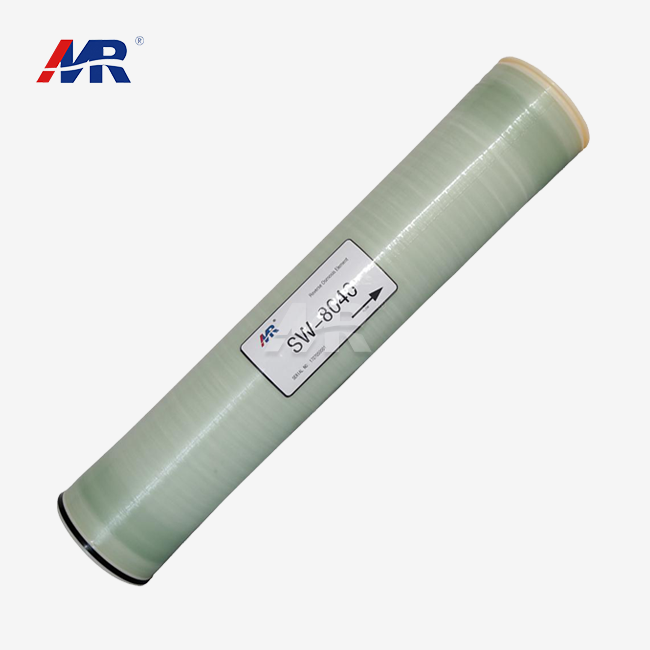 VIEW MORE8040 seawater reverse osmosis membrane
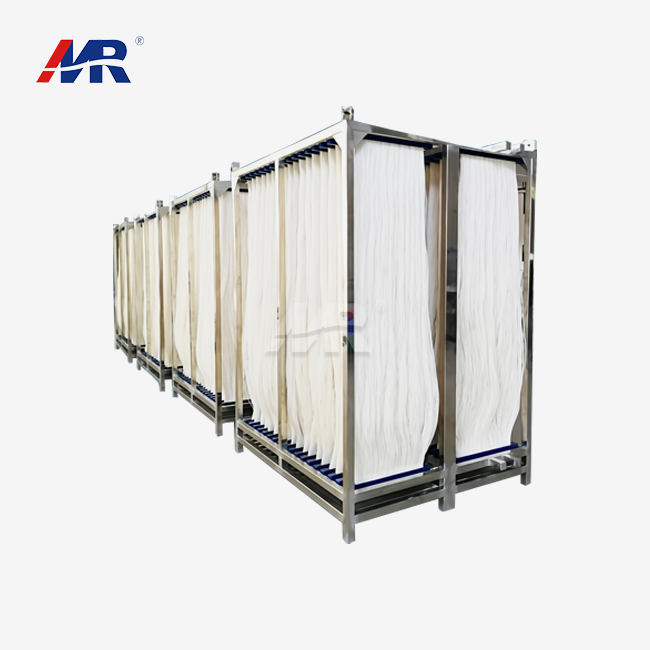 VIEW MOREbioreactor wastewater treatment
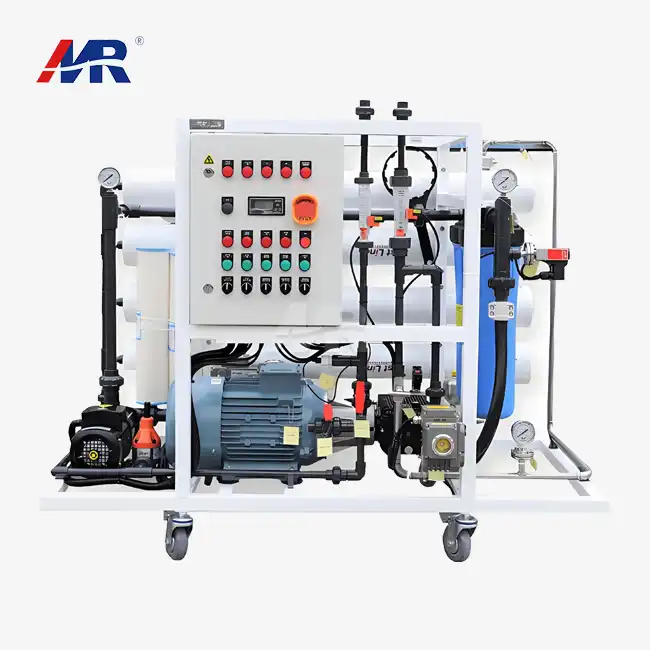 VIEW MORE2m3/hour seawater desalination equipment
 VIEW MOREmembrane bioreactor mbr
 VIEW MOREcontainerized reverse osmosis system
 VIEW MOREelectro deionizer system
 VIEW MOREseawater desalination machine
 VIEW MOREseawater desalination equipment
