_1745823981883.webp)

Signs Your RO System Needs Cleaning: When and Why You Should Act Now
Your RO filter system is the most important part of any industrial water purification system. But knowing when it needs to be cleaned can mean the difference between uninterrupted production and costly downtime. Industrial reverse osmosis systems require regular maintenance to prevent biofouling, membrane fouling, and scaling, all of which degrade water quality and reduce system effectiveness. When contaminants build up in the system, they cause blockages that slow down flow rates, use more energy, and eventually put your output schedule at risk. When you act quickly when danger signs appear, you protect your investment and ensure water quality standards are always met.
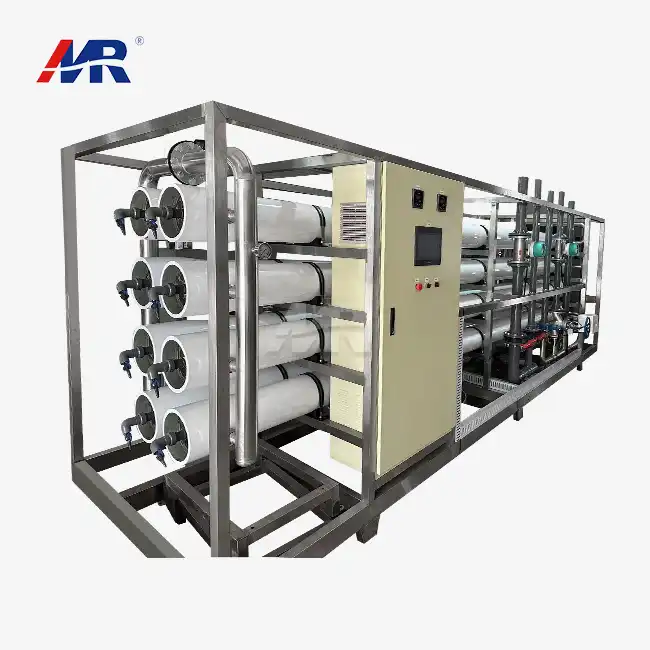
Understanding the Importance of RO System Cleaning
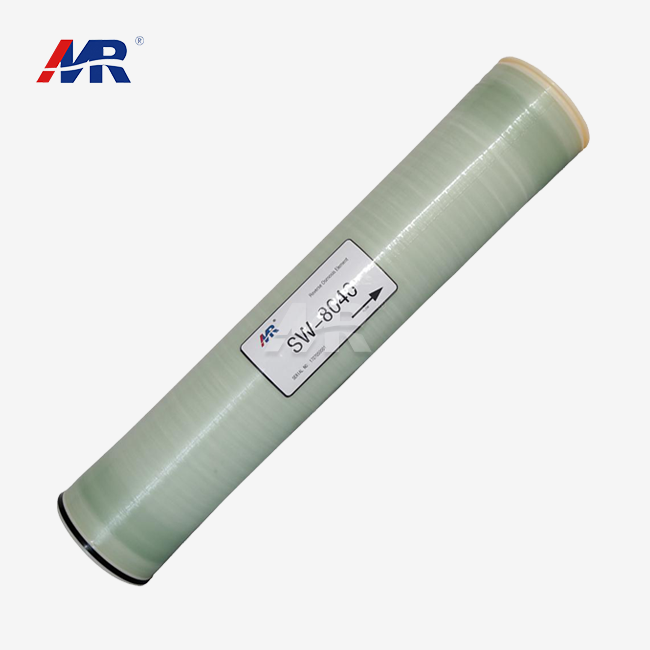
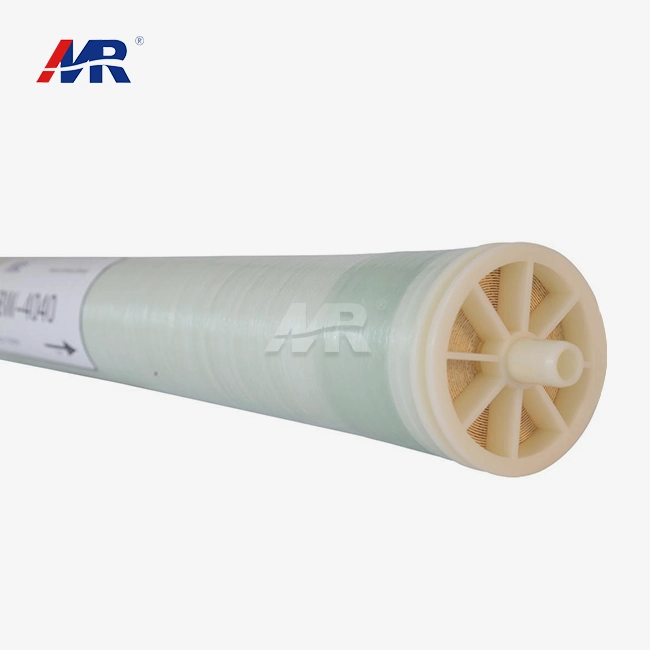
The science behind reverse osmosis works with a complex system of semi-permeable membranes that push water molecules through tiny holes while keeping out other substances. Carbon blocks, sediment filters, and powdered activated carbon filters are some of the pre-filtration parts that work with these membranes to make RO systems work. Using water pressure, the membrane separates clean water from dissolved solids. It then sends the clean water to storage while using a different release line to flush out the contaminants.
Over time, membranes collect dirt, chemicals, and living things, so they need to be maintained regularly. These contaminants build up and cause resistance, which makes pumps work harder. This uses more energy and damages parts of the system. The semi-permeable membrane structure that makes reverse osmosis work so well can also get clogged up, which is especially likely to happen in industrial settings where the quality of the feed water changes a lot.
If you don't clean your RO filter system, it can cause problems that go beyond low water flow. Membrane fouling stops water from flowing, so workers have to raise the pressure, which puts stress on system parts and speeds up wear. Mineral deposits cause scaling, which is lasting damage that needs an expensive membrane repair instead of just cleaning. Biofouling adds bacteria and organic matter to the water source that can make it dirty. This can cause problems with quality control that affect production standards and following the rules.
When you don't do upkeep, it costs you money all over your business. When a system is less efficient, it uses more chemicals, costs more energy, and needs to be replaced more often. When emergency fixes have to be done, they cause production to stop, which throws off plans and delays deliveries to customers. Knowing how these risks are linked helps purchasing managers and building engineers understand why preventative cleaning programs give a much better return on investment than reactive maintenance methods.
Key Signs Your RO System Needs Cleaning
Declining Water Flow and Pressure Issues
A clear drop in the amount of water your reverse osmosis system produces is the most obvious sign that it needs attention. When contaminants get stuck in membranes, they make it harder for water to pass through. This makes the system work harder while producing less. This decrease usually happens slowly, so it's easy to miss until the output shows the shortage.
Measuring the difference in pressure gives us a way to quantify membrane fouling. When membranes are clean, pressure readings stay pretty steady across the system. But when contaminants build up on membranes that are dirty, pressure drops steadily. Keeping an eye on these changes in pressure helps find trends of fouling and figure out when cleaning needs to be done.
Water Quality Deterioration
If the taste, smell, or look of the water changes, it could mean that the membranes are damaged or the filtering system is failing. Problems with smell and taste may not seem important in industrial settings, but they are often signs of bigger contamination issues that lower the quality of the product. If there is discoloration, it means that dissolved solids or particles have broken through the membranes and should be cleared by them.
Conductivity tests are a reliable way to find out how pure the water is. Depending on the feed water and how the system is set up, reverse osmosis systems with an RO filter can usually lower conductivity by 95 to 99%. When the conductivity number goes up, it means that the membrane is breaking down or getting dirty, which lets dissolved solids move through the system.
System Alarms and Performance Indicators
Modern RO systems have monitoring equipment that keeps an eye on working factors and lets workers know when performance starts to deviate. When alarms go off often about pressure, flow, or water quality, it means there are problems deeper down that need to be looked into. Most of the time, high-pressure alarms mean that the membrane is getting clogged, while low-flow alarms mean that there are jams or broken parts.
Patterns of energy use show trends in system efficiency that are related to how often the system needs to be cleaned. To keep up production rates, fouled membranes need higher working pressures, which raises the cost of running the system and the amount of energy it uses. Keeping track of how much energy is used per gallon of water created is a good way to tell if the system is healthy and needs to be cleaned.
Diagnosing Causes and Understanding RO System Contaminants
Mineral Scaling and Inorganic Fouling
Hard water, which has minerals like calcium, magnesium, and others in it, builds up on membranes and stops water from flowing through them properly, making the system less effective. These layers happen when the amount of minerals in the water is higher than what can be dissolved under the high pressure in RO systems. Most of the time, scaling happens on the concentrate side of membranes, which is where the mineral amounts are highest.
Changing temperatures and pH levels speed up the formation of scaling by changing how minerals dissolve. Scaling is more likely to happen when the temperature is higher, and it's harder for minerals to break when the pH level changes. Knowing the chemistry of the feed water helps you figure out the right preparation techniques and predict the risk of scaling.
Biological and Organic Fouling
Biofilms, which are made up of bacteria, algae, and organic matter, stick to RO filter barrier surfaces and make the system work much less well. These biological pollutants do well in industrial water sources that are high in nutrients, especially those that have organic substances or high temperatures. As obstacles, biofilms keep germs safe from cleaning chemicals while limiting the flow of water.
When dissolved organic molecules build up on barrier surfaces, they form a gel-like layer that makes it hard for water to pass through. This is called organic fouling. When using public water sources or recycled process water that still has biological matter in it, this kind of fouling is especially bad.
Particulate Matter and Sediment
Solids that are suspended in the feed water can get past pre-treatment systems and into ro membranes, where they build up and stop the flow. Often, particulate fouling happens along with other types of fouling, which makes cleaning difficult and requires more than one treatment method.
The environment has a big effect on the rates and patterns of litter. Changes in water quality with the seasons, industrial runoff upstream, and weather events can all affect the amount of contaminants in source water. Knowing about these outside factors helps figure out when to clean and how to change the preparation steps to lower the risk of fouling.
Effective Cleaning Procedures and Best Practices
Chemical Cleaning Strategies
Chemical cleaning is the best way to get rid of membrane fouling and get the system working properly again. To get the best results without hurting the membrane materials, different types of fouling need different cleaning chemicals and methods. Mineral scales can be removed by acidic cleaners, while organic and bacterial fouling can be removed by alkaline cleaners.
The choice of cleaning chemical is based on how well the chemical works with the membrane material, how it fouls, and the limitations of the system design. Polyamide membranes can handle harder chemicals, but chlorine can still damage cellulose acetate membranes, so they need to be cleaned with more care. The right order of chemicals makes sure that all the fouling is removed while protecting the membrane's structure.
The cleaning process usually has several steps, such as a pre-rinse, chemical movement, soaking times, and post-rinse routines. Controlling the temperature, the amount of chemicals, and the time of circulation all affect how well the cleaning works. Professional cleaning services make sure that chemicals are handled correctly, that the right amount of time is spent on the task, that all contaminants are removed, and that safety rules are followed.
Preventative Maintenance Programs
Setting up regular cleaning schedules based on operational data and maker advice stops heavy fouling that needs harsh chemical treatment. Regular chemical cleaning, washing, and scheduled inspections of parts are all common parts of preventative programs that find problems before they affect output.
Monitoring tools for RO filter keep an eye on key performance factors that help with choices about cleaning and the best times for repair. Monitoring flow rates, measuring water quality, and keeping an eye on pressure differences give us concrete information that helps us plan when to do things. These programs help keep cleaning costs low, operations running smoothly, and unexpected downtime to a minimum.
Writing down how to clean and what happens makes useful historical data that helps plan future care. Keeping track of how often you clean, how much fluid you use, and how well the system works again helps you improve routines and figure out when to replace parts. This information is very helpful for insurance claims and showing that you follow the rules.
How Modern RO Solutions Enhance Cleaning and Maintenance Efficiency?
Advanced Membrane Technology
Modern reverse osmosis membranes have anti-fouling treatments on their surfaces and better polymer chemistry that makes it harder for contaminants to stick to them and makes cleaning times longer. These technological improvements make systems more reliable and the water quality more consistent while reducing the need for maintenance. Low-fouling barriers are especially useful in situations where the feed water is hard to clean.
Self-cleaning features built into more modern RO systems do routine maintenance jobs automatically that used to need to be done by hand. Automated flushing processes get rid of built-up contaminants before they cause a lot of fouling, and cleaning routines that can be programmed make sure that the quality of upkeep is always high. These features lower the cost of work and make the system more available at the same time.
Smart Monitoring and Predictive Maintenance
Sensor technology and RO filter data analytics make it possible to keep an eye on system performance factors in real time, which lets you know when maintenance is needed before problems happen. Pressure monitors, flow meters, and water quality analyzers keep an eye on the health of the system all the time and let workers know when performance changes that mean the system needs to be cleaned.
Predictive maintenance algorithms look at past performance data to find the best cleaning plans and figure out how likely it is that a part will break. Over time, machine learning makes predictions more accurate, which cuts down on maintenance that isn't needed and stops systems from breaking down when they're least expected. These technologies are especially helpful for big factories that lose a lot of money when they have to shut down.
When RO repair schedules are linked to building management systems, they can be adjusted to match production needs and available resources. Expert techs can give advice and help with troubleshooting without having to visit the site, which cuts down on reaction times and maintenance costs.
Morui's Comprehensive RO Solutions and Services
Guangdong Morui Environmental Technology has been working with water treatment technology for more than ten years and specializes in reverse osmosis systems for business and industry. Our engineering team comes up with custom solutions that deal with specific water quality problems while also making operations run more smoothly and reducing the need for repair.
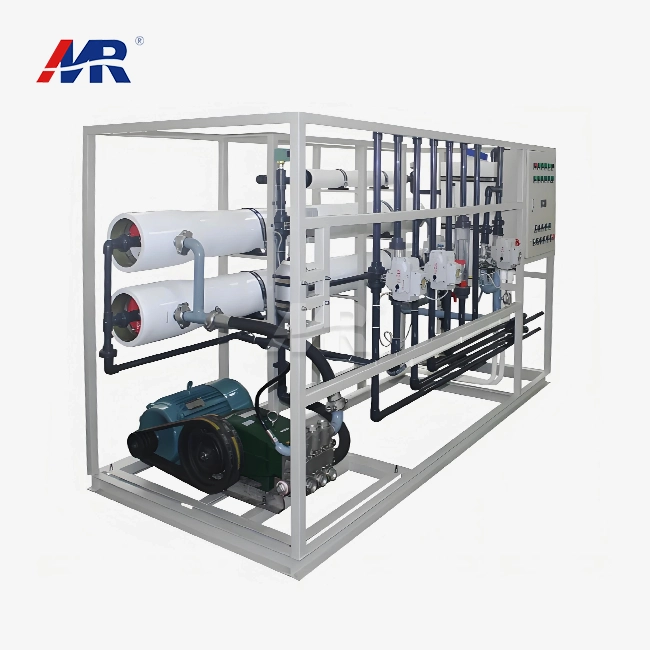
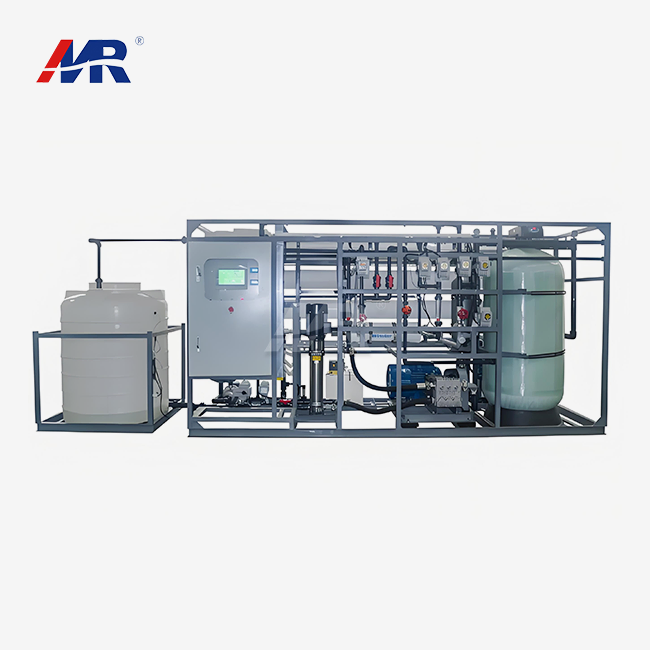
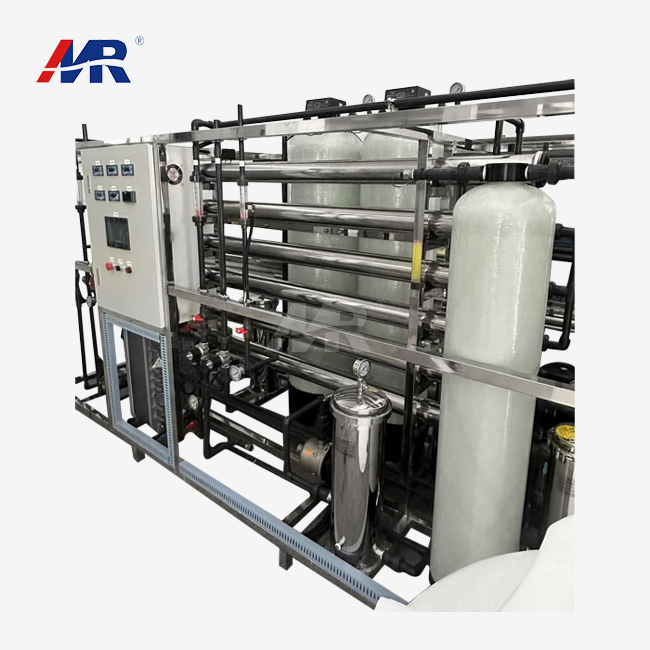
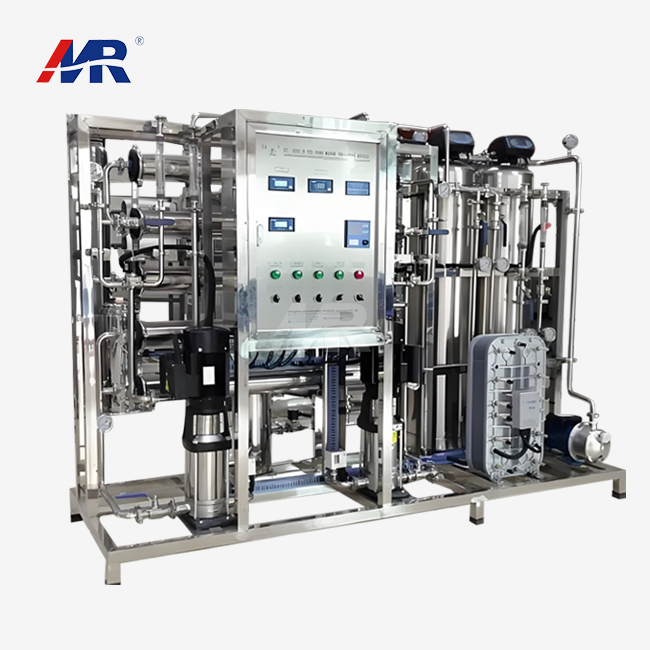
Our range of Products includes high-performance RO systems that are built to last and be easy to maintain in a wide range of industries. We offer solutions that meet strict quality standards and provide great practical value. These solutions range from pharmaceutical-grade cleaning systems to large-scale desalination equipment. Each system uses cutting-edge membrane technology and smart tracking features that make upkeep easier and increase the system's useful life.
Morui RO filter does more than just sell tools. They also offer a wide range of support services, such as system design advice, skilled installation, and ongoing maintenance programs. Our service network is made up of several sites with skilled technicians who know how important it is for industrial processes and systems to work properly. We keep a large stockpile of parts and can respond quickly, which cuts down on downtime when help is needed.
We care about the success of our customers so much that we offer training programs that teach workers how to optimize systems and fix basic problems. Technical support services give you expert advice on how to do complicated repair tasks and improve performance. This all-around method makes sure that customers get the most out of their investment in water cleaning while keeping production levels stable.
Conclusion
If you know when your RO system needs to be cleaned and move quickly, you can protect your operational investment and make sure that important industrial processes always have access to clean water. Monitoring flow rates, pressure differences, water quality measurements, and energy use regularly lets you know right away if there are fouling problems that need to be fixed. Knowing the different kinds of toxins and the right way to clean them allows for effective repair programs that make systems last longer and work better. Modern RO technology has better resistance to fouling and can do maintenance automatically, which makes operations simpler and more reliable.
FAQ
Q1: How often should industrial RO systems be cleaned?
How often you clean it depends on the quality of the feed water, how the system is set up, and how it is being used, but in most industrial settings, you need to clean it every three to six months. Systems that deal with difficult water sources or that collect a lot of water may need to be cleaned more often. Monitoring performance signs helps make cleaning plans that are based on real fouling rates instead of just picking random times to clean.
Q2: What happens if RO system cleaning is delayed too long?
Delaying cleaning that needs to be done damages the membrane permanently, lowers the system's capacity, and makes it use more energy. If the fouling is bad, the membrane may need to be replaced instead of cleaned, which will make upkeep costs much higher. Long-term use with clogged filters also puts stress on system parts and can lead to early pump failure or other technical issues.
Q3: Can RO system cleaning be performed in-house or should it be outsourced?
Basic maintenance tasks, such as regular flushing, can be performed by trained building staff. But chemical cleaning needs people who know how to handle chemicals safely and make sure they don't damage membranes. Professional cleaning services get rid of all contaminants completely, protect system parts, and keep safety standards high. Because current commercial RO systems are so complicated, most of the time, they need to be cleaned by a professional.
Q4: What are the main types of contaminants that require different cleaning approaches?
Acidic cleaning agents are needed for mineral scaling, while alkaline or biocidal treatments are needed for biological fouling. For organic fouling, you may need special liquids or detergents, and for particulate matter, physical cleaning methods usually work. There are often more than one type of contaminants in fouling Cases, so different chemical mixtures need to be used in different cleaning steps.
Partner with Morui for Superior RO Filter Solutions and Maintenance
Partnering with Morui, a top RO filter maker with a lot of care experience, will help your reverse osmosis system work better and be more efficient. Our high-tech RO filter systems have smart tracking technology and anti-fouling membranes that lower the number of times they need to be cleaned while still keeping the water quality high. Our experienced team can help you with instant technical support, system changes, or full replacements. They can also make personalized suggestions that make the most of your water treatment investment. Get in touch with benson@guangdongmorui.com right away to talk about your specific needs and find out how our tried-and-true solutions can help you clean water for your business operations in a reliable and cost-effective way.
References
1. American Water Works Association. "Reverse Osmosis and Nanofiltration Manual of Practice." AWWA Press, 2022.
2. Bergman, Robert A. "Membrane Fouling and Cleaning in Industrial Water Treatment Systems." Water Treatment Engineering Journal, Vol. 45, 2023.
3. Industrial Water Treatment Association. "Best Practices for RO System Maintenance and Cleaning." Technical Bulletin 2023-07, 2023.
4. Martinez, Elena and Thompson, James K. "Predictive Maintenance Strategies for Reverse Osmosis Systems." Journal of Water Process Engineering, Vol. 28, 2023.
5. National Association of Water Companies. "Guidelines for RO System Performance Monitoring and Maintenance." Technical Manual Series, 2022.
6. Wilson, Michael D. "Advanced Membrane Technologies and Fouling Prevention in Industrial Applications." Water Technology International, Issue 4, 2023.