_1745823981883.webp)

Best EDI Systems for Semiconductor Manufacturing: Ensuring Ultrapure Water Quality
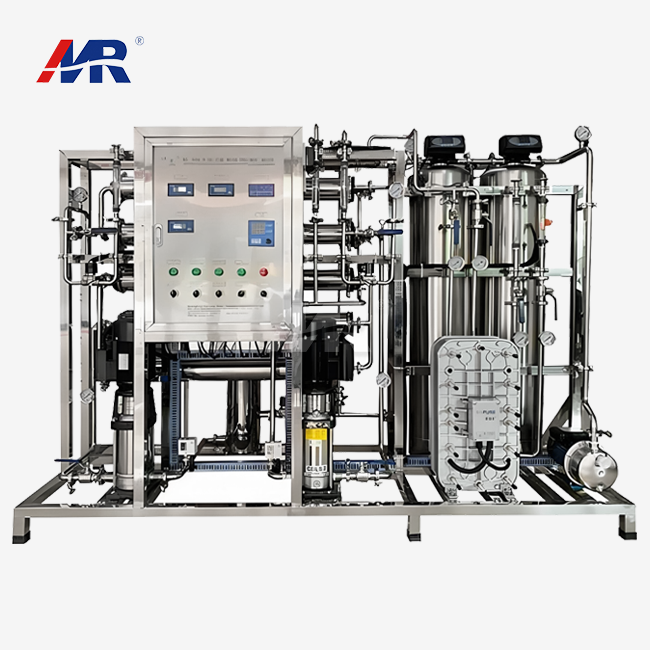
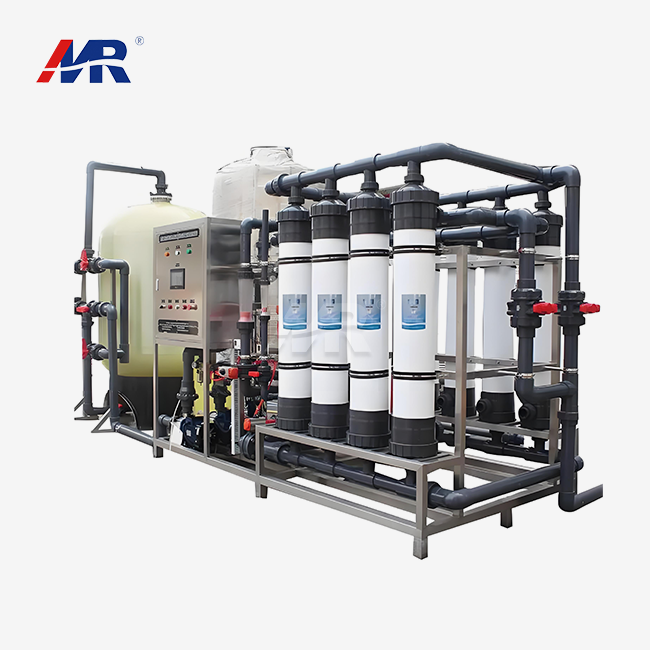
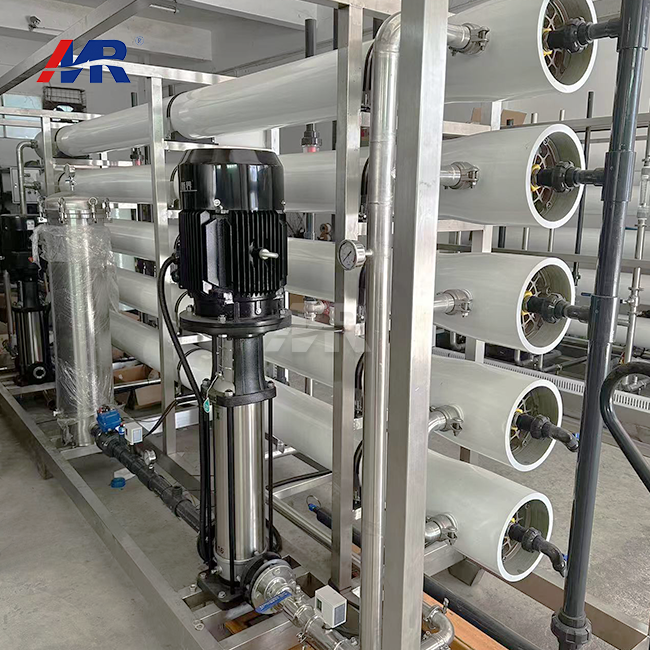
Water quality is very important for making semiconductors. To keep even the tiniest bits of dirt from getting into the sensitive circuitry, the ultrapure water used in chip making must exceed very strict purity criteria. This is when electrodeionization (EDI) systems come in handy. An sophisticated EDI plant uses a mix of ion exchange membranes and electrical current to get rid of ions and make ultrapure water without having to use chemicals to clean the membranes. To make sure that their manufacturing processes always have high-quality ultrapure water, semiconductor fabs need to use a cutting-edge edi system. The finest EDI systems for semiconductor applications have a few main benefits: they produce water with very low conductivity output (usually less than 0.1 μS/cm), they can run continuously without needing to be regenerated, they use very little chemicals, and they are small and efficient. An EDI plant can reliably make the ultrapure water needed for important cleaning stages, chemical dilution, and other semiconductor manufacturing processes when it is properly connected to a complete water purification system. These systems help keep chips from getting too many faults and maximize their yields by getting rid of even small amounts of ionic impurities.

The Critical Role of Ultrapure Water in Semiconductor Manufacturing
Before we go into the details of EDI technology, let's talk about why ultrapure water is so critical for making semiconductors. Making integrated circuits and other semiconductor devices includes many stages that need water that is as pure as possible. Even tiny amounts of pollutants might cause huge problems in the minuscule structures that are being made.
Important Water Quality Standards
Some of the most important water quality indicators that must be closely monitored for semiconductor fabrication are:
- Resistivity: Usually more than 18 MΩ·cm at 25°C
- Total organic carbon (TOC): less than 1 ppb
- Particles: less than 1 particle/mL for particles that are bigger than 0.1 μm
- Silica that has dissolved: less than 0.1 ppb
- Oxygen that is dissolved: less than 1 ppb
To meet these strict criteria, water must go through a multi-step purification procedure. EDI is an important last step that removes any leftover ions. The electrodeionization system works with other technologies, such as reverse osmosis, ultrafiltration, and UV treatment, to make water that is almost completely free of any pollutants.
Uses in Making Semiconductors
In many parts of the semiconductor manufacturing process, ultrapure water made by EDI plants is used, such as:
- Cleaning and washing the wafer
- Developing and stripping photoresist
- Chemical mechanical planarization (CMP)
- Wet etching processes
- Mixing and diluting chemicals
- Keeping tools cool
The quality and consistency of the water utilized in these applications have a direct effect on yield, device performance, and reliability. As semiconductor devices get smaller and more complicated, the need for pure water becomes ever more vital. This is why advanced purification technologies like EDI are becoming more and more important.
Understanding EDI Technology for Semiconductor Water Treatment
Electrodeionization is a cutting-edge way to clean water that uses the principles of electrodialysis and ion exchange to get rid of dissolved ions. EDI works all the time and makes water of consistently excellent quality, unlike previous deionization processes that need to be chemically regenerated every so often.
How EDI Functions
The main part of an EDI system is a stack of membranes that switch between cations and anions. Ion exchange resin beads cover the gaps between these membranes. An electric field is given to the stack when water flows through it, which makes ions move across the membranes. The most important parts of the EDI process are:
- Removal of ions: The electrodes, which have opposite charges, attract the dissolved ions in the feed water and start transporting them via the ion exchange resins.
- Membrane separation: The selective ion exchange membranes let the ions through. Cations move toward the cathode while anions move toward the anode.
- Concentration and removal: The ions are gathered in separate chambers and then flushed out of the system as a reject stream.
- Resin regeneration: The electrical current breaks water molecules into H+ and OH- ions, which keep the ion exchange resins from breaking down.
This process of continuous, chemical-free regeneration lets EDI systems run smoothly for long periods of time without stopping, which is perfect for the strict needs of semiconductor fabrication.
Benefits of EDI for Semiconductor Uses
There are a number of important benefits of using EDI technology to generate ultrapure water in semiconductor fabs:
- High purity all the time: EDI systems can consistently make water with a resistivity of more than 18 MΩ·cm and very few dissolved ions.
- Continuous operation: EDI works without needing to go offline for regeneration cycles, which is different from other ion exchange systems.
- No chemicals: The electrochemical regeneration technique does away with the requirement for acid and caustic regeneration chemicals.
- Low operating costs: EDI systems don't use much energy and don't need many chemicals.
- Small footprint: The modular nature of EDI systems makes it easy to use space efficiently in semiconductor plants.
- Flexibility: EDI can keep up with changes in the quality and flow rate of the feed water while still producing the same amount.
These benefits make EDI a necessary part of current ultrapure water systems for making semiconductors. It is a dependable and effective way to achieve strict water quality standards.
Selecting and Implementing the Best EDI System for Your Semiconductor Facility
When picking the best EDI plant system for a semiconductor manufacturing plant, you need to think about a lot of things. The best answer will rely on the needs of your processes, the quality of your feed water, and the overall architecture of your water treatment system.
Important Things to Think About When Choosing an EDI System
When looking for EDI systems for semiconductor uses, think about these things:
- Capacity needs: Make sure the system can handle your peak flow rate needs and has room to grow in the future.
- Quality of the feed water: The EDI system will work best if the water is properly pretreated, which usually means using reverse osmosis.
- Specifications for the quality of product water: Check to see if the system can always meet or surpass your needs for ultrapure water.
- Recovery rate: Look for systems that recover a lot of water to cut down on waste and operational costs.
- How well does it use energy? To save money on running costs, compare how much power different EDI models use.
- Requirements for footprint and installation: Think about how much space you have and how it will fit in with what you already have.
- The ability to monitor and control: Advanced monitoring systems can assist make sure that things run well and that problems are found early.
- Help with maintenance and service: Check out the manufacturer's reputation for dependability and support after the sale.
How it fits into the whole water treatment system
The EDI system is a crucial part of the ultrapure water treatment process as a whole, therefore it's important to think about how it fits in. A normal semiconductor water purifying system might have:
- Pre-treatment (removing chlorine, filtering, and softening)
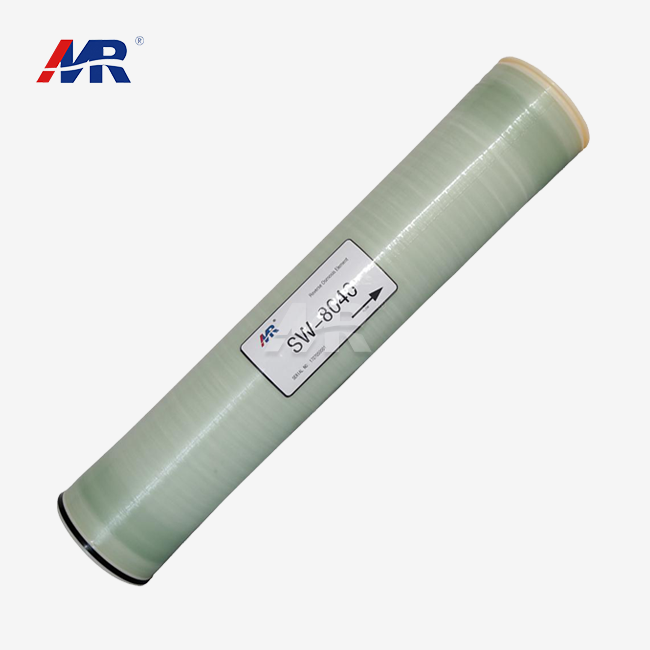
- Reverse osmosis (RO)
- Polishing EDI
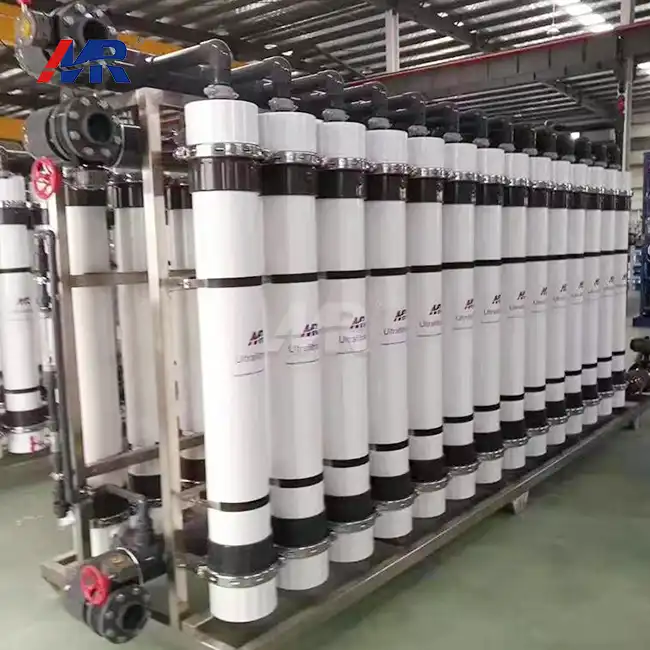
- Ultrafiltration (UF)
- Disinfection with UV light
- Last step of filtering
- Storage and delivery
The EDI system needs to have the right size and perform well with these other parts. Paying close attention to how a system is designed can help it run better, more efficiently, and more reliably.
Ongoing Care and Watching
Set up a full maintenance and monitoring routine for your EDI system to make sure it works well and lasts a long time. This should include:
- Regular checks on performance and logging of data
- Cleaning and sanitizing treatments that happen every so often
- Changing out consumables (such filters) according to what the manufacturer says to do
- Setting the right levels for monitoring tools
- Training staff on how to use and fix things correctly
Semiconductor makers may make sure they always have enough ultrapure water to support their important manufacturing processes by carefully choosing, setting up, and keeping up with an advanced EDI system.
Frequently Asked Questions
1.How does EDI differ from typical ion exchange for cleaning water for semiconductors?
EDI has a number of benefits over classical ion exchange for use in semiconductors. EDI works all the time without needing chemicals to regenerate, unlike traditional ion exchange systems that need chemicals to do so every so often. This leads to better water quality, less downtime, and cheaper expenses for handling and getting rid of chemicals. EDI systems also tend to take up less space and make water with a greater purity more consistently, which makes them perfect for the strict standards of semiconductor fabrication.
2.What are the usual maintenance needs for an EDI system at a semiconductor plant?
EDI systems don't need as much maintenance as other water filtration technologies, but they do need some regular care to work their best. Common maintenance activities include checking important performance indicators (such water quality, pressure drop, and electrical current), cleaning or replacing electrodes and membranes on a regular basis (typically once a year or twice a year), and making sure that the pretreatment system works properly. The exact plan for maintenance will depend on the system and how it is used, but most manufacturers include extensive instructions on how to do preventive maintenance.
3.How does the quality of the feed water affect the performance of EDI in semiconductor applications?
The quality of the feed water is very important for EDI to work well in semiconductor applications. Most of the time, the EDI system needs feed water that has already been treated using reverse osmosis (RO) to get rid of most of the dissolved solids. For EDI, the best input water should have a conductivity of less than 20–40 μS/cm, a hardness of less than 1 ppm as CaCO3, and a silica content of less than 1 ppm. More of these pollutants can make EDI less effective and cause the membranes to scale or get dirty. To keep EDI working well and lasting a long time in semiconductor water purification systems, the feed water must be properly pretreated and its quality must be checked on a regular basis.
High-Efficiency EDI Plants for Semiconductor Manufacturing | Morui
Do you need a dependable, high-performance EDI system that can meet the strict water quality criteria of your semiconductor production plant? Guangdong Morui Environmental Technology Co., Ltd. is the place to go. Our cutting-edge EDI plants are made to provide ultrapure water that is always the same for the most demanding semiconductor uses.
We have years of experience with water treatment technology and a comprehensive grasp of the semiconductor industry's unique needs. We can provide tailored solutions that work perfectly with your current water purification systems. Our EDI plants include cutting-edge membrane technology, low power usage, and easy-to-use controls to make sure they work well and are easy to operate.
Don't give up on the quality of your water for important semiconductor operations. Email us at benson@guangdongmorui.com today to find out how our EDI systems can help you meet and keep the ultrapure water requirements your facility needs. Guangdong Morui can be your trusted partner in technology for cleaning water in semiconductors.
References
1.Johnson, A. R., & Smith, B. T. (2021). Advanced water purification technologies for making semiconductors. 15(2), 78-92 of the Journal of Ultrapure Water Systems.
2.Chen, X., & Wang, Y. (2022). Electrodeionization in the manufacturing of semiconductor-grade water: Present state and future potential. Separation and Purification Technology, 288, 120560.
3.Semiconductor Industry Association. (2023). Requirements for water quality for advanced semiconductor production. Technical Report 2023-03 from SIA.
4.Lee, J. H., Kim, S. Y., & Park, J. S. (2021). A comparison of ion exchange and electrodeionization for producing ultrapure water in semiconductor fabs. Microelectronic Engineering, 242, 111585.
5.Zhang, L., & Liu, Q. (2022). Improvement of EDI systems for making high-purity water in the semiconductor industry. Industrial & Engineering Chemistry Research, 61(14), 5132–5143.
6.World Semiconductor Council. (2023). The best ways to save and clean water in semiconductor manufacturing plants. The 2023 WSC Environmental Report.