_1745823981883.webp)

A high purity water system is necessary to ensure product safety and legal compliance because pharmaceutical manufacturing requires water that is purer than most other industries' standards. These specialized water treatment plants create water that has very low amounts of contaminants. The strict standards for this water are set by groups like the US Pharmacopeia (USP), the European Pharmacopoeia (EP), and the World Health Organization (WHO). These systems are very important for making drugs, cleaning tools, and getting ready for injections. This is because even impurities that can't be seen with the naked eye can make drugs unsafe for patients and ruin pharmaceutical goods.
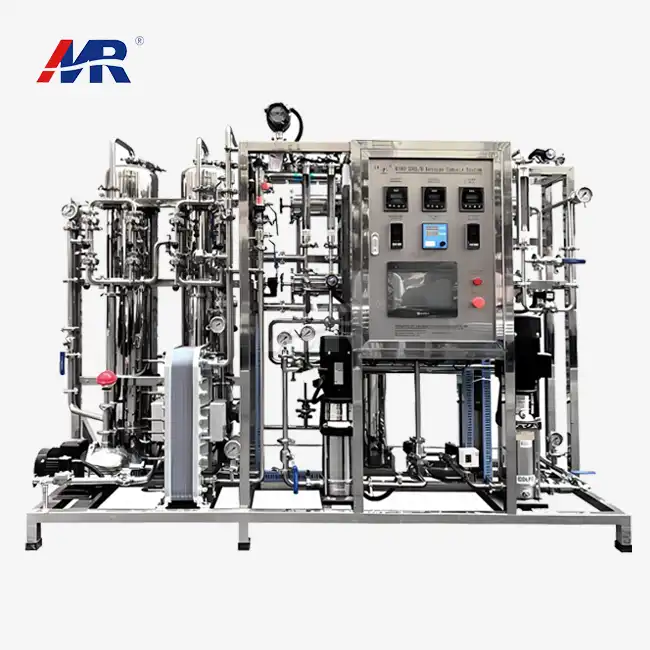
Understanding High Purity Water Systems in Pharmaceuticals
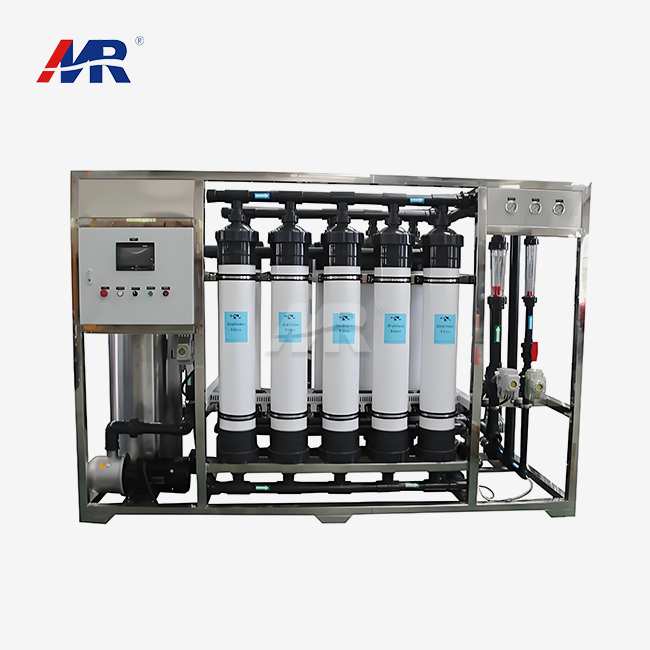
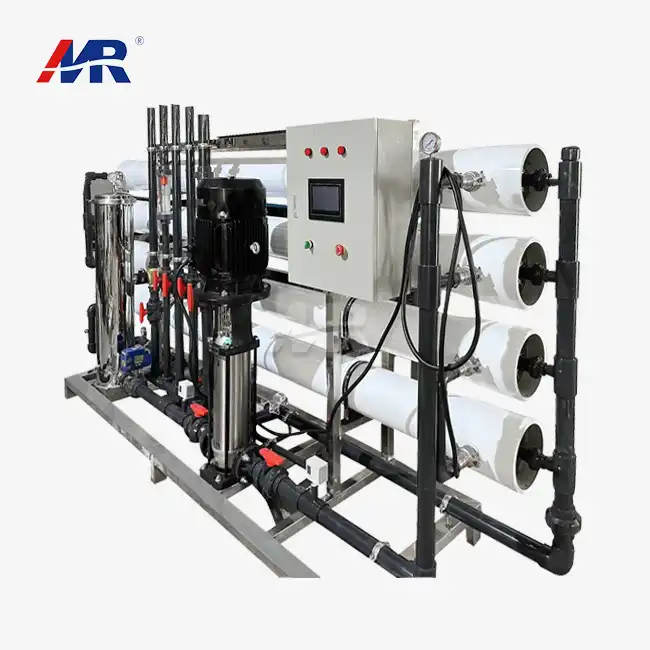
Pharmaceutical-grade water cleansing is a very advanced way of getting rid of contaminants that is much better than standard water treatment methods. These high-tech systems use several different water cleaning methods to meet the very high standards needed for the drug-making process.
Multi-Stage Purification Technologies
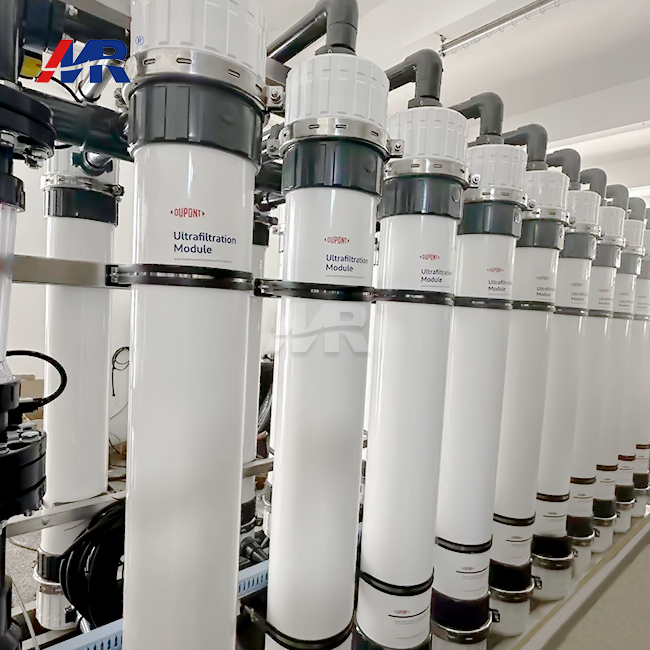
Today's pharmacy water treatment plants use a broad method that mixes many different ways of cleaning. Media filtration and activated carbon cleaning are usually the first steps in the process. These steps get rid of bigger particles and chlorine compounds. This first step gets the water ready for the next steps in the cleaning process.
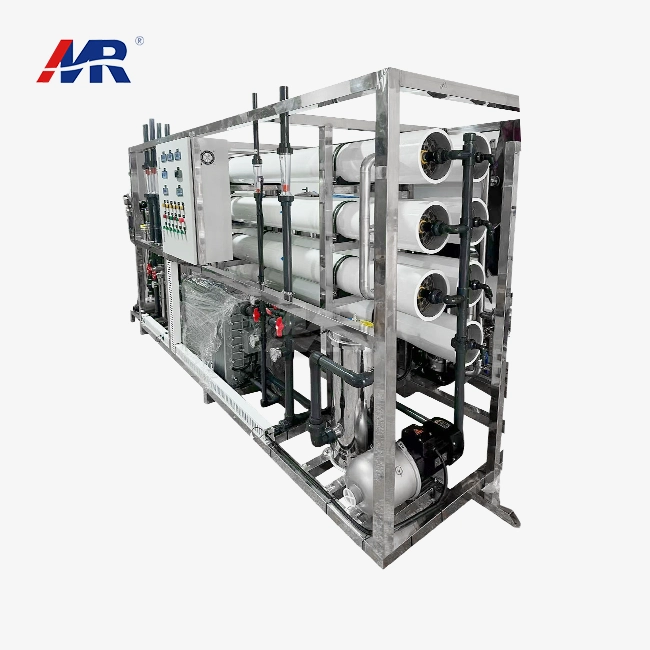
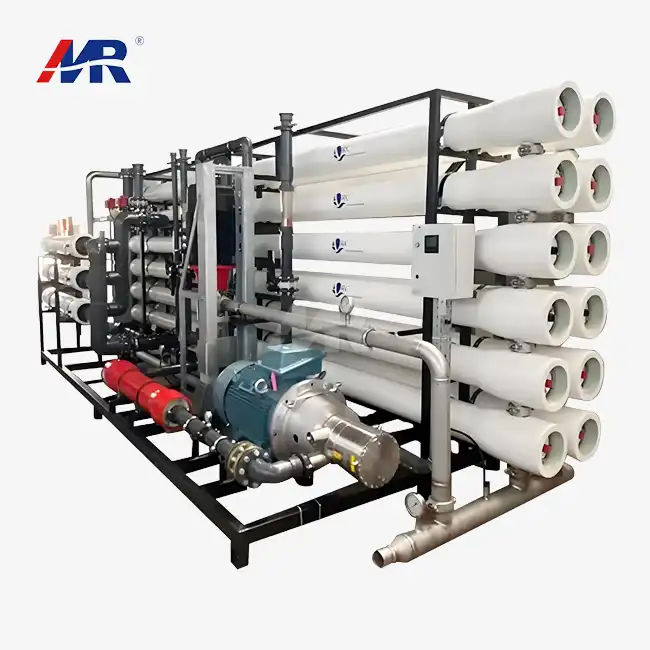
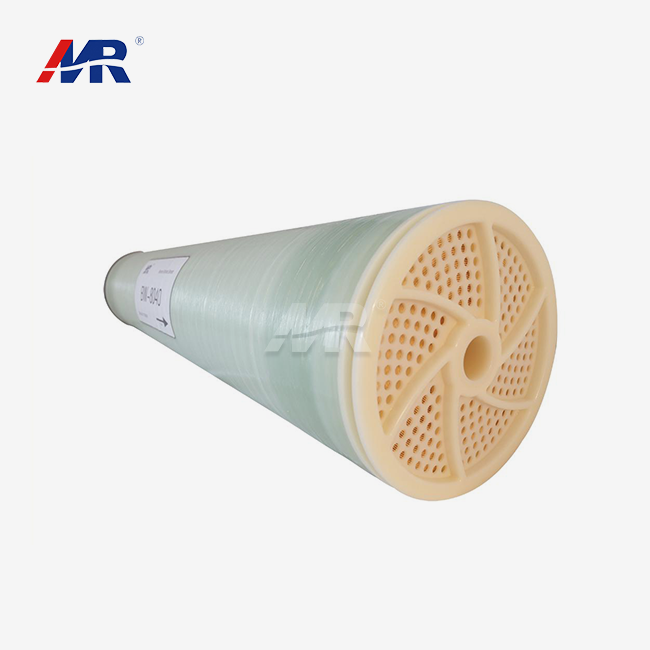
Reverse osmosis membrane technology is the most important method for cleaning water for pharmaceuticals. The high purity water system uses high-rejection TFC (Thin Film Composite) membranes that get rid of 99.9% of most contaminants. These membranes work under a lot of pressure, which makes them good at getting rid of germs, viruses, chemical compounds, and salts that are dissolved in the water.
Electrodeionization (EDI) and UV cleaning finish the cleansing process and make sure that the end product meets the standards for pharmaceutical-grade quality. While EDI gets rid of trace ions to reach the very low conductivity levels needed for medicinal uses, UV treatment kills any microbes that are still there.
Quality Specifications and Standards
Pharmaceutical water has to meet certain standards that are very different from those for drinking water. The total organic carbon level must stay below 500 parts per billion, and the conductivity must stay at or below 1.3 microsiemens per centimeter. For water used in injectable drug production, microbial pollution must be almost completely removed, and endotoxin levels must stay below 0.25 EU/mL.
Ensuring Compliance and Quality with High Purity Water Systems
To follow the rules in pharmaceutical water treatment, you need to always be on the lookout for problems and have a plan for checking quality. Understanding these rules helps makers keep the quality of their goods while still passing global standards.
Regulatory Framework Requirements
The USP makes clear rules about the quality of water used in drugs. The high purity water system defines different types of water, such as Water for Injection (WFI) and Purified Water (PW). Each grade has specific rules for how to make it, how to test it, and how to store it, and these rules must be carefully followed. The European Pharmacopoeia and the United States Pharmacopeia often agree with each other, but the European one may have extra rules for some uses.
Many countries use the WHO rules as their national standards for medicinal water. These guidelines make it clear that a proven method, a written plan, and frequent checks are all necessary to make sure the water quality stays the same.
Quality Assurance Protocols
For pharmacy water systems to work well, they need to be tested often and watched all the time. Real-time tracking systems keep an eye on important factors like temperature, conductivity, and total organic carbon. These systems will let you know right away if these factors go above set limits.
Microbiological testing that is done regularly makes sure that the system keeps the right amount of cleanliness. This includes taking samples from different places in the delivery system daily and keeping records of the results in a way that follows Good Manufacturing Practice (GMP) rules.
Selecting the Right High Purity Water System for Pharmaceutical Use
It is important to consider output needs, quality standards, and practical factors when picking a pharmaceutical water purification device. The choice affects both the ability to comply and the long-term costs of doing business.
Capacity and Scalability Considerations
When choosing pharmaceutical water systems, a basic thing to think about is the production ability. Today's high purity water system has flexible capacity levels from 1,000 to 100,000 gallons per day, which can be used by everyone from small biotech businesses to big drug makers. The modular design method lets you add more parts to the system later on instead of having to change the whole thing.
Recovery rates of up to 75% make sure that water is used efficiently and that little waste is made. This efficiency is especially important in places that use a lot of water every day, since the cost of running them can have a big effect on the general economics of production.
Technology Selection and Customization
The choosing process needs to think about certain medication uses and how they are different from others. Making injectable drugs requires the highest levels of cleanliness. This means that systems with improved cleaning capabilities and low biofilm growth potential are needed.
Customization choices help make sure that systems are able to meet the needs of different kinds of facilities. This includes setting up special pre-treatments for difficult source water conditions, using advanced monitoring systems that help with compliance paperwork, and making designs that save energy so that running costs are lowered.
Optimizing Performance and Sustainability in Pharmaceutical Water Systems
Today's medicinal water systems need to be high-performing, eco-friendly, and budget-friendly. These two goals can be met with the help of advanced tools and operating strategies.
Energy Efficiency and Environmental Impact
Modern high purity water system uses technologies that save energy and lower power use to 3–6 kWh per cubic meter of cleaned water. Variable frequency drives on pump motors change how much energy they use based on how much is needed. Also, energy recovery devices reclaim pressure energy from the concentrate stream.
Heat recovery systems use thermal energy from cleaning processes to use less energy generally. These new ideas help with long-term operations while still meeting the high-quality standards needed for medicinal use.
Maintenance and Lifecycle Management
Preventive repair programs make sure that systems keep working well and that equipment lasts longer. Regularly replacing membranes, cleaning them, and checking components are all ways to avoid unexpected breakdowns that could hurt water quality or the output plan.
Advanced tracking systems allow predictive maintenance strategies, which find possible problems before they affect operations. This preventive method lowers downtime and makes sure that pharmaceutical water standards are always met.
Morui's Pharmaceutical Water Solutions
Guangdong Morui Environmental Technology Co., Ltd's specialty is providing complete pharmaceutical water cleaning solutions that meet the high standards of today's drug making. We have the knowledge and experience to help with every stage of a project, from the initial system design to ongoing operating support.
Comprehensive Service Portfolio
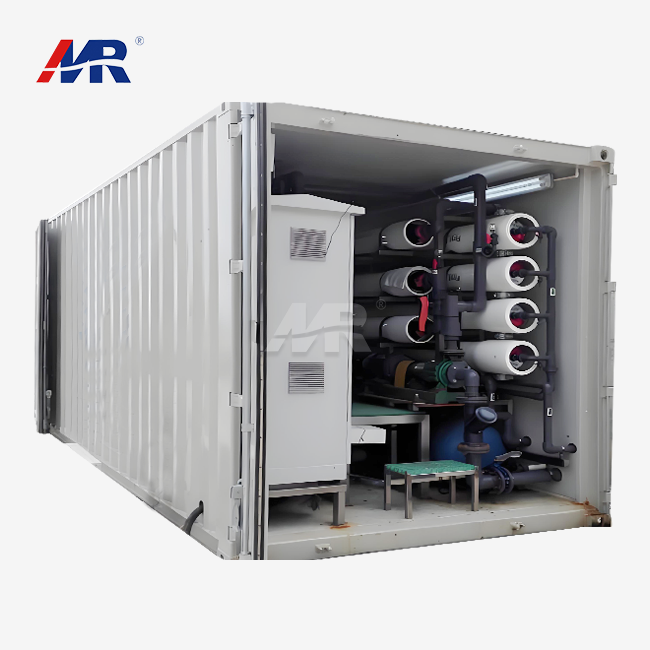
Our medicine water systems use the latest technology that is known to be reliable. The small footprint design gives you more options for where to place it, and sophisticated control and tracking systems make sure that it always follows the rules. Each system has settings that can be changed to fit certain medicinal uses and quality needs.
Morui offers full system support for high purity water systems throughout its lifetime. They can do this with over 500 workers, including more than 20 engineers, across 14 different offices. Our unified method includes making equipment, making membranes, installing them, and giving ongoing expert help to make sure the system works well.
Technology and Quality Advantages
Our high-rejection TFC screens remove a lot of contaminants while still being energy efficient. As production needs grow, the flexible system design makes it easy to add on. At the same time, automatic control systems lower the difficulty of running the system and make sure that the water quality stays the same.
Quality assurance protocols built into every system make it possible to continuously watch and record compliance. These features give drug makers assurance that their water systems will meet the rules and help production run smoothly.
Conclusion
The pharmaceutical industry depends on high purity water systems that provide great quality while staying within the rules. These complex systems use cutting-edge cleaning methods and thorough quality assurance checks to make sure the water meets the strict standards of today's drug making. Choosing the right technology and then properly using and watching it makes sure that it works reliably. This helps both the quality of the product and the speed of the operation. As the making of medicines changes, water treatment systems need to change too, so they can continue to meet the needs of the industry while keeping quality and compliance high.
FAQ
Q1: How are pharmaceutical high purity water systems different from regular water treatment systems?
A: Pharmaceutical devices remove 99.9% of contaminants and meet strict USP, EP, and WHO guidelines, achieving much higher levels of purity. Unlike normal treatment systems made for general industrial use, these systems include specialized parts such as high-rejection TFC membranes, UV sterilization, and state-of-the-art tracking systems that make sure drug-making quality stays consistent.
Q2: How can drug companies make sure they always follow changing rules about water quality?
A: To stay in line, you need to use a broad quality management system that includes ongoing oversight, routine validation studies, and planned record-keeping. Companies should make plans for regular maintenance, do annual microbial testing, and keep accurate tracking tools on hand while keeping up to date with legal changes and industry best practices.
Q3: What do pharmacy water systems need to work properly and be maintained?
A: Regular care means changing the membrane every 2 to 3 years, cleaning the system every day, testing for microbes every week, and keeping an eye on important factors all the time. It usually takes 3 to 6 kWh of energy per cubic meter, and the recovery rates can be as high as 75%. Proper care keeps the system working for a long time and stops pollution problems that could hurt drug production.
Partner with Morui for Pharmaceutical Water Excellence
Reliable pharmaceutical manufacturing demands a trusted high purity water system supplier with proven expertise and comprehensive support capabilities. Morui's advanced purification technology, combined with our extensive industry experience and global service network, provides pharmaceutical companies with the water quality assurance they need. Our customizable systems deliver exceptional performance while meeting stringent regulatory requirements, backed by comprehensive installation and ongoing Technical support services. Ready to enhance your pharmaceutical water purification capabilities? Contact us at benson@guangdongmorui.com to discuss your specific requirements and discover how our solutions can optimize your production operations.
References
1. United States Pharmacopeial Convention. "Water for Pharmaceutical Purposes." USP 44-NF 39, General Chapter 1231, 2021.
2. European Medicines Agency. "Guideline on the Quality of Water for Pharmaceutical Use." EMA/CHMP/CVMP/QWP/496873/2018, European Pharmacopoeia Commission, 2019.
3. World Health Organization. "Quality Assurance of Pharmaceuticals: A Compendium of Guidelines and Related Materials - Water for Pharmaceutical Use." WHO Technical Report Series, No. 970, Geneva, 2018.
4. Parenteral Drug Association. "Technical Report No. 4: Design Concepts for the Validation of a Water for Injection System." PDA Journal of Pharmaceutical Science and Technology, Vol. 75, 2021.
5. International Society for Pharmaceutical Engineering. "Baseline Pharmaceutical Engineering Guide: Water and Steam Systems." ISPE Good Practice Guide, 7th Edition, 2019.
6. American Society for Testing and Materials. "Standard Practice for Pharmaceutical Water System Design, Installation, Commissioning, and Operation." ASTM E2314-20, Annual Book of Standards, 2020.