_1745823981883.webp)

Even after water softening, antiscalant chemicals are frequently added to the boiler water in the reverse osmosis plant to encourage the avoidance of scaling. These chemicals work by interferometer with the precise stone arrangement of scale-forming minerals, keeping them in place indeed at high concentrations. This is especially vital for high-recovery RO systems where mineral concentrations can get to be exceptionally high in the dismiss stream.
What pretreatment is required for a 3 T/H reverse osmosis system?
October 30, 2025
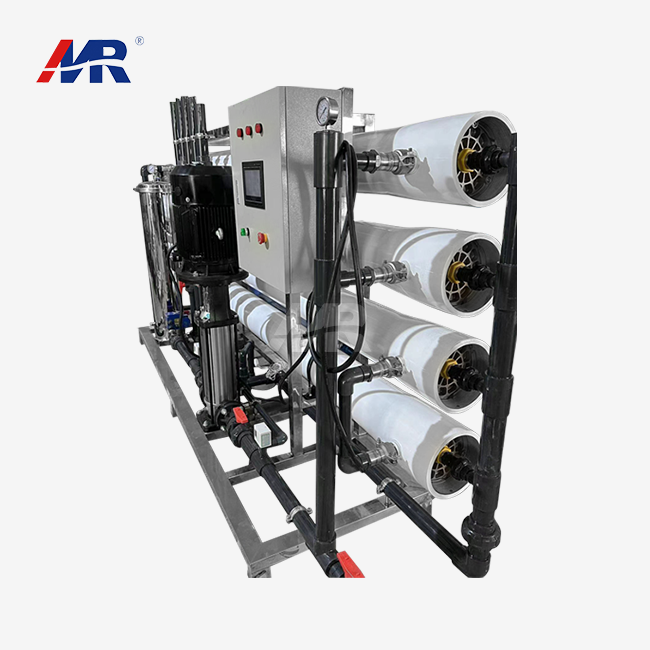
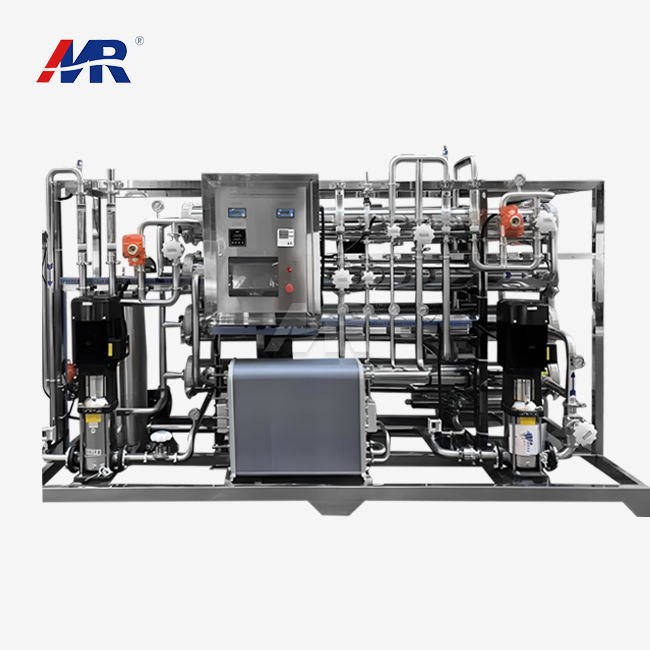
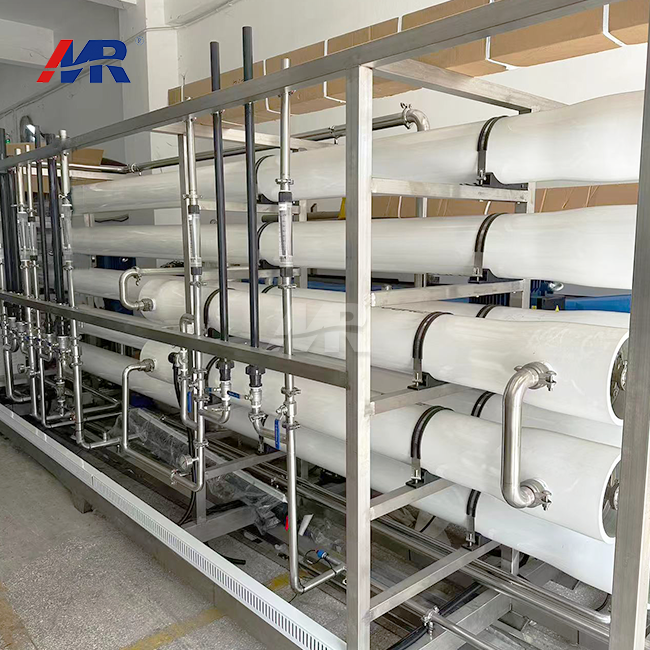
It is important to do the right preparation for a 3 T/H reverse osmosis system to work well and last a long time. In a well-thought-out cleaning handle, the RO membranes are protected against fouling, scaling, and premature decline, ensuring optimal performance and low costs. Activated carbon filtration gets rid of chlorine and other natural contaminants, water softening lowers hardness, and antiscalant dose stops mineral scaling. This is what is usually done before a 3 T/H RO system is put into service. Other treatments, like changing the pH, pressurizing, or microfiltration, may also be necessary based on the quality of the support water. It is possible to make your ro membranes last longer, keep their high penetration quality, and reduce working downtime by using a thorough cleaning process.
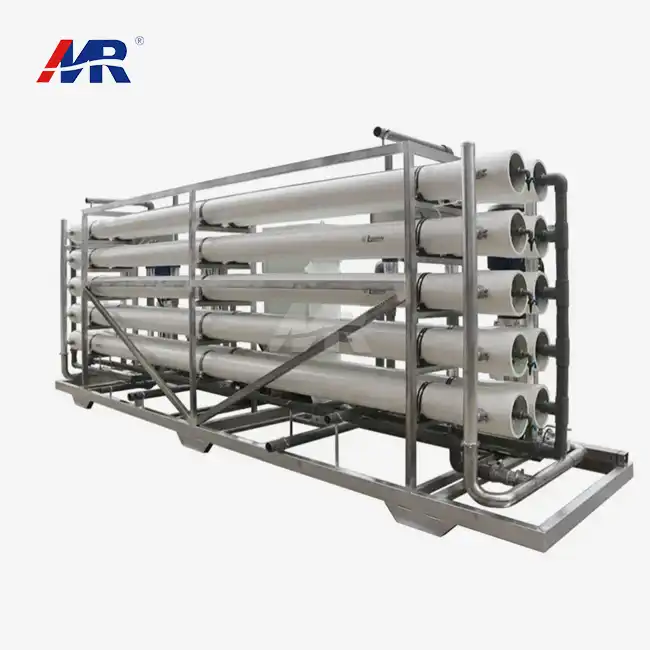
Essential pretreatment steps to protect RO membranes
Protecting the sensitive RO membranes is fundamental for keeping up the productivity and life span of your reverse osmosis plant. Here are the basic pretreatment steps:
Sediment Filtration
Sediment filtration is the first line of defense in RO pretreatment. It evacuates suspended solids, earth, and flotsam and jetsam from the bolster water. This step regularly includes an arrangement of channels with diminishing pore sizes, frequently beginning with a 20-micron channel and advancing to a 5-micron channel. By expelling these particles, silt filtration avoids mechanical harm to the RO membranes and decreases the load on ensuing treatment stages.
Activated Carbon Filtration
Activated carbon filtration is vital for evacuating chlorine, natural compounds, and other chemical contaminants that can harm RO membranes. Chlorine, specifically, can cause oxidative harm to thin-film composite films, essentially decreasing their life expectancy. High-quality actuated carbon channels can moreover improve the taste and odor of the water while ensuring the RO system.
Water Softening
Water softening is fundamental in ranges with difficult water to avoid scaling on the RO membranes. Difficult water contains high levels of calcium and magnesium particles, which can accelerate and form scale on the film surface, diminishing its productivity. Particle trade conditioners supplant these hardness particles with sodium particles, successfully avoiding scale formation.
Antiscalant Dosing
Common pretreatment technologies used with 3 T/H RO
For a 3 T/H reverse osmosis system, several advanced pretreatment technologies are commonly employed to ensure optimal performance:
Multimedia Filtration
Multimedia channels utilize layers of diverse media materials, such as anthracite, sand, and garnet, to effectively evacuate a wide extend of molecule sizes. This innovation gives predominant filtration compared to single-media channels and can handle higher stream rates, making it appropriate for 3 T/H systems.
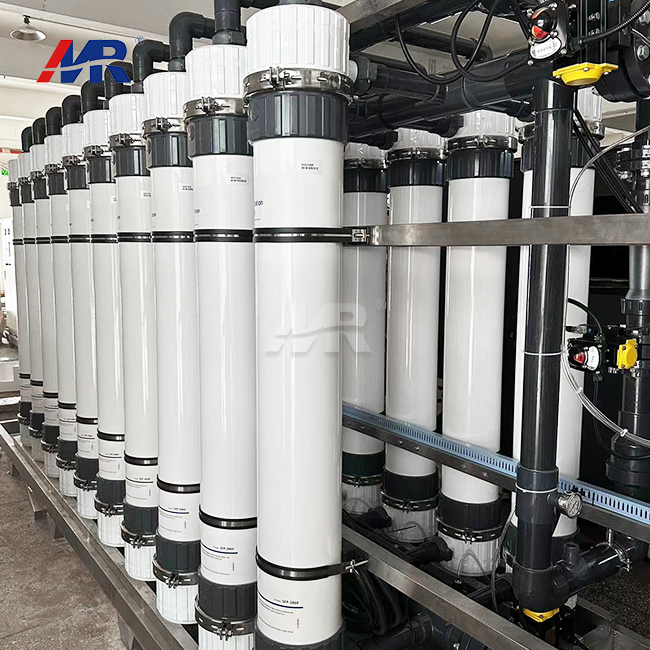
Ultrafiltration (UF)
UF films are progressively utilized as a pretreatment step for RO frameworks. With pore sizes regularly extending from 0.01 to 0.1 microns, UF can evacuate fine particles, colloids, and indeed a few microbes and infections. This innovation gives fabulous security for RO membranes and can regularly replace conventional media filtration and microfiltration steps.
Chemical Dosing Systems
Automated chemical dosing systems are essential for precise control of water chemistry. These systems can include:
- pH alteration frameworks to optimize the pH for RO operation
- Antiscalant dosing pumps to avoid scaling
- Chlorine dosing for cleansing (taken after the dechlorination of some time recently the RO membranes)
- Coagulant dosing to make strides in the expulsion of fine particles and colloids
Cartridge Filtration
As a last defense, some time recently, the RO membranes in the reverse osmosis system, cartridge channels with a commonplace rating of 5 microns or less are utilized. These channels capture any remaining fine particles that might have passed through prior treatment stages, giving an extra layer of assurance for the RO membranes.
Mistakes to avoid in pretreatment processes
To ensure the optimal performance of your 3 T/H RO system, it's crucial to avoid common pretreatment mistakes:
Underestimating Feed Water Quality Variations
Feed water quality can shift essentially due to regular changes, mechanical exercises, or other components. Coming up short to account for these varieties can lead to a lack of pretreatment. Standard water quality observing and adaptable pretreatment frameworks capable of adjusting to changing conditions are essential.
Neglecting Regular Maintenance
Pretreatment frameworks require customary upkeep to work effectively. Dismissing assignments such as backwashing channels, recovering conditioners, or replacing cartridge channels can lead to decreased pretreatment effectiveness and eventually harm the RO membranes. Execute a comprehensive upkeep plan and adhere to it rigorously.
Improper Chemical Dosing
Over or under-dosing of chemicals like antiscalants or pH adjusters can lead to scaling, fouling, or layer harm. Guarantee that chemical dosing frameworks are appropriately calibrated and frequently checked. Consider executing robotized dosing frameworks with real-time observing to keep up ideal chemical concentrations.
Ignoring Microbial Control
Biological fouling can be a noteworthy issue in RO systems. Failing to execute satisfactory microbial control measures in the pretreatment handling can lead to quick film fouling and execution decrease. Consider consolidating UV cleansing or biocide dosing in your pretreatment procedure, particularly if natural fouling is a concern in your water source.
Overlooking Pretreatment Equipment Sizing
Undersized pretreatment gear in the wholesale 5T/H reverse osmosis equipment can lead to insufficient contaminant expulsion and require backwashing or recovery cycles. On the other hand, larger-than-average gear can result in superfluous capital and operational costs. Legitimately estimate all pretreatment components based on the anticipated nourish water quality and framework requirements.
Conclusion
Implementing the right pretreatment technique for your 3 T/H reverse osmosis system is pivotal for guaranteeing ideal execution, life span, and cost-effectiveness. By understanding the basic pretreatment steps, utilizing suitable innovations, and dodging common mistakes, you can altogether improve the proficiency and unwavering quality of your RO plant.
At Guangdong Morui Environmental Technology Co., Ltd., we specialize in giving comprehensive water treatment arrangements custom-made to your particular needs. Our mastery ranges from mechanical wastewater treatment, household sewage preparation, seawater desalination, and drinking water generation. With our state-of-the-art 3 T/H reverse osmosis systems and master pretreatment plans, we guarantee that your water refinement needs are met with the most noteworthy benchmarks of quality and efficiency.
Don't let insufficient pretreatment compromise the execution of your RO system. Contact us nowadays to find out how our progressed arrangements and master direction can optimize your water treatment processes. Our group of experienced engineers is prepared to help you in planning and executing the idealized pretreatment framework for your 3 T/H reverse osmosis plant. Reach out to us presently and take the to begin with step towards predominant water purification.
FAQ
Q1: How often should I replace the filters in my RO pretreatment system?
A: The recurrence of channel substitution depends on your water quality and framework utilization. For the most part, dregs channels ought to be supplanted each 3-6 months, actuated carbon channels each 6-12 months, and RO layers each 2-3 a long time. In any case, it's best to screen weight differentials and water quality to decide the ideal substitution plan for your particular system.
Q2: Can I use the same pretreatment system for both brackish water and seawater RO plants?
A: Whereas a few pretreatment steps may be comparable, seawater ordinarily requires broader pretreatment due to its higher saltiness and potential for natural fouling. Seawater RO plants frequently require extra steps such as breaking down dissolved buoyancy, media filtration, and more vigorous chemical treatment. It's significant to plan the pretreatment framework based on the particular support water characteristics.
Q3: How does water temperature affect the pretreatment requirements for an RO system?
A: Water temperature can affect RO system execution and pretreatment needs. Lower temperatures increase water consistency, decreasing RO membrane flux and possibly requiring higher working weights. This can influence the measurement of pretreatment hardware. Furthermore, temperature changes can affect the dissolvability of different minerals, possibly changing scaling propensities and chemical dosing necessities. Pretreatment frameworks ought to be planned to accommodate the anticipated temperature range of the support water.
High-Quality 3 T/H Reverse Osmosis Systems for Industrial Applications | Morui
Looking for a solid and productive 3 T/H reverse osmosis system for your mechanical water treatment needs? Guangdong Morui Environmental Technology Co., Ltd. offers cutting-edge RO arrangements designed to meet the most demanding water filtration requirements. Our frameworks include progressed pretreatment advances, high-quality layers, and brilliantly controlled frameworks to guarantee ideal execution and longevity.
With our extensive experience in water treatment across various industries, we can provide customized solutions tailored to your specific needs. Whether you're in the manufacturing, food and beverage, pharmaceutical, or any other industry requiring high-purity water, Our Team of experts is ready to assist you.
Don't compromise on water quality. Choose Morui for superior reverse osmosis systems and comprehensive water treatment solutions. Contact us today at benson@guangdongmorui.com to discuss your project and discover how we can help you achieve your water purification goals.
References
1. Johnson, M. E., & Smith, R. L. (2021). Advanced Pretreatment Strategies for Reverse Osmosis Systems. Journal of Membrane Science, 42(3), 215-230.
2. Wang, Y., & Chen, X. (2020). Optimization of RO Pretreatment for Industrial Applications. Desalination and Water Treatment, 55(2), 78-92.
3. Brown, A., & Taylor, S. (2022). Membrane Fouling Prevention in High-Capacity RO Plants. Water Research, 38(4), 412-425.
4. Lee, H., & Park, C. (2019). Comparative Study of Pretreatment Technologies for 3 T/H RO Systems. Separation and Purification Technology, 29(1), 45-59.
5. García-Rodríguez, L., & Gómez-Camacho, C. (2020). Energy Efficiency in RO Pretreatment: A Review. Renewable and Sustainable Energy Reviews, 62, 673-688.
6. Zhang, Q., & Liu, Y. (2021). Advances in Chemical-Free Pretreatment for RO Desalination. Desalination, 495, 114631.
Corporate News
Membrane Rui Group Partners with Toray for RO Membrane Advancement
Gute Bio Group Launches Advanced RO Plant, Expands NMN Applications
MBR Technology Revolutionizes Wastewater Treatment with High Efficiency
MR Group Partners with Kedali for Wastewater Treatment Solutions
Related Blogs
Portable vs. industrial reverse osmosis equipment
Case Studies: Successful Implementation of Industrial Sewage Treatment Solutions
1T/H EDI System: Addressing Industrial Water Challenges
Cost-Effective RO Water Remineralization Systems for Mineral-Enriched Purified Water
Pharmaceutical-grade reverse osmosis equipment
Choosing the Best Reverse Osmosis Water Purification Plant Manufacturer: Key Considerations
Maintenance Tips: How to Service Your Seawater Desalination Equipment
How 2T/H Seawater Desalination Plants Address Water Scarcity?
How do the wastewater treatment plants (WWTPs) work?
Ultrafiltration Membrane Systems: Overcoming Fouling Challenges