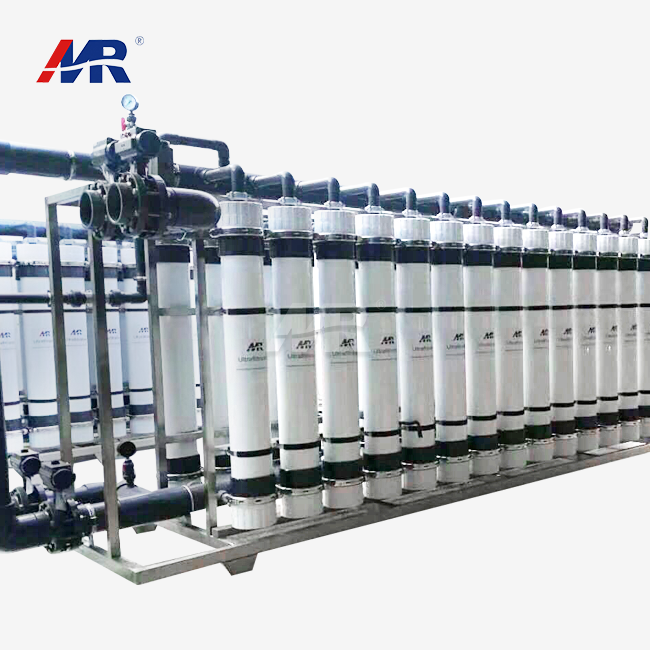
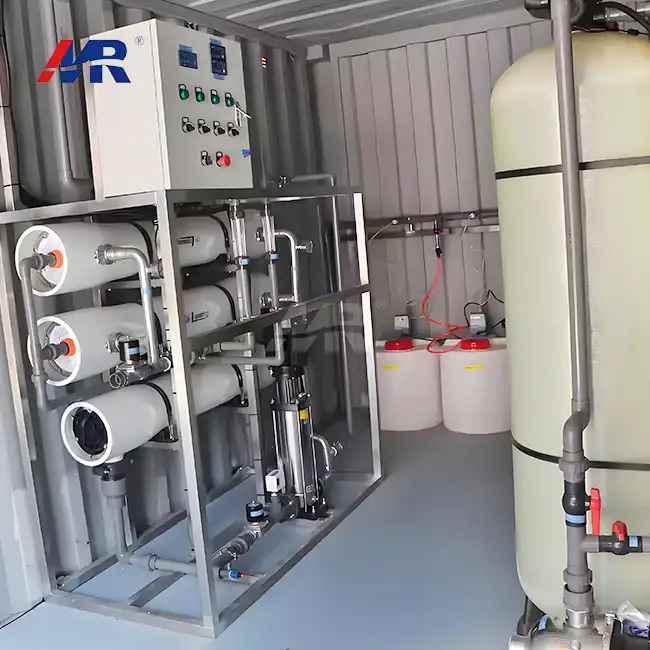
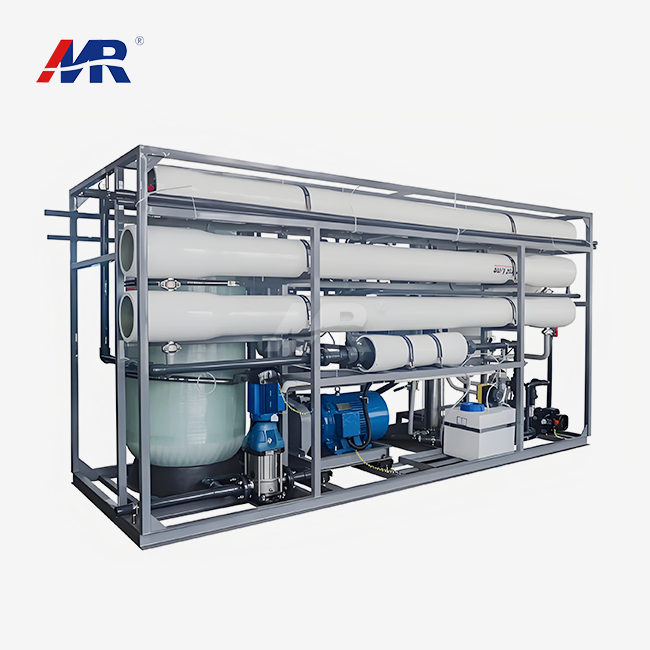
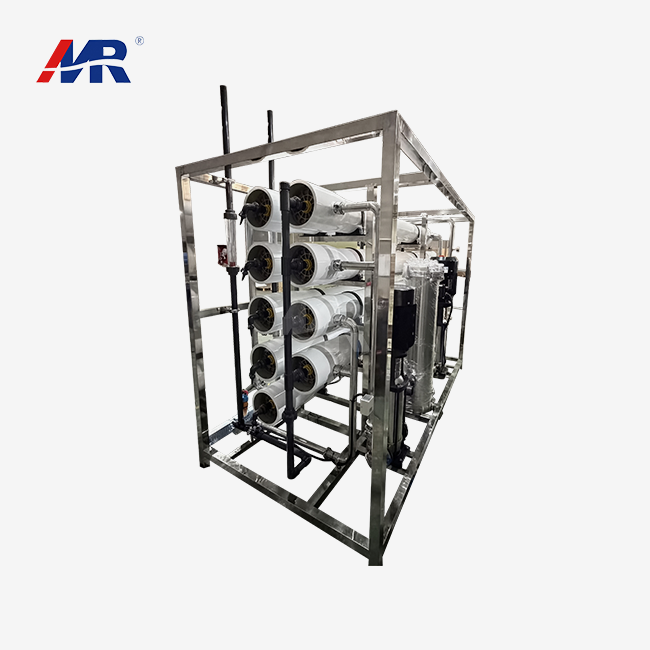
_1745823981883.webp)

RO System Descaling and Biofilm Removal: Essential Techniques for Optimal Performance
To keep Reverse Osmosis systems working at their best, scaling and biofilm growth need to be managed proactively. The working efficiency of your system drops greatly when mineral deposits build up, and microbial colonies form inside it. Combining effective descalers with tried-and-true biofilm removal methods can get your RO system back to working at its best while avoiding costly membrane replacement and unplanned downtime that delays production.
Introduction
Reverse Osmosis systems are the main way that water is cleaned in many industry settings, from factories that make medicines to those that process food. The dependability of these systems has a direct effect on the level of work, following the rules, and making money for the business. Limescale layers and biofilm development, on the other hand, cause long-lasting problems that can weaken systems for long periods of time.
Mineral scales form naturally when calcium, magnesium, and other chemicals that are dissolved in water settle on barrier surfaces under pressure. At the same time, biofilms form when bacteria colonize system parts and make protective layers that are hard to clean with normal means. These two problems make operations more expensive because they use more energy, produce less water, and speed up membrane breakdown.
This complete guide talks about the important repair needs that procurement workers and expert decision-makers have when they are in charge of RO systems. We look at tried-and-true methods for descaling, getting rid of bacteria, and care best practices that make systems run better. Businesses can make membranes last longer, keep water quality standards high, and achieve long-term operational success in a wide range of industrial settings by carefully reviewing cleaning routines and purchasing strategies.
Understanding RO System Scaling and Biofilm Issues
The Science Behind Mineral Scaling
One of the biggest problems that affects the performance of RO systems in industrial settings is scaling. This happens when minerals in the feedwater break down more than they can in the concentrated conditions that are created during the reverse osmosis process. Crystalline layers of calcium carbonate, calcium sulfate, magnesium hydroxide, and silica substances build up on the surfaces of membranes over time.
As rejected solutes build up near membrane surfaces, the concentration polarization effect makes scaling more likely. Conditions that are good for precipitate development include changes in temperature and pH, and higher ionic strength. Industries that deal with hard water or run systems at higher recovery rates see scaling happen faster, which means they need to use special cleaning agents descaler more often.
Biofilm Formation and Microbial Challenges
The growth of biofilm is a more complicated problem that goes beyond simple physical damage. Microorganisms like bacteria, algae, and fungi form protective communities in RO systems by releasing extracellular polymeric substances that build strong structures. These biofilms cause several operating issues, such as lower permeate flow, higher difference pressure difference, and worse water quality.
Biofilms that are fully grown can resist normal cleaning methods because they are sticky. This makes removal harder and harder over time. Microbes can keep growing because of the organic chemicals in the feedwater, and the protective biofilm structure keeps organisms safe from biocides and sanitizing agents. Knowing how these things work helps technology teams come up with focused removal methods that kill both the microbes and the protective matrix.
Operational Impact and System Deterioration
The combined effects of scaling and biofilm formation show up as measured performance decline that lowers the efficiency of operations. To keep up with production goals, feed pressure has to be raised when permeate flow rates go down. This means that more energy is used and running costs go up. Differential pressure changes across membrane parts show that fouling is getting worse and will need to be cleaned or replaced at some point.
Early detection of these performance signs allows prompt action that stops membrane damage that cannot be fixed. Normalized specific flow decrease, salt passage increases, and changes in pressure drop can be used to measure how well a system is working. Keeping track of these factors helps maintenance teams set up cleaning plans that get the most out of the system's performance while using the least amount of chemicals and causing the least amount of downtime.
Proven Techniques for RO System Descaling and Biofilm Removal
Chemical Cleaning Approaches
Descaling and bacteria removal programs work best when they use effective chemical cleaning procedures. Acid-based cleaners are great at getting rid of mineral scales. Depending on the needs of the system, hydrochloric acid and citric acid formulas offer different benefits. Hydrochloric acid breaks down scale quickly, but it needs to be handled carefully and rinsed well to keep membranes from getting damaged.
It is safer for operating staff to use citric acid, which is a gentler option that gets rid of calcium-based scales just as well. Chelating agents, such as EDTA or phosphonic acid molecules, are used in specialty descalers to keep metal ions from reprecipitating during cleaning processes. Corrosion inhibitors and detergents are often part of these improved formulations. They make cleaning more effective while also protecting system parts.
To get rid of biofilm, you need to use different chemicals that attack both the protected framework and the microbes. Sodium hydroxide-based alkaline cleaners break up biofilm structure and break up biological buildup. Proteins and sugars that keep biofilm together can be broken down by enzyme cleaners, which work specifically on biofilm components. Oxidizing biocides, such as sodium hypochlorite, kill a wide range of microbes, but they need to be carefully managed in terms of pH to keep working.
Mechanical and Physical Removal Methods
Mechanical cleaning methods work with chemicals because they break up deposits and biofilms physically. When high flow rates are used for forward cleaning, they help move small deposits out of the system. When backwashing is used, regular flow patterns are turned around to get rid of particles and biofilm pieces that have built up on membrane surfaces.
During osmotic shock treatments, solutions with high and low salinity are switched between to stress biofilm structures and improve chemical penetration. Pulsed flow methods create turbulence, which breaks up biofilm structures and makes it easier for chemicals to touch dirty surfaces. When used in a series of treatments, these mechanical methods work especially well when mixed with chemical cleaners.
Integrated Cleaning Protocols
Cleaning apps that work use several different methods in a specific order to deal with different types of dirt and grime. Forward washing is usually the first step in the cleaning process. This gets rid of small deposits. Next comes alkaline cleaning, which gets rid of biofilms and organic fouling. Mineral scales are removed by acid cleaning, and any leftover bacteria are killed by final sanitization.
The right chemical concentration, contact time, temperature control, and flow rate improvement are all important parts of the procedure. During cleaning processes, circulation pumps make sure that the flow is spread out evenly, and temperature control makes chemicals work better without hurting the membrane materials. Keeping an eye on pH, conductivity, and turbidity while cleaning lets you know how well the cleaning is going and helps you figure out when to move on to the next step.
Optimizing RO System Performance Through Regular Maintenance
Water Quality Monitoring and Assessment
Monitoring the water quality in a wide range of ways is the basis for planning repair tasks and making the system work better. Regularly checking the hardness, alkalinity, silica content, and microbiological factors of feedwater helps predict fouling possibility and set the right cleaning rates. To make sure the right cleaning is done and the membrane stays intact, the amounts of total dissolved solids, turbidity, and chlorine must be constantly checked.
Through conductivity measurements, total organic carbon analysis, and microbiological tests, permeate quality tracking keeps an eye on how well the system is working. If you look at these factors over time, you can see that their performance is slowly getting worse, which means that they need to be cleaned, descaled, or maintained. Real-time sensors built into advanced tracking systems give constant feedback on important factors, allowing predictive maintenance plans that choose the best times for cleaning.
Maintenance Schedule Development
A good maintenance schedule combines how often things need to be cleaned with what needs to be done so that downtime is kept to a minimum and system efficiency is maintained. Industries that deal with hard water usually need to clean their systems once a month, but systems that do a good job of prep can go three to six months without needing to be cleaned. Because feedwater quality changes with the seasons, cleaning plans often need to be changed to keep up with the new fouling conditions.
To make unique maintenance plans, you need to look at past performance data, the properties of the feedwater, and how things have been running. When systems have faster healing rates, fouling happens faster, which means they need to be cleaned more often. Changes in temperature, biological activity during different times of the year, and process changes can all affect how often something should be cleaned and help set up flexible maintenance programs.
Performance Optimization Strategies
Performance optimization includes more than just cleaning up after something goes wrong. It also includes preventative tactics that reduce the chance of fouling. Optimizing pretreatment by improving filtration, chemical preparation, and cleaning lowers the amount of fouling that gets to ro membranes. Biocides stop the growth of microbes in feedwater systems, and antiscalant dosing programs stop minerals from precipitating.
Adjusting the healing rate, managing the pressure, and controlling the flow spread are all examples of operating parameter optimization. Cross-flow velocity optimization keeps the shear on the membrane surface, which helps keep deposits from building up. Keeping the temperature in the right range balances the production of permeate with the risk of fouling, and changing the pH can affect how scaling happens and how well the biocide works.
Selecting and Procuring the Right Descaler for Your RO System
Chemical Compatibility and Selection Criteria
When choosing the right cleaning agents, you need to think carefully about the membrane materials, how the system is built, and how fouling works. Chlorine and strong oxidants can damage polyamide thin-film composite membranes, which limits the chemicals that can be used to control biofilm. Cellulose acetate membranes can handle chlorine, but they are sensitive to pH, which makes acid cleaning methods less effective.
Chemical compatibility standards are affected by system materials like valves, seals, and metal parts. Systems made of stainless steel can handle most cleaning chemicals, but systems with flexible seals might need special formulas that keep them from breaking down. Specifications for chemical protection, temperature ratings, and pressure limits help choose the right cleaning agents that keep the system's integrity during cleaning processes.
Environmental and Safety Considerations
These days, choosing a descaler depends more on how well it cleans and how safe it is for workers and the environment. Formulations that break down naturally have less of an effect on the environment while still being able to remove scale effectively. Low-toxicity options reduce the risks of accidents during handling and removal, which lowers the need to follow rules and protects workers' health.
Closed-loop cleaning methods allow chemicals to be recovered and used again, which cuts down on waste and usage. Protocols for neutralization safely handle used cleaning solutions before they are thrown away, making sure that environmental laws are followed. Safety data sheets tell you how to handle chemicals safely, what safety gear you need, and what to do in an emergency so that you and your coworkers are safe while you clean.
Procurement Strategies and Supplier Partnerships
A good buying strategy takes into account how well chemicals work, how much they cost, and how reliable the supply chain is. A lot of the time, bulk buying deals save a lot of money and make sure that there is enough inventory for planned maintenance programs. Chemical suppliers offer Technical support services that make it easier to come up with cleaning protocols and fix problems.
Supplier partnerships include more than just buying chemicals. They also include training programs, creating protocols, and providing ongoing technical support. Qualified providers offer testing for membrane compatibility, confirmation of cleaning efficiency, and creation of custom formulations for particular uses. These relationships are especially helpful for places that have to manage several RO systems that need to work in different ways.
Morui's Advanced RO Maintenance Solutions
Company Expertise and Industry Leadership
Industrial customers all over the world can get water treatment options from Guangdong Morui Environmental Technology Co., Ltd. We have a deep understanding of the problems that come up with maintaining RO systems because we have worked in many different industries for many years, such as medicine manufacturing, food processing, and electronics production. We have the technical depth to deal with difficult water treatment problems because we have over 500 skilled workers and 20 expert engineers.
Our unified method includes making tools, supplying chemicals, and offering full maintenance support through our 14 branches in different areas. This large infrastructure makes it possible to provide quick service and technical help that keeps your RO systems running at their best. Our membrane production center ensures quality control and the dependability of the supply chain. We also have strategic partnerships with top component makers that help us offer better solutions.
Comprehensive Descaler Product Portfolio
To make sure that Morui's descaler treatments are safe and effective, they are carefully made to meet all of your RO system cleaning needs. Our acid-based formulas break down scale quickly in heavy fouling situations, while kinder formulas are better for delicate membrane materials and regular upkeep tasks. Specialized goods for getting rid of biofilm use advanced detergents and enzymes that can get through protected layers.
Our chemical range has grown after a lot of study into how well they work with membranes, how they affect the environment, and how safe they are to use. Each mixture goes through a lot of tests to make sure it works well with different types of membranes and in different types of water. Our quality assurance procedures ensure that the work will always be done correctly and reliably, which will meet your repair scheduling needs.
Technical Support and Service Excellence
Morui does more than just sell Products; they also offer full technical help to make sure that cleaning routines and maintenance programs are carried out correctly. Our expert team helps with developing cleaning procedures, figuring out the best way to dose chemicals, and fixing performance problems so that the system is as reliable as possible. Your housekeeping staff will learn the right way to clean, stay safe, and keep track of their own success through training programs.
We are dedicated to our customers' success and offer ongoing support and performance analysis that finds ways to improve things. Regular system checks help improve cleaning plans and chemical choices to keep costs low and performance high. This way of working together creates long-lasting relationships that support operational excellence and efforts for ongoing growth.
Conclusion
To maintain a RO system well, you need to take a complete approach that deals with both scaling and bacteria issues by using tried-and-true cleaning methods and picking the right chemicals. Making sure that chemicals are used correctly and that you do preventative repair on a regular basis will protect your investment and keep the water quality and system efficiency high. When advanced descaler solutions are combined with regular maintenance methods, working efficiency and membrane life both get a big boost.
The right cleaning chemicals and upkeep plans rely on the needs of the application, the quality of the water, and the limitations of the operation. Professional advice from experienced water treatment experts makes sure that the cleaning works best while also keeping safety standards and saving system parts. By following these best practices, your facility will be set up for long-term operating success and legal compliance in a wide range of challenging industrial uses.
FAQ
Q1: How often should I clean my RO system with descaler?
How often you clean depends on the quality of the feedwater, how fast the system recovers, and how it is being used. Systems that deal with hard water usually need to be cleaned once a month, but systems that have already been handled well may go 3 to 6 months without needing to be cleaned. To find the best time for cleaning your product, keep an eye on the normalized specific flow and differential pressure.
Q2: What's the difference between acid and alkaline cleaners for RO systems?
Alkaline cleaners get rid of biofilms, organic matter, and colloidal layers, while acid cleaners get rid of mineral scales like calcium carbonate and metal oxides. The best way to clean is to see both types at the same time, first alkaline cleaning and then acid treatment, to get rid of all the different kinds of dirt.
Q3: Can I use generic descaler products on my RO membranes?
Generic descalers might not work well with RO membranes that are sensitive. RO cleaning chemicals come in formulas that are made to work with membrane materials. This means that they clean well without damaging the membrane. Always check the chemical compatibility with the instructions that came with your membrane before using it.
Q4: What safety precautions are necessary during RO system cleaning?
Personal protective tools, enough ventilation, and teaching on how to handle chemicals are all important safety steps. Don't mix different cleaning agents; make sure you use the right dilution ratios and rinse well between steps of cleaning. Follow the instructions on the safety data sheet and make plans for what to do in case of a chemical exposure situation.
Q5: How do I know if biofilm is affecting my RO system performance?
When biofilm is present, it usually shows up as faster flow decrease, higher differential pressure, and more bacteria in the permeate. If you look closely, you might see slimy layers on system parts. Microbiological study of system samples gives a clear picture of the biofilm and helps choose the right treatment.
Partner with Morui for Superior RO System Performance
Morui's proven descaler solutions and full expert help will change the way you maintain your RO system. Our specially made formulas clean very well and protect your expensive membrane investments at the same time. Email our expert team at benson@guangdongmorui.com to talk about your unique needs and get personalized advice on how to get the best system performance. As a top descaler maker, we use cutting-edge chemistry and years of experience in the field to get measured results that lower costs and make tools last longer.
References
1. American Water Works Association. "Reverse Osmosis and Nanofiltration Treatment Manual." 2nd Edition, AWWA Publications, 2019.
2. Crittenden, J.C., et al. "MWH's Water Treatment: Principles and Design." 3rd Edition, John Wiley & Sons, 2012.
3. Membrane Technology Research Institute. "Advanced Techniques for Biofilm Control in Water Treatment Systems." Industrial Water Treatment Journal, 2021.
4. International Desalination Association. "Best Practices for RO System Cleaning and Maintenance Protocols." IDA Technical Guidelines, 2020.
5. Water Quality Association. "Chemical Cleaning of Reverse Osmosis Membranes: Effectiveness and Safety Considerations." WQA Research Foundation, 2019.
6. Society of Chemical Industry. "Advances in Descaling Technology for Industrial Water Treatment Applications." Process Engineering Quarterly, 2021.